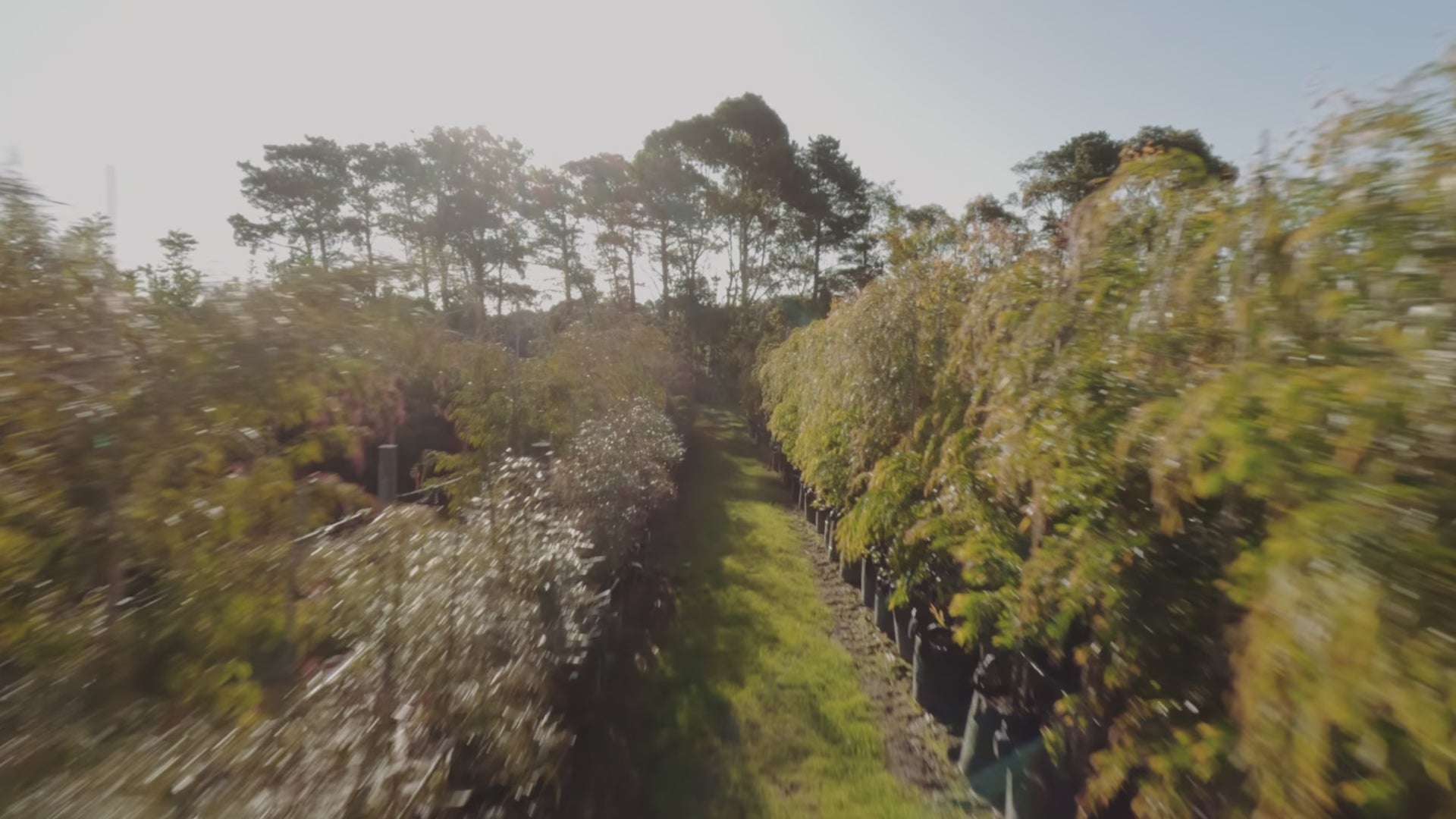
We Deliver Advanced Trees to Australia’s Most Considered Residential and Commercial Projects
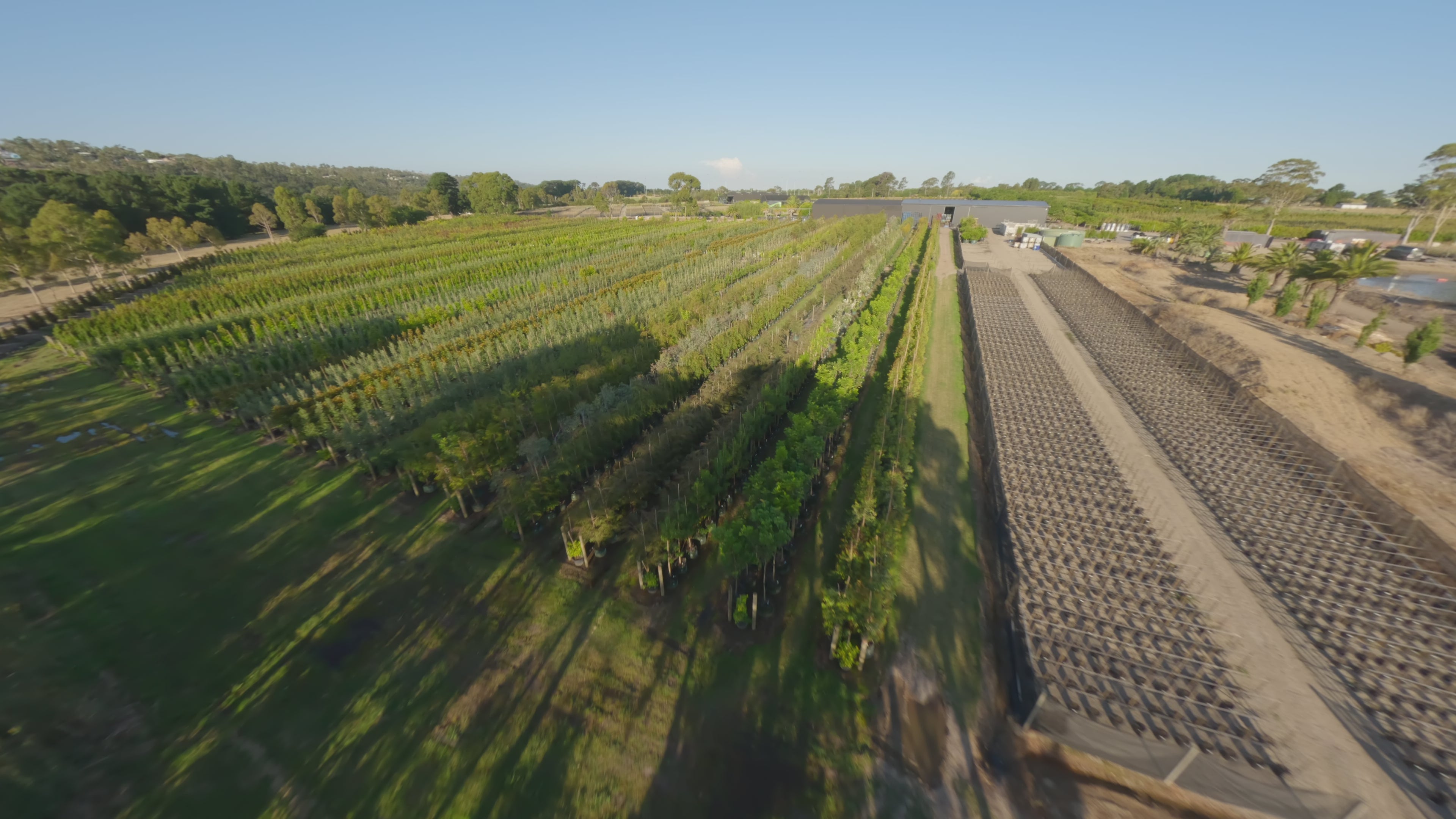
Evergreen Trees Direct is the trusted source for advanced, mature trees, chosen by discerning landscapers, developers, architects, and councils. We supply only the finest hand-selected trees, bringing instant impact and lasting elegance to exceptional landscapes. With an unwavering commitment to quality, expertise, and a seamless experience, Evergreen Trees Direct sets the standard for luxury in tree supply.
Your Favorites
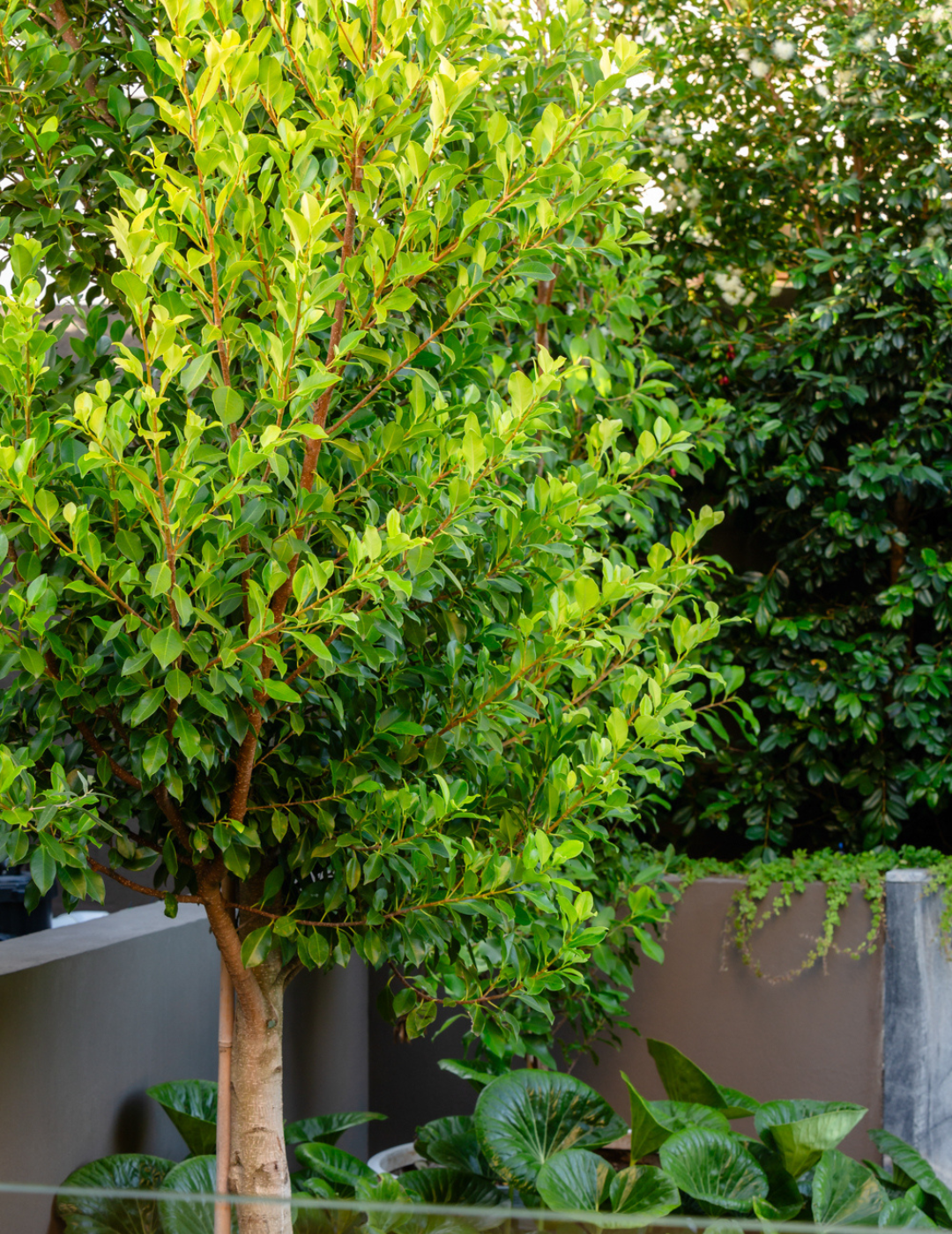
Type: Hedging and Screening Trees
Ficus Hillii Flash
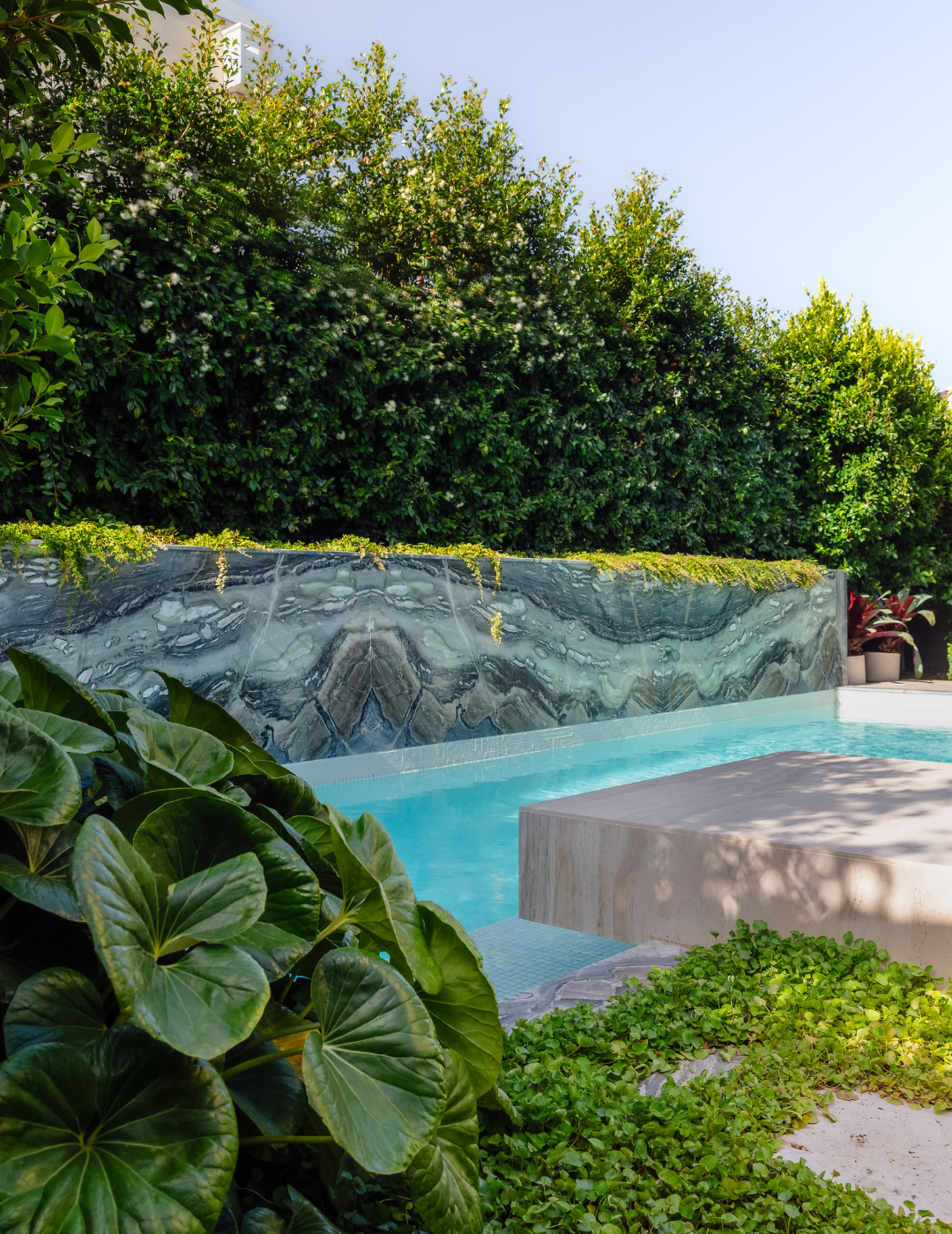
Type: Hedging and Screening Trees
Syzygium paniculatum 'Backyard Bliss' - Lilly Pilly
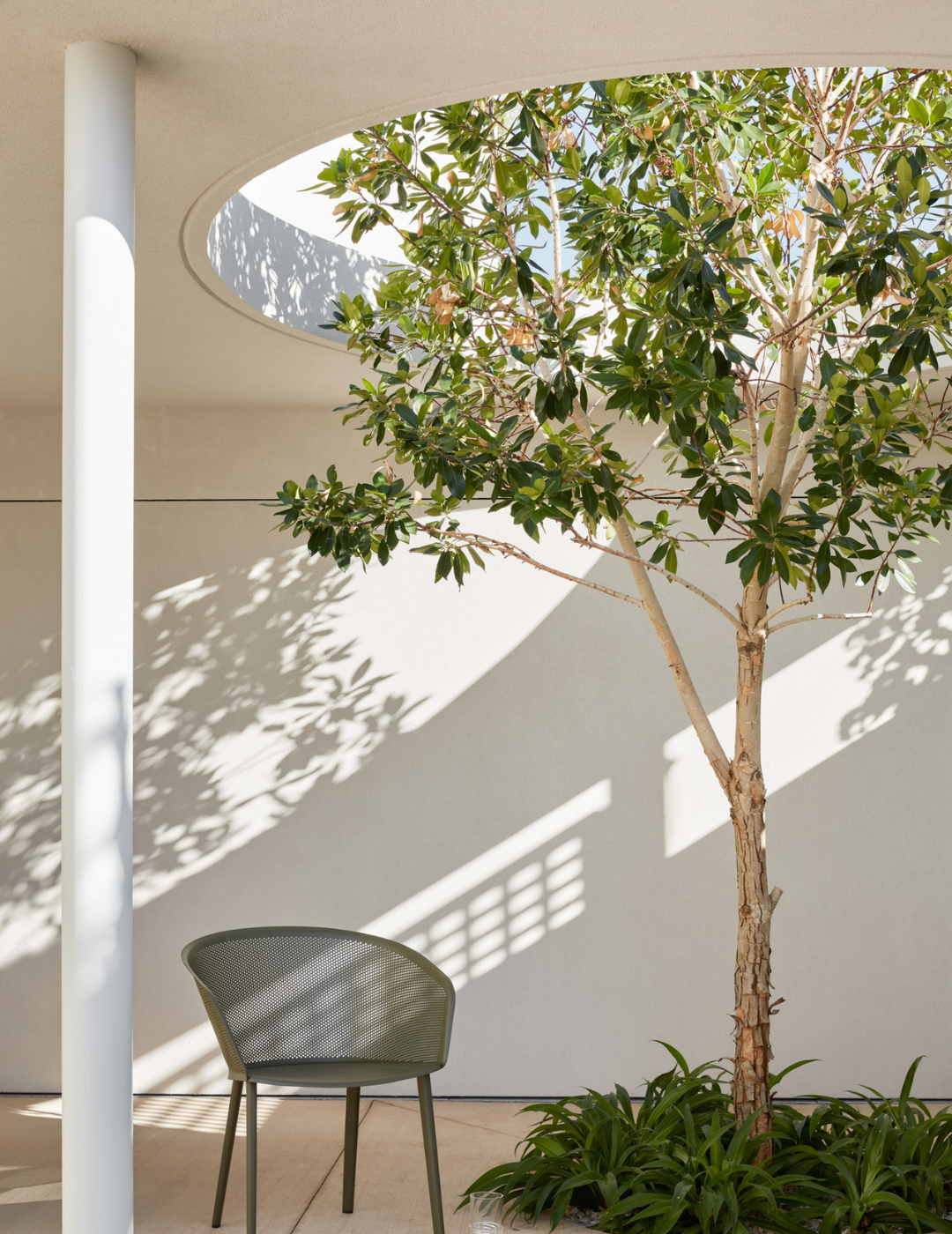
Type: Hedging and Screening Trees
Tristaniopsis laurina 'Luscious' - Watergum
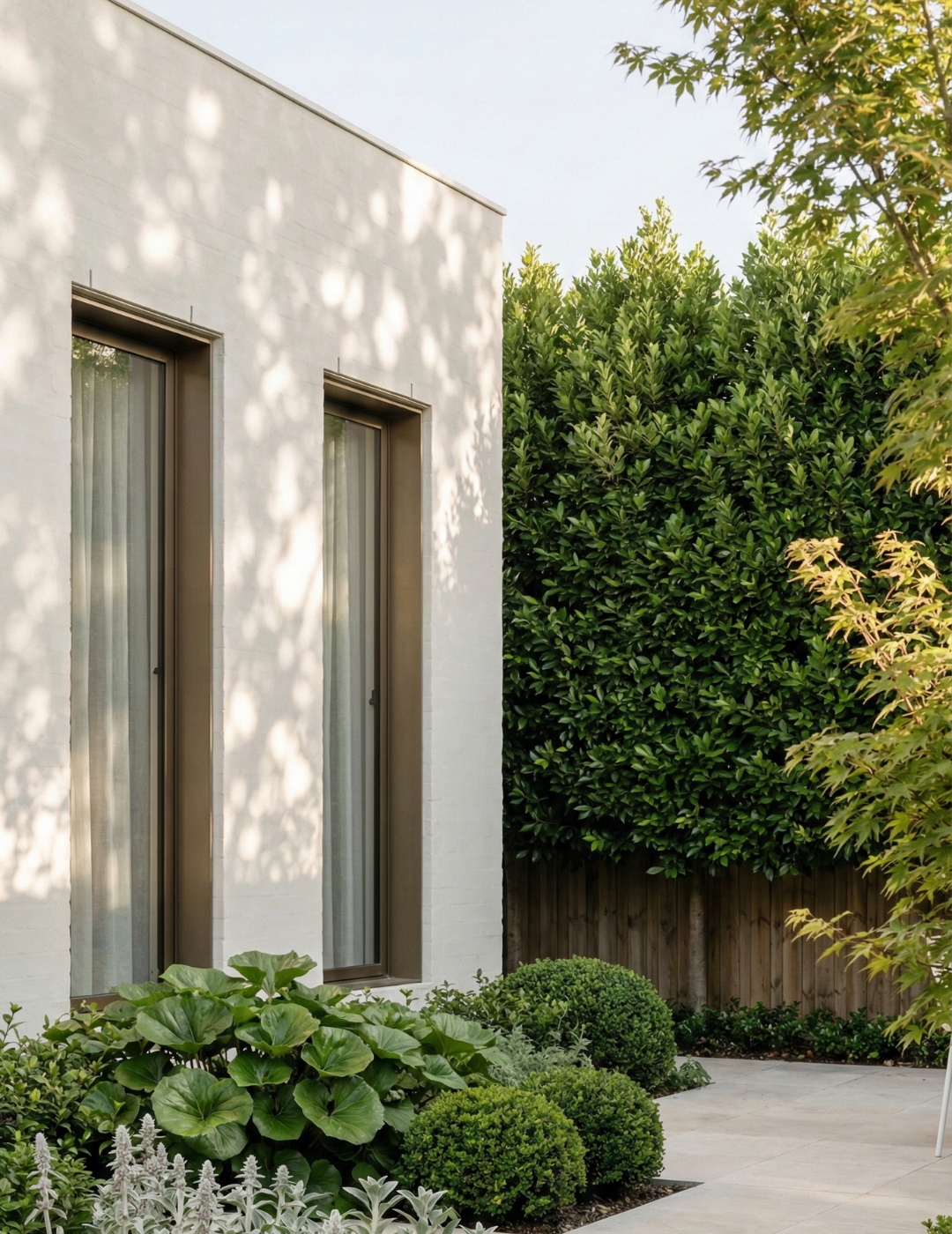
Type: Hedging and Screening Trees
Laurus nobilis 'Miles Choice' - Bay Tree
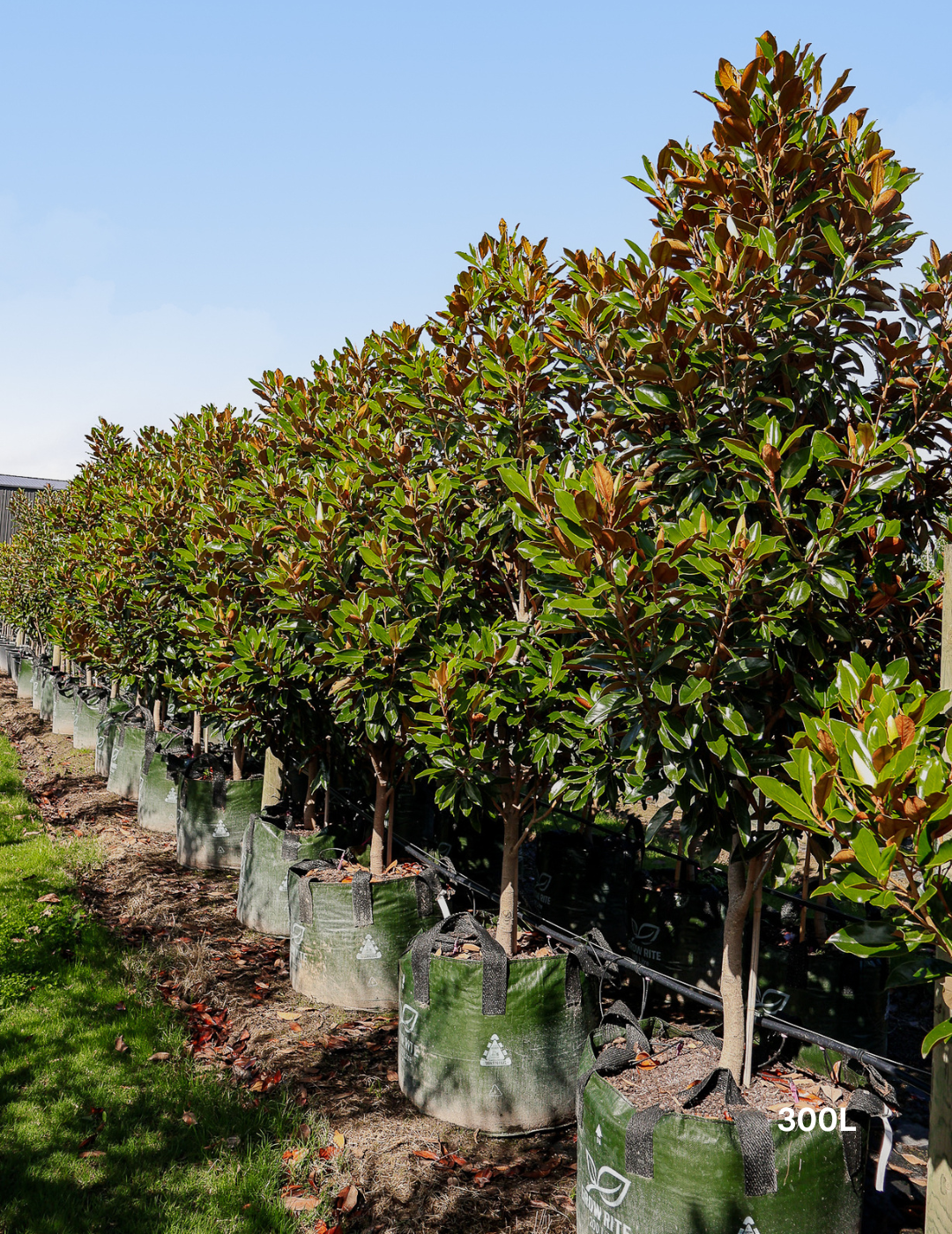
Type: Hedging and Screening Trees
Magnolia grandiflora 'Little Gem'
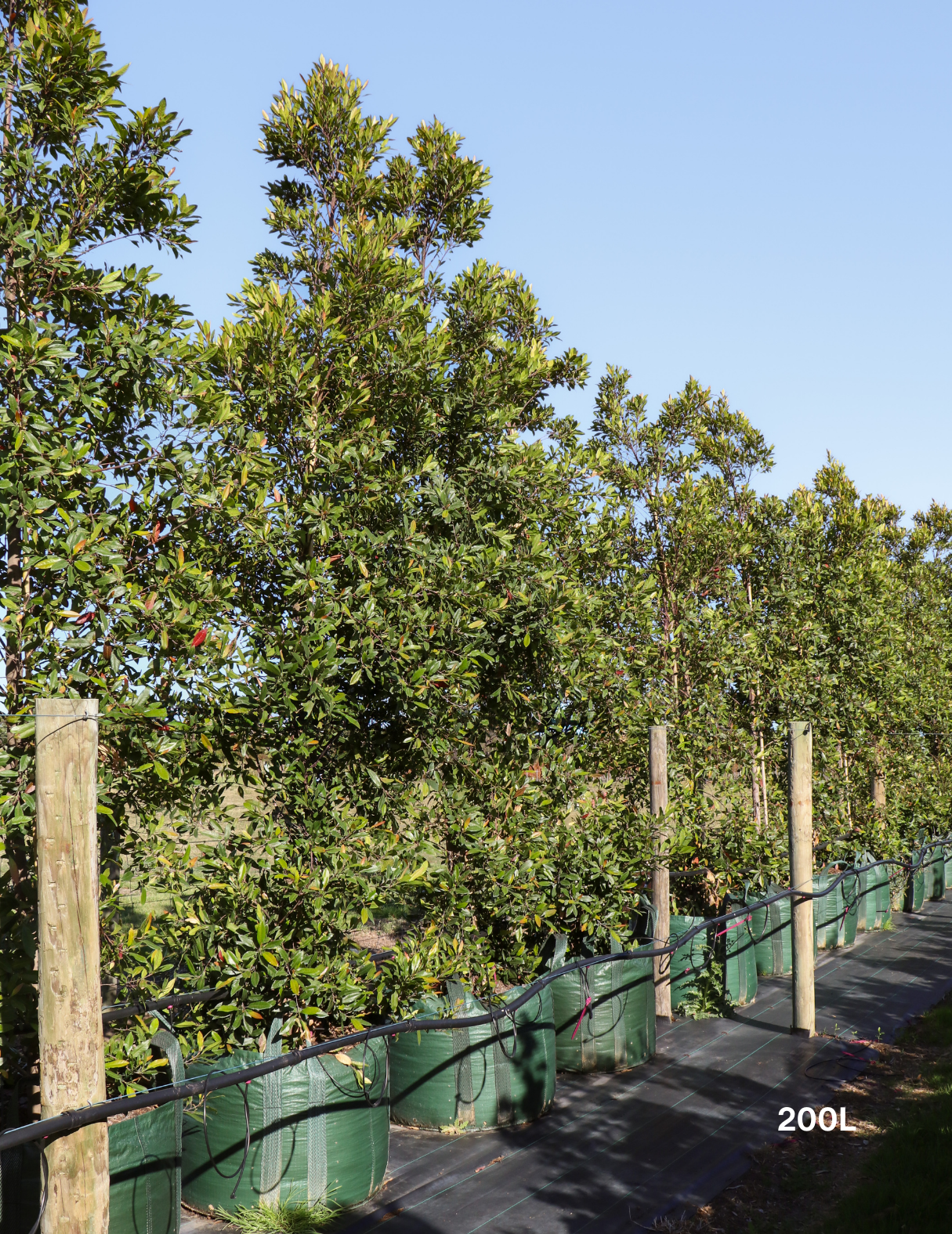
Type: Australian Native
Elaeocarpus reticulatus -Blueberry Ash
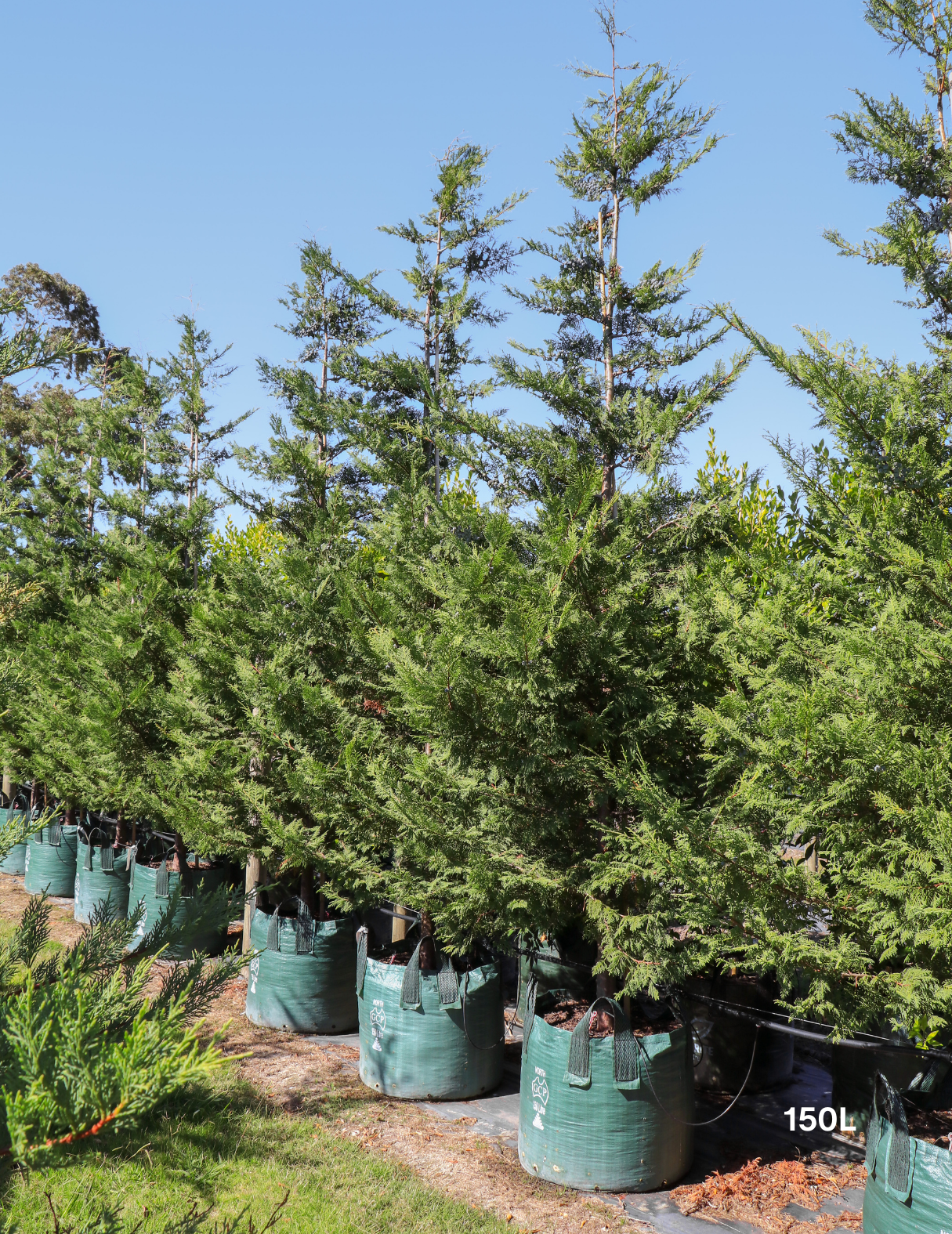
Type: Hedging and Screening Trees
Cupressus leylandii 'Better Green' (Improved Leighton Green Variety)
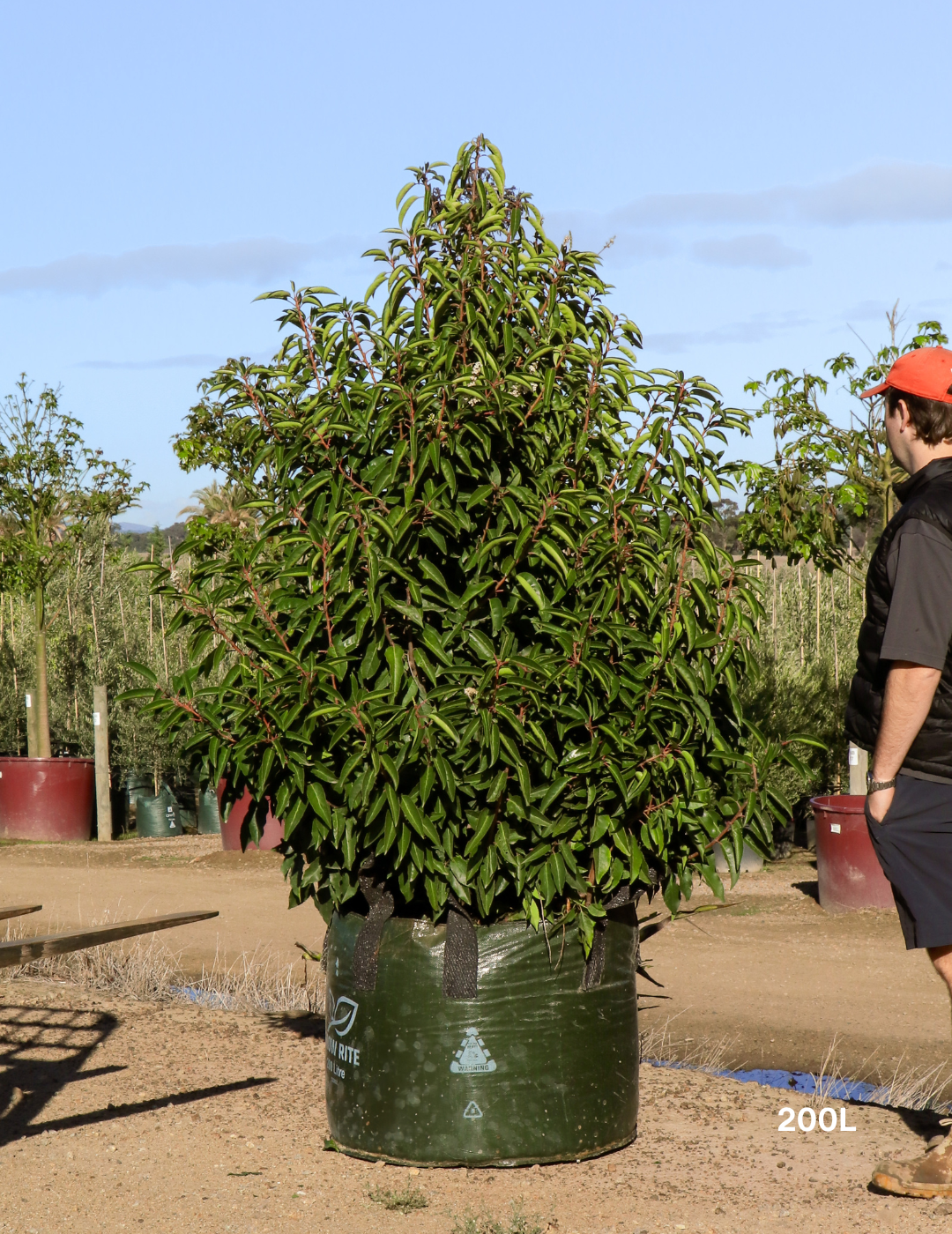
Type: Hedging and Screening Trees
Prunus lusitanica - Portugese laurel
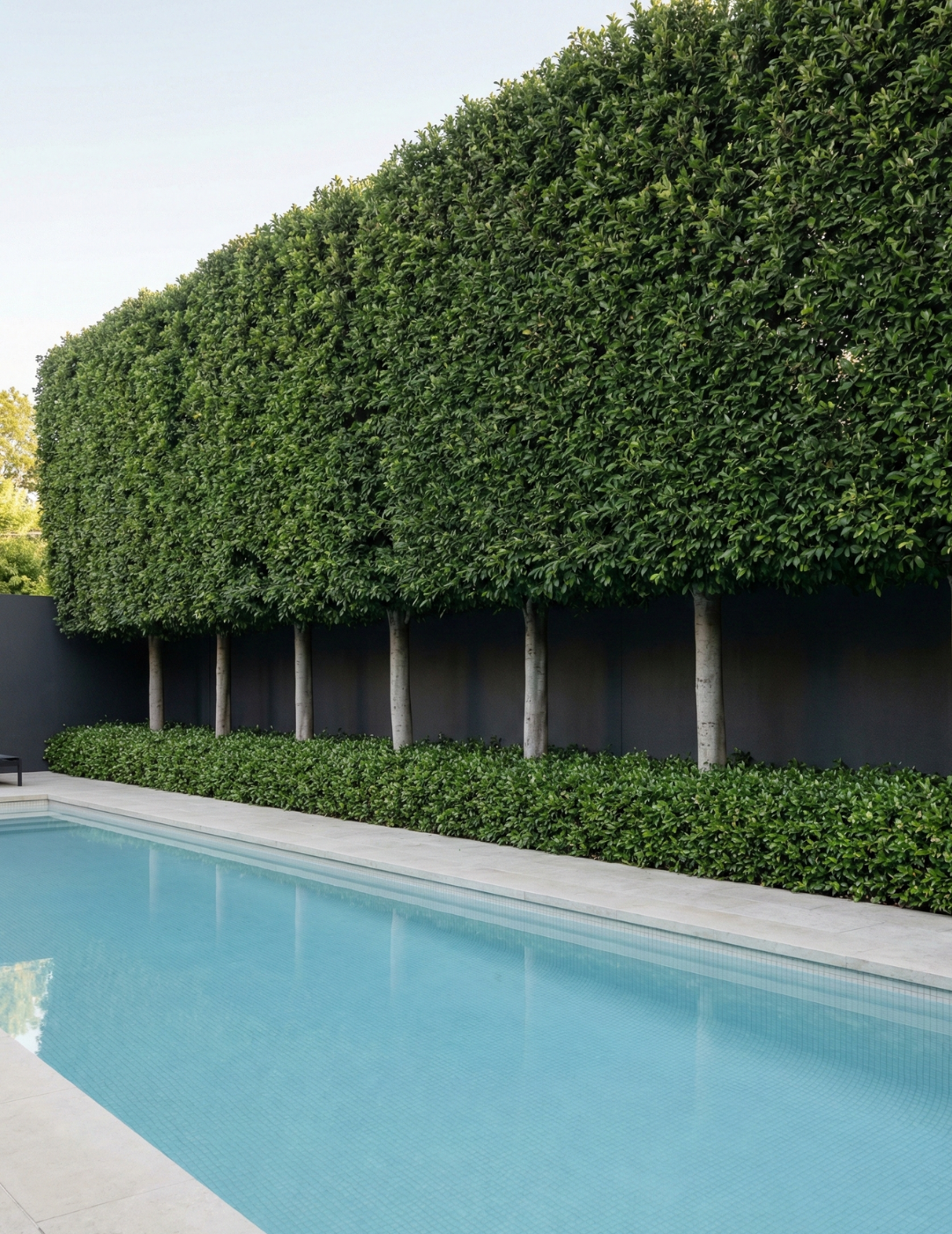
Type: Hedging and Screening Trees
Ficus Hillii
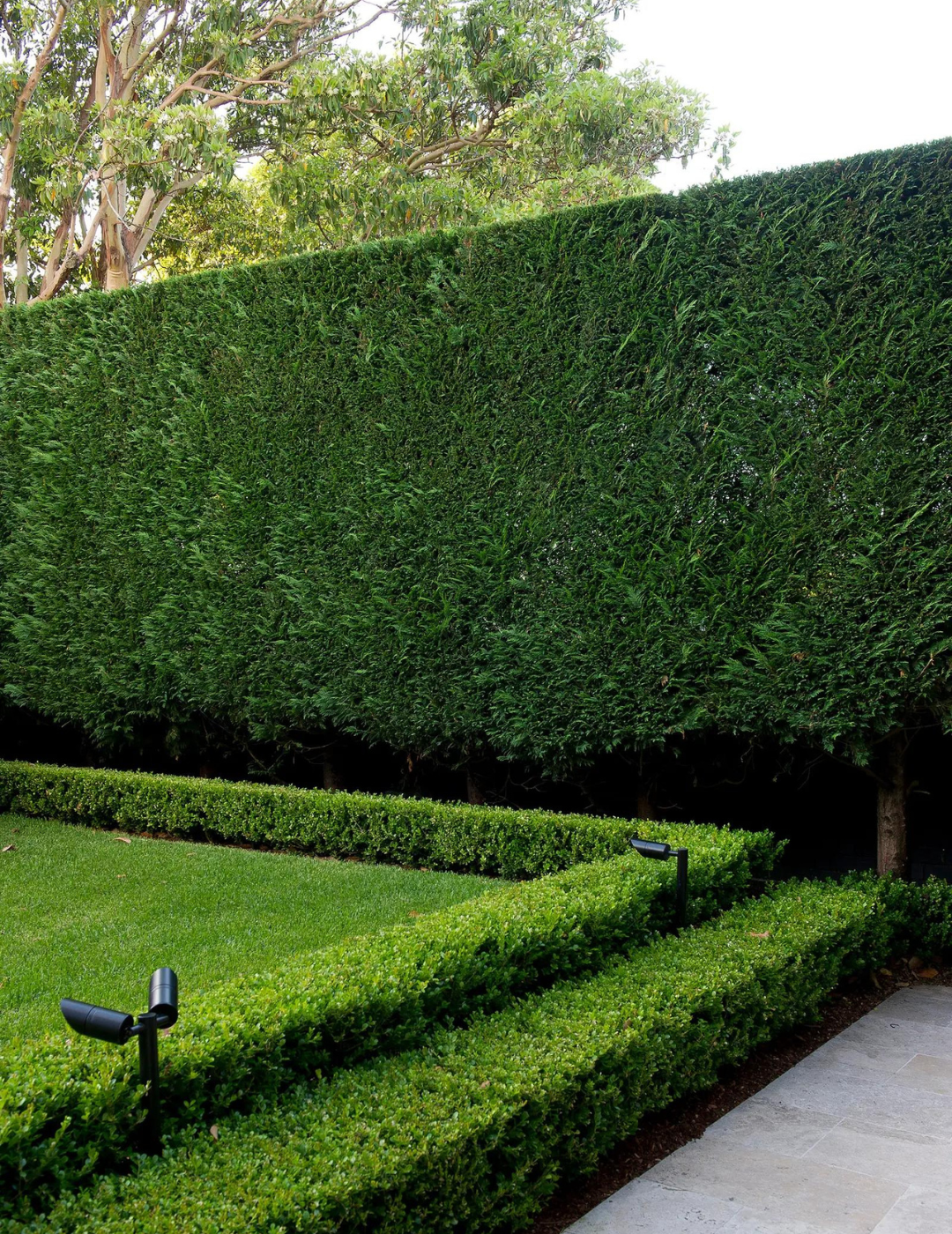
Type: Hedging and Screening Trees
Cupressus leylandii 'Leighton Green'
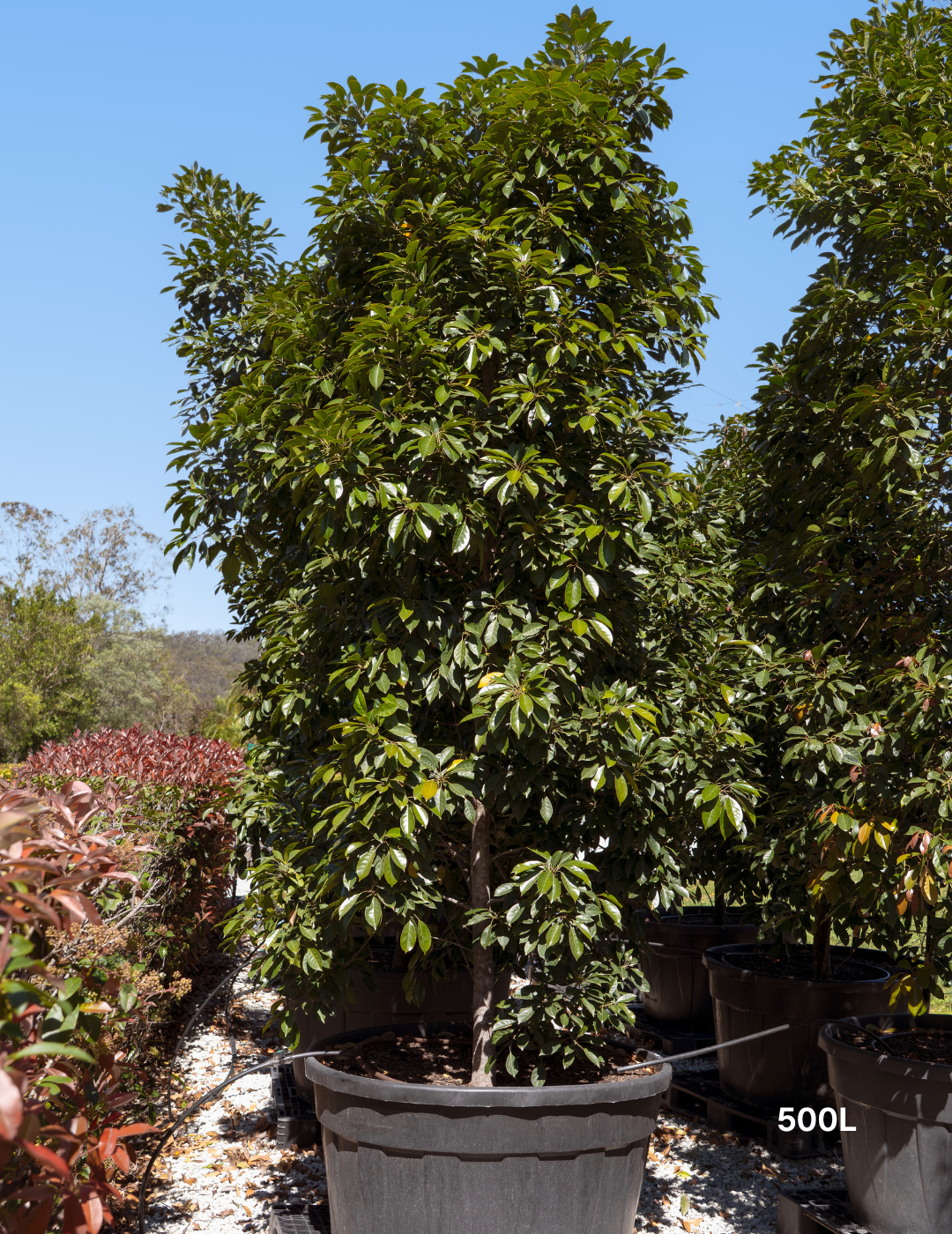
Type: Hedging and Screening Trees
Elaeocarpus Eumundi
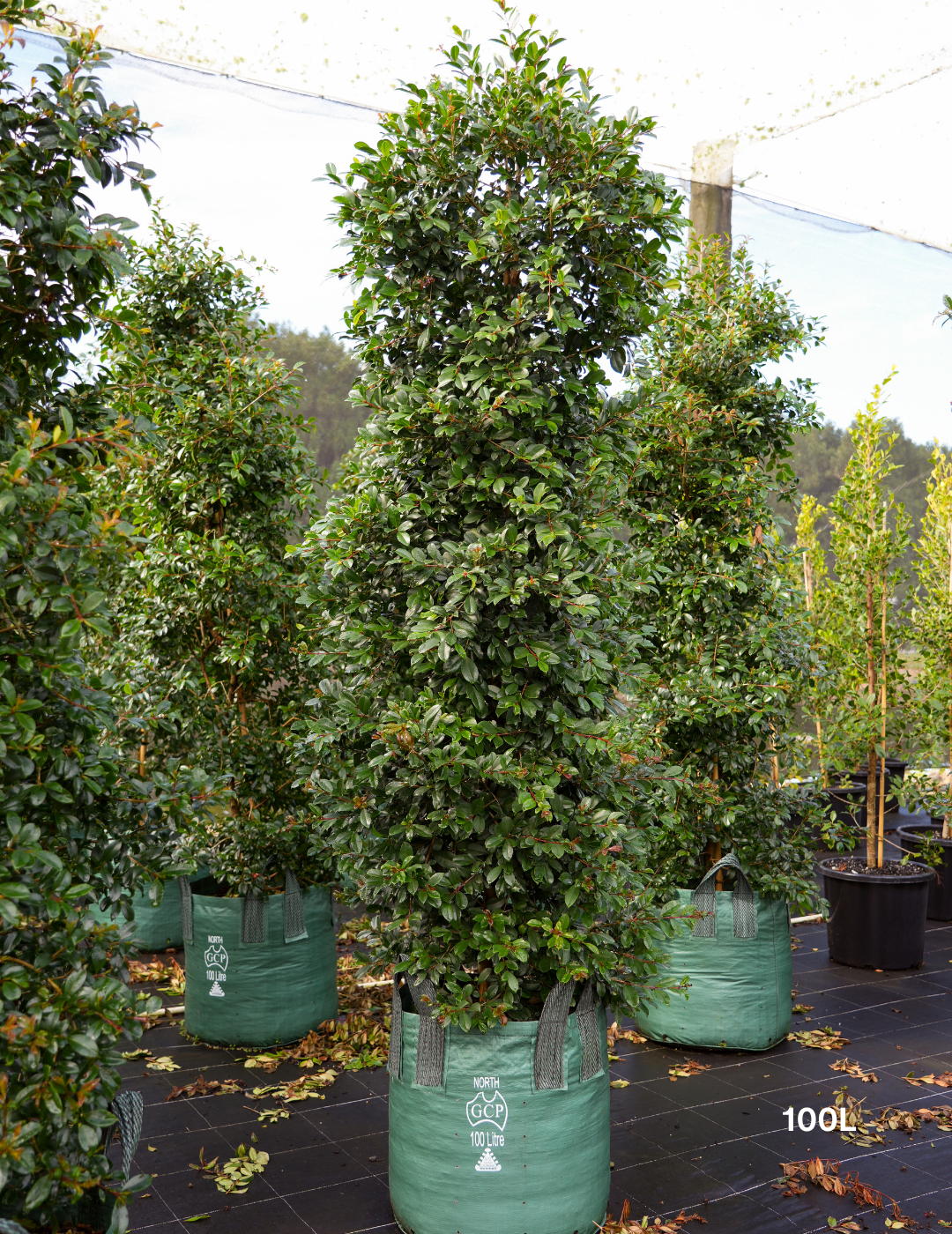
Type: Evergreen
Syzygium australe ‘Select’ – Select Lilly Pilly
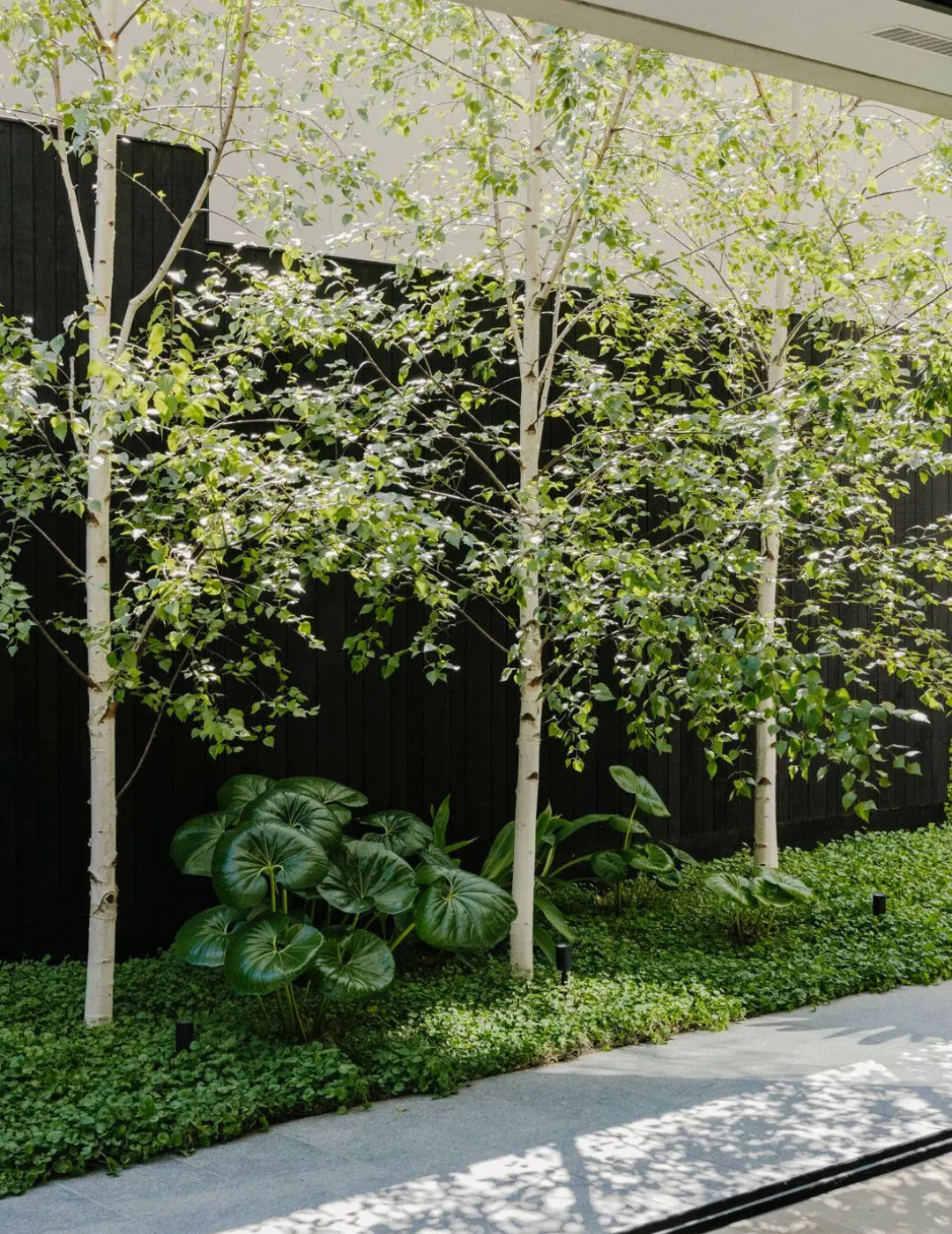
Type: Feature Tree
Betula pendula 'Moss White'
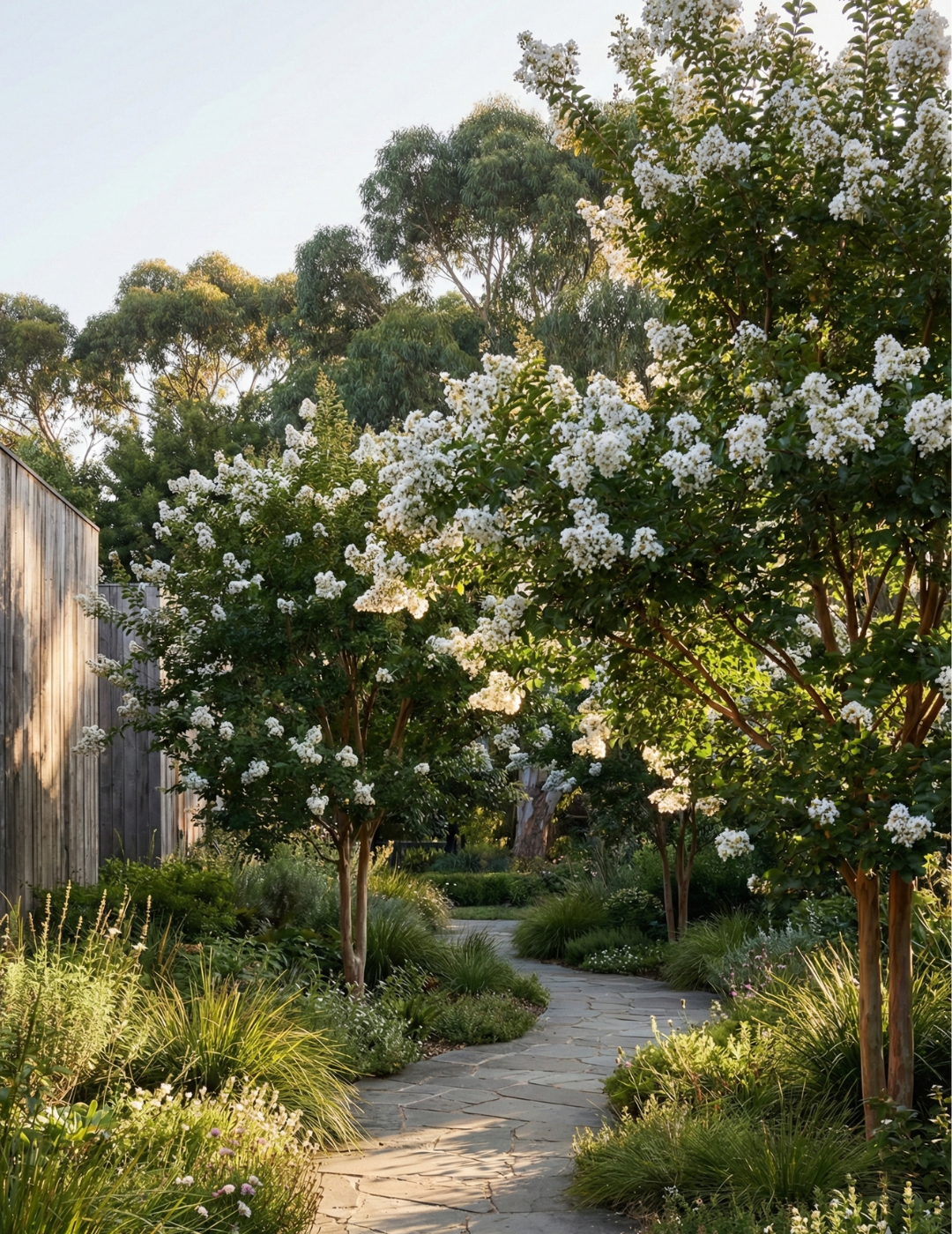
Type: Feature Tree
Lagerstroemia indica 'Natchez' (White) - Crepe Myrtle
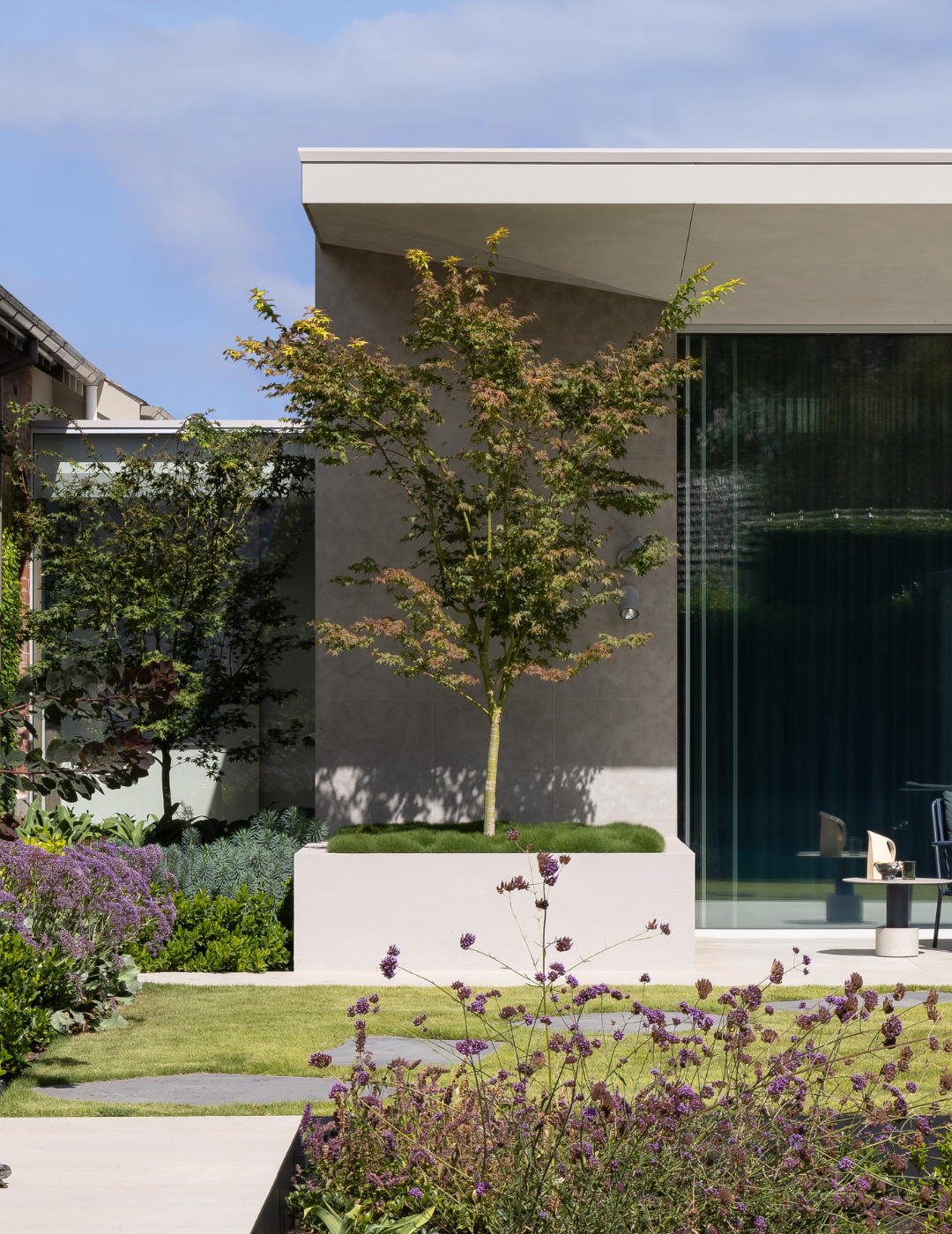
Type: Feature Tree
Acer palmatum - Japanese Maple
Type: Hedging and Screening Trees
Tristaniopsis laurina 'Luscious' - Watergum
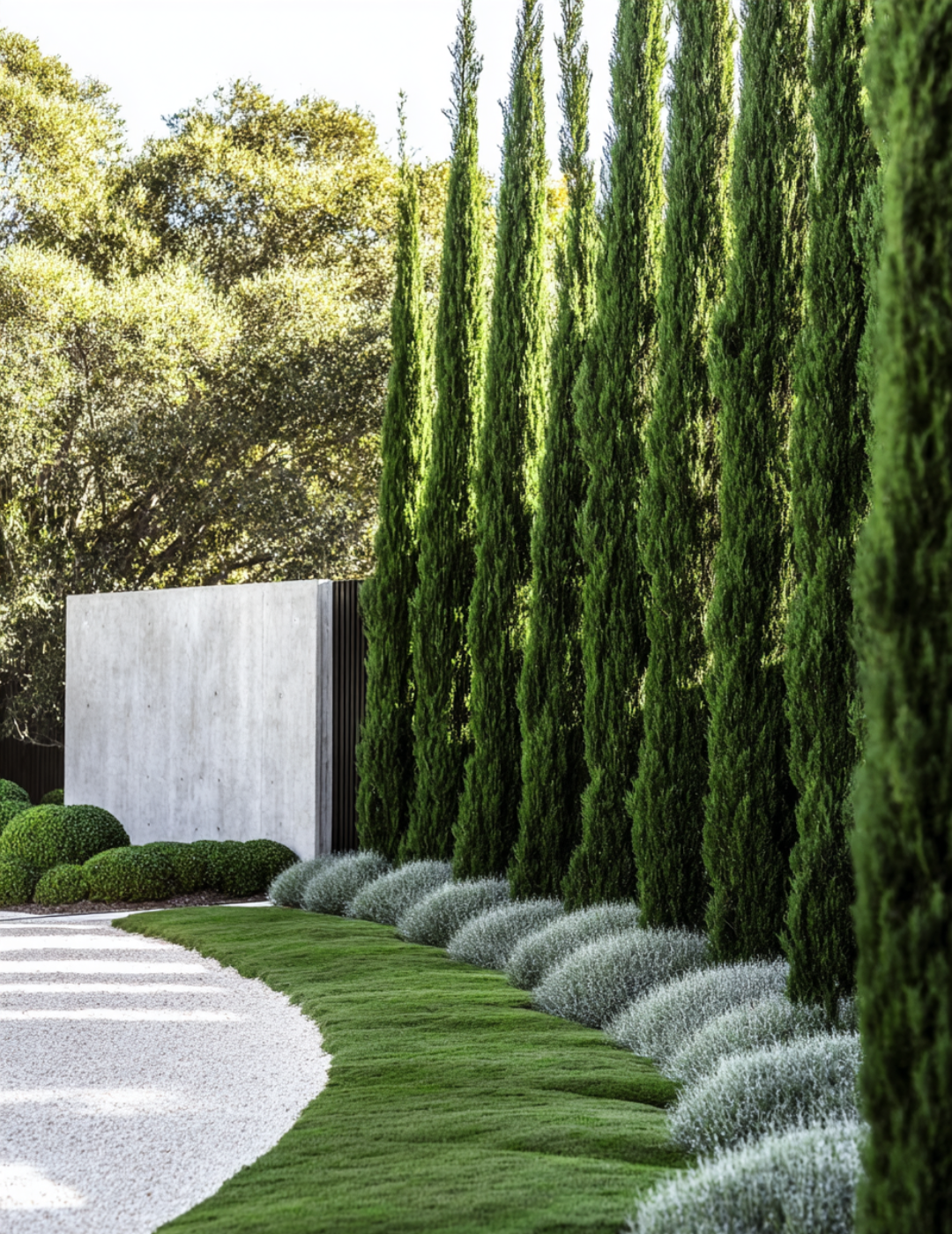
Type: Feature Tree
Cupressus sempervirens 'Glauca' - Pencil Pine
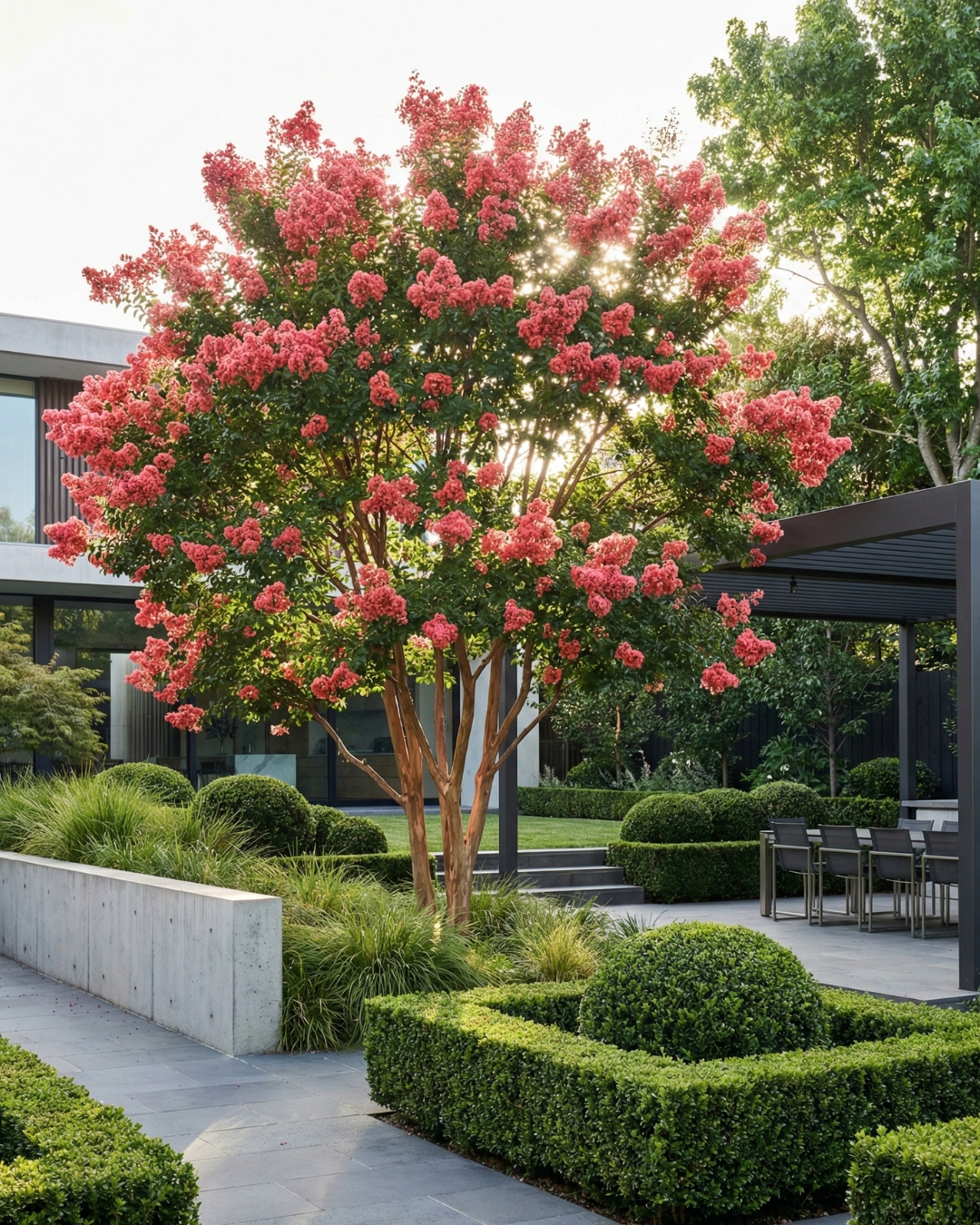
Type: Feature Tree
Lagerstroemia indica 'Tuscarora' - Dark Pink Crepe Myrtle
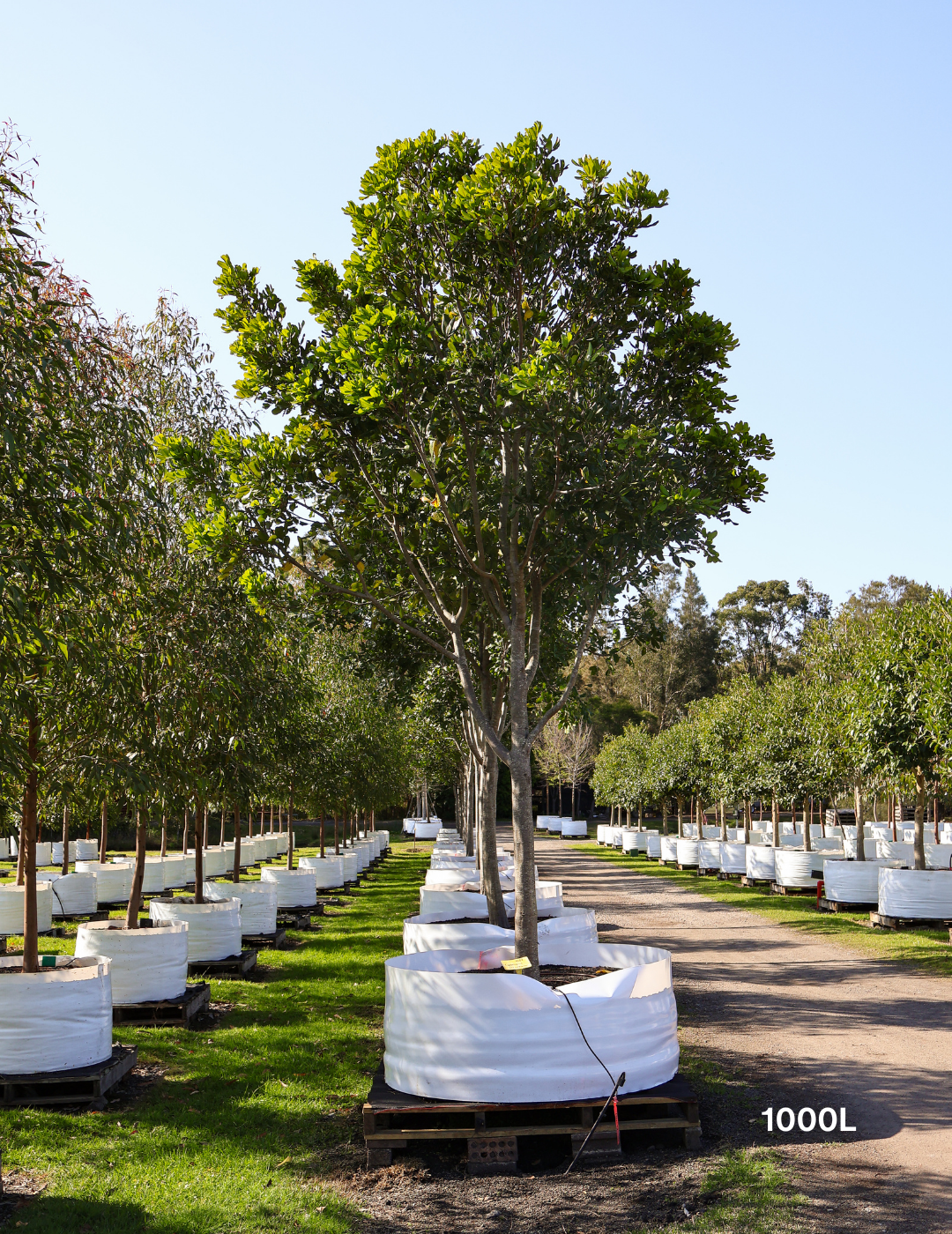
Type: Australian Native
Cupaniopsis anacardioides - Tuckeroo Tree
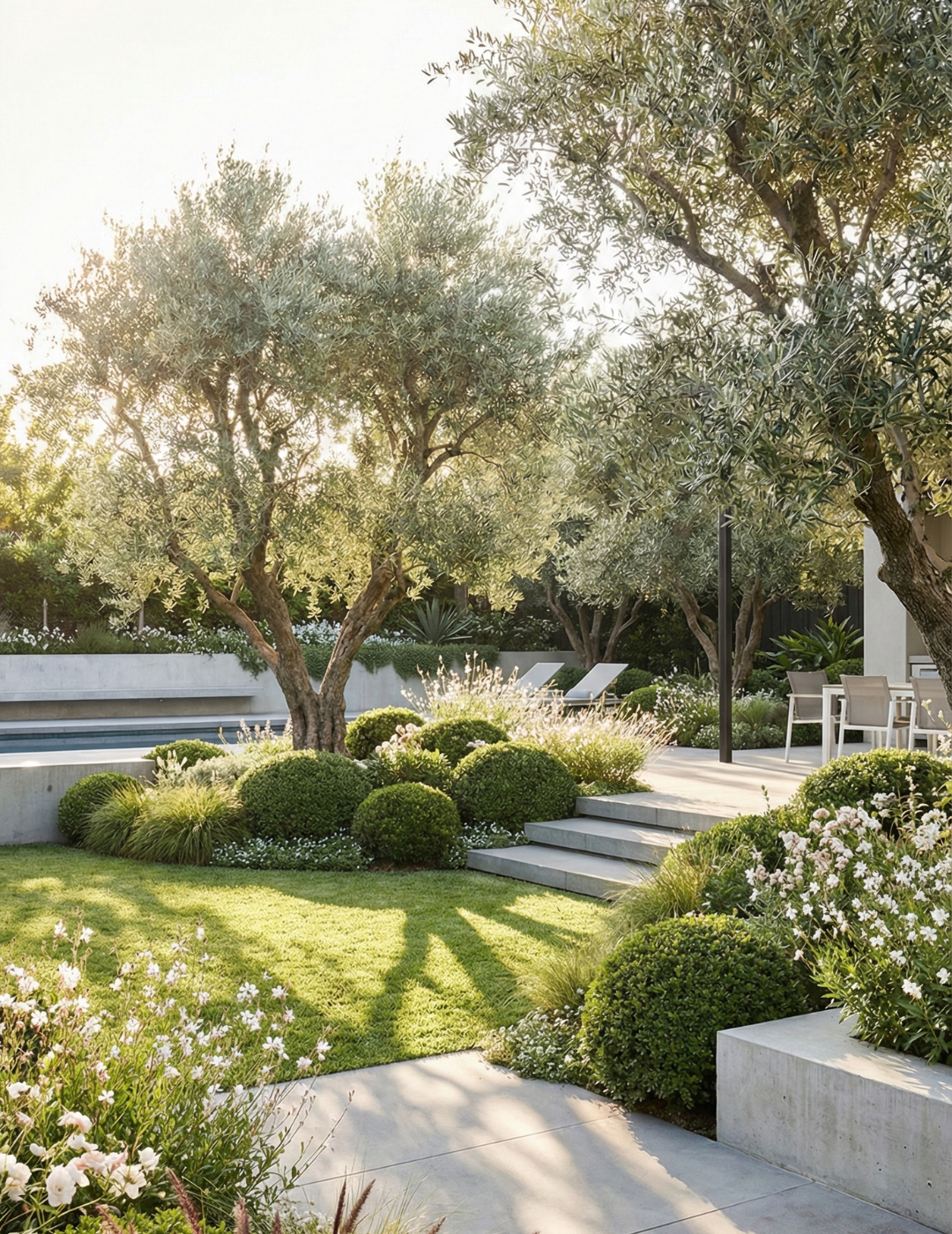
Type: Feature Tree
Olea europaea - Olive Tree (Ex Ground)

Type: Feature Tree
Brachychiton rupestris - Bottle Tree
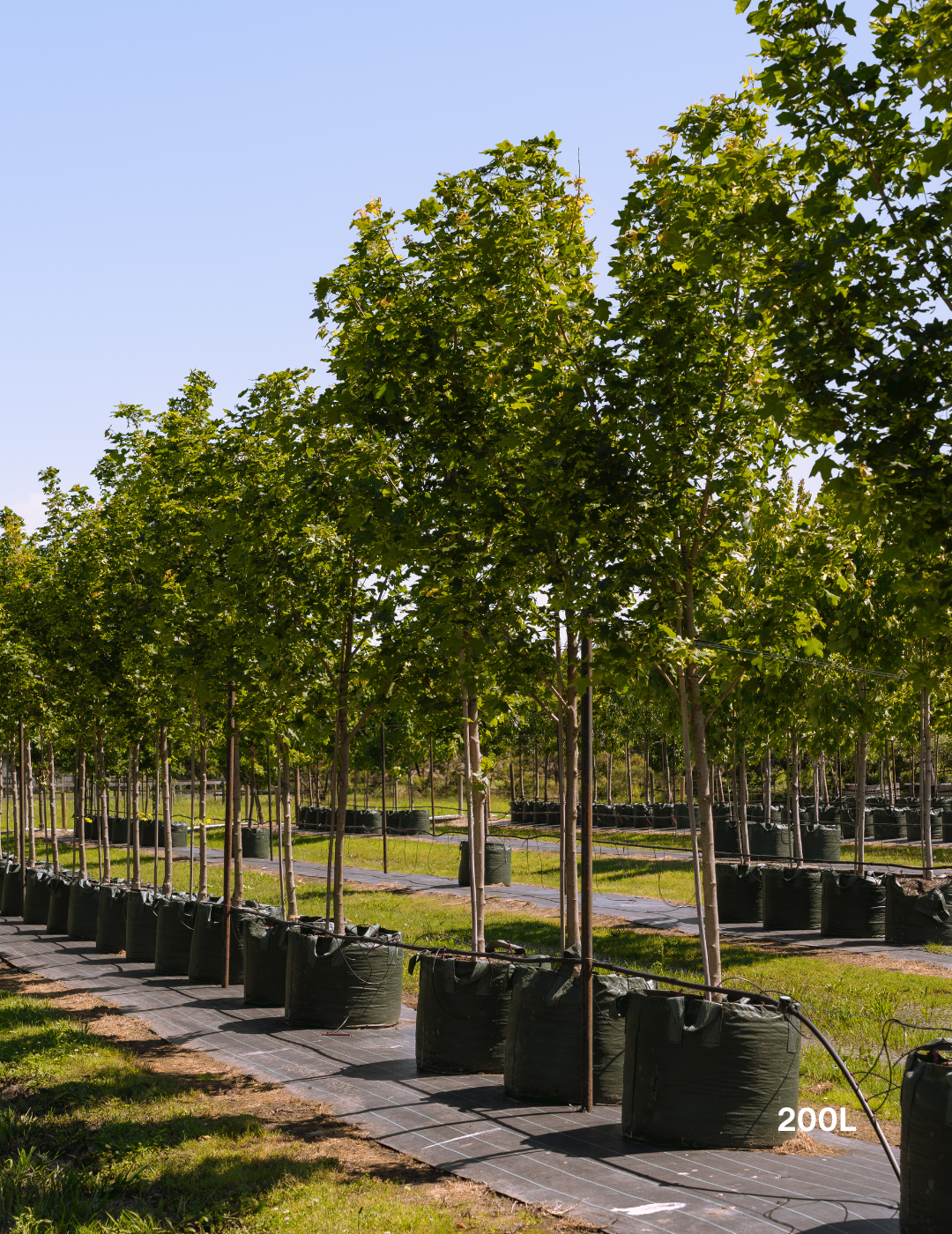
Type: Maple
Acer truncatum x A. platanoides 'Warrenred' Pacific Sunset
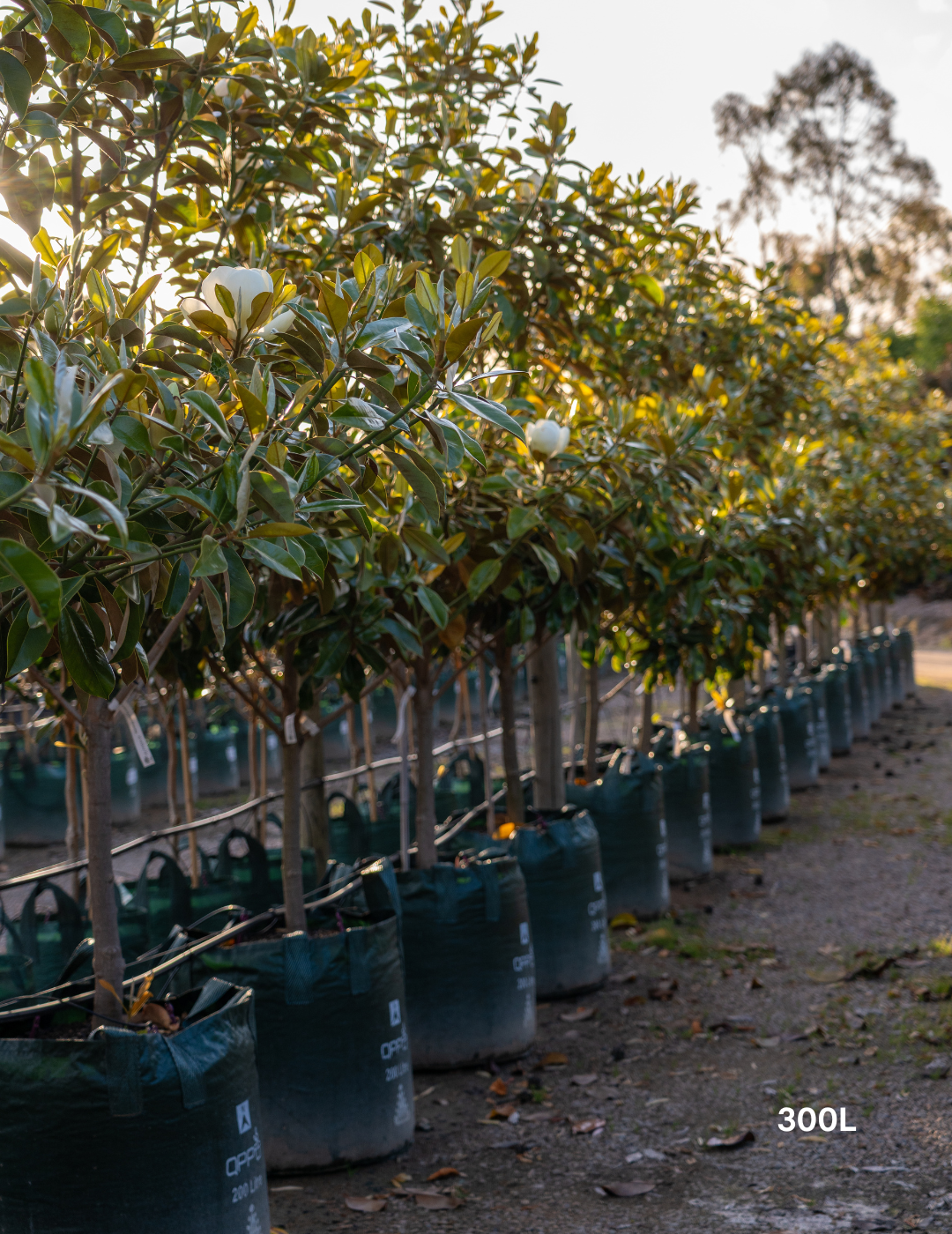
Type: Hedging and Screening Trees
Magnolia grandiflora ‘Exmouth’ – Exmouth Magnolia
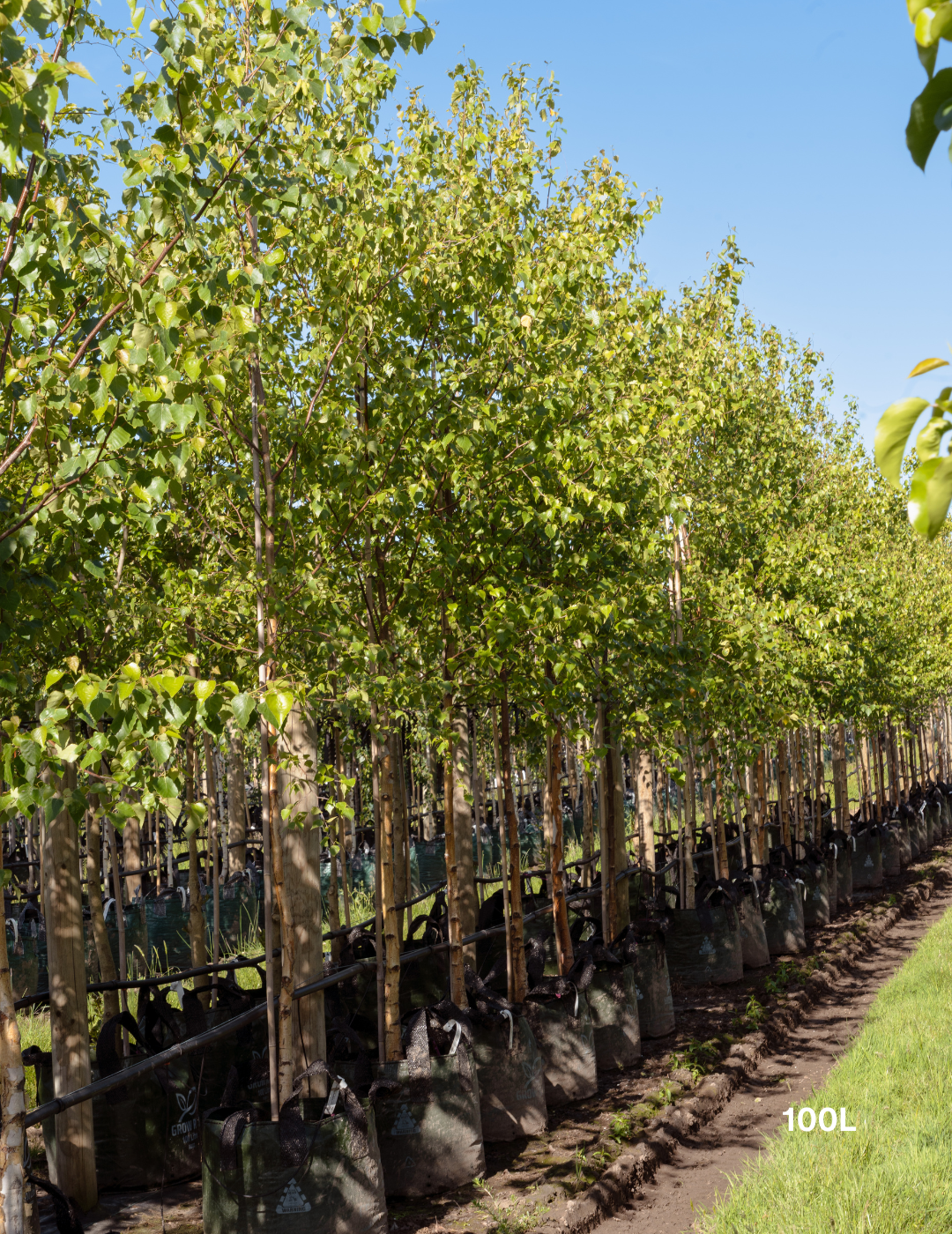
Type: Feature Tree
Betula utilis ‘Jacquemontii’ – Himalayan Birch
Type: Feature Tree
Lagerstroemia indica 'Natchez' (White) - Crepe Myrtle
Type: Feature Tree
Cupressus sempervirens 'Glauca' - Pencil Pine
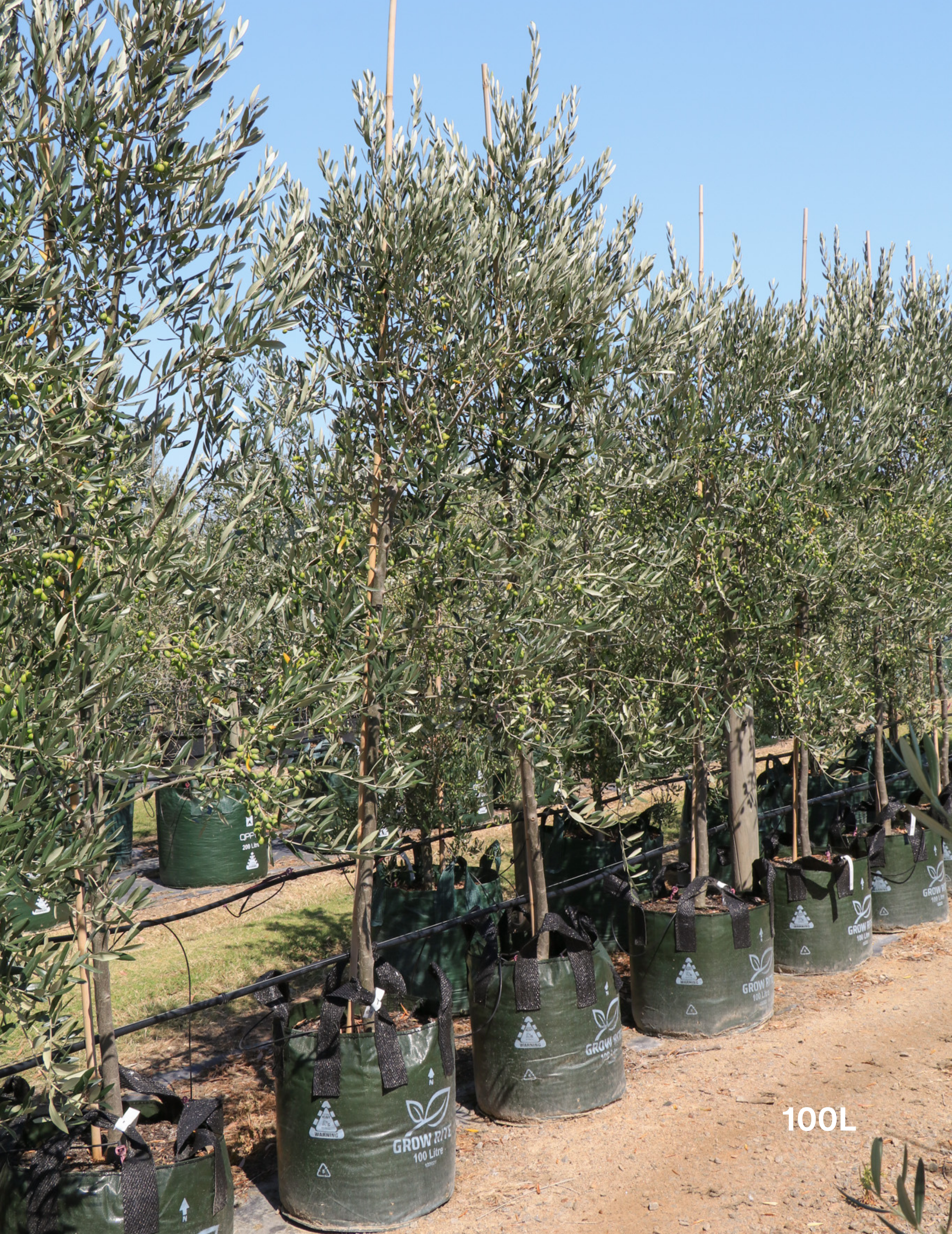
Type: Olive Tree
Olea europaea 'Kalamata' - Olive
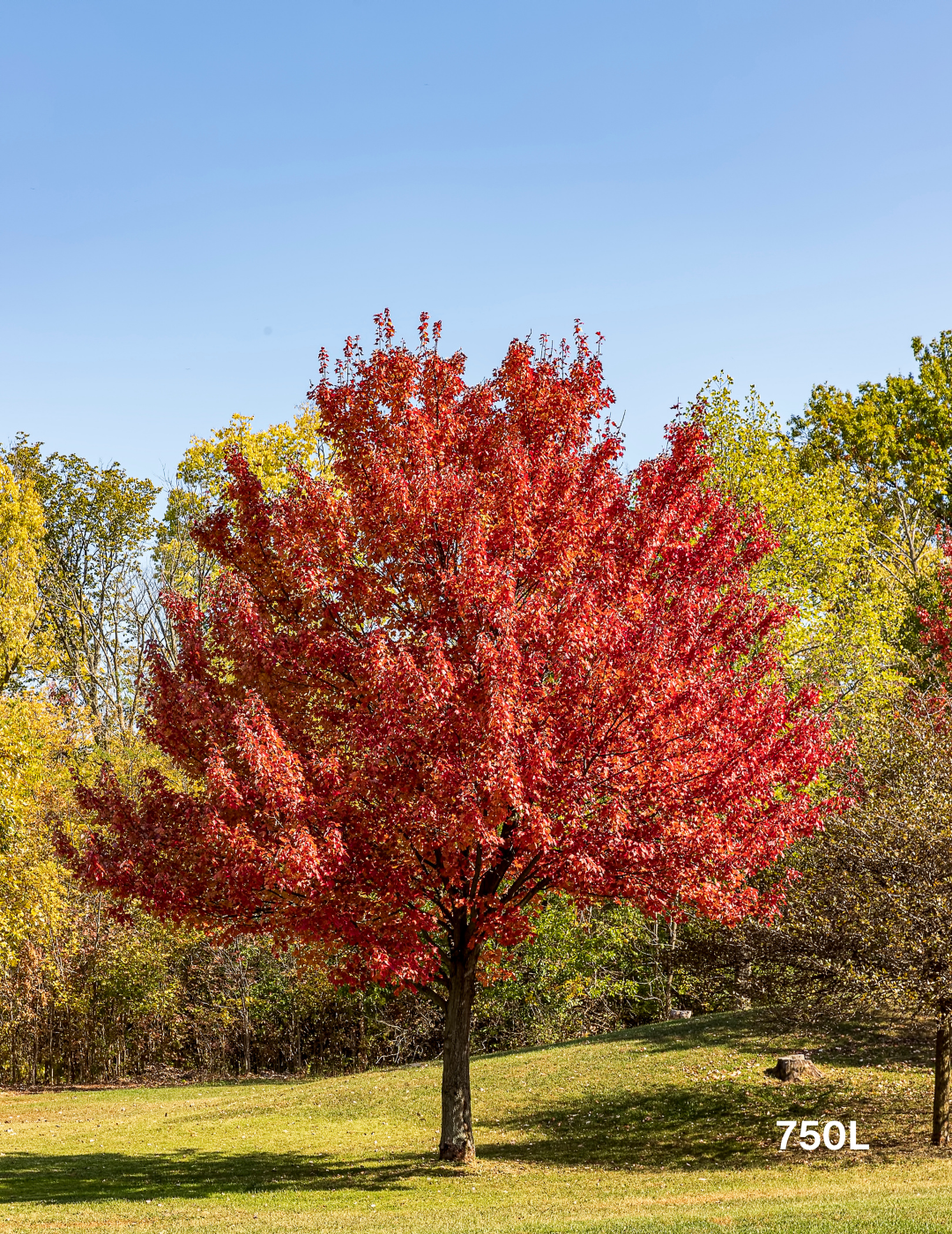
Type: Feature Tree
Acer rubrum 'October Glory'
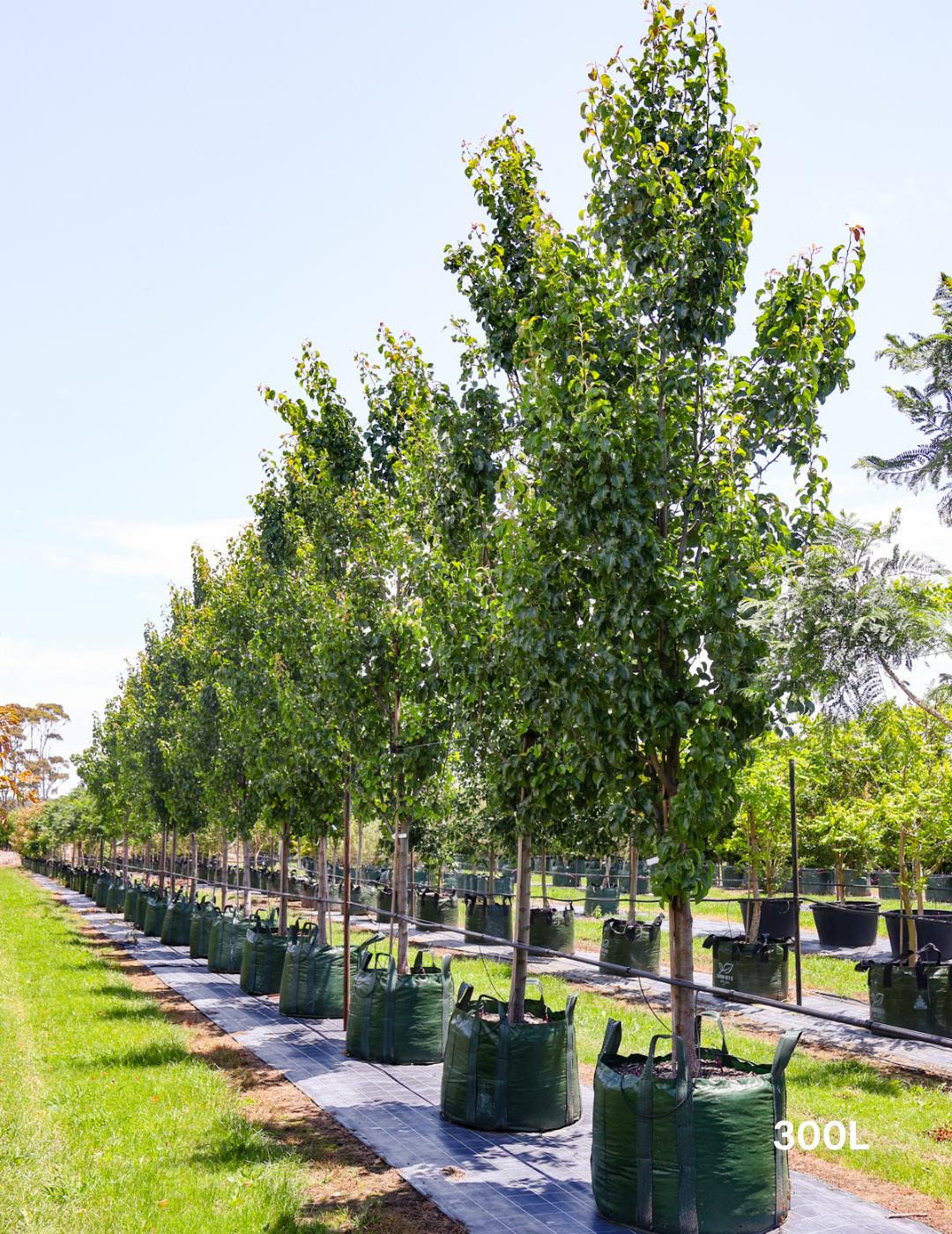
Type: Hedging and Screening Trees
Pyrus calleryana 'Cleveland Select'
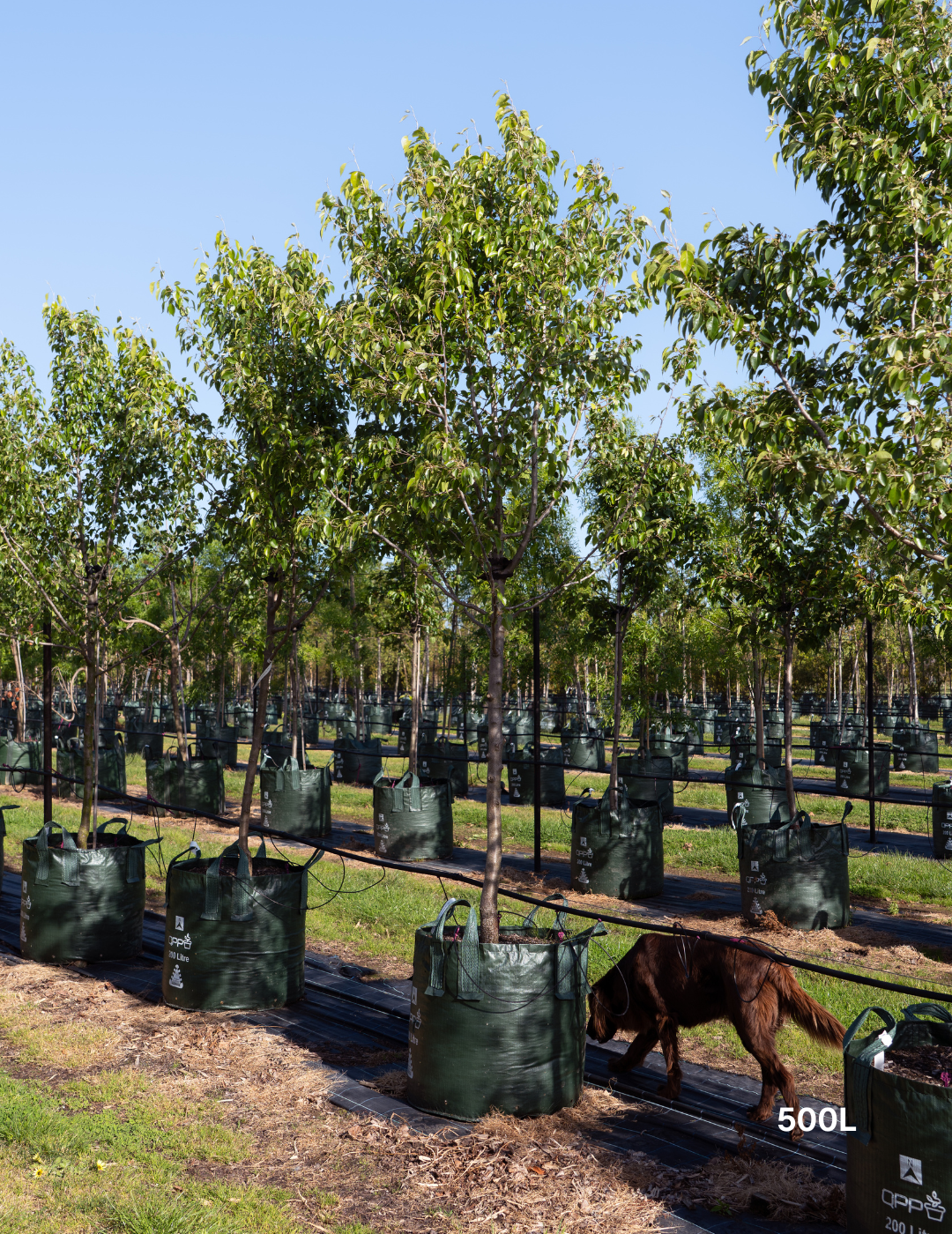
Type: Avenue Planting
Pyrus nivalis - Snow Pear
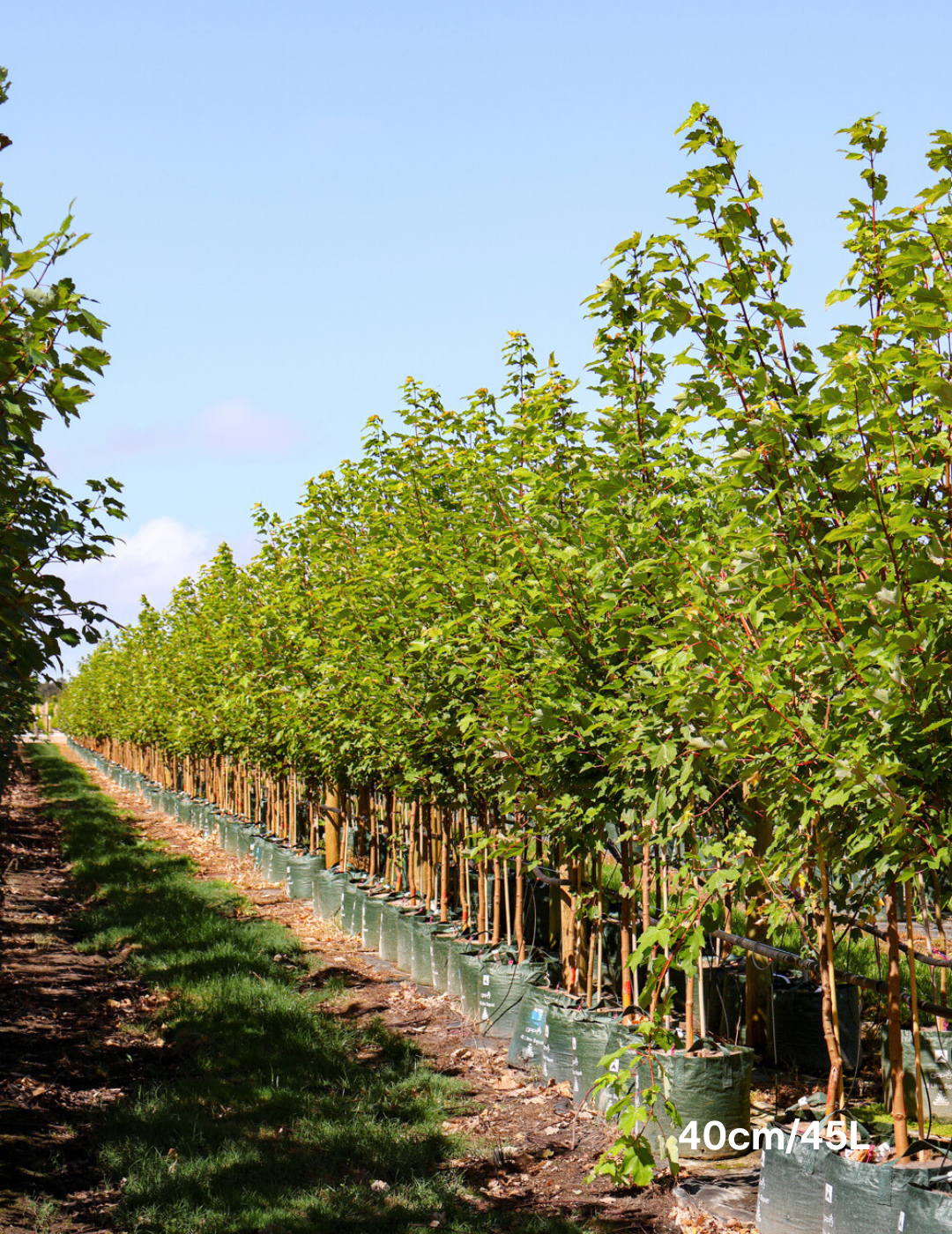
Type: Feature Tree
Acer rubrum 'Autumn Red' - Canadian Maple
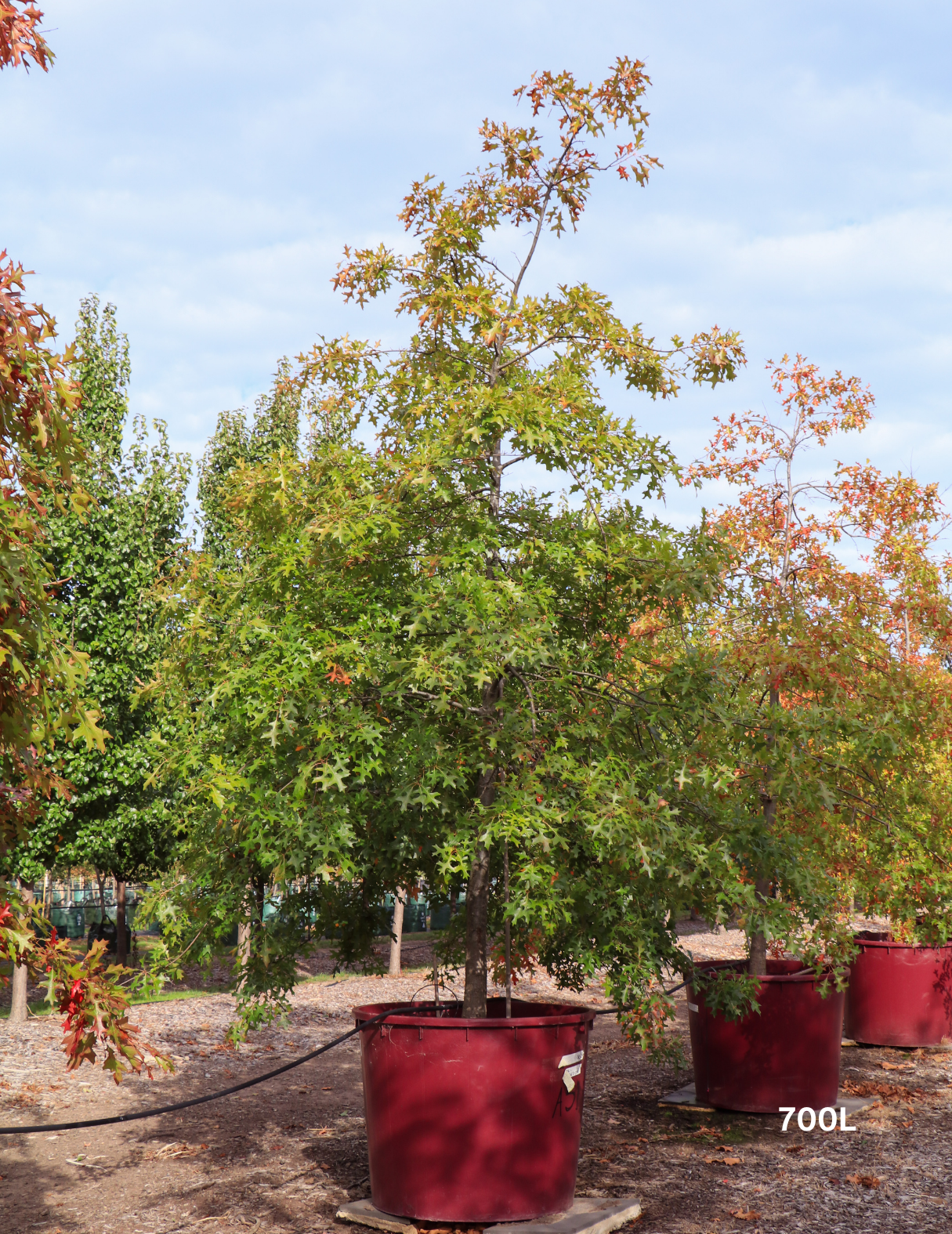
Type: Feature Tree
Quercus palustris - Pin Oak
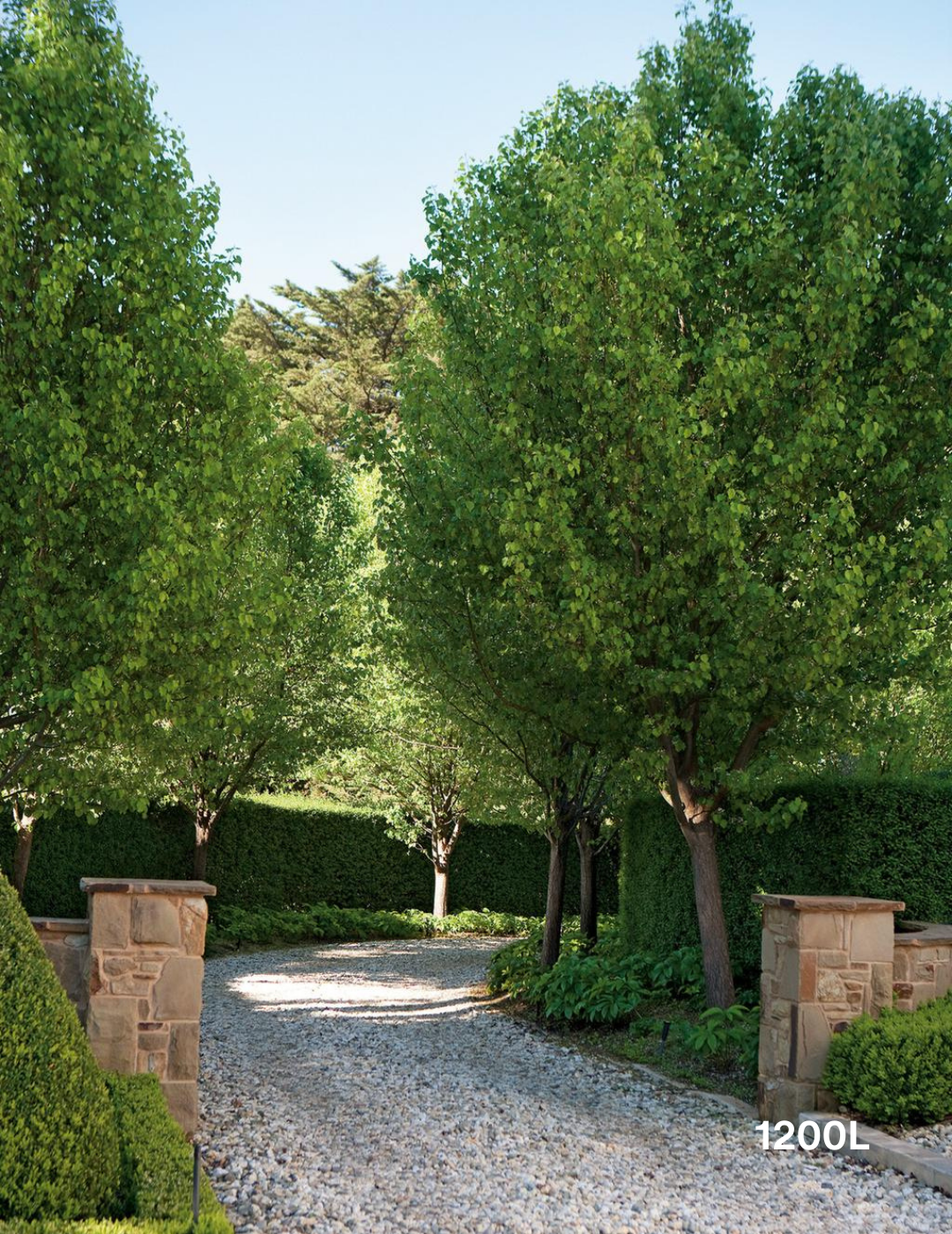
Type: Hedging and Screening Trees
Pyrus calleryana 'Chanticleer'
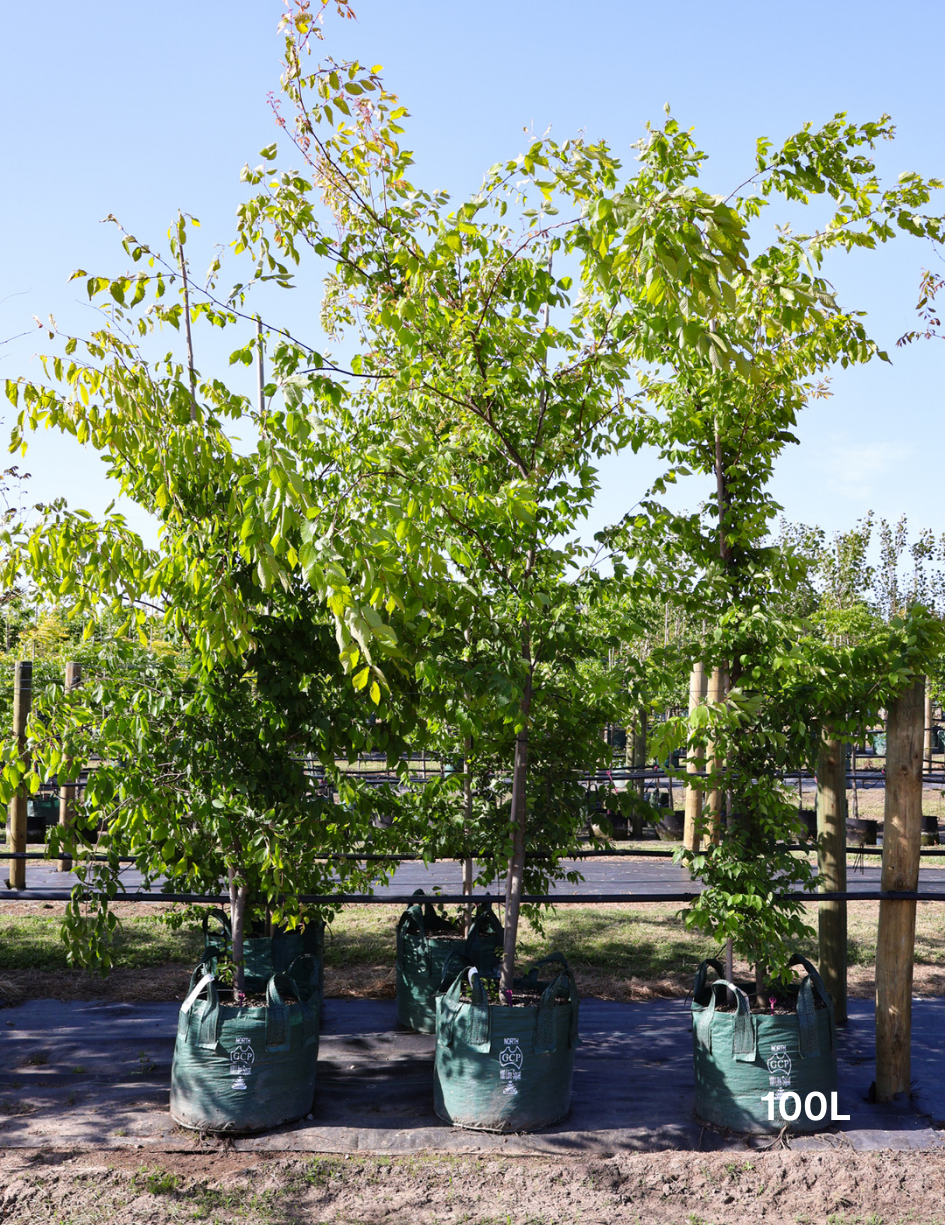
Type: Feature Tree
Zelkova serrata (Japanese Elm Tree)
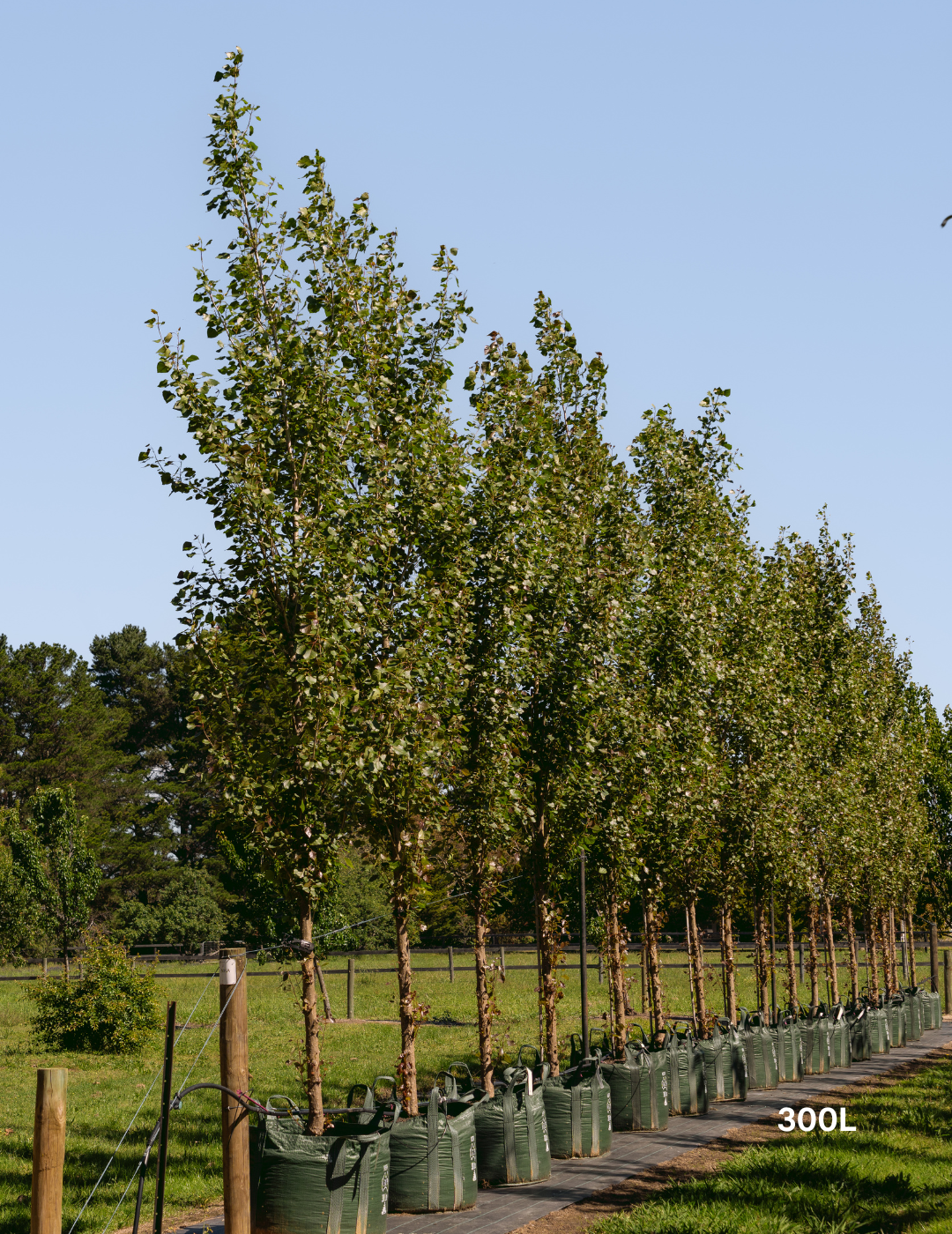
Type: Feature Tree
Ulmus parvifolia ‘Reflection’ – Reflecting Elm
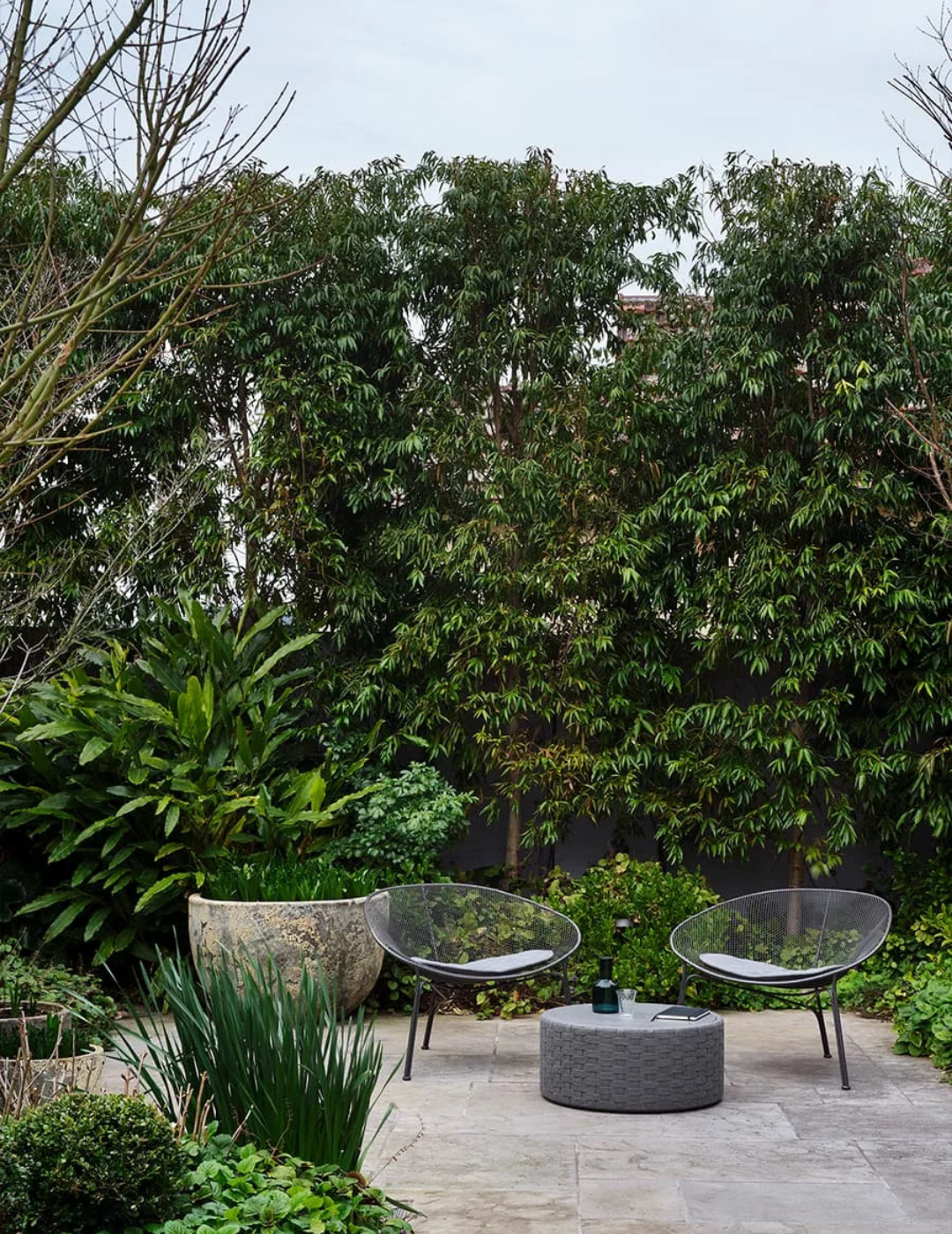
Type: Hedging and Screening Trees
Waterhousea floribunda - Weeping Lilly Pilly
Type: Hedging and Screening Trees
Tristaniopsis laurina 'Luscious' - Watergum
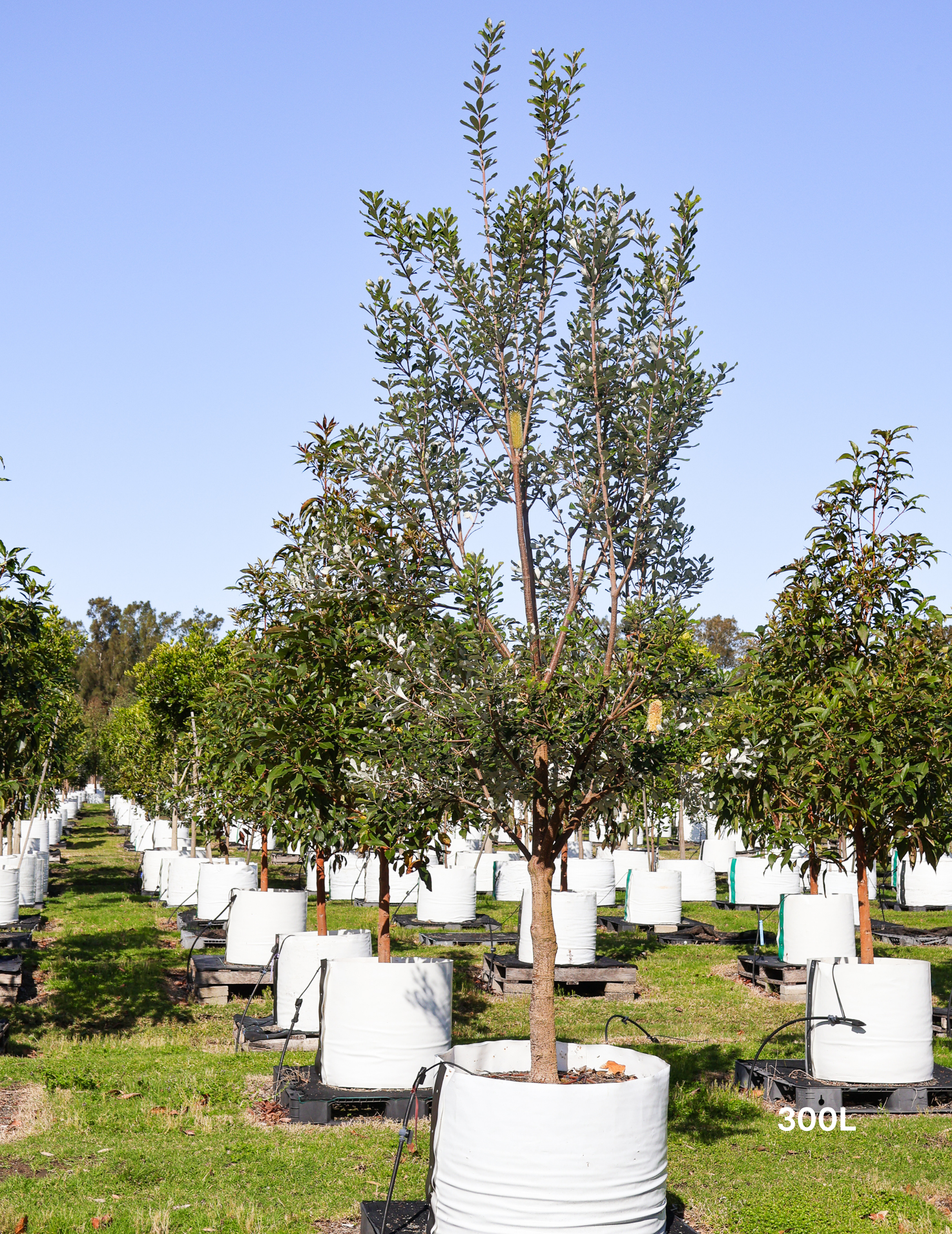
Type: Australian Native
Banksia integrifolia (Coast Banksia)
Type: Australian Native
Elaeocarpus reticulatus -Blueberry Ash
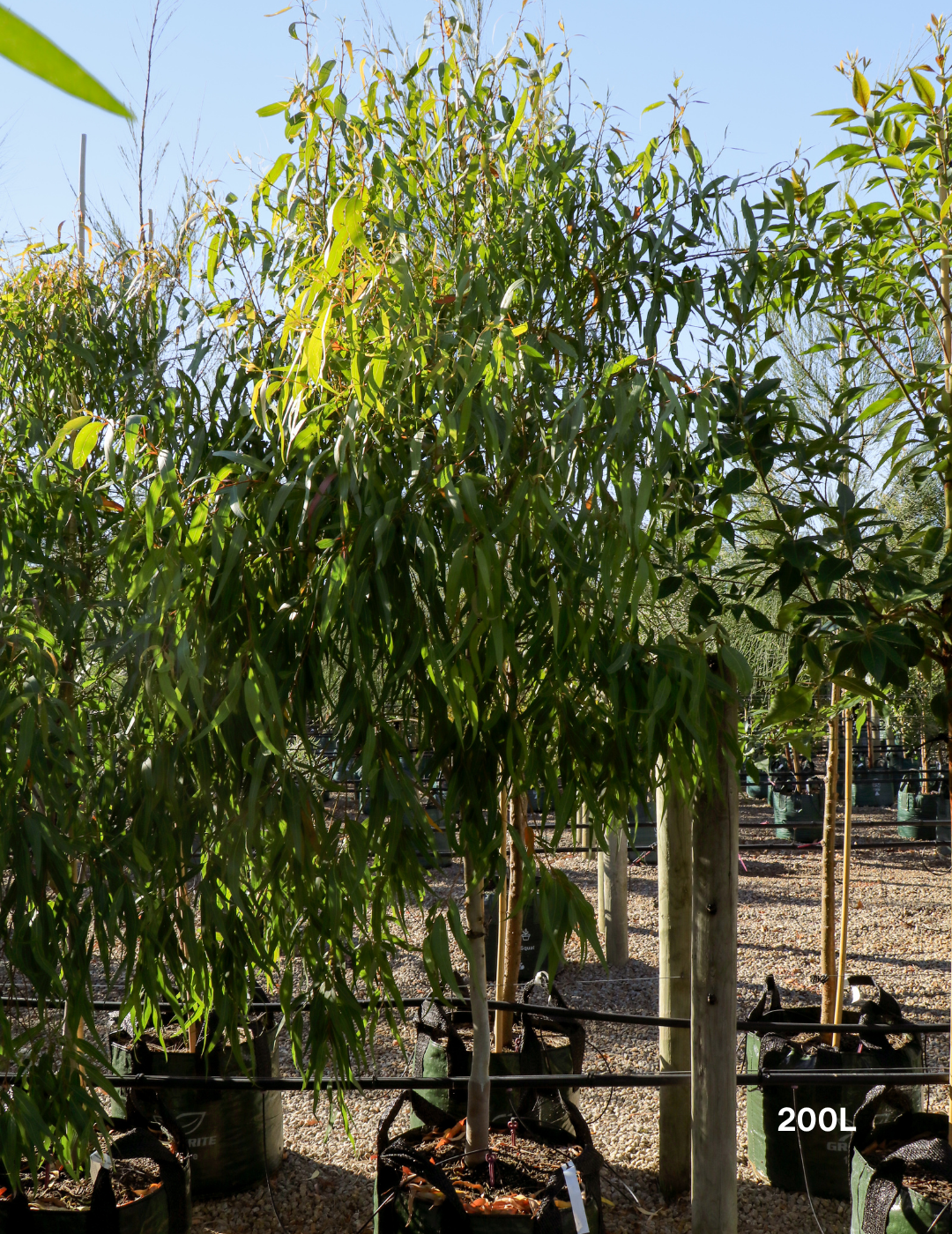
Type: Australian Native
Corymbia citriodora 'Scentuous' - Dwarf Lemon Scented Gum
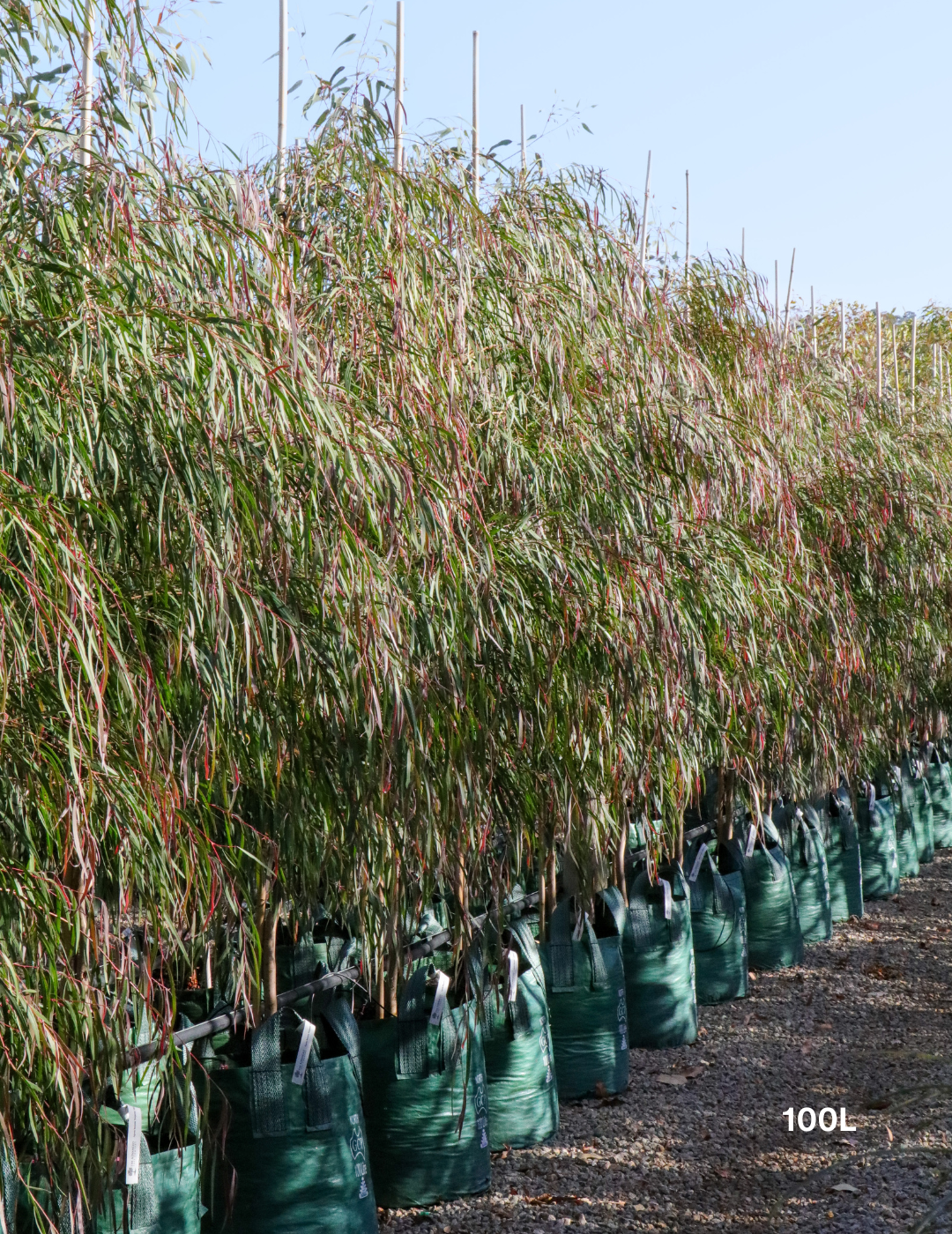
Type: Australian Native
Agonis flexuosa 'Burgundy' - Burgundy Willow Myrtle
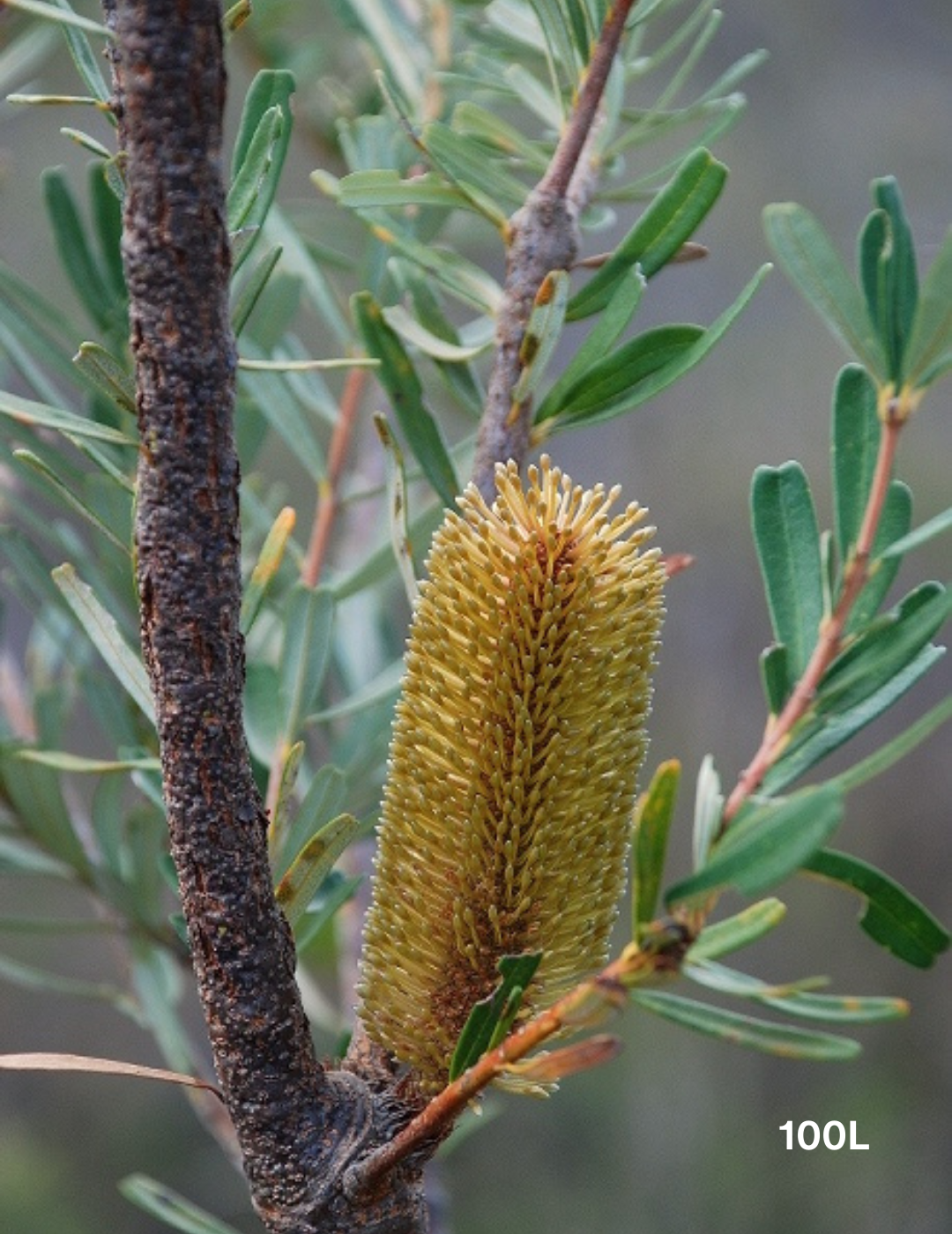
Type: Australian Native
Banksia marginata
Type: Australian Native
Cupaniopsis anacardioides - Tuckeroo Tree
Type: Hedging and Screening Trees
Elaeocarpus Eumundi
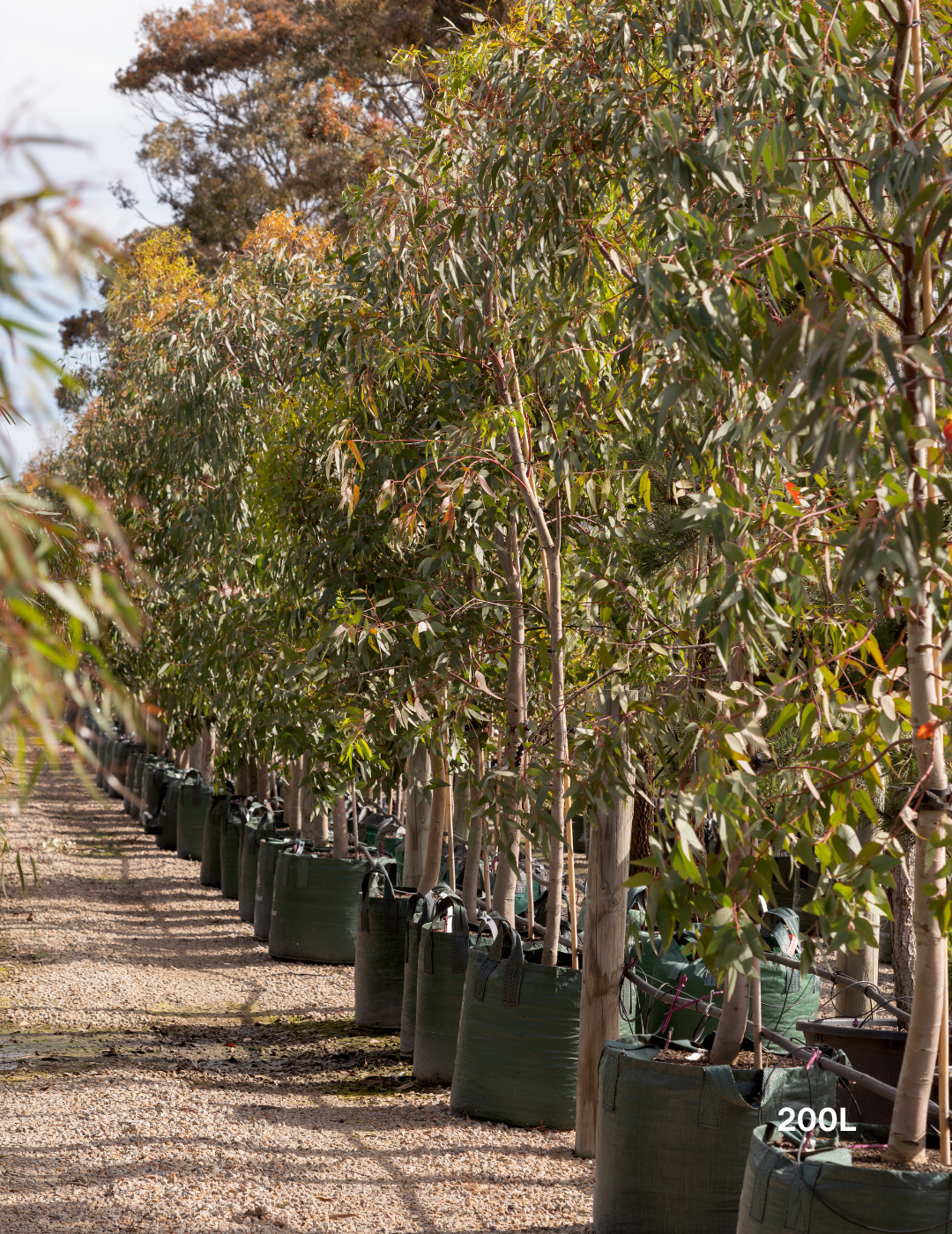
Type: Australian Native
Eucalyptus leucoxylon 'Rosea' (Pink Flowering Yellow Gum)




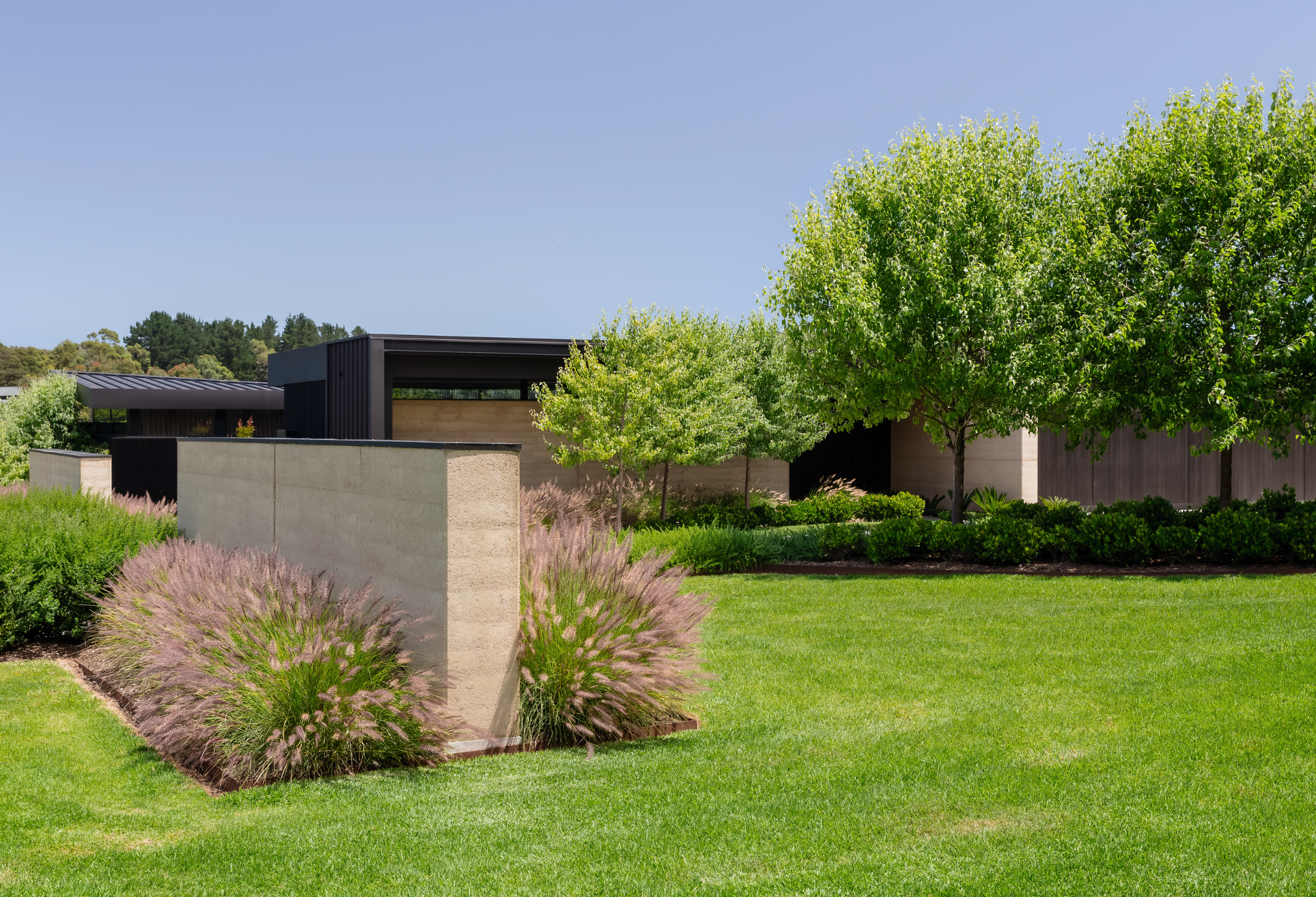
Personalised Tree Recommendations, Tailored to Your Space
Find the ideal tree for your landscape with our Tree Finder Quiz. Get tailored, expert suggestions designed to suit your space, style, and vision.


Blog posts

Fast-Growing, Low-Maintenance and Dense Hedging: Our Top 3 Options
Discover the best fast-growing, low-maintenance hedges to transform your garden into a lush, private retreat. Explore our top three picks: Ficus hillii, Waterhousia floribunda, and Leighton Green Cypress. Learn what makes each one special, how to pair them with other plants, and get expert tips for planting and care. Create instant greenery, secure boundaries, and lasting curb appeal with these standout screening plants.
Learn more
7 Evergreen Trees That Won’t Fill Your Pool with Leaves
Transform your pool area into a low-maintenance oasis with these top evergreen trees. Discover expert tips on plant selection, care, and design for a lush, resort-style outdoor space that stays beautiful year-round.
Learn more
The Science of Tree Establishment: What Happens Underground After You Plant
Planting a tree is only the beginning. What determines its long-term success happens underground: invisibly, quietly, and often misunderstood. Professional growers and arborists focus heavily on the establishment phase, because this is when a tree transitions from nursery-grown roots to soil-driven growth. This guide explains the biological processes that begin immediately after planting, how your tree adapts to its new environment, and what truly matters during the first weeks and months. 1. The Establishment Window: A Tree’s Most Important Phase Once planted, a tree enters a critical period known as the establishment window.This is when the root system must: anchor itself in its new soil extend fine feeder roots rebuild damaged tissues adapt its water uptake to site conditions Professionally, we call this period “physiological stabilisation”, the transition from nursery conditions to open-ground growth. A tree can only grow above the soil as fast as it establishes below it. 2. Root Priorities After Planting: Expansion, Not Growth Many people think a tree grows leaves and canopy first.Professionally, we know the opposite is true. Below the soil, the tree is: producing new fine root hairs (essential for water absorption) extending the root plate horizontally repairing minor transplant shock forming new symbiotic relationships with soil biology adjusting water pressure (hydraulic conductivity) Above the soil, the tree is: holding still limiting canopy growthI nee regulating moisture loss through stomata This is normal.A tree that “does nothing” in the first season is actually investing in survival. 3. How Roots Anchor Themselves (And Why Disturbance Matters) The first four to twelve weeks are when roots begin binding to the surrounding soil.This process is called mechanical anchorage. During this period, avoid: pushing, pulling, or straightening the tree rotating the trunk disturbing the root zone removing stakes early Roots anchor by growing microscopic lateral fibres into soil pores.Any movement breaks these fine structures and resets the anchorage process. 4. Soil–Root Interaction: The Critical Bond Professionals Watch When a tree is planted, the root ball and native soil are two separate materials.Over time, roots begin bridging this boundary. This bridging requires: consistent moisture oxygen flow stable temperature low disturbance time Once bridged, the tree becomes self-sufficient in its site soil, not its nursery mix. This is the moment when growth “switches on.” 5. How Trees Regulate Water After Planting (Sap Flow & Stress Physiology) Immediately after planting, a tree must adjust its internal water pressure. It does this by: slowing transpiration reducing sap velocity prioritising root hydration allocating energy to new root hairs This is why newly planted trees may show: slower leaf production softer or paler new growth reduced shoot extension These signals are not negative; they are physiologically correct. 6. Early Symptoms to Expect (and Why They Are Normal) Many customers worry when they see: slight leaf curl minor wilt during hot days light bronzing temporary soft growth reduced leaf size These are typical responses to transplant adjustment.Professional growers expect them, and they self-correct as the root system stabilises. 7. The First 12 Weeks: What Actually Matters Most Forget fertilising, turning soil, or encouraging top growth.What truly matters is: Moisture Consistency Not too dry, not waterlogged.Roots prefer consistent hydration; they grow toward stability. Root Zone Protection Mulch, weed control, and no disturbance create the right environment. Temperature Moderation Stable soil temperature drives faster root initiation. Patience Most establishment work is invisible. Once roots stabilise, canopy growth accelerates naturally and reliably. 8. The Long-Term Payoff Trees that experience strong establishment exhibit: better drought tolerance stronger anchorage more efficient nutrient uptake superior canopy density significantly longer lifespan Excellent planting initiates the process.Strong establishment completes it. In summary, the true measure of a tree’s success lies beneath the surface. A thorough understanding of root establishment, soil conditions, and physiological processes is essential for anyone wishing to nurture healthy, long-lived trees. By prioritising early root development, minimising disturbance, and maintaining consistent moisture and temperature, you provide the best possible foundation for vigorous growth in the years ahead. Remember, patience and observation in these crucial first weeks will yield rewards that endure for decades.
Learn more
A Professional Guide to Planting Trees: Techniques, Seasonal Tips & Essential Insights
This comprehensive planting guide has been prepared by horticultural professionals with decades of experience supplying, growing, and establishing advanced trees. It breaks down the exact techniques used in nursery and landscape practice — including correct planting depth, air-pocket management, soil structure, watering-in, and seasonal adjustments — into clear, practical steps anyone can follow. Whether you're planting a 30cm pot or a 2000L bag, this guide ensures strong root establishment, healthier growth, and long-term success in Australian conditions.
Learn more
The Top 5 Hedging Trees for Possum-Prone Gardens
Tired of possums destroying your garden hedges overnight? Discover the top 5 hedging trees that possums avoid, based on real-world results and expert advice. From fast-growing Cupressus Leylandii to the elegant Bay Tree, find the ideal screening solution for your space and reclaim your garden’s privacy, without nightly damage.
Learn more
Australian Natives That Attract Birds and Bees
Discover the top Australian native plants that attract birds, bees, and other pollinators to your garden. From vibrant flowering gums to hardy coastal shrubs, this comprehensive guide explores their unique features, ecological benefits, and essential care tips, empowering you to create a flourishing, wildlife-friendly garden that thrives year-round.
Learn more