- Mature height
- 15m to 20m
- Mature width
- 6m to 10m
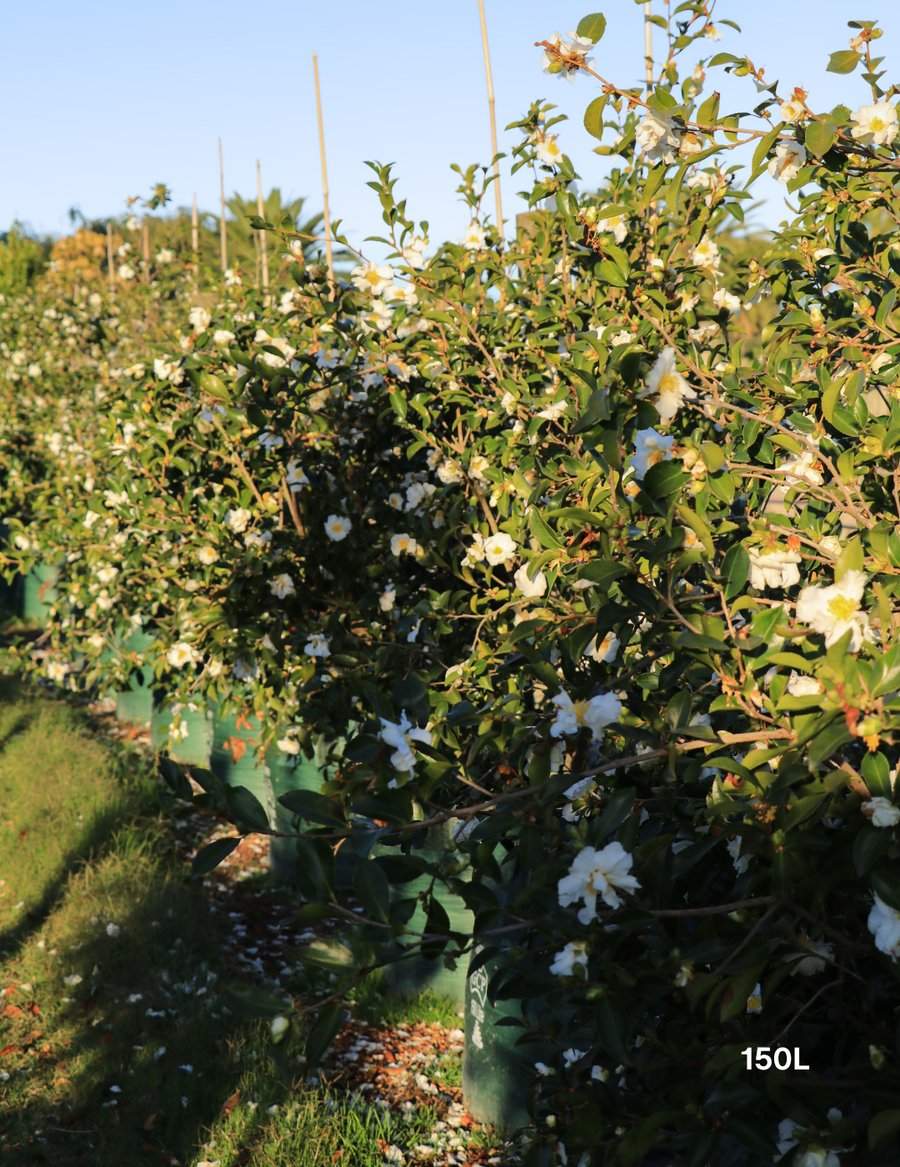
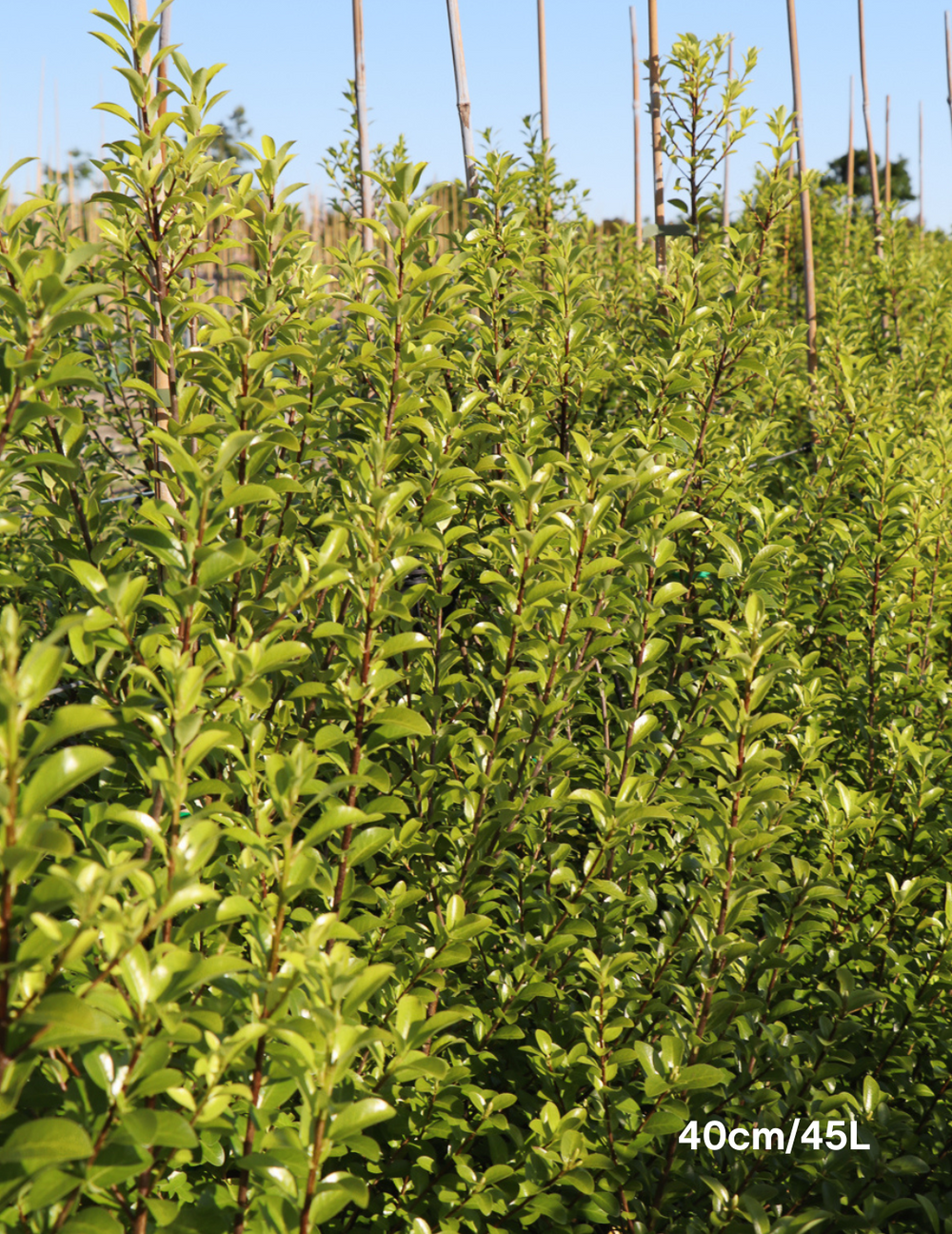
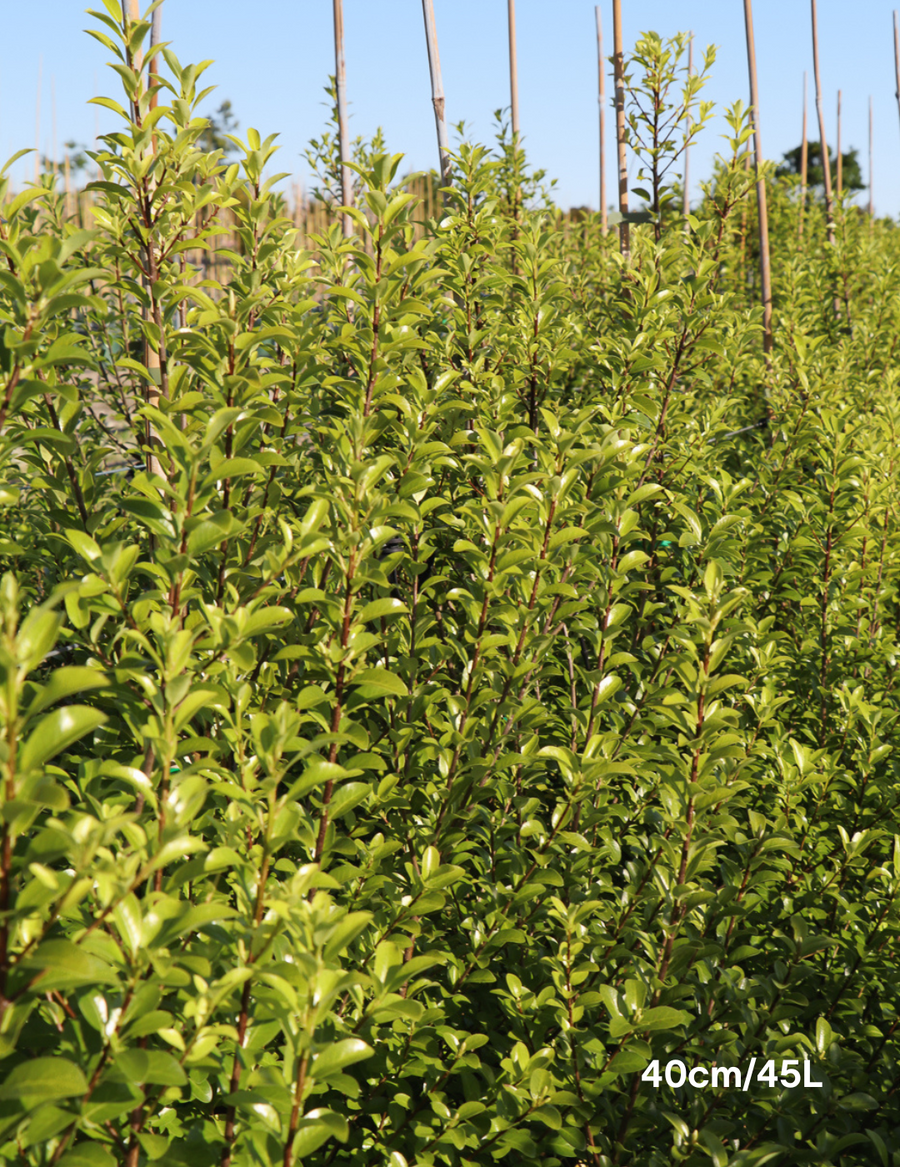
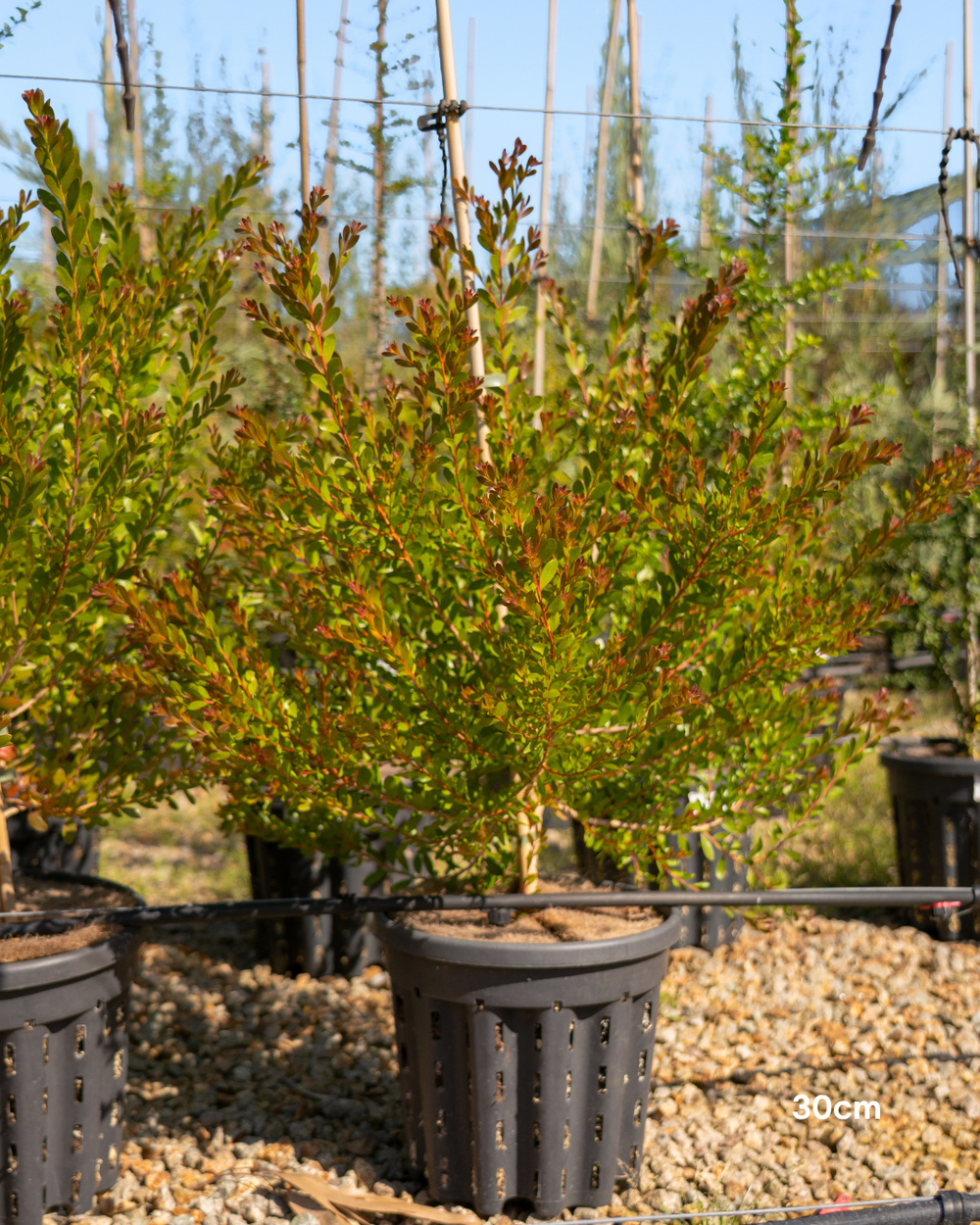
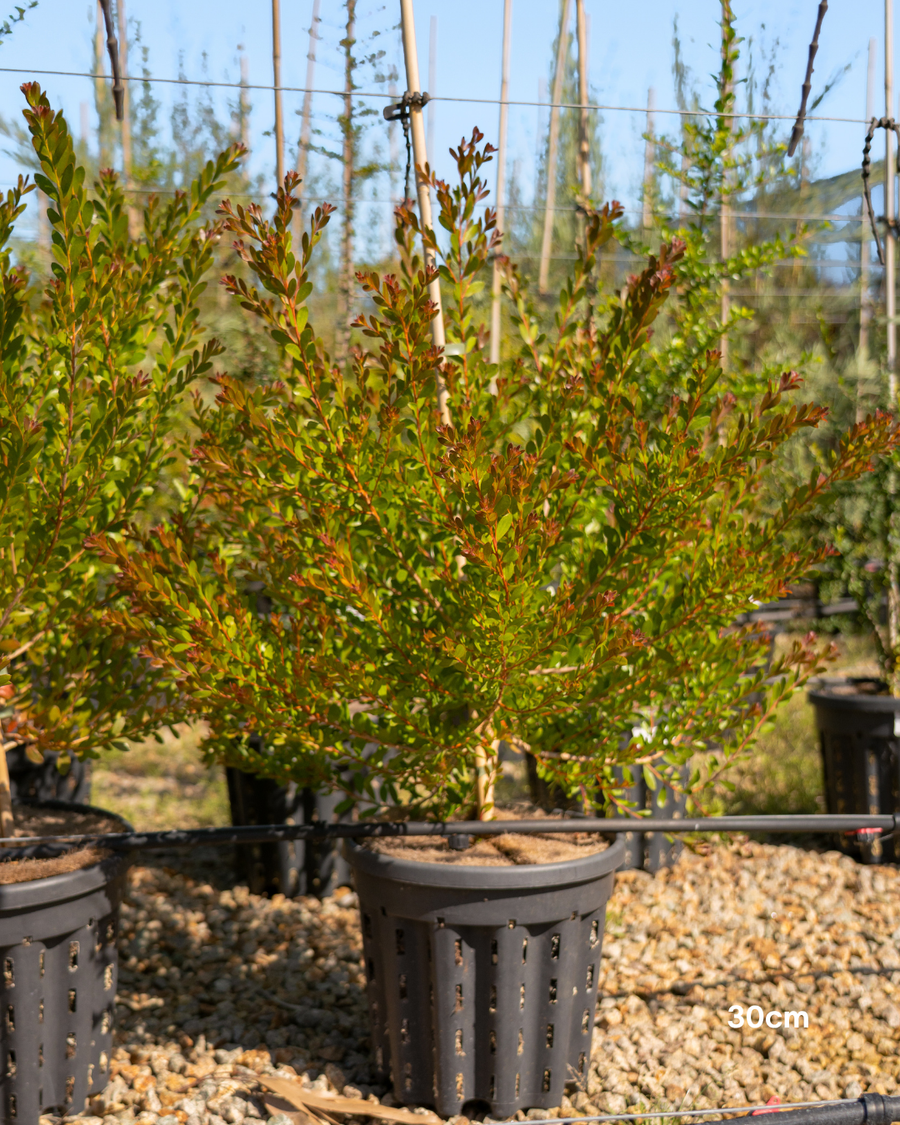
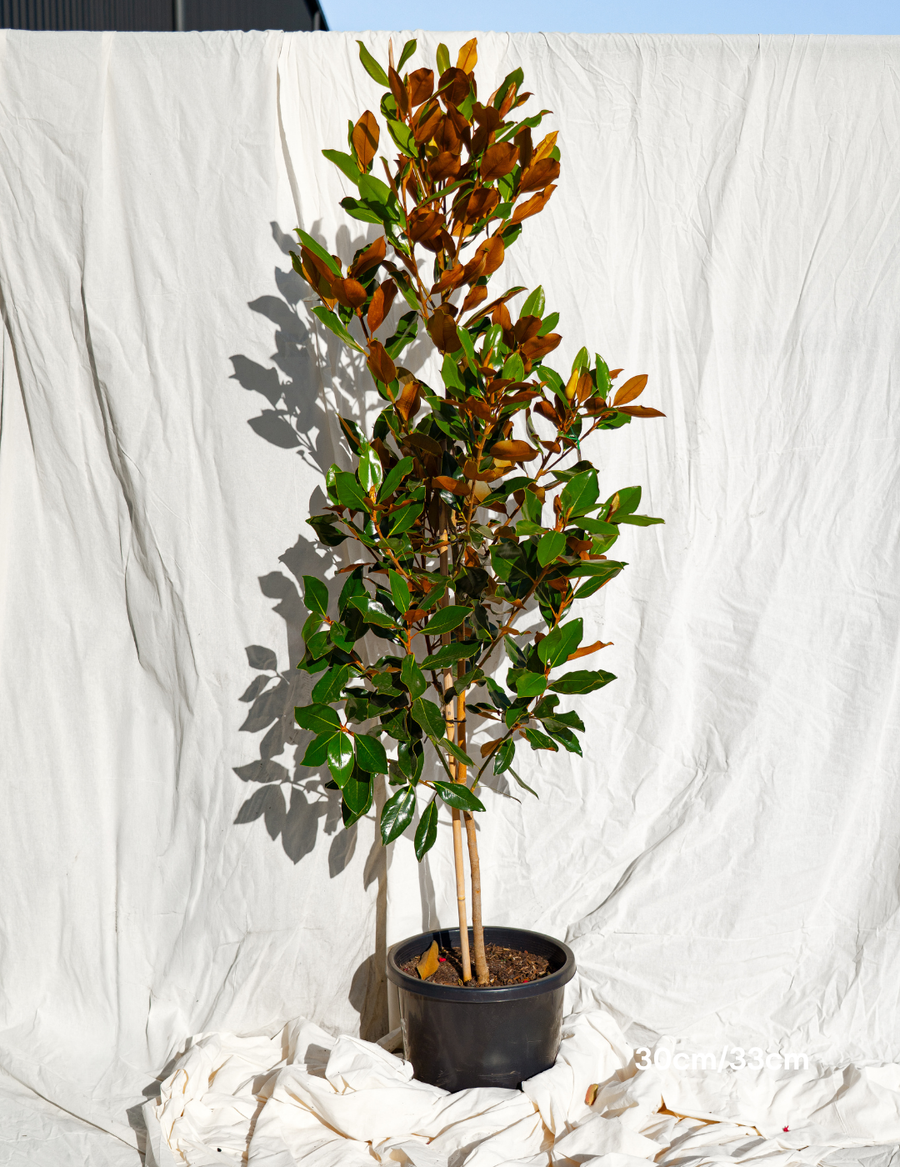
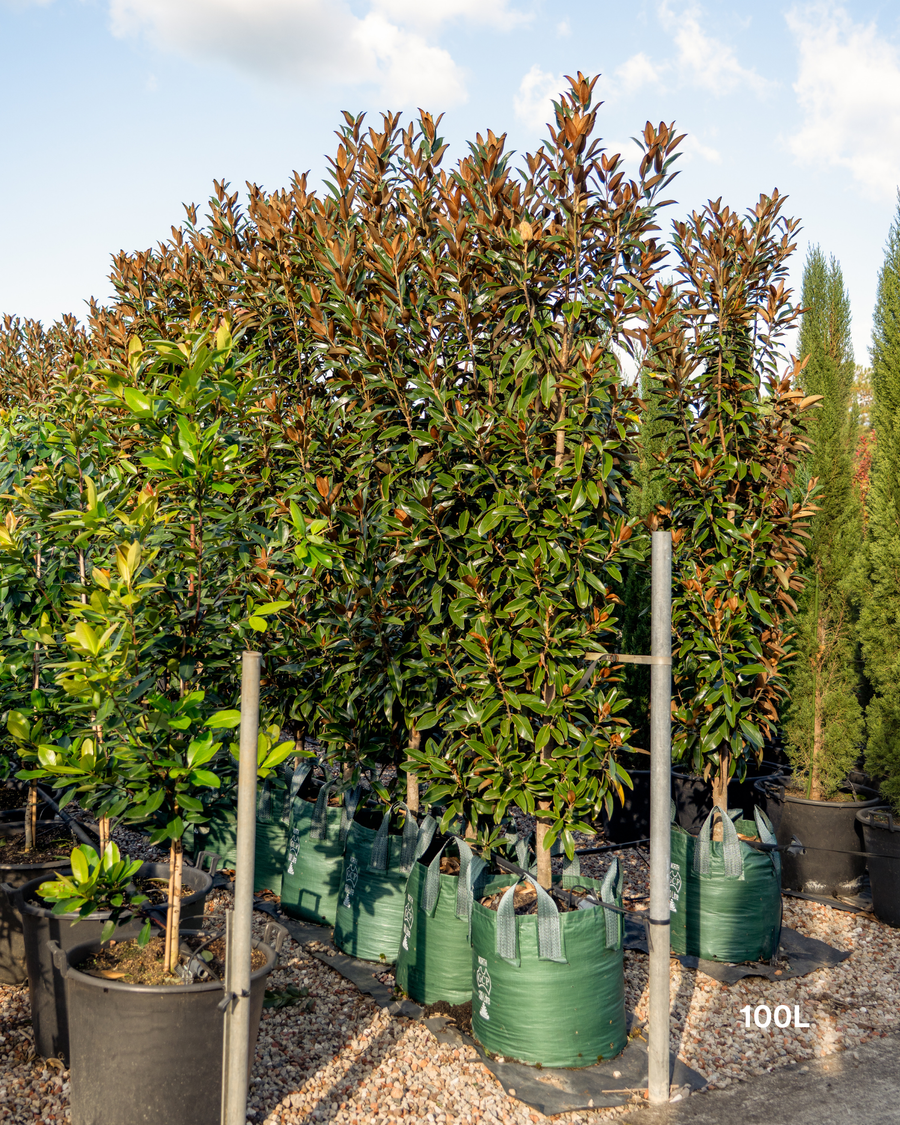
Magnolia grandiflora 'Exmouth' is an elegant evergreen magnolia admired for its dense glossy foliage with rich copper undersides and its large fragrant creamy-white flowers. The upright conical form gives striking year-round structure.
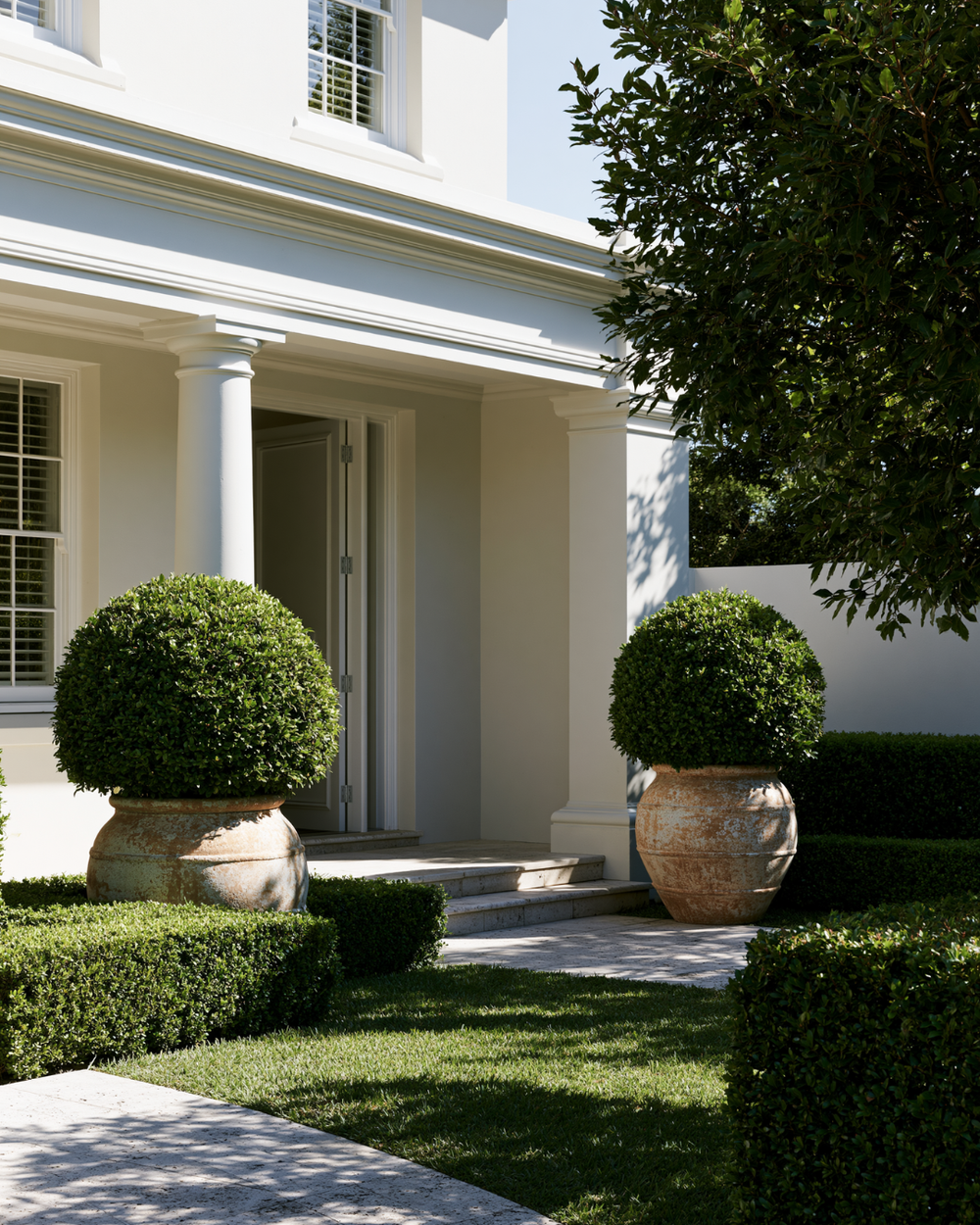
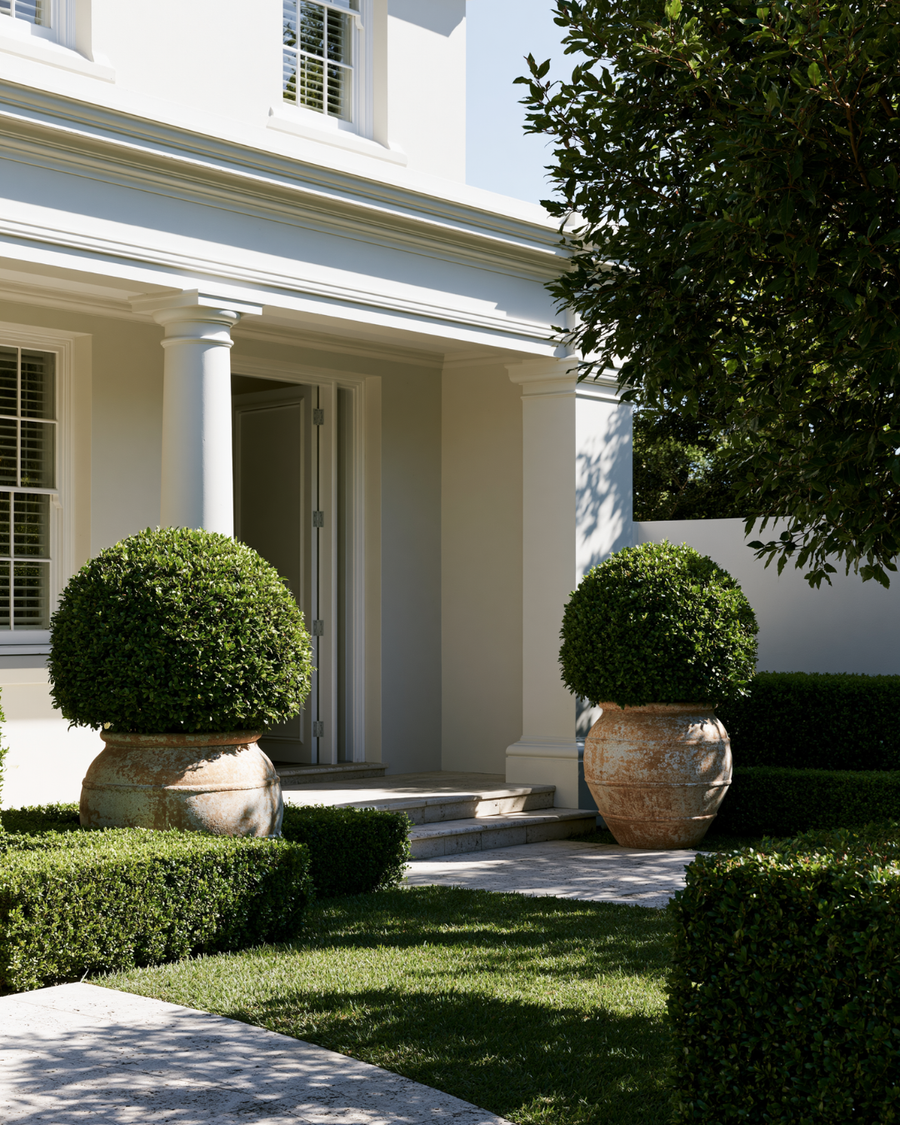
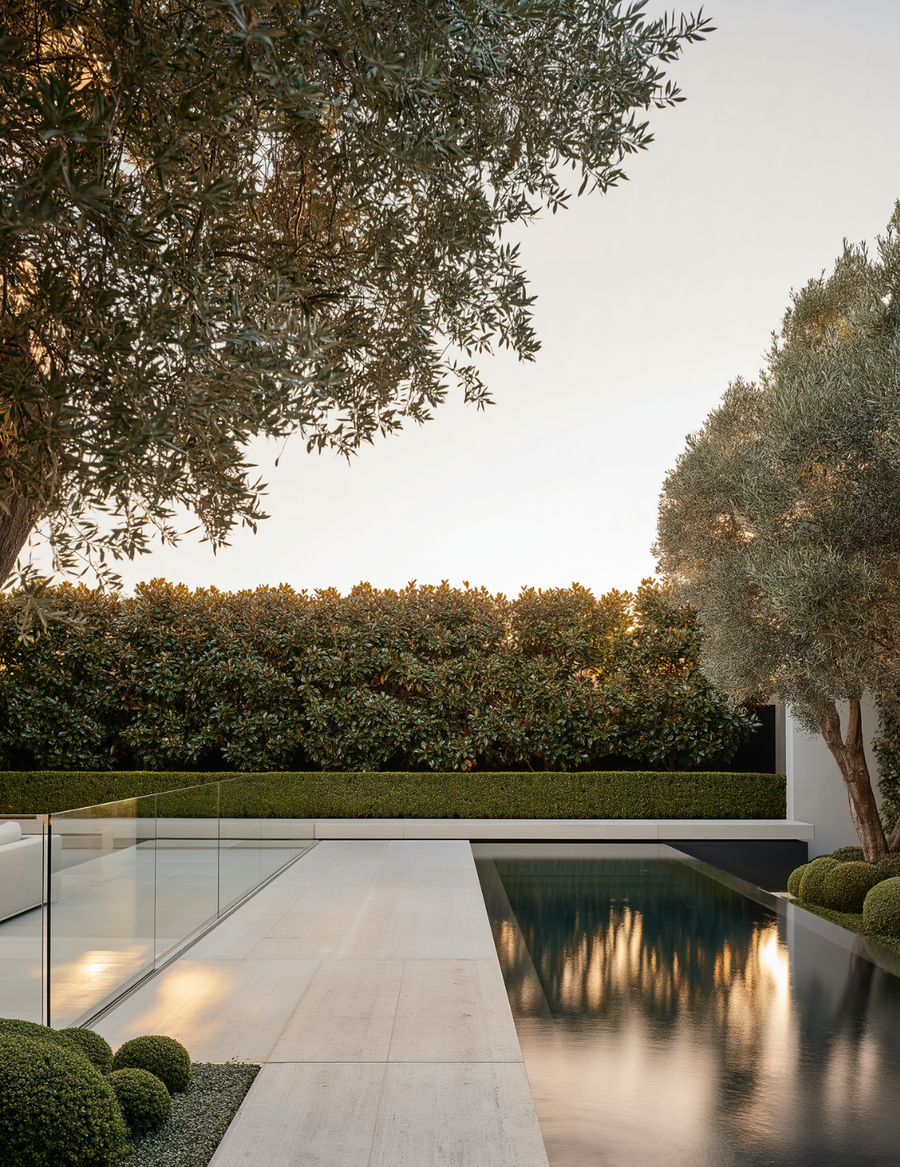
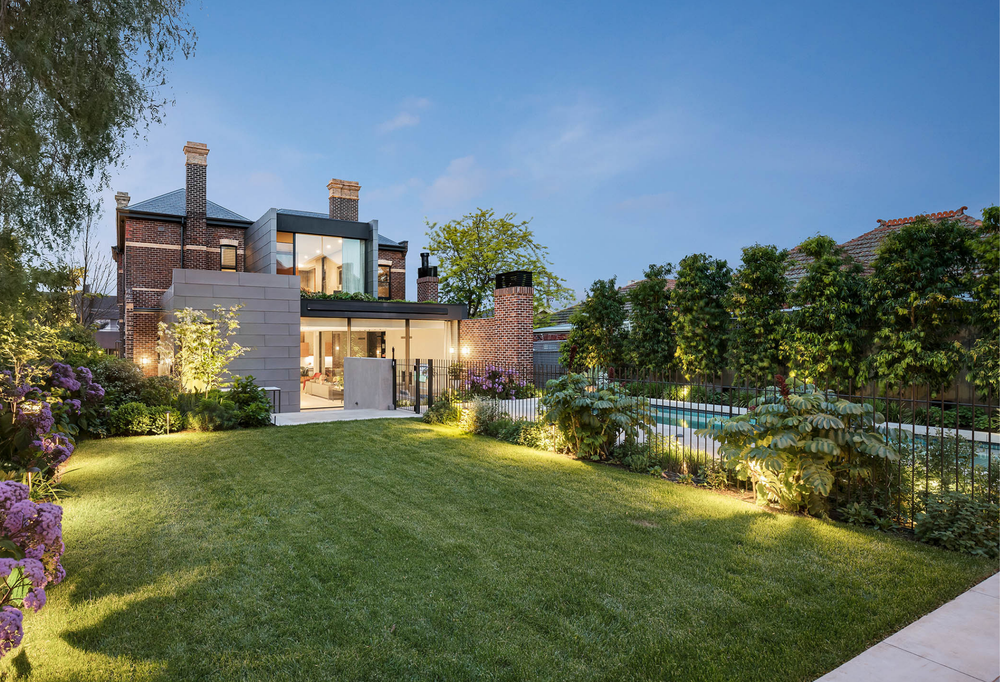
Exmouth Magnolia grows to 8-12 metres tall and 4-6 metres wide. The upright habit and dense evergreen canopy make it well suited to formal gardens, avenues, tall privacy screens, pleaching, espalier, and large containers. Large fragrant flowers appear from late spring through summer.
Exmouth Magnolia thrives in full sun to part shade and prefers moist, well-drained, slightly acidic soil. It is drought tolerant once established and withstands light frost and heat, performing well across most Australian climates. Light pruning in late winter or early spring keeps it shapely, with an annual feed supporting healthy growth.
Frequently Asked Questions
About Magnolia grandiflora 'Exmouth'
How tall does Exmouth Magnolia grow?
Magnolia grandiflora 'Exmouth' grows to 8-12 metres tall and 4-6 metres wide with an upright conical form.
How fast does Exmouth grow?
Exmouth Magnolia has a moderate growth rate of 30-50cm per year once established.
When does Exmouth Magnolia flower?
Exmouth produces large fragrant creamy-white flowers from late spring through summer, typically November to February across Australia.
Is Exmouth Magnolia suitable for hedging or screening?
Yes. The dense upright habit makes Exmouth well suited to tall privacy screens, pleaching, and espalier, as well as feature planting.
Is Exmouth Magnolia evergreen?
Yes. Exmouth is fully evergreen, holding glossy dark green foliage with rich copper undersides year-round.
Where does Exmouth Magnolia grow best in Australia?
Exmouth is adaptable across most Australian climates, preferring moist, well-drained, slightly acidic soil in full sun to part shade.
How far apart should I plant Exmouth Magnolia?
Plant 2-3 metres apart for a screen or pleached row, or 4-5 metres for individual feature trees.