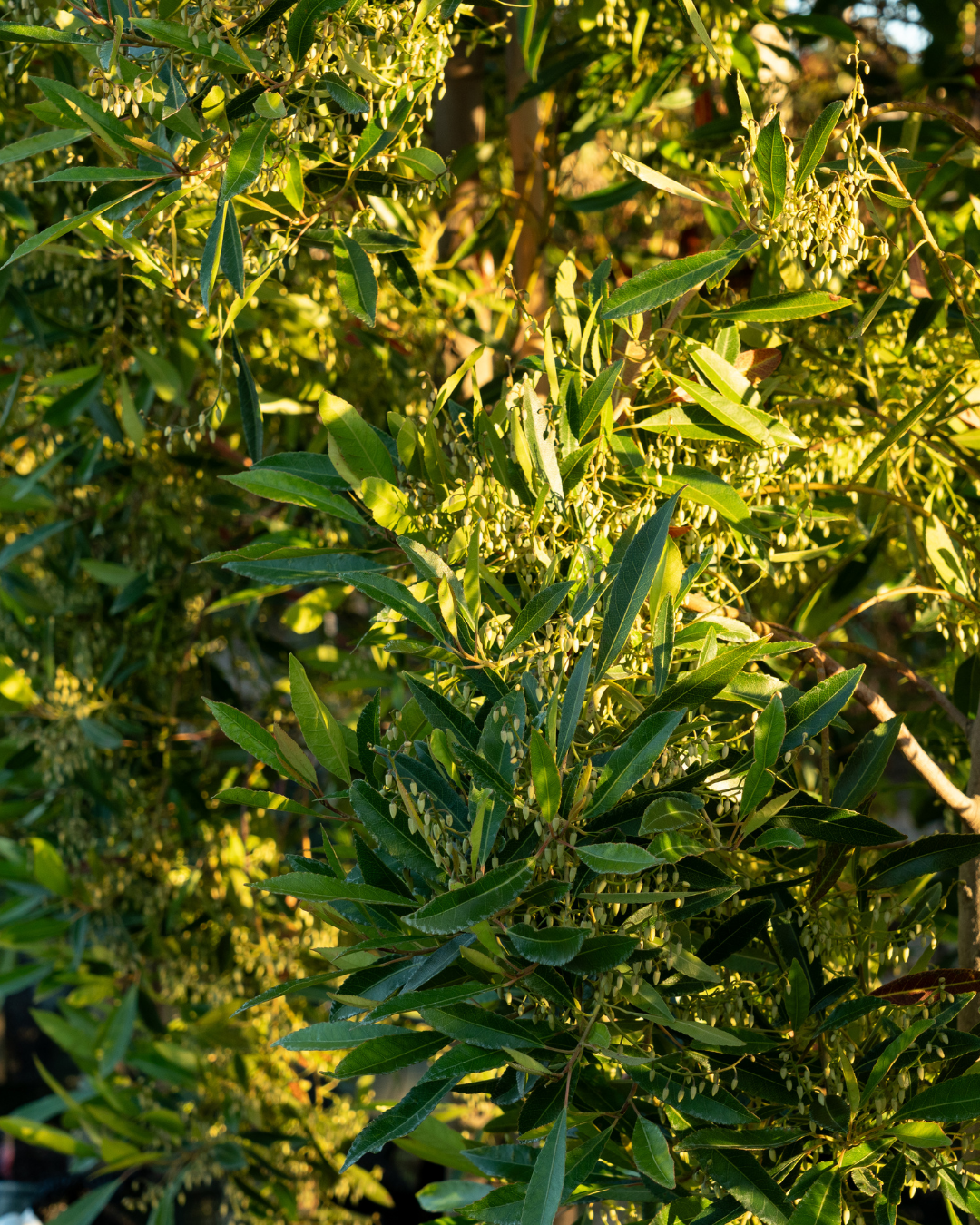
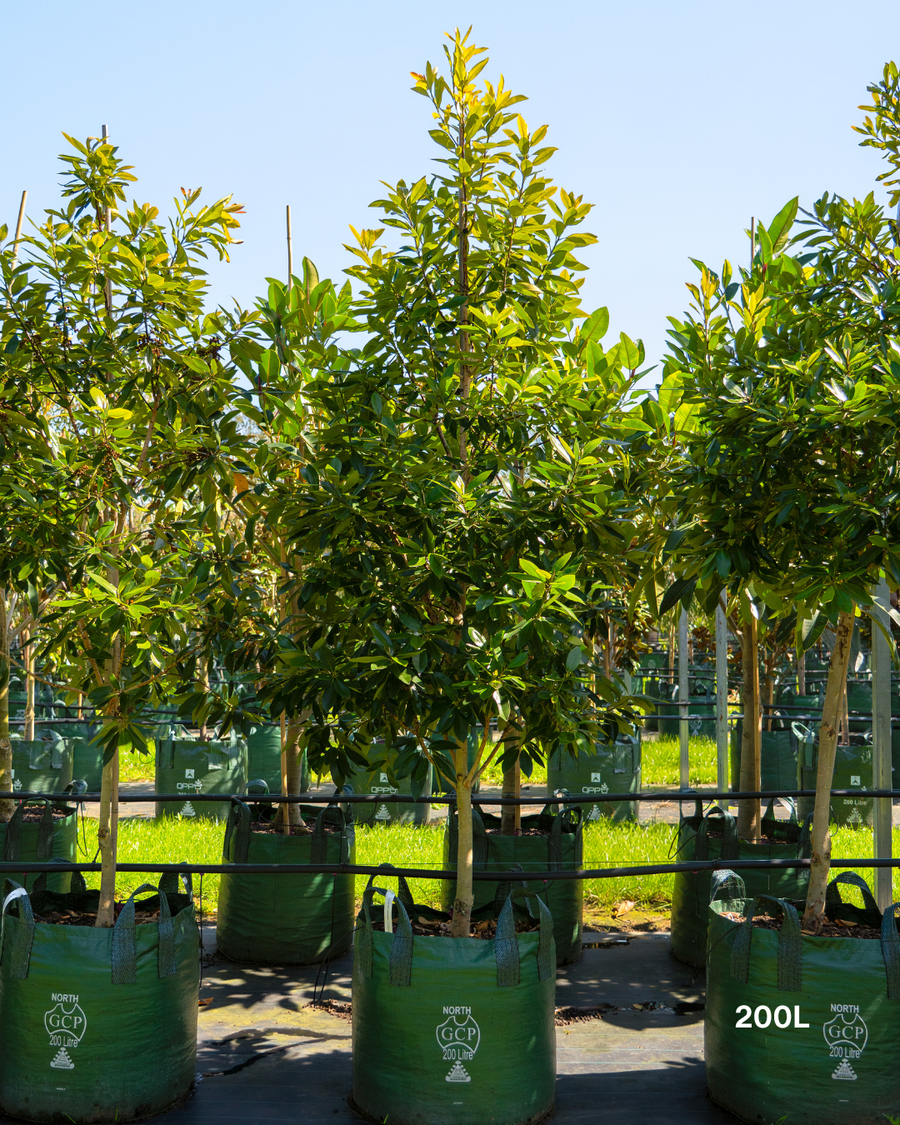
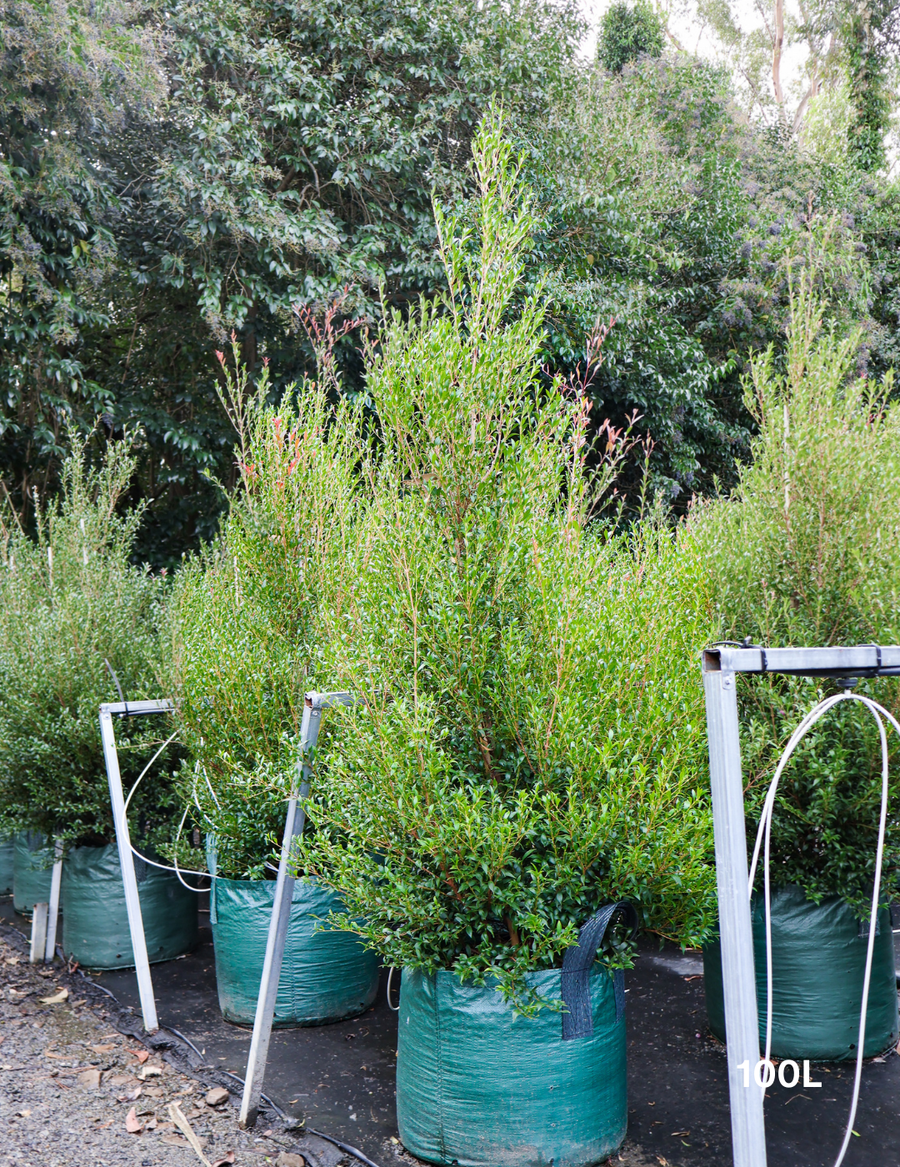
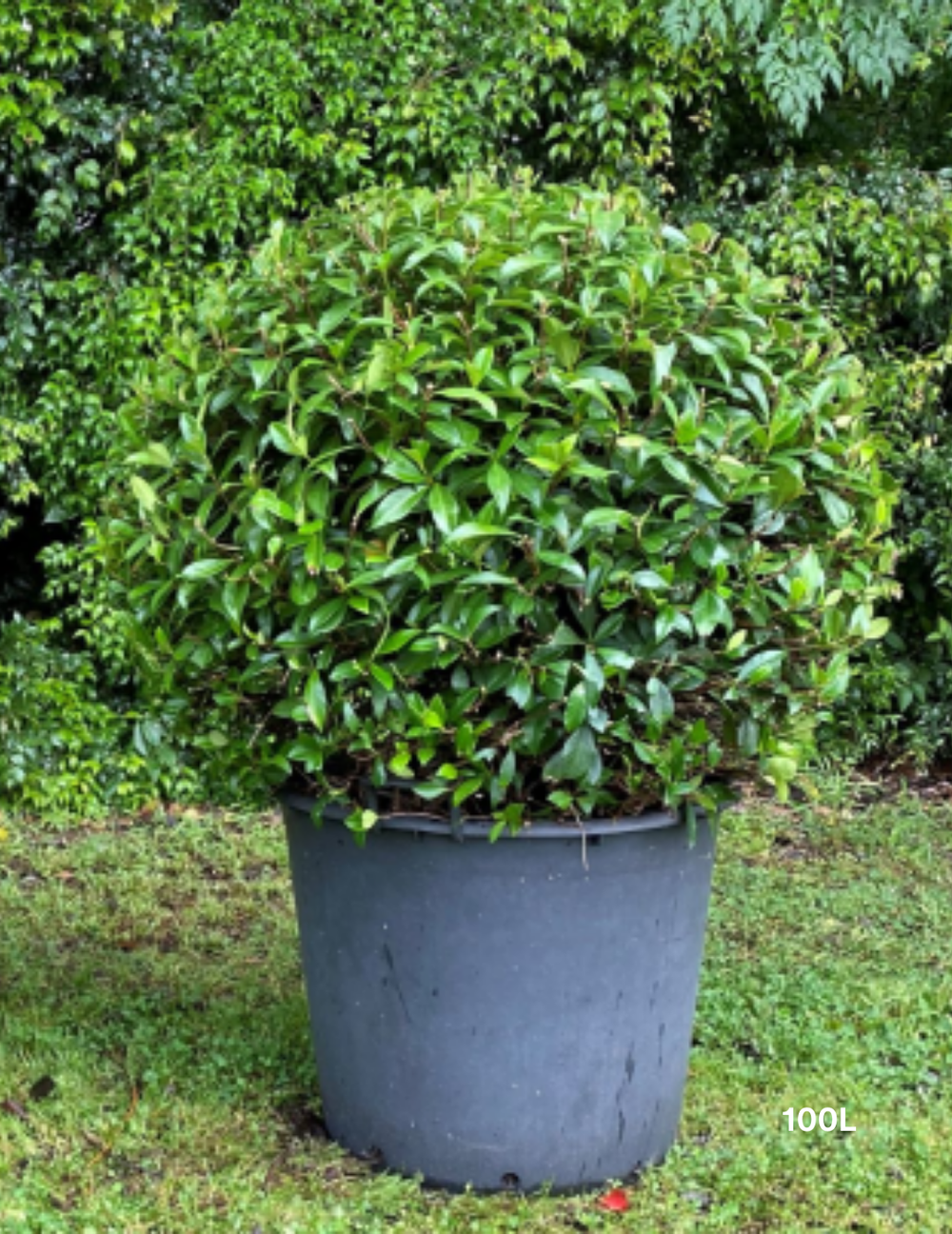
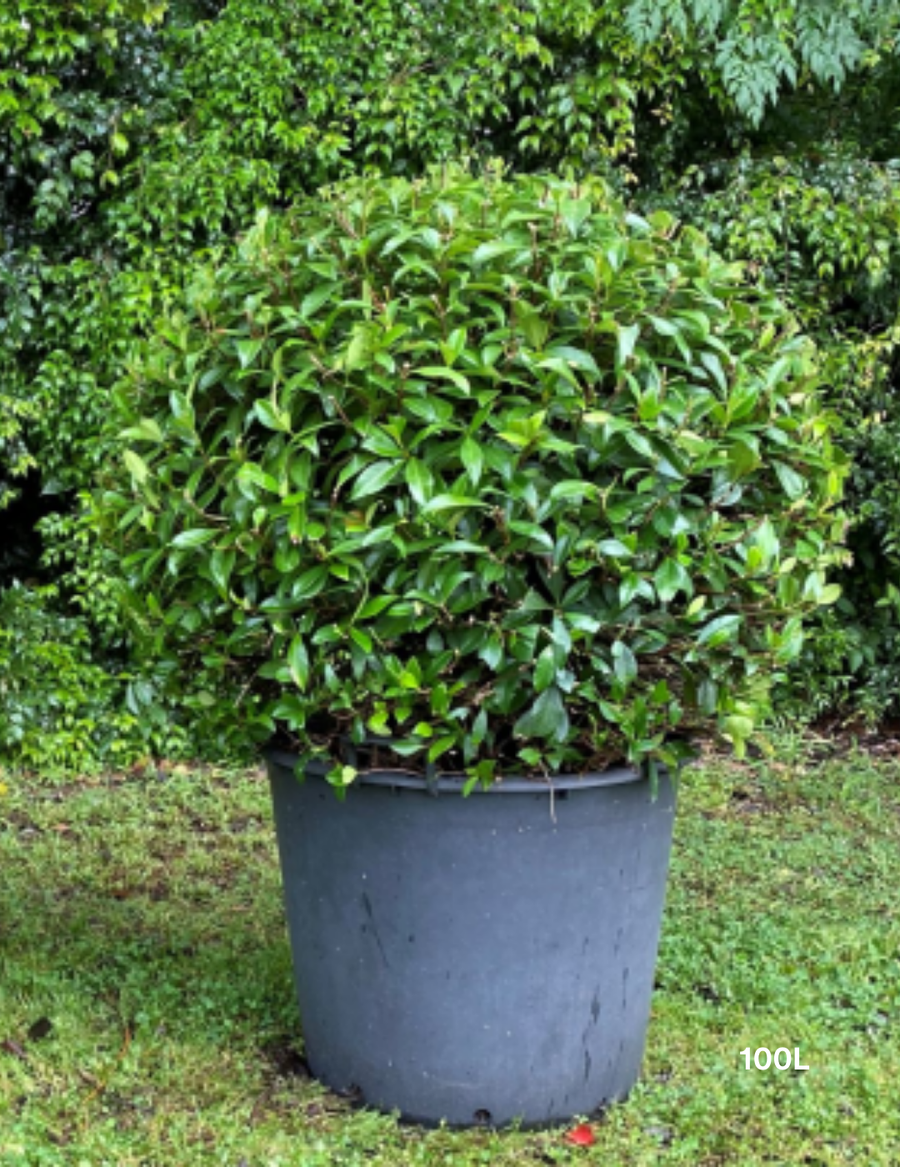
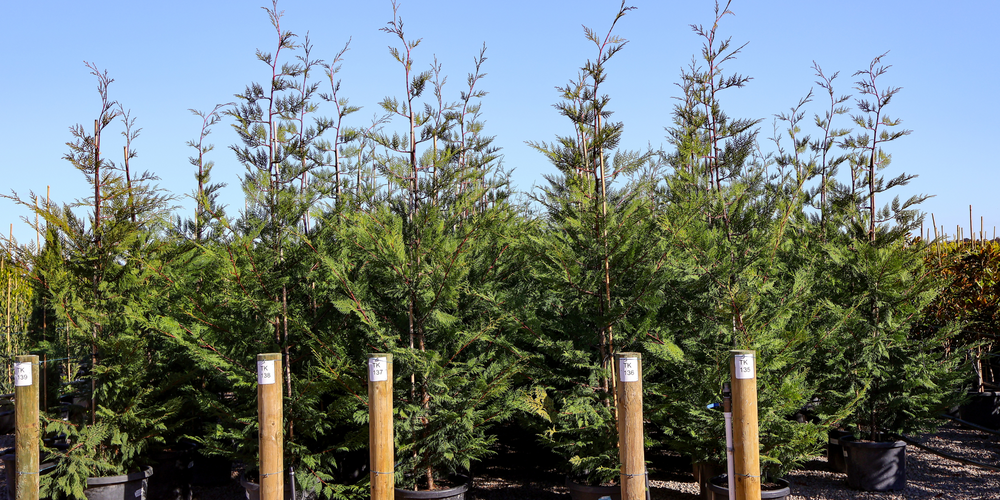
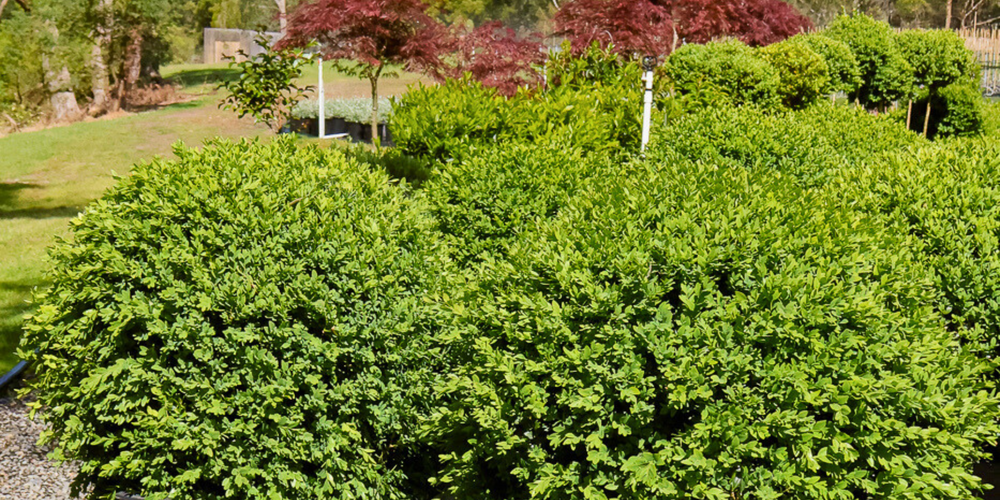
Elaeocarpus reticulatus, the Blueberry Ash, is a striking evergreen Australian native grown for its narrow upright form, dense glossy foliage, and unusual seasonal display of fringed flowers and vivid blue berries.
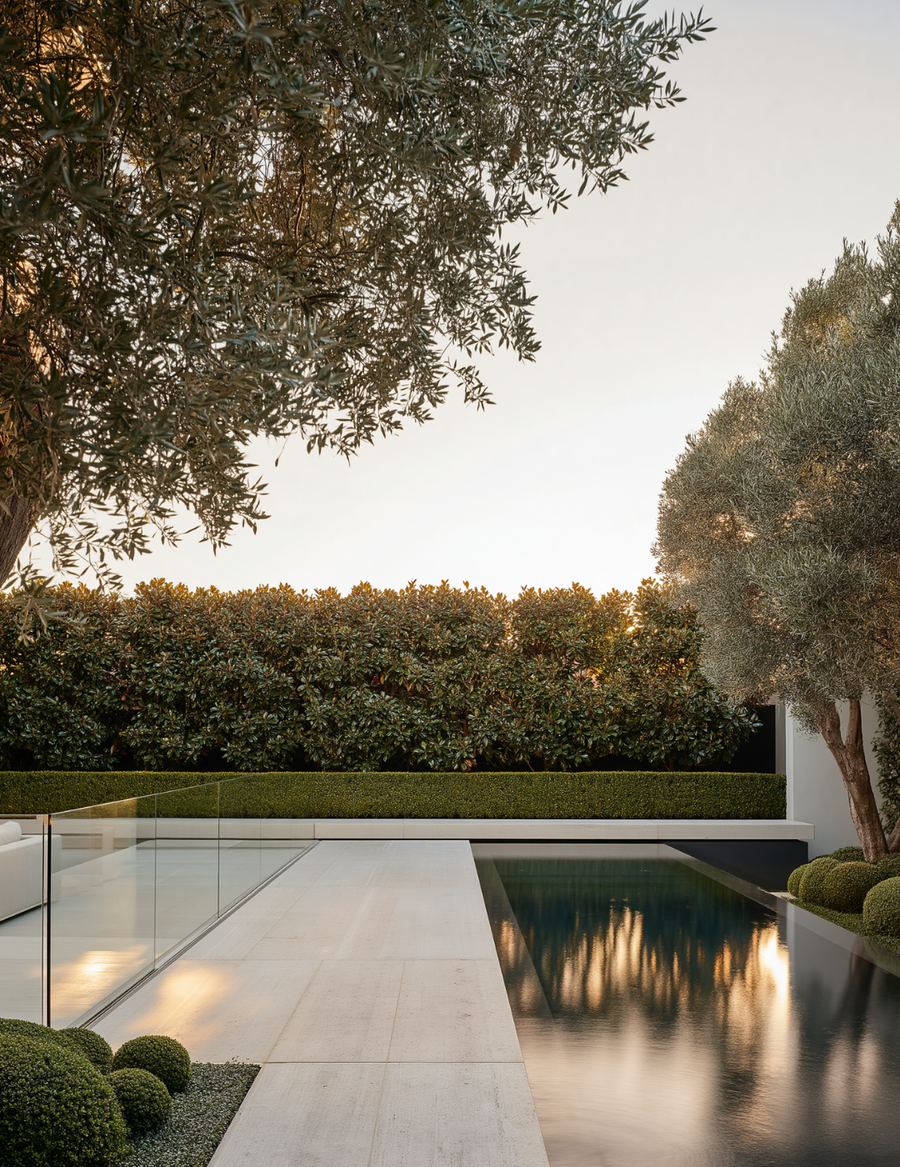
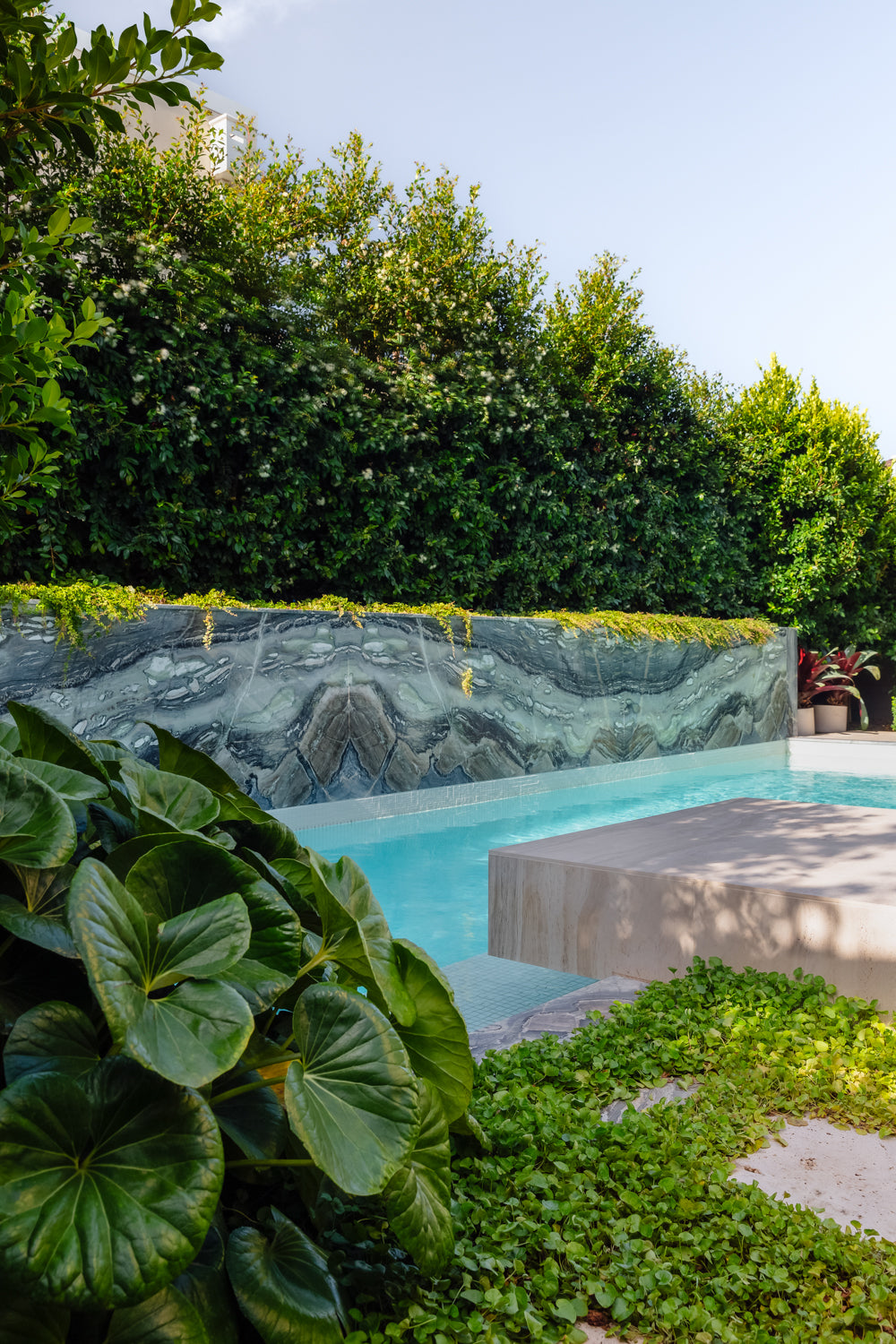
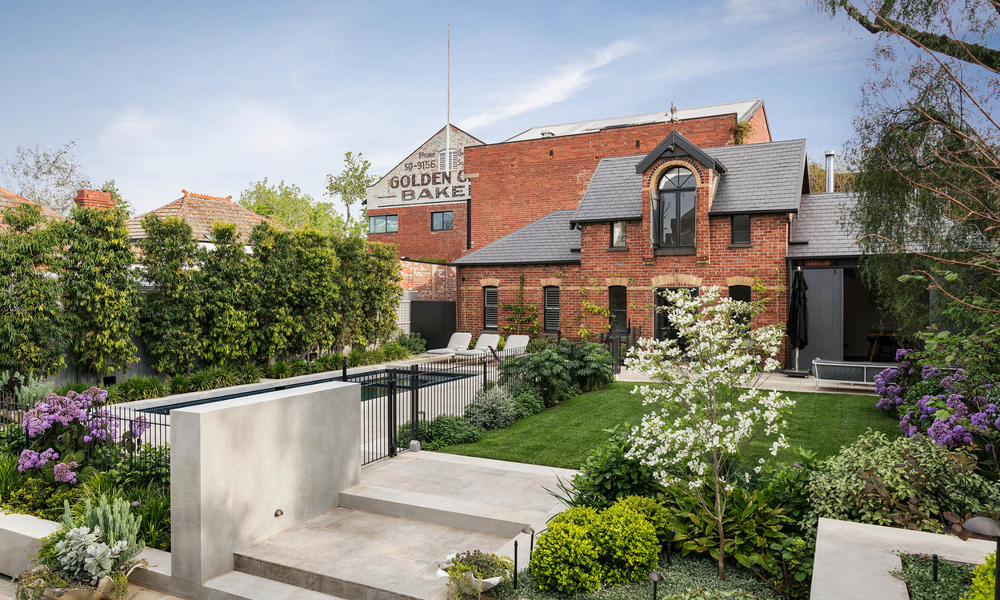
Blueberry Ash grows to 8-15 metres tall and just 3-5 metres wide, making the narrow habit ideal for privacy screens, hedges, and native garden features where ground space is limited. From late spring into summer it produces delicate pink or white bell-shaped flowers that hang beneath the foliage, followed by bright blue berries that draw native birds.
Blueberry Ash is adaptable, growing well in full sun to part shade across a range of well-drained soils from sandy to clay. It is moderately drought tolerant once established and handles light frost, performing reliably in coastal, urban, and inland gardens across NSW, QLD, VIC and parts of SA and WA.
Frequently Asked Questions
About Elaeocarpus reticulatus Blueberry Ash
How tall does Blueberry Ash grow?
Blueberry Ash grows to 8-15 metres tall and just 3-5 metres wide, with a naturally narrow upright form.
How fast does Blueberry Ash grow?
Blueberry Ash has a moderate growth rate of 40-60cm per year once established.
When does Blueberry Ash flower and fruit?
Blueberry Ash produces delicate pink or white bell-shaped flowers from late spring into summer, followed by vivid blue berries that attract native birds.
Is Blueberry Ash good for screening?
Yes. The narrow upright form and dense glossy foliage make Blueberry Ash an excellent privacy screen or informal hedge. Plant 1.5-2 metres apart for continuous coverage.
Is Blueberry Ash an Australian native?
Yes. Elaeocarpus reticulatus is native to eastern Australia, ranging from QLD through NSW to eastern VIC.
Is Blueberry Ash drought and frost tolerant?
Blueberry Ash is moderately drought tolerant once established and handles light frost, making it a resilient choice for a wide range of gardens.
Where does Blueberry Ash grow best in Australia?
Blueberry Ash thrives in coastal, urban and inland gardens across NSW, QLD, VIC and parts of SA and WA, in full sun to part shade with well-drained soil.