- Mature height
- 5m to 15m (approx.) (can be larger if unpruned)
- Mature width
- 4m to 10m
Olea europaea, the common olive, is a slow-growing evergreen with a dense rounded crown and leathery silver-green leaves. These are mature field-grown specimens carrying the thick, characterful trunks that only come with age. Small white flowers appear in spring, followed by fruit that ripens from autumn into winter.
Full sun and well-drained, neutral to alkaline soil suit it best. Annual growth is slow at 20 to 40 centimetres, and mature size sits at 4 to 10 metres tall and 4 to 10 metres wide. Frost tolerant once established, it handles light to moderate frost and is very drought hardy through Mediterranean and temperate Australia.
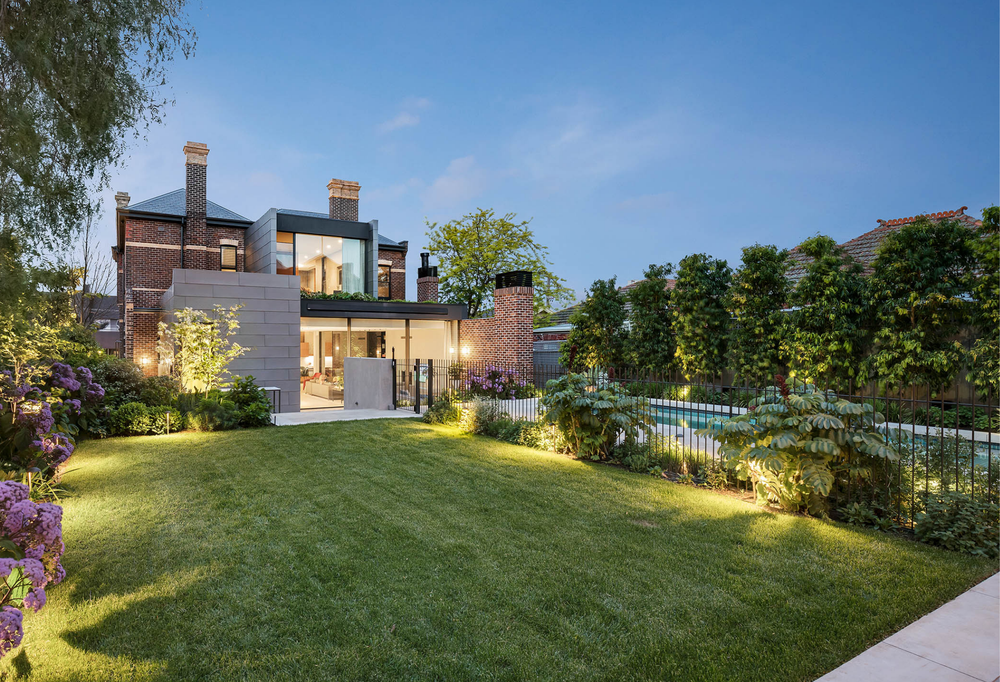
Trees of this size do the work of a landscape immediately, anchoring courtyards, entries, resort gardens and civic plantings. Space feature trees 3 to 4 metres apart, or 3 metres for an avenue. Where a garden needs weight and age from the first day, a mature olive is the shortest way there.
Frequently Asked Questions
About Olive Tree (Ex Ground)
What is an ex ground olive tree?
Ex ground means the tree has been grown in open ground rather than a container, then lifted with its root ball for transplanting. Field growing produces heavier trunks and better proportioned canopies than pot culture, which is why mature specimen olives are grown this way. Crated and cloud-pruned forms are offered alongside the standard grades.
How big do these olive trees grow?
Mature size is 4 to 10 metres tall and 4 to 10 metres wide, depending on age, soil and pruning. Ex ground specimens are already well advanced, typically standing 3.2 to 5.5 metres, so most of the height is there from the outset. Ongoing pruning can hold them at whatever size the site allows.
How fast does an olive tree grow?
Olives are slow growers, putting on roughly 20 to 40 centimetres a year once settled, and less in dry or poor conditions. That slow rate is why mature trunks command attention and why an advanced specimen is the usual way to get an established look. It also means a planted olive stays in scale for decades.
Do these trees fruit?
Yes. Olea europaea sets small white flowers in spring and fruit that ripens through autumn and winter. Trees generally begin bearing three to five years after planting, though some take ten years or more before cropping properly. Fruit drop can stain paving, so set trees back from light-coloured hard surfaces if that matters.
Is it frost tolerant?
Established olives handle light to moderate frost without damage and are grown through the cooler inland districts of Victoria, South Australia and New South Wales. Hard, repeated frost can burn young growth, and newly planted trees are the most exposed. Warm dry summers and cool winters are the conditions this species evolved for.
Can a mature olive be planted in a pot?
Large olives can be grown in containers, though a tree of this size needs a substantial pot, at least 800 millimetres across and equally deep, with free-draining mix and reliable irrigation. Growth slows further and the canopy stays smaller. Root prune and refresh the mix every three to four years to keep the tree healthy.
How do I care for an established olive tree?
Water deeply and infrequently through the first two years while roots move into the surrounding soil, then only in long dry spells. Prune in late winter to keep the centre open and the shape balanced, and remove suckers from the base. Feed annually in spring. Avoid constant watering and poorly drained ground.