- Mature height
- 20m to 30m (approx.)
- Mature width
- 10m to 15m
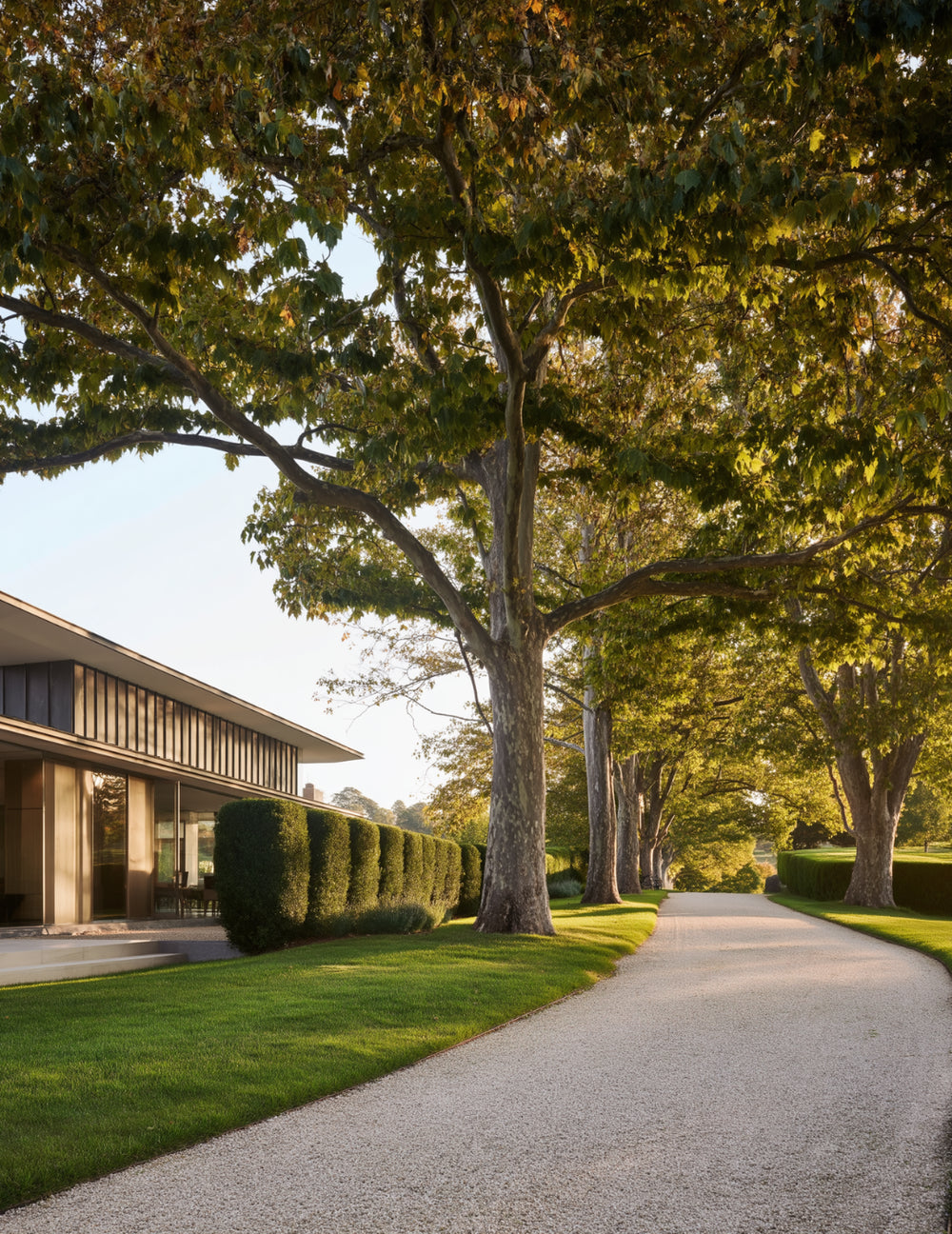
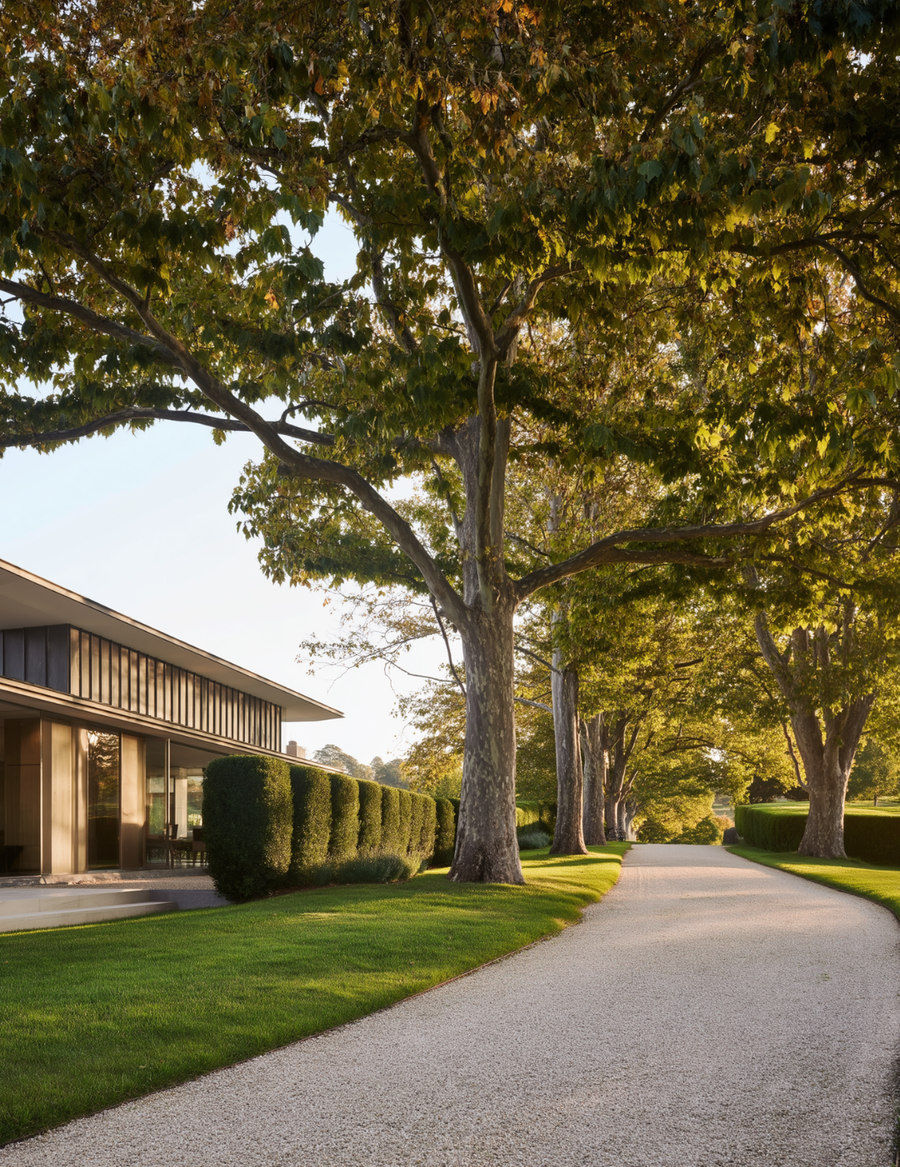
Populus x euramericana 'Veronese' is a deciduous hybrid poplar grown for its tall, broadly pyramidal frame and glossy deep green foliage. Straight ascending branches build a commanding crown on a clean trunk, and the leaves move with the slightest breeze. Autumn brings a strong clear yellow before the tree drops into winter.
It wants full sun and accepts a wide range of soils, including heavier ground, as long as drainage is reasonable. Cool temperate, temperate and inland regions suit it, and it handles frost without fuss. Expect one to 1.5 metres of growth a year, and keep the water up through establishment before it becomes moderately drought tolerant.
At 20 to 30 metres tall and 10 to 15 metres across, this is a tree for parks, streetscapes, shelterbelts, rural blocks and large gardens rather than tight suburban courtyards. Councils and developers plant it where shade and shelter are needed within a few seasons rather than a few decades.
Frequently Asked Questions
About Veronese Poplar
What is Veronese Poplar?
Veronese Poplar is a selected form of Populus x euramericana, the hybrid between the European black poplar and the American cottonwood. It is a fast growing deciduous shade tree with a tall pyramidal crown, glossy dark green leaves and reliable yellow autumn colour. Spring catkins are small and pass largely unnoticed.
How big does Veronese Poplar grow?
Mature height is 20 to 30 metres with a spread of 10 to 15 metres. That is a large tree by any measure, so it needs open ground well away from buildings, boundaries and services. On deeper soils with reliable moisture it will reach the upper figures; on drier or shallower sites it settles lower.
How fast does Veronese Poplar grow?
Around one to 1.5 metres a year once established, which puts a useful canopy over a site within a few seasons. Growth is quickest on moist, fertile ground in full sun. Because the wood is laid down quickly, formative pruning in the early years pays off in a stronger branch structure later.
Is Veronese Poplar evergreen or deciduous?
It is deciduous. The tree defoliates through the colder months, holding bare upright branches over winter, then flushes fresh glossy green in spring. That cycle is useful in a shelterbelt or streetscape where you want shade in summer and winter sun reaching the ground below.
Does Veronese Poplar need sun or shade?
Full sun. It will tolerate light dappled shade in its early years but the form loosens and growth slows noticeably. An open position also keeps air moving through the canopy, which helps with leaf health. It is a hardy tree in urban settings and copes with reflected heat and wind.
How far apart should I plant Veronese Poplars?
For avenue planting, space them three metres apart for a uniform, soft textured line. Used as individual feature trees, allow three to four metres so the canopy and form can develop properly. For a screening row or windbreak, plant five to six metres apart.
How do I care for Veronese Poplar?
Water regularly through the first two growing seasons, then reduce as the roots go down. Mulch widely and keep grass off the root zone while the tree is young. Prune in late winter to remove damaged or crossing limbs and to keep a single leader. Established trees need little beyond an occasional check for deadwood.