Populus yunnanensis
Populus yunnanensis
Couldn't load pickup availability
Current Stock Height Guides
Current Stock Height Guides
Height guide disclaimer: Height ranges are approximate only. As living products, plant heights naturally vary between individual plants, batches, and seasons. No guarantee is given that supplied plants will fall within the stated range. If minimum heights are required, you mustconfirm current batch heights with Evergreen Trees Direct prior to purchase. Variation in height is normal and is not grounds for return, refund, replacement, or compensation.
Mature Height & Width
Mature Height & Width
Mature Height: 15m to 25m (approx.)
Mature Width: 8m to 12m
Populus yunnanensis is expected to grow 1m to 1.5m per year (approx.).
Root Ball Dimensions
Root Ball Dimensions
Use this as a reference when digging your planting hole. We recommend digging at least 10% wider than the dimensions below to encourage strong root development.
- 30cm Pot: 33cm (W) × 30cm (D)
- 40cm/45L Pot: 44cm (W) × 41.5cm (D)
- 50cm Pot / 70L Pot: 55cm (W) × 41.8cm (D)
- 100L Bag: 50.6cm (W) × 52.8cm (D)
- 150L Bag: 66cm (W) × 55cm (D)
- 200L Bag: 71.5cm (W) × 60.5cm (D)
- 300L Bag: 88cm (W) × 63.8cm (D)
- 400L Bag: 99cm (W) × 66cm (D)
- 500L Bag: 122cm (W) × 66cm (D)
- 750L Bag: 134cm (W) × 69cm (D)
- 1000L Bag: 146.3cm (W) × 71.5cm (D)
- 2000L Bag: 176cm (W) × 82.5cm (D)
Trade
Trade
We supply advanced trees to landscapers, developers, architects, and councils Australia-wide. Trade clients receive fast quotes, expert advice, and access to premium stock with reliable freight.
Shipping
Shipping
Shipping is calculated at checkout based on the pallet space your order occupies in the truck and your delivery location.
There is no charge to calculate your freight.
Contact
Contact
Have a question or a list to send through to us?
Email: sales@evergreentrees.com.au
Phone: (03) 7042 3318
Share this product
About Your New Populus yunnanensis
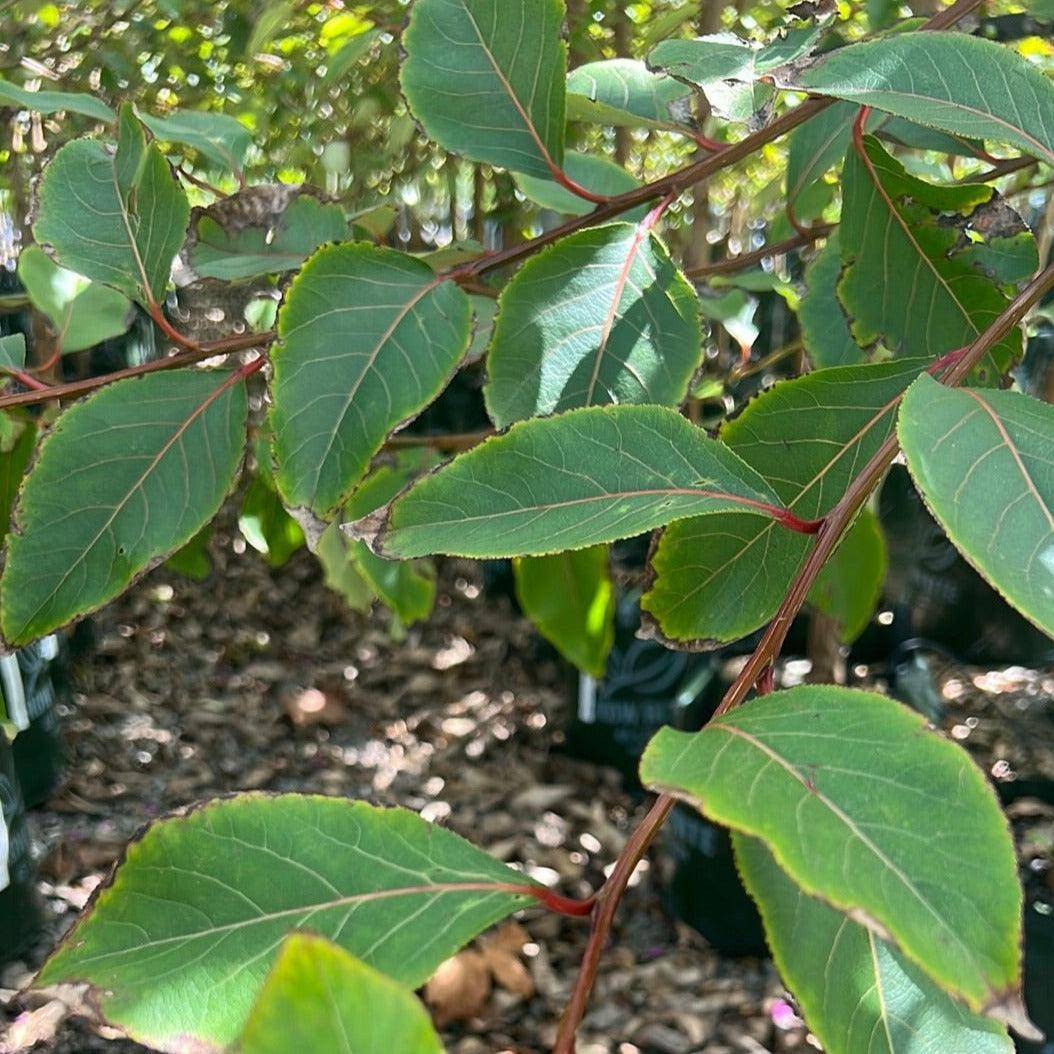
Populus yunnanensis, the Chinese Poplar, is a deciduous tree with an upright trunk and a broad, rounded canopy. Large glossy green leaves give it a substantial, leafy presence through the warm months, then turn bright golden yellow in autumn. The strong central trunk and even branching create a balanced, architectural shape.
Give it full sun and it will accept most soil types, from sandy loam to clay, provided water does not sit around the roots. It suits cool temperate, temperate and inland climates, tolerates frost, and handles moderate dry periods once established. Growth is about one to 1.5 metres a year.
At 15 to 25 metres tall and eight to 12 metres wide, it is planted for shade, shelterbelts, avenues and rural property boundaries. Farms, acreage blocks and large commercial sites are its natural home. For anyone who needs canopy and wind protection over open ground within a few seasons, it does the job quickly.
Frequently Asked Questions
About Chinese Poplar
What is Populus yunnanensis?
Populus yunnanensis, known as Chinese Poplar, is a fast growing deciduous tree from south west China. It forms a straight trunk with a broad rounded crown of large glossy green leaves that turn golden yellow before falling. It is grown here mainly as a shade tree, windbreak and avenue tree on larger properties.
How big does Chinese Poplar grow?
Mature height is 15 to 25 metres with a spread of eight to 12 metres. It is a big tree with a genuinely broad canopy, so give it room away from buildings, fences and services. On deep moist soils it reaches the upper end of that range; drier sites will hold it lower.
How fast does Chinese Poplar grow?
About one to 1.5 metres a year once it settles in, making it one of the quicker options for shade or shelter on open ground. Growth is strongest in full sun with reliable moisture during the first two summers. The rate eases as the tree matures and puts more energy into trunk and branch structure.
Where does Chinese Poplar grow best in Australia?
It performs best in cool temperate, temperate and inland districts, including the tablelands of New South Wales, most of Victoria, the Adelaide Hills, southern Western Australia and Tasmania. It also does well in irrigated inland areas. Humid tropical and coastal subtropical zones are less suitable, since the tree prefers a distinct cold season.
Is Chinese Poplar frost and drought tolerant?
Yes on both counts, within limits. It is fully frost hardy and drops its foliage before winter, so cold weather causes no damage. Drought tolerance is moderate once the roots are down, though the tree performs far better with occasional deep watering through long dry summers than it does left entirely to rainfall.
How far apart should I plant Chinese Poplars for a windbreak?
For avenue planting, space them three metres apart to get an even, soft textured line. Used as individual feature trees, allow three to four metres so the full canopy can develop. For a shelterbelt on rural ground, planting toward the closer end of that range gives a denser barrier sooner.
How do I care for Chinese Poplar?
Water deeply and regularly through the first two growing seasons and mulch out to the drip line. Prune only lightly, taking out damaged limbs and shaping for a single leader while the tree is young, ideally in late winter. Watch for suckers around the base and remove them early. Otherwise it asks very little.
Evergreen Trees Direct Has Been Featured In:


Plant Your Populus yunnanensis With:


Type: Garden Supplies
Enriched Planting Mix (AO Certified)
Type: Structural Foliage
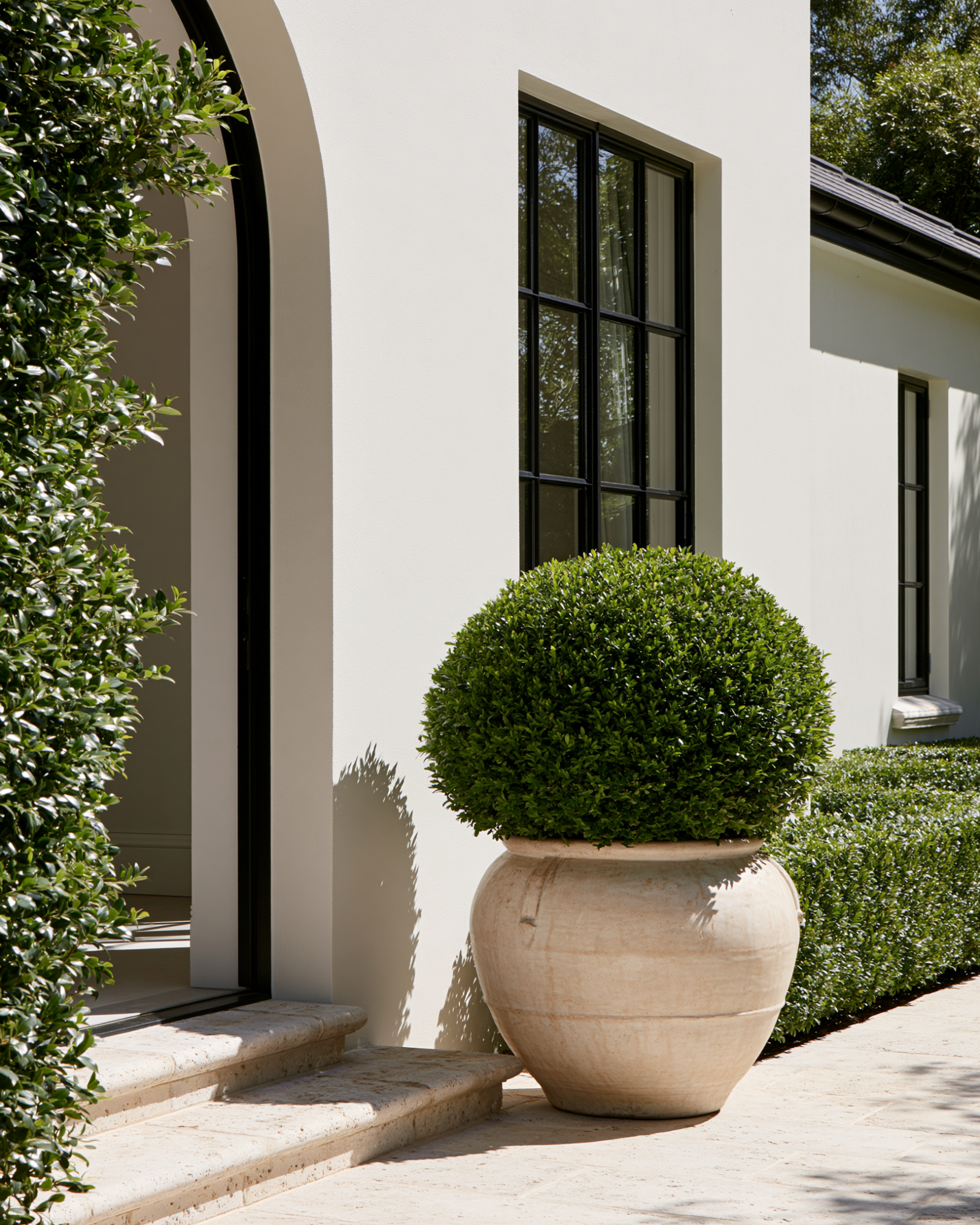
Buxus sempervirens English Box Topiary Balls

Type: Hedging and Screening Trees
Camellia sasanqua 'Setsugekka'

Type: Hedging and Screening Trees
Pittosporum tenuifolium 'Silver Sheen'

Type: Hedging and Screening Trees
Rhaphiolepis indica 'Snow Maiden'

Type: Hedging and Screening Trees
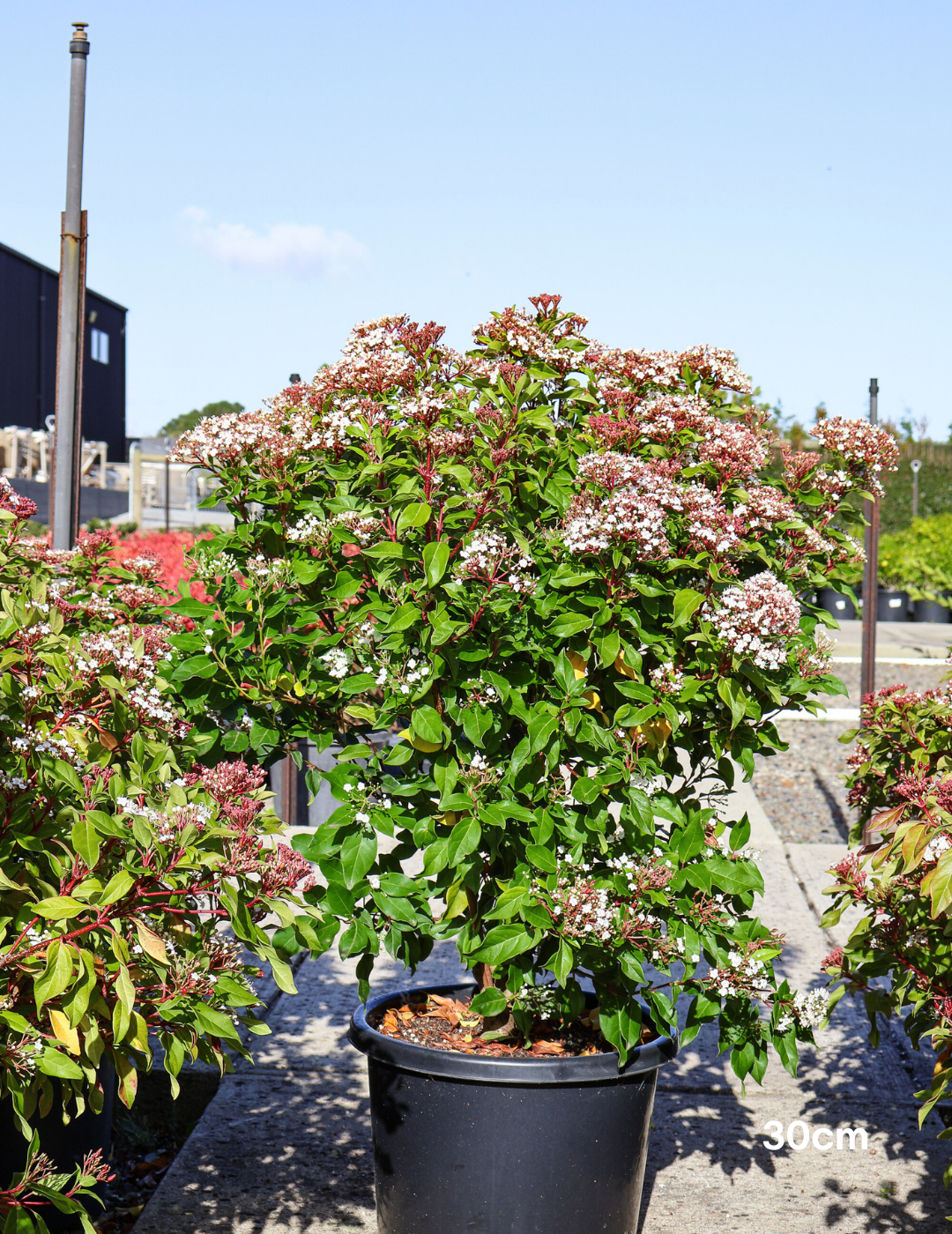
Viburnum tinus
Uses in my Garden
Uses in my Garden
Populus yunnanensis works in an:
Is Populus yunnanensis Evergreen or Deciduous?
Is Populus yunnanensis Evergreen or Deciduous?
Populus yunnanensis is an Deciduous (Defoliates throughout colder months) Tree
Mature Height & Width
Mature Height & Width
Mature Height: 15m to 25m (approx.)
Mature Width: 8m to 12m
Populus yunnanensis is expected to grow 1m to 1.5m per year (approx.).
Growth Rate of Populus yunnanensis
Growth Rate of Populus yunnanensis
Populus yunnanensis is expected to grow 1m to 1.5m per year (approx.).
They are considered to have a:
Frost Tolerance & Ideal Climate to plant Populus yunnanensis
Frost Tolerance & Ideal Climate to plant Populus yunnanensis
Is Populus yunnanensis frost tolerant?
Populus yunnanensis is Frost Hardy – Survives heavy and frequent frost without damage.
Does Populus yunnanensis Flower?
Does Populus yunnanensis Flower?
Populus yunnanensis produces long, pendulous catkins in early spring, with males showing yellow pollen-bearing tassels and females forming green seed catkins. While not ornamental, these early blooms signal the start of the tree’s vigorous spring growth.
Does Populus yunnanensis flower?
Flowering Period:
Flower Type:
Flower Colour:
Not Applicable
Is Populus yunnanensis an Australian Native Tree?
Is Populus yunnanensis an Australian Native Tree?
No
Populus yunnanensis is Native to Native to Yunnan Province, China, where it grows in river valleys and mountain regions.
What is the Wildlife Value of Populus yunnanensis ?
What is the Wildlife Value of Populus yunnanensis ?
Its spring catkins provide pollen for bees and early-season insects, while its seeds offer food for small birds. The broad, upright canopy provides valuable shade, shelter and nesting space, and the rough bark and leaf litter support insects and microfauna—enhancing biodiversity in parks, farms and large landscape plantings.
How much Sunlight does Populus yunnanensis need?
How much Sunlight does Populus yunnanensis need?
Populus yunnanensis will thrive best in:
Preferred Soil?
Preferred Soil?
Populus yunnanensis performs best in moist, well-drained loam or sandy loam soils and prefers slightly acidic to neutral conditions. It thrives in deep, fertile ground but may struggle in compacted, alkaline or very dry soils unless improved with organic matter to enhance structure and moisture availability. Keep soil evenly moist during establishment, then maintain deep, occasional watering as the tree matures to support rapid growth, strong root development and a full, healthy canopy.
Is Populus yunnanensis Drought Tolerant?
Is Populus yunnanensis Drought Tolerant?
Is Populus yunnanensis Drought tolerant?
As a young tree it requires regular watering, but once established Yunnan Poplar offers moderate drought tolerance. It performs best in moist, well-drained soils but will tolerate short dry spells when supported with deep, occasional watering. Consistent moisture supports its fast growth rate and dense canopy development.

Planting Information
How To Plant Your Populus yunnanensis
How To Plant Your Populus yunnanensis
Recommended Planting Spacing For Your Populus yunnanensis
Recommended Planting Spacing For Your Populus yunnanensis
Populus yunnanensis is expected to grow 1m to 1.5m per year (approx.).
Long Term Care For Your Populus yunnanensis
Long Term Care For Your Populus yunnanensis
Planting Your Populus yunnanensis in Different Soil
Planting Your Populus yunnanensis in Different Soil
Frequently Asked Questions
Frequently Asked Questions