Cycas revoluta - Sago Palm
Couldn't load pickup availability
Current Stock Height Guides
Height guide disclaimer: Height ranges are approximate only. As living products, plant heights naturally vary between individual plants, batches, and seasons. No guarantee is given that supplied plants will fall within the stated range. If minimum heights are required, you mustconfirm current batch heights with Evergreen Trees Direct prior to purchase. Variation in height is normal and is not grounds for return, refund, replacement, or compensation.
Mature Height & Width
Mature Height: 1m to 3m
Mature Width: 1m to 2m
Cycas revoluta - Sago Palm is expected to grow 0.05m to 0.2m per year (extremely slow).
Root Ball Dimensions
Use this as a reference when digging your planting hole. We recommend digging at least 10% wider than the dimensions below to encourage strong root development.
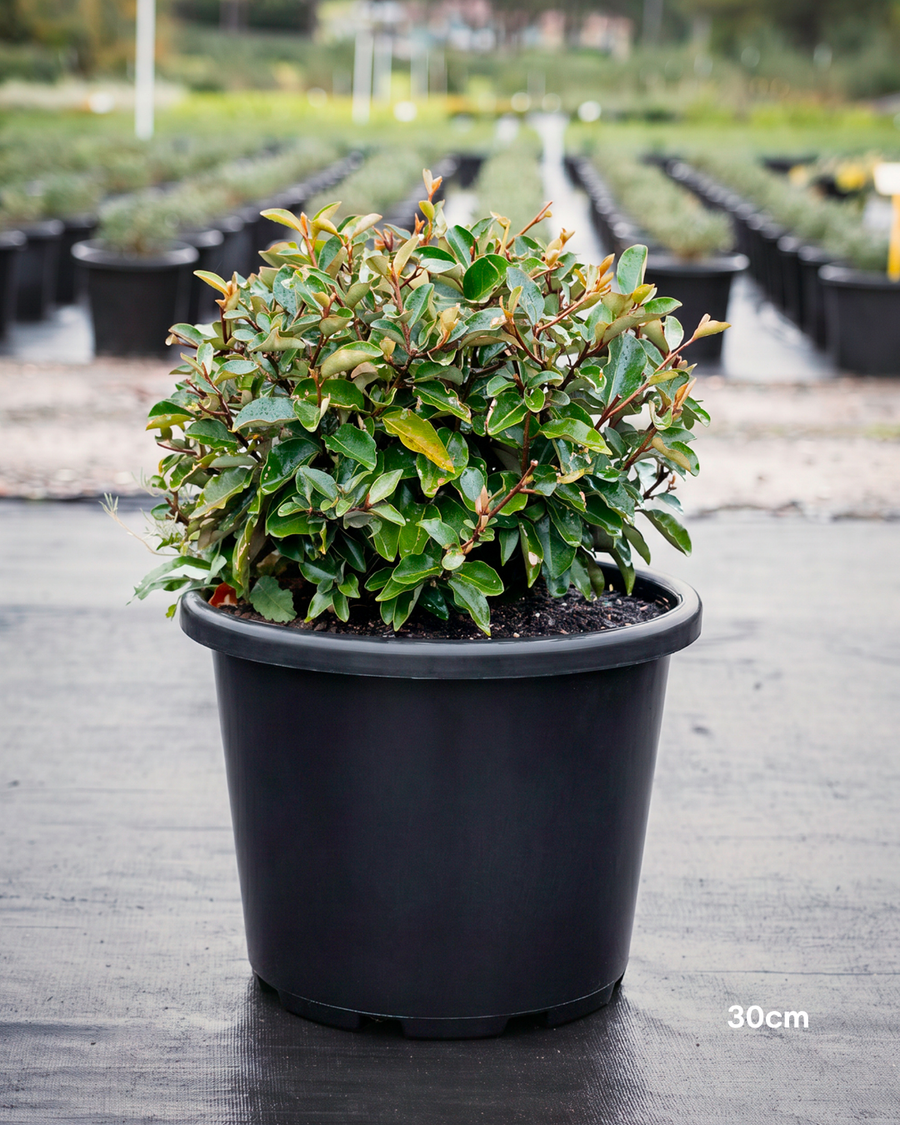
- 30cm Pot: 33cm (W) × 30cm (D)
- 40cm/45L Pot: 44cm (W) × 41.5cm (D)
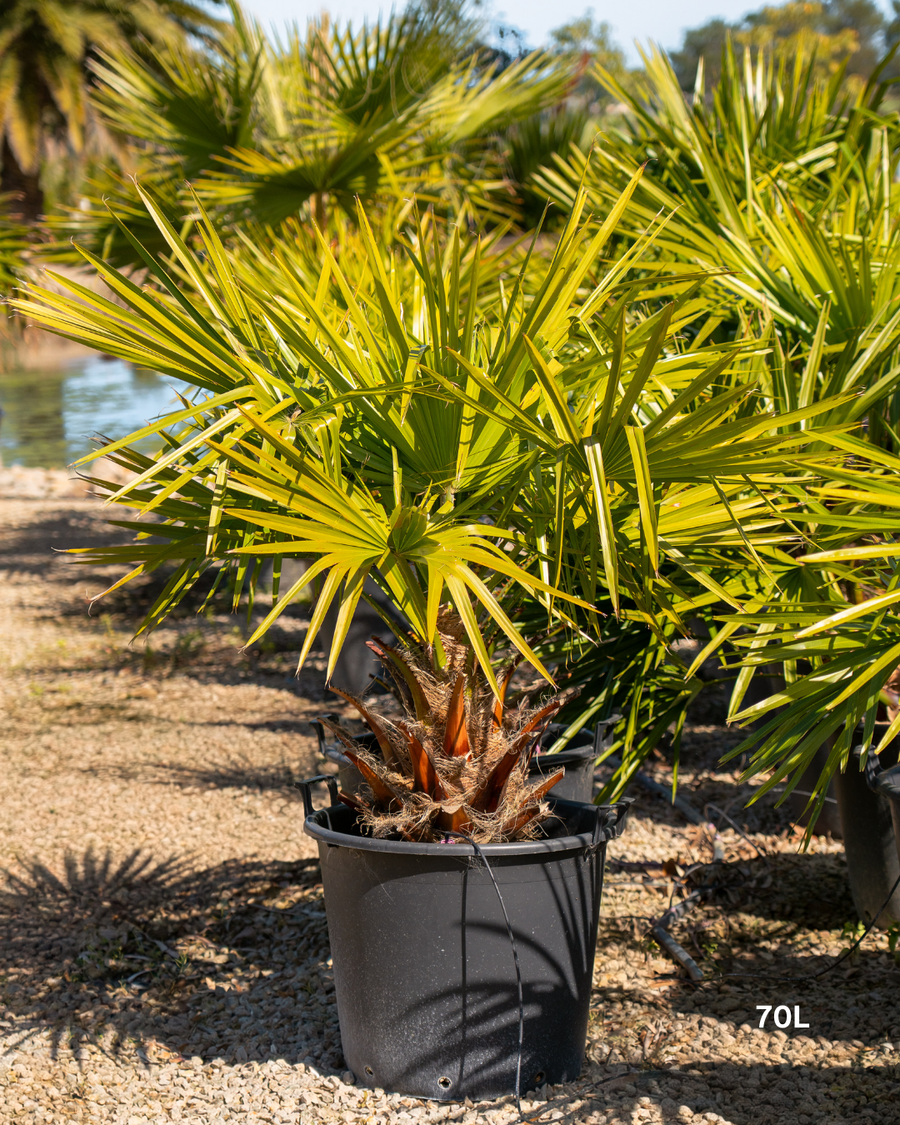
- 50cm Pot / 70L Pot: 55cm (W) × 41.8cm (D)
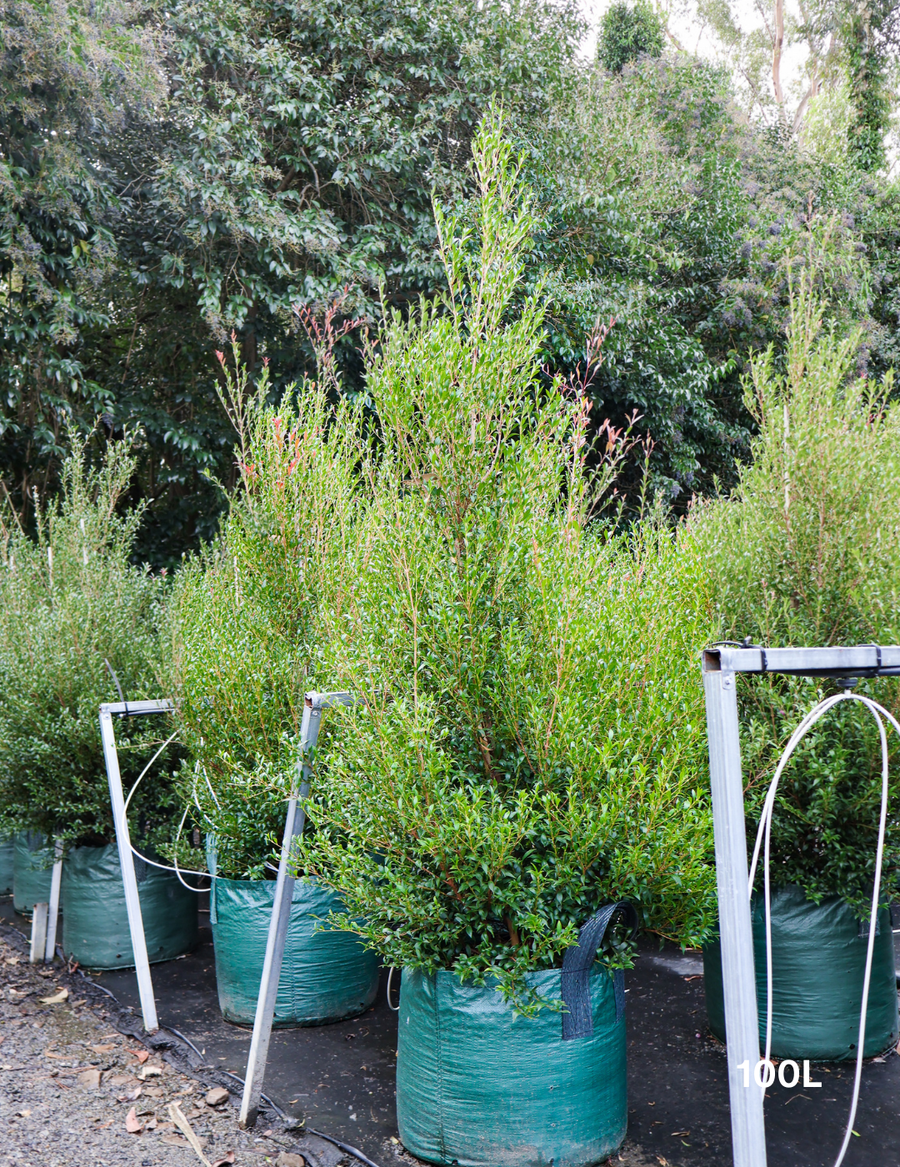
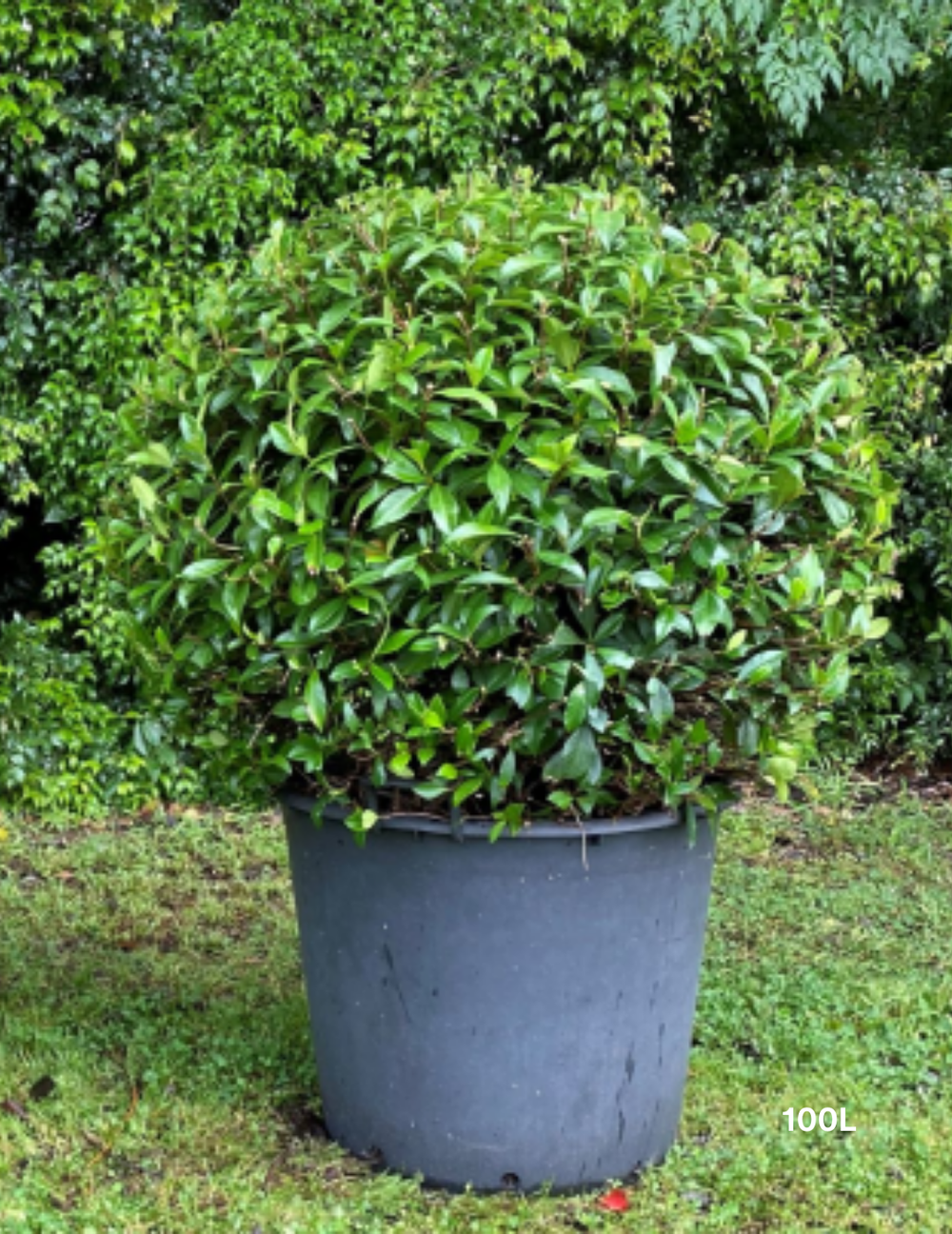
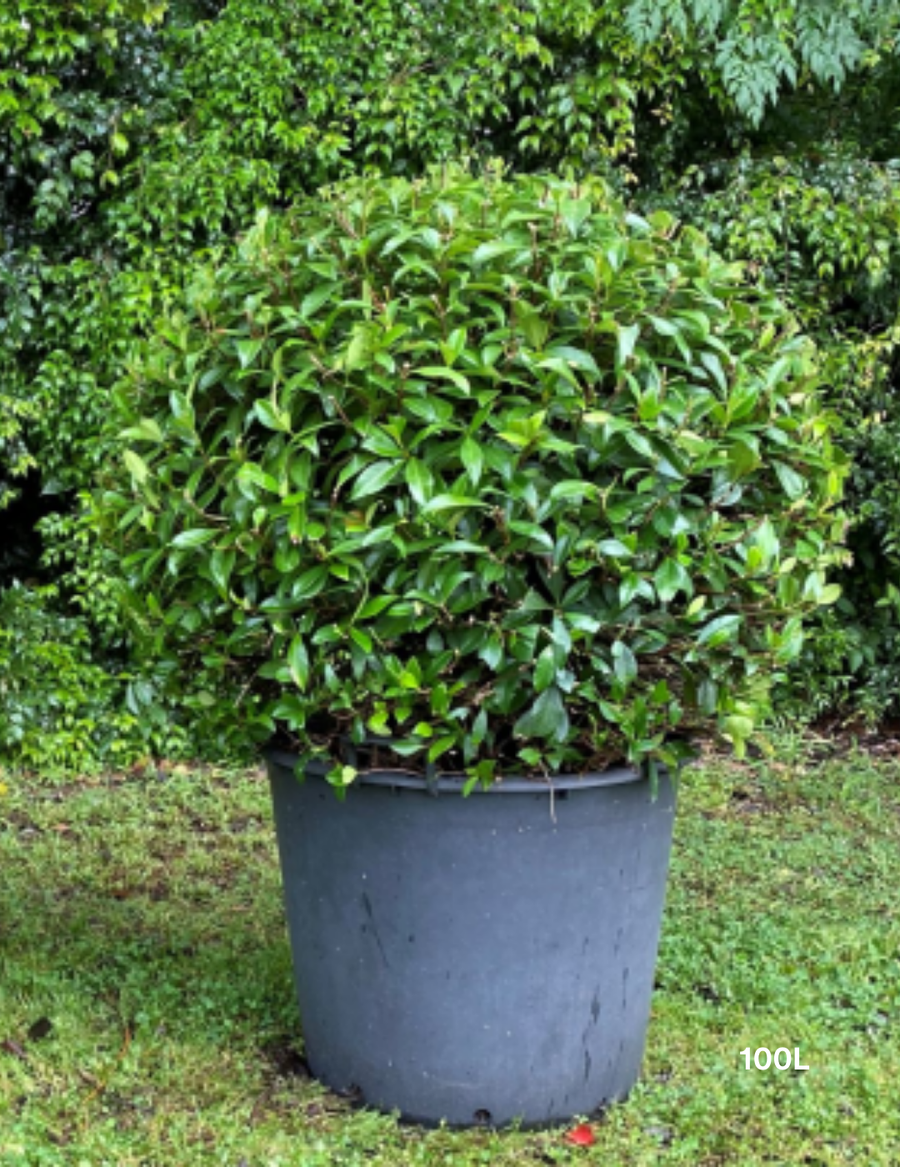
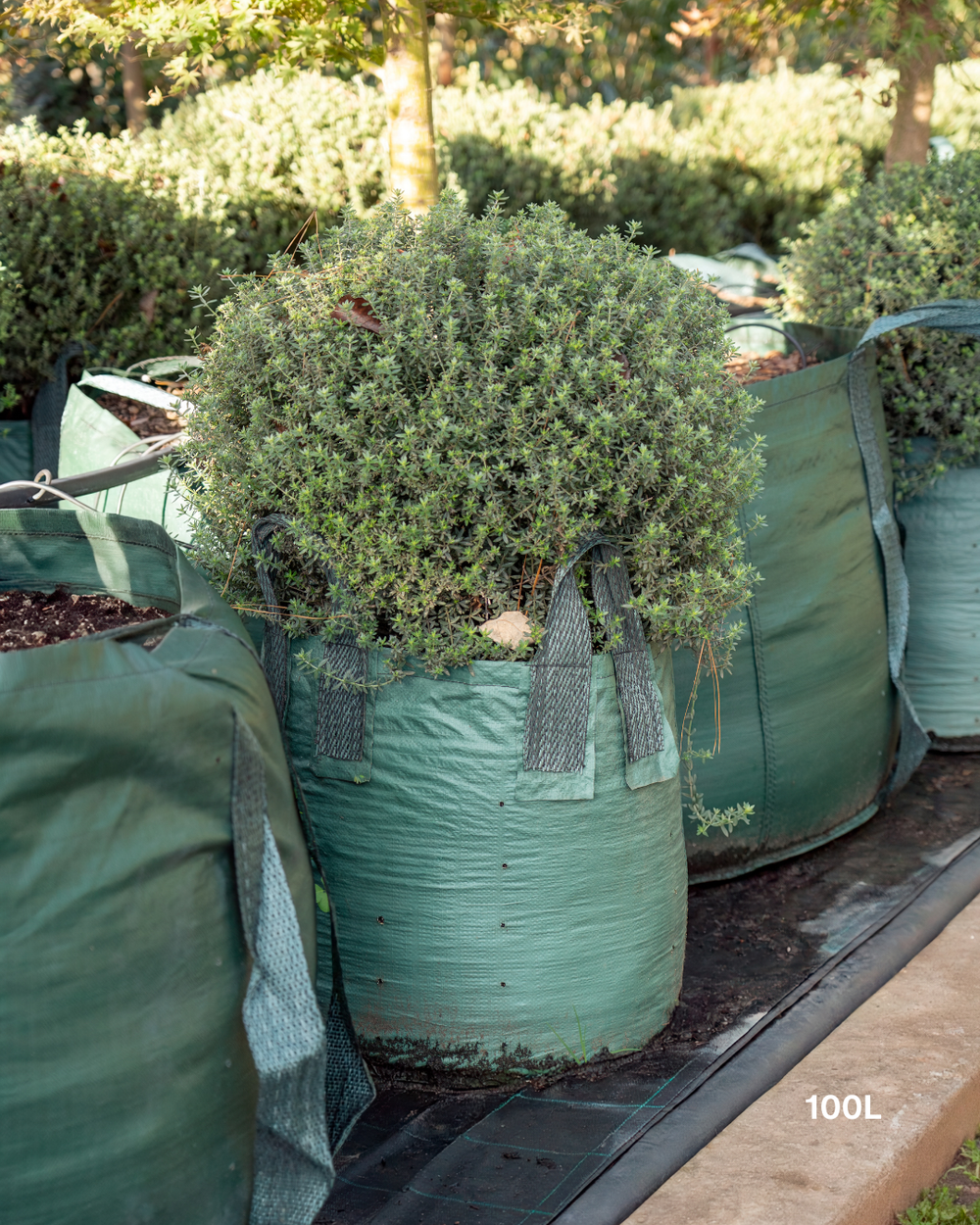
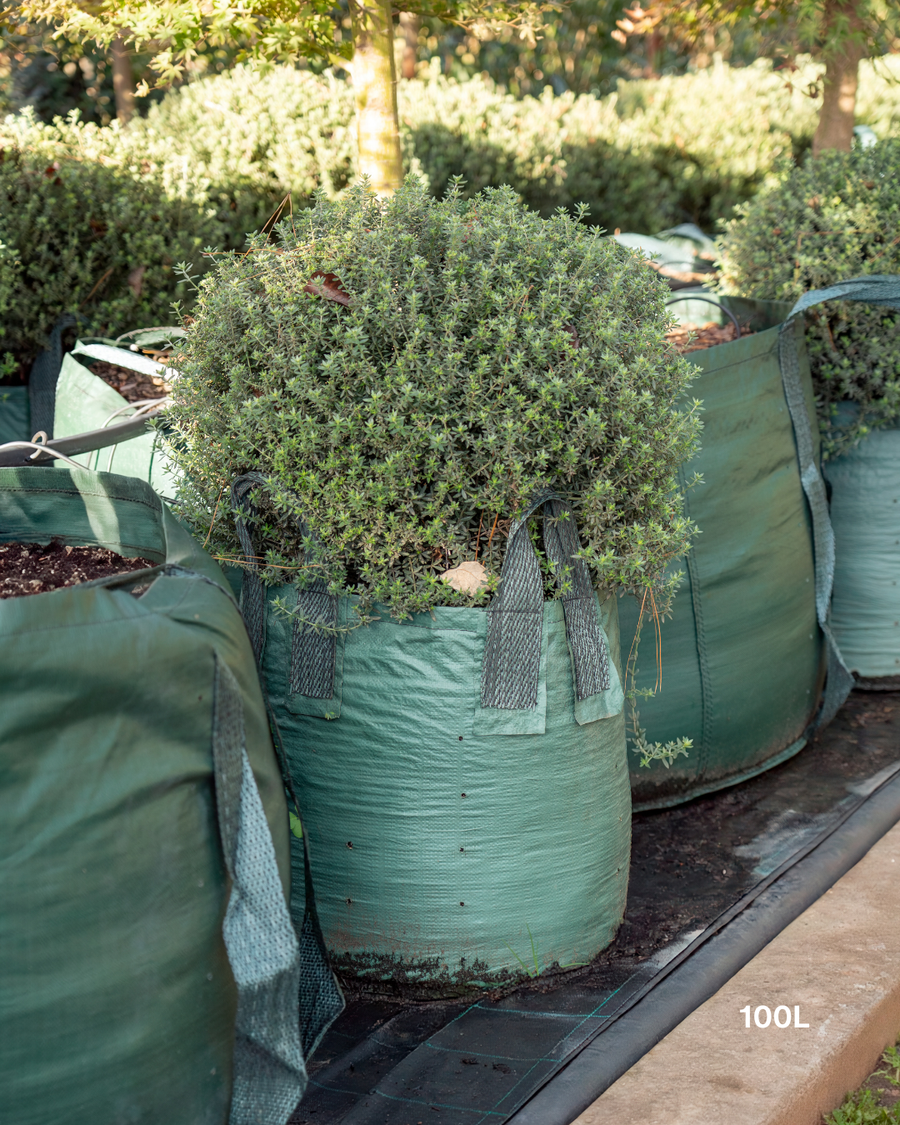
- 100L Bag: 50.6cm (W) × 52.8cm (D)
- 150L Bag: 66cm (W) × 55cm (D)
- 200L Bag: 71.5cm (W) × 60.5cm (D)
- 300L Bag: 88cm (W) × 63.8cm (D)
- 400L Bag: 99cm (W) × 66cm (D)
- 500L Bag: 122cm (W) × 66cm (D)
- 750L Bag: 134cm (W) × 69cm (D)
- 1000L Bag: 146.3cm (W) × 71.5cm (D)
- 2000L Bag: 176cm (W) × 82.5cm (D)
Trade
Trade
We supply advanced trees to landscapers, developers, architects, and councils Australia-wide. Trade clients receive fast quotes, expert advice, and access to premium stock with reliable freight.
Shipping
Shipping
Shipping is calculated at checkout based on the pallet space your order occupies in the truck and your delivery location.
There is no charge to calculate your freight.
Contact
Contact
Have a question or a list to send through to us?
Email: sales@evergreentrees.com.au
Phone: (03) 7042 3318
Share this product

About Your New Cycas revoluta - Sago Palm
Cycas revoluta, the Sago Palm, is a slow growing evergreen cycad rather than a true palm. Stiff, glossy, deep green fronds radiate from a single crown in near perfect symmetry, and a thick textured trunk builds beneath them over many years. New fronds unfurl a soft lime green before hardening off.
It grows in full sun to part shade in any soil with reasonable drainage, and tolerates drought, salt wind and light to moderate frost once established. Tropical, subtropical, temperate and coastal gardens all suit it. Growth is very slow, usually one flush of fronds a year, with the trunk thickening only a few centimetres annually.
It is used as a feature in pots at entries, repeated along a path or driveway for symmetry, and in formal, tropical and resort style gardens where texture carries the design. Large specimens anchor courtyards and pool surrounds. Because it grows so slowly, an advanced plant holds its shape and scale for years.
Frequently Asked Questions
About Sago Palm
What is Cycas revoluta?
It is a cycad, one of an ancient group of cone bearing plants that predate flowering plants entirely. It forms a stout trunk topped by a symmetrical rosette of stiff, glossy, feather like fronds. Growth is very slow and highly regular, which is why it is valued as an architectural feature plant.
Is the Sago Palm actually a palm?
No. Despite the common name it is not a palm and is not closely related to one. Cycads sit nearer to conifers, and they reproduce with cones rather than flowers, so no flowering period applies. Mature plants produce a cone at the centre of the crown, males and females on separate plants.
How big does it grow?
It reaches 1 to 2 metres tall and 1 to 2 metres wide, taking decades to get there. Most of the height is trunk that accumulates very gradually beneath the crown, while the frond span sets the width. Larger container sizes are the practical way to get scale into a garden.
How fast does it grow?
Very slowly. It typically produces a single flush of new fronds each year, sometimes skipping a year in cooler conditions, and the trunk thickens only a few centimetres annually. Warmth, feeding and steady water encourage a stronger flush. The slow rate is an advantage where a fixed, predictable form is needed.
Does it need sun or shade?
Both work. Full sun produces a compact crown with short, stiff, deep green fronds, while part shade produces longer, softer and slightly more open fronds. Plants moved suddenly from shade into full sun can yellow, so shift them gradually. In hot inland gardens some afternoon shade keeps the foliage looking better.
Is it safe around pets and children?
No. Every part of this plant is poisonous, and the seeds are the most dangerous of all. Dogs that chew the fronds or seeds can suffer liver failure, and the plant is a genuine risk to small children. Plant it away from play areas and dog runs, and clear any fallen seed.
How do I care for a Sago Palm?
Water regularly through the warm months and much less in winter, keeping the crown itself dry. Feed in spring with a palm or cycad fertiliser containing magnesium and trace elements, since yellowing fronds usually mean a nutrient shortage. Cut off old lower fronds at the trunk once they brown. Watch for scale.

Evergreen Trees Direct Has Been Featured In:

Plant Your Cycas revoluta - Sago Palm With:
Type: Garden Supplies
Enriched Planting Mix (AO Certified)
Type: Hedging and Screening Trees
Acmena smithii 'Minor'
Type: Feature Tree
Cupressus glabra ‘Blue Ice’ – Blue Ice Arizona Cypress
Type: Hedging and Screening Trees
Elaeagnus x ebbingei Silverberry – Hedge & Topiary Balls
Type: Structural Foliage
Laurus nobilis 'Baby Bay'
Type: Evergreen
Euonymus japonicus 'Green Rocket'
Uses in my Garden
Uses in my Garden
Cycas revoluta - Sago Palm works in an:
Is Cycas revoluta - Sago Palm Evergreen or Deciduous?
Cycas revoluta - Sago Palm is an Evergreen (foliage year round) Tree
Mature Height & Width
Mature Height: 1m to 3m
Mature Width: 1m to 2m
Cycas revoluta - Sago Palm is expected to grow 0.05m to 0.2m per year (extremely slow).
Growth Rate of Cycas revoluta - Sago Palm
Cycas revoluta - Sago Palm is expected to grow 0.05m to 0.2m per year (extremely slow).
They are considered to have a:
Frost Tolerance & Ideal Climate to plant Cycas revoluta - Sago Palm
Is Cycas revoluta - Sago Palm frost tolerant?
Cycas revoluta - Sago Palm is Frost Tolerant – Can handle light to moderate frost once established.
Does Cycas revoluta - Sago Palm Flower?
Cycas revoluta does not produce true flowers; instead, it forms distinctive cone structures. Male plants develop a tall central pollen cone, while females produce a rounded, layered seed cone, creating a unique and sculptural seasonal feature at the crown.
Does Cycas revoluta - Sago Palm flower?
Flowering Period:
Flower Type:
Flower Colour:
Not Applicable
Is Cycas revoluta - Sago Palm an Australian Native Tree?
No
Cycas revoluta - Sago Palm is Native to Native to southern Japan, including the Ryukyu Islands and Kyushu.
What is the Wildlife Value of Cycas revoluta - Sago Palm ?
Its stiff, arching fronds provide shelter for small birds and ground-dwelling wildlife, while the cone structures support insects that contribute to garden biodiversity. The dense crown also creates a shaded micro-habitat ideal for moisture-loving fauna in tropical and Mediterranean-style plantings.
How much Sunlight does Cycas revoluta - Sago Palm need?
Cycas revoluta - Sago Palm will thrive best in:
Preferred Soil?
Preferred Soil?
Cycas revoluta performs best in well-drained sandy or loam soils and tolerates slightly acidic to slightly alkaline conditions. It is highly sensitive to poor drainage and may fail in heavy clay unless significantly improved with organic matter and coarse material to increase aeration. Keep soil evenly moist during establishment, then move to deep, occasional watering as it matures to support its strong drought resilience and healthy frond development.
Is Cycas revoluta - Sago Palm Drought Tolerant?
Is Cycas revoluta - Sago Palm Drought tolerant?
As a young plant it requires occasional watering, but once established Cycas revoluta develops excellent drought tolerance. It thrives in hot, dry and coastal environments and maintains its symmetrical rosette of fronds with minimal supplementary watering.
Planting Information
How To Plant Your Cycas revoluta - Sago Palm
Recommended Planting Spacing For Your Cycas revoluta - Sago Palm
Cycas revoluta - Sago Palm is expected to grow 0.05m to 0.2m per year (extremely slow).