

Westringia fruticosa – Coastal Rosemary
Westringia fruticosa – Coastal Rosemary
Couldn't load pickup availability
Current Stock Height Guides
Current Stock Height Guides
Height guide disclaimer: Height ranges are approximate only. As living products, plant heights naturally vary between individual plants, batches, and seasons. No guarantee is given that supplied plants will fall within the stated range. If minimum heights are required, you mustconfirm current batch heights with Evergreen Trees Direct prior to purchase. Variation in height is normal and is not grounds for return, refund, replacement, or compensation.
Mature Height & Width
Mature Height & Width
Mature Height: 1.5m to 2m
Mature Width: 1.5m to 2m
Westringia fruticosa – Coastal Rosemary is expected to grow 30cm to 60cm per year (moderate).
Root Ball Dimensions
Root Ball Dimensions
Use this as a reference when digging your planting hole. We recommend digging at least 10% wider than the dimensions below to encourage strong root development.
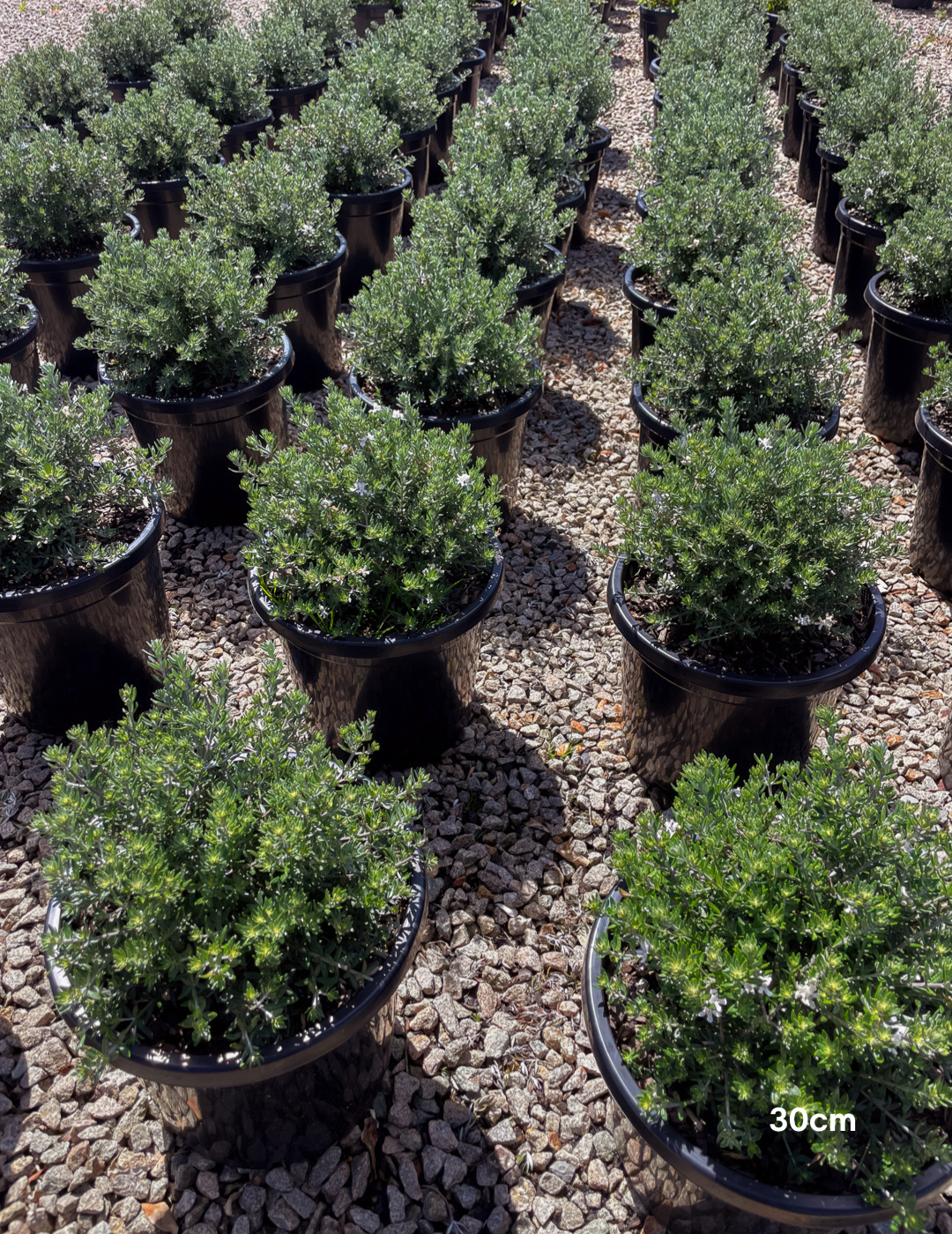
- 30cm Pot: 33cm (W) × 30cm (D)
- 40cm/45L Pot: 44cm (W) × 41.5cm (D)
- 50cm Pot / 70L Pot: 55cm (W) × 41.8cm (D)
- 100L Bag: 50.6cm (W) × 52.8cm (D)
- 150L Bag: 66cm (W) × 55cm (D)
- 200L Bag: 71.5cm (W) × 60.5cm (D)
- 300L Bag: 88cm (W) × 63.8cm (D)
- 400L Bag: 99cm (W) × 66cm (D)
- 500L Bag: 122cm (W) × 66cm (D)
- 750L Bag: 134cm (W) × 69cm (D)
- 1000L Bag: 146.3cm (W) × 71.5cm (D)
- 2000L Bag: 176cm (W) × 82.5cm (D)
Trade
Trade
We supply advanced trees to landscapers, developers, architects, and councils Australia-wide. Trade clients receive fast quotes, expert advice, and access to premium stock with reliable freight.
Shipping
Shipping
Shipping is calculated at checkout based on the pallet space your order occupies in the truck and your delivery location.
There is no charge to calculate your freight.
Contact
Contact
Have a question or a list to send through to us?
Email: sales@evergreentrees.com.au
Phone: (03) 7042 3318
Share this product
About Your New Westringia fruticosa – Coastal Rosemary
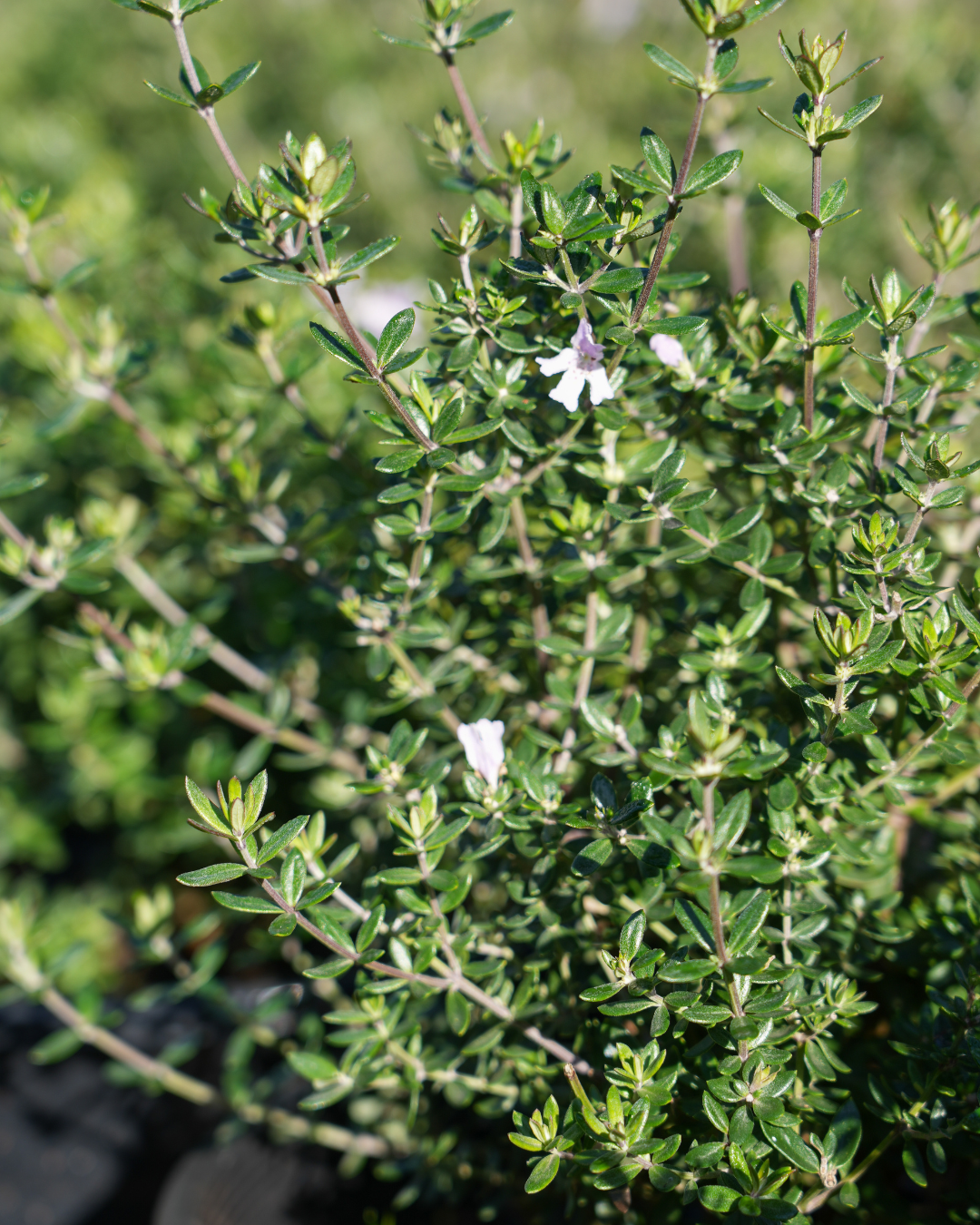
Westringia fruticosa, Coastal Rosemary, is an Australian native evergreen shrub from the headlands and dunes of the east coast. It builds a dense rounded bush of fine grey green leaves held in whorls, with small white to pale lilac flowers. Despite the common name it is not the culinary herb.
Mature plants sit at 1.5 to 2 metres tall and 1.5 to 2 metres wide, growing 30 to 60 centimetres a year, and they clip smaller without complaint. Full sun to part shade and sharp drainage are the requirements. Salt wind, sandy soil, drought and light to moderate frost are all handled.
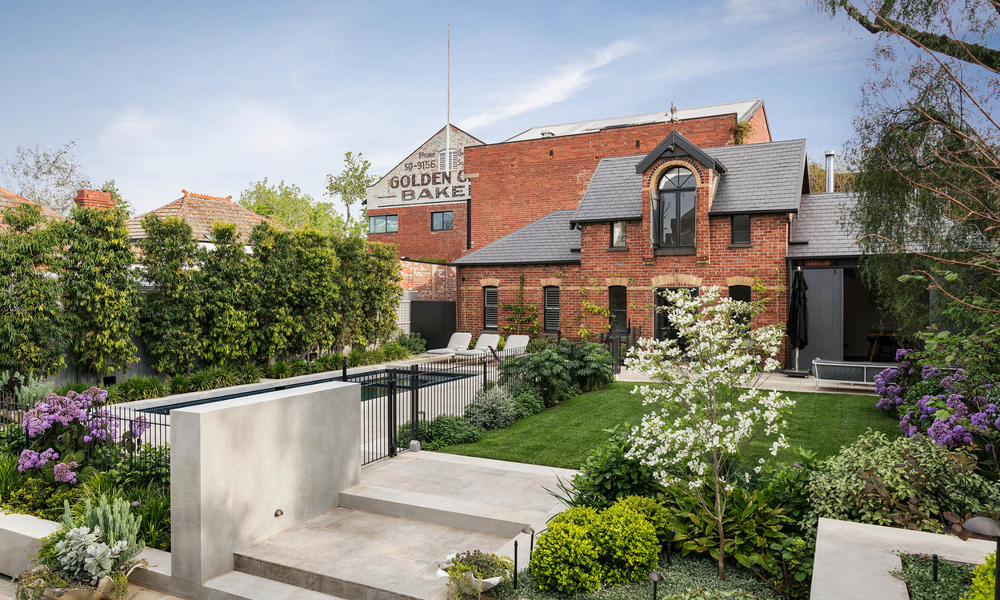
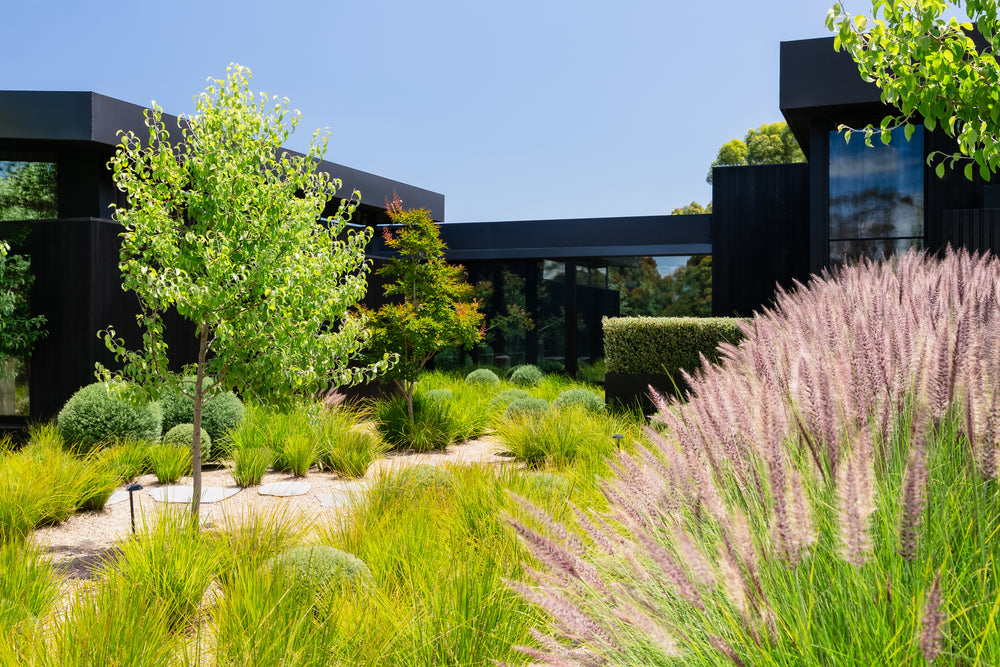
It is a standard on coastal projects, road verges, council garden beds and exposed banks that need erosion cover. Plant 1 to 1.5 metres apart for an informal screen, or 80 centimetres for a clipped hedge. A single plant fills a 40 to 50 centimetre pot on a courtyard or balcony.
Frequently Asked Questions
About Coastal Rosemary
What is Coastal Rosemary?
Westringia fruticosa is an Australian native evergreen shrub from the headlands and dunes of the east coast. It forms a dense rounded bush of fine grey green leaves held in whorls, with small white to pale lilac flowers. Despite the common name it is not culinary rosemary and is not used in cooking.
How big does Coastal Rosemary grow?
Mature plants reach 1.5 to 2 metres tall and 1.5 to 2 metres wide. It clips readily to smaller dimensions and is often maintained at around a metre as a hedge or a low mound. Growth is moderate, roughly 30 to 60 centimetres a year, so it holds a trimmed shape well.
Is Coastal Rosemary suitable for coastal positions?
It is one of the best shrubs available for exposed coastal work. It grows naturally on sea cliffs and copes with salt laden wind, sand and reflected heat. It is used constantly on beachfront reserves, dune stabilisation projects and seaside gardens where little else holds a tidy shape.
When does Coastal Rosemary flower?
The main flush is spring and summer, roughly September through February, with scattered flowering at other times of the year in mild districts. The flowers are small, white to pale lilac and sit among the foliage rather than above it. Clipped hedges flower less than plants left to grow informally.
How far apart should I plant Coastal Rosemary for a hedge?
Space plants 80 centimetres apart for a tight formal hedge, or 1 to 1.5 metres apart for a dense informal screen. On banks and batters used for erosion cover, 1 metre in a staggered grid gives full ground coverage within about two growing seasons.
Can Coastal Rosemary grow in pots?
Yes. A pot 40 to 50 centimetres wide suits a single plant for a courtyard, entry or balcony. Use a free draining mix, because the roots will not tolerate sitting wet. Container plants need watering more often than those in the ground, plus a light trim to hold their shape.
How do I prune and care for Coastal Rosemary?
Trim lightly two or three times a year, taking the soft new growth and avoiding cuts into bare old wood, which reshoots poorly. Water through the first summer, then only in extended dry spells. On most soils it needs no feeding at all, and it resents heavy watering and poor drainage.
Evergreen Trees Direct Has Been Featured In:


Plant Your Westringia fruticosa – Coastal Rosemary With:



Type: Garden Supplies
Enriched Planting Mix (AO Certified)

Type: Hedging and Screening Trees
Rhaphiolepis indica 'Oriental Pearl'

Type: Hedging and Screening Trees
Pittosporum tenuifolium 'Silver Sheen'
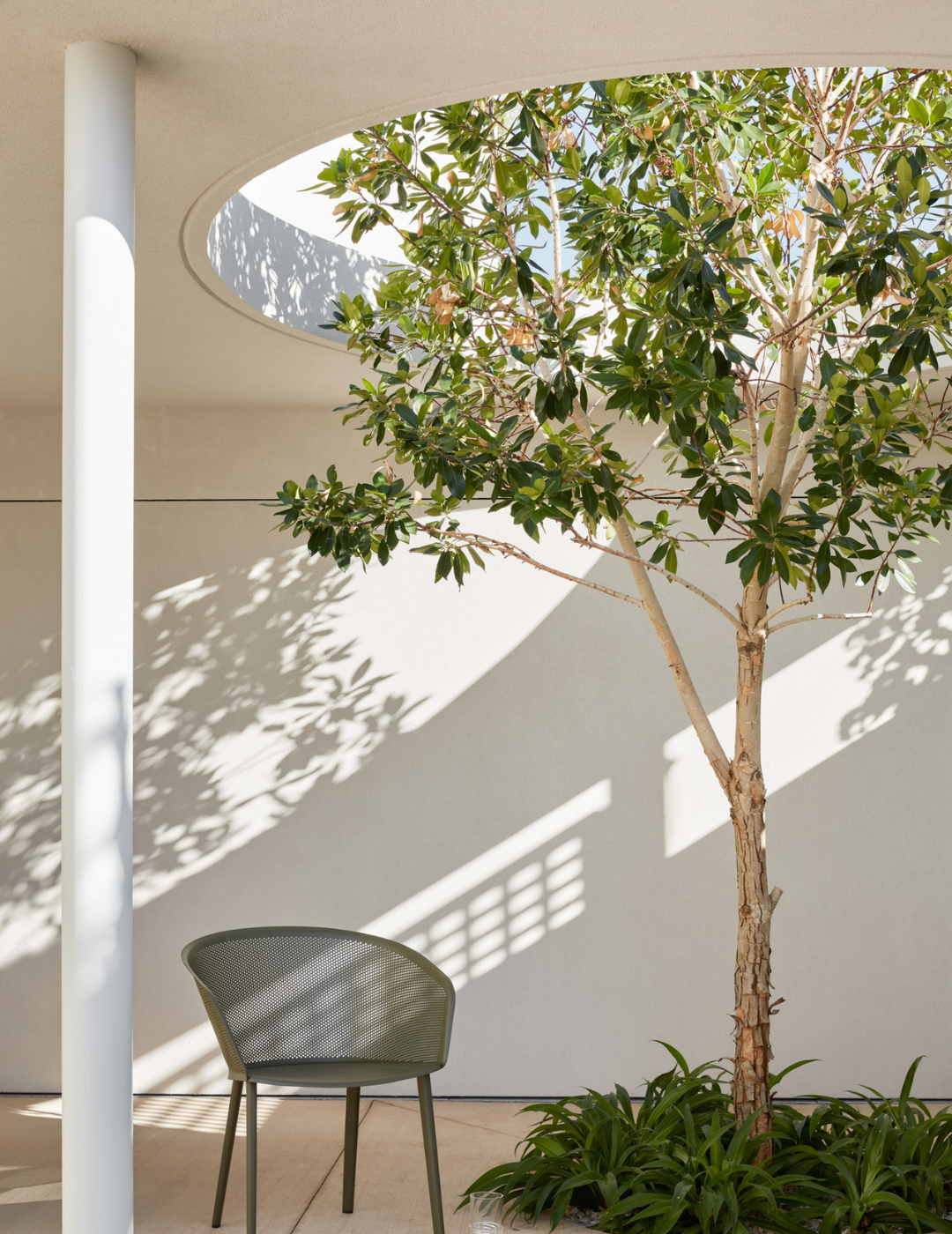
Type: Hedging and Screening Trees
Tristaniopsis laurina 'Luscious' Watergum

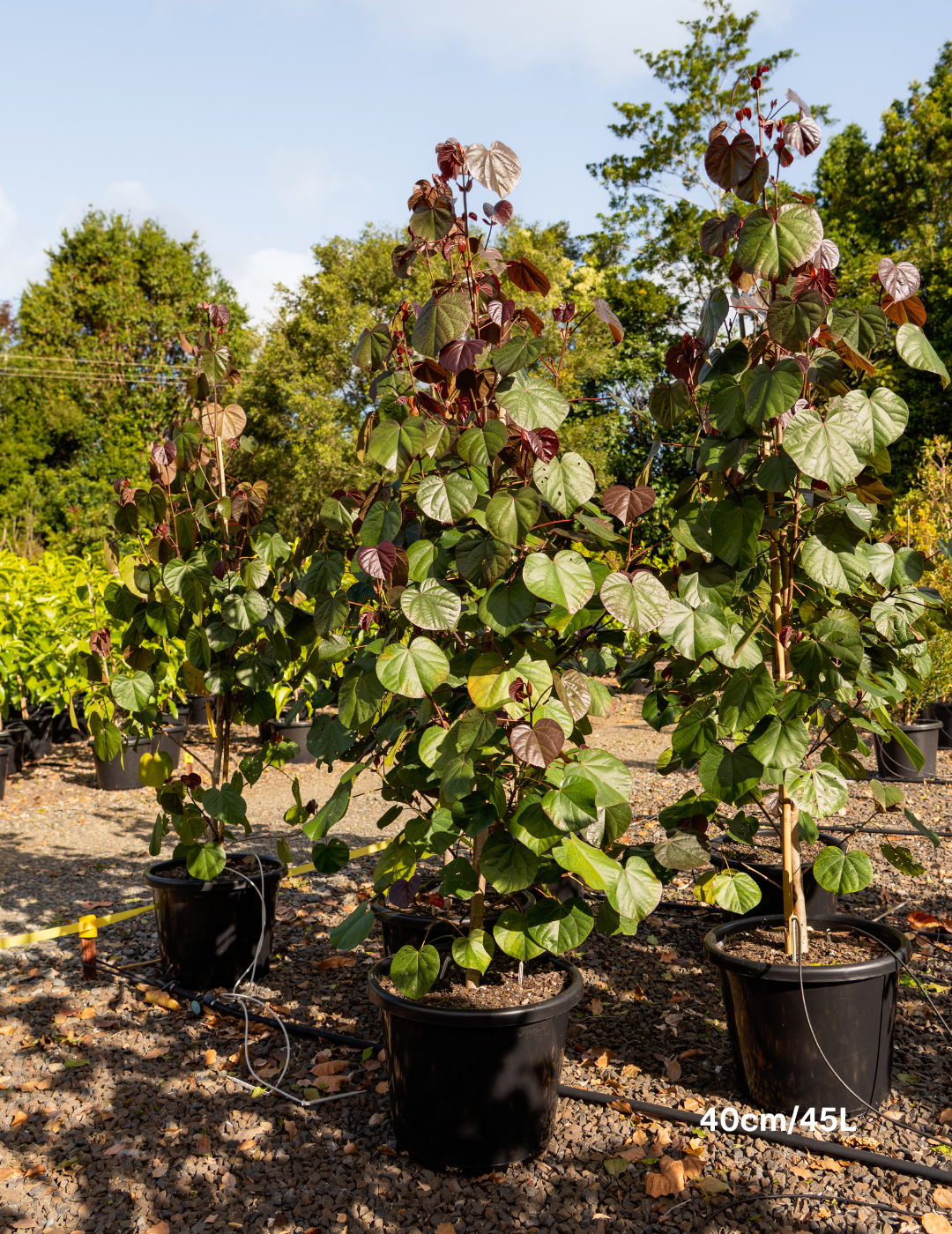
Type: Hedging and Screening Trees
Hibiscus tiliaceus 'Rubra' Cottonwood
Uses in my Garden
Uses in my Garden
Westringia fruticosa – Coastal Rosemary works in an:
Is Westringia fruticosa – Coastal Rosemary Evergreen or Deciduous?
Is Westringia fruticosa – Coastal Rosemary Evergreen or Deciduous?
Westringia fruticosa – Coastal Rosemary is an Evergreen (foliage year round) Tree
Mature Height & Width
Mature Height & Width
Mature Height: 1.5m to 2m
Mature Width: 1.5m to 2m
Westringia fruticosa – Coastal Rosemary is expected to grow 30cm to 60cm per year (moderate).
Growth Rate of Westringia fruticosa – Coastal Rosemary
Growth Rate of Westringia fruticosa – Coastal Rosemary
Westringia fruticosa – Coastal Rosemary is expected to grow 30cm to 60cm per year (moderate).
They are considered to have a:
Frost Tolerance & Ideal Climate to plant Westringia fruticosa – Coastal Rosemary
Frost Tolerance & Ideal Climate to plant Westringia fruticosa – Coastal Rosemary
Is Westringia fruticosa – Coastal Rosemary frost tolerant?
Westringia fruticosa – Coastal Rosemary is Frost Tolerant – Can handle light to moderate frost once established.
Does Westringia fruticosa – Coastal Rosemary Flower?
Does Westringia fruticosa – Coastal Rosemary Flower?
Westringia fruticosa produces soft white to pale lilac flowers throughout most of the year, with heavier flushes in spring and summer. The delicate blooms contrast beautifully against its fine grey-green foliage, creating a light and long-lasting seasonal display.
Does Westringia fruticosa – Coastal Rosemary flower?
Flowering Period:
Flower Type:
Flower Colour:
White
Is Westringia fruticosa – Coastal Rosemary an Australian Native Tree?
Is Westringia fruticosa – Coastal Rosemary an Australian Native Tree?
Yes
Westringia fruticosa – Coastal Rosemary is Native to Coastal New South Wales and Victoria, where it naturally grows on cliffs, dunes, and exposed headlands.
What is the Wildlife Value of Westringia fruticosa – Coastal Rosemary ?
What is the Wildlife Value of Westringia fruticosa – Coastal Rosemary ?
Its small tubular flowers provide a reliable nectar source for native bees, hoverflies and other beneficial pollinators, while the dense, tidy foliage creates valuable shelter for small birds. This makes it an excellent shrub for supporting biodiversity in both coastal and inland landscapes.
How much Sunlight does Westringia fruticosa – Coastal Rosemary need?
How much Sunlight does Westringia fruticosa – Coastal Rosemary need?
Westringia fruticosa – Coastal Rosemary will thrive best in:
Preferred Soil?
Preferred Soil?
Westringia fruticosa performs best in well-drained sandy or loam soils with an acidic to neutral pH. It is naturally adapted to coastal sands and tolerates nutrient-poor soils provided drainage is free-flowing. Avoid heavy clay and waterlogged sites unless significantly improved, as these conditions can cause root decline. Keep the soil evenly moist during establishment, then gradually reduce watering as it matures.
Is Westringia fruticosa – Coastal Rosemary Drought Tolerant?
Is Westringia fruticosa – Coastal Rosemary Drought Tolerant?
Is Westringia fruticosa – Coastal Rosemary Drought tolerant?
As a young plant it benefits from regular watering to establish a strong root system. Once established, Westringia fruticosa shows excellent drought tolerance, thriving in dry, exposed and coastal conditions while maintaining its compact form with minimal supplementary watering.

Planting Information
How To Plant Your Westringia fruticosa – Coastal Rosemary
How To Plant Your Westringia fruticosa – Coastal Rosemary
Recommended Planting Spacing For Your Westringia fruticosa – Coastal Rosemary
Recommended Planting Spacing For Your Westringia fruticosa – Coastal Rosemary
Westringia fruticosa – Coastal Rosemary is expected to grow 30cm to 60cm per year (moderate).
Long Term Care For Your Westringia fruticosa – Coastal Rosemary
Long Term Care For Your Westringia fruticosa – Coastal Rosemary
Planting Your Westringia fruticosa – Coastal Rosemary in Different Soil
Planting Your Westringia fruticosa – Coastal Rosemary in Different Soil
Frequently Asked Questions
Frequently Asked Questions