Skip to content

Camellia japonica

Camellia japonica – White Flowering Camellia

Evergreen · Full Sun

Mature size: 2m–4m high × 1.5m–2.5m wide

  • Evergreen
  • Full Sun
  • Mature height2m–4m
  • Mature width1.5m–2.5m
  • Frost Tolerant
  • Good in pots
  • Flowers
Camellia japonica (White) is an evergreen shrub with glossy foliage and white flowers from late autumn to spring. Suits hedging, screening or shaded beds.About ↘

Most loved for its elegant white blooms in winter and spring and its glossy evergreen foliage that provides year-round structure.

Regular price $210.00
Sale price $210.00 Regular price
Tax included. Shipping calculated at checkout.
Pot size
Available batches
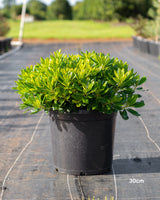
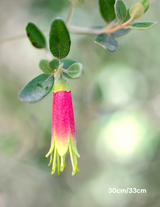
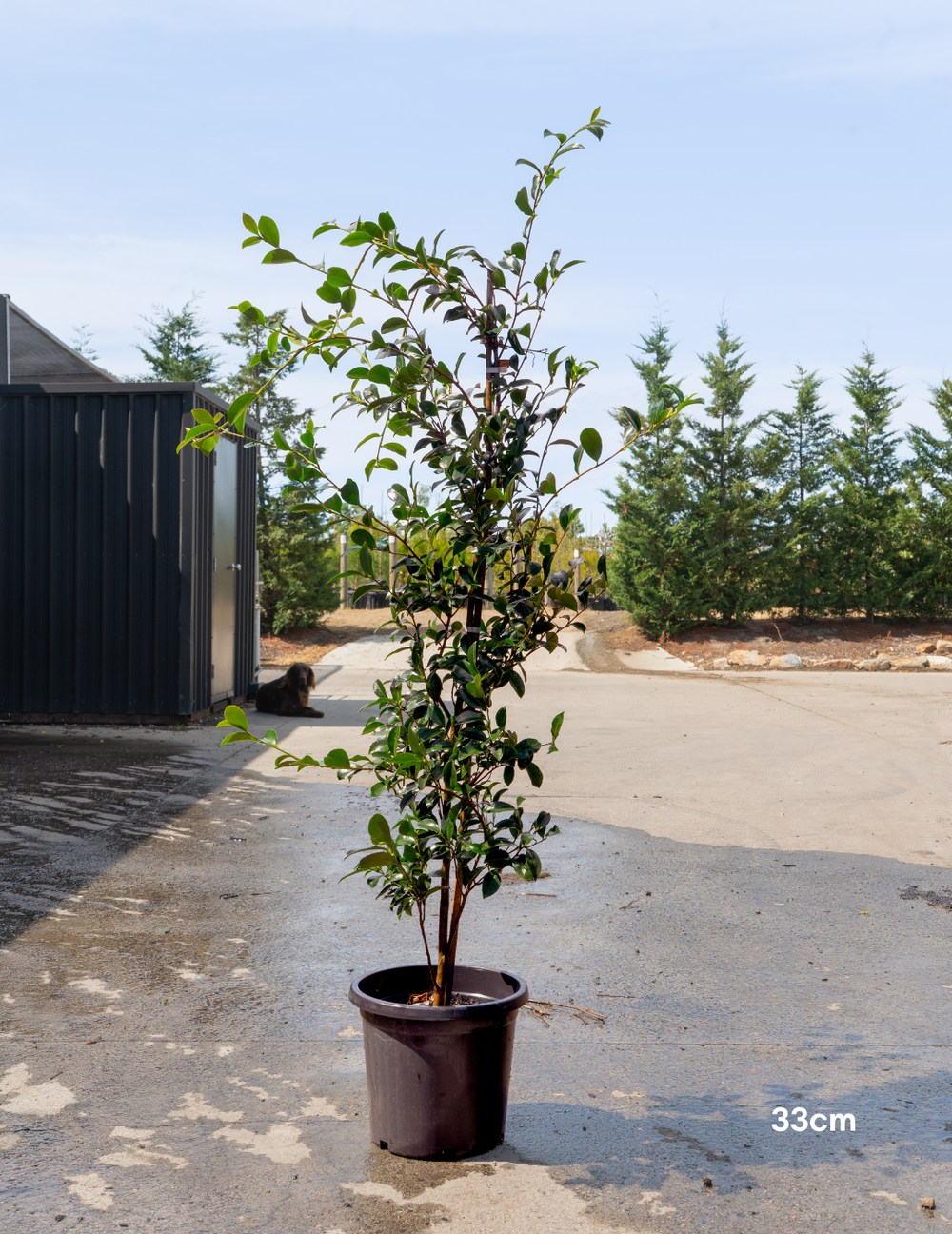
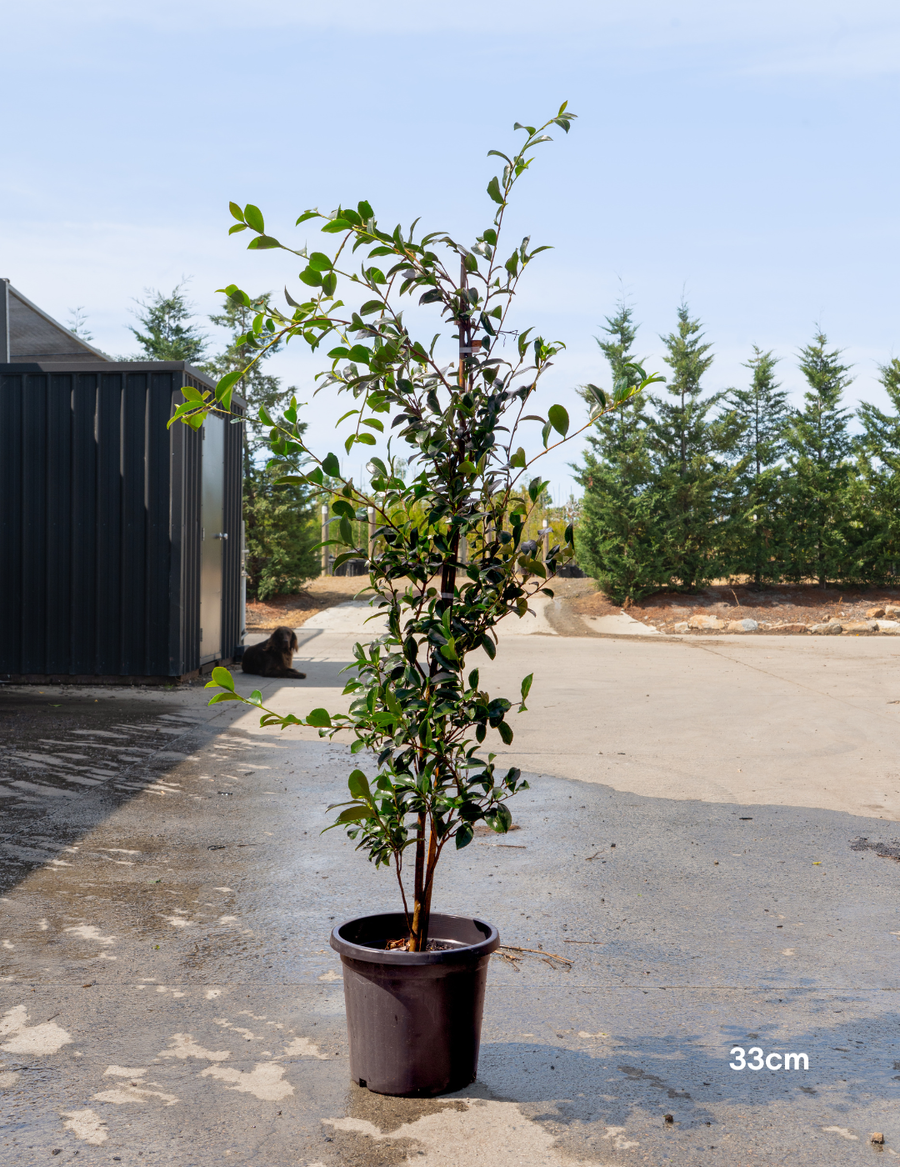
Size: 30cm/33cm
Current height guide
Please enquire
Pot size
30cm/33cm

Approximate only. Minimum height important? Confirm with us.

Height guide & disclaimer

Height guide disclaimer: Height ranges are approximate only. As living products, plant heights naturally vary between individual plants, batches, and seasons. No guarantee is given that supplied plants will fall within the stated range. If minimum heights are required, you must confirm current batch heights with Evergreen Trees Direct prior to purchase. Variation in height is normal and is not grounds for return, refund, replacement, or compensation.

Quantity
About this tree

Build your tree order

Mix sizes. Grow your savings.

Size / batchEachQuantity
30cm/33cmApprox. height: Enquire for current heights$210.00

Height guide & disclaimer

Height guide disclaimer: Height ranges are approximate only. As living products, plant heights naturally vary between individual plants, batches, and seasons. No guarantee is given that supplied plants will fall within the stated range. If minimum heights are required, you must confirm current batch heights with Evergreen Trees Direct prior to purchase. Variation in height is normal and is not grounds for return, refund, replacement, or compensation.

Subtotal before savings$0.00

See also

Not sure about White Flowering Camellia / Common Camellia? See also White Nun Camellia Topiary ↗ or Plantation Pink Camellia ↗

Perfect pairs

Most customers usually also buy

Total A$0.00

Ask a question

The fields marked * are required.

Not sure how many trees you need?

Plan your hedge

Enter the length of your boundary, then choose how closely you want to plant.

Choose your planting spacing

Enter your boundary length to see how many trees you need.

Measure only the boundary you intend to plant—exclude gates and gaps. Spacing is centre to centre. Quantities are rounded up for one row, allowing roughly half the spacing at each end. Site conditions and pruning affect the final hedge.

Compare trees

Choose two trees and compare the same pot size.

    About Camellia japonica

    Camellia japonica in its white flowering form is an upright, broad and densely leafed evergreen shrub. Pure white blooms open against deep green glossy foliage through winter and into spring, when most gardens have little else in flower. Plain white against dark leaves is one of the more restrained combinations available in an ornamental planting.

    Part shade is the position it wants, ideally morning sun with shelter from hot afternoon light, which discolours white petals. Soil should be well drained, slightly acidic and mulched. Growth is moderate, reaching a spread of 1.5 to 2.5 metres and a height of roughly 2 to 4 metres. Light to moderate frost is handled once established.

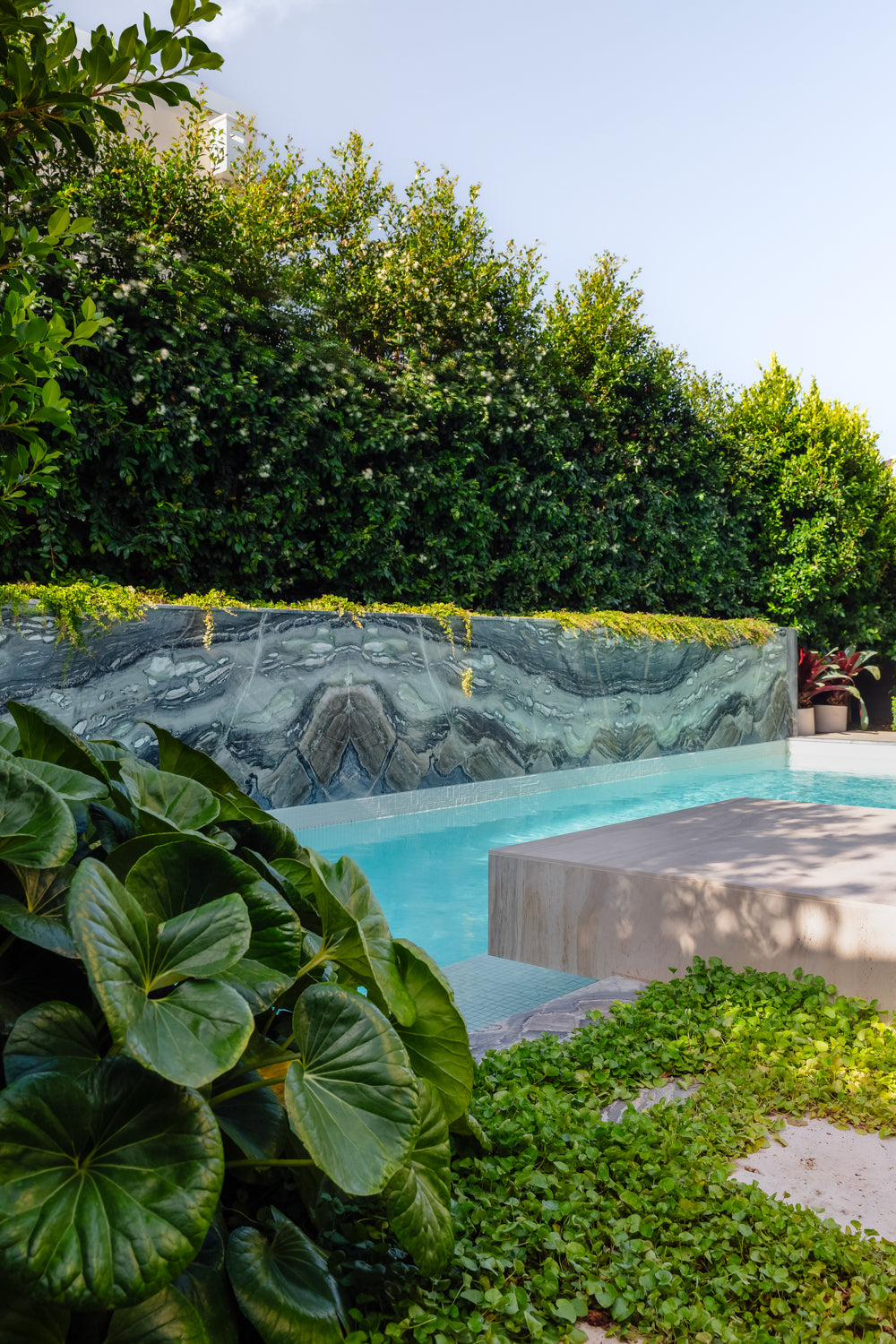
    This one is used for screening a fence, filling an understorey, forming a soft informal hedge or standing as a single feature in a shaded courtyard. A pot 40 to 50 centimetres wide holds one plant near an entry. Feature plantings sit 3 to 4 metres apart so each shrub has room to develop its full form.

    Frequently Asked Questions

    About White Flowering Camellia

    What is the White Flowering Camellia?

    It is Camellia japonica, the common camellia, in a white flowered selection. The plant is an evergreen shrub with broad upright growth and thick glossy dark green leaves, carrying pure white blooms through winter and spring. It is not an Australian native, but it has been grown in Australian gardens since the nineteenth century.

    How big does it grow?

    It spreads to 1.5 to 2.5 metres wide and reaches roughly 2 to 4 metres in height depending on age and position. Growth is moderate rather than fast. Pruning straight after flowering keeps it to whatever dimensions the space allows, and the plant tolerates being held well under its natural size for decades.

    Where does it grow best in Australia?

    Cool to temperate districts suit it best, including Melbourne, Hobart, Canberra, Sydney, Adelaide, Perth and the tablelands and coastal belts nearby. It also performs in the cooler ranges of south east Queensland. Hot dry inland areas and the humid tropics are the two climates where it consistently struggles without significant intervention.

    Is it evergreen or deciduous?

    Fully evergreen. The dense glossy foliage stays on the plant all year, dropping old leaves gradually rather than in a seasonal flush. That makes it a dependable screening and structure plant, and it is one of the few evergreens that also carries a substantial flowering display in the middle of winter.

    Can I use it as a hedge?

    Yes, though it makes a soft informal hedge rather than a crisp architectural one, and its moderate growth rate means patience. Space plants around 1 to 1.5 metres apart along the line. Trim lightly after flowering each year, taking new growth only. For a formal clipped result, a small leafed sasanqua camellia is the easier choice.

    Is it safe around pets and children?

    Camellia japonica is listed as non toxic to dogs, cats and horses, and it is not regarded as a poisoning risk to children. There are no spines or irritant sap to worry about. As with any garden plant, discourage children and animals from chewing the foliage, but nothing about this species calls for special precautions.

    How do I care for a White Flowering Camellia?

    Water deeply through the first two summers and continue through autumn while flower buds are setting. Mulch over the shallow root system, kept clear of the trunk. Feed with a camellia or azalea fertiliser after flowering ends, and never lime the soil. Prune lightly in spring, thinning crowded branches rather than shearing the surface.

    Key growing information
    Mature height2m to 4m (approx.)
    Mature width1.5m to 2.5m
    PositionFull Sun
    Growth per year30cm to 50cm per year (approx.)
    FrostFrost Tolerant
    FoliageEvergreen (foliage year round)
    FormShrub · Upright · Broad · Dense
    UsesScreening or Privacy · Shrubs · Feature Tree · Plant in Pots (or) Suitable for Pots
    Rootball width & depthView dimensions →
    Foliage

    Evergreen (foliage year round)

    Position
    • Full Sun
    Form
    • Shrub
    • Upright
    • Broad
    • Dense
    Use
    • Screening or Privacy
    • Shrubs
    • Feature Tree
    • Plant in Pots (or) Suitable for Pots
    Mature height
    2m to 4m (approx.)
    Mature width
    1.5m to 2.5m

    Planting Information

    How To Plant Your Camellia japonica – White Flowering Camellia

    Site: Choose a well-drained position in full sun to part shade with room for the canopy to develop.

    Soil preparation: Enrich the planting area with quality compost and aged manure for a strong establishment phase.

    Hole: Dig twice as wide as the root ball and the same depth.

    Planting: Position level with the surrounding soil, backfill gently, firm in, then water deeply to settle the roots.

    Recommended Planting Spacing For Your Camellia japonica – White Flowering Camellia

    Feature tree: 3 to 4 metres apart to allow the full canopy and form to develop.

    Pot or container: A 40 to 50 centimetre wide pot suits a single specimen for courtyards, entries and balconies.

    Camellia japonica – White Flowering Camellia is expected to grow 30cm to 50cm per year (approx.).

    • Medium Growth Rate

    Long Term Care For Your Camellia japonica – White Flowering Camellia

    Watering: Water deeply twice weekly through the first 12 months. Once established, keep the root zone consistently moist with weekly deep watering and additional water during hot dry spells.

    Mulching: Apply a 3 to 5 centimetre layer of organic mulch over the root zone in the garden, or a thin layer of decorative pebbles in pots, keeping it clear of the trunk.

    Pruning: Minimal pruning required. Light tip prune in late winter to maintain shape, and remove lower branches as the tree grows to develop a clean feature trunk.

    Fertilising: Apply a slow-release general-purpose fertiliser in early spring and again in autumn for steady growth and consistent foliage colour.

    Pest and disease: Hardy against most pests and diseases. Occasional inspection for scale or sooty mould in warm humid conditions is all that's needed.

    Planting Your Camellia japonica – White Flowering Camellia in Different Soil

    Camellia japonica performs best in rich, well-drained loam with a slightly acidic pH and consistent moisture. Adaptable to a wide range of soils when drainage and organic matter are managed well.

    Sandy soil: Free-draining but enrich heavily with compost and mulch deeply to hold moisture.

    Clay soil: Improve drainage with gypsum and organic compost, and mound slightly to lift the root zone.

    Loam: The preferred soil for steady root development and consistent flowering.

    pH: Slightly acidic preferred. Mulch with composted leaf litter or pine bark to maintain levels naturally.

    Uses in my Garden

    Uses in my Garden

    • Screening or Privacy
    • Shrubs
    • Feature Tree
    • Plant in Pots (or) Suitable for Pots

    Camellia japonica – White Flowering Camellia works in an:

    • Cottage Garden – romantic mix of flowers, colour, and texture.
    • Japanese Inspired – serene balance of form, foliage, and flow.
    • Formal Garden – structured, symmetrical design with clipped shapes.
    • Low-maintenance Garden – resilient choices for easy care and year-round appeal.

    Is Camellia japonica – White Flowering Camellia Evergreen or Deciduous?

    Camellia japonica – White Flowering Camellia is an Evergreen (foliage year round) Tree

    Mature Height & Width

    Mature Height: 2m to 4m (approx.)

    Mature Width: 1.5m to 2.5m

    Camellia japonica – White Flowering Camellia is expected to grow 30cm to 50cm per year (approx.).

    Growth Rate of Camellia japonica – White Flowering Camellia

    Camellia japonica – White Flowering Camellia is expected to grow 30cm to 50cm per year (approx.).

    They are considered to have a:

    • Medium Growth Rate

    Frost Tolerance & Ideal Climate to plant Camellia japonica – White Flowering Camellia

    Is Camellia japonica – White Flowering Camellia frost tolerant?

    Camellia japonica – White Flowering Camellia is Frost Tolerant – Can handle light to moderate frost once established.

    Does Camellia japonica – White Flowering Camellia Flower?

    Camellia japonica (White Flowering) produces elegant pure white blooms from late winter into spring. The refined single to formal double flowers contrast beautifully against the glossy dark-green foliage, creating a classic, high-impact seasonal display during the cooler months.

    Does Camellia japonica – White Flowering Camellia flower?

    • Yes - Flowers

    Flowering Period:

    • Winter
    • Spring

    Flower Type:

    • Semi-double

    Flower Colour:

    White

    Is Camellia japonica – White Flowering Camellia an Australian Native Tree?

    No

    Camellia japonica – White Flowering Camellia is Native to Japan, Korea, and eastern China, where Camellia japonica grows naturally in forests and along shaded woodland margins.

    What is the Wildlife Value of Camellia japonica – White Flowering Camellia ?

    Its cool-season blooms supply nectar and pollen for early-season pollinators such as native bees and hoverflies, while its dense evergreen canopy offers excellent shelter for small birds. The structured branching also creates a shaded micro-habitat that supports biodiversity in protected garden settings.

    How much Sunlight does Camellia japonica – White Flowering Camellia need?

    Camellia japonica – White Flowering Camellia will thrive best in:

    • Full Sun

    Preferred Soil?

    Camellia japonica (White Flowering) performs best in well-drained loam or sandy loam soils and prefers slightly acidic conditions. It may struggle in alkaline or poorly drained ground unless improved with organic matter to enhance structure and moisture balance. Keep soil evenly moist during establishment, then transition to deep, occasional watering as the plant matures to support robust flowering and evergreen foliage health.

    Is Camellia japonica – White Flowering Camellia Drought Tolerant?

    Is Camellia japonica – White Flowering Camellia Drought tolerant?

    As a young plant it requires regular watering, but once established Camellia japonica develops moderate drought tolerance. It performs best with deep, occasional watering during extended dry periods and benefits from protection from hot afternoon sun to maintain flower quality and evergreen health.

    Frequently Asked Questions

    Frequently Asked Questions

    Q: When does the White Flowering Camellia bloom?
    A: From late autumn through spring, providing flowers during the cooler months.

    Q: Can it grow in full sun?
    A: It prefers part shade or morning sun; protect from hot afternoon sun.

    Q: Is it suitable for hedging?
    A: Yes, it forms an excellent dense hedge when pruned after flowering.

    Q: Does it grow well in pots?
    A: Yes, it performs beautifully in large containers with quality potting mix.

    Delivery & help

    Pot sizes & dimensions

    Pot / bag size Width Depth
    30cm Pot33cm30cm
    40cm/45L Pot44cm41.5cm
    50cm Pot / 70L Pot55cm41.8cm
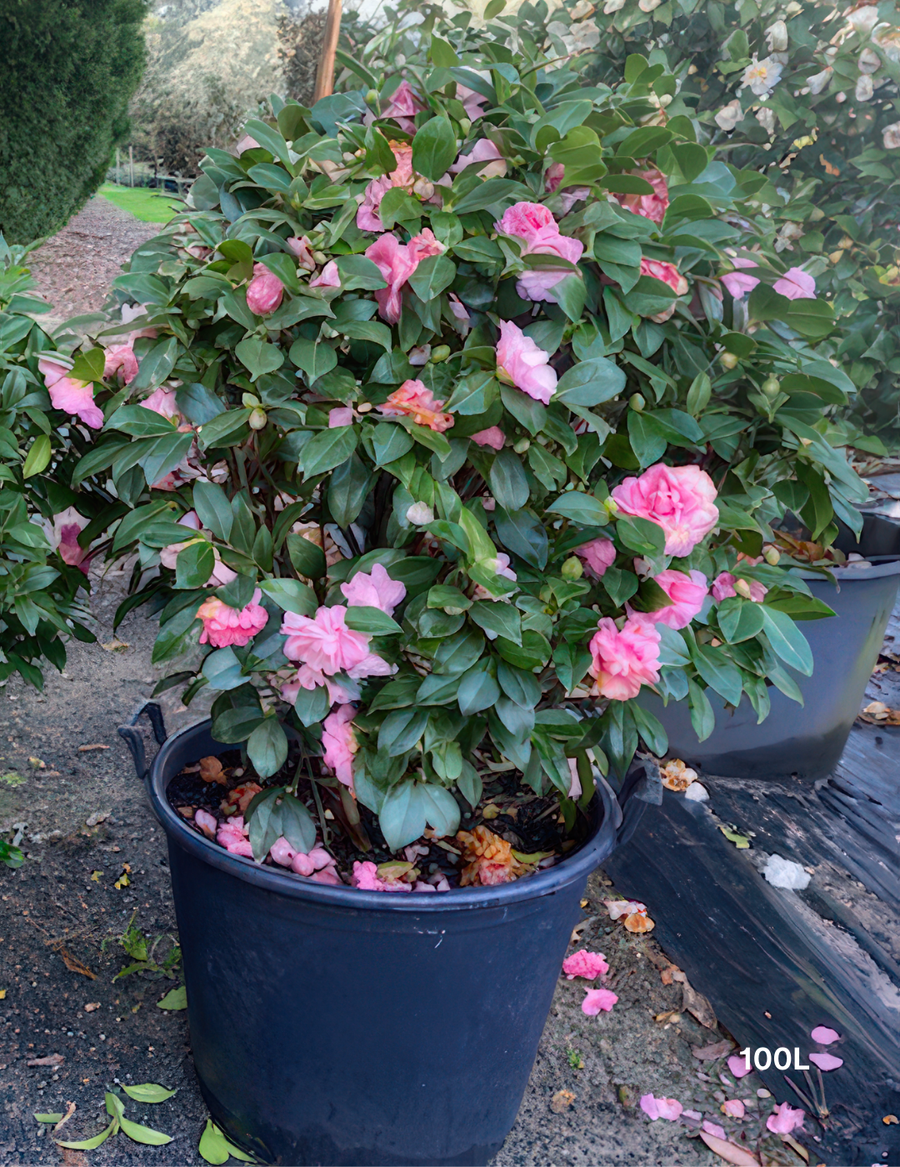
    100L Bag50.6cm52.8cm
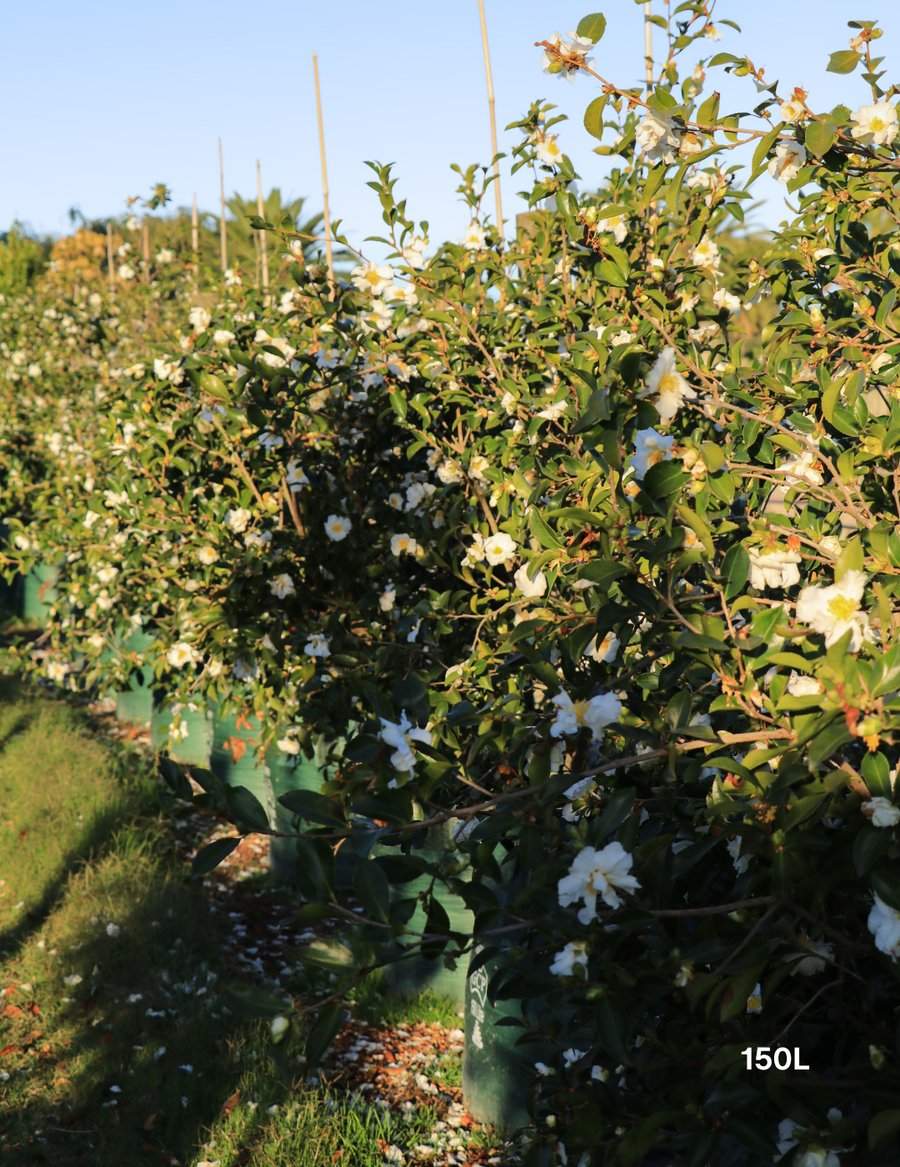
    150L Bag66cm55cm
    200L Bag71.5cm60.5cm
    300L Bag88cm63.8cm
    400L Bag99cm66cm
    500L Bag122cm66cm
    750L Bag134cm69cm
    1000L Bag146.3cm71.5cm
    2000L Bag176cm82.5cm

    General planting reference. Container dimensions can vary by supplier and batch.

    Compare sizes side by side

    * Heights are approximate and vary between individual trees.

    30cm/33cm

    Enquire for current heights

    $210.00

    They’re loved for their elegant white blooms in winter and spring and its glossy evergreen foliage that provides year-round structure.

    Perfect pairs

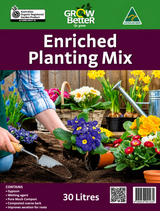
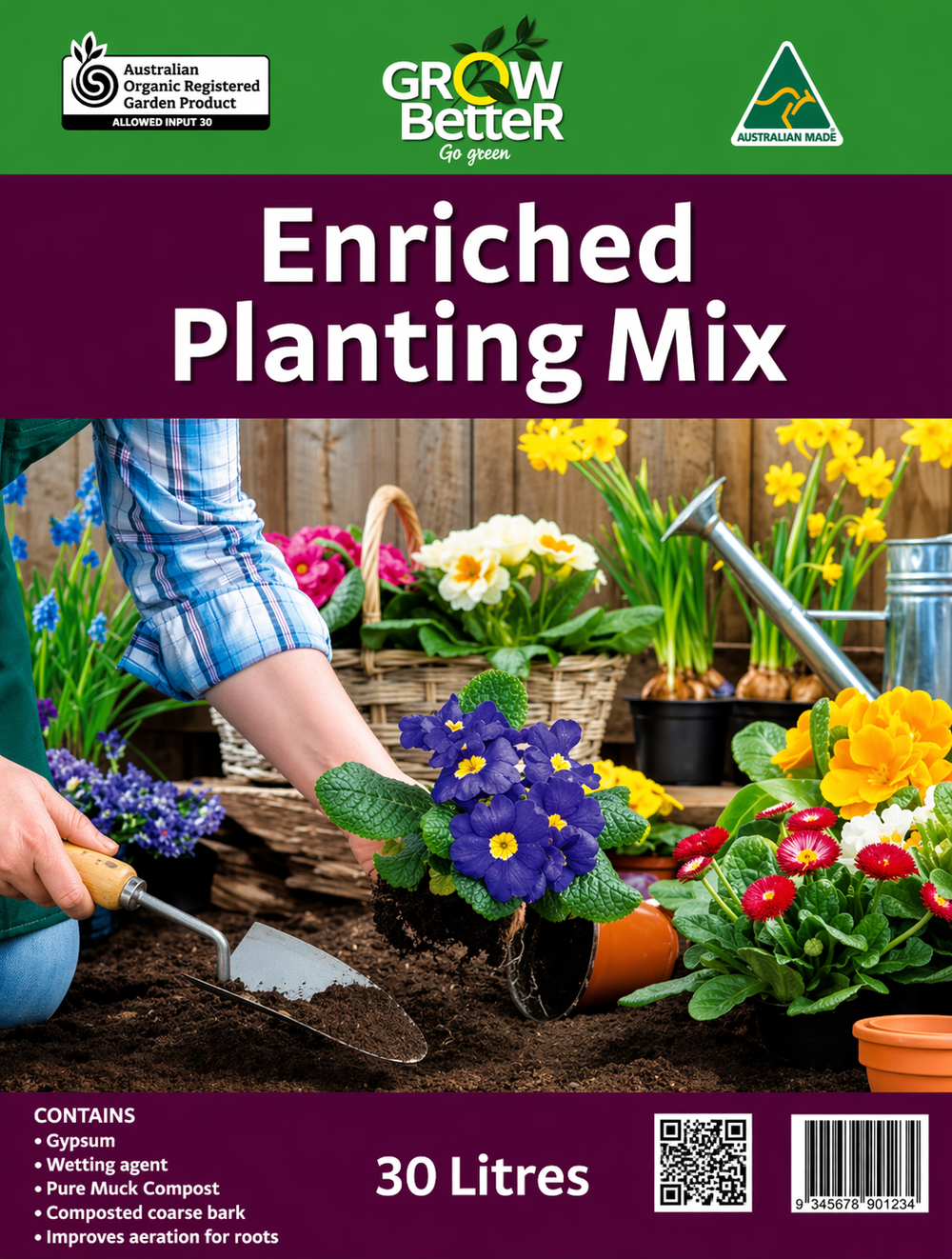
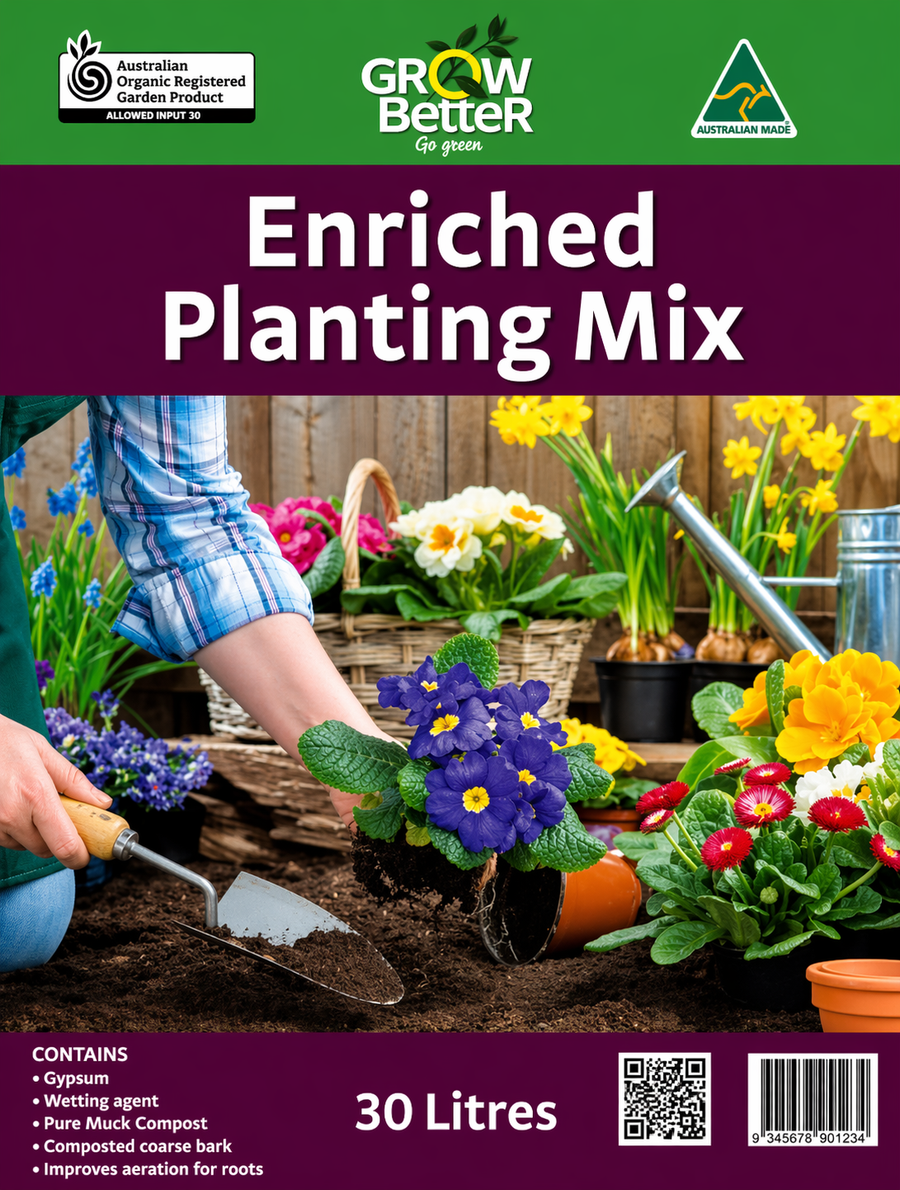
    Enriched Planting Mix (AO Certified)

    Enriched Planting Mix is a certified organic blend of Pure Magic Compost, composted animal manure, gypsum, composted coarse bark and a wetting agent, bagged in 30L. It is built to be dug through existing garden soil at planting time rather than used on its own, and the gypsum...

    Read product details

    Enriched Planting Mix is a certified organic blend of Pure Magic Compost, composted animal manure, gypsum, composted coarse bark and a wetting agent, bagged in 30L. It is built to be dug through existing garden soil at planting time rather than used on its own, and the gypsum is what sets it apart from a plain compost.

    Gypsum helps break up heavy clay so water and roots can move through it, while the compost and manure return organic matter and nutrient to tired ground. The coarse bark holds structure and keeps air around the root zone, and the wetting agent keeps moisture in the soil longer after rain or watering.

    Use it when planting trees, shrubs, roses, fruit trees and exotic garden plants, particularly into clay. Dig a hole twice the width of the pot and 7 centimetres deeper, then mix roughly one third planting mix through the excavated soil. Spread 7 centimetres of that improved soil in the base before setting the plant in.

    Frequently Asked Questions

    About Enriched Planting Mix

    What is Enriched Planting Mix made from?

    It is a blend of Pure Magic Compost, composted animal manure, gypsum, composted coarse bark and a wetting agent. Each part has a job. The compost and manure supply organic matter and nutrient, the gypsum works on clay structure, the bark keeps air around the roots and the wetting agent holds moisture in the soil.

    What plants is it suitable for?

    It suits exotic garden plants, including roses, ornamental and deciduous trees, fruit trees, shrubs and perennials, and it earns its keep most on heavy clay sites. It is a planting mix rather than a potting mix, so its job is improving soil at planting time. Phosphorus sensitive natives are the one clear exception.
    Is it safe for natives?

    No, not for the phosphorus sensitive ones. The composted animal manure in this blend lifts phosphorus well above what Proteaceae such as Banksia, Grevillea, Hakea and Protea will tolerate, and the result can be leaf burn, dieback and plant death. Use the Native Potting Mix for those species, or plant them into unimproved local soil.

    Is it certified organic?

    Yes. It is a certified organic product with no chemical additives, which is why the manure and compost in it are fully composted rather than raw. That makes it sound around fruit trees and vegetable beds, and it means you are adding genuine organic matter to your soil rather than a synthetic conditioner.

    How much do I need?

    Work on roughly one third planting mix to two thirds of the soil you dug out of the hole. For a shrub out of a 200 millimetre pot that is only a few litres. An advanced tree going into a large hole will take considerably more. Judge the quantity by the volume of the hole rather than the size of the plant.
    Can I use it in pots?

    It is not a potting mix and should not be used on its own in a container. The blend is designed to be diluted through garden soil, and used straight in a pot it holds too much water and settles badly. For containers, reach for a premium potting mix, or the native mix if you are potting natives.

    Does it need to be watered in?

    Yes. Water the plant well several hours before you plant it, then water thoroughly again once the hole is backfilled and the soil firmed down. That first deep watering settles the improved soil around the root ball and drives out air pockets. Keep the water up over the first few months while the roots establish.

    youtube Load video:

    Evergreen Trees Direct Has Been Featured In:

    Perfect Substitutes for Camellia japonica – White Flowering Camellia

    Follow Us On Instagram

    @evergreentreesdirect ↗
    Evergreen Trees DirectEvergreen Trees DirectEvergreen Trees DirectEvergreen Trees DirectEvergreen Trees Direct
    youtube Load video:

    Shopping cart (1)

    Complete your order

    Freight added at checkout, based on your delivery address and order quantities.

    Checkout