Camellia japonica 'White Nun' Balls
Camellia japonica 'White Nun' Balls
Couldn't load pickup availability
Current Stock Height Guides
Current Stock Height Guides
Height guide disclaimer: Height ranges are approximate only. As living products, plant heights naturally vary between individual plants, batches, and seasons. No guarantee is given that supplied plants will fall within the stated range. If minimum heights are required, you mustconfirm current batch heights with Evergreen Trees Direct prior to purchase. Variation in height is normal and is not grounds for return, refund, replacement, or compensation.
Mature Height & Width
Mature Height & Width
Mature Height: Naturally grows 2m to 4m (approx.) (Topiary height is maintained by pruning)
Mature Width: 2.0m to 2.5m
Camellia japonica 'White Nun' Balls is expected to grow 20cm to 40cm per year (approx.).
Root Ball Dimensions
Root Ball Dimensions
Use this as a reference when digging your planting hole. We recommend digging at least 10% wider than the dimensions below to encourage strong root development.
- 30cm Pot: 33cm (W) × 30cm (D)
- 40cm/45L Pot: 44cm (W) × 41.5cm (D)
- 50cm Pot / 70L Pot: 55cm (W) × 41.8cm (D)
- 100L Bag: 50.6cm (W) × 52.8cm (D)
- 150L Bag: 66cm (W) × 55cm (D)
- 200L Bag: 71.5cm (W) × 60.5cm (D)
- 300L Bag: 88cm (W) × 63.8cm (D)
- 400L Bag: 99cm (W) × 66cm (D)
- 500L Bag: 122cm (W) × 66cm (D)
- 750L Bag: 134cm (W) × 69cm (D)
- 1000L Bag: 146.3cm (W) × 71.5cm (D)
- 2000L Bag: 176cm (W) × 82.5cm (D)
Trade
Trade
We supply advanced trees to landscapers, developers, architects, and councils Australia-wide. Trade clients receive fast quotes, expert advice, and access to premium stock with reliable freight.
Shipping
Shipping
Shipping is calculated at checkout based on the pallet space your order occupies in the truck and your delivery location.
There is no charge to calculate your freight.
Contact
Contact
Have a question or a list to send through to us?
Email: sales@evergreentrees.com.au
Phone: (03) 7042 3318
Share this product
About Your New Camellia japonica 'White Nun' Balls
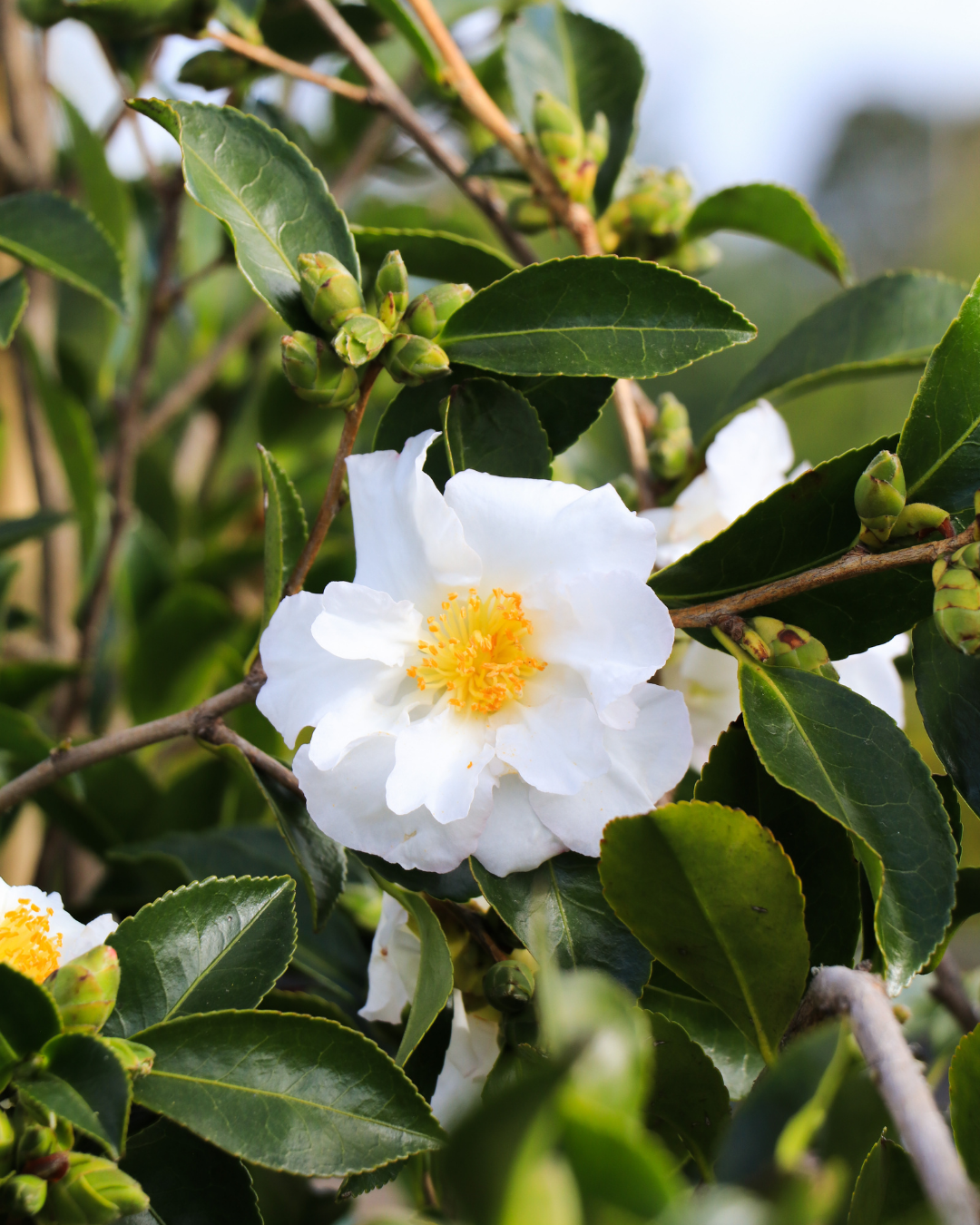
Camellia japonica 'White Nun' is an evergreen shrub presented here as a clipped topiary ball. Large pure white semi-double flowers open from late winter into spring against deep green glossy leaves. The contrast between white flower and dark foliage is the whole point of the cultivar, and the clipped form keeps the display neat and contained.
Partial shade with morning sun gives the best result, since strong afternoon light marks white camellia petals. Soil should be free draining, slightly acidic and rich in organic matter. Growth is slow to moderate at about 20 to 40 centimetres a year. Light to moderate frost is tolerated once established, and cool to warm temperate districts suit it.
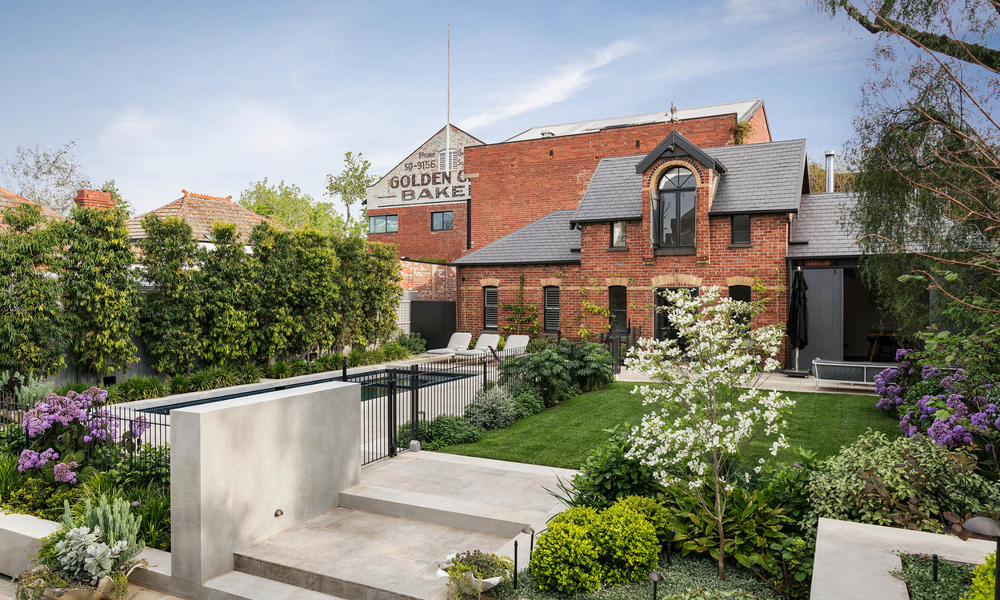
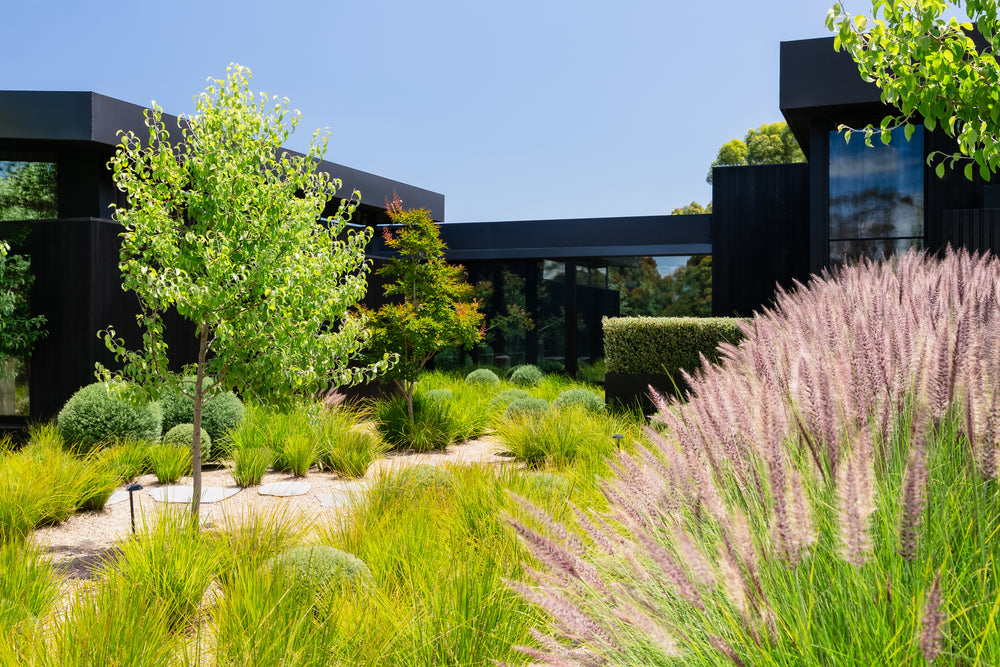
Use these balls where a formal note is wanted, flanking a doorway, repeated down a path, set into a courtyard bed or standing in a pot on a shaded terrace. They also work as full stops at either end of a hedge run. Plants shaped in advance let a landscape read as complete from the day of handover.
Frequently Asked Questions
About White Nun Camellia
What is Camellia japonica 'White Nun'?
It is a white flowering cultivar of the common camellia, grown here as a clipped topiary ball. The blooms are large, semi-double and pure white, opening in late winter and spring over glossy deep green foliage. The plant is evergreen, long lived and slow growing, which is exactly what makes it hold a clipped shape so well.
How big are the White Nun topiary balls?
The 50 centimetre size carries a head of roughly 50 to 60 centimetres across, and the 100 litre size around 70 to 90 centimetres. Both are held at that size with regular trimming. Unclipped and left alone the plant would slowly build to a natural shrub of 3 to 4 metres over many years.
When does White Nun Camellia flower?
Flowering runs from late winter into spring, generally July through October across southern Australia. Buds open progressively over about two months rather than all at once. White camellia petals bruise more visibly than coloured ones, so a position sheltered from driving rain and harsh sun keeps the flowers looking clean for longer.
Does it need sun or shade?
Partial shade with morning sun is best. Camellia japonica evolved as an understorey plant and its foliage burns in strong exposed sun, while white flowers in particular discolour quickly under afternoon heat. An eastern aspect, a shaded courtyard, or a position under high open canopy all give good results.
Does it have invasive roots?
No. Camellias produce a fibrous, relatively shallow root system with no aggressive spreading habit, so they are safe to plant near paving, walls, drainage and service lines. The trade off is that those surface roots dislike competition and dry out quickly, which is why mulch and consistent watering matter more than they would for a deeper rooted shrub.
Can it grow in pots?
Yes. A container 40 to 50 centimetres wide suits a single ball for an entry, courtyard or balcony. Use a free draining camellia or azalea potting mix and keep the drainage holes clear. Potted camellias dry out fast in summer and need watering two or three times a week during hot weather.
How do I care for and trim White Nun topiary?
Trim two or three times a year, taking only soft new growth, with the main shaping done as soon as flowering ends. Never cut back hard into old bare wood, since camellias are slow to reshoot from it. Feed with a camellia fertiliser after that prune, mulch the root zone, and water deeply through summer.
Evergreen Trees Direct Has Been Featured In:


Plant Your Camellia japonica 'White Nun' Balls With:


Type: Garden Supplies
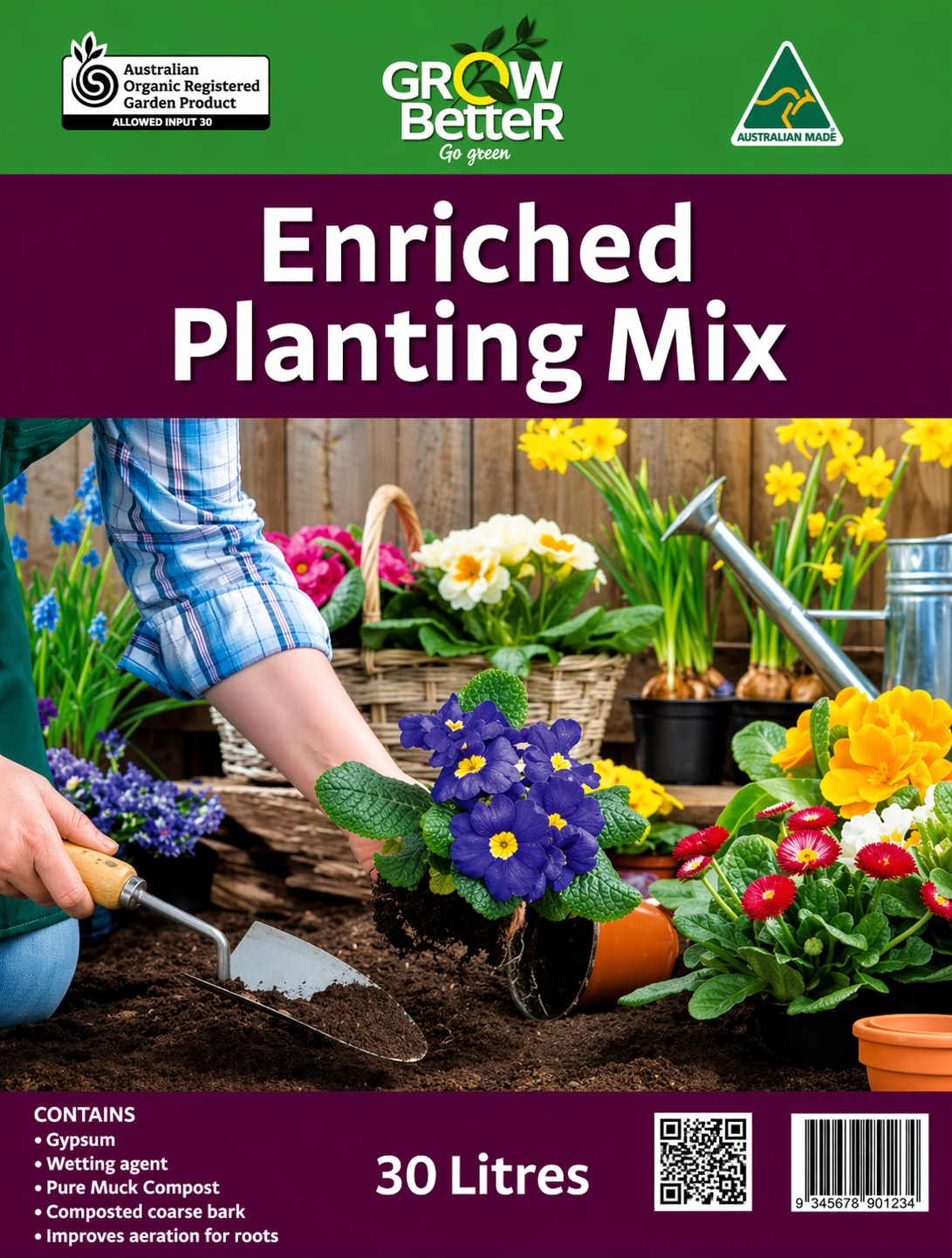
Enriched Planting Mix (AO Certified)
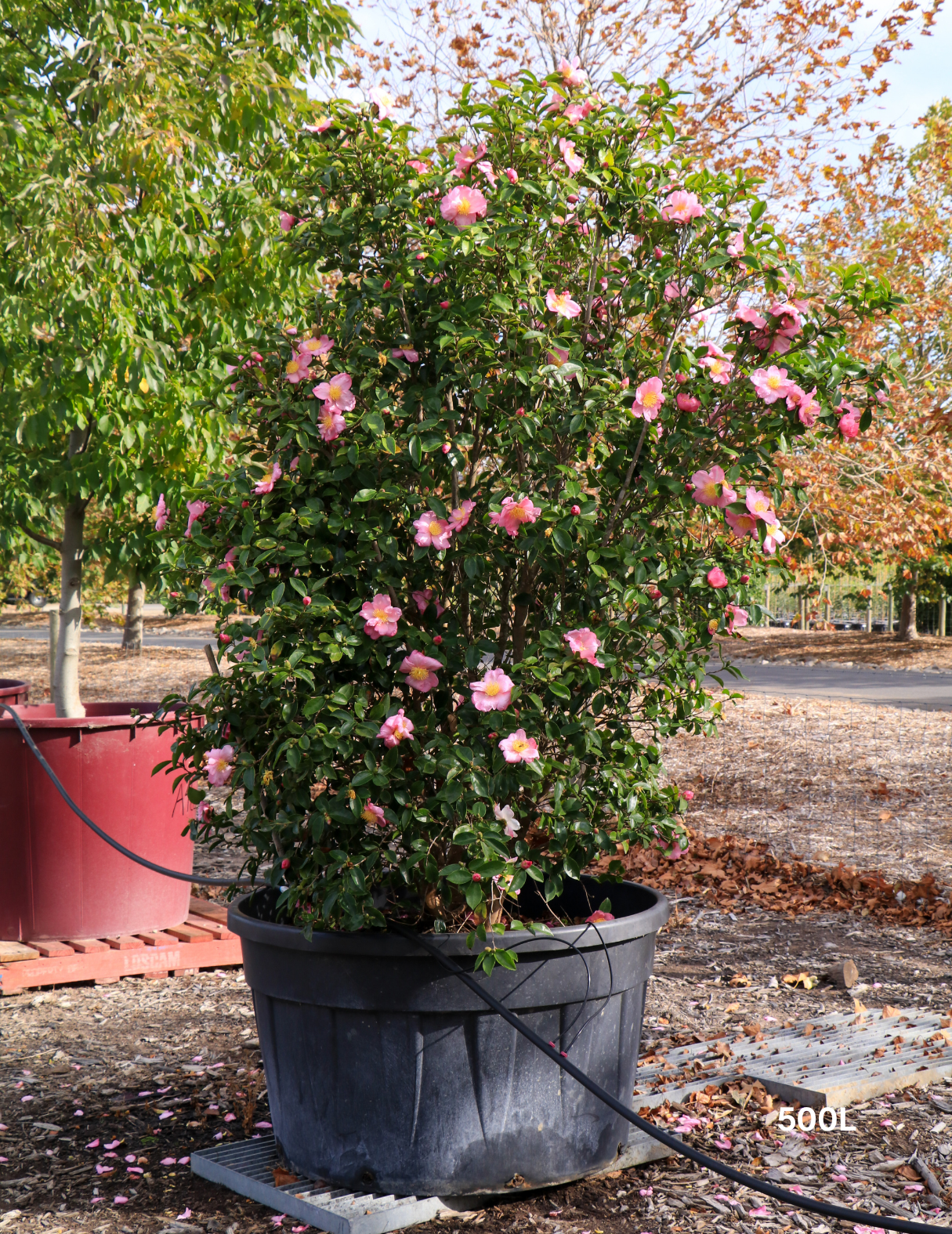
Type: Australian Native
Camellia 'Plantation Pink' – Japonica Camellia
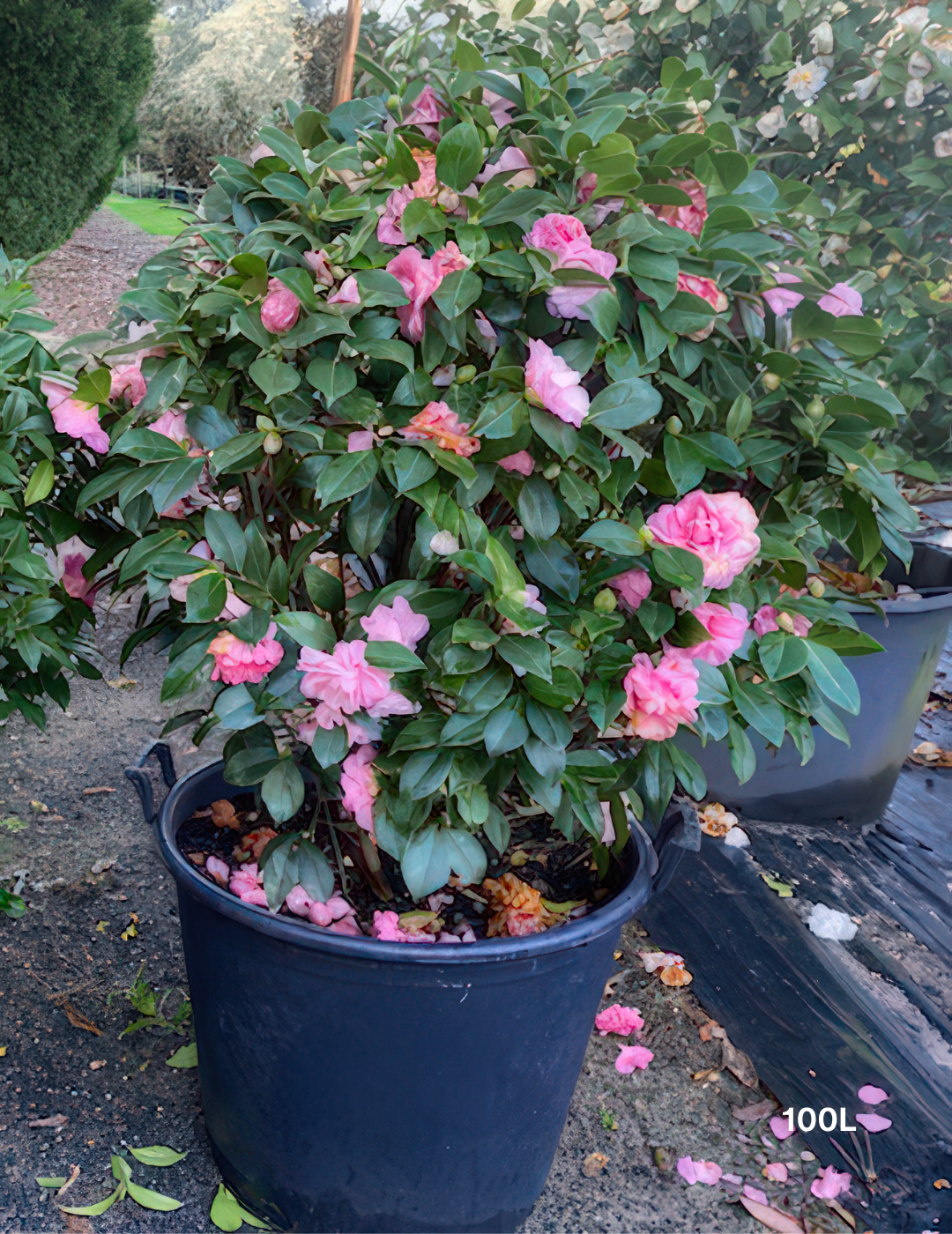
Type: Hedging and Screening Trees
Camellia japonica 'Fran Honeyer' Balls

Type: Hedging and Screening Trees
Pittosporum tobira 'Miss Muffet'

Type: Australian Native
Callistemon viminalis 'Slim'
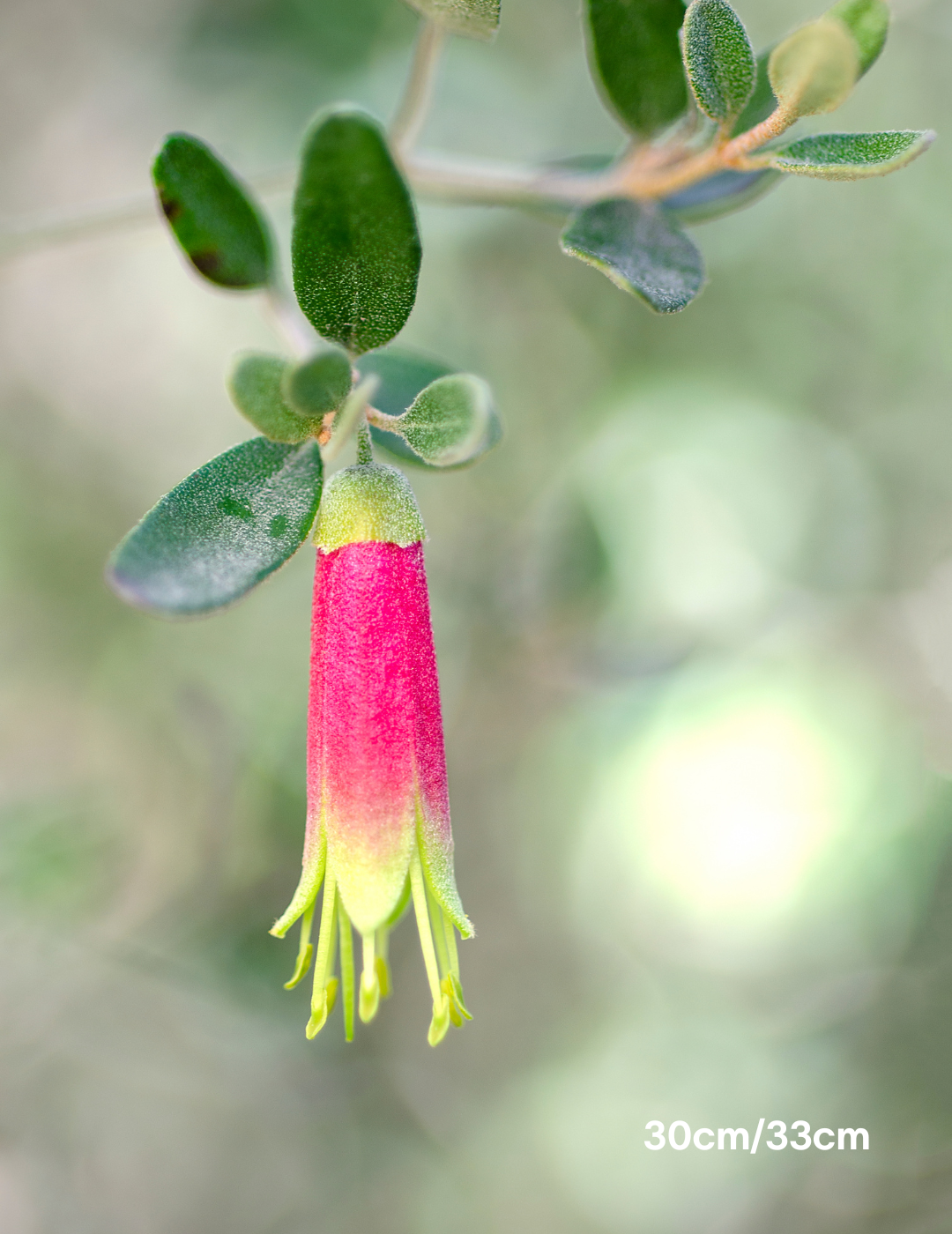
Type: Australian Native
Correa 'Tucker Time Dinner Bells'
Uses in my Garden
Uses in my Garden
Camellia japonica 'White Nun' Balls works in an:
Is Camellia japonica 'White Nun' Balls Evergreen or Deciduous?
Is Camellia japonica 'White Nun' Balls Evergreen or Deciduous?
Camellia japonica 'White Nun' Balls is an Evergreen (foliage year round) Tree
Mature Height & Width
Mature Height & Width
Mature Height: Naturally grows 2m to 4m (approx.) (Topiary height is maintained by pruning)
Mature Width: 2.0m to 2.5m
Camellia japonica 'White Nun' Balls is expected to grow 20cm to 40cm per year (approx.).
Growth Rate of Camellia japonica 'White Nun' Balls
Growth Rate of Camellia japonica 'White Nun' Balls
Camellia japonica 'White Nun' Balls is expected to grow 20cm to 40cm per year (approx.).
They are considered to have a:
Frost Tolerance & Ideal Climate to plant Camellia japonica 'White Nun' Balls
Frost Tolerance & Ideal Climate to plant Camellia japonica 'White Nun' Balls
Is Camellia japonica 'White Nun' Balls frost tolerant?
Camellia japonica 'White Nun' Balls is Frost Tolerant – Can handle light to moderate frost once established.
Does Camellia japonica 'White Nun' Balls Flower?
Does Camellia japonica 'White Nun' Balls Flower?
Camellia japonica ‘White Nun’ produces elegant pure white formal double flowers from late winter into spring. The pristine blooms contrast beautifully with the glossy dark-green foliage, creating a refined and highly ornamental seasonal display—perfect for clipped topiary forms.
Does Camellia japonica 'White Nun' Balls flower?
Flowering Period:
Flower Type:
Flower Colour:
White
Is Camellia japonica 'White Nun' Balls an Australian Native Tree?
Is Camellia japonica 'White Nun' Balls an Australian Native Tree?
No
Camellia japonica 'White Nun' Balls is Native to Japan and Korea, where Camellia japonica grows naturally in forest margins and shaded woodland areas..
What is the Wildlife Value of Camellia japonica 'White Nun' Balls ?
What is the Wildlife Value of Camellia japonica 'White Nun' Balls ?
Its cool-season blooms provide nectar and pollen for early-season pollinators such as native bees and hoverflies, while the dense evergreen foliage provides shelter and nesting space for small birds. The topiary form also enhances structured garden habitats that support wildlife activity.
How much Sunlight does Camellia japonica 'White Nun' Balls need?
How much Sunlight does Camellia japonica 'White Nun' Balls need?
Camellia japonica 'White Nun' Balls will thrive best in:
Preferred Soil?
Preferred Soil?
Camellia japonica ‘White Nun’ performs best in well-drained loam or sandy loam soils and prefers slightly acidic conditions. It may struggle in alkaline or poorly drained soils unless improved with organic matter to enhance aeration and moisture balance. Keep soil evenly moist during establishment, then transition to deep, occasional watering as the plant matures to support robust flowering and evergreen foliage, especially when maintained as a clipped topiary.
Is Camellia japonica 'White Nun' Balls Drought Tolerant?
Is Camellia japonica 'White Nun' Balls Drought Tolerant?
Is Camellia japonica 'White Nun' Balls Drought tolerant?
As a young plant it requires regular watering, but once established Camellia ‘White Nun’ develops moderate drought tolerance. It performs best with deep, occasional watering during extended dry periods and appreciates shelter from hot, drying winds to preserve flower quality and foliage health.

Planting Information
How To Plant Your Camellia japonica 'White Nun' Balls
How To Plant Your Camellia japonica 'White Nun' Balls
Recommended Planting Spacing For Your Camellia japonica 'White Nun' Balls
Recommended Planting Spacing For Your Camellia japonica 'White Nun' Balls
Camellia japonica 'White Nun' Balls is expected to grow 20cm to 40cm per year (approx.).
Long Term Care For Your Camellia japonica 'White Nun' Balls
Long Term Care For Your Camellia japonica 'White Nun' Balls
Planting Your Camellia japonica 'White Nun' Balls in Different Soil
Planting Your Camellia japonica 'White Nun' Balls in Different Soil
Frequently Asked Questions
Frequently Asked Questions