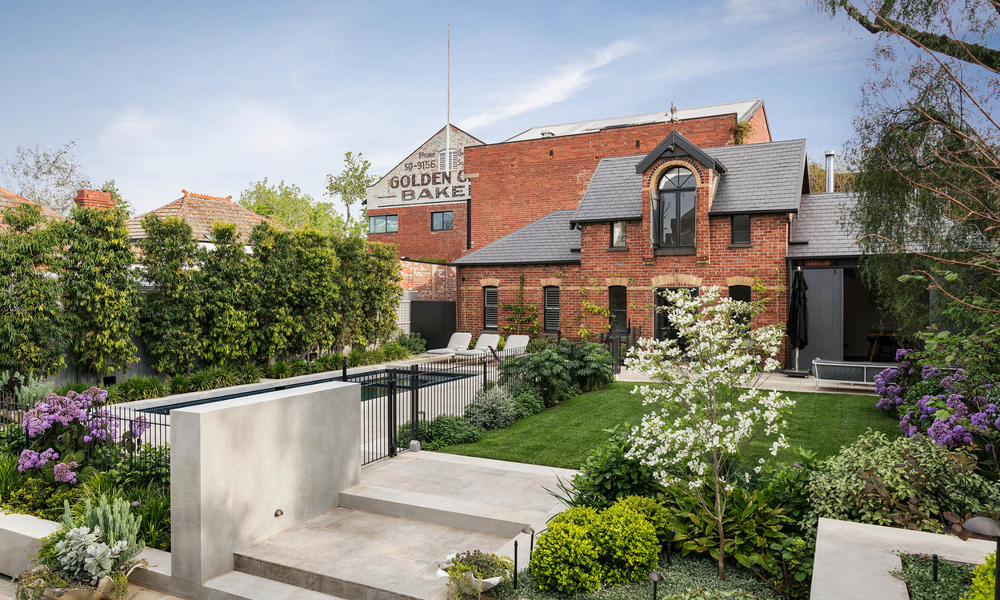
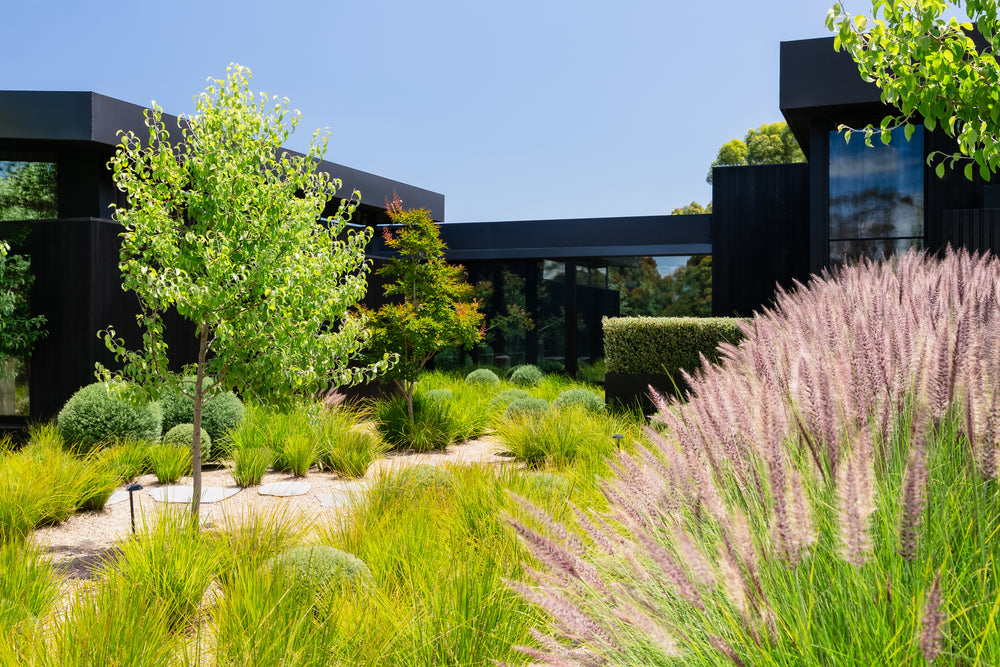
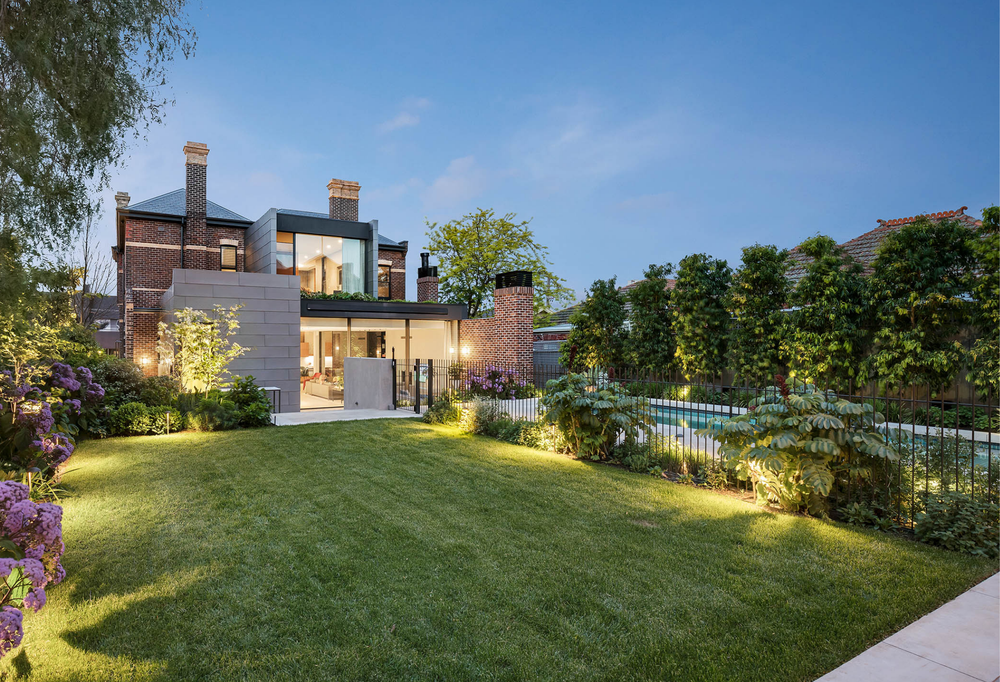
Buxus japonica (Hedging Form) – Japanese Box
Couldn't load pickup availability
Current Stock Height Guides
Height guide disclaimer: Height ranges are approximate only. As living products, plant heights naturally vary between individual plants, batches, and seasons. No guarantee is given that supplied plants will fall within the stated range. If minimum heights are required, you mustconfirm current batch heights with Evergreen Trees Direct prior to purchase. Variation in height is normal and is not grounds for return, refund, replacement, or compensation.
Mature Height & Width
Mature Height: 1–3 metres (unclipped)
Mature Width: 1–2 metres
Buxus japonica (Hedging Form) – Japanese Box is expected to grow 15–30cm per year (slow to moderate).
Root Ball Dimensions (Height & Width)
Use this as a reference when digging your planting hole. We recommend digging at least 10% wider than the dimensions below to encourage strong root development.
- 30cm Pot: 33cm (W) × 30cm (D)
- 40cm/45L Pot: 44cm (W) × 41.5cm (D)
- 50cm Pot / 70L Pot: 55cm (W) × 41.8cm (D)
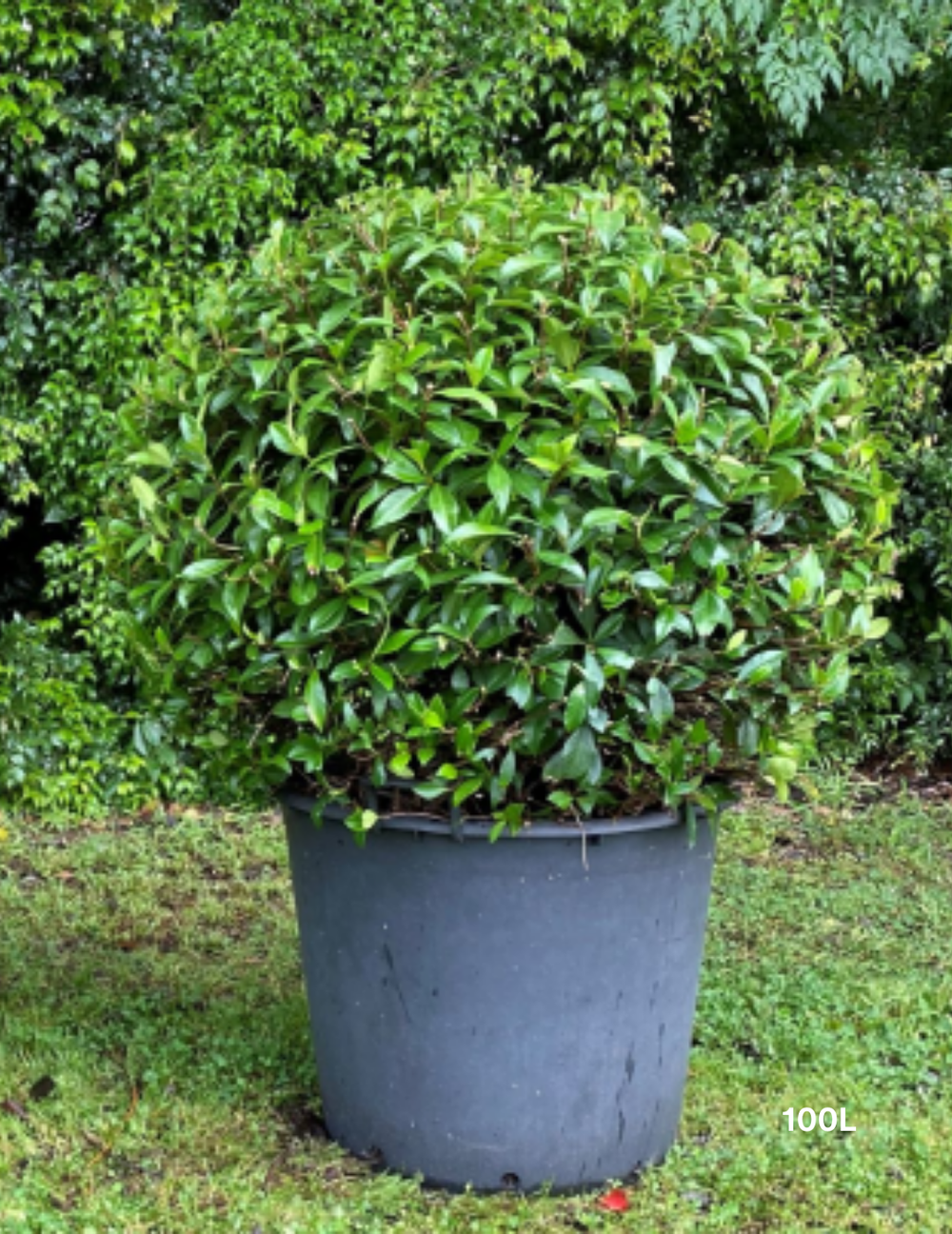
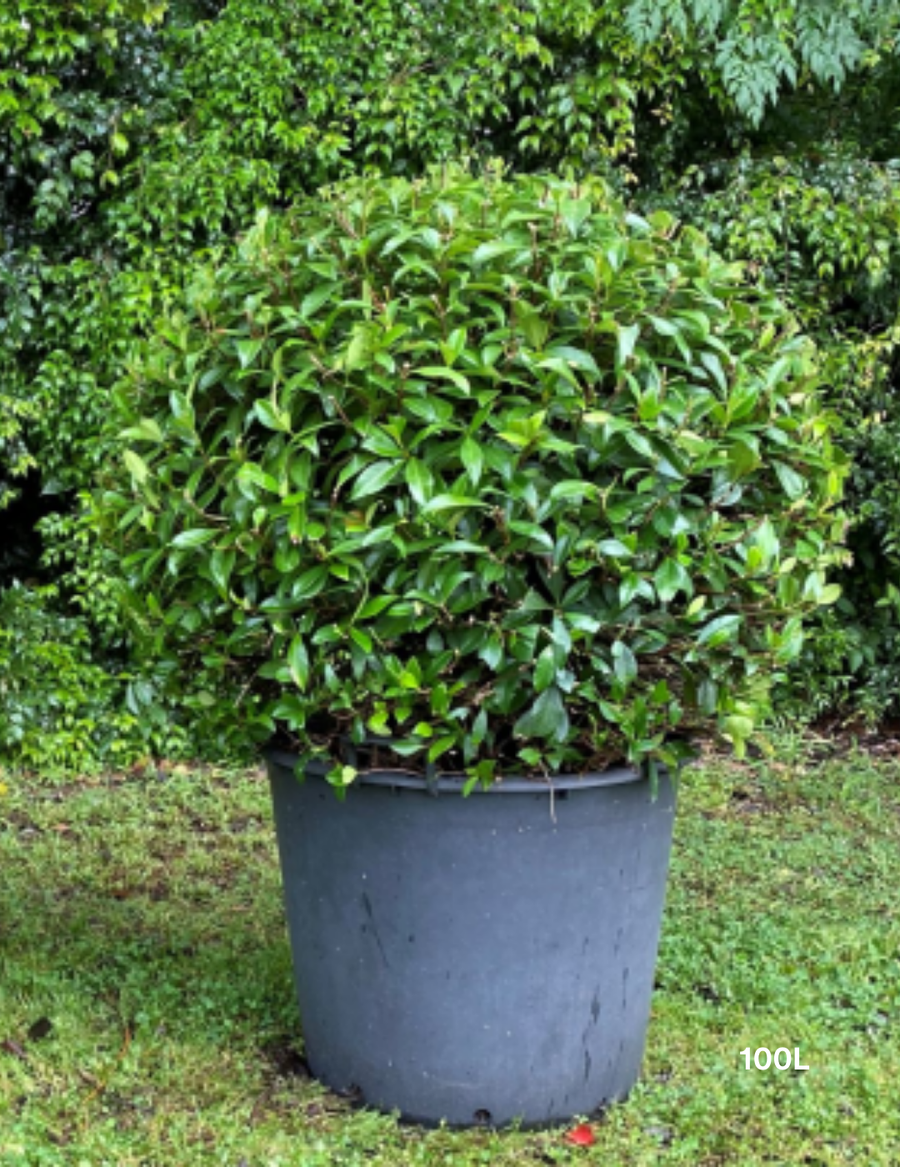
- 100L Bag: 50.6cm (W) × 52.8cm (D)
- 150L Bag: 66cm (W) × 55cm (D)
- 200L Bag: 71.5cm (W) × 60.5cm (D)
- 300L Bag: 88cm (W) × 63.8cm (D)
- 400L Bag: 99cm (W) × 66cm (D)
- 500L Bag: 122cm (W) × 66cm (D)
- 750L Bag: 134cm (W) × 69cm (D)
- 1000L Bag: 146.3cm (W) × 71.5cm (D)
- 2000L Bag: 176cm (W) × 82.5cm (D)
Trade Customers
Trade Customers
We supply advanced trees to landscapers, developers, architects, and councils Australia-wide. Trade clients receive fast quotes, expert advice, and access to premium stock with reliable freight.
Shipping Cost
Shipping Cost
Shipping is calculated at checkout based on the pallet space your order occupies in the truck and your delivery location.
There is no charge to calculate your freight.
Contact Us
Contact Us
Have a question or a list to send through to us?
Email: sales@evergreentrees.com.au
Phone: (03) 7042 3318
VOLUME DISCOUNTS
Discounts Apply Automatically At Checkout
Share this product
Evergreen Trees Direct Has Been Featured In:

About Your New Buxus japonica (Hedging Form) – Japanese Box
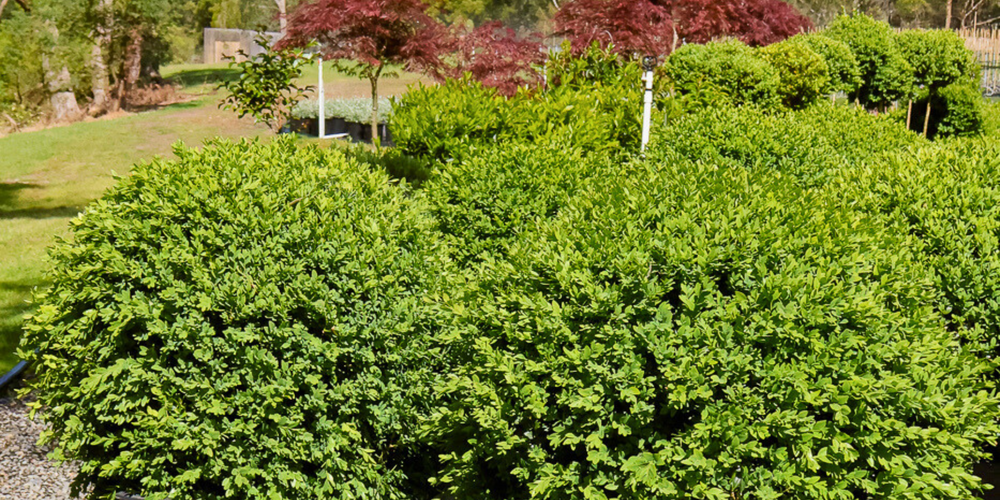
Buxus japonica, commonly known as Japanese Box, is a dense, evergreen shrub valued for its glossy foliage and excellent response to clipping. In hedging form it develops a compact, formal structure with rounded green leaves held tightly along short internodes, allowing for crisp lines and precise shaping.
It performs best in full sun to partial shade and prefers well-drained soils with consistent moisture during establishment. Buxus japonica tolerates heat and humidity better than English Box, making it well suited to warm temperate, subtropical and coastal climates as well as cooler districts. It also tolerates frost, light shade and regular pruning, with steady rather than fast growth that makes it ideal for controlled, long-term hedge planting.
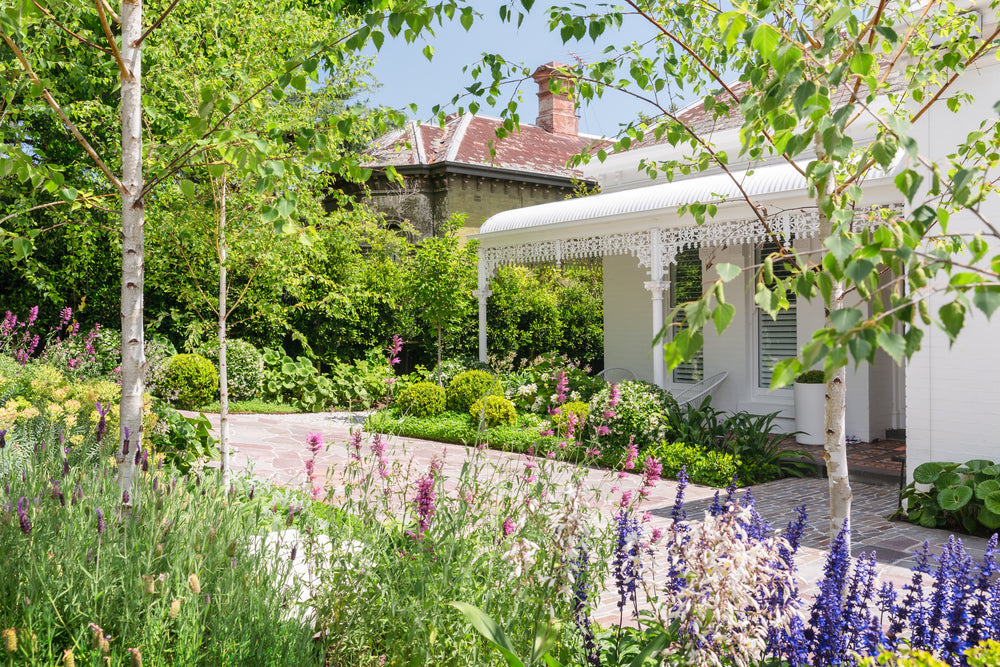
For low to medium hedging, borders, parterres and formal garden structures in residential and civic landscapes, Buxus japonica is a dependable, hard-wearing choice. It is commonly specified where structure, symmetry and year-round greenery are required, particularly in warmer regions where English Box can struggle.
Frequently Asked Questions
About Buxus japonica Japanese Box
How tall does Buxus japonica grow?
Left unclipped, Buxus japonica typically reaches around 1 to 3 metres tall and 1 to 2 metres wide. Grown as a hedge it is easily kept far lower, and most formal Japanese Box hedges are maintained between knee and waist height.
How often should a Buxus japonica hedge be clipped?
A light clip two to three times through the growing season keeps Buxus japonica dense and sharp-edged. Frequent light trimming gives a better result than occasional hard pruning, and encourages tight, even growth.
How is Buxus japonica different from English Box?
Buxus japonica handles heat, humidity and coastal conditions better than English Box, and tends to hold a brighter green leaf in warm weather. It is often the preferred box for hedging in subtropical and coastal gardens where English Box can struggle.
Is Buxus japonica frost tolerant?
Yes. Buxus japonica is frost tolerant and handles light to moderate frost once established, so it performs well across both warm and cool districts of Australia.
Can Buxus japonica grow in partial shade?
Yes. Buxus japonica tolerates partial shade, though growth is densest and most even in a position with good light. A spot with full sun to part shade gives the best hedging result.
How far apart should I plant Buxus japonica for a hedge?
For a hedge, plant Buxus japonica roughly 0.4 to 0.6 metres apart so the plants knit together into a continuous line. Wider spacing of around 1 to 1.5 metres suits individual feature or accent planting.
What soil does Buxus japonica prefer?
Buxus japonica grows best in well-drained loam with a neutral to slightly alkaline pH. It will tolerate heavier soils where drainage is improved with organic matter, but persistently wet or compacted ground should be avoided.

How much watering does Buxus japonica need?
While establishing, Buxus japonica needs regular watering to settle in evenly. Once established it shows moderate drought tolerance in well-drained soil, with occasional deep watering during dry spells supporting the best foliage colour.
Plant Your Buxus japonica (Hedging Form) – Japanese Box With:
Type: Feature Tree
Acer palmatum dissectum ‘Green’ – Green Japanese Maple
Type: Feature Tree
Betula pendula 'Fastigiata' Upright Silver Birch
Type: Evergreen
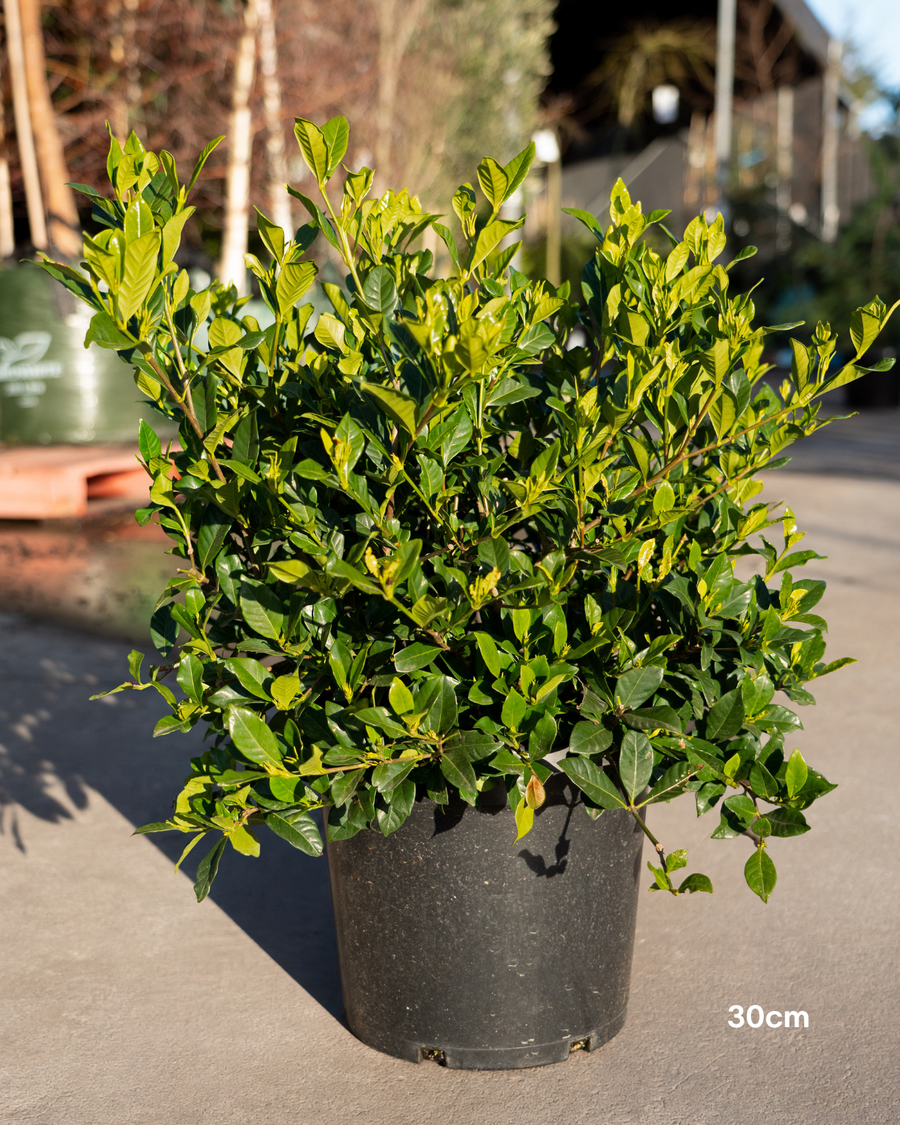
Gardenia augusta ‘Magnifica’ – Magnifica Gardenia
Type: Hedging and Screening Trees
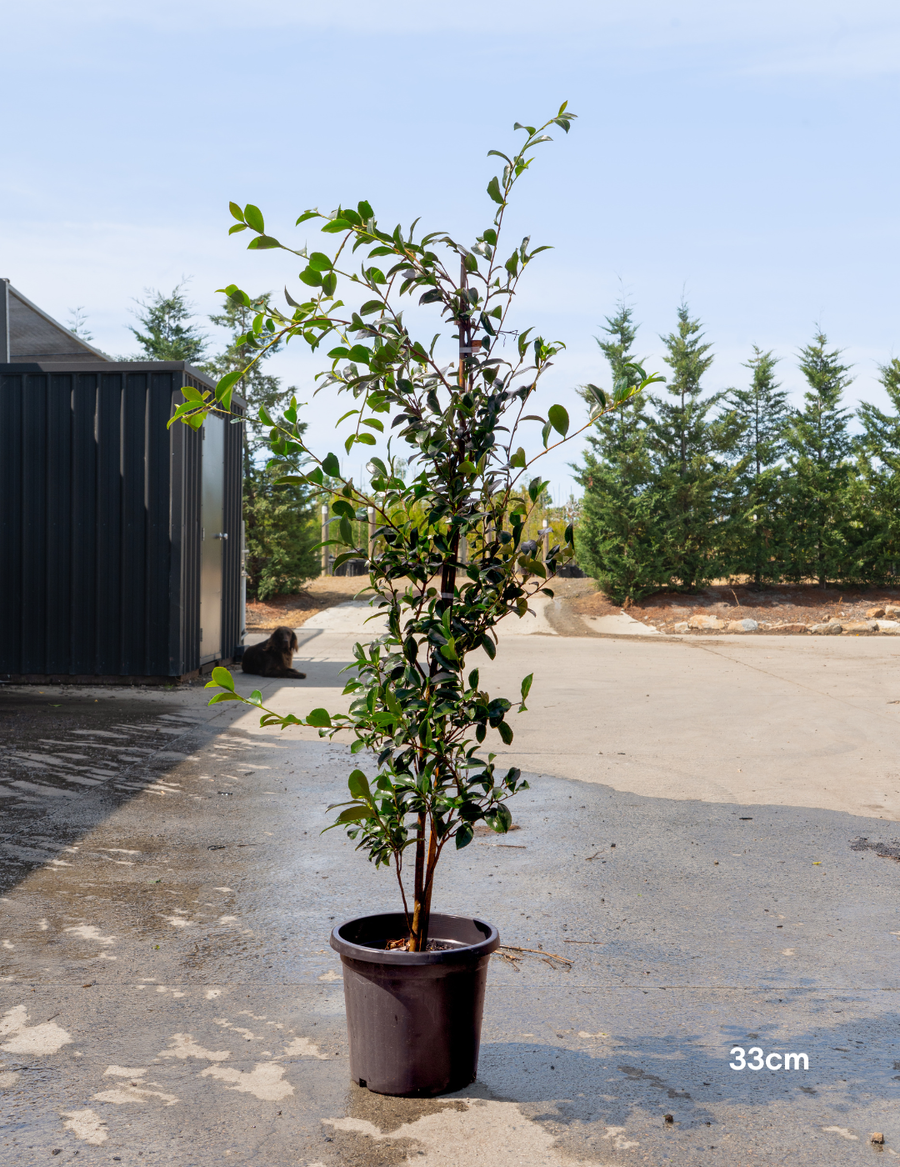
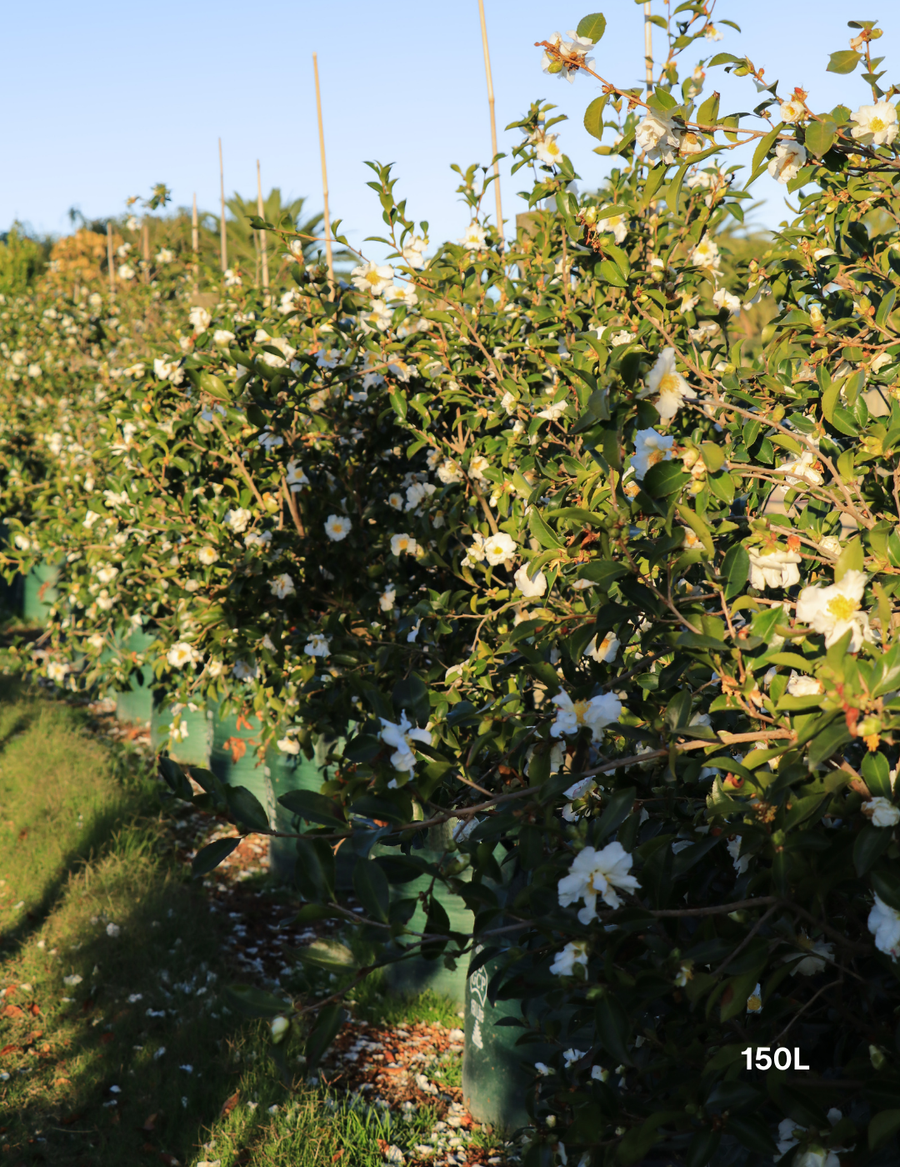
Camellia sasanqua 'Setsugekka'
Type: Hedging and Screening Trees
Camellia sasanqua 'Pure Silk'
Uses in my Garden
Uses in my Garden
Buxus japonica (Hedging Form) – Japanese Box works in an:
Is Buxus japonica (Hedging Form) – Japanese Box Evergreen or Deciduous?
Buxus japonica (Hedging Form) – Japanese Box is an Evergreen (foliage year round) Tree
Mature Height & Width
Mature Height: 1–3 metres (unclipped)
Mature Width: 1–2 metres
Buxus japonica (Hedging Form) – Japanese Box is expected to grow 15–30cm per year (slow to moderate).
Growth Rate of Buxus japonica (Hedging Form) – Japanese Box
Buxus japonica (Hedging Form) – Japanese Box is expected to grow 15–30cm per year (slow to moderate).
They are considered to have a:
Frost Tolerance & Ideal Climate to plant Buxus japonica (Hedging Form) – Japanese Box
Is Buxus japonica (Hedging Form) – Japanese Box frost tolerant?
Buxus japonica (Hedging Form) – Japanese Box is Frost Tolerant – Can handle light to moderate frost once established.
Does Buxus japonica (Hedging Form) – Japanese Box Flower?
Buxus japonica produces small, inconspicuous cream flowers in spring. These blooms are subtle and lightly fragrant, with the plant valued primarily for its dense glossy foliage, neat form and suitability for clipped hedging rather than its flowering display.
Does Buxus japonica (Hedging Form) – Japanese Box flower?
Flowering Period:
Flower Type:
Flower Colour:
Cream
Is Buxus japonica (Hedging Form) – Japanese Box an Australian Native Tree?
No
Buxus japonica (Hedging Form) – Japanese Box is Native to Japan and East Asia, where Buxus japonica grows naturally in woodland and hillside settings.
What is the Wildlife Value of Buxus japonica (Hedging Form) – Japanese Box ?
Its dense, evergreen structure provides excellent shelter and nesting habitat for small birds and beneficial insects. While not grown for nectar-rich flowers, the compact foliage contributes to garden biodiversity by offering year-round protection and habitat within formal landscapes.
How much Sunlight does Buxus japonica (Hedging Form) – Japanese Box need?
Buxus japonica (Hedging Form) – Japanese Box will thrive best in:
Preferred Soil?
Preferred Soil?
Buxus japonica performs best in well-drained loam soils with a neutral to slightly alkaline pH. It will tolerate heavier soils if drainage is improved with organic matter. Avoid persistently wet or compacted ground, as excess moisture can stress the roots and reduce vigour. Keep soil evenly moist during establishment, then gradually reduce watering as the hedge matures.
Is Buxus japonica (Hedging Form) – Japanese Box Drought Tolerant?
Is Buxus japonica (Hedging Form) – Japanese Box Drought tolerant?
As a young plant it benefits from regular watering to establish evenly, particularly during warmer weather. Once established, Japanese Box shows moderate drought tolerance and performs reliably through dry periods when planted in well-drained soil, with occasional supplementary watering supporting best growth and foliage colour.
Planting Information
How To Plant Your Buxus japonica (Hedging Form) – Japanese Box
Recommended Planting Spacing For Your Buxus japonica (Hedging Form) – Japanese Box
Buxus japonica (Hedging Form) – Japanese Box is expected to grow 15–30cm per year (slow to moderate).