

Buxus sempervirens (Hedging Form) – English Box
Buxus sempervirens (Hedging Form) – English Box
Couldn't load pickup availability
Current Stock Height Guides
Current Stock Height Guides
Height guide disclaimer: Height ranges are approximate only. As living products, plant heights naturally vary between individual plants, batches, and seasons. No guarantee is given that supplied plants will fall within the stated range. If minimum heights are required, you mustconfirm current batch heights with Evergreen Trees Direct prior to purchase. Variation in height is normal and is not grounds for return, refund, replacement, or compensation.
Mature Height & Width
Mature Height & Width
Mature Height: 1m to 3m (unclipped)
Mature Width: 1m to 2m
Buxus sempervirens (Hedging Form) – English Box is expected to grow 15cm to 30cm per year (slow to moderate).
Root Ball Dimensions
Root Ball Dimensions
Use this as a reference when digging your planting hole. We recommend digging at least 10% wider than the dimensions below to encourage strong root development.
- 30cm Pot: 33cm (W) × 30cm (D)
- 40cm/45L Pot: 44cm (W) × 41.5cm (D)
- 50cm Pot / 70L Pot: 55cm (W) × 41.8cm (D)
- 100L Bag: 50.6cm (W) × 52.8cm (D)
- 150L Bag: 66cm (W) × 55cm (D)
- 200L Bag: 71.5cm (W) × 60.5cm (D)
- 300L Bag: 88cm (W) × 63.8cm (D)
- 400L Bag: 99cm (W) × 66cm (D)
- 500L Bag: 122cm (W) × 66cm (D)
- 750L Bag: 134cm (W) × 69cm (D)
- 1000L Bag: 146.3cm (W) × 71.5cm (D)
- 2000L Bag: 176cm (W) × 82.5cm (D)
Trade
Trade
We supply advanced trees to landscapers, developers, architects, and councils Australia-wide. Trade clients receive fast quotes, expert advice, and access to premium stock with reliable freight.
Shipping
Shipping
Shipping is calculated at checkout based on the pallet space your order occupies in the truck and your delivery location.
There is no charge to calculate your freight.
Contact
Contact
Have a question or a list to send through to us?
Email: sales@evergreentrees.com.au
Phone: (03) 7042 3318
Share this product
About Your New Buxus sempervirens (Hedging Form) – English Box
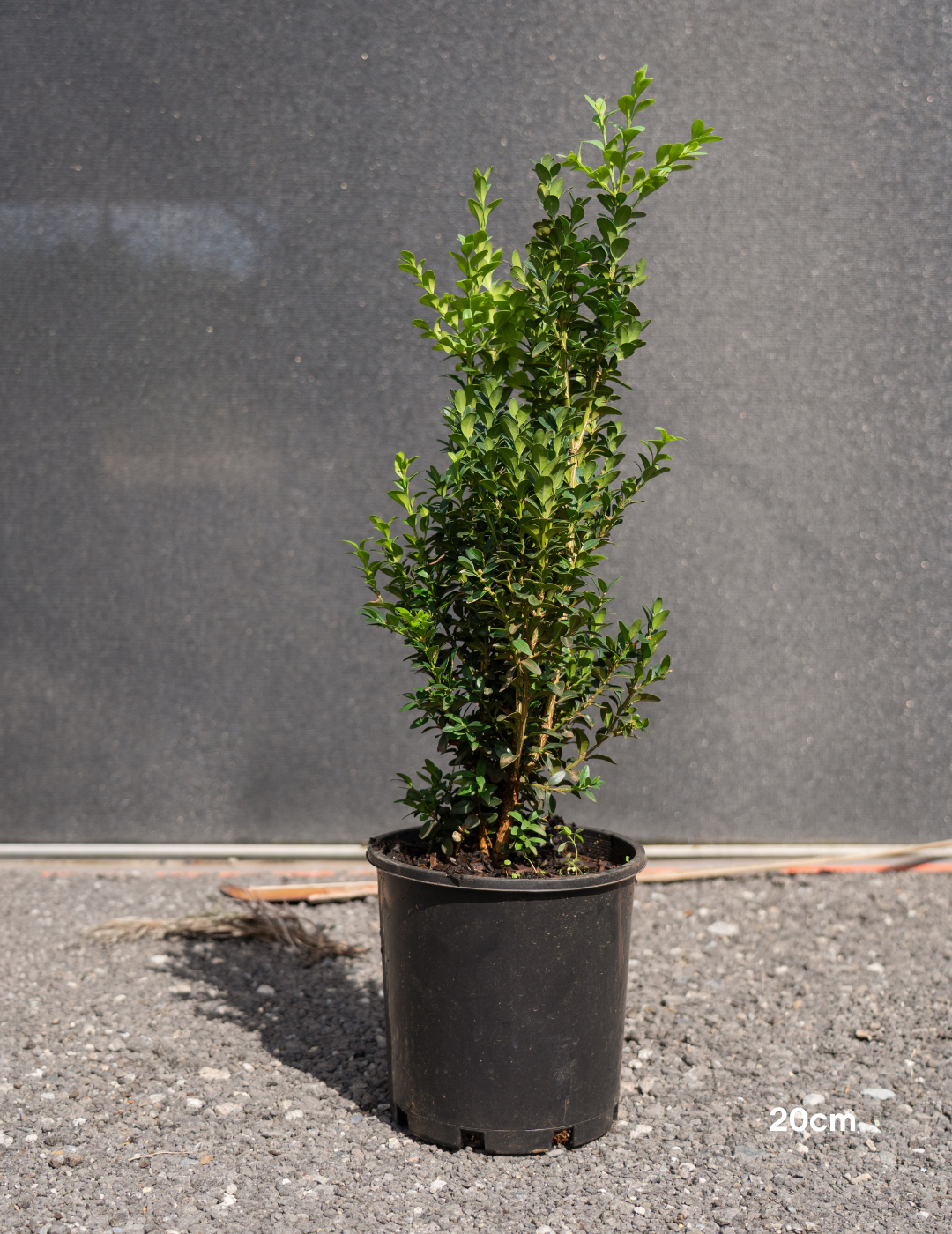
Buxus sempervirens, English Box, is the classic hedging box, a dense evergreen shrub with small glossy leaves set on short internodes. Hedging form stock is grown from material selected for tight branching, so plants knit into a solid face and take a clean line under shears. Pale yellow spring flowers are small and lightly scented.
Full sun through to part shade suits it, in a well drained soil kept evenly moist while the roots establish. Cool temperate and temperate districts are its strength, and mature plants shrug off repeated winter frost. Growth of 15 to 30 centimetres a year is steady rather than quick, which keeps a hedge line honest.
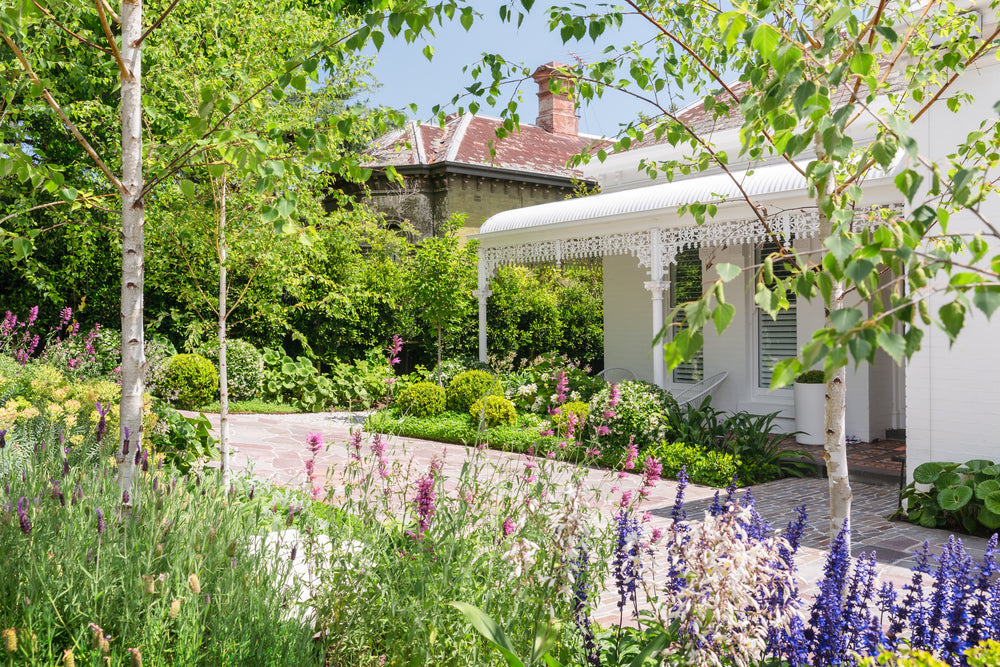
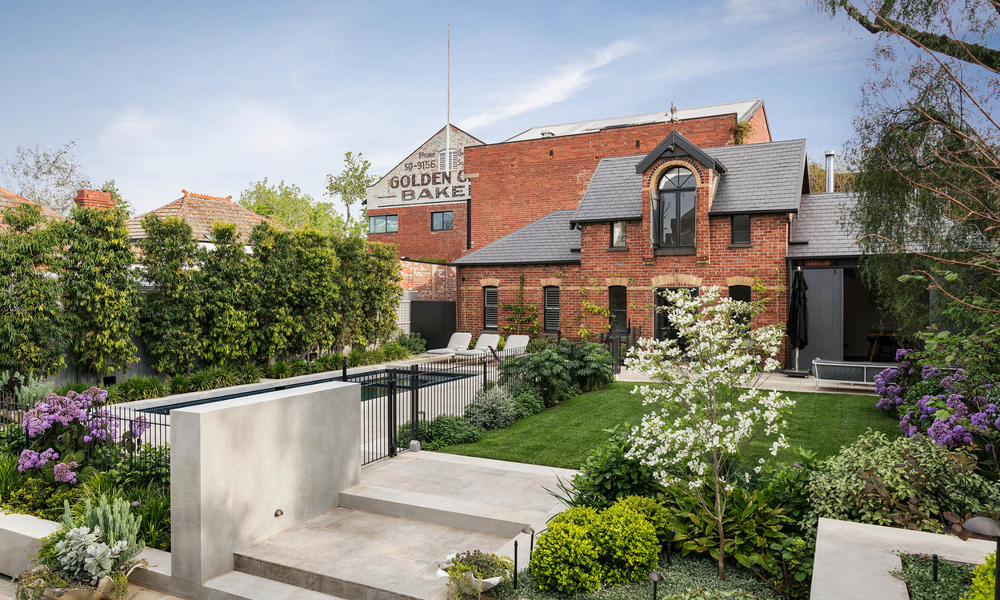
It is the standard choice for low borders, parterres, knot gardens and the clipped edges that hold a formal garden together. Councils and heritage properties specify it for the same reason home gardeners do. It stays where it is put and reads the same in July as it does in January.
Frequently Asked Questions
About English Box
What is English Box?
Buxus sempervirens is a slow growing evergreen shrub with small, glossy, dark green leaves, grown for centuries as a clipped hedge. The hedging form is selected for tight branching and short internodes, so plants knit together into a solid face and take a sharp edge under shears. It is not related to native Australian box species.
How big does English Box grow?
As a hedge it is normally held between 30 centimetres and 1 metre, which is where the plant looks its best. Taller hedges to about 1.5 metres are achievable with patience. Left entirely unclipped the species will slowly reach 3 to 5 metres tall and 2 to 3 metres wide over several decades.
How far apart should I plant English Box for a hedge?
For a low border hedge from 20 or 30 centimetre stock, plant 25 to 30 centimetres apart, which is three to four plants per metre. For a taller hedge from 50 centimetre stock, 35 to 40 centimetres apart is enough. Closer spacing closes the line sooner but does not change the finished result.
What is the difference between English Box and Japanese Box?
English Box has finer, darker foliage and a slower, tighter habit, which suits low formal hedges and parterres. Japanese Box is a little coarser and faster, holds its colour better in heat and humidity, and is the safer choice in warmer or more humid districts. In cool temperate gardens English Box remains the traditional pick.
Is English Box frost tolerant?
Yes, and comfortably so. It is one of the more cold hardy hedging plants available, and established hedges take repeated winter frost without damage, including in Canberra, Ballarat, Orange and across Tasmania. A late frost can bronze new spring growth, but the plant grows straight through it. Water well before winter in the first year.
Does English Box grow in shade?
It grows in full sun through to part shade. Part shade keeps the leaf a deeper green in hot districts, while full sun gives the densest growth in cool ones. Heavy shade produces thin, open growth that never closes properly into a hedge, so aim for at least three or four hours of direct light.
How do I care for and prune an English Box hedge?
Trim twice a year, in late spring and again in late summer, always cutting the sides slightly wider at the base so light reaches the lower foliage. Feed in early spring, mulch, and water deeply in dry spells rather than lightly and often. Renovation cuts back into old wood are tolerated but are best staged over two seasons.
Evergreen Trees Direct Has Been Featured In:


Plant Your Buxus sempervirens (Hedging Form) – English Box With:


Type: Garden Supplies
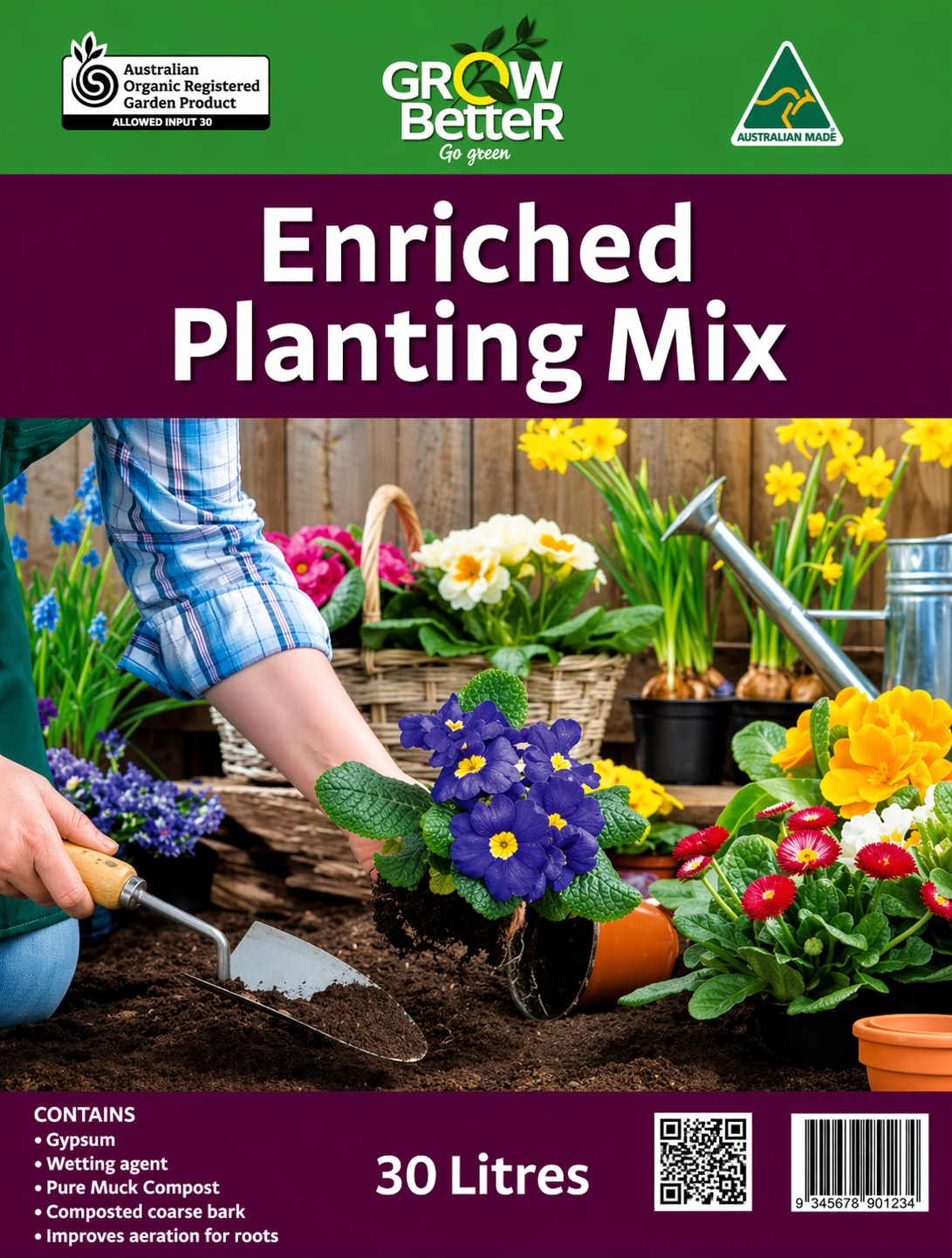
Enriched Planting Mix (AO Certified)
Type: Feature Tree
Acer palmatum dissectum ‘Green’ – Green Japanese Maple
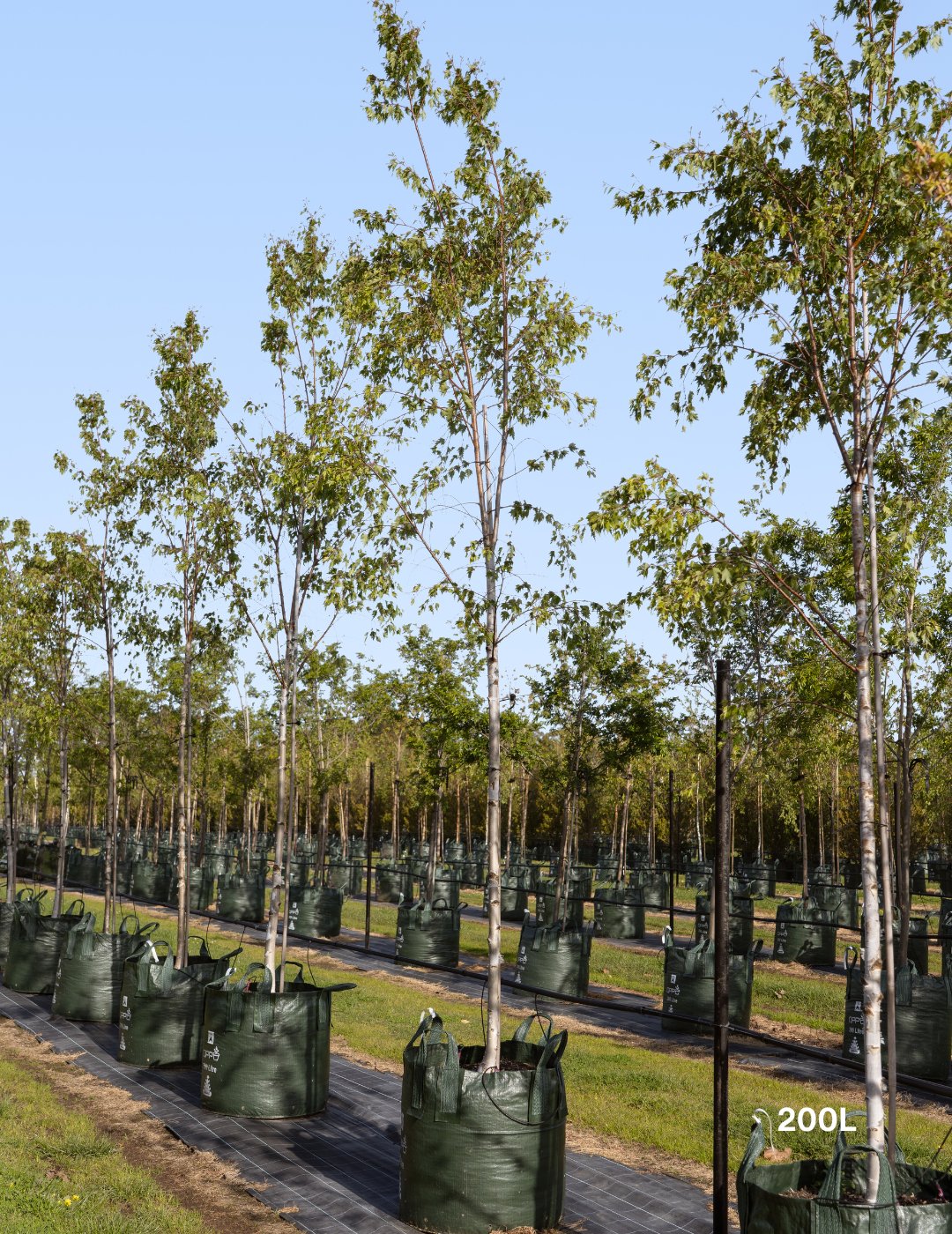
Type: Feature Tree
Betula pendula 'Fastigiata' Upright Silver Birch

Type: Evergreen
Gardenia augusta ‘Magnifica’ – Magnifica Gardenia

Type: Hedging and Screening Trees
Camellia sasanqua 'Setsugekka'

Type: Hedging and Screening Trees
Camellia sasanqua 'Pure Silk'

Uses in my Garden
Uses in my Garden
Buxus sempervirens (Hedging Form) – English Box works in an:
Is Buxus sempervirens (Hedging Form) – English Box Evergreen or Deciduous?
Is Buxus sempervirens (Hedging Form) – English Box Evergreen or Deciduous?
Buxus sempervirens (Hedging Form) – English Box is an Evergreen (foliage year round) Tree
Mature Height & Width
Mature Height & Width
Mature Height: 1m to 3m (unclipped)
Mature Width: 1m to 2m
Buxus sempervirens (Hedging Form) – English Box is expected to grow 15cm to 30cm per year (slow to moderate).
Growth Rate of Buxus sempervirens (Hedging Form) – English Box
Growth Rate of Buxus sempervirens (Hedging Form) – English Box
Buxus sempervirens (Hedging Form) – English Box is expected to grow 15cm to 30cm per year (slow to moderate).
They are considered to have a:
Frost Tolerance & Ideal Climate to plant Buxus sempervirens (Hedging Form) – English Box
Frost Tolerance & Ideal Climate to plant Buxus sempervirens (Hedging Form) – English Box
Is Buxus sempervirens (Hedging Form) – English Box frost tolerant?
Buxus sempervirens (Hedging Form) – English Box is Frost Tolerant – Can handle light to moderate frost once established.
Does Buxus sempervirens (Hedging Form) – English Box Flower?
Does Buxus sempervirens (Hedging Form) – English Box Flower?
Buxus sempervirens produces small, pale yellow flowers in spring. These blooms are inconspicuous and lightly fragrant, with the plant valued primarily for its dense foliage, neat form and suitability for clipped hedging rather than its flowering display.
Does Buxus sempervirens (Hedging Form) – English Box flower?
Flowering Period:
Flower Type:
Flower Colour:
Yellow
Is Buxus sempervirens (Hedging Form) – English Box an Australian Native Tree?
Is Buxus sempervirens (Hedging Form) – English Box an Australian Native Tree?
No
Buxus sempervirens (Hedging Form) – English Box is Native to Southern and Western Europe, where Buxus sempervirens grows naturally in woodland margins and limestone soils.
What is the Wildlife Value of Buxus sempervirens (Hedging Form) – English Box ?
What is the Wildlife Value of Buxus sempervirens (Hedging Form) – English Box ?
Its dense, evergreen structure provides excellent shelter and nesting habitat for small birds and beneficial insects. While not grown for nectar-rich flowers, the compact foliage contributes to garden biodiversity by offering year-round protection and habitat within formal landscapes.
How much Sunlight does Buxus sempervirens (Hedging Form) – English Box need?
How much Sunlight does Buxus sempervirens (Hedging Form) – English Box need?
Buxus sempervirens (Hedging Form) – English Box will thrive best in:
Preferred Soil?
Preferred Soil?
Buxus sempervirens performs best in well-drained loam soils with a neutral to slightly alkaline pH. It will tolerate heavier soils if drainage is improved with organic matter. Avoid persistently wet or compacted ground, as excess moisture can stress the roots and reduce vigour. Keep soil evenly moist during establishment, then gradually reduce watering as the hedge matures.
Is Buxus sempervirens (Hedging Form) – English Box Drought Tolerant?
Is Buxus sempervirens (Hedging Form) – English Box Drought Tolerant?
Is Buxus sempervirens (Hedging Form) – English Box Drought tolerant?
As a young plant it benefits from regular watering to establish evenly, particularly during warmer weather. Once established, English Box shows moderate drought tolerance and performs reliably through dry periods when planted in well-drained soil, with occasional supplementary watering supporting best growth and foliage colour.

Planting Information
How To Plant Your Buxus sempervirens (Hedging Form) – English Box
How To Plant Your Buxus sempervirens (Hedging Form) – English Box
Recommended Planting Spacing For Your Buxus sempervirens (Hedging Form) – English Box
Recommended Planting Spacing For Your Buxus sempervirens (Hedging Form) – English Box
Buxus sempervirens (Hedging Form) – English Box is expected to grow 15cm to 30cm per year (slow to moderate).
Long Term Care For Your Buxus sempervirens (Hedging Form) – English Box
Long Term Care For Your Buxus sempervirens (Hedging Form) – English Box
Planting Your Buxus sempervirens (Hedging Form) – English Box in Different Soil
Planting Your Buxus sempervirens (Hedging Form) – English Box in Different Soil
Frequently Asked Questions
Frequently Asked Questions