Trachelospermum jasminoides – Star Jasmine (Tripods)
Couldn't load pickup availability
Current Stock Height Guides
Height guide disclaimer: Height ranges are approximate only. As living products, plant heights naturally vary between individual plants, batches, and seasons. No guarantee is given that supplied plants will fall within the stated range. If minimum heights are required, you mustconfirm current batch heights with Evergreen Trees Direct prior to purchase. Variation in height is normal and is not grounds for return, refund, replacement, or compensation.
Mature Height & Width
Mature Height: 3m to 6m (if untrained)
Mature Width: 1m to 2m
Trachelospermum jasminoides – Star Jasmine (Tripods) is expected to grow 30cm to 60cm per year (moderate).
Root Ball Dimensions
Use this as a reference when digging your planting hole. We recommend digging at least 10% wider than the dimensions below to encourage strong root development.
- 30cm Pot: 33cm (W) × 30cm (D)
- 40cm/45L Pot: 44cm (W) × 41.5cm (D)
- 50cm Pot / 70L Pot: 55cm (W) × 41.8cm (D)
- 100L Bag: 50.6cm (W) × 52.8cm (D)
- 150L Bag: 66cm (W) × 55cm (D)
- 200L Bag: 71.5cm (W) × 60.5cm (D)
- 300L Bag: 88cm (W) × 63.8cm (D)
- 400L Bag: 99cm (W) × 66cm (D)
- 500L Bag: 122cm (W) × 66cm (D)
- 750L Bag: 134cm (W) × 69cm (D)
- 1000L Bag: 146.3cm (W) × 71.5cm (D)
- 2000L Bag: 176cm (W) × 82.5cm (D)
Trade
Trade
We supply advanced trees to landscapers, developers, architects, and councils Australia-wide. Trade clients receive fast quotes, expert advice, and access to premium stock with reliable freight.
Shipping
Shipping
Shipping is calculated at checkout based on the pallet space your order occupies in the truck and your delivery location.
There is no charge to calculate your freight.
Contact
Contact
Have a question or a list to send through to us?
Email: sales@evergreentrees.com.au
Phone: (03) 7042 3318
Share this product

About Your New Trachelospermum jasminoides – Star Jasmine (Tripods)
Trachelospermum jasminoides trained on a tripod frame gives a finished vertical feature in a single plant. Three legs carry the twining stems, which knit together into a dense evergreen column of glossy dark foliage. White star shaped flowers scent the air through spring and summer, with scattered repeat blooms in warm weather.
Growth on a frame runs about 30 to 60 centimetres a year, so coverage thickens steadily rather than racing away. Full sun or part shade both work. Keep the potting mix free draining and water regularly through the first season. Established plants take light to moderate frost, coastal wind and warm inland summers.
Tripods pair naturally at doorways, gateways and the corners of a courtyard, and they lift a paved terrace where there is no garden bed to plant into. Retailers, hotels and event stylists use them for instant height. Because the shape is already trained, one pot does the work of a small hedge.
Frequently Asked Questions
About Star Jasmine Tripods
What is a Star Jasmine tripod?
It is Trachelospermum jasminoides trained onto a three legged frame so the plant grows into a dense, upright column of evergreen foliage. The stems twine through the frame and knit together over time, giving a finished vertical feature in one pot rather than something you wait several years to build up.
How tall do Star Jasmine tripods grow?
The plant follows the frame, and most tripods stand between 1.5 and 2 metres tall including the pot. Growth is about 30 to 60 centimetres a year, so the column thickens steadily. Once the foliage reaches the top of the frame, trim each season to hold the height and keep the density even.
Can Star Jasmine tripods be grown in pots?
Yes, they are usually grown that way. Use a heavy container at least 50 centimetres wide for stability in wind, with free draining potting mix. Water two or three times a week in summer and less in winter, and feed with a slow release fertiliser each spring. Turn the pot occasionally for even growth.
Is it evergreen?
Yes. Star Jasmine holds its glossy foliage all year, so a tripod stays furnished through winter when most feature plants have dropped their leaves. Cold weather brings a bronze tone to some of the older foliage, which greens up again in spring. The column itself never goes bare or thin.
Is a Star Jasmine tripod frost tolerant?
Established plants take light to moderate frost. Plants in pots are more exposed than plants in the ground because the root ball chills through, so in cold inland districts move tripods against a wall or under eaves for winter. Avoid watering onto the foliage on frosty mornings. Growth resumes quickly in spring.
When does it flower?
Flowering peaks in spring and summer, roughly September through to February, with scattered repeat flowers in warm weather. The white star shaped flowers are strongly scented, which is much of the reason tripods are placed at entries and seating areas. Bees and other pollinators work the flowers steadily while they are out.
How do I care for a Star Jasmine tripod?
Keep the mix damp but never waterlogged, and check pots daily in heat. Tie in stray runners and clip the column lightly after the main flush to keep the shape crisp. Feed in early spring and again in late summer. Refresh the top few centimetres of mix each year and wear gloves when trimming.
Evergreen Trees Direct Has Been Featured In:
Plant Your Trachelospermum jasminoides – Star Jasmine (Tripods) With:
Type: Garden Supplies
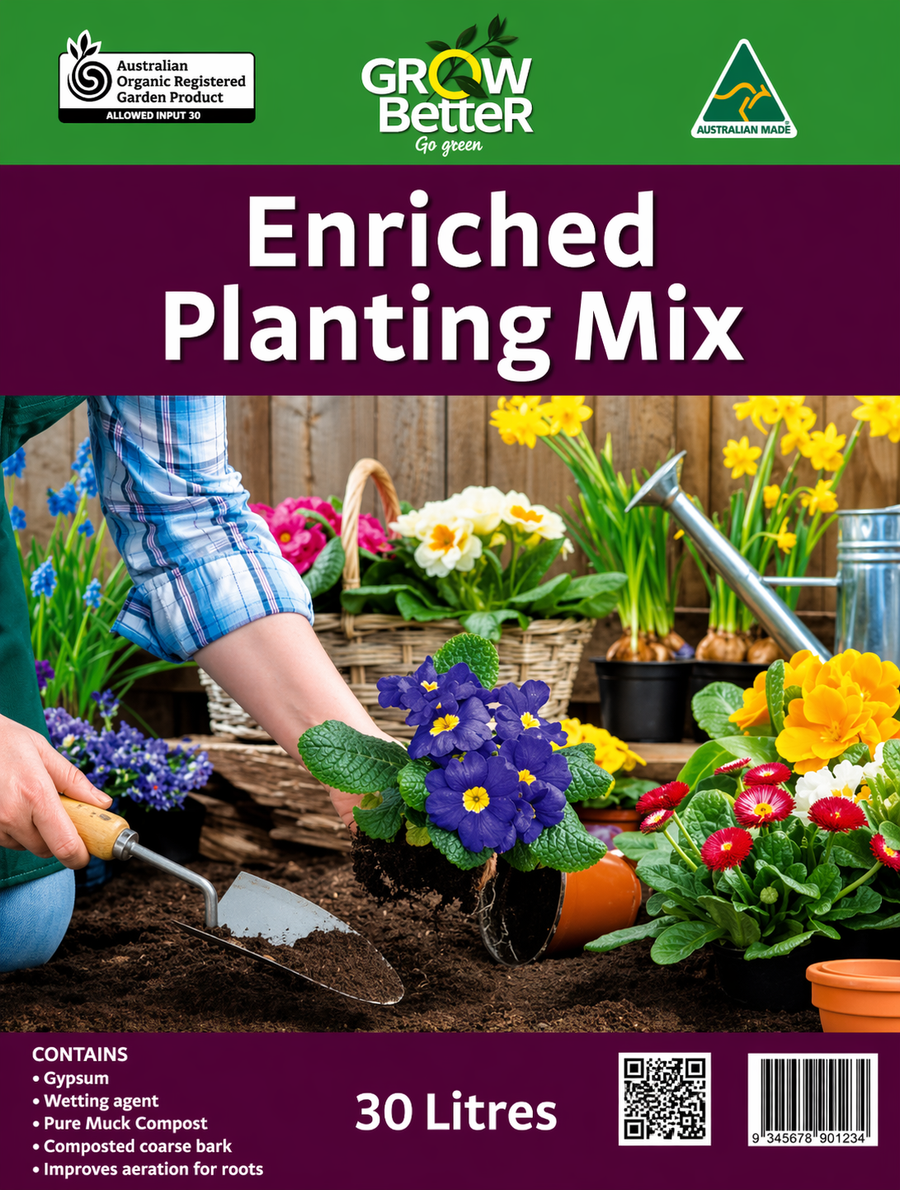
Enriched Planting Mix (AO Certified)
Type: Structural Foliage
Buxus japonica Japanese Box Topiary Balls
Type: Hedging and Screening Trees
Rhaphiolepis indica 'Oriental Pearl'
Type: Hedging and Screening Trees
Pittosporum tenuifolium 'Silver Sheen'
Type: Evergreen
Gardenia augusta ‘Magnifica’ – Magnifica Gardenia
Type: Feature Tree
Randia fitzalanii – Native Gardenia
Uses in my Garden
Uses in my Garden
Trachelospermum jasminoides – Star Jasmine (Tripods) works in an:
Is Trachelospermum jasminoides – Star Jasmine (Tripods) Evergreen or Deciduous?
Trachelospermum jasminoides – Star Jasmine (Tripods) is an Evergreen (foliage year round) Tree
Mature Height & Width
Mature Height: 3m to 6m (if untrained)
Mature Width: 1m to 2m
Trachelospermum jasminoides – Star Jasmine (Tripods) is expected to grow 30cm to 60cm per year (moderate).
Growth Rate of Trachelospermum jasminoides – Star Jasmine (Tripods)
Trachelospermum jasminoides – Star Jasmine (Tripods) is expected to grow 30cm to 60cm per year (moderate).
They are considered to have a:
Frost Tolerance & Ideal Climate to plant Trachelospermum jasminoides – Star Jasmine (Tripods)
Is Trachelospermum jasminoides – Star Jasmine (Tripods) frost tolerant?
Trachelospermum jasminoides – Star Jasmine (Tripods) is Frost Tolerant – Can handle light to moderate frost once established.
Does Trachelospermum jasminoides – Star Jasmine (Tripods) Flower?
Trachelospermum jasminoides produces masses of highly fragrant, star-shaped white flowers from late spring through summer. The blooms contrast beautifully with its glossy green foliage, creating a long-lasting and ornamental display that is especially showy when trained on tripods or frames.
Does Trachelospermum jasminoides – Star Jasmine (Tripods) flower?
Flowering Period:
Flower Type:
Flower Colour:
White
Is Trachelospermum jasminoides – Star Jasmine (Tripods) an Australian Native Tree?
No
Trachelospermum jasminoides – Star Jasmine (Tripods) is Native to Eastern Asia, including China, Japan, and Korea, where it grows as a climbing or groundcover vine in woodland margins.
What is the Wildlife Value of Trachelospermum jasminoides – Star Jasmine (Tripods) ?
Its fragrant white flowers provide a rich nectar source for bees, hoverflies and other beneficial pollinators, especially during the warmer months. The dense, evergreen foliage also offers valuable shelter for small insects and provides light cover for ground-dwelling wildlife, supporting biodiversity in both courtyards and garden beds.
How much Sunlight does Trachelospermum jasminoides – Star Jasmine (Tripods) need?
Trachelospermum jasminoides – Star Jasmine (Tripods) will thrive best in:
Preferred Soil?
Preferred Soil?
Trachelospermum jasminoides performs best in well-drained loam or sandy loam soils with an acidic to neutral pH. It will also tolerate lighter sandy soils if enriched with organic matter to improve moisture retention. Avoid heavy clay or poorly drained areas unless significantly improved, as excess moisture can stress the root system. Keep the soil evenly moist during establishment, then gradually reduce watering as the plant matures.
Is Trachelospermum jasminoides – Star Jasmine (Tripods) Drought Tolerant?
Is Trachelospermum jasminoides – Star Jasmine (Tripods) Drought tolerant?
As a young plant it requires regular watering to establish strong roots. Once established, Star Jasmine develops moderate drought tolerance and performs reliably through dry periods when planted in well-drained soil. It maintains healthy foliage with only occasional supplementary watering during extended heat.
Planting Information
How To Plant Your Trachelospermum jasminoides – Star Jasmine (Tripods)
Recommended Planting Spacing For Your Trachelospermum jasminoides – Star Jasmine (Tripods)
Trachelospermum jasminoides – Star Jasmine (Tripods) is expected to grow 30cm to 60cm per year (moderate).