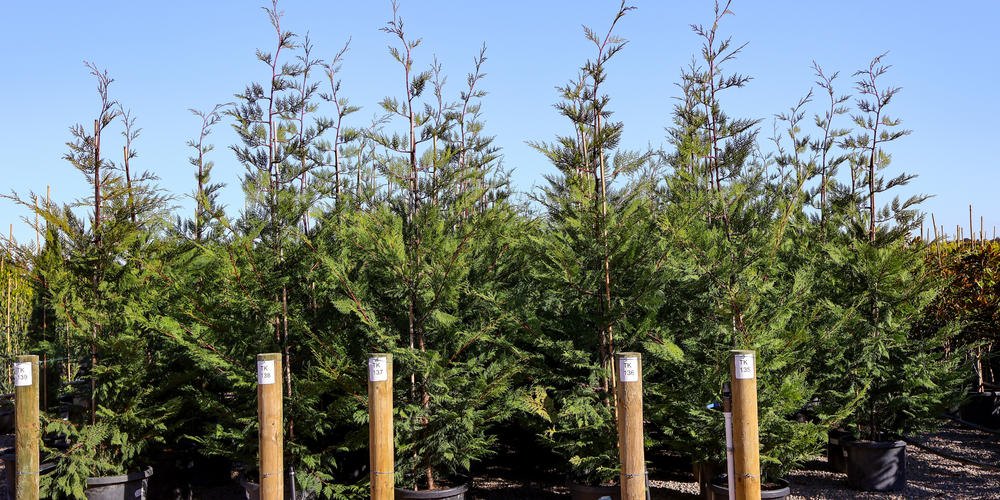
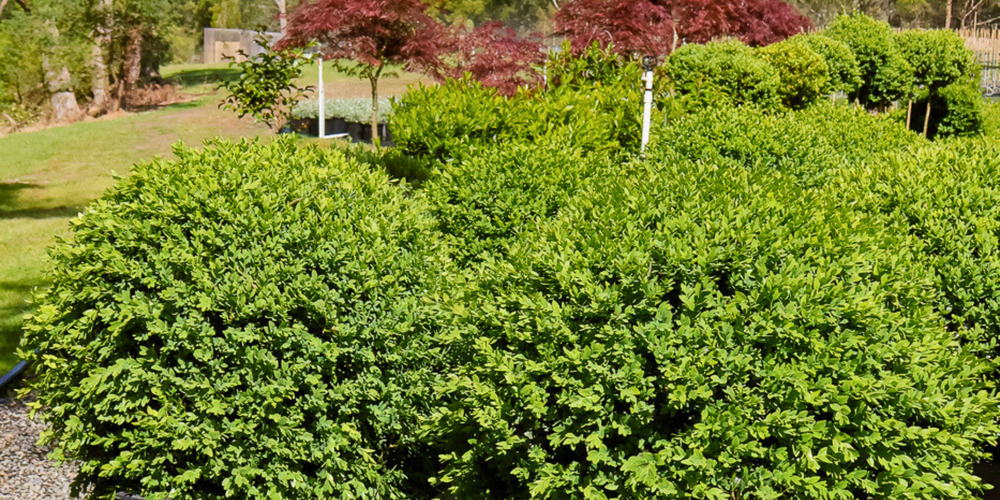
- Mature height
- 3m to 6m
- Mature width
- 2m to 4m
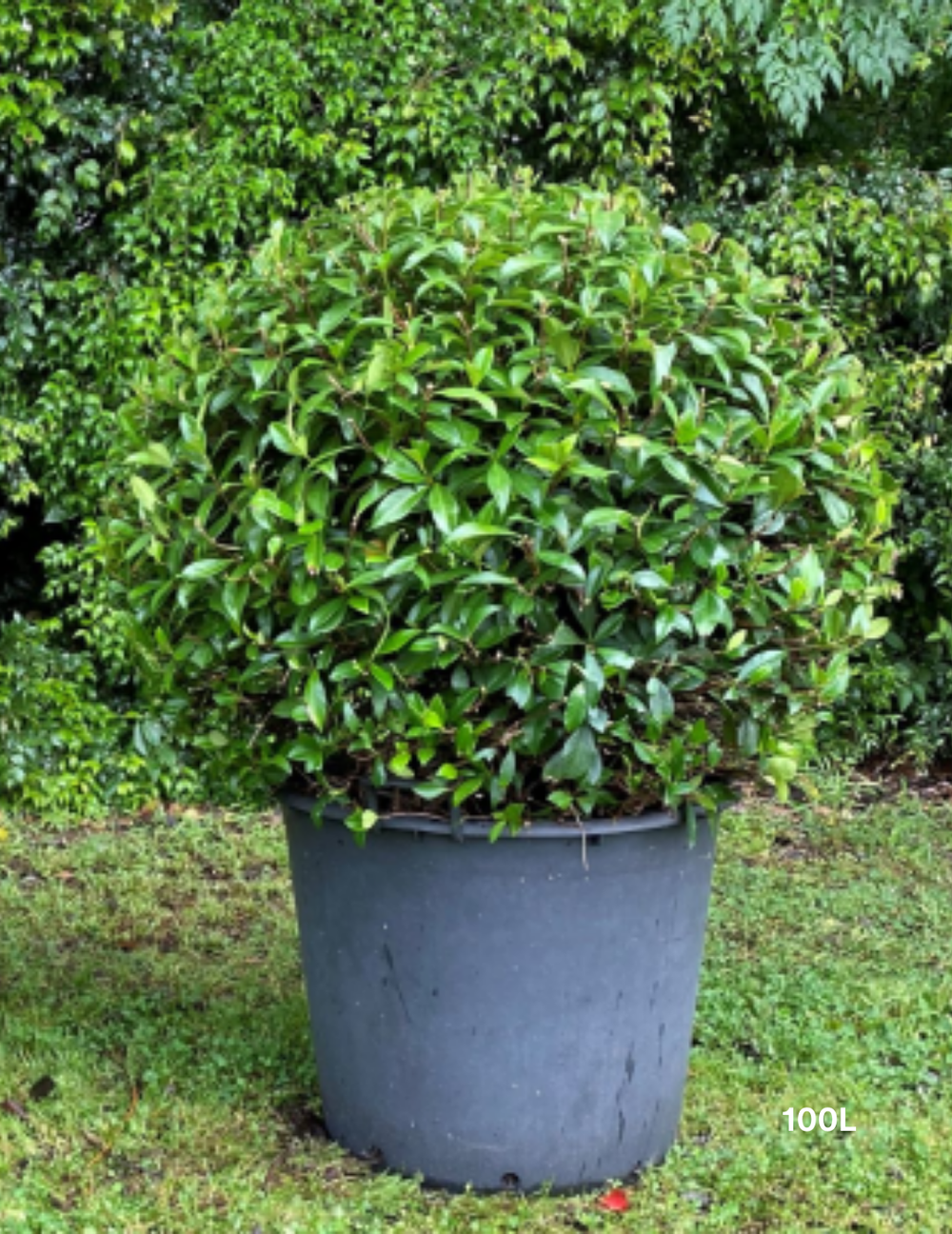
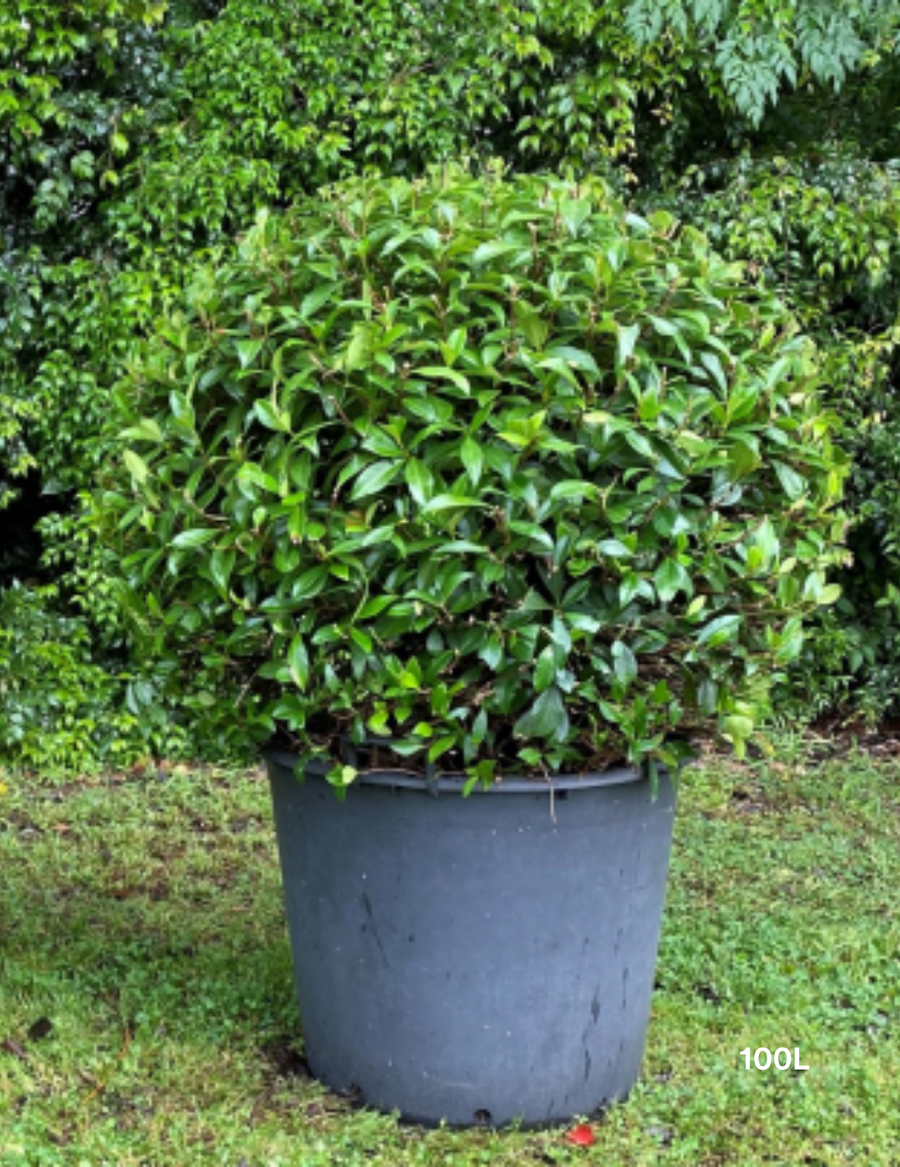
Osmanthus x fortunei, Fortune's osmanthus, is a large dense evergreen shrub or small tree with glossy holly-shaped leaves that lose their teeth as the plant matures. Small ivory flowers open through autumn and into winter and carry a powerful apricot fragrance that travels well beyond the plant itself.
Full sun to part shade and a fertile, free-draining soil give the best growth, around 30 to 60 centimetres a year. It shrugs off light to moderate frost once established and handles coastal exposure and city air. Temperate, subtropical and coastal regions suit it, and mature plants cope with dry spells.
Left alone it makes 3 to 5 metres tall and 2 to 3 metres across, and it clips readily into a lower hedge or screen. Use it along a boundary, behind a seat, or as a fragrant backdrop in a courtyard. Few evergreens of this size flower so strongly in the cold months.
Frequently Asked Questions
About Fortune's Osmanthus
What is Osmanthus x fortunei?
Fortune's osmanthus is a hybrid of Osmanthus heterophyllus and Osmanthus fragrans, grown as a large dense evergreen shrub or small tree. Young leaves are holly shaped and toothed, becoming smoother with age. Ivory flowers open through autumn and winter with a powerful apricot scent that carries across a garden.
How big does it grow?
Unpruned it makes about 3 to 5 metres tall and 2 to 3 metres wide over time, growing 30 to 60 centimetres a year. It responds well to clipping, so a hedge can be held anywhere from 1.5 metres upward. The habit is dense from the ground, which makes it useful where screening is the goal.
Is it evergreen?
Yes, it holds glossy dark foliage all year and does not thin out over winter. That matters here because the flowering season is autumn and winter, so the plant is at its most useful when much of the garden has gone bare. Leaf drop is gradual and light rather than seasonal.
When does it flower and is it fragrant?
Flowering runs through autumn and into winter, roughly March to July depending on the district. The flowers are small, clustered and ivory, easy to overlook by eye, but the fragrance is strong and apricot like. Plant it near a path, door or window where the scent will actually be noticed.
Does it need sun or shade?
Full sun to part shade. Full sun gives the tightest growth and the best flowering, while part shade is fine and suits hot inland positions. It tolerates coastal exposure and urban air, and it will grow in fairly deep shade, though it becomes more open and flowers less generously there.
Is it suitable for hedging, and how far apart?
It makes a good tall hedge or screen. Plant 1 to 1.5 metres apart for a solid screen, or 80 centimetres apart if you want a tighter formal face and quicker closure. Clip once flowering finishes so you do not remove the coming season's buds. It will regrow from moderately hard cuts.
How do I care for Fortune's Osmanthus?
Give it a fertile, free-draining soil, water through the first two summers and mulch to keep the roots cool. Once established it manages dry spells well. Prune in late winter or early spring after flowering, feed with a general fertiliser at the same time, and keep the base clear of competing grass.