- Mature height
- 5m to 12m (approx.)
- Mature width
- 3m to 6m
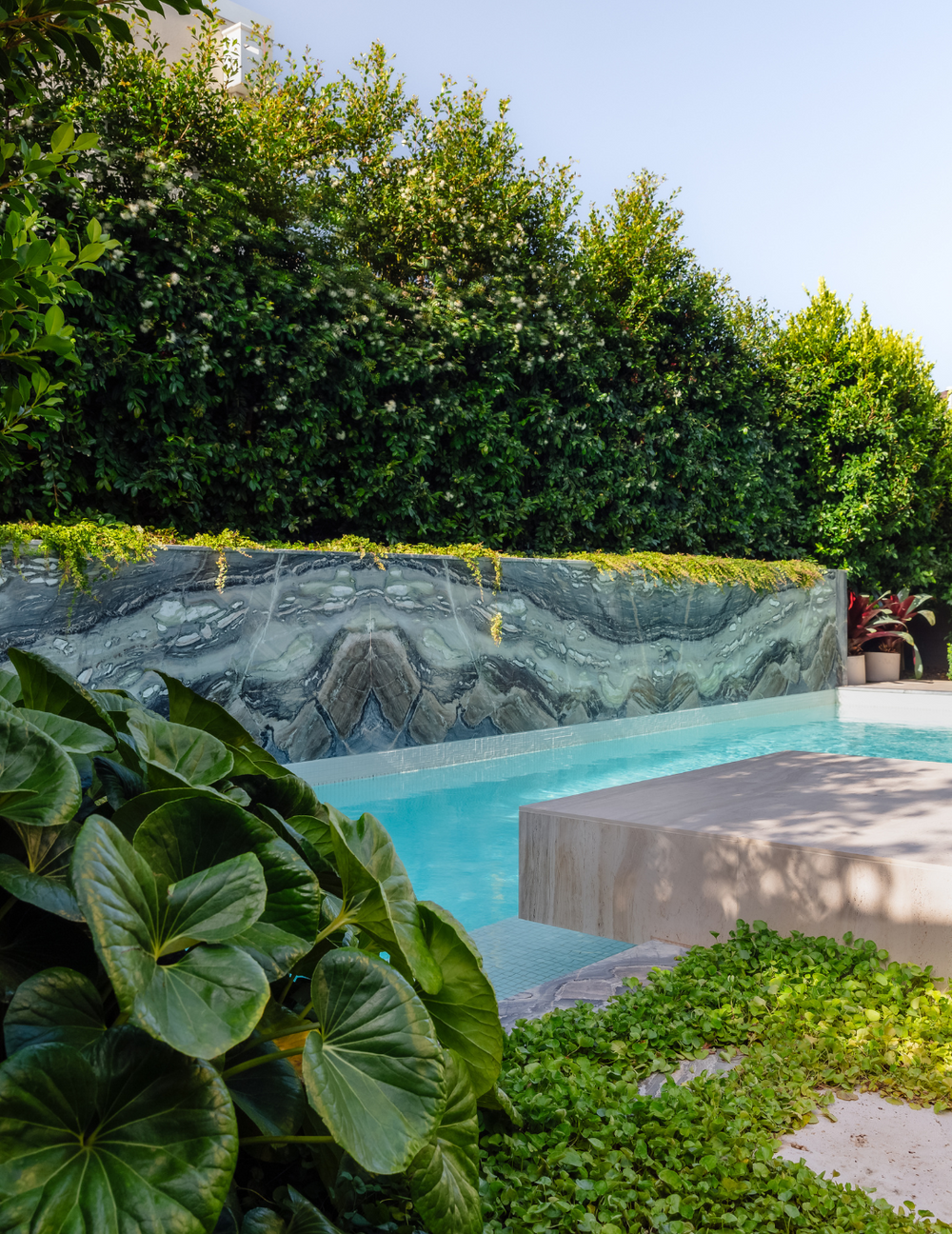
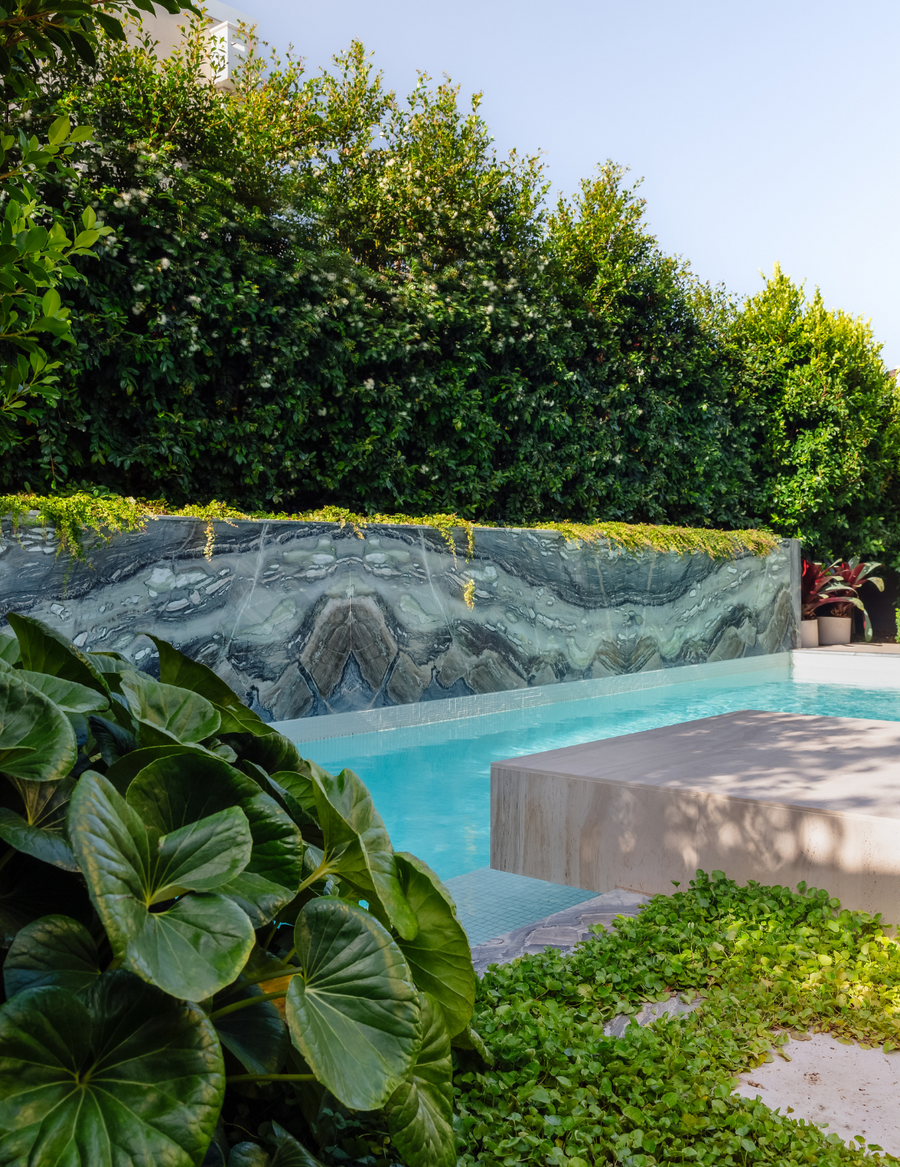
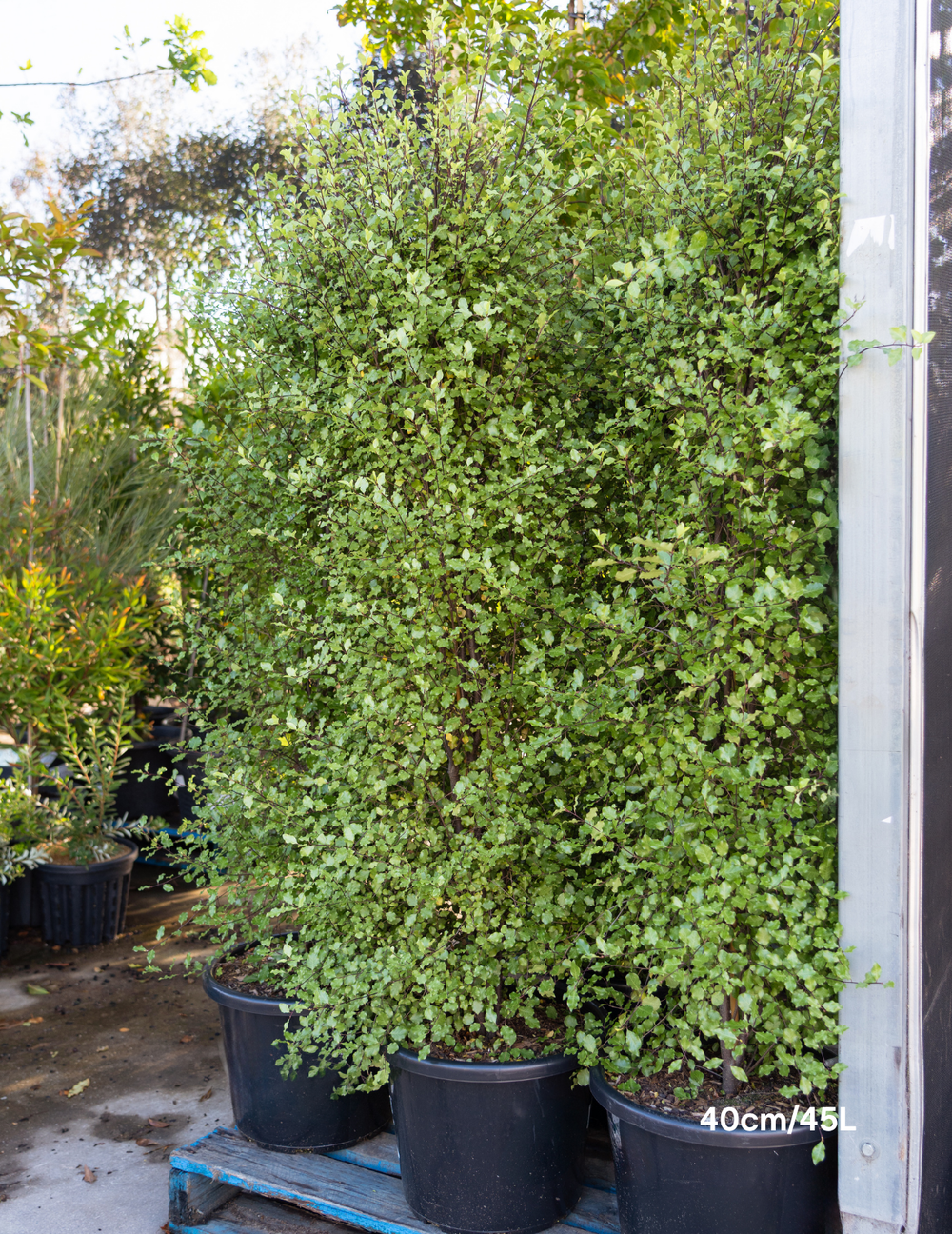
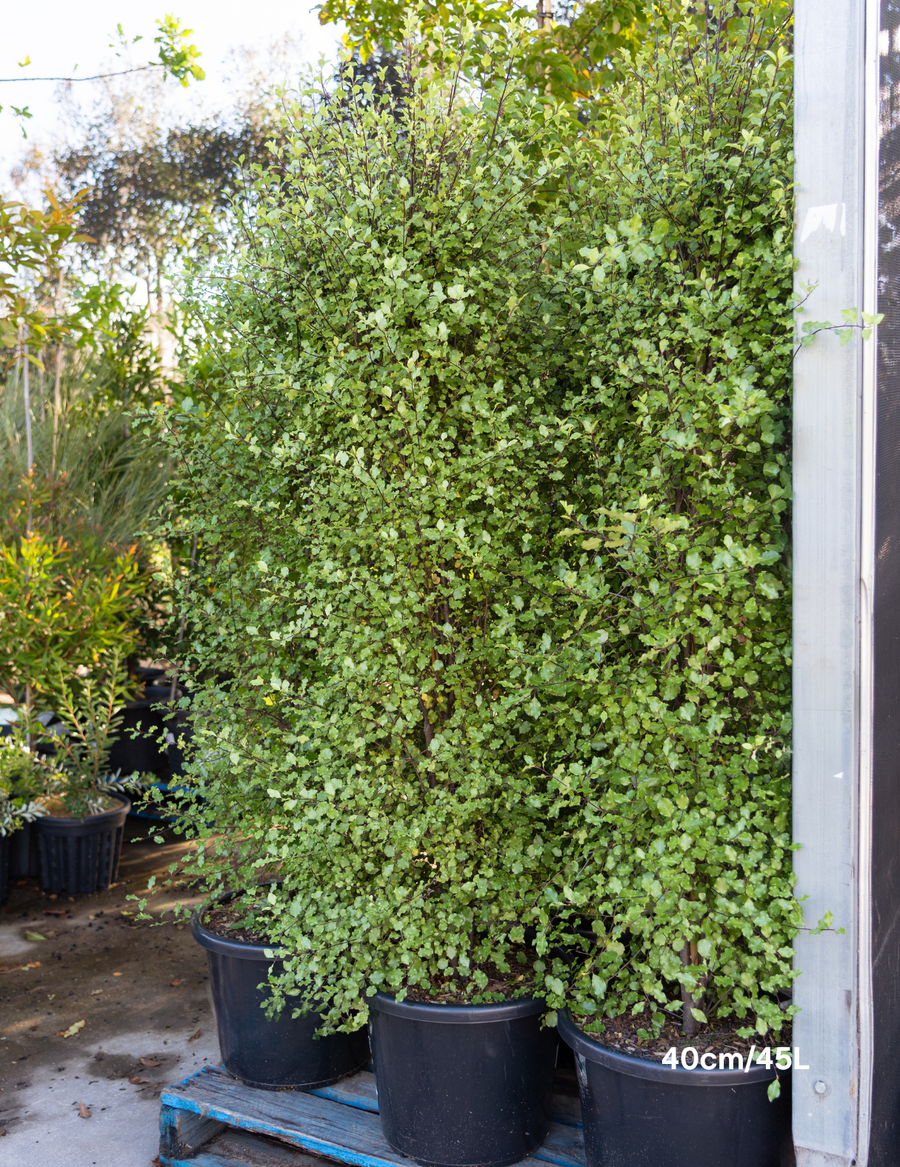
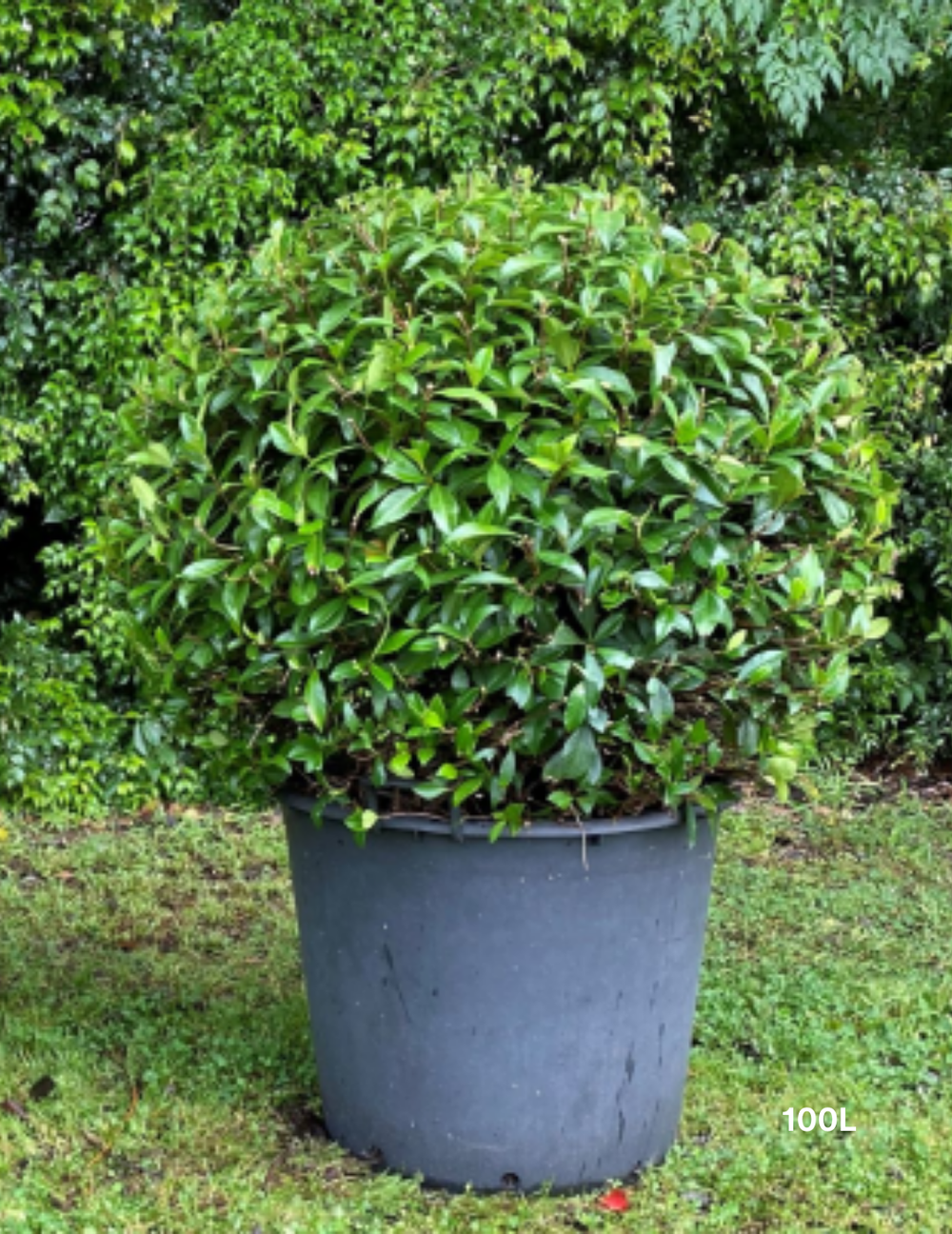
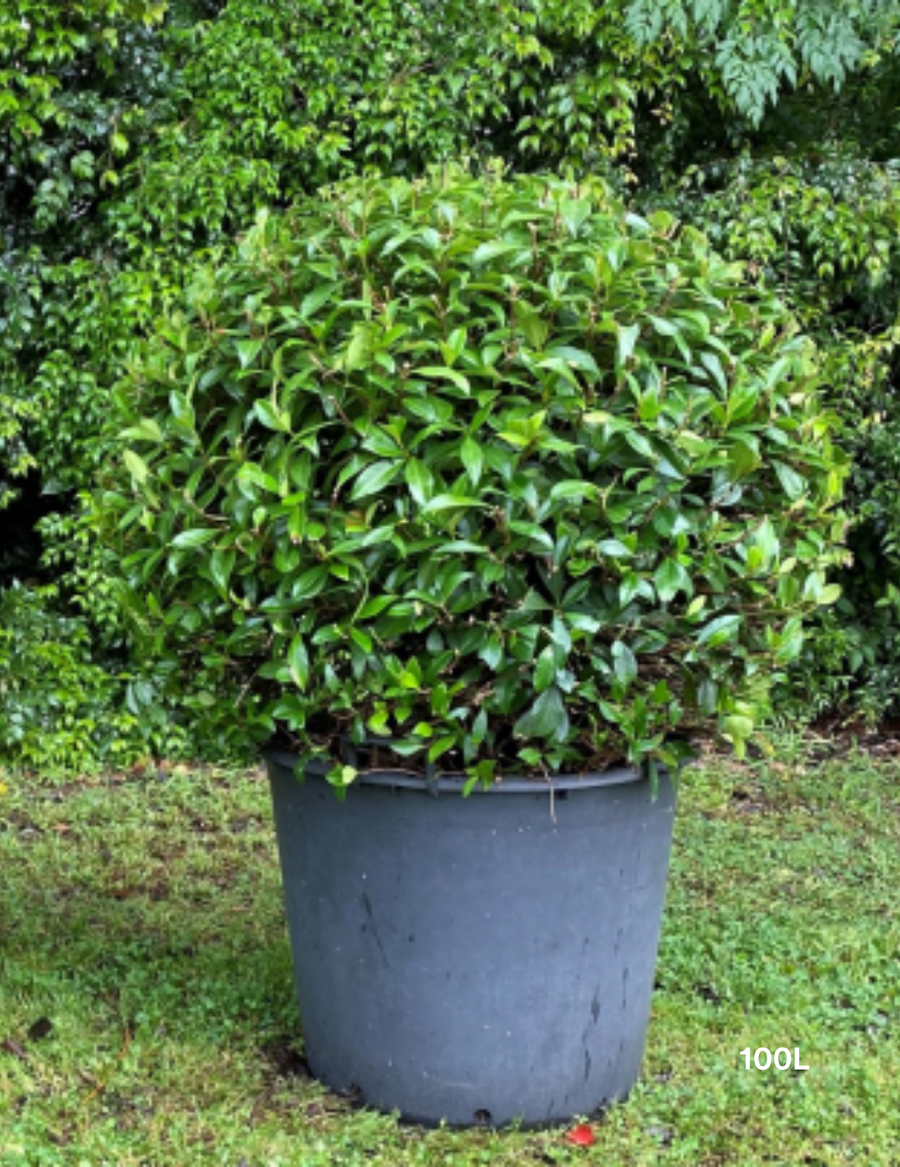
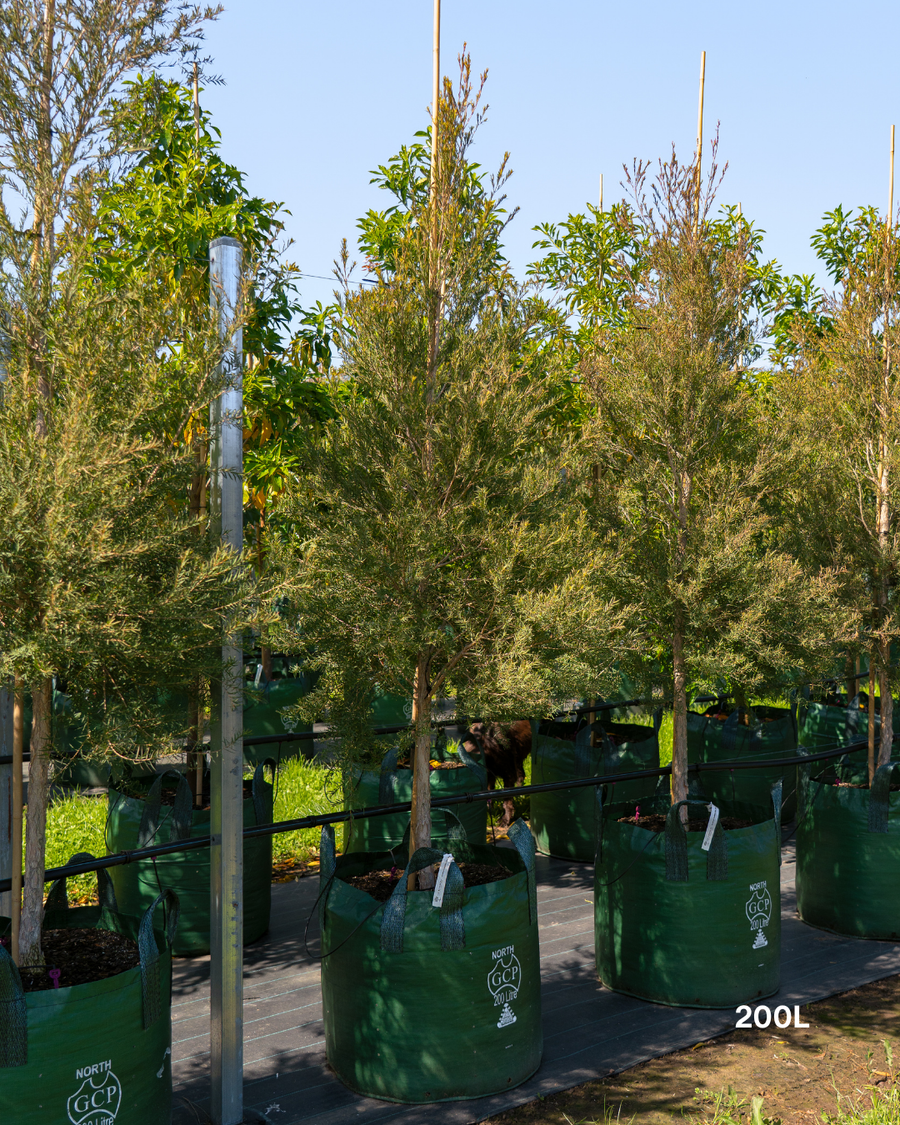
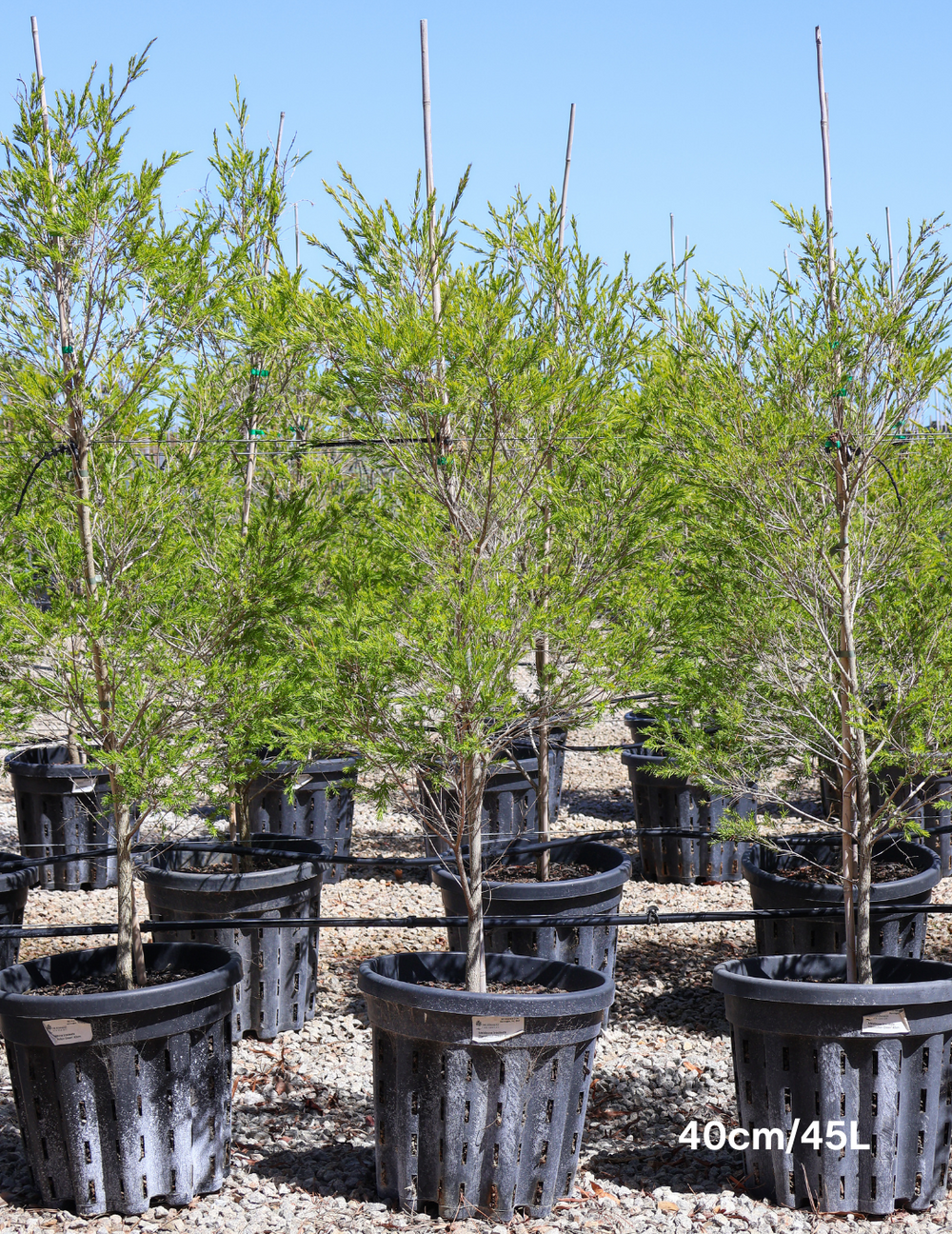
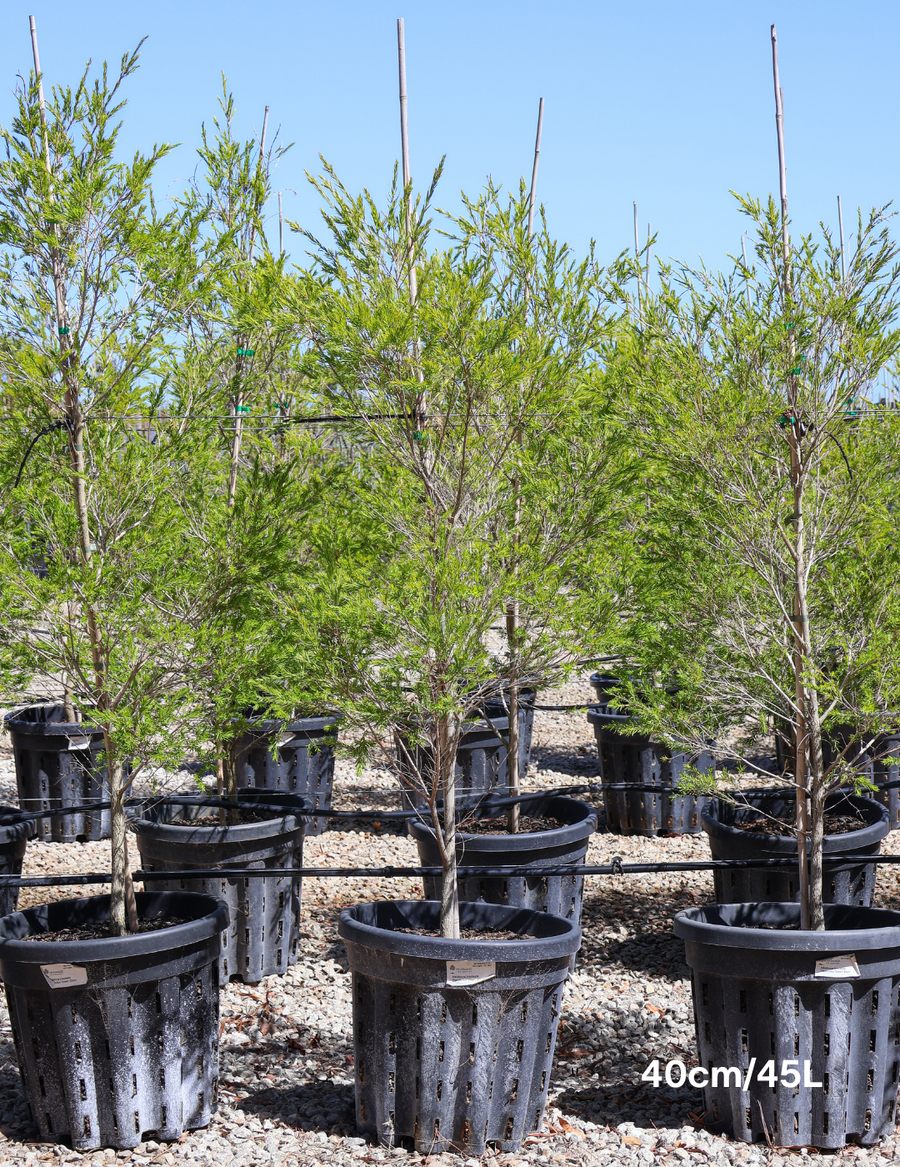
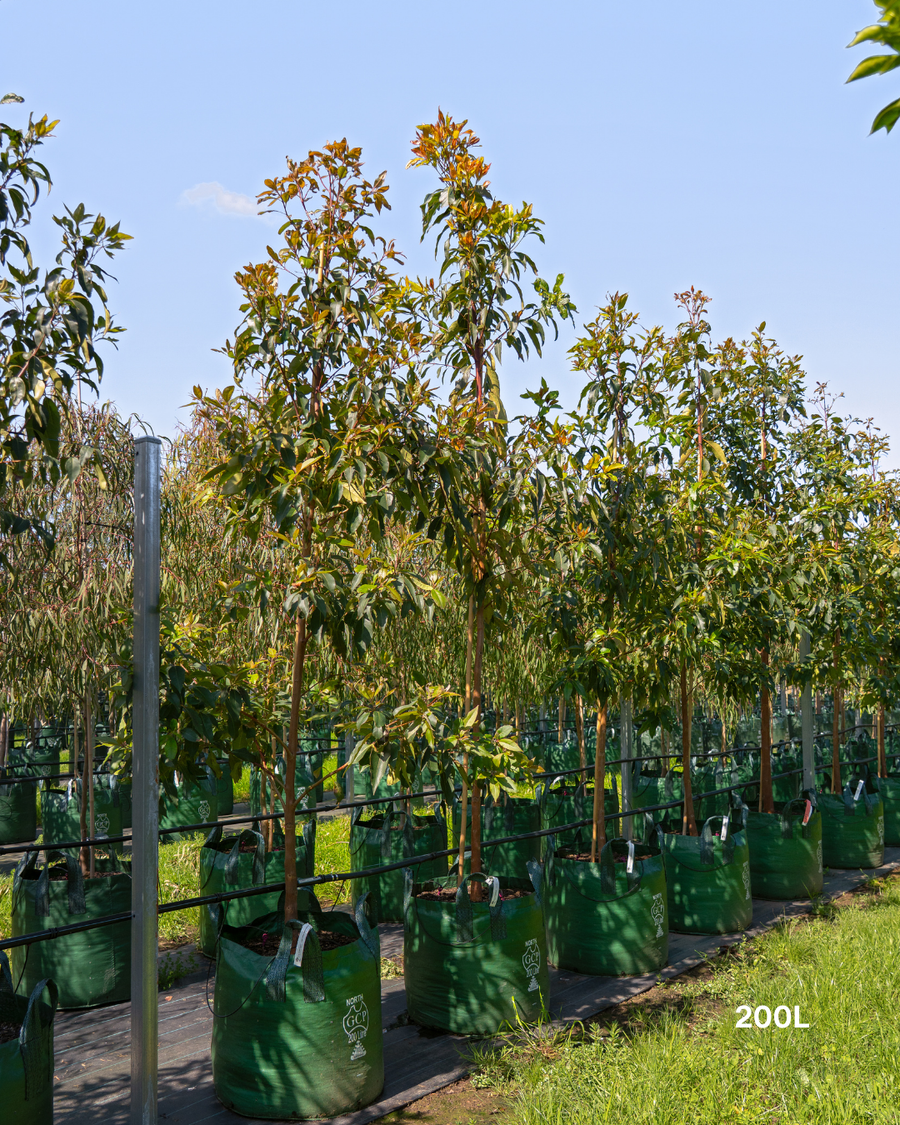
Melaleuca lanceolata, the Moonah, is an evergreen Australian native tree or large shrub found along the southern coastline. It develops a broad spreading crown of fine, aromatic lance shaped leaves over a short gnarled trunk with flaky, layered bark. Creamy white bottlebrush flowers cover the canopy in spring.
It grows 4 to 10 metres tall and 3 to 6 metres wide at a moderate 30 to 60 centimetres a year. Full sun to part shade, alkaline limestone sand, heavy clay and salt wind are all within its range. It is frost hardy, surviving heavy and frequent frost without damage, and very drought tolerant.
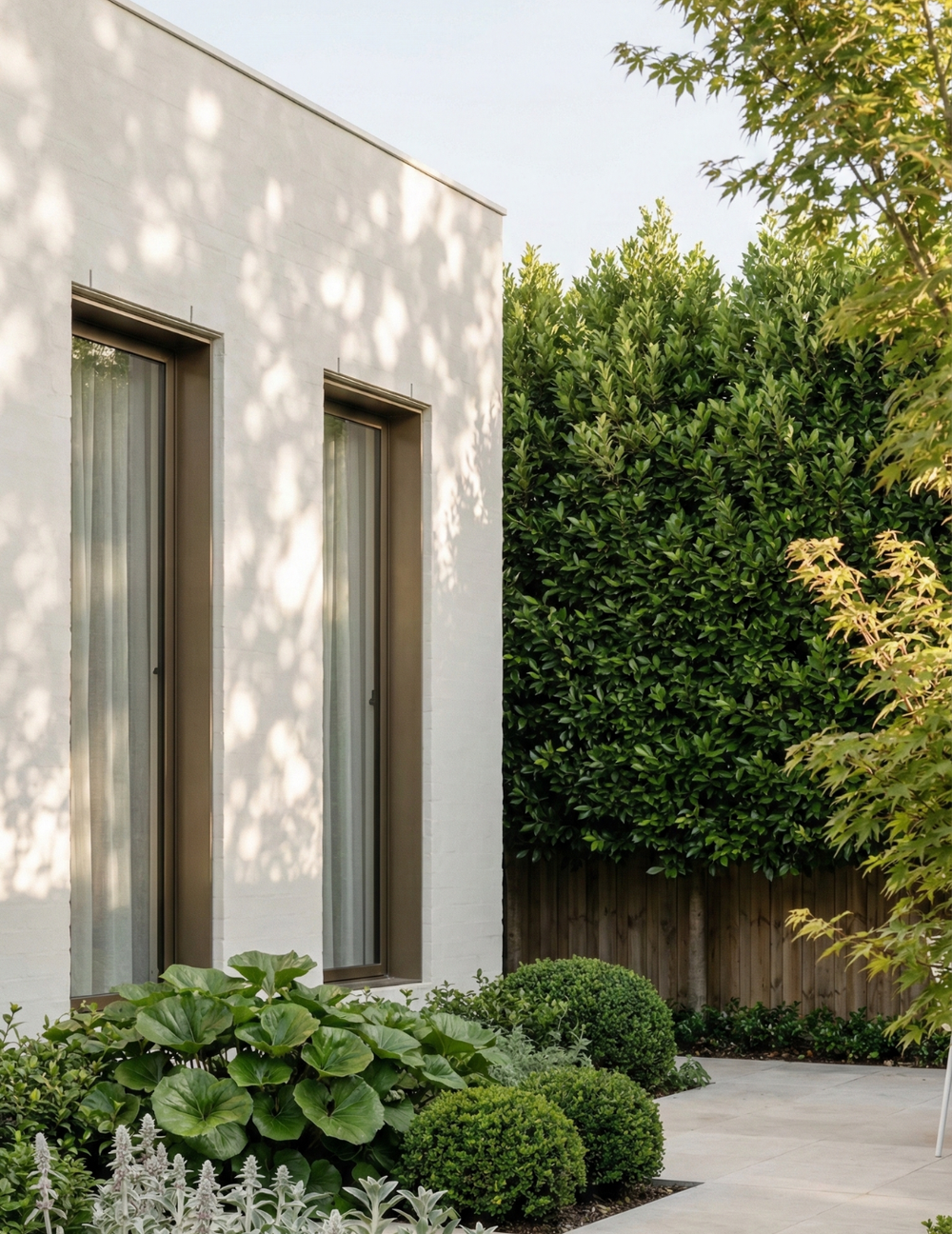
It is planted for coastal windbreaks, revegetation and habitat work, and as a shade tree on exposed rural land. Older specimens take on a windswept, sculptural character that suits naturalistic design. On a site where little else will hold on, the Moonah is among the safest choices available.
Frequently Asked Questions
About Moonah Tree
What is the Moonah Tree?
Moonah is the common name for Melaleuca lanceolata, an evergreen Australian native tree or large shrub from southern coastal regions. It has fine aromatic lance shaped leaves, flaky papery bark and a broad, often gnarled crown. Clusters of creamy white bottlebrush flowers appear in spring and draw bees and nectar feeding birds.
How big does the Moonah Tree grow?
It grows 4 to 10 metres tall and 3 to 6 metres wide, with the smaller end of that range typical of exposed coastal sites and the larger end of sheltered inland positions with deeper soil. In wind it stays lower and broader. Growth is moderate at roughly 30 to 60 centimetres a year.
Is it suitable for coastal positions?
It is one of the best trees available for coastal work. It grows naturally on limestone and calcareous sand within reach of salt spray, and tolerates constant wind, poor soil and long dry spells. It is used widely in front line dune plantings and coastal revegetation projects across southern Australia for exactly that reason.
Is it frost tolerant?
Yes, it is genuinely frost hardy and survives heavy and frequent frost without damage, which sets it apart from many other Melaleucas. That makes it a sound choice for inland and tableland sites as well as the coast. Combined with its drought tolerance, it handles a wide temperature swing between seasons.
How fast does it grow?
Growth is moderate, around 30 to 60 centimetres a year, which is steadier than fast screening natives but produces a much tougher, longer lived tree. Expect a useful windbreak within four to five years and a genuine shade canopy after about ten. Older trees develop the gnarled trunk the species is known for.
Does it attract birds?
Yes. The spring flowers carry plenty of nectar and bring in honeyeaters, wattlebirds and native bees. The dense, twiggy canopy gives small birds shelter and nesting sites, and the tree is a recognised habitat species in coastal Victoria and South Australia. It is a common inclusion in habitat and revegetation plantings.
How do I care for the Moonah Tree?
Water through the first year to establish the roots, then leave it to natural rainfall in most districts. It needs no routine pruning, though lower limbs can be lifted for clearance or dead wood removed at any time. Mulch to conserve moisture while young and avoid rich fertiliser, which only produces soft growth.