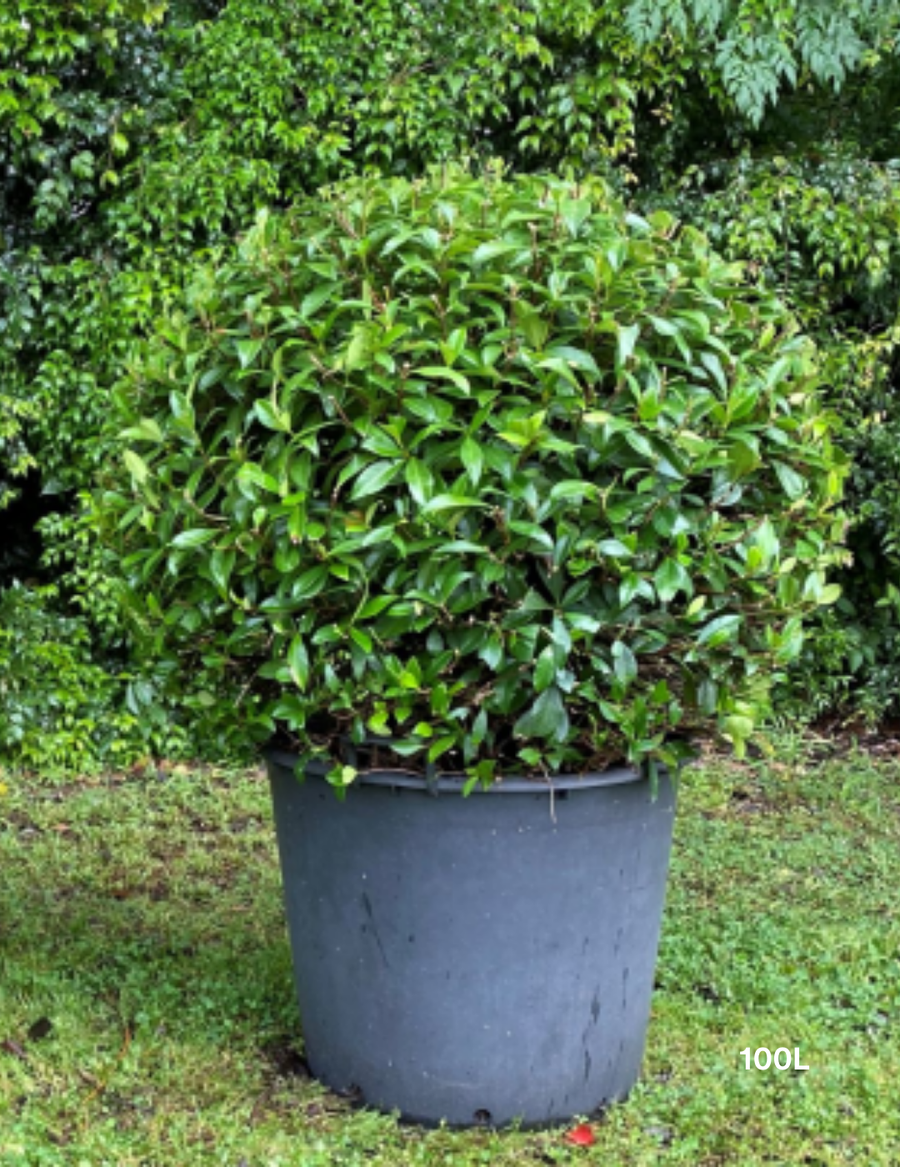
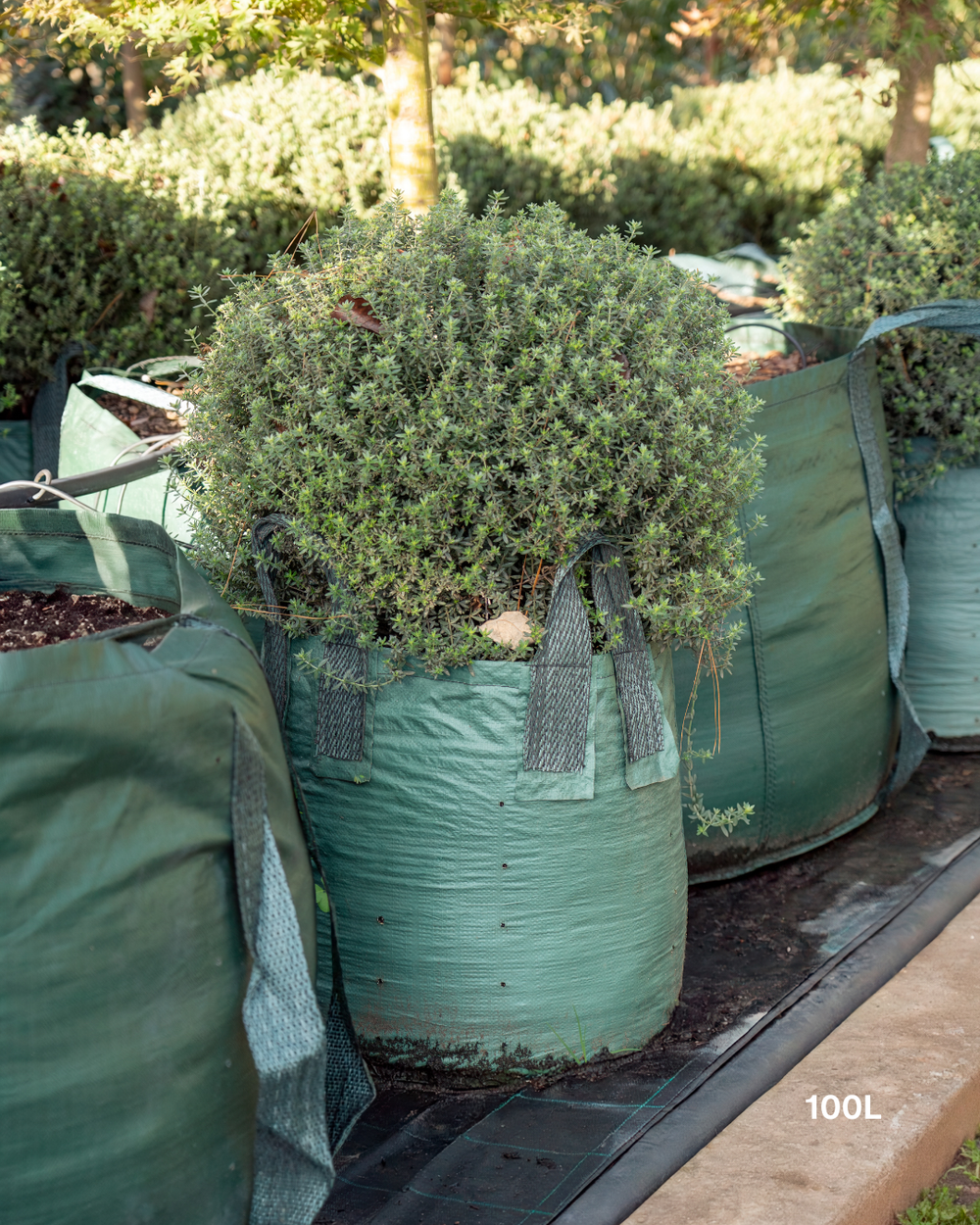
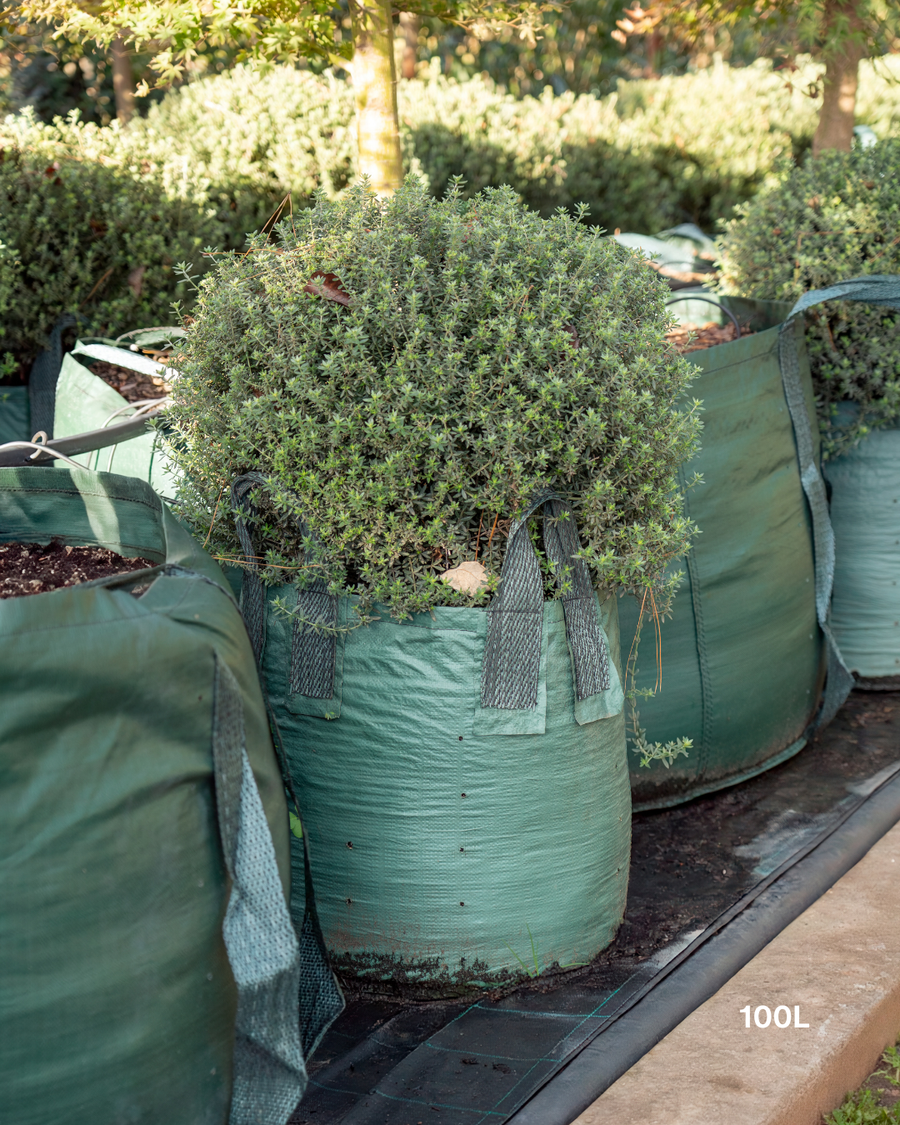
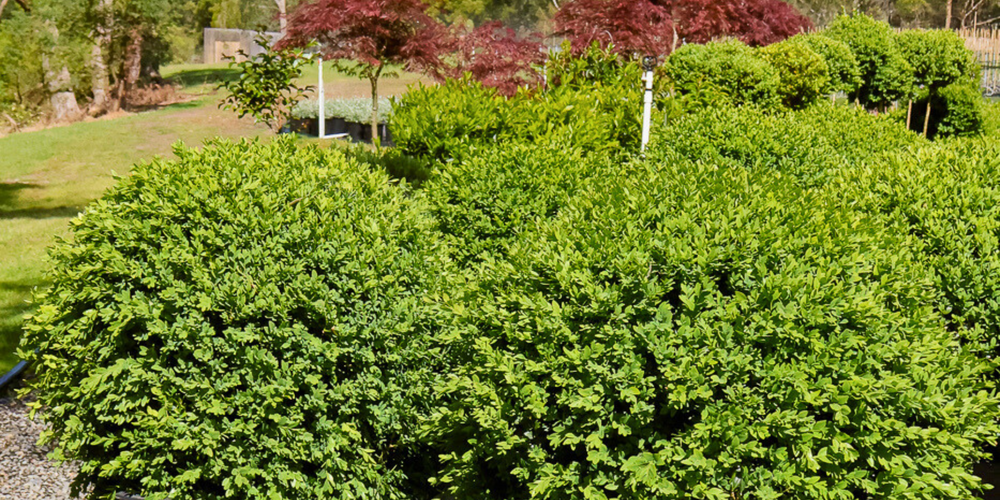
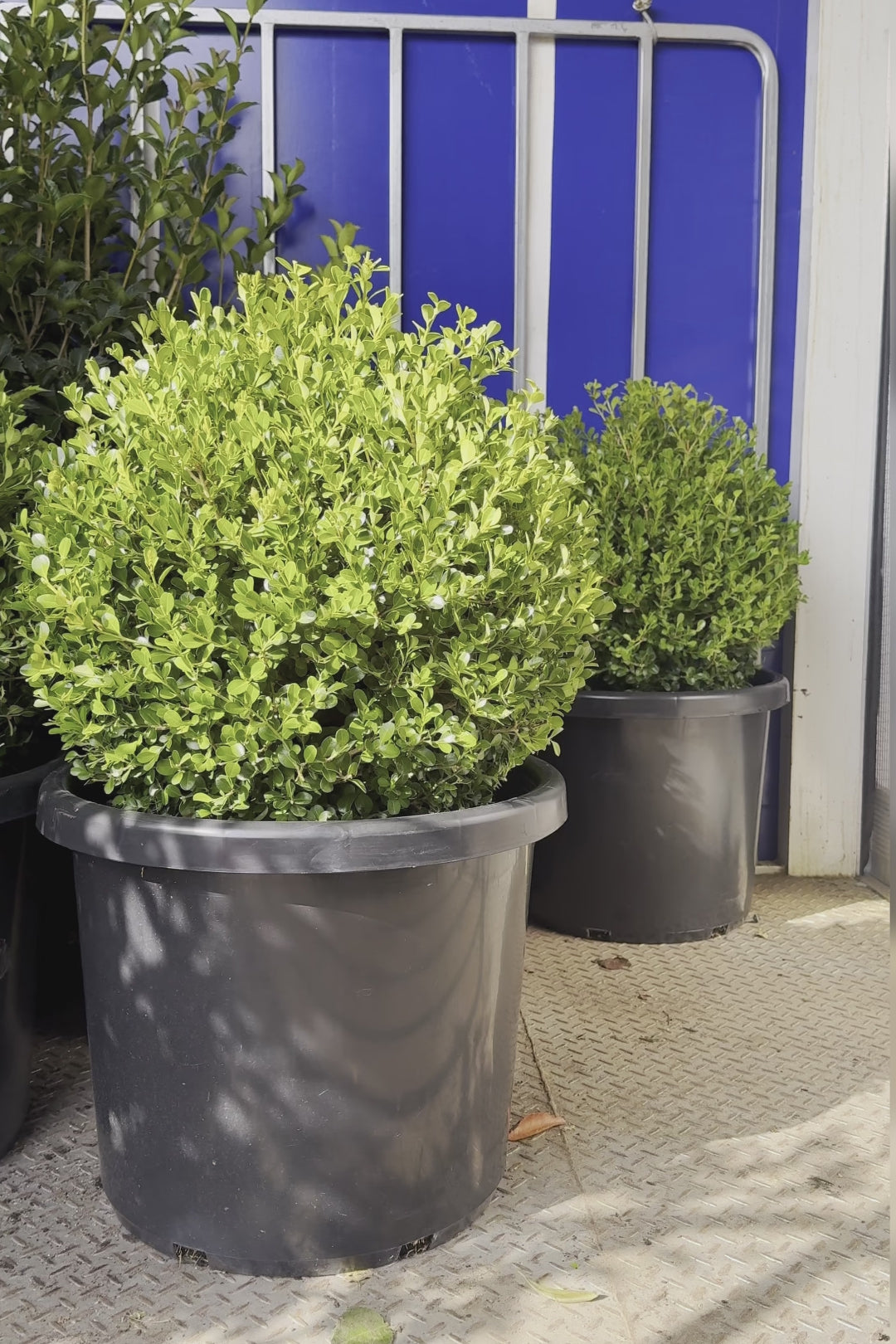
Buxus japonica Japanese Box Topiary Balls
Couldn't load pickup availability
Current Stock Height Guides
Height guide disclaimer: Height ranges are approximate only. As living products, plant heights naturally vary between individual plants, batches, and seasons. No guarantee is given that supplied plants will fall within the stated range. If minimum heights are required, you mustconfirm current batch heights with Evergreen Trees Direct prior to purchase. Variation in height is normal and is not grounds for return, refund, replacement, or compensation.
Mature Height & Width
Mature Height: 1m to 2m (approx.)
Mature Width: 1.2m to 1.5m
Buxus japonica Japanese Box Topiary Balls is expected to grow 15cm to 25cm per year (approx.).
Root Ball Dimensions
Use this as a reference when digging your planting hole. We recommend digging at least 10% wider than the dimensions below to encourage strong root development.
- 30cm Pot: 33cm (W) × 30cm (D)
- 40cm/45L Pot: 44cm (W) × 41.5cm (D)
- 50cm Pot / 70L Pot: 55cm (W) × 41.8cm (D)
- 100L Bag: 50.6cm (W) × 52.8cm (D)
- 150L Bag: 66cm (W) × 55cm (D)
- 200L Bag: 71.5cm (W) × 60.5cm (D)
- 300L Bag: 88cm (W) × 63.8cm (D)
- 400L Bag: 99cm (W) × 66cm (D)
- 500L Bag: 122cm (W) × 66cm (D)
- 750L Bag: 134cm (W) × 69cm (D)
- 1000L Bag: 146.3cm (W) × 71.5cm (D)
- 2000L Bag: 176cm (W) × 82.5cm (D)
Trade
Trade
We supply advanced trees to landscapers, developers, architects, and councils Australia-wide. Trade clients receive fast quotes, expert advice, and access to premium stock with reliable freight.
Shipping
Shipping
Shipping is calculated at checkout based on the pallet space your order occupies in the truck and your delivery location.
There is no charge to calculate your freight.
Contact
Contact
Have a question or a list to send through to us?
Email: sales@evergreentrees.com.au
Phone: (03) 7042 3318
Share this product

About Your New Buxus japonica Japanese Box Topiary Balls
Buxus microphylla var. japonica, sold as Japanese Box, is a dense evergreen shrub clipped here into clean topiary balls. The small, rounded, mid green leaves sit tightly along short stems, so the surface holds a crisp edge after cutting. Growth is naturally compact, which is what allows the ball shape to hold between trims.
It grows in full sun to part shade and accepts most soils that drain, from sandy loam through to improved clay. Cool temperate, temperate and subtropical districts all suit it, and established plants handle light to moderate frost. Growth runs about 15 to 25 centimetres a year, slow enough that the shape stays where you put it.
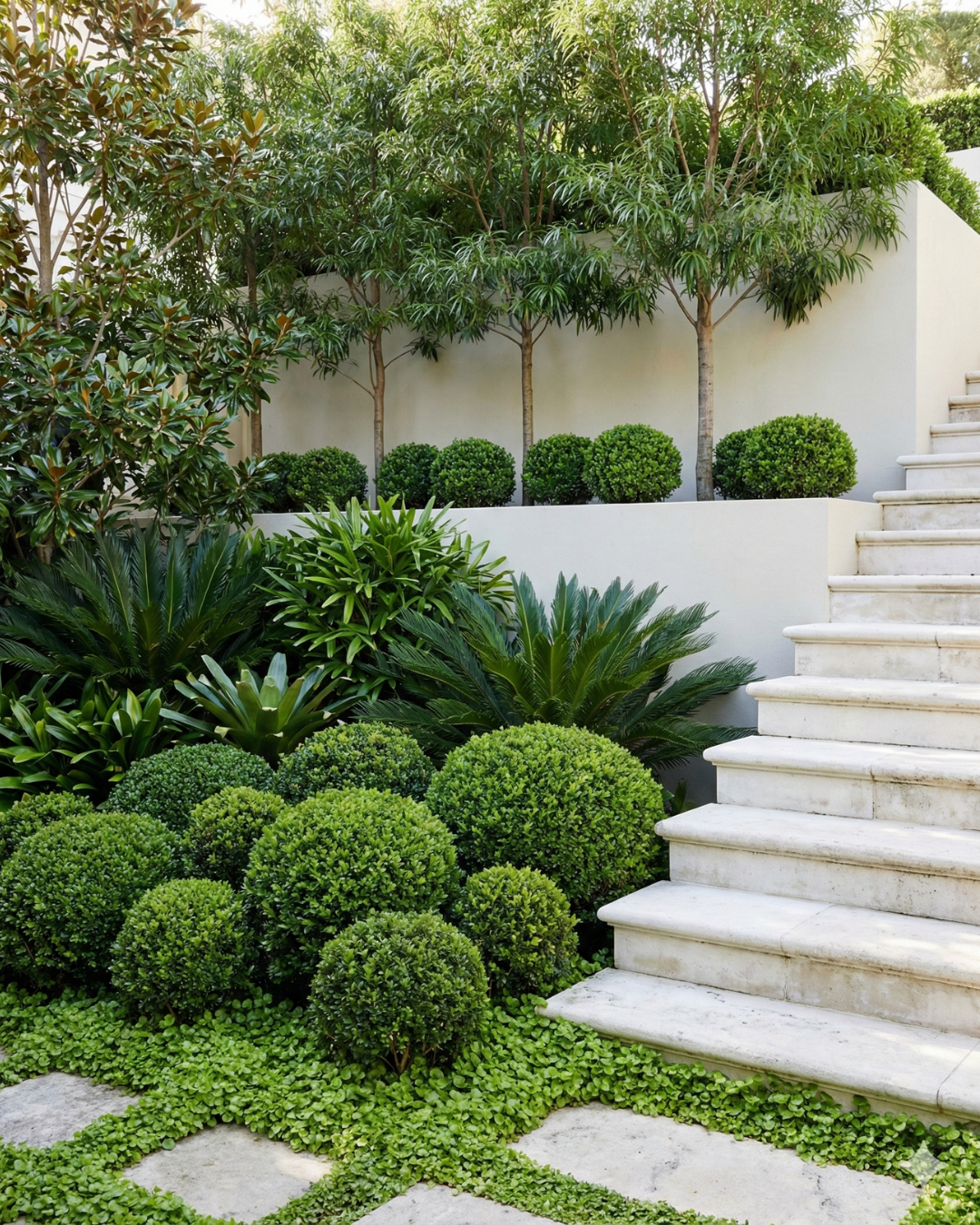
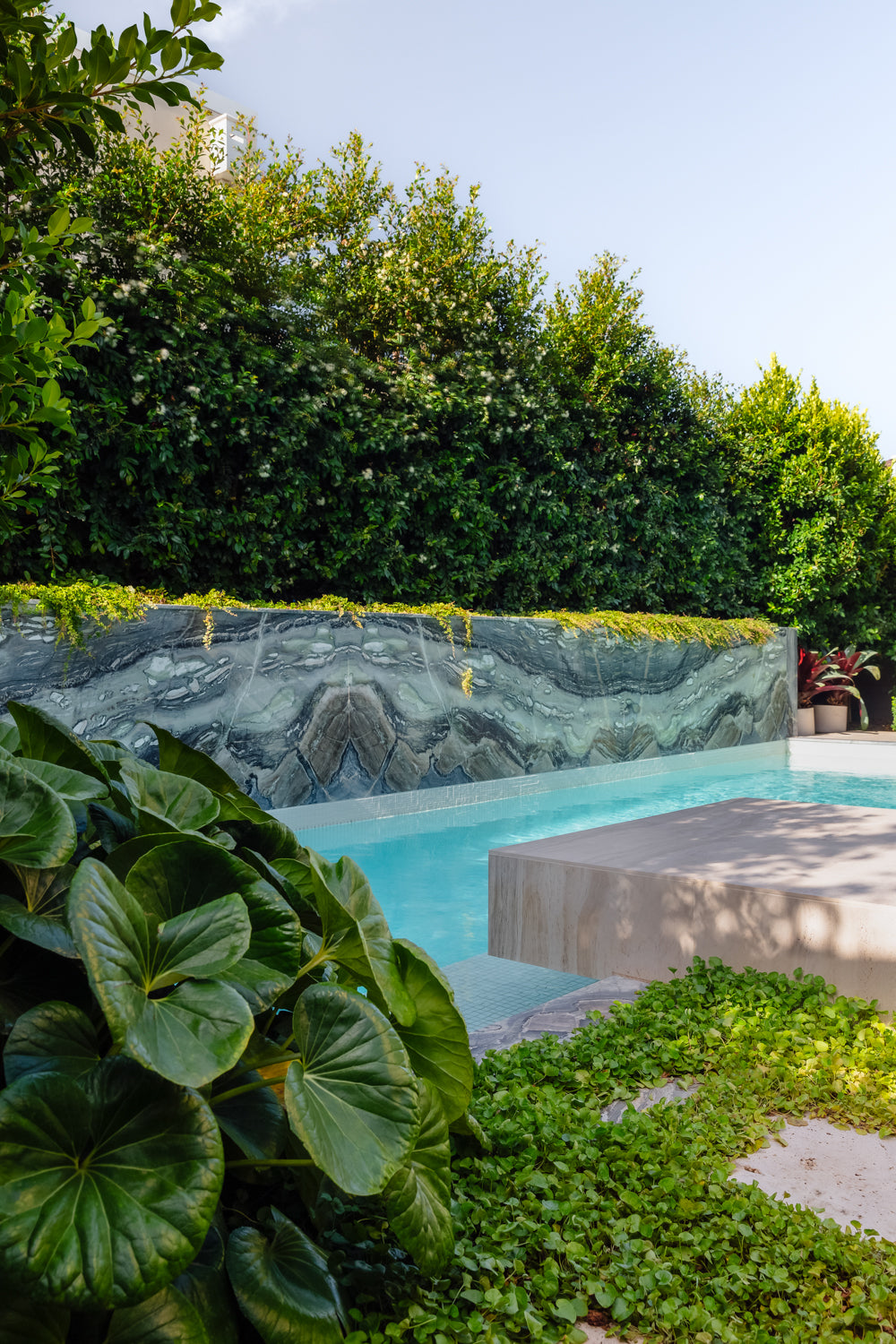
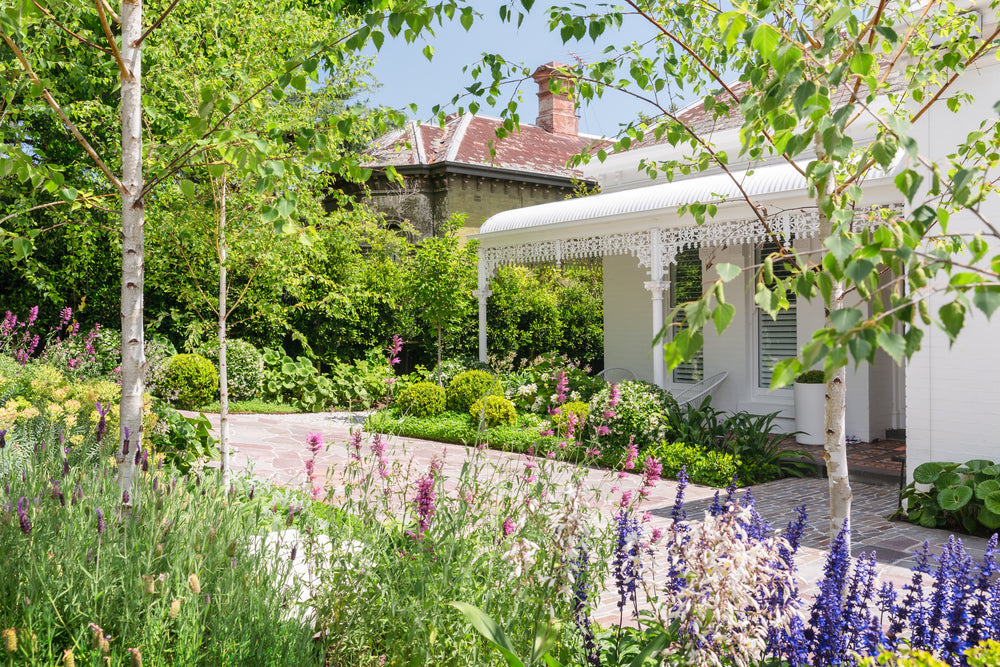
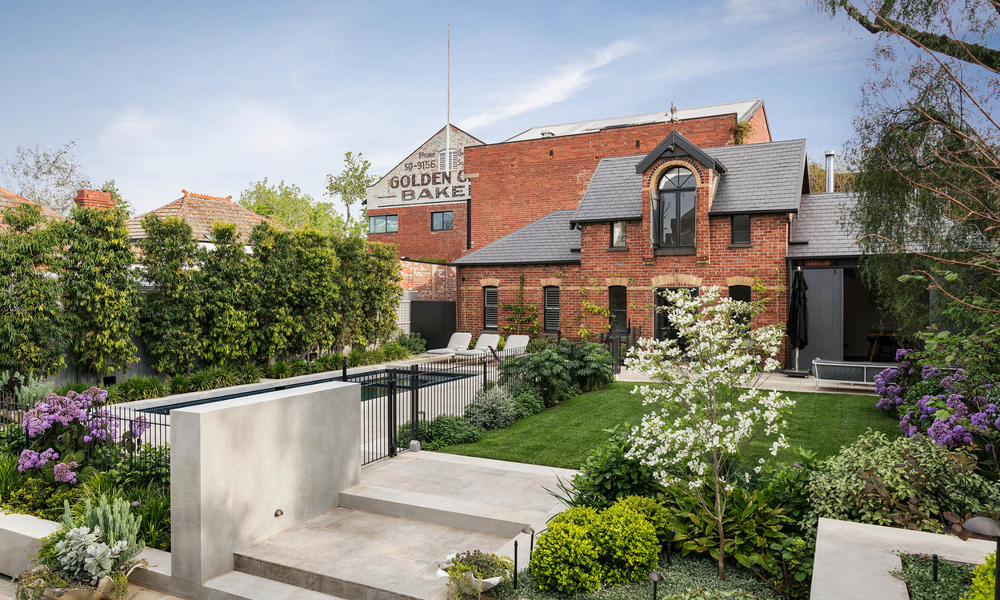
Balls are used to edge beds and paths, mark an entry, sit either side of a doorway, or repeat down a courtyard to give a planting rhythm. They also underplant feature trees neatly. Because the form arrives already grown, a bed reads finished from the day it goes in rather than years later.
Frequently Asked Questions
About Japanese Box Topiary Balls
What is a Japanese Box topiary ball?
It is Buxus microphylla var. japonica grown on and clipped into a sphere. The plant does the same job as any box shrub, evergreen, small leaved and tolerant of cutting, but it arrives already shaped. Ball diameters run from around 30 centimetres up to large advanced specimens, and the shape is then held with two trims a year.
How big do Japanese Box topiary balls get?
The ball is held at whatever diameter it is clipped to, commonly 30 to 70 centimetres, with larger specimens available in bigger containers. In the ground, overall height sits close to the ball diameter. Left entirely unclipped the species would slowly reach roughly 1.5 to 2 metres tall and wide over many years.
How fast does Japanese Box grow?
About 15 to 25 centimetres a year, which is slow to moderate. That pace is an advantage in topiary because the outline drifts gradually rather than running away between cuts. Two trims a year, one in early spring and one in late summer, are usually enough to keep the surface tight and the profile even.
Does it need sun or shade?
Full sun to part shade both work. Full sun gives the densest, tightest surface, which matters when the appeal of the plant is a clean clipped edge. In hot inland gardens some afternoon shade prevents leaf scorch and bronzing. Deep shade thins the growth out and the ball loses its crisp outline.
Is Japanese Box frost tolerant?
Yes. Established plants handle light to moderate frost without damage, which covers most temperate and cool temperate gardens including Canberra, Melbourne and the southern tablelands. Newly planted stock is more exposed, so water it well going into winter and mulch the root zone. Any frost burnt tips can simply be trimmed off in spring.
Can Japanese Box topiary balls grow in pots?
Yes, they are one of the better plants for a container. A pot 40 to 50 centimetres wide suits a single ball for a courtyard, entry or balcony. Use a quality potting mix, water once the top few centimetres dry out, and feed in spring and again in summer. Repot or refresh the mix every few years.
How do I care for Japanese Box topiary balls?
Trim twice a year with sharp shears, cutting lightly and often rather than hard. Feed in early spring with a slow release fertiliser and keep water up through summer. Mulch to about 50 millimetres, keeping it clear of the stem. Watch for box psyllid on soft new growth and treat early if the tips start to cup.

Evergreen Trees Direct Has Been Featured In:


Plant Your Buxus japonica Japanese Box Topiary Balls With:
Type: Garden Supplies
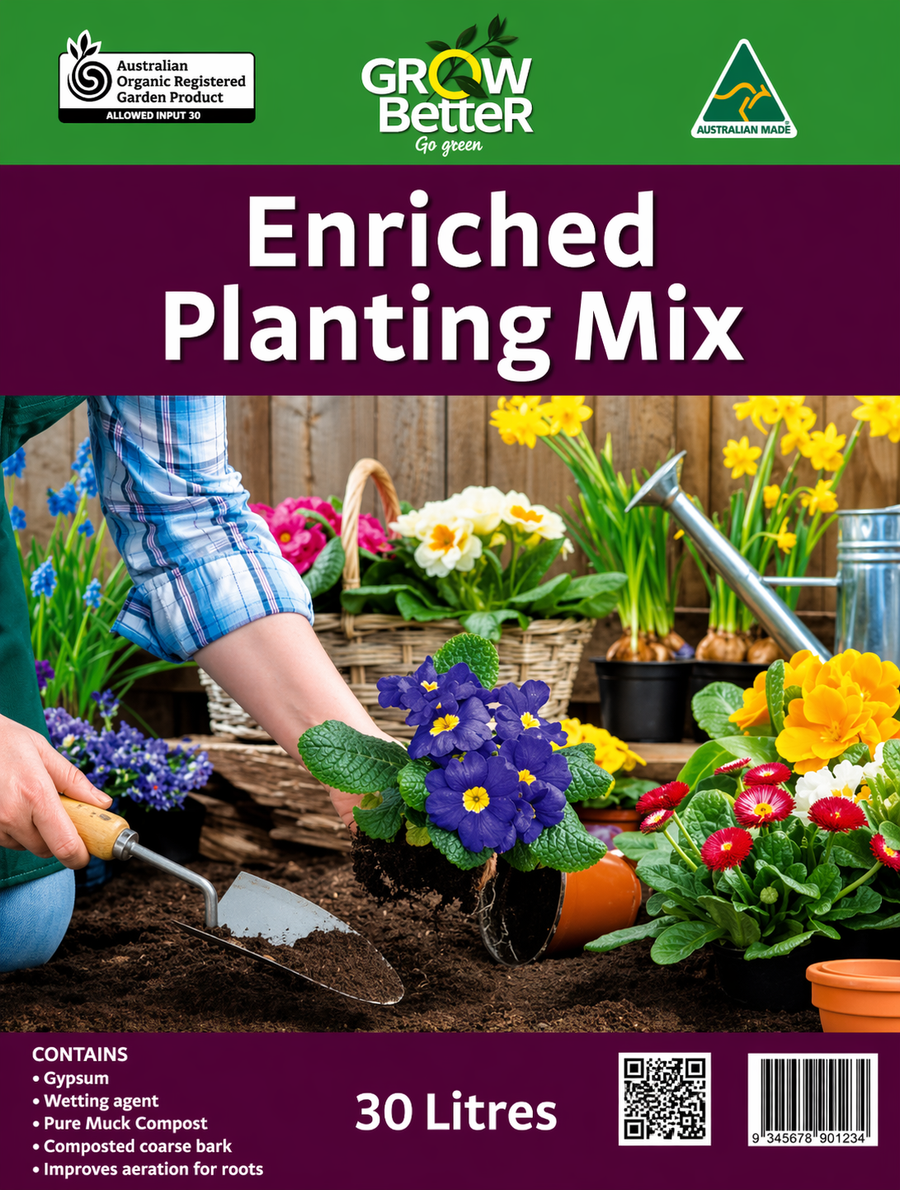
Enriched Planting Mix (AO Certified)
Type: Australian Native
Buxus bodinieri Shaggy Box Topiary Balls
Type: Structural Foliage
Buxus sempervirens English Box Topiary Balls
Type: Hedging and Screening Trees
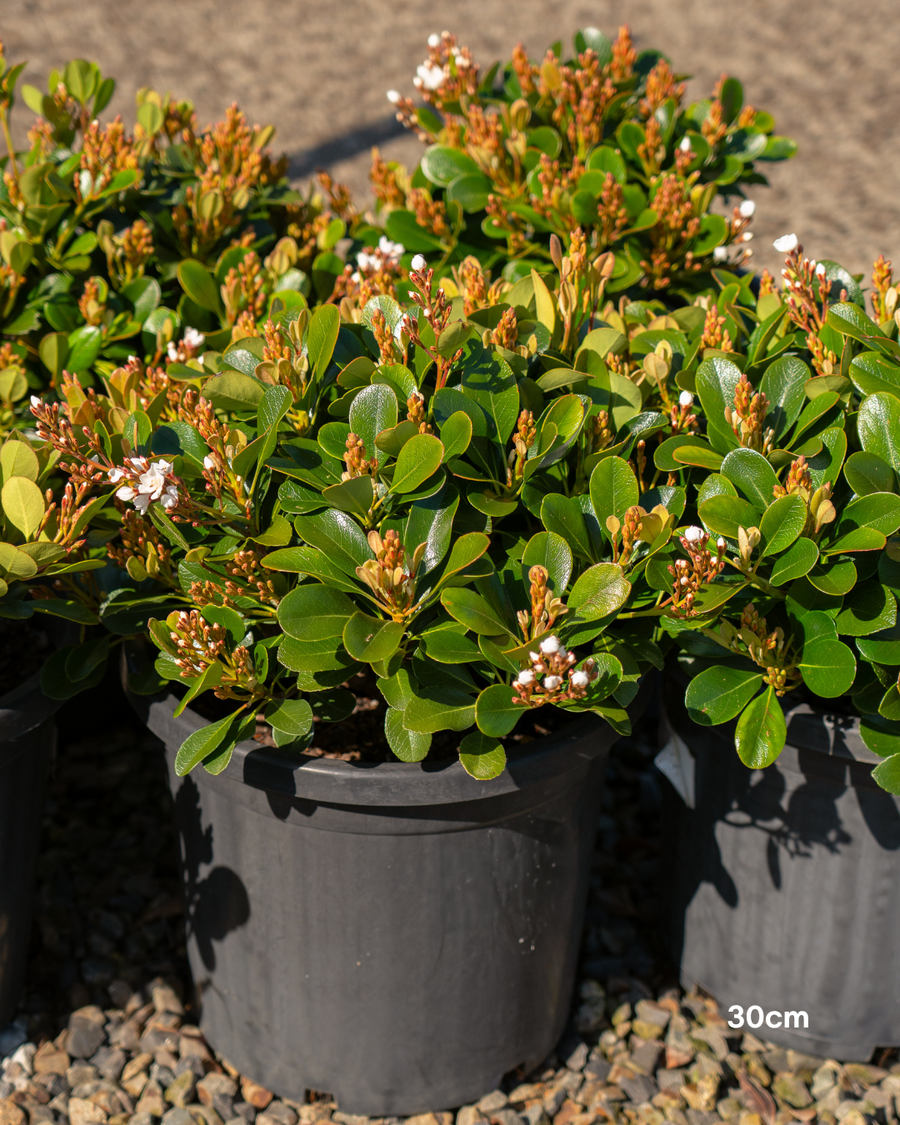
Rhaphiolepis indica 'Oriental Pearl'
Type: Hedging and Screening Trees
Pittosporum tobira 'Miss Muffet'
Type: Hedging and Screening Trees
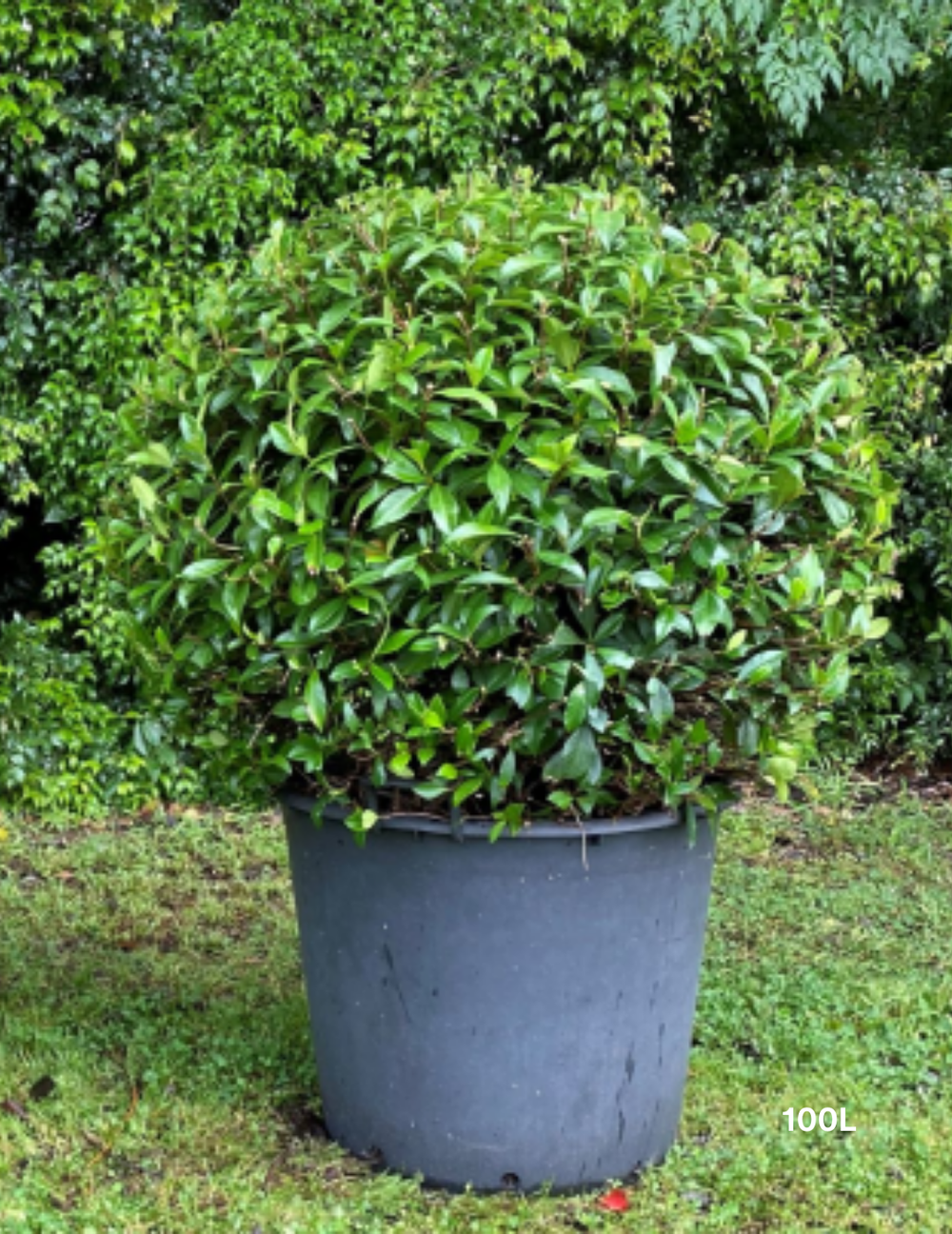
Acmena smithii 'Sublime' Lilly Pilly
Uses in my Garden
Uses in my Garden
Buxus japonica Japanese Box Topiary Balls works in an:
Is Buxus japonica Japanese Box Topiary Balls Evergreen or Deciduous?
Buxus japonica Japanese Box Topiary Balls is an Evergreen (foliage year round) Tree
Mature Height & Width
Mature Height: 1m to 2m (approx.)
Mature Width: 1.2m to 1.5m
Buxus japonica Japanese Box Topiary Balls is expected to grow 15cm to 25cm per year (approx.).
Growth Rate of Buxus japonica Japanese Box Topiary Balls
Buxus japonica Japanese Box Topiary Balls is expected to grow 15cm to 25cm per year (approx.).
They are considered to have a:
Frost Tolerance & Ideal Climate to plant Buxus japonica Japanese Box Topiary Balls
Is Buxus japonica Japanese Box Topiary Balls frost tolerant?
Buxus japonica Japanese Box Topiary Balls is Frost Tolerant – Can handle light to moderate frost once established.
Does Buxus japonica Japanese Box Topiary Balls Flower?
Buxus japonica produces very small, pale yellow spring flowers that sit quietly among the foliage. Though subtle, these blooms provide a light pollen source for native bees and beneficial insects.
Does Buxus japonica Japanese Box Topiary Balls flower?
Flowering Period:
Flower Type:
Flower Colour:
Not Applicable
Is Buxus japonica Japanese Box Topiary Balls an Australian Native Tree?
No
Buxus japonica Japanese Box Topiary Balls is Native to Japan and East Asia, where it grows naturally in temperate forest margins.
What is the Wildlife Value of Buxus japonica Japanese Box Topiary Balls ?
Its evergreen, tightly branched form provides shelter for small insects and ground-dwelling wildlife, while the early-season flowers support native bees and hoverflies. The dense canopy also enhances micro-habitats within structured and ornamental garden designs.
How much Sunlight does Buxus japonica Japanese Box Topiary Balls need?
Buxus japonica Japanese Box Topiary Balls will thrive best in:
Preferred Soil?
Preferred Soil?
Buxus japonica performs best in well-drained loam or sandy loam soils and prefers slightly acidic to neutral conditions. It may struggle in heavy clay or poorly drained areas unless improved with organic matter to boost aeration and reduce compaction. Keep soil evenly moist during establishment, then transition to deep, occasional watering as it matures and maintains its strong, compact form.
Is Buxus japonica Japanese Box Topiary Balls Drought Tolerant?
Is Buxus japonica Japanese Box Topiary Balls Drought tolerant?
As a young plant it requires regular watering, but once established Buxus japonica develops moderate drought tolerance. It performs reliably in low-water gardens and maintains its dense, formal topiary shape with occasional deep watering during extended dry periods.
Planting Information
How To Plant Your Buxus japonica Japanese Box Topiary Balls
Recommended Planting Spacing For Your Buxus japonica Japanese Box Topiary Balls
Buxus japonica Japanese Box Topiary Balls is expected to grow 15cm to 25cm per year (approx.).