- Mature height
- 15m to 25m (approx.)
- Mature width
- 6m to 10m
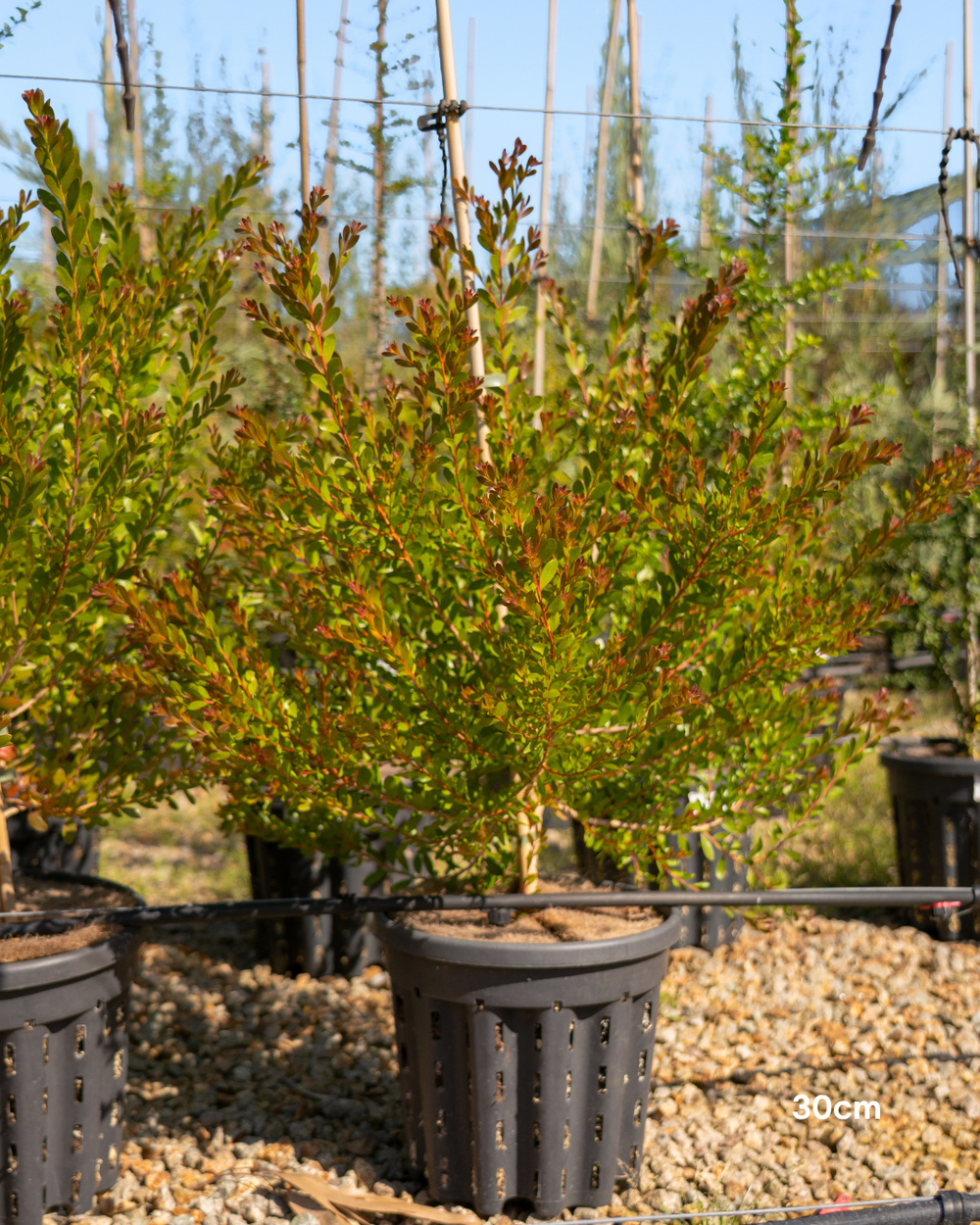
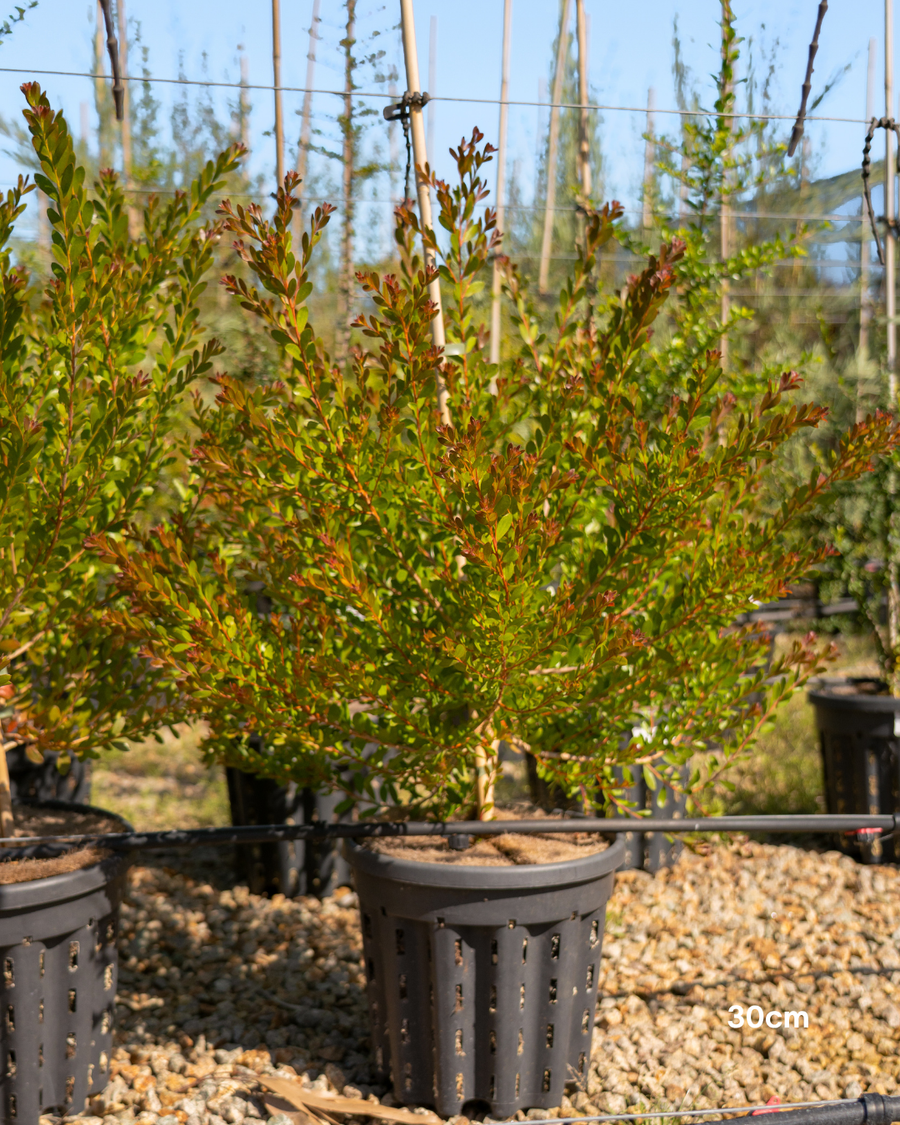
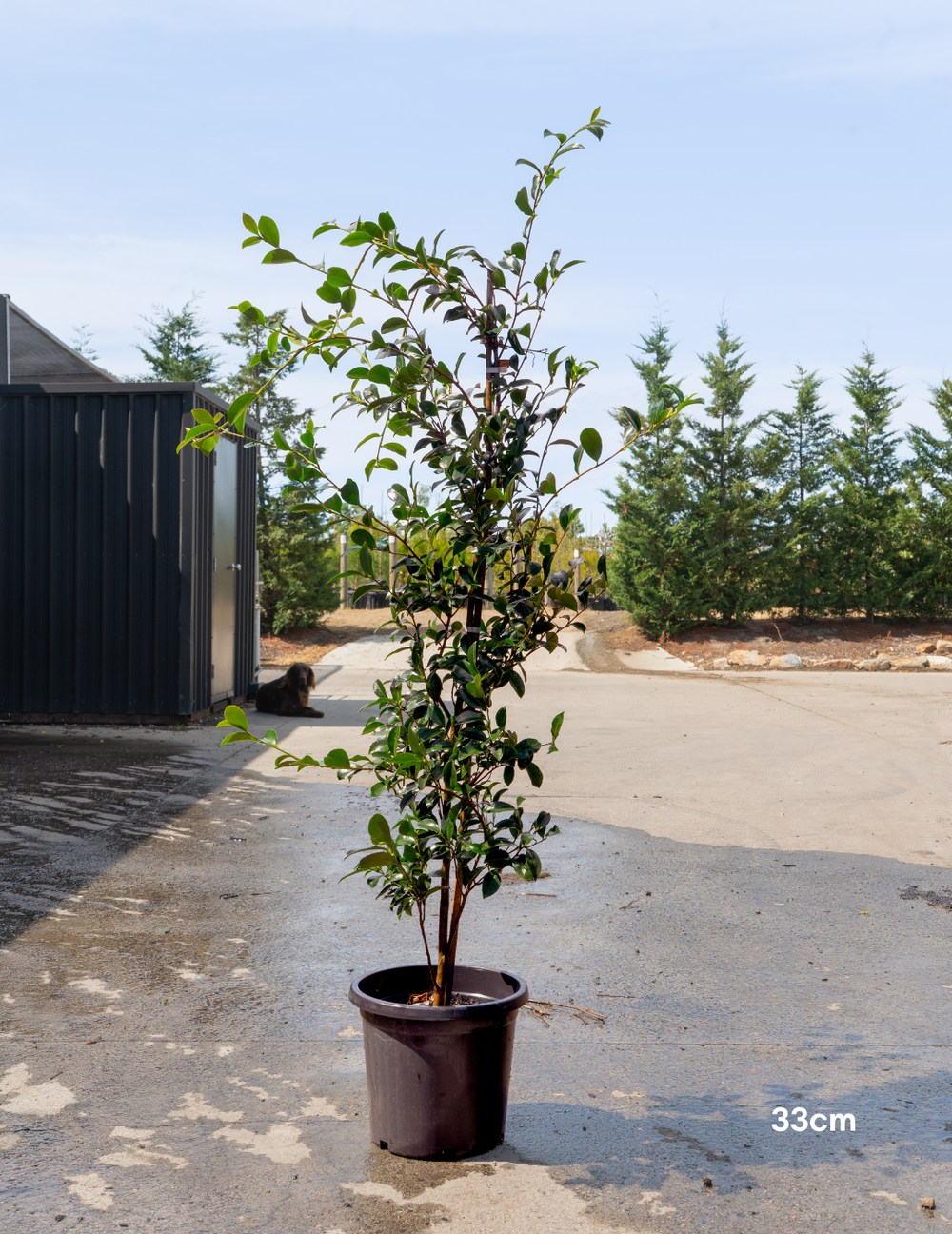
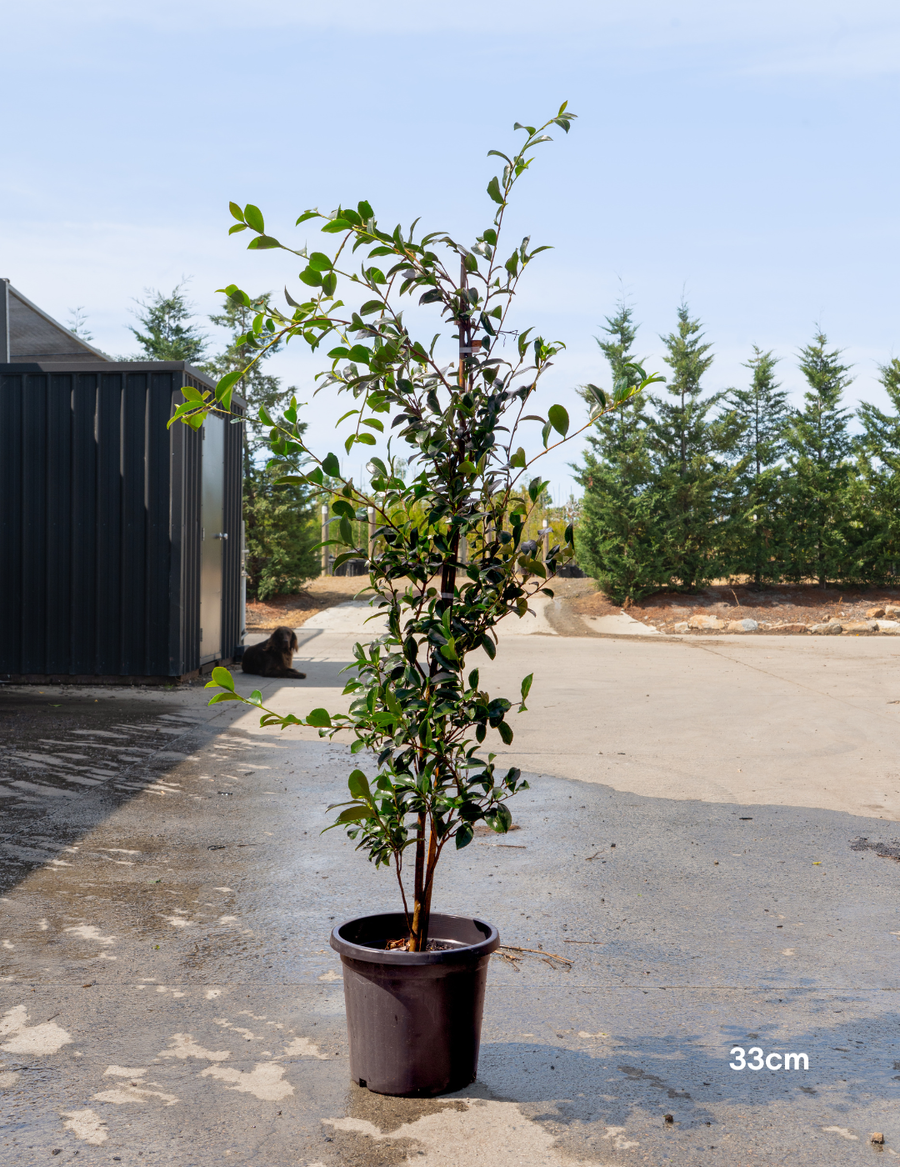
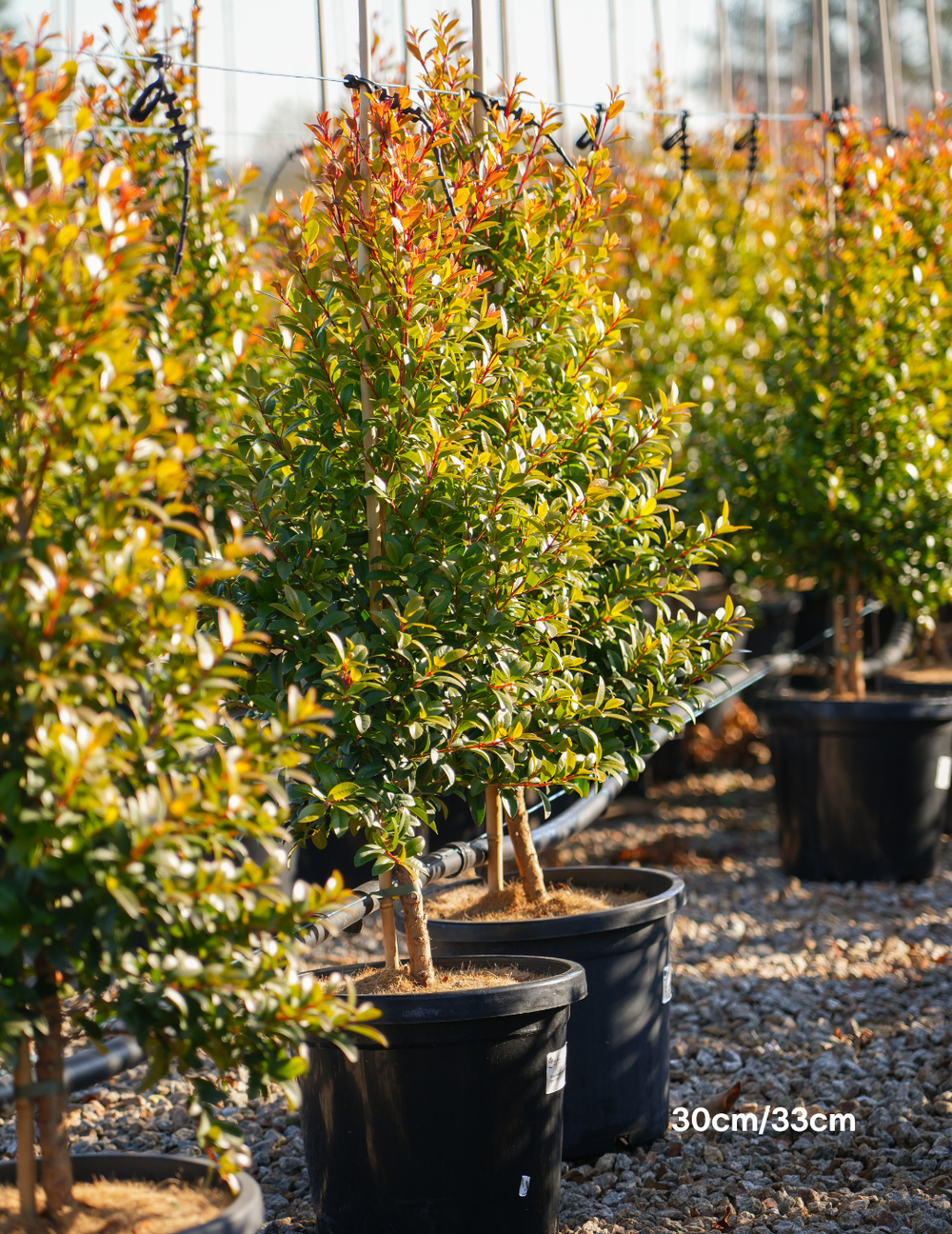
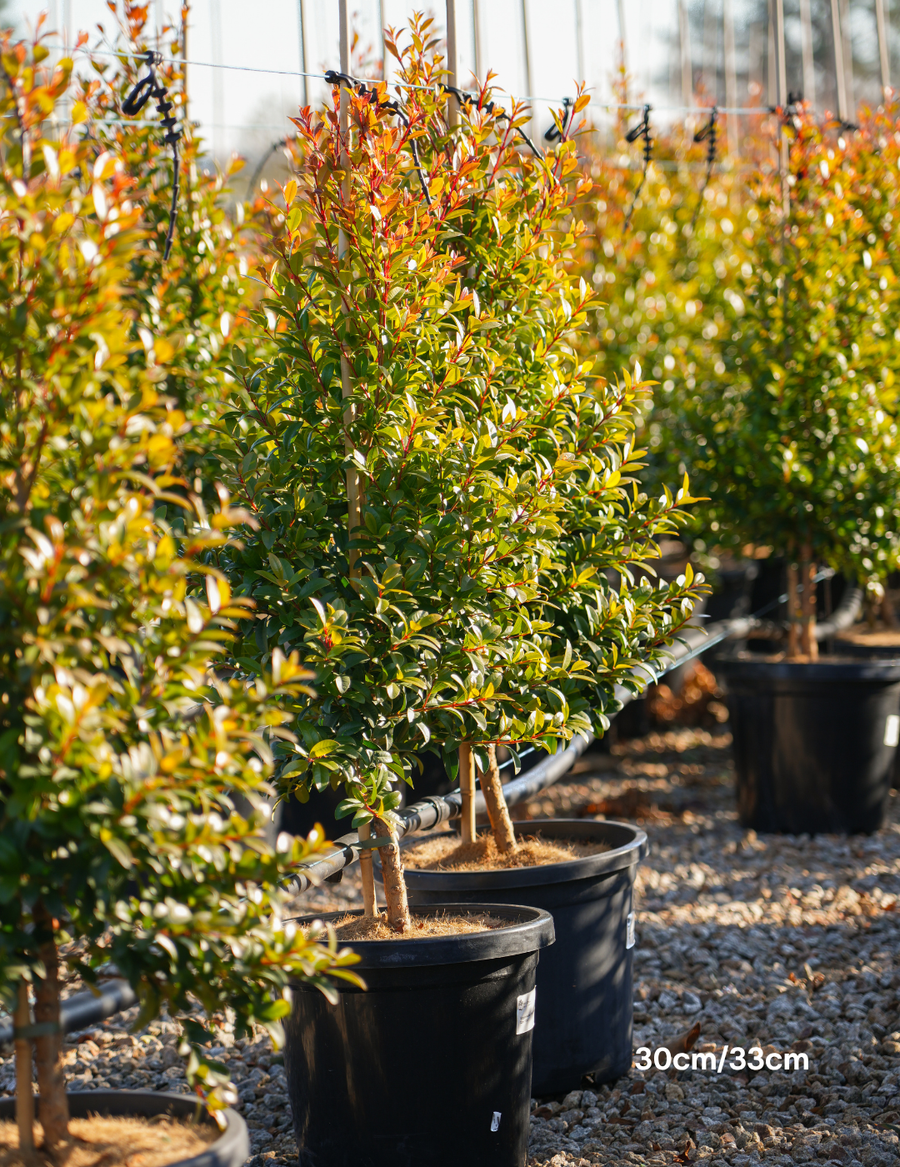
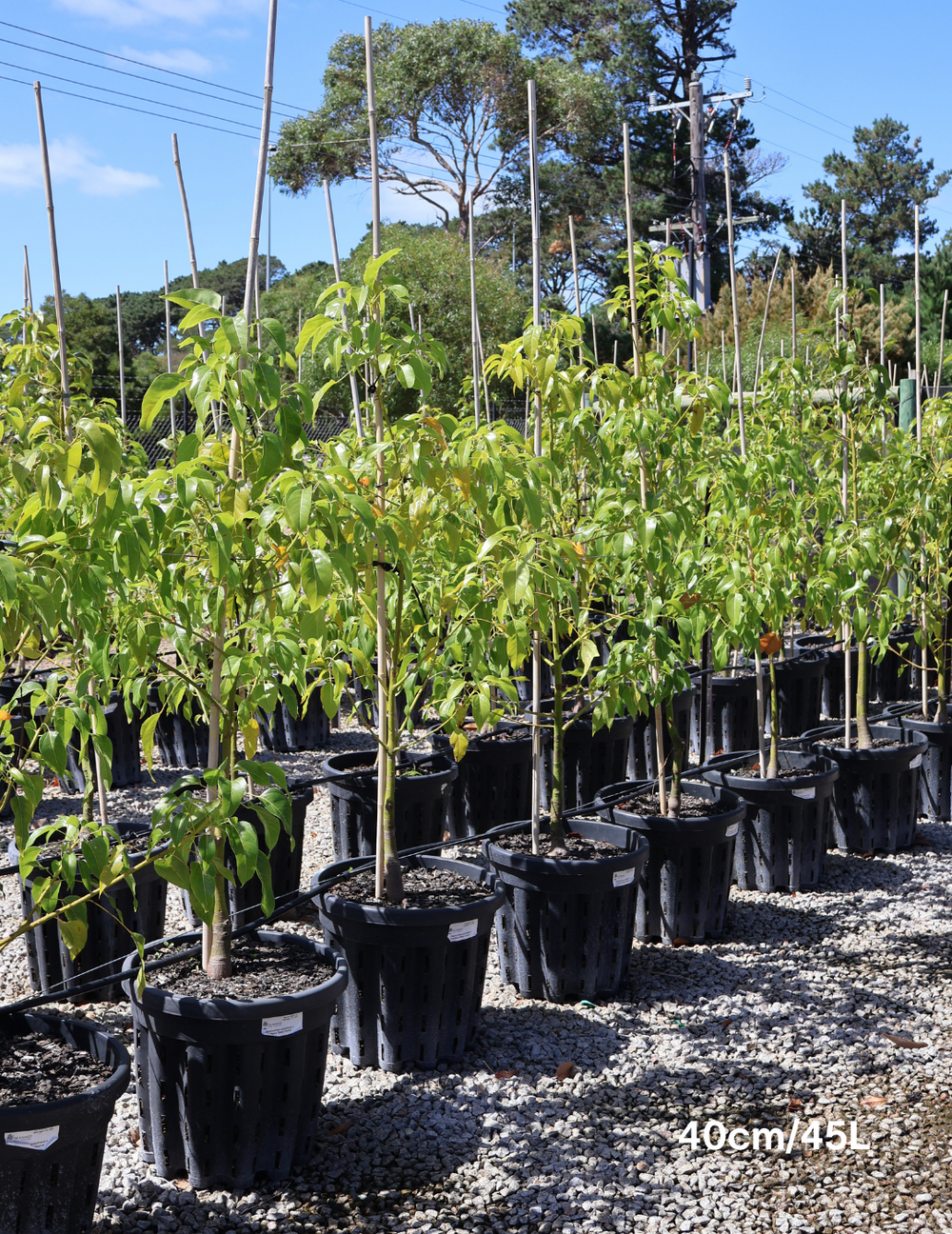
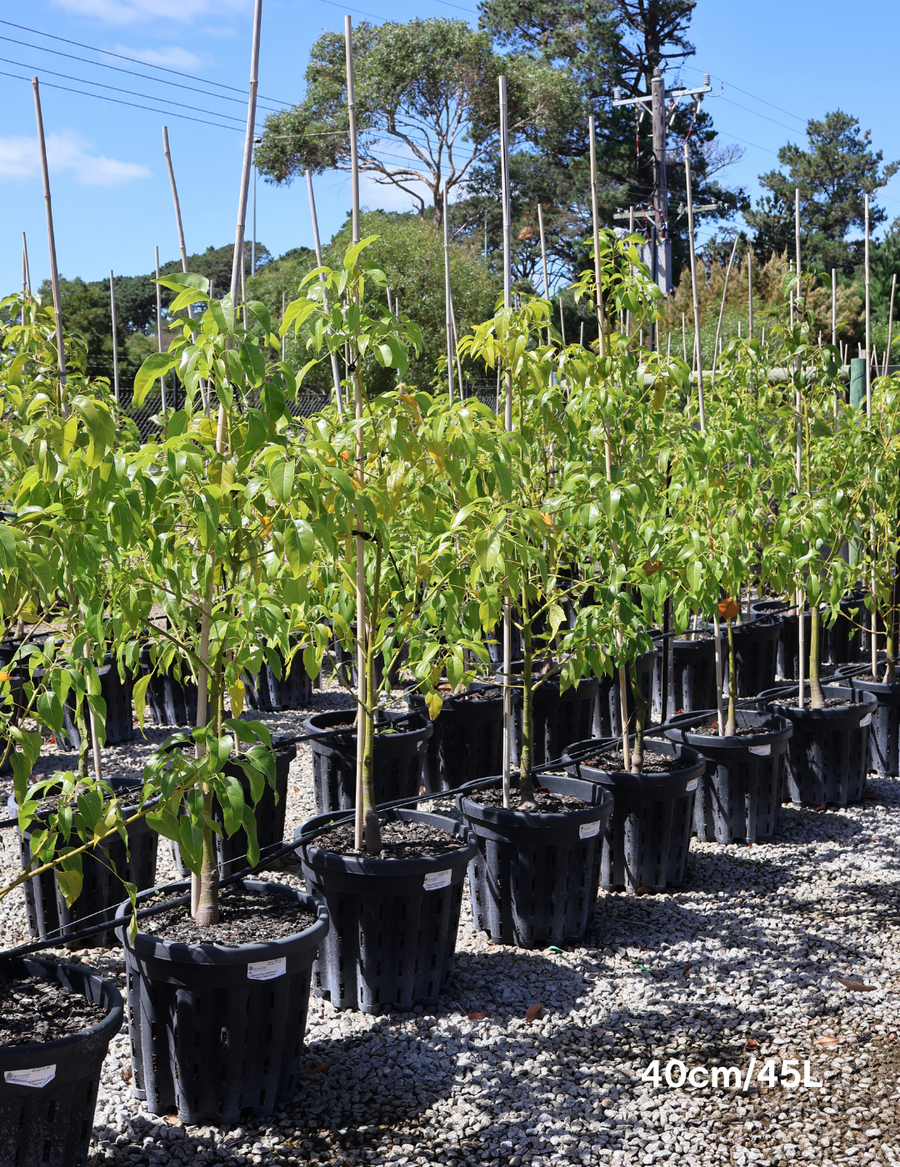
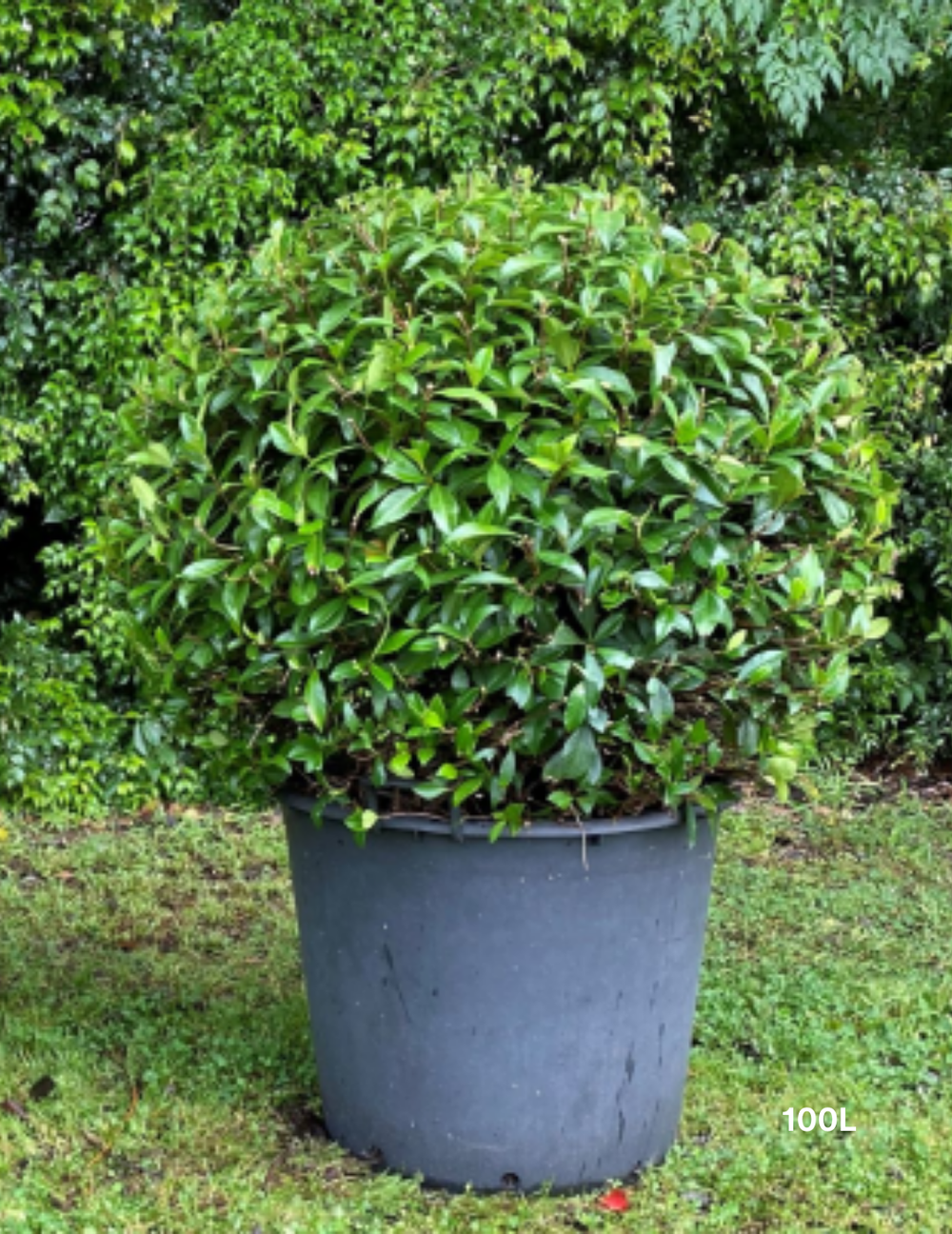
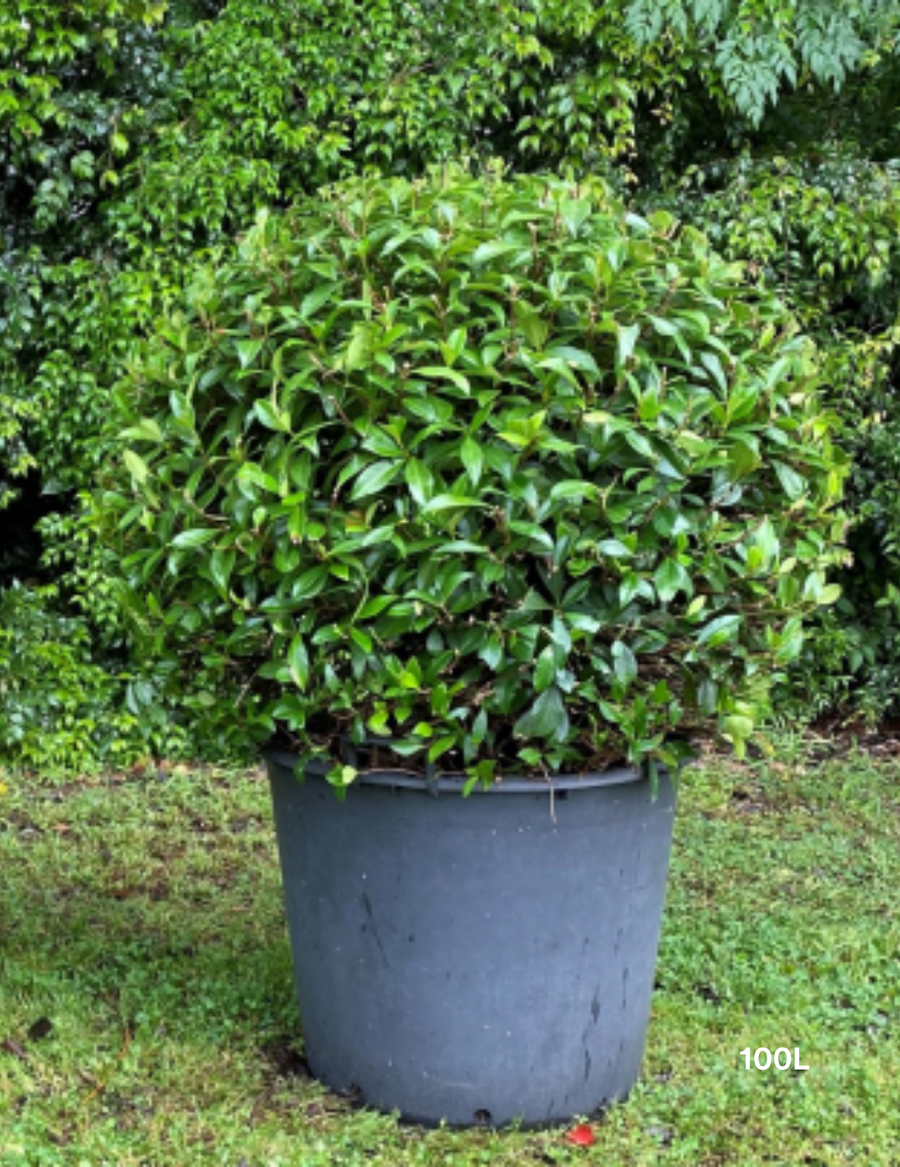
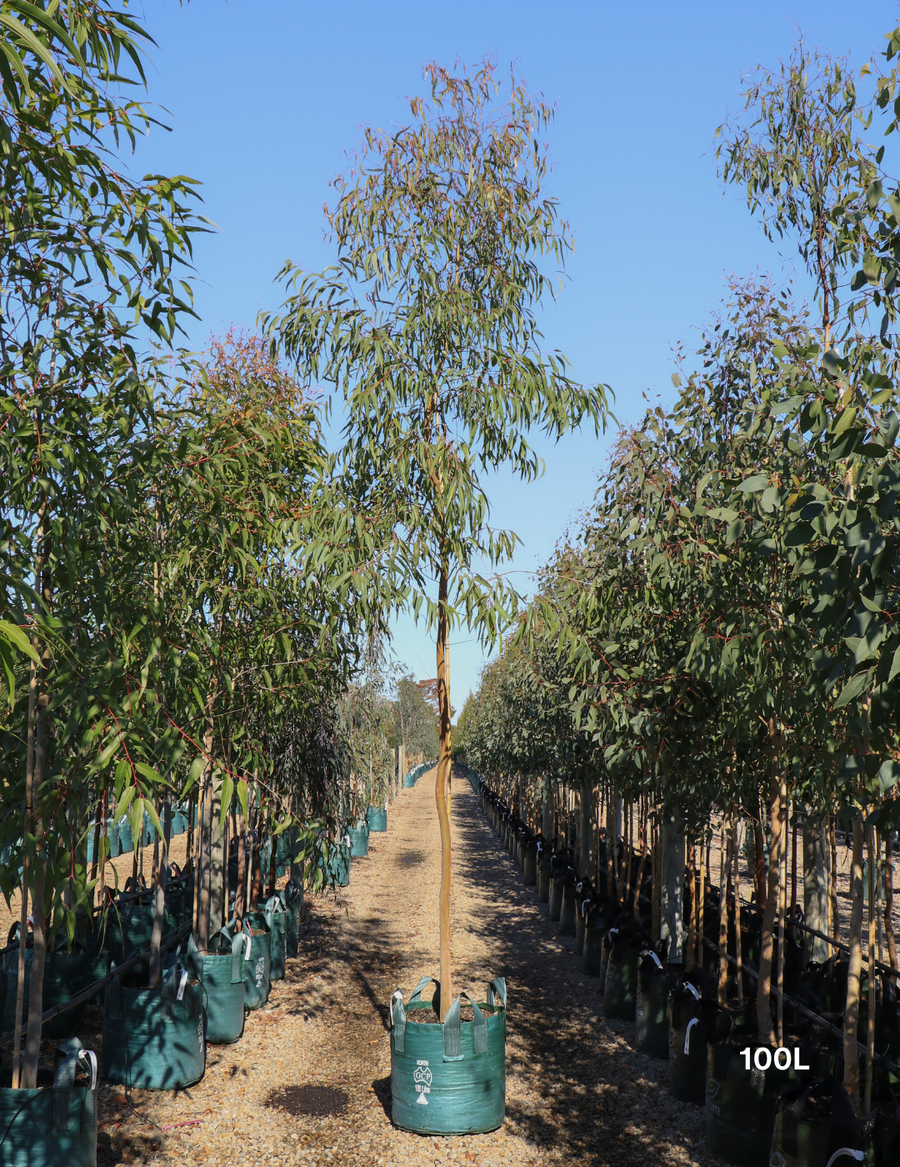
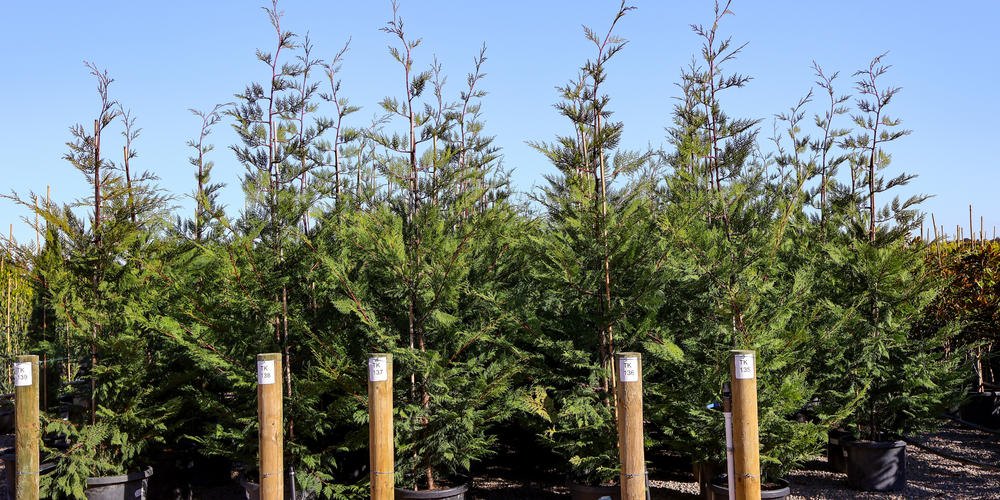
Lophostemon confertus, the Queensland Brush Box, is one of Australia's most dependable evergreen shade and street trees, prized for its dense glossy dark green foliage and smooth exfoliating bark that reveals mottled pink, grey and cream patches.
Brush Box grows to 10-15 metres tall and 6-10 metres wide with a rounded symmetrical crown that provides consistent shade and shelter year-round. The dense uniform canopy and non-invasive root system make it a favourite for street planting, parks, large gardens, and public landscapes.
Brush Box is moderately fast-growing and highly adaptable, tolerating heat, light frost, drought once established, pollution, and salt air. It performs well in both coastal and inland settings across NSW, QLD, and frost-free parts of VIC, SA and WA. Small white flowers appear from spring into summer, attracting pollinators.
Frequently Asked Questions
About Lophostemon confertus Queensland Brush Box
How tall does Brush Box grow?
Lophostemon confertus grows to 10-15 metres tall and 6-10 metres wide in cultivation, with a dense rounded canopy.
How fast does Brush Box grow?
Brush Box is moderately fast-growing, adding 50-80cm per year once established.
Is Brush Box an Australian native?
Yes. Lophostemon confertus is native to eastern Australia, ranging from coastal NSW through QLD.
Why is Brush Box used as a street tree?
Brush Box is one of Australia's most popular street trees thanks to its dense uniform canopy, glossy evergreen foliage, tolerance of pollution and pavement conditions, and non-aggressive root system.
When does Brush Box flower?
Brush Box produces small white to cream flowers in summer that attract native bees and pollinators.
Is Brush Box evergreen?
Yes. Brush Box is fully evergreen, holding its glossy dark green foliage year-round, and also features attractive russet bark that sheds to reveal smooth new bark beneath.
Where does Brush Box grow best in Australia?
Brush Box thrives across NSW, QLD, and frost-free parts of VIC, SA and WA, tolerating coastal exposure and a wide range of soils once established.