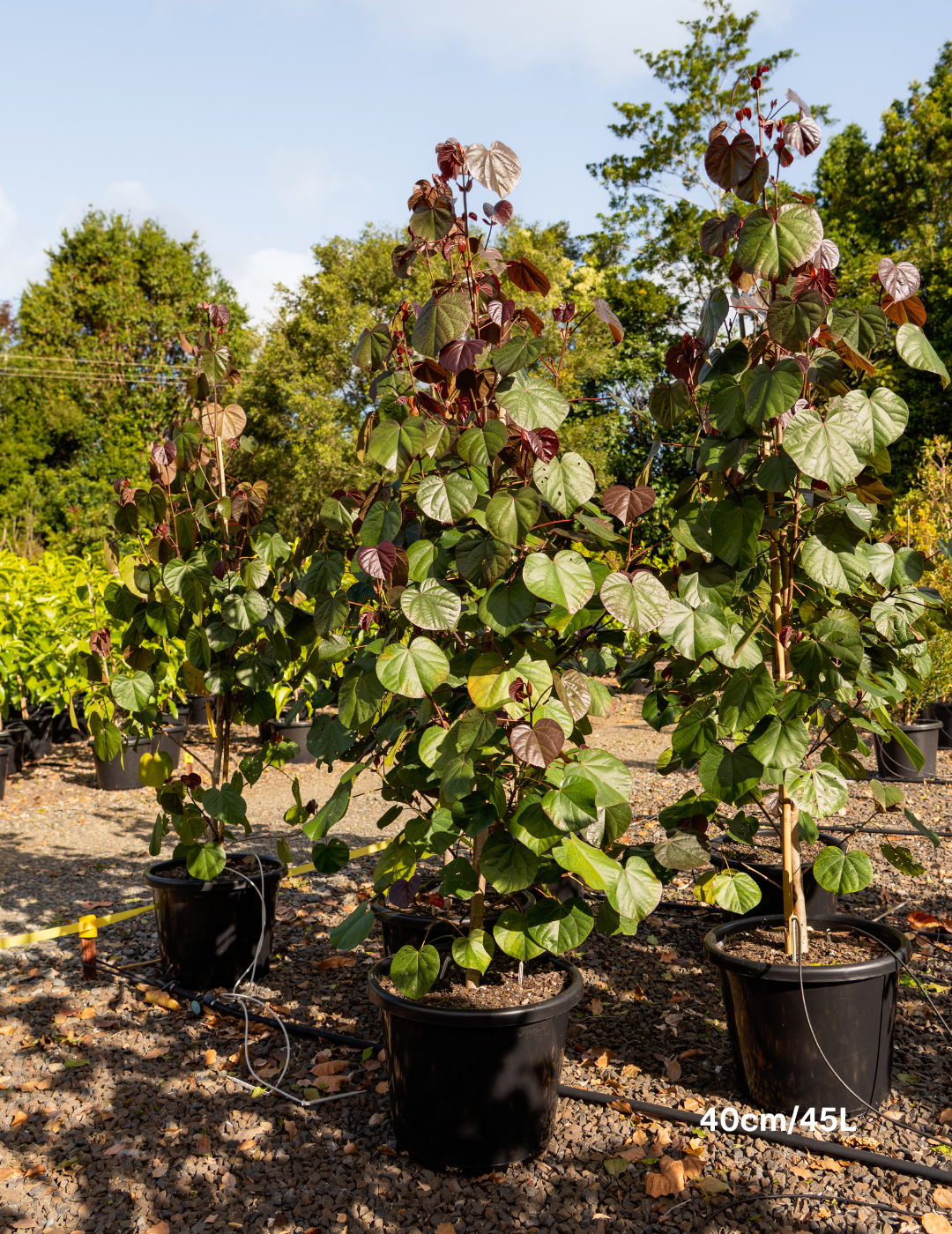


Hibiscus tiliaceus 'Rubra' Cottonwood
Hibiscus tiliaceus 'Rubra' Cottonwood
Couldn't load pickup availability
Current Stock Height Guides
Current Stock Height Guides
Height guide disclaimer: Height ranges are approximate only. As living products, plant heights naturally vary between individual plants, batches, and seasons. No guarantee is given that supplied plants will fall within the stated range. If minimum heights are required, you mustconfirm current batch heights with Evergreen Trees Direct prior to purchase. Variation in height is normal and is not grounds for return, refund, replacement, or compensation.
Mature Height & Width
Mature Height & Width
Mature Height: 6m to 8m
Mature Width: 4m to 6m
Hibiscus tiliaceus 'Rubra' Cottonwood is expected to grow 0.5m to 1m per year.
Root Ball Dimensions
Root Ball Dimensions
Use this as a reference when digging your planting hole. We recommend digging at least 10% wider than the dimensions below to encourage strong root development.
- 30cm Pot: 33cm (W) × 30cm (D)
- 40cm/45L Pot: 44cm (W) × 41.5cm (D)
- 50cm Pot / 70L Pot: 55cm (W) × 41.8cm (D)
- 100L Bag: 50.6cm (W) × 52.8cm (D)
- 150L Bag: 66cm (W) × 55cm (D)
- 200L Bag: 71.5cm (W) × 60.5cm (D)
- 300L Bag: 88cm (W) × 63.8cm (D)
- 400L Bag: 99cm (W) × 66cm (D)
- 500L Bag: 122cm (W) × 66cm (D)
- 750L Bag: 134cm (W) × 69cm (D)
- 1000L Bag: 146.3cm (W) × 71.5cm (D)
- 2000L Bag: 176cm (W) × 82.5cm (D)
Trade
Trade
We supply advanced trees to landscapers, developers, architects, and councils Australia-wide. Trade clients receive fast quotes, expert advice, and access to premium stock with reliable freight.
Shipping
Shipping
Shipping is calculated at checkout based on the pallet space your order occupies in the truck and your delivery location.
There is no charge to calculate your freight.
Contact
Contact
Have a question or a list to send through to us?
Email: sales@evergreentrees.com.au
Phone: (03) 7042 3318
Share this product
About Your New Hibiscus tiliaceus 'Rubra' Cottonwood
Hibiscus tiliaceus 'Rubra', commonly known as Cottonwood, is a fast-growing evergreen Australian native shrub or small tree valued for its broad heart-shaped burgundy foliage, large tropical-style flowers and exceptional performance in warm coastal positions. The yellow hibiscus flowers age through orange to deep red over the course of the day, giving striking colour contrast against the rich burgundy foliage from spring through autumn.
With a mature height of 4 to 8 metres and a spread of 4 to 6 metres, this variety forms a naturally rounded canopy that can be pruned to shape or left to grow freely as an informal screen. It performs exceptionally well in coastal, subtropical and warm temperate climates, with strong tolerance of salt, wind, clay soils and occasional waterlogging.
As a fast-growing evergreen Australian native for tropical, coastal, native and wildlife gardens, in mixed native plantings, informal hedges, shade canopies and feature positions, Hibiscus tiliaceus 'Rubra' brings burgundy foliage, colour-changing tropical flowers, dense canopy shade and reliable coastal toughness through every season.
Frequently Asked Questions
About Hibiscus tiliaceus 'Rubra' Cottonwood
What is Hibiscus tiliaceus 'Rubra' Cottonwood?
Hibiscus tiliaceus 'Rubra', commonly known as Cottonwood, is a fast-growing evergreen Australian native shrub or small tree valued for its broad heart-shaped burgundy foliage and large yellow hibiscus flowers that age through orange to red. It is native to coastal northern Australia and is one of the most striking native trees for warm coastal and tropical gardens.
How big does Cottonwood grow?
Cottonwood reaches a mature size of approximately 4 to 8 metres tall and 4 to 6 metres wide, forming a naturally rounded canopy. Growth is fast at 0.5 to 1 metre per year, and the plant can be pruned to maintain a smaller size or shaped into a single-trunk small tree.
When does Cottonwood flower?
Cottonwood produces large tropical hibiscus-style flowers from spring through to autumn. Each bloom opens buttery yellow in the morning and ages through orange to deep red over the course of the day, with multiple flowers at different stages giving a constant colour-changing display against the burgundy foliage.
Is Cottonwood suitable for coastal areas?
Yes. Cottonwood is one of the best Australian native trees for direct coastal planting. It handles salt-laden winds, sandy soils and exposed seaside positions with ease, and reflects its natural habitat along the tropical and subtropical coastlines of northern Australia.
Can Cottonwood be pruned into a hedge or small tree?
Yes. Cottonwood responds well to pruning and can be maintained as an informal hedge, dense screen or shaped into a single-trunk small feature tree. For hedging, trim two to three times per year through the growing season. For tree form, remove lower branches progressively through establishment.
Is Cottonwood frost tolerant?
No. Hibiscus tiliaceus 'Rubra' is frost sensitive and best grown in frost-free or protected positions. It performs reliably across tropical Queensland, coastal NSW and warm coastal Victoria, but should be avoided in heavily frost-prone inland areas.
Does Cottonwood attract wildlife?
Yes. The nectar-rich hibiscus flowers attract bees, butterflies, native birds including honeyeaters, and beneficial pollinators throughout the long flowering season. The dense broad canopy also offers shelter and nesting habitat for small birds, making Cottonwood one of the most valuable Australian natives for wildlife-friendly gardens.
Evergreen Trees Direct Has Been Featured In:


Plant Your Hibiscus tiliaceus 'Rubra' Cottonwood With:


Type: Native Grass
Lomandra longifolia 'Tanika'®
Type: Feature Plant
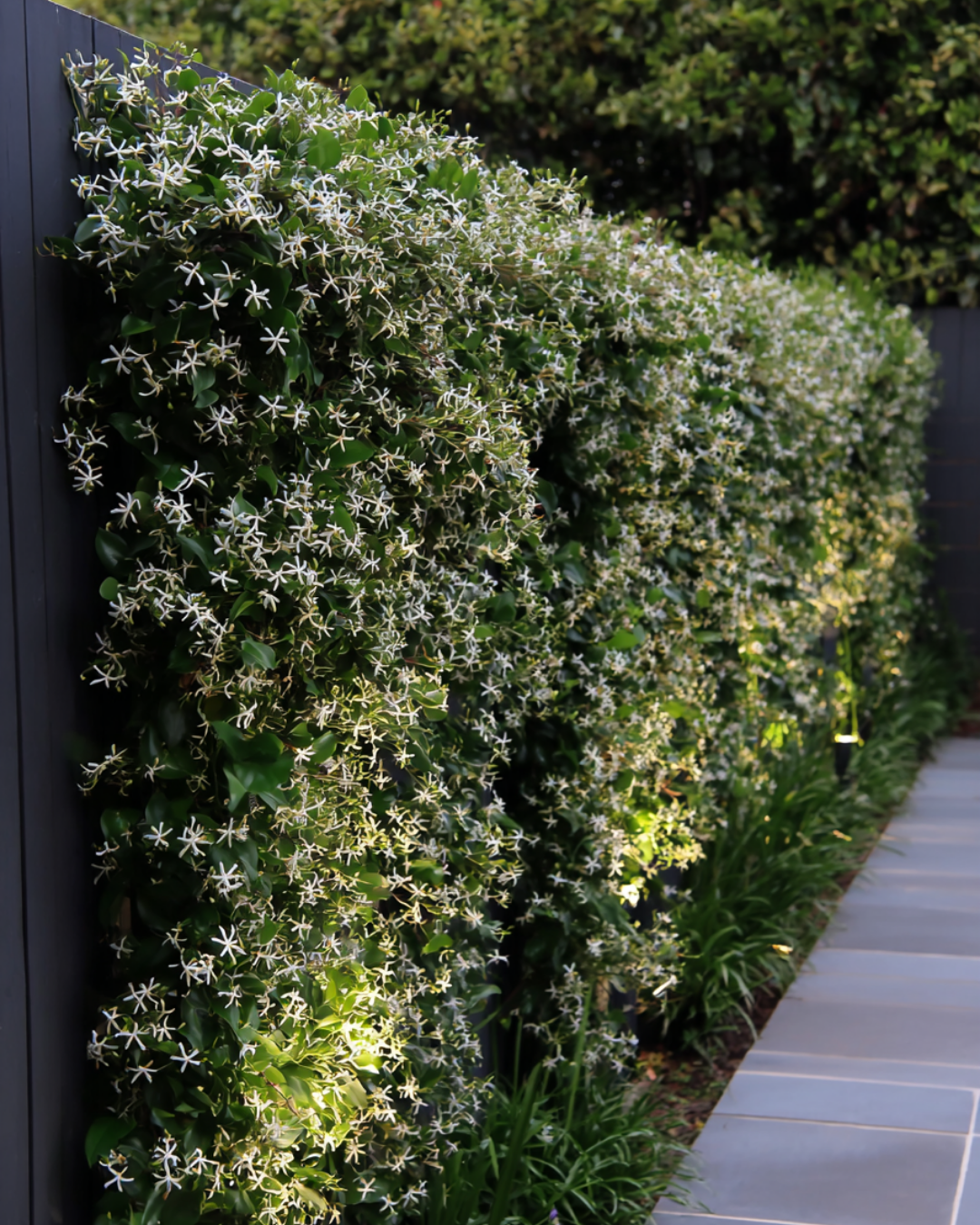
Trachelospermum jasminoides – Star Jasmine
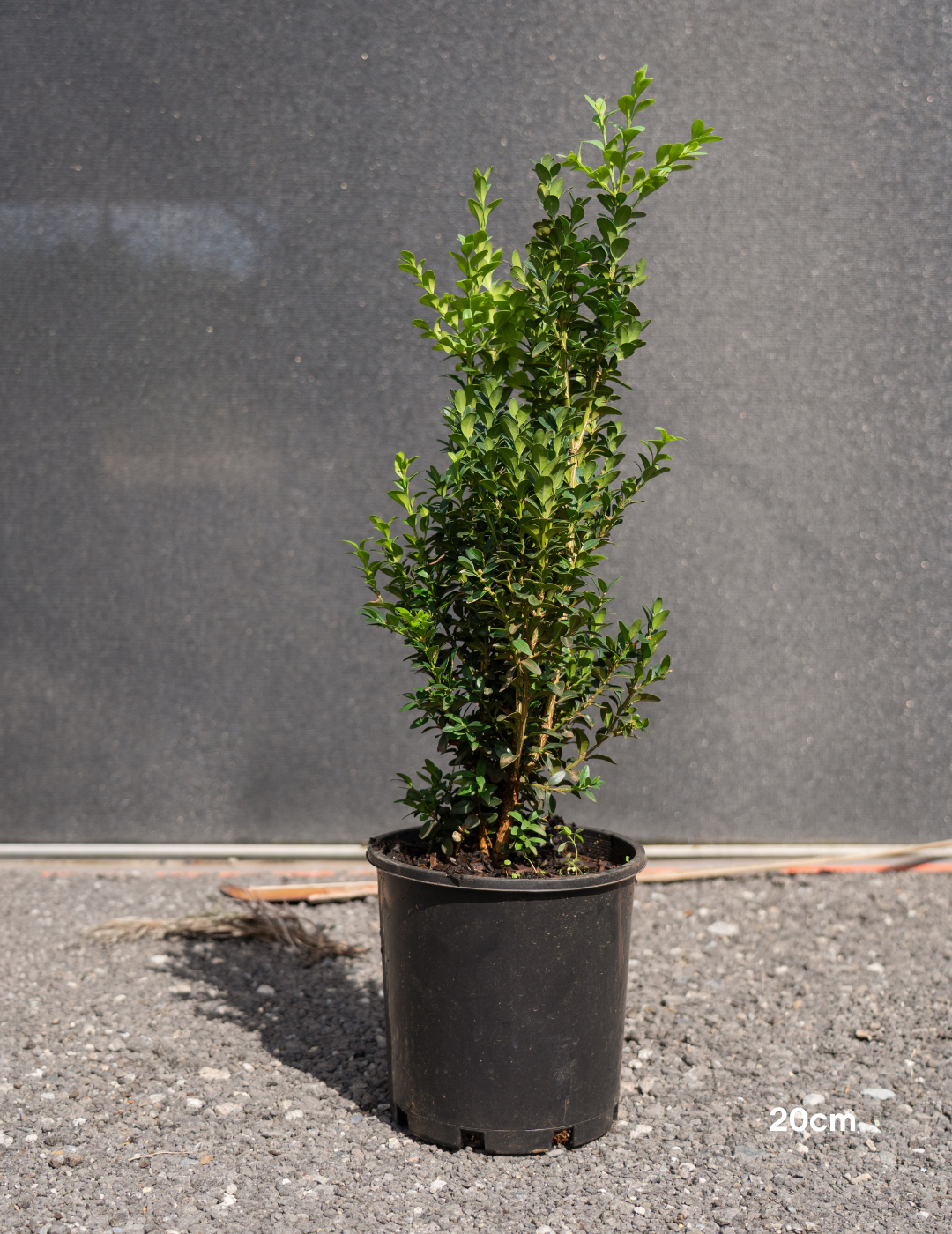
Type: Hedging and Screening Trees
Buxus sempervirens (Hedging Form) – English Box

Type: Groundcover
Stachys byzantina Lamb's Ears
Type: Shrub
Lavandula angustifolia English Lavender
Type: Climbers & Groundcovers
Hedera canariensis Canary Island Ivy
Type: Feature Plant
Echium candicans Pride of Madeira
Type: Ornamental Grass
Pennisetum setaceum Fountain Grass

Type: Hedging and Screening Trees
Magnolia grandiflora 'Little Gem'
Uses in my Garden
Uses in my Garden
Hibiscus tiliaceus 'Rubra' Cottonwood works in an:
Is Hibiscus tiliaceus 'Rubra' Cottonwood Evergreen or Deciduous?
Is Hibiscus tiliaceus 'Rubra' Cottonwood Evergreen or Deciduous?
Hibiscus tiliaceus 'Rubra' Cottonwood is an Evergreen (foliage year round) Tree
Mature Height & Width
Mature Height & Width
Mature Height: 6m to 8m
Mature Width: 4m to 6m
Hibiscus tiliaceus 'Rubra' Cottonwood is expected to grow 0.5m to 1m per year.
Growth Rate of Hibiscus tiliaceus 'Rubra' Cottonwood
Growth Rate of Hibiscus tiliaceus 'Rubra' Cottonwood
Hibiscus tiliaceus 'Rubra' Cottonwood is expected to grow 0.5m to 1m per year.
They are considered to have a:
Frost Tolerance & Ideal Climate to plant Hibiscus tiliaceus 'Rubra' Cottonwood
Frost Tolerance & Ideal Climate to plant Hibiscus tiliaceus 'Rubra' Cottonwood
Is Hibiscus tiliaceus 'Rubra' Cottonwood frost tolerant?
Hibiscus tiliaceus 'Rubra' Cottonwood is Frost Sensitive – May suffer damage from frost, best in frost-free or protected spots.
Does Hibiscus tiliaceus 'Rubra' Cottonwood Flower?
Does Hibiscus tiliaceus 'Rubra' Cottonwood Flower?
Hibiscus tiliaceus ‘Rubra’ produces large, soft yellow hibiscus flowers that age through orange to deep red over the course of the day. Blooming mainly from late spring through autumn, these colour-changing flowers sit beautifully against the rich burgundy foliage and provide a striking tropical-style display.
Does Hibiscus tiliaceus 'Rubra' Cottonwood flower?
Flowering Period:
Flower Type:
Flower Colour:
Yellow
Is Hibiscus tiliaceus 'Rubra' Cottonwood an Australian Native Tree?
Is Hibiscus tiliaceus 'Rubra' Cottonwood an Australian Native Tree?
Yes
Hibiscus tiliaceus 'Rubra' Cottonwood is Native to Native to coastal areas of northern Australia, Southeast Asia, and the Pacific Islands. The ‘Rubra’ form is prized for its red-bronze foliage.
What is the Wildlife Value of Hibiscus tiliaceus 'Rubra' Cottonwood ?
What is the Wildlife Value of Hibiscus tiliaceus 'Rubra' Cottonwood ?
Its nectar-rich hibiscus blooms attract bees, butterflies and beneficial pollinating insects, while the dense, broad canopy offers excellent shelter and nesting habitat for small birds. The flowers also support day-flying moths and native pollinators, enriching subtropical and coastal garden biodiversity.
How much Sunlight does Hibiscus tiliaceus 'Rubra' Cottonwood need?
How much Sunlight does Hibiscus tiliaceus 'Rubra' Cottonwood need?
Hibiscus tiliaceus 'Rubra' Cottonwood will thrive best in:
Preferred Soil?
Preferred Soil?
Hibiscus tiliaceus ‘Rubra’ performs best in well-drained loam or sandy loam soils and prefers slightly acidic to neutral conditions. It can tolerate poorer coastal soils but may struggle in heavy clay unless improved with organic matter to enhance drainage and moisture balance. Keep soil evenly moist during establishment, then maintain deep, consistent watering through dry periods as it matures to support its foliage colour, flower performance and overall vigour.
Is Hibiscus tiliaceus 'Rubra' Cottonwood Drought Tolerant?
Is Hibiscus tiliaceus 'Rubra' Cottonwood Drought Tolerant?
Is Hibiscus tiliaceus 'Rubra' Cottonwood Drought tolerant?
As a young tree it requires regular watering, and once established ‘Rubra’ develops moderate drought tolerance. It performs best in warm, coastal and humid climates, but still handles dry periods well with deep, occasional watering to maintain leaf colour, vigour and flower production.

Planting Information
How To Plant Your Hibiscus tiliaceus 'Rubra' Cottonwood
How To Plant Your Hibiscus tiliaceus 'Rubra' Cottonwood
Recommended Planting Spacing For Your Hibiscus tiliaceus 'Rubra' Cottonwood
Recommended Planting Spacing For Your Hibiscus tiliaceus 'Rubra' Cottonwood
Hibiscus tiliaceus 'Rubra' Cottonwood is expected to grow 0.5m to 1m per year.
Long Term Care For Your Hibiscus tiliaceus 'Rubra' Cottonwood
Long Term Care For Your Hibiscus tiliaceus 'Rubra' Cottonwood
Planting Your Hibiscus tiliaceus 'Rubra' Cottonwood in Different Soil
Planting Your Hibiscus tiliaceus 'Rubra' Cottonwood in Different Soil
Frequently Asked Questions
Frequently Asked Questions