Skip to content

Volume Discounts Apply At Checkout

Hedera canariensis Canary Island Ivy

Hedera canariensis Canary Island Ivy

Most loved for its large glossy dark green leaves and ability to soften walls, pergolas and shaded planting beds with refined coverage – a polished alternative to common English Ivy.

Regular price $15.00
Sale price $15.00 Regular price
Tax included. Shipping calculated at checkout.
Pot size
Available batches
Size: 140mm
Current height guide
Please enquire
Pot size
140mm

Approximate only. Minimum height important? Confirm with us.

Height guide & disclaimer

Height guide disclaimer: Height ranges are approximate only. As living products, plant heights naturally vary between individual plants, batches, and seasons. No guarantee is given that supplied plants will fall within the stated range. If minimum heights are required, you must confirm current batch heights with Evergreen Trees Direct prior to purchase. Variation in height is normal and is not grounds for return, refund, replacement, or compensation.

Quantity

Order multiple sizes

Mix pot sizes and batches in one order.

Size / batchEachQuantity
140mmApprox. height: Enquire for current heights$15.00

Height guide & disclaimer

Height guide disclaimer: Height ranges are approximate only. As living products, plant heights naturally vary between individual plants, batches, and seasons. No guarantee is given that supplied plants will fall within the stated range. If minimum heights are required, you must confirm current batch heights with Evergreen Trees Direct prior to purchase. Variation in height is normal and is not grounds for return, refund, replacement, or compensation.

Subtotal before discounts & delivery$0.00

Delivery is calculated at checkout.

Ask a question

The fields marked * are required.

Compare trees

Choose two trees and compare the same pot size.

    About Hedera canariensis

    Hedera canariensis, commonly known as Canary Island Ivy or Algerian Ivy, is a vigorous evergreen climbing and trailing vine valued for its large glossy dark green leaves and its ability to soften walls, pergolas and shaded planting beds with refined coverage. The leaves are noticeably broader and richer than common English Ivy, giving a lush, polished appearance.

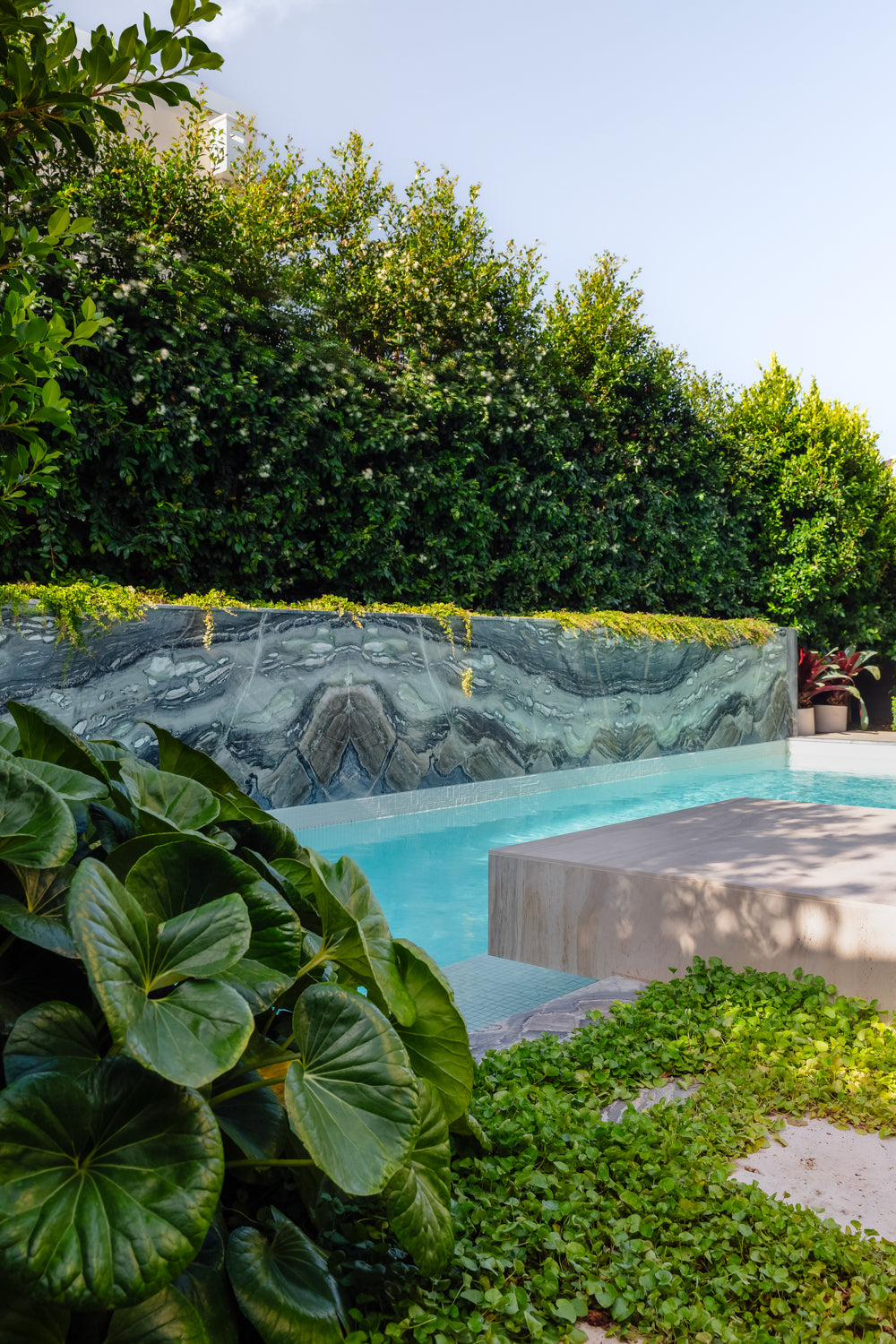
    It performs reliably in full sun through to full shade with free-draining soil and is highly drought tolerant once established. Hedera canariensis is excellent as a wall climber, a quick groundcover beneath established trees, or a softening green presence over fences and retaining structures in shaded courtyards and heritage gardens.

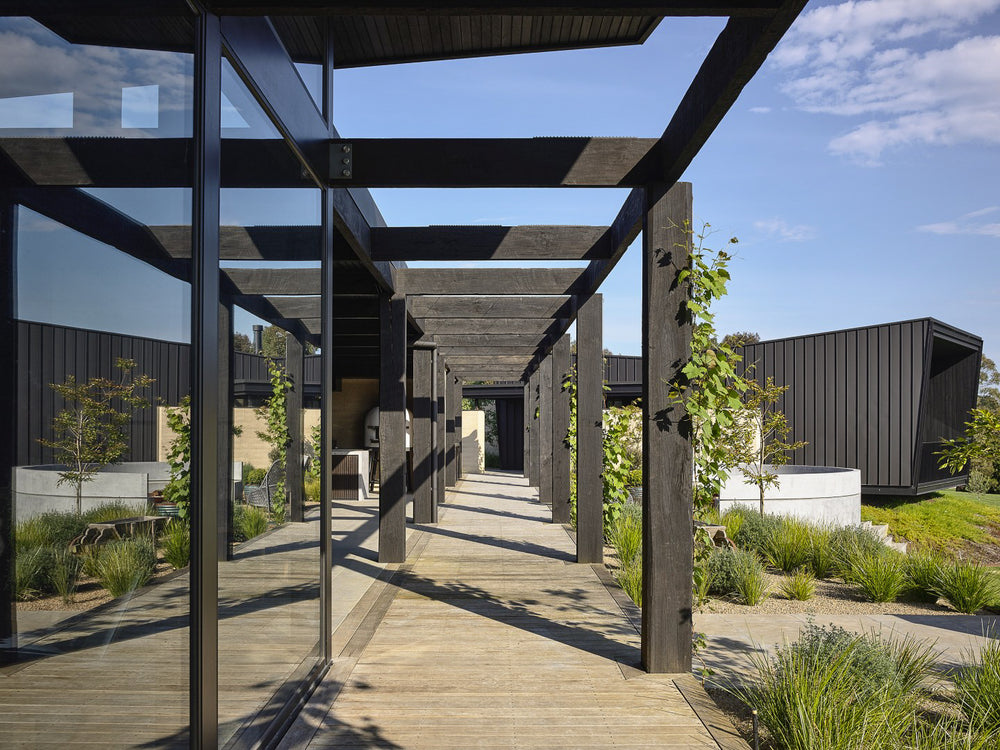
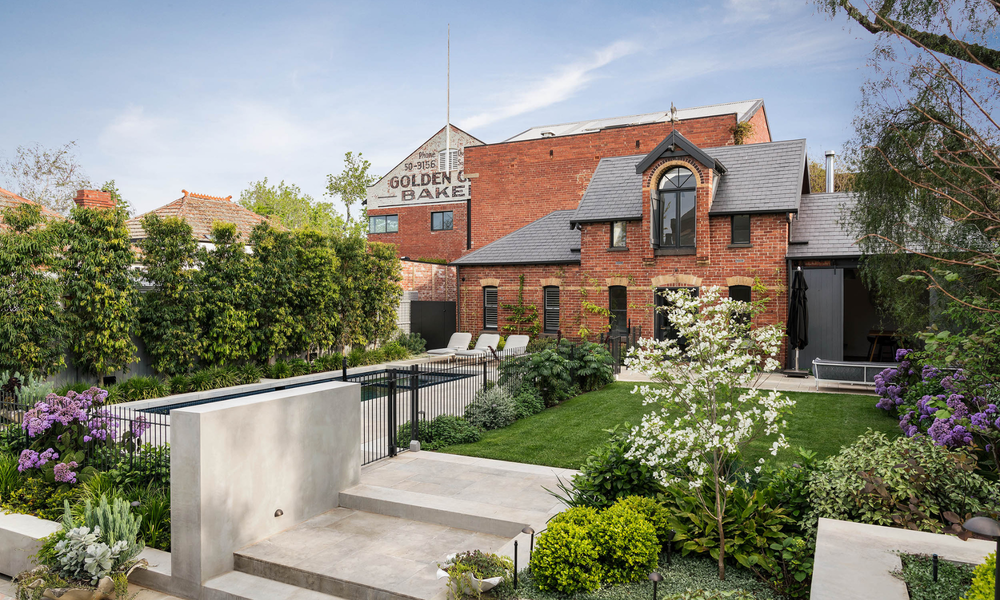
    As a fast-growing evergreen climber and groundcover for cottage, woodland, heritage and formal gardens, in mass plantings, walls, pergolas and shaded courtyards, Hedera canariensis brings dense, glossy foliage, low-maintenance coverage and a long-lived green presence that strengthens steadily with each season.

    Frequently Asked Questions

    About Hedera canariensis Canary Island Ivy

    How fast does Hedera canariensis grow?

    Hedera canariensis is a fast-growing evergreen climber, putting on 1 to 2 metres of new growth per year once established. It is one of the quickest ways to soften a new wall or fence, and it covers shaded ground rapidly when planted as a groundcover.

    Where should I plant Canary Island Ivy?

    Hedera canariensis grows well in full sun through to full shade, making it one of the most adaptable climbers and groundcovers available. It is excellent against walls, pergolas, retaining structures and fences, and as a groundcover beneath established trees where many other plants struggle to thrive.

    Is Hedera canariensis the same as English Ivy?

    No. Hedera canariensis (Canary Island Ivy) has noticeably larger, glossier and more refined leaves than Hedera helix (English Ivy). It also has a more polished overall appearance and a slightly less aggressive root habit, making it the more elegant choice for prominent garden positions and feature walls.

    Is Hedera canariensis frost tolerant?

    Yes. Hedera canariensis is frost hardy and handles winter frost without damage. It performs reliably across cool, temperate and warm climates and remains evergreen through winter, providing year-round foliage when many surrounding plants are bare.

    Does it need a support to climb?

    Hedera canariensis attaches itself directly to walls, fences and timber using small aerial rootlets, so it does not require a trellis or wires. For best results on smooth or painted surfaces, provide initial support or wires until the plant establishes contact and starts climbing on its own.

    Can it become invasive?

    Hedera canariensis is vigorous and will spread if left unchecked. In garden settings it is easily managed with annual pruning to define edges and keep growth within bounds. It is well suited to defined planting beds and walls rather than naturalised or bush-adjacent settings where it could escape into surrounding vegetation.

    How do I care for Hedera canariensis?

    Hedera canariensis is very low maintenance. Trim back twice a year to maintain shape and define edges, water moderately through establishment then sparingly, mulch annually, and apply a light slow-release fertiliser in early spring if foliage colour drops.


    Foliage

    Evergreen (foliage year round)

    Position
    • Full Sun
    • Part Shade
    • Full Shade
    Use
    • Groundcovers
    • Underplanting
    • Plant in Pots (or) Suitable for Pots
    Mature height
    Climbs to 10m+
    Mature width
    Spreads 3m to 5m+

    Planting Information

    How To Plant Your Hedera canariensis Canary Island Ivy

    Site: Choose a sheltered position in full sun to part shade with a sturdy trellis, fence or support nearby for training.

    Soil preparation: Enrich the planting area with quality compost and aged manure for a strong establishment phase.

    Hole: Dig twice as wide as the root ball and the same depth, close to the support structure.

    Planting: Position level with the surrounding soil, backfill gently, firm in, then water deeply and tie the leading stems loosely to the support.

    Recommended Planting Spacing For Your Hedera canariensis Canary Island Ivy

    Training distance: 1.5 to 2 metres between plants along a trellis, fence or pergola for full coverage.

    Feature climber: Allow a single specimen 2 to 3 metres of support to develop a full canopy of foliage and flowers.

    Pot or container: A 50 centimetre wide pot with a sturdy trellis support suits a single plant in a courtyard or balcony.

    Hedera canariensis Canary Island Ivy is expected to grow 1m to 2m per year.

    • Fast Growth Rate

    Long Term Care For Your Hedera canariensis Canary Island Ivy

    Watering: Water deeply twice weekly through the first 12 months. Once established, this is drought tolerant and only needs a deep soak during extended dry periods.

    Mulching: Apply a 5 to 7 centimetre layer of organic mulch over the root zone, keeping it 5 centimetres clear of the trunk.

    Pruning: Light prune after the main flowering flush to shape and direct new growth. Tie in young stems to maintain coverage on the support.

    Fertilising: Apply a slow-release general-purpose fertiliser in early spring and again in autumn for steady growth and consistent foliage colour.

    Pest and disease: Hardy against most pests and diseases. Occasional inspection in warm humid conditions is all that's needed.

    Planting Your Hedera canariensis Canary Island Ivy in Different Soil

    Hedera canariensis performs best in free-draining loam or sandy loam with a neutral to slightly alkaline pH. Adaptable to a wide range of soils when drainage is sharp.

    Sandy soil: Free-draining and ideal. Mulch lightly to moderate surface temperature.

    Clay soil: Improve drainage with gypsum and coarse organic compost before planting.

    Loam: The preferred soil for steady root development and consistent growth.

    pH: Neutral to slightly alkaline preferred. Avoid waterlogging at all times.

    Uses in my Garden

    Uses in my Garden

    • Groundcovers
    • Underplanting
    • Plant in Pots (or) Suitable for Pots

    Hedera canariensis Canary Island Ivy works in an:

    • Cottage Garden – romantic mix of flowers, colour, and texture.
    • Woodland Garden – layered, naturalistic design under dappled light.
    • Heritage / Traditional Garden – timeless, classic plantings for period homes.
    • Formal Garden – structured, symmetrical design with clipped shapes.
    • Mediterranean Style Garden – timeless courtyard look with stone, pots, and bold greenery.
    • Low-maintenance Garden – resilient choices for easy care and year-round appeal.

    Is Hedera canariensis Canary Island Ivy Evergreen or Deciduous?

    Hedera canariensis Canary Island Ivy is an Evergreen (foliage year round) Tree

    Mature Height & Width

    Mature Height: Climbs to 10m+

    Mature Width: Spreads 3m to 5m+

    Hedera canariensis Canary Island Ivy is expected to grow 1m to 2m per year.

    Growth Rate of Hedera canariensis Canary Island Ivy

    Hedera canariensis Canary Island Ivy is expected to grow 1m to 2m per year.

    They are considered to have a:

    • Fast Growth Rate

    Frost Tolerance & Ideal Climate to plant Hedera canariensis Canary Island Ivy

    Is Hedera canariensis Canary Island Ivy frost tolerant?

    Hedera canariensis Canary Island Ivy is Frost Hardy – Survives heavy and frequent frost without damage.

    Is Hedera canariensis Canary Island Ivy an Australian Native Tree?

    No

    Hedera canariensis Canary Island Ivy is Native to Native to the Canary Islands, Madeira and the Atlantic coast of North Africa, where Hedera canariensis grows naturally in laurel forests and shaded coastal cliffs.

    What is the Wildlife Value of Hedera canariensis Canary Island Ivy ?

    Hedera canariensis provides dense year-round shelter for small birds and beneficial insects, making it valuable as a wildlife refuge in established gardens. Mature plants that reach flowering stage also produce small autumn flowers that attract late-season bees.

    How much Sunlight does Hedera canariensis Canary Island Ivy need?

    Hedera canariensis Canary Island Ivy will thrive best in:

    • Full Sun
    • Part Shade
    • Full Shade

    Preferred Soil?

    Hedera canariensis is remarkably adaptable, tolerating a wide range of soil types from sandy through to loam and slightly clay, with a preference for free-draining soils enriched with organic matter. It performs reliably across acidic, neutral and alkaline pH, and the only condition it dislikes is persistently waterlogged ground.

    Is Hedera canariensis Canary Island Ivy Drought Tolerant?

    Is Hedera canariensis Canary Island Ivy Drought tolerant?

    Through establishment Hedera canariensis benefits from regular watering to build a strong root system. Once established it shows excellent drought tolerance and performs reliably through warm dry periods with minimal supplementary watering, particularly in shaded positions where the soil stays cooler.

    Frequently Asked Questions

    How fast does Hedera canariensis grow?

    Hedera canariensis is a fast-growing evergreen climber, putting on 1 to 2 metres of new growth per year once established. It is one of the quickest ways to soften a new wall or fence, and it covers shaded ground rapidly when planted as a groundcover.

    Where should I plant Canary Island Ivy?

    Hedera canariensis grows well in full sun through to full shade, making it one of the most adaptable climbers and groundcovers available. It is excellent against walls, pergolas, retaining structures and fences, and as a groundcover beneath established trees where many other plants struggle to thrive.

    Is Hedera canariensis the same as English Ivy?

    No. Hedera canariensis (Canary Island Ivy) has noticeably larger, glossier and more refined leaves than Hedera helix (English Ivy). It also has a more polished overall appearance and a slightly less aggressive root habit, making it the more elegant choice for prominent garden positions and feature walls.

    Is Hedera canariensis drought tolerant?

    Yes. Hedera canariensis is highly drought tolerant once established and performs reliably in dry shaded positions where many other plants fail. Through establishment it benefits from regular watering, then transitions to occasional deep soaks through warm dry periods.

    Is Hedera canariensis frost tolerant?

    Yes. Hedera canariensis is frost hardy and handles winter frost without damage. It performs reliably across cool, temperate and warm climates and remains evergreen through winter, providing year-round foliage when many surrounding plants are bare.

    Does it need a support to climb?

    Hedera canariensis attaches itself directly to walls, fences and timber using small aerial rootlets, so it does not require a trellis or wires. For best results on smooth or painted surfaces, provide initial support or wires until the plant establishes contact and starts climbing on its own.

    Can it become invasive?

    Hedera canariensis is vigorous and will spread if left unchecked. In garden settings it is easily managed with annual pruning to define edges and keep growth within bounds. It is well suited to defined planting beds and walls rather than naturalised or bush-adjacent settings where it could escape into surrounding vegetation.

    How do I care for Hedera canariensis?

    Hedera canariensis is very low maintenance. Trim back twice a year to maintain shape and define edges, water moderately through establishment then sparingly, mulch annually, and apply a light slow-release fertiliser in early spring if foliage colour drops.

    Compare sizes side by side

    140mm

    Enquire for current heights

    Heights are approximate and vary between individual trees.

    Hedera canariensis is loved for its large glossy dark green leaves and ability to soften walls, pergolas and shaded planting beds with refined coverage – a polished alternative to common English Ivy.

    We take pride in supplying A+ grade advanced trees. When stock at our farm is not yet ready, we work with our trusted trade suppliers to source the best available trees for your garden.

    youtube Load video:

    Evergreen Trees Direct Has Been Featured In:

    Perfect Substitutes for Hedera canariensis Canary Island Ivy

    Follow Us On Instagram

    @evergreentreesdirect ↗
    Evergreen Trees DirectEvergreen Trees DirectEvergreen Trees DirectEvergreen Trees DirectEvergreen Trees Direct
    youtube Load video: