- Mature height
- 1.5m to 3m
- Mature width
- 1.5m to 3m
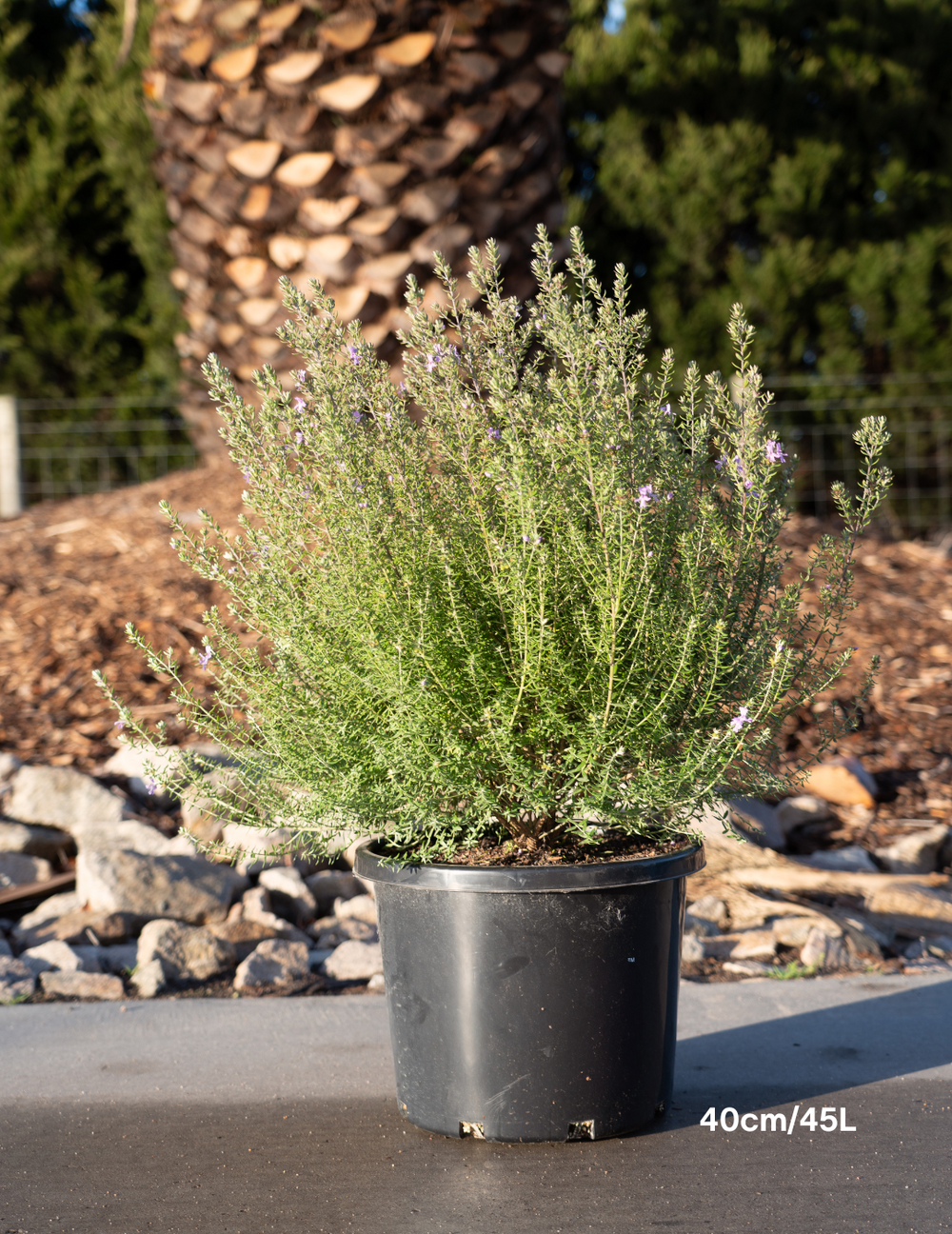
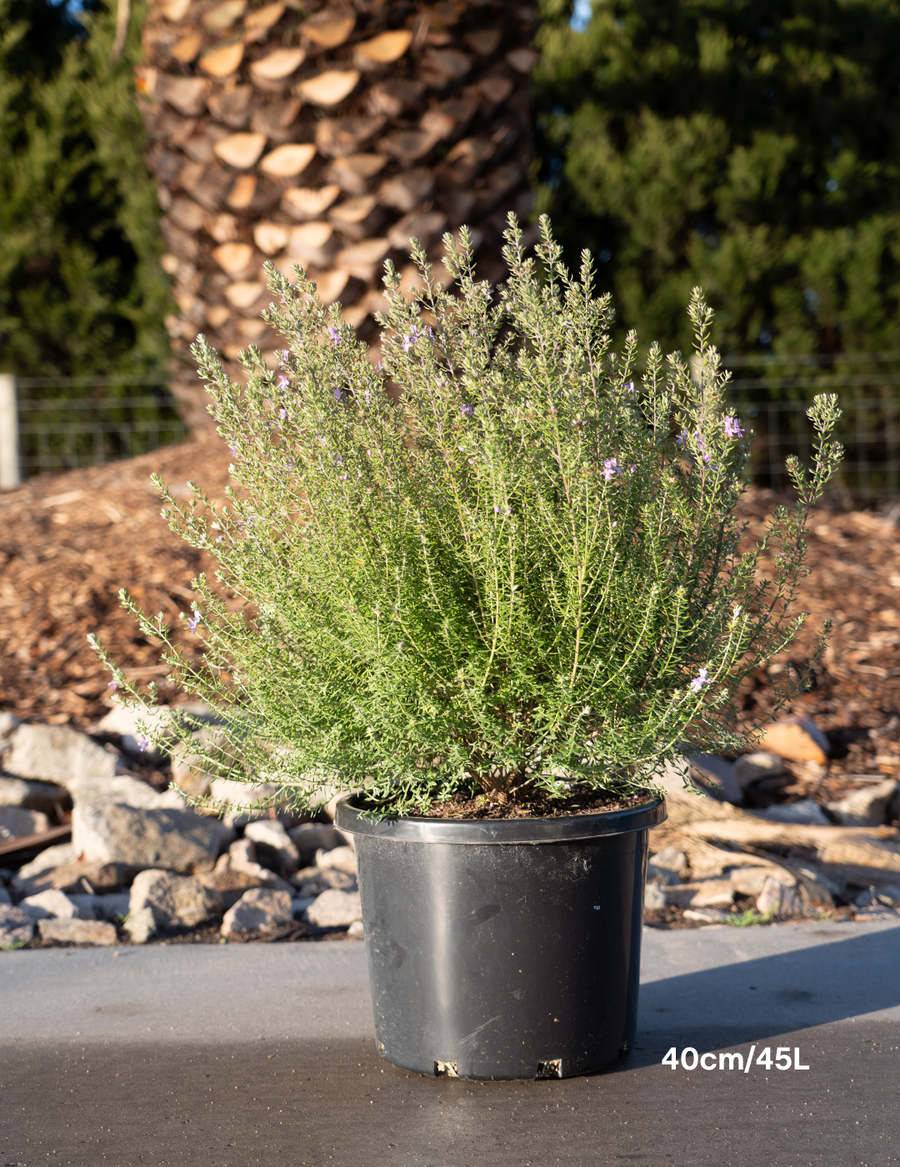
Grevillea 'Lady O' is an evergreen Australian native shrub with fine, deeply divided foliage and pendulous spider flowers in warm pink and red. The habit is dense and rounded, and the flowers come in flushes through most of the year rather than in one short burst, which keeps honeyeaters about.
Give it full sun and free draining soil, including sandy and low fertility ground. It suits temperate, warm temperate, subtropical, Mediterranean and coastal climates, handles light to moderate frost once established, and grows 30 to 80 centimetres a year. Avoid phosphorus rich fertilisers and heavy, wet clay.
Use it as an informal screen, a low hedge along a boundary, a mass planting on a slope, or a single shrub in a native border. It earns its place in water wise and bird attracting schemes. For most buyers it is a hardy flowering shrub that needs almost no attention.
Frequently Asked Questions
About Grevillea 'Lady O'
What is Grevillea 'Lady O'?
It is a hybrid grevillea bred for long flowering and a compact, well behaved shape. The foliage is fine and fern like, mid green, and dense right to the ground. Pink to red spider flowers hang from the branch tips in flushes through most of the year. It is Australian native, hardy and low maintenance.
How big does Lady O Grevillea grow?
Most plants settle at about 1.5 to 2 metres tall and a similar width, forming a rounded mound. Growth is 30 to 80 centimetres a year, so it fills its space within two or three seasons. Regular light tip pruning keeps it lower and denser if you want it under a window line.
When does it flower?
It flowers across most of the year, with the strongest displays from autumn through winter and into spring, and lighter flushes over summer. In warm coastal gardens there is usually some colour on the plant at any time. Tip pruning after each main flush brings the next one on faster.
Does it attract birds?
Yes. The nectar rich flowers bring in honeyeaters, wattlebirds and eastern spinebills, along with native bees. Because it flowers through the colder months it fills a gap when little else is in bloom, which makes it valuable in habitat and biodiversity plantings. The dense growth also gives small birds cover.
Is it frost tolerant?
It handles light to moderate frost once established, which covers most temperate and inland gardens. Young plants are more vulnerable in their first winter, so plant in spring or early autumn to give the roots time, and keep them out of frost hollows. Severe repeated frost can burn the outer foliage.
Can I grow it in a pot?
Yes, it takes to a large pot as long as drainage is sharp. Use a native potting mix with low phosphorus, a container of at least 40 to 50 centimetres, and let the mix dry slightly between waterings. Feed with a native specific fertiliser in spring, and trim after flowering to keep the shape tight.
How do I prune and care for Grevillea 'Lady O'?
Tip prune lightly after each flowering flush, taking no more than a third of the growth and never cutting back into bare old wood. Water through the first summer, then only in extended dry spells. Mulch with a coarse material kept off the stem, and use a low phosphorus native fertiliser once in spring.