Skip to content

Citrus junos

Citrus junos – Yuzu Citrus Tree

Evergreen · Full Sun

Mature size: 2m–4m high × 2m–3m wide

  • Evergreen
  • Full Sun
  • Mature height2m–4m
  • Mature width2m–3m
  • Frost Hardy
  • Good in pots
  • Flowers
Buy a Yuzu tree (Citrus junos), the most cold hardy citrus. Aromatic Japanese fruit, self-fertile, frost hardy and pot friendly. Australia wide delivery.About ↘

Produces highly aromatic fruit valued in Japanese cuisine while offering greater cold tolerance than many other citrus varieties.

Regular price $6,780.00
Sale price $6,780.00 Regular price
Tax included. Shipping calculated at checkout.
Pot size
Available batches
Size: 200L
Current height guide
Please enquire
Pot size
200L

Approximate only. Minimum height important? Confirm with us.

Height guide & disclaimer

Height guide disclaimer: Height ranges are approximate only. As living products, plant heights naturally vary between individual plants, batches, and seasons. No guarantee is given that supplied plants will fall within the stated range. If minimum heights are required, you must confirm current batch heights with Evergreen Trees Direct prior to purchase. Variation in height is normal and is not grounds for return, refund, replacement, or compensation.

Quantity
About this tree

Build your tree order

Mix sizes. Grow your savings.

Size / batchEachQuantity
200LApprox. height: Enquire for current heights$6,780.00

Height guide & disclaimer

Height guide disclaimer: Height ranges are approximate only. As living products, plant heights naturally vary between individual plants, batches, and seasons. No guarantee is given that supplied plants will fall within the stated range. If minimum heights are required, you must confirm current batch heights with Evergreen Trees Direct prior to purchase. Variation in height is normal and is not grounds for return, refund, replacement, or compensation.

Subtotal before savings$0.00

See also

Not sure about Yuzu Citrus Tree? See also White Frangipani ↗ or Magnifica Gardenia ↗

Perfect pairs

Most customers usually also buy

Total A$0.00

Ask a question

The fields marked * are required.

Compare trees

Choose two trees and compare the same pot size.

    About Citrus junos

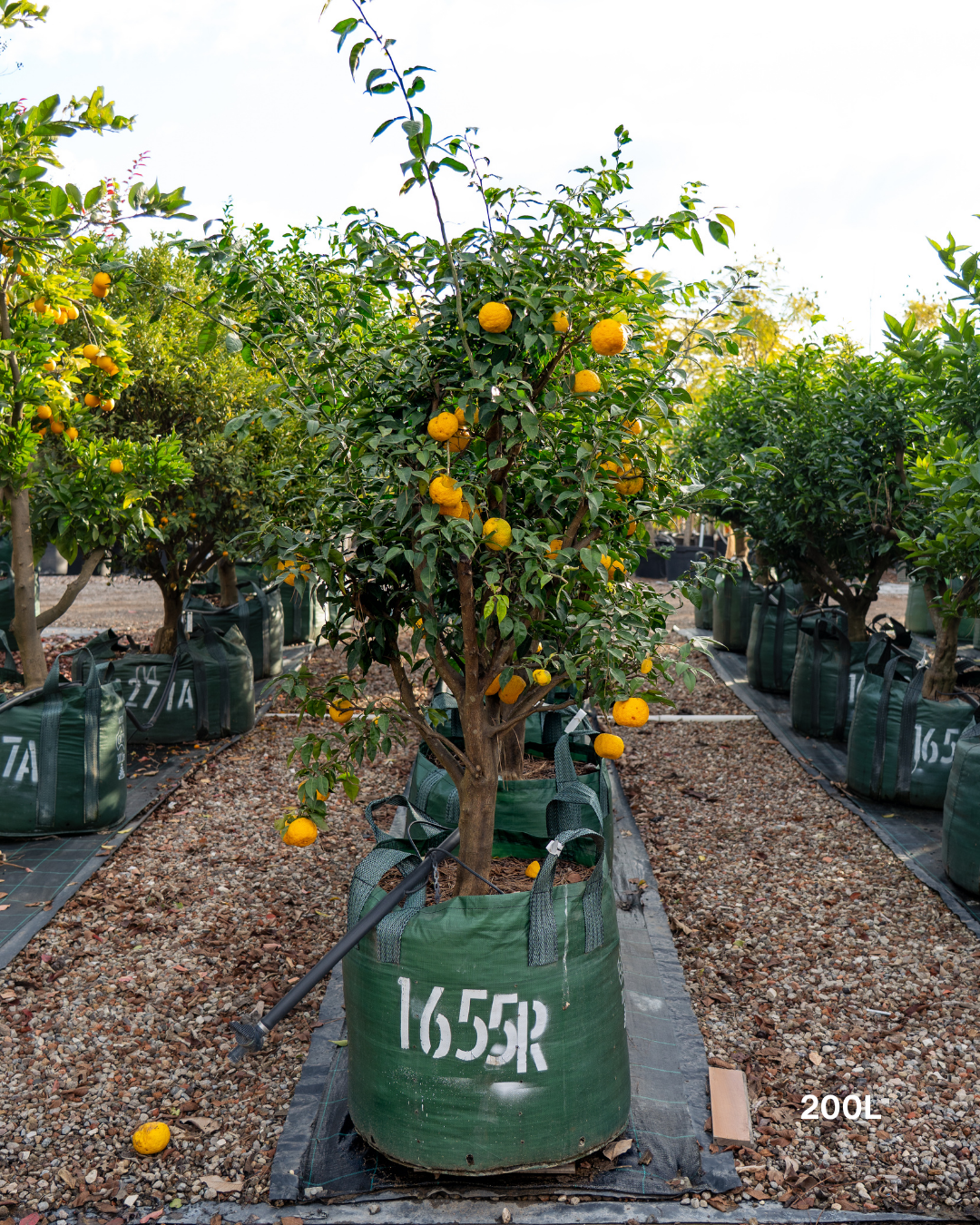
    Citrus junos, the yuzu, is an evergreen citrus grown in Japan and Korea for its intensely aromatic yellow fruit. It forms a rounded, densely branched tree with glossy leaves, long sharp thorns and winged leaf stalks. Fragrant white flowers open in spring, and the knobbly fruit smells closer to mandarin and grapefruit than lemon.

    Growth is 20 to 50 centimetres a year to about 2 to 4 metres tall and 2 to 3 metres wide. It is the most cold hardy citrus in general cultivation and takes repeated frost once established, so it succeeds in Melbourne, Canberra and the Adelaide Hills as well as milder coastal gardens.

    It suits kitchen gardens, cool climate orchards and large pots, and the thorns make it a useful boundary plant. Fruit ripens through autumn and early winter and is used for its rind and juice rather than eaten fresh. For cool districts it is the citrus that will crop where lemons and limes struggle.

    Frequently Asked Questions

    About Yuzu

    What is yuzu?

    Citrus junos is a hardy citrus from East Asia, best known as yuzu in Japanese and Korean cooking. The fruit is a rough skinned yellow citrus about the size of a mandarin, more seed than juice, prized for its aromatic rind and sharp fragrant juice. The tree is evergreen, rounded and armed with long thorns.

    How big does a yuzu tree grow?

    In cultivation it generally reaches 2 to 4 metres tall and 2 to 3 metres wide, growing 20 to 50 centimetres a year. Grafted trees stay smaller and fruit earlier than seedlings, which can take many years to crop. Pruning keeps it at picking height without much effect on the following season.

    Is yuzu frost tolerant?

    Yes, more so than any other citrus commonly grown here. Established trees tolerate repeated frost and cold winters that would damage a lemon, which is why it is planted in cool districts. Young trees still need shelter for their first two or three winters while the wood hardens and the root system establishes.

    Where does yuzu grow best in Australia?

    It suits cool and warm temperate Australia: Melbourne, the Yarra Valley, Adelaide and the hills, Canberra, Tasmania and the tablelands of New South Wales. It also grows in Sydney and Perth, though a cold winter appears to sharpen the aroma of the fruit. Humid tropical areas suit it least, as it prefers a distinct winter.

    When does yuzu fruit?

    Fragrant white flowers open in spring, mostly October and November. Fruit follows over summer, colouring from green to yellow through autumn and ripening from about May into July. It is often picked while still green for the rind. Trees take several years to bear well, and crops build steadily once they start.

    Can yuzu grow in pots?

    Yes. A container of 60 centimetres or more with a premium citrus mix works well, and the restricted root run keeps the tree compact. Pots suit gardeners who want to shift the tree out of cold wind, though the plant itself is hardy. Water consistently, since potted citrus dries out quickly in summer.

    How do I care for a yuzu tree?

    Feed with a citrus fertiliser in early spring and again after fruit set, and keep the root zone mulched. Water deeply in dry weather, particularly while fruit is sizing. Prune in late winter to remove crossing branches and open the centre. Wear heavy gloves when working on it, as the thorns are long and sharp.

    Key growing information
    Mature height2m to 4m
    Mature width2m to 3m
    PositionFull Sun
    Growth per year20cm to 50cm per year under suitable conditions
    FrostFrost Hardy
    FoliageEvergreen (foliage year round)
    FormRounded · Dense
    UsesEdible Garden · Feature Tree · Plant in Pots (or) Suitable for Pots · Rural Property Planting
    Rootball width & depthView dimensions →
    Foliage

    Evergreen (foliage year round)

    Position
    • Full Sun
    Form
    • Rounded
    • Dense
    Use
    • Edible Garden
    • Feature Tree
    • Plant in Pots (or) Suitable for Pots
    • Rural Property Planting
    Mature height
    2m to 4m
    Mature width
    2m to 3m
    Citrus junos – Yuzu Citrus Tree

    Planting Information

    How To Plant Your Citrus junos – Yuzu Citrus Tree

    Site: Full sun, with shelter from cold drying wind. A north-facing position against a wall suits cool districts well. Keep it clear of paths and play areas because of the thorns.

    Soil preparation: Work compost and aged manure through the planting area. Citrus need free drainage above all else, so mound up on heavy clay rather than digging a sump that holds water.

    Hole: Dig twice as wide as the root ball and the same depth.

    Planting: Keep the graft union well above soil level and never bury it. Backfill gently, firm in and water deeply. Mulch the root zone, keeping mulch clear of the trunk.

    First winters: Shelter young trees for their first two or three winters in frost-prone districts while the wood hardens.

    Recommended Planting Spacing For Your Citrus junos – Yuzu Citrus Tree

    Single feature or kitchen garden: Allow 2 to 3 metres clear each way, and keep it back from paths and seating because the thorns are long and sharp.

    Orchard row: 2 to 2.5 metres apart in the row for easier picking and airflow between trees.

    Boundary or barrier planting: 2 metres apart. The thorns make yuzu a genuinely effective deterrent hedge as it thickens.

    Citrus junos – Yuzu Citrus Tree is expected to grow 20cm to 50cm per year under suitable conditions.

    • Medium Growth Rate

    Long Term Care For Your Citrus junos – Yuzu Citrus Tree

    Feeding: Citrus are hungry. Feed with a dedicated citrus fertiliser in early spring and again after fruit set. Yellowing leaves usually mean it is hungry rather than sick.

    Watering: Water deeply in dry weather, particularly while fruit is sizing over summer. Inconsistent watering causes fruit drop.

    Pruning: Prune in late winter to remove crossing branches and open the centre. Wear heavy gloves and long sleeves, as the thorns are long and sharp. Remove any shoots below the graft union as soon as they appear.

    Mulching: Keep the root zone mulched year-round, held clear of the trunk to prevent collar rot.

    Pest and disease: Watch for the usual citrus pests: scale, aphids, citrus leafminer and bronze orange bug. Avoid spraying while the tree is in flower so bees can work it.

    Planting Your Citrus junos – Yuzu Citrus Tree in Different Soil

    Loam soils: Ideal. Free-draining and fertile, which is what citrus want.

    Sandy soils: Drain well but need regular compost and consistent watering to hold fertility.

    Clay soils: The main risk for citrus. Plant on a raised mound and improve with gypsum and compost, or grow in a large pot instead. Waterlogged roots are the most common cause of citrus failure.

    pH: Neutral to slightly acidic, around 6.0 to 7.0.

    Citrus junos – Yuzu Citrus Tree

    Uses in my Garden

    Uses in my Garden

    • Edible Garden
    • Feature Tree
    • Plant in Pots (or) Suitable for Pots
    • Rural Property Planting

    Citrus junos – Yuzu Citrus Tree works in an:

    • Edible Garden – integrates fruit, herbs, and productive plants.
    • Mediterranean Style Garden – timeless courtyard look with stone, pots, and bold greenery.
    • Japanese Inspired – serene balance of form, foliage, and flow.
    • Cottage Garden – romantic mix of flowers, colour, and texture.
    • Heritage / Traditional Garden – timeless, classic plantings for period homes.
    • Low-maintenance Garden – resilient choices for easy care and year-round appeal.

    Is Citrus junos – Yuzu Citrus Tree Evergreen or Deciduous?

    Citrus junos – Yuzu Citrus Tree is an Evergreen (foliage year round) Tree

    Mature Height & Width

    Mature Height: 2m to 4m

    Mature Width: 2m to 3m

    Citrus junos – Yuzu Citrus Tree is expected to grow 20cm to 50cm per year under suitable conditions.

    Growth Rate of Citrus junos – Yuzu Citrus Tree

    Citrus junos – Yuzu Citrus Tree is expected to grow 20cm to 50cm per year under suitable conditions.

    They are considered to have a:

    • Medium Growth Rate

    Frost Tolerance & Ideal Climate to plant Citrus junos – Yuzu Citrus Tree

    Is Citrus junos – Yuzu Citrus Tree frost tolerant?

    Citrus junos – Yuzu Citrus Tree is Frost Hardy – Survives heavy and frequent frost without damage.

    Does Citrus junos – Yuzu Citrus Tree Flower?

    Citrus junos produces masses of highly fragrant white flowers through spring, followed by distinctive yellow fruit with intensely aromatic rind and juice. The blooms create an attractive seasonal display against the glossy evergreen foliage while supporting reliable fruit production on mature trees.

    Does Citrus junos – Yuzu Citrus Tree flower?

    • Yes - Flowers

    Flowering Period:

    • Spring

    Flower Type:

    • Fragrant

    Flower Colour:

    White

    Is Citrus junos – Yuzu Citrus Tree an Australian Native Tree?

    No

    Citrus junos – Yuzu Citrus Tree is Native to China, later widely cultivated throughout Japan and Korea.

    What is the Wildlife Value of Citrus junos – Yuzu Citrus Tree ?

    Fragrant white spring flowers are worked heavily by bees and other pollinators, supporting fruit set on the tree and biodiversity across the wider garden. The dense thorny evergreen canopy also gives small birds a well-protected place to shelter and nest.

    How much Sunlight does Citrus junos – Yuzu Citrus Tree need?

    Citrus junos – Yuzu Citrus Tree will thrive best in:

    • Full Sun

    Preferred Soil?

    Citrus junos performs best in rich, well-drained loam or sandy soils with a neutral to slightly acidic pH. It will also tolerate a range of general garden soils provided drainage remains reliable and organic matter is incorporated to support fertility and moisture retention. Avoid heavy clay or persistently wet conditions, as poor drainage can reduce root health and fruiting performance. Keep soil evenly moist during active growth and fruit development for best results.

    Is Citrus junos – Yuzu Citrus Tree Drought Tolerant?

    Is Citrus junos – Yuzu Citrus Tree Drought tolerant?

    As a young tree it benefits from regular watering to establish a healthy productive root system, particularly during warmer weather. Once established, Yuzu Citrus shows moderate drought tolerance but performs best with consistent moisture to support reliable flowering, fruit production and healthy foliage growth.

    Citrus junos – Yuzu Citrus Tree

    Frequently Asked Questions

    What is yuzu?

    Citrus junos is a hardy citrus from East Asia, best known as yuzu in Japanese and Korean cooking. The fruit is a rough skinned yellow citrus about the size of a mandarin, more seed than juice, prized for its aromatic rind and sharp fragrant juice. The tree is evergreen, rounded and armed with long thorns.

    How big does a yuzu tree grow?

    In cultivation it generally reaches 2 to 4 metres tall and 2 to 3 metres wide, growing 20 to 50 centimetres a year. Grafted trees stay smaller and fruit earlier than seedlings, which can take many years to crop. Pruning keeps it at picking height without much effect on the following season.

    Is yuzu frost tolerant?

    Yes, more so than any other citrus commonly grown here. Established trees tolerate repeated frost and cold winters that would damage a lemon, which is why it is planted in cool districts. Young trees still need shelter for their first two or three winters while the wood hardens and the root system establishes.

    Where does yuzu grow best in Australia?

    It suits cool and warm temperate Australia: Melbourne, the Yarra Valley, Adelaide and the hills, Canberra, Tasmania and the tablelands of New South Wales. It also grows in Sydney and Perth, though a cold winter appears to sharpen the aroma of the fruit. Humid tropical areas suit it least, as it prefers a distinct winter.

    When does yuzu fruit?

    Fragrant white flowers open in spring, mostly October and November. Fruit follows over summer, colouring from green to yellow through autumn and ripening from about May into July. It is often picked while still green for the rind. Trees take several years to bear well, and crops build steadily once they start.

    What does yuzu taste like?

    Sharper and more aromatic than a lemon, with notes closer to mandarin and grapefruit. It is not eaten fresh as the flesh is very tart and full of seeds. The rind carries most of the aroma and is used as zest, while the juice goes into ponzu, dressings, marinades, drinks and desserts.

    Do I need more than one tree to get fruit?

    No. Yuzu is self-fertile, so a single tree will set fruit without a pollination partner. Bee activity in spring helps fruit set, so avoid spraying while the tree is in flower.

    Can yuzu grow in pots?

    Yes. A container of 60 centimetres or more with a premium citrus mix works well, and the restricted root run keeps the tree compact. Pots suit gardeners who want to shift the tree out of cold wind, though the plant itself is hardy. Water consistently, since potted citrus dries out quickly in summer.

    How do I care for a yuzu tree?

    Feed with a citrus fertiliser in early spring and again after fruit set, and keep the root zone mulched. Water deeply in dry weather, particularly while fruit is sizing. Prune in late winter to remove crossing branches and open the centre. Wear heavy gloves when working on it, as the thorns are long and sharp.

    Citrus junos – Yuzu Citrus Tree

    Delivery & help

    Citrus junos – Yuzu Citrus Tree

    Pot sizes & dimensions

    Pot / bag size Width Depth
    30cm Pot33cm30cm
    40cm/45L Pot44cm41.5cm
    50cm Pot / 70L Pot55cm41.8cm
    100L Bag50.6cm52.8cm
    150L Bag66cm55cm
    200L Bag71.5cm60.5cm
    300L Bag88cm63.8cm
    400L Bag99cm66cm
    500L Bag122cm66cm
    750L Bag134cm69cm
    1000L Bag146.3cm71.5cm
    2000L Bag176cm82.5cm

    General planting reference. Container dimensions can vary by supplier and batch.

    Compare sizes side by side

    * Heights are approximate and vary between individual trees.

    200L

    Enquire for current heights

    $6,780.00

    They’re loved for their Produces highly aromatic fruit valued in Japanese cuisine while offering greater cold tolerance than many other citrus varieties.

    Citrus junos – Yuzu Citrus Tree

    Grown across more than 100 acres, and held to one standard: premium A+ grade stock.

    Perfect pairs

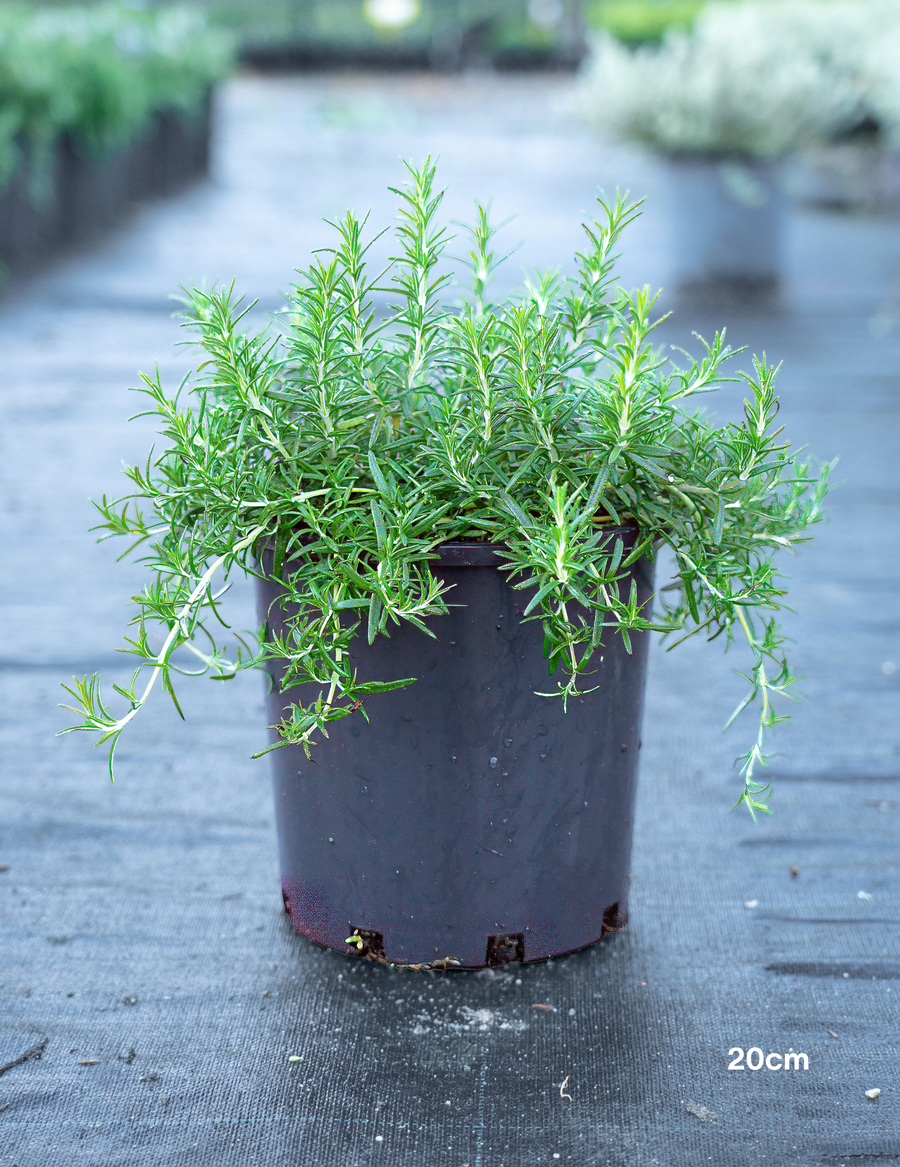
    Rosmarinus officinalis – Rosemary

    Rosmarinus officinalis, now reclassified as Salvia rosmarinus, is Rosemary, an upright evergreen shrub with narrow needle-like grey-green leaves and a dense woody frame. The foliage is strongly aromatic year round, and small pale blue flowers appear over winter and into spring. Prostrate forms trail rather than stand upright....

    Read product details

    Rosmarinus officinalis, now reclassified as Salvia rosmarinus, is Rosemary, an upright evergreen shrub with narrow needle-like grey-green leaves and a dense woody frame. The foliage is strongly aromatic year round, and small pale blue flowers appear over winter and into spring. Prostrate forms trail rather than stand upright.

    It wants full sun and sharp drainage, and it is happier dry than wet. Established plants handle drought, salt wind and exposed positions with ease, which suits warm temperate and Mediterranean climates across southern Australia. Growth is 30 to 50 centimetres a year and maintenance amounts to an annual trim.

    Rosemary is used as low hedging, in borders, as groundcover in its prostrate forms, and in herb and kitchen gardens where it is cut for cooking. It grows happily in a 40 to 50 centimetre pot by a back door. Ornamental structure and a usable crop from the same plant.

    Frequently Asked Questions

    About Rosemary

    What is Rosemary?

    Rosmarinus officinalis, now classified botanically as Salvia rosmarinus, is an upright evergreen shrub with narrow needle-like grey-green leaves and a strong resinous scent. Small pale blue flowers appear over winter and spring. The habit is woody and dense, and the aromatic foliage is held all year round.

    How big does Rosemary grow?

    Upright forms generally reach 1 to 1.5 metres tall and a similar width, while prostrate selections stay under 40 centimetres and spread sideways instead. Growth is around 30 to 50 centimetres a year. Regular light harvesting or trimming holds a plant well below its potential size without any harm.

    Does Rosemary need sun or shade?

    Full sun, without qualification. Six or more hours of direct sun gives dense growth, strong aroma and good oil content in the leaves. In shade the plant stretches, thins out and becomes prone to fungal problems. Open air movement around the plant matters almost as much as the sun does.

    Is Rosemary drought tolerant?

    Very. Once established it survives long dry periods on rainfall alone in most temperate districts, and it is far more likely to be killed by wet soil than by dry. Free drainage is essential. Water new plants through their first summer, then only during extended dry spells.

    Can Rosemary grow in pots?

    Yes, and a pot suits it well because you control the drainage. Use a pot 40 to 50 centimetres wide with a gritty free-draining mix, put it in the sunniest spot you have, and let the mix dry between waterings. A single plant on a courtyard or balcony is easy to keep.

    Can I cook with this Rosemary?

    Yes. Rosmarinus officinalis is the culinary rosemary, and sprigs can be cut fresh year round for roasts, breads, oils and marinades. Harvest from the soft green growth rather than the old woody stems, and take a little from several places around the bush so it keeps its shape.

    How do I care for Rosemary?

    Plant in full sun in free-draining soil, on a raised mound if your ground is heavy. Water sparingly once established and avoid rich fertiliser, which produces soft growth and weak flavour. Trim lightly after flowering to keep the bush dense, cutting into green growth only, since bare old wood does not reshoot.

    youtube Load video:

    Evergreen Trees Direct Has Been Featured In:

    Perfect Substitutes for Citrus junos – Yuzu Citrus Tree

    Follow Us On Instagram

    @evergreentreesdirect ↗
    Evergreen Trees DirectEvergreen Trees DirectEvergreen Trees DirectEvergreen Trees DirectEvergreen Trees Direct
    youtube Load video:

    Shopping cart (0)

    Complete your order

    Freight added at checkout, based on your delivery address and order quantities.

    Checkout