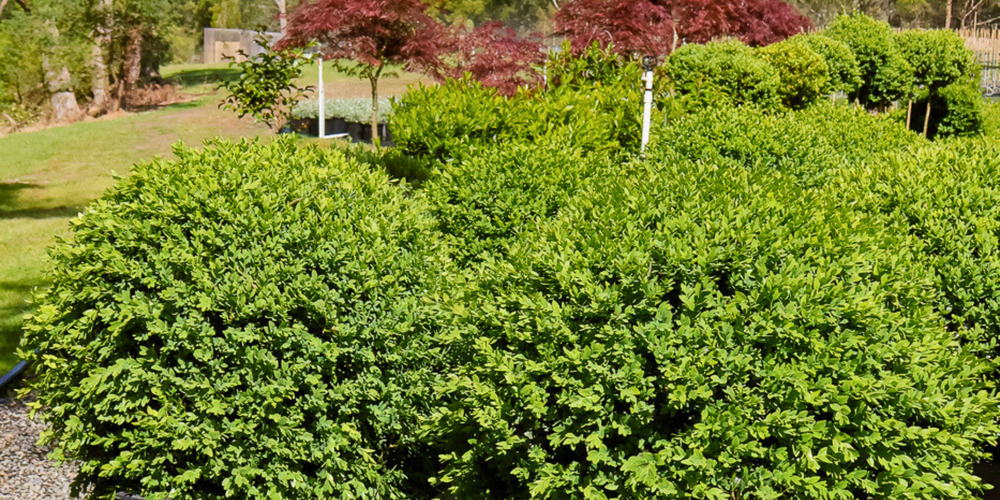
Citrus latifolia ‘Courtyard Lime’
Citrus latifolia ‘Courtyard Lime’ – Courtyard Lime Tree
Evergreen · Full Sun
Mature size: 2m–3m high × 1.5m–2.5m wide
- Evergreen
- Full Sun
- Mature height2m–3m
- Mature width1.5m–2.5m
- Frost Tolerant
- Flowers

Compact productive growth makes this variety highly suitable for pots, patios, and smaller edible gardens.
Regular price
$400.00
Sale price
$400.00
Regular price
Tax included.
Shipping calculated at checkout.
Pot size
Available batches
- Current height guide
- Please enquire
- Pot size
- 40cm/45L
Approximate only. Minimum height important? Confirm with us.
Height guide & disclaimer
Height guide disclaimer: Height ranges are approximate only. As living products, plant heights naturally vary between individual plants, batches, and seasons. No guarantee is given that supplied plants will fall within the stated range. If minimum heights are required, you must confirm current batch heights with Evergreen Trees Direct prior to purchase. Variation in height is normal and is not grounds for return, refund, replacement, or compensation.
Quantity
About this treeCouldn't load pickup availability
Mature height & width
Mature height & width
- Mature height
- 2m to 3m
- Mature width
- 1.5m to 2.5m
Pot sizes & dimensions
Pot sizes & dimensions
| Pot / bag size | Width | Depth |
|---|---|---|
| 30cm Pot | 33cm | 30cm |
| 40cm/45L Pot | 44cm | 41.5cm |
| 50cm Pot / 70L Pot | 55cm | 41.8cm |
| 100L Bag | 50.6cm | 52.8cm |
| 150L Bag | 66cm | 55cm |
| 200L Bag | 71.5cm | 60.5cm |
| 300L Bag | 88cm | 63.8cm |
| 400L Bag | 99cm | 66cm |
| 500L Bag | 122cm | 66cm |
| 750L Bag | 134cm | 69cm |
| 1000L Bag | 146.3cm | 71.5cm |
| 2000L Bag | 176cm | 82.5cm |
General planting reference from our existing size guide. Actual containers can vary by supplier and batch; confirm exact dimensions if required.
Delivery & pickup
Delivery & pickup
See also
See also
Perfect pairs
Perfect pairs
Most customers usually also buy
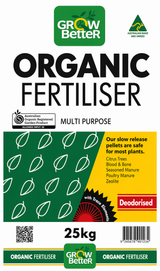
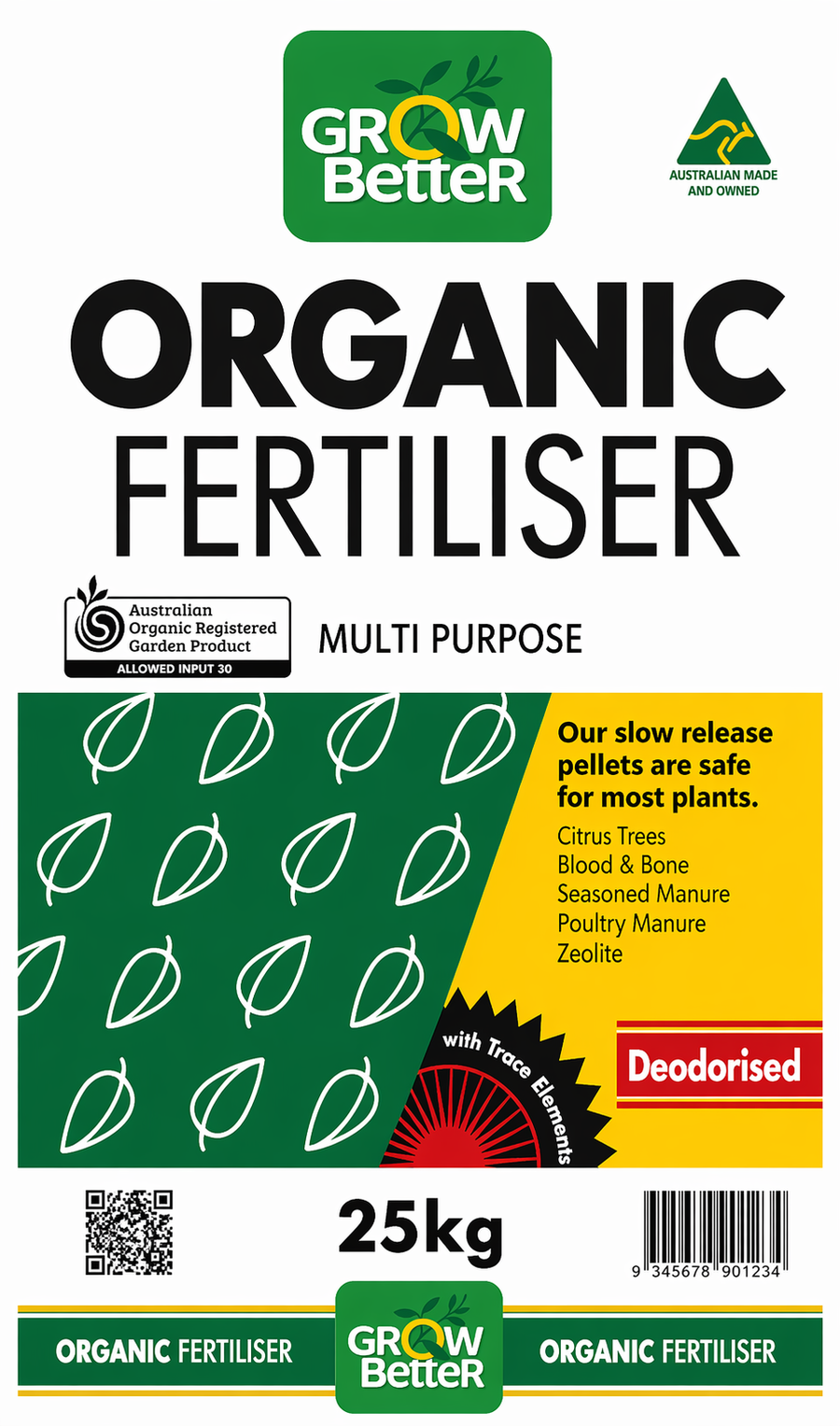
- Grow Better Organic Fertiliser
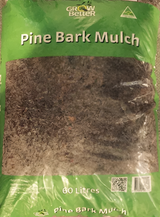
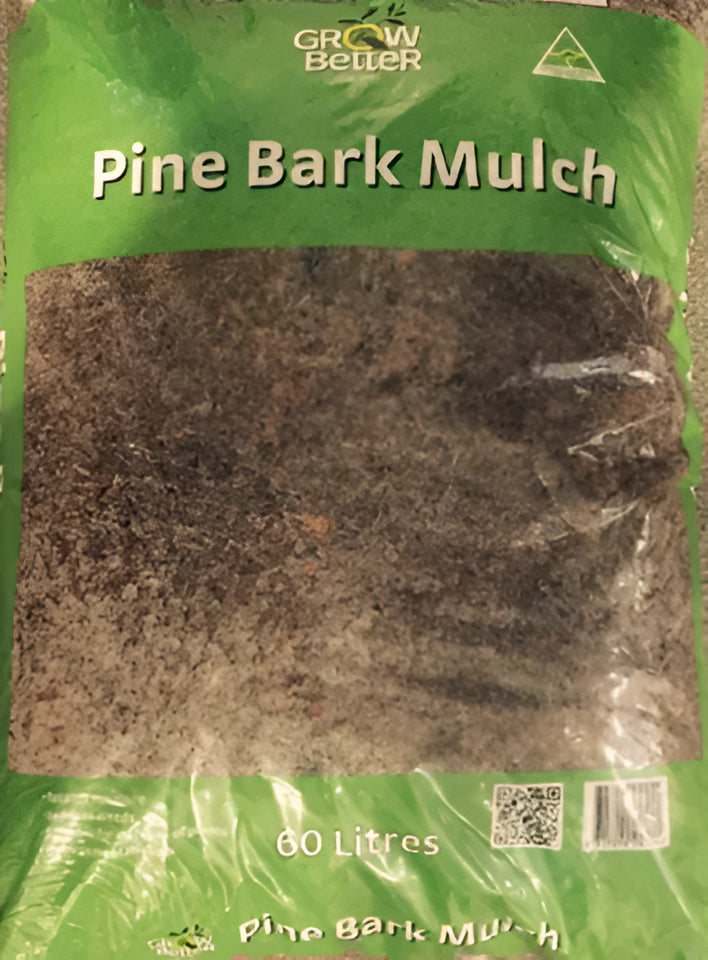
- Pine Bark Mulch
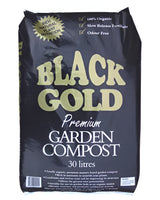
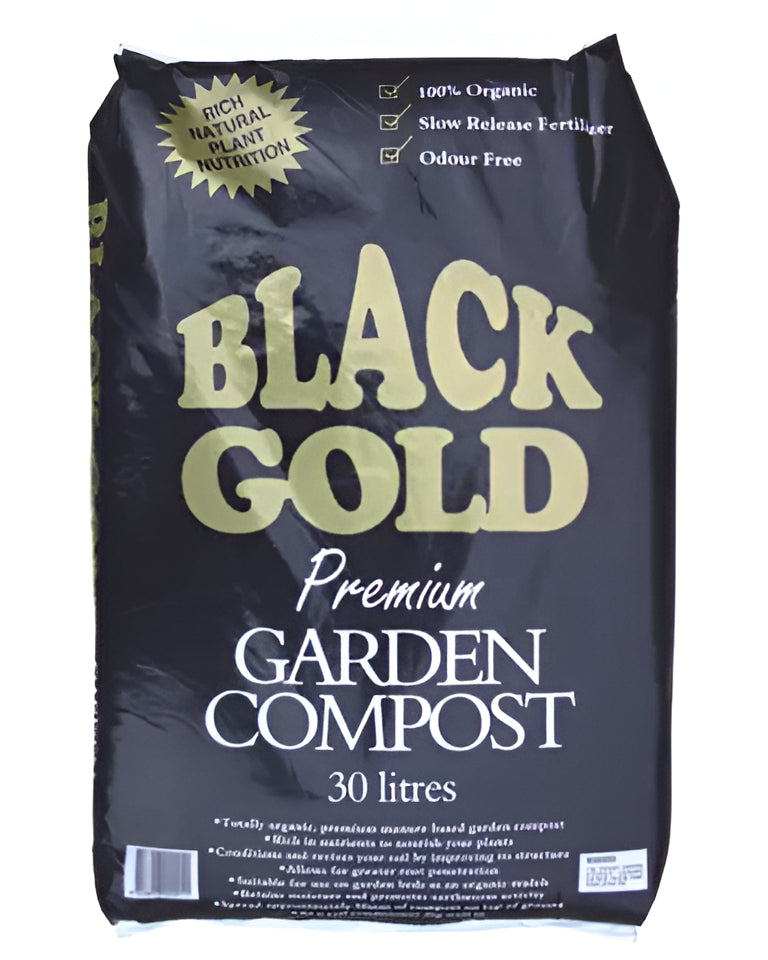
- Black Gold Garden Compost
- Lavandula angustifolia English Lavender
- Rosmarinus officinalis – Rosemary

Total A$0.00
Trade enquiries
Trade enquiries
We supply advanced trees to landscapers, developers, architects, and councils Australia-wide. Trade clients receive fast quotes, expert advice, and access to premium stock with reliable freight.
Freight estimate
Based on the items currently in your cart.
Final delivery cost is confirmed at checkout using your full address.
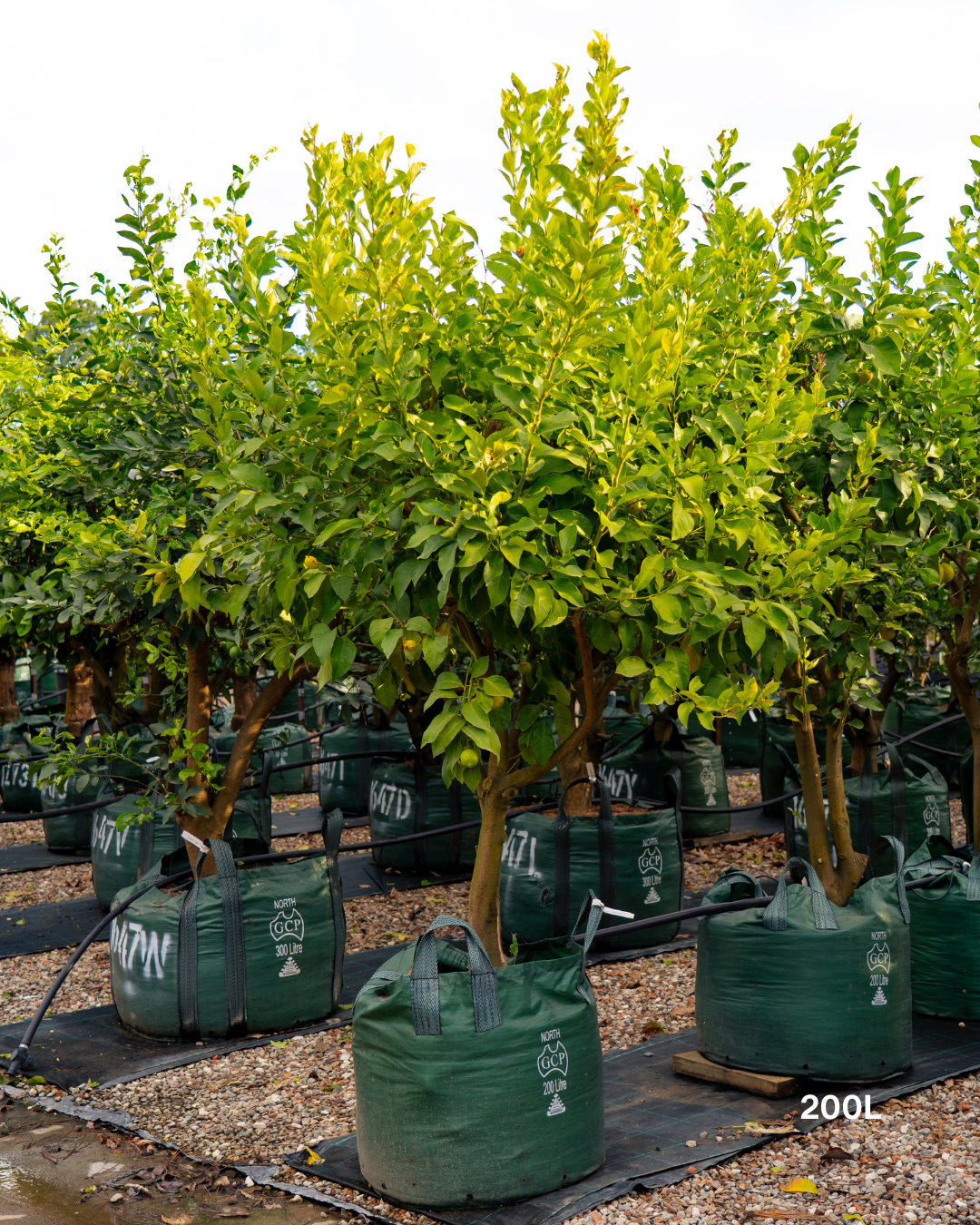
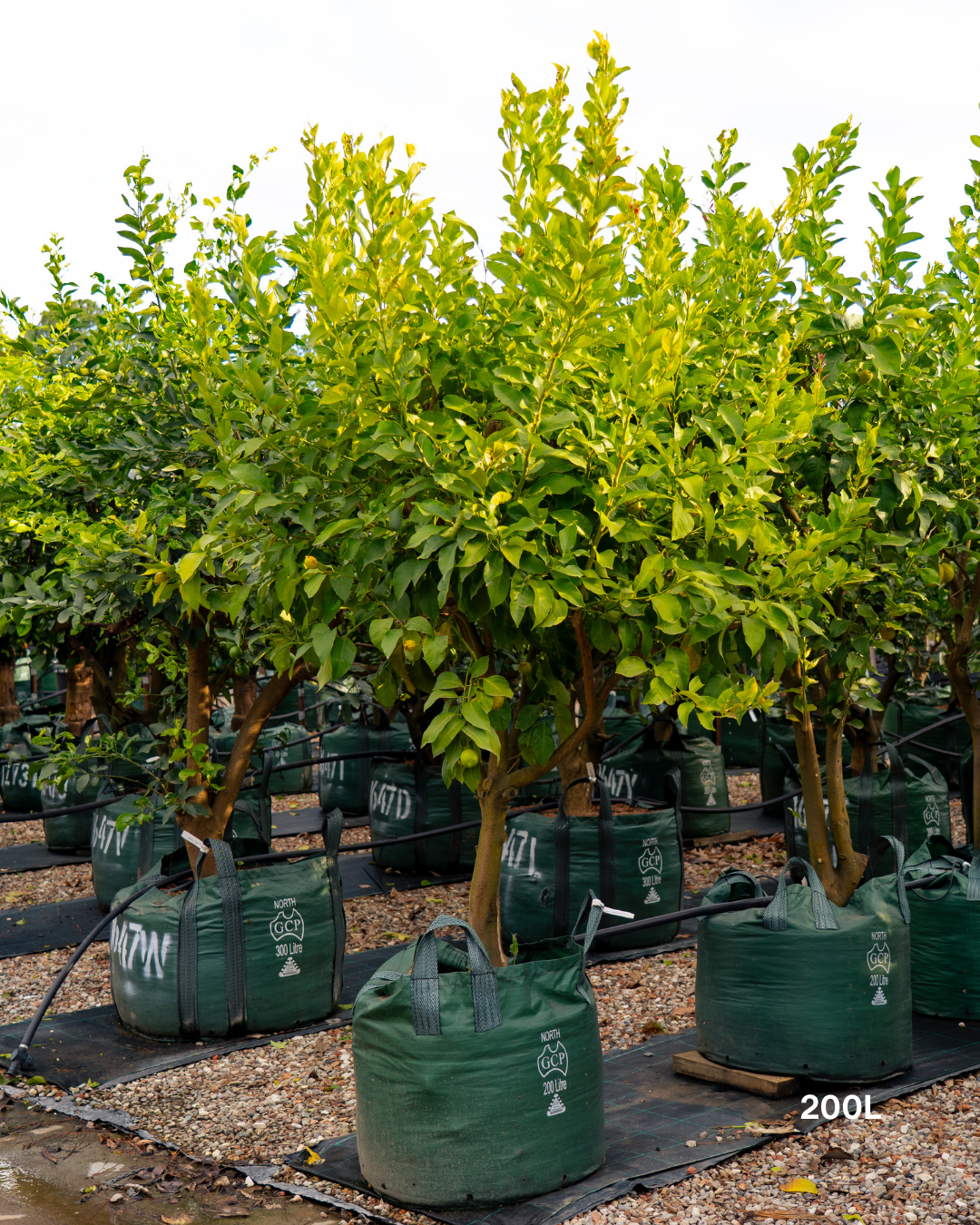
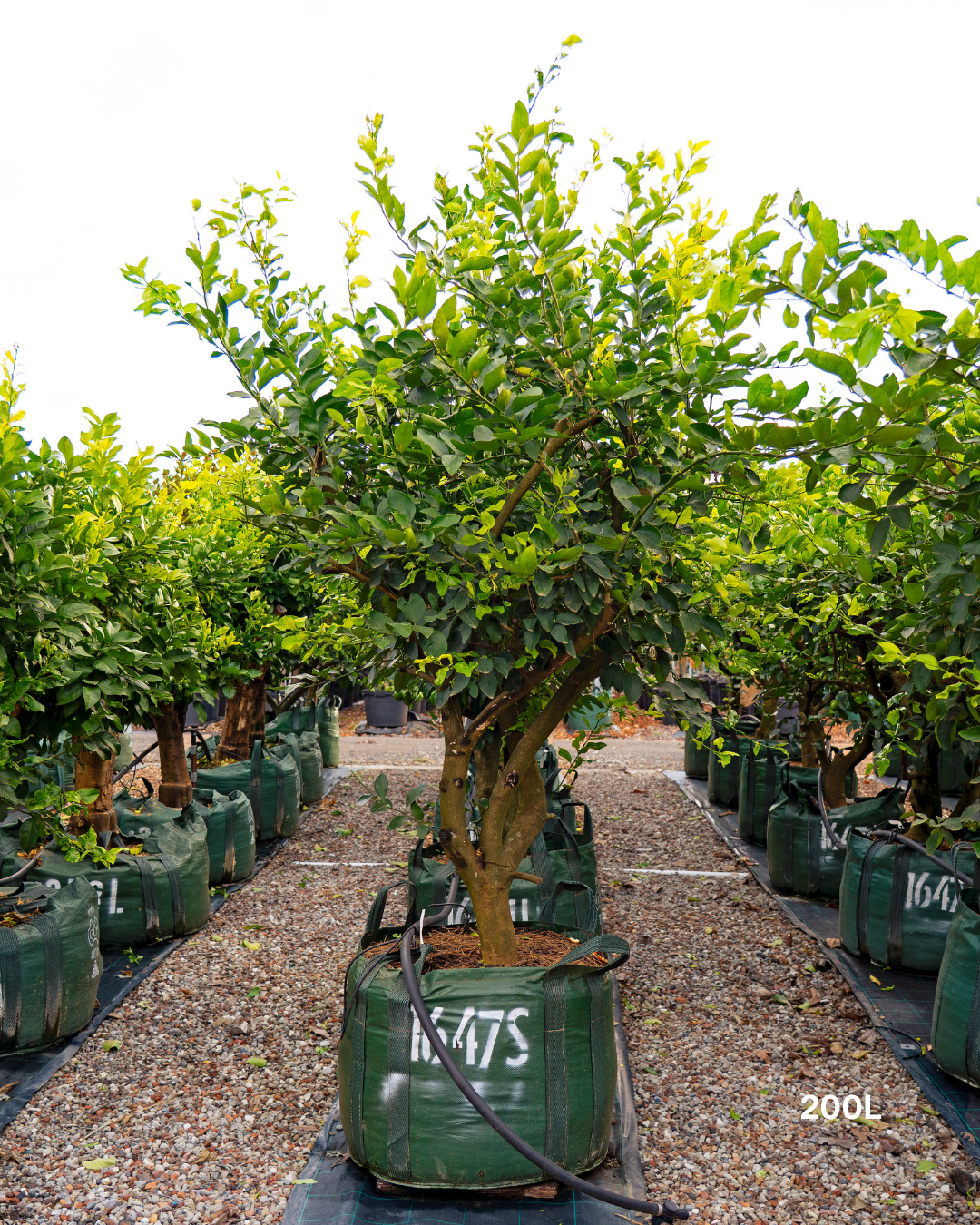
About Citrus latifolia ‘Courtyard Lime’
Citrus latifolia 'Courtyard Lime' is a compact selection of the Tahitian lime, an evergreen citrus with glossy dark leaves and a naturally rounded, dense habit. It carries seedless green limes with thin skin and generous juice, held well against the foliage, and the small white flowers are lightly fragrant.
It grows 20 to 50 centimetres a year and settles at about 1.5 to 2.5 metres tall and wide, noticeably smaller than a standard Tahitian lime. Full sun and rich, free draining soil with reliable water give the best crops. It suits warm temperate, subtropical and Mediterranean climates and takes only light frost.
The size is the point: it fits a courtyard bed, a balcony pot or a narrow strip beside a driveway where a full sized citrus would crowd everything out. Fruit ripens over a long window from late autumn into winter, with scattered fruit at other times of year in warm gardens.
Frequently Asked Questions
About Courtyard Lime
What is Courtyard Lime?
'Courtyard Lime' is a compact form of Citrus latifolia, the Tahitian or Persian lime. It produces the same seedless, thin skinned green limes as the standard variety but on a much smaller tree, which is what makes it useful in tight gardens. The foliage is evergreen, glossy and dense, and the stems are almost thornless.
How big does Courtyard Lime grow?
It holds at roughly 1.5 to 2.5 metres tall and about as wide, growing 20 to 50 centimetres a year. That is well under half the size of a full Tahitian lime. Light annual pruning after harvest keeps it tighter again if you are working with a very small bed or a container.
Can it be grown in a pot?
Yes, this is the variety chosen for it. A pot 50 to 60 centimetres wide with a premium citrus mix suits a single tree on a balcony or paved courtyard. Potted citrus need more frequent watering and feeding than plants in the ground, so mulch the surface and feed little and often through the growing season.
Is Courtyard Lime frost tolerant?
Only lightly. Limes are the most cold sensitive of the common citrus, and while an established plant shrugs off a light frost, moderate or repeated frost damages foliage, flowers and fruit. In cold districts grow it in a pot that can move undercover, or plant it in a warm north facing spot with overhead protection.
When does Courtyard Lime fruit?
The main flowering is in spring, with the heaviest fruit ripening from late autumn through winter, roughly May to August. In warm frost free gardens the tree flowers in flushes and carries some fruit for most of the year. Limes are usually picked while still green, before the skin turns pale yellow.
Where does Courtyard Lime grow best in Australia?
It performs best in Brisbane, the northern New South Wales coast, Sydney, Perth and warm frost free parts of Adelaide. Coastal gardens suit it provided there is shelter from salt wind. Cooler districts such as Canberra, Melbourne and Tasmania need a container and a protected position, or a genuinely warm courtyard microclimate.
How do I care for Courtyard Lime?
Feed with a complete citrus fertiliser in early spring, midsummer and early autumn, and keep the water up, especially while fruit is filling. Mulch the root zone but keep it off the trunk. Prune lightly after harvest to hold the shape. Watch for citrus leaf miner, scale and aphids on soft new growth.
| Mature height | 2m to 3m |
|---|---|
| Mature width | 1.5m to 2.5m |
| Position | Full Sun |
| Growth per year | 20cm to 50cm per year under suitable conditions |
| Frost | Frost Tolerant |
| Foliage | Evergreen (foliage year round) |
| Form | Compact · Rounded |
| Uses | Edible Garden |
| Rootball width & depth | View dimensions → |
- Foliage
Evergreen (foliage year round)
- Position
- Form
- Use
- Mature height
- 2m to 3m
- Mature width
- 1.5m to 2.5m
Planting Information
Recommended Planting Spacing For Your Citrus latifolia ‘Courtyard Lime’ – Courtyard Lime Tree
Citrus latifolia ‘Courtyard Lime’ – Courtyard Lime Tree is expected to grow 20cm to 50cm per year under suitable conditions.
Long Term Care For Your Citrus latifolia ‘Courtyard Lime’ – Courtyard Lime Tree
Planting Your Citrus latifolia ‘Courtyard Lime’ – Courtyard Lime Tree in Different Soil
Uses in my Garden
Uses in my Garden
Citrus latifolia ‘Courtyard Lime’ – Courtyard Lime Tree works in an:
Is Citrus latifolia ‘Courtyard Lime’ – Courtyard Lime Tree Evergreen or Deciduous?
Citrus latifolia ‘Courtyard Lime’ – Courtyard Lime Tree is an Evergreen (foliage year round) Tree
Mature Height & Width
Mature Height: 2m to 3m
Mature Width: 1.5m to 2.5m
Citrus latifolia ‘Courtyard Lime’ – Courtyard Lime Tree is expected to grow 20cm to 50cm per year under suitable conditions.
Growth Rate of Citrus latifolia ‘Courtyard Lime’ – Courtyard Lime Tree
Citrus latifolia ‘Courtyard Lime’ – Courtyard Lime Tree is expected to grow 20cm to 50cm per year under suitable conditions.
They are considered to have a:
Frost Tolerance & Ideal Climate to plant Citrus latifolia ‘Courtyard Lime’ – Courtyard Lime Tree
Is Citrus latifolia ‘Courtyard Lime’ – Courtyard Lime Tree frost tolerant?
Citrus latifolia ‘Courtyard Lime’ – Courtyard Lime Tree is Frost Tolerant – Can handle light to moderate frost once established.
Does Citrus latifolia ‘Courtyard Lime’ – Courtyard Lime Tree Flower?
Citrus latifolia ‘Lime Courtyard’ produces masses of fragrant white flowers through spring and summer, often followed by smooth green seedless limes on mature trees. The blooms and glossy evergreen foliage create an attractive ornamental display while supporting reliable fruit production in compact garden and courtyard settings.
Does Citrus latifolia ‘Courtyard Lime’ – Courtyard Lime Tree flower?
Flowering Period:
Flower Type:
Flower Colour:
White
Is Citrus latifolia ‘Courtyard Lime’ – Courtyard Lime Tree an Australian Native Tree?
No
Citrus latifolia ‘Courtyard Lime’ – Courtyard Lime Tree is Native to Derived from cultivated Tahitian lime breeding selections developed for compact productive growth.
What is the Wildlife Value of Citrus latifolia ‘Courtyard Lime’ – Courtyard Lime Tree ?
Its fragrant flowers attract bees and other beneficial pollinators throughout the flowering season, supporting biodiversity within edible and ornamental gardens. The dense evergreen foliage also provides light shelter and habitat for beneficial insects and small birds year-round.
How much Sunlight does Citrus latifolia ‘Courtyard Lime’ – Courtyard Lime Tree need?
Citrus latifolia ‘Courtyard Lime’ – Courtyard Lime Tree will thrive best in:
Preferred Soil?
Citrus latifolia ‘Lime Courtyard’ performs best in rich, well-drained loam or sandy soils with a neutral to slightly acidic pH. It will also tolerate a range of general garden soils provided drainage remains reliable and organic matter is incorporated to support fertility and moisture retention. Avoid heavy clay or persistently wet conditions, as poor drainage can reduce root health and fruiting performance. Keep soil evenly moist during active growth and fruit development for best results.
Is Citrus latifolia ‘Courtyard Lime’ – Courtyard Lime Tree Drought Tolerant?
Is Citrus latifolia ‘Courtyard Lime’ – Courtyard Lime Tree Drought tolerant?
As a young tree it benefits from regular watering to establish a healthy productive root system, particularly during warmer weather. Once established, Lime Courtyard Trees show moderate drought tolerance but perform best with consistent moisture to support reliable flowering, fruit production and healthy foliage growth.
Frequently Asked Questions
Frequently Asked Questions
Delivery & help
Pot sizes & dimensions
| Pot / bag size | Width | Depth |
|---|---|---|
| 30cm Pot | 33cm | 30cm |
| 40cm/45L Pot | 44cm | 41.5cm |
| 50cm Pot / 70L Pot | 55cm | 41.8cm |
| 100L Bag | 50.6cm | 52.8cm |
| 150L Bag | 66cm | 55cm |
| 200L Bag | 71.5cm | 60.5cm |
| 300L Bag | 88cm | 63.8cm |
| 400L Bag | 99cm | 66cm |
| 500L Bag | 122cm | 66cm |
| 750L Bag | 134cm | 69cm |
| 1000L Bag | 146.3cm | 71.5cm |
| 2000L Bag | 176cm | 82.5cm |
General planting reference. Container dimensions can vary by supplier and batch.
Compare sizes side by side
* Heights are approximate and vary between individual trees.
40cm/45L
Enquire for current heights
$400.00
200L
Enquire for current heights
$2,020.00
Unavailable
They’re loved for their Compact productive growth makes this variety highly suitable for pots, patios, and smaller edible gardens.
Grown across more than 100 acres, and held to one standard: premium A+ grade stock.
Perfect pairs
Grow Better Organic Fertiliser
Grow Better Organic Fertiliser is a certified organic plant food made entirely from renewable, recycled and natural mineral sources. It is composted for twelve weeks before bagging, which eradicates weed seed and harmful impurities. The 25 kilogram bag spreads easily by hand and suits gardeners who want feeding...
Read product details
Grow Better Organic Fertiliser is a certified organic plant food made entirely from renewable, recycled and natural mineral sources. It is composted for twelve weeks before bagging, which eradicates weed seed and harmful impurities. The 25 kilogram bag spreads easily by hand and suits gardeners who want feeding and soil improvement out of the same product.
It acts slowly and gently, so it will not burn roots the way a concentrated synthetic feed can, and it is safe on edible crops including vegetables and fruit trees. The organic content improves soil texture and helps water both penetrate and stay put. Plants get steady support for roots, leaf growth and flowering.
Apply 150 grams per square metre around the drip line of fruit trees, citrus, trees and shrubs, and the same rate over lawns, watered in thoroughly. Flowering annuals, perennials, vegetables, tomatoes and herbs take 120 grams per square metre. In pots, use 10 grams per litre of mix. Phosphorus sensitive natives need a native fertiliser instead.
Frequently Asked Questions
About Grow Better Organic Fertiliser
What is Grow Better Organic Fertiliser made from?
It is 100 percent organic, drawn from renewable, recycled and natural mineral sources, then composted for twelve weeks before it is bagged. That composting period eradicates weed seed and harmful impurities, so you are not importing a weed problem along with the feed. No synthetic nitrogen or manufactured salts are involved, which is why it acts so gently.
How much do I need?
Rates vary with the plant. Fruit trees, citrus, trees and shrubs take 150 grams per square metre applied around the drip line. Flowering annuals, perennials, vegetables, tomatoes and herbs take 120 grams per square metre spread evenly over the surrounding soil. Lawns take 150 grams per square metre. Two handfuls is roughly 100 grams.
Is it certified organic?
Yes, it is a certified organic product made entirely from renewable, recycled and natural mineral sources. It is safe on edible crops including vegetables and fruit trees, and because it feeds gently there is no need to work around a harsh application. The organic matter it carries also improves soil texture and moisture holding over time.
Is it safe for natives?
No, not for the phosphorus sensitive ones. This is a general fertiliser, and the phosphorus in it will damage Proteaceae such as Banksia, Grevillea, Hakea and Protea, along with many other Australian natives. Use a dedicated native fertiliser on those plants, and pot them into the Native Potting Mix rather than an enriched blend.
Can I use it in pots?
Yes, at 10 grams per litre of potting mix. That works out at about 50 grams for a 200 millimetre pot, 80 grams for a 300 millimetre pot and 200 grams for a wine barrel. Mix it through when you are potting up, or scratch it into the surface of established containers and water it in.
Is it safe around pets?
It is not harmful to humans, animals or birds, so it is a reasonable choice for gardens with dogs, chooks or children about. Dogs will often dig at a freshly spread organic fertiliser out of interest, so water it in well after applying and keep the bag closed and out of reach between uses.
How often should I reapply?
Apply when you first plant, then every six to eight weeks through the growing season. Because it releases slowly there is little risk in feeding on that cycle, and the gentle action will not burn roots. Ease off through the coldest part of winter when most plants are barely growing, and pick it up again in early spring.
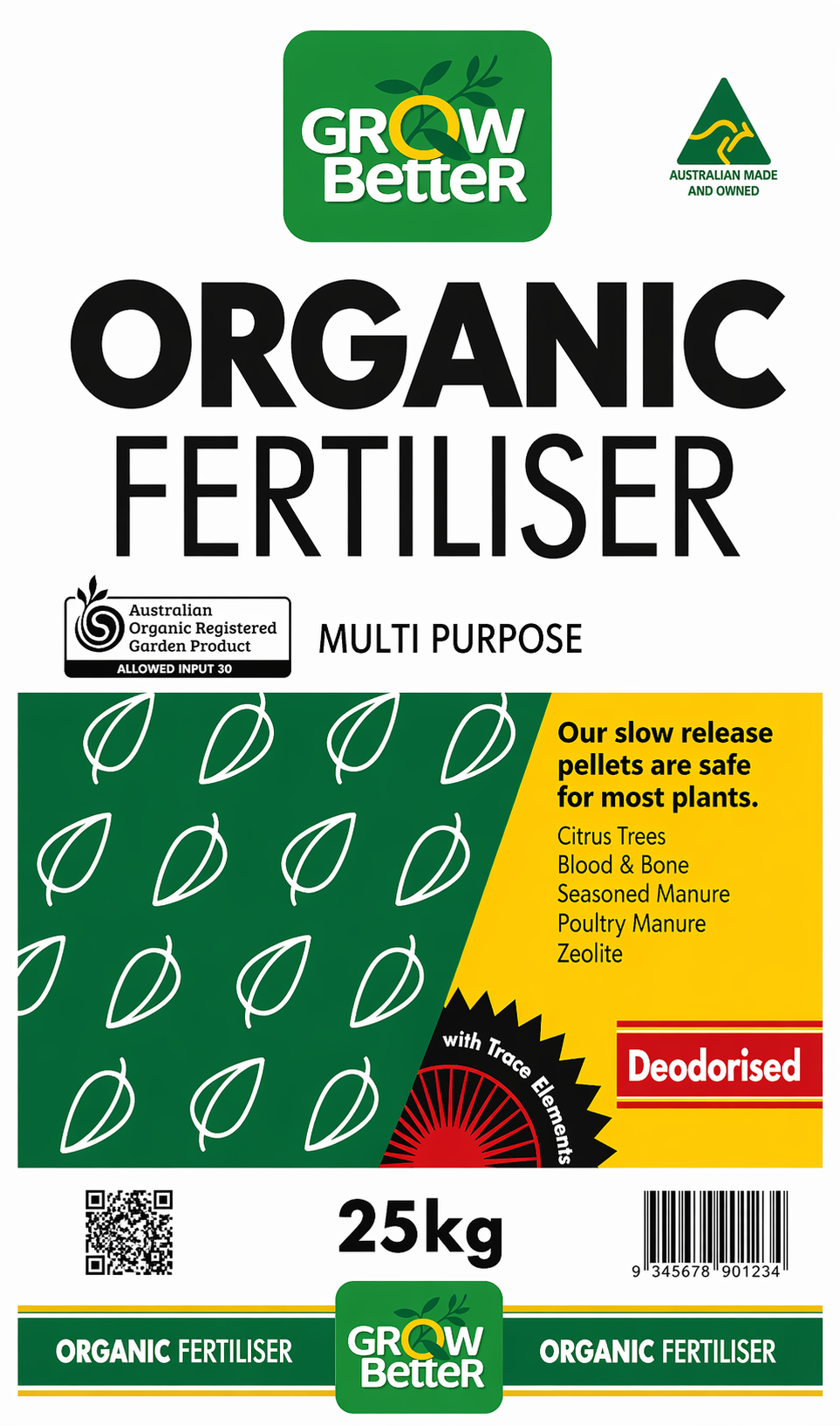
Grow Better Organic Fertiliser
$76.95
Grow Better Organic Fertiliser
Grow Better Organic Fertiliser is a certified organic plant food made entirely from renewable, recycled and natural mineral sources. It is composted for twelve weeks before bagging, which eradicates weed seed and harmful impurities. The 25 kilogram bag spreads easily by hand and suits gardeners who want feeding...
Read product details
Grow Better Organic Fertiliser is a certified organic plant food made entirely from renewable, recycled and natural mineral sources. It is composted for twelve weeks before bagging, which eradicates weed seed and harmful impurities. The 25 kilogram bag spreads easily by hand and suits gardeners who want feeding and soil improvement out of the same product.
It acts slowly and gently, so it will not burn roots the way a concentrated synthetic feed can, and it is safe on edible crops including vegetables and fruit trees. The organic content improves soil texture and helps water both penetrate and stay put. Plants get steady support for roots, leaf growth and flowering.
Apply 150 grams per square metre around the drip line of fruit trees, citrus, trees and shrubs, and the same rate over lawns, watered in thoroughly. Flowering annuals, perennials, vegetables, tomatoes and herbs take 120 grams per square metre. In pots, use 10 grams per litre of mix. Phosphorus sensitive natives need a native fertiliser instead.
Frequently Asked Questions
About Grow Better Organic Fertiliser
What is Grow Better Organic Fertiliser made from?
It is 100 percent organic, drawn from renewable, recycled and natural mineral sources, then composted for twelve weeks before it is bagged. That composting period eradicates weed seed and harmful impurities, so you are not importing a weed problem along with the feed. No synthetic nitrogen or manufactured salts are involved, which is why it acts so gently.
How much do I need?
Rates vary with the plant. Fruit trees, citrus, trees and shrubs take 150 grams per square metre applied around the drip line. Flowering annuals, perennials, vegetables, tomatoes and herbs take 120 grams per square metre spread evenly over the surrounding soil. Lawns take 150 grams per square metre. Two handfuls is roughly 100 grams.
Is it certified organic?
Yes, it is a certified organic product made entirely from renewable, recycled and natural mineral sources. It is safe on edible crops including vegetables and fruit trees, and because it feeds gently there is no need to work around a harsh application. The organic matter it carries also improves soil texture and moisture holding over time.
Is it safe for natives?
No, not for the phosphorus sensitive ones. This is a general fertiliser, and the phosphorus in it will damage Proteaceae such as Banksia, Grevillea, Hakea and Protea, along with many other Australian natives. Use a dedicated native fertiliser on those plants, and pot them into the Native Potting Mix rather than an enriched blend.
Can I use it in pots?
Yes, at 10 grams per litre of potting mix. That works out at about 50 grams for a 200 millimetre pot, 80 grams for a 300 millimetre pot and 200 grams for a wine barrel. Mix it through when you are potting up, or scratch it into the surface of established containers and water it in.
Is it safe around pets?
It is not harmful to humans, animals or birds, so it is a reasonable choice for gardens with dogs, chooks or children about. Dogs will often dig at a freshly spread organic fertiliser out of interest, so water it in well after applying and keep the bag closed and out of reach between uses.
How often should I reapply?
Apply when you first plant, then every six to eight weeks through the growing season. Because it releases slowly there is little risk in feeding on that cycle, and the gentle action will not burn roots. Ease off through the coldest part of winter when most plants are barely growing, and pick it up again in early spring.
Grow Better Organic Fertiliser
Pine Bark Mulch
$28.95
Pine Bark Mulch
Pine Bark Mulch is screened pine bark sold in 60L bags. It is a single ingredient product with nothing blended through it, so what goes onto the garden is bark at a consistent particle size and nothing else. It sits flat on the soil surface, stays where you...
Read product details
Pine Bark Mulch is screened pine bark sold in 60L bags. It is a single ingredient product with nothing blended through it, so what goes onto the garden is bark at a consistent particle size and nothing else. It sits flat on the soil surface, stays where you put it on level ground and gives beds an even finish.
Mulch does its work from the surface down. A bark layer shades the soil, slows evaporation and keeps moisture available to roots for longer between waterings. It blocks light from weed seed so far fewer weeds germinate, and it steadies soil temperature through summer heat and winter cold. It carries no fertiliser and feeds nothing directly.
Use it on garden beds, around trees, shrubs, hedges, natives and fruit trees, and over the surface of large pots that dry out quickly. Spread it 50 to 75 millimetres deep and keep it a hand width clear of trunks and stems rather than piled against them. Top it up as the layer breaks down.
Frequently Asked Questions
About Pine Bark Mulch
What is Pine Bark Mulch made from?
Pine bark, screened to a consistent particle size, with nothing else added. There is no soil, sand or fertiliser blended through it, so it behaves purely as a surface mulch. The uniform grade is what lets it sit flat and stay in place, and it gives a bed an even colour and a tidy finish once spread.
How deep should I spread it?
Between 50 and 75 millimetres suits most beds. Thinner than that and light still reaches weed seed, so weeds keep germinating through it. Much thicker and light rain struggles to reach the soil at all. Keep the mulch pulled back a hand width from trunks and stems rather than heaped up against them.
How much do I need?
A 60L bag covers a little over one square metre at 50 millimetres deep, or around eight tenths of a square metre at 75 millimetres. Measure the bed area, settle on a depth and work from there. Allow a little extra on a first application, since a fresh layer settles once it has been watered.
What plants is it suitable for?
All of them. Bark mulch is inert on the surface and does not shift soil nutrition in any meaningful way, so it goes over garden beds, around trees, shrubs, roses, fruit trees, hedges and natives alike. Keep it clear of the crowns of soft perennials and strawberries, which will rot if they sit damp under it.
Does it contain fertiliser already?
No. This is bark and nothing else, so it does no feeding at all. Mulching and feeding are separate jobs. Feed the bed first, water the fertiliser in, then mulch over the top. If the bark is already down, rake it back before feeding so the fertiliser reaches soil rather than sitting on bark.
Is it safe for natives?
Yes. Bark mulch carries no added phosphorus, so it is safe over Banksia, Grevillea, Hakea, Protea and other sensitive natives that an enriched mix or a general fertiliser would damage. Natives respond well to mulching, since it keeps their surface roots cool and moist through summer. Keep it clear of the stems.
How often should I reapply?
Bark breaks down slowly, so most beds need topping up every twelve to eighteen months rather than every season. Watch the depth rather than the calendar. Once the layer has thinned to around 25 millimetres, weeds start coming through and it is time to add more. Loosen the old layer with a rake before topping up.
Pine Bark Mulch
Black Gold Garden Compost
$21.95
Black Gold Garden Compost
Black Gold Garden Compost is a certified organic soil conditioner made from composted organic matter with no chemical additives. It is matured and screened before bagging, and the composting process leaves it free of weed seed. The 30L bag is a general garden compost for beds and planting...
Read product details
Black Gold Garden Compost is a certified organic soil conditioner made from composted organic matter with no chemical additives. It is matured and screened before bagging, and the composting process leaves it free of weed seed. The 30L bag is a general garden compost for beds and planting holes rather than a standalone potting medium.
Compost works on soil structure first. It opens tight ground so roots can push through, holds moisture in the soil after rain or watering, and gets earthworms and soil microbes working again. Nutrient release is mild and slow rather than concentrated, which builds steady growth and helps plants shrug off insect and disease damage.
Use it across the garden, on roses, shrubs, trees, vegetables, fruit trees and lawns. When planting, mix it through the soil you have dug out of the hole before you backfill. On established beds, spread a layer around 50 millimetres deep over the surface, keep it off stems, and water it in.
Frequently Asked Questions
About Black Gold Garden Compost
What is Black Gold Garden Compost made from?
It is made from composted organic matter with no chemical additives of any kind. The material is composted until it is stable, then screened before bagging, and that composting process kills weed seed so you are not spreading a weed problem through your beds. Nothing synthetic goes in at any stage of manufacture.
What plants is it suitable for?
All of them. Compost is a soil conditioner rather than a targeted feed, so it suits roses, shrubs, trees, vegetables, fruit trees, lawns and native beds equally well. Nutrient levels are low and gentle, which means it will not overload phosphorus sensitive natives such as Banksia and Grevillea the way a general fertiliser can.
How deep should I spread it?
About 50 millimetres over the soil surface is the usual rate for topdressing an established bed. Spread it evenly, keep it back from the base of trunks and stems, and water it in afterwards. When you are planting rather than topdressing, mix it through the soil you dug out of the hole instead of layering it.
Is it certified organic?
Yes. Black Gold Garden Compost is certified organic and no chemical additives are used in making it. That makes it a sound choice for vegetable gardens, fruit trees and any bed you are managing organically. The certification covers the compost itself, so you are not introducing synthetic residues into soil you are trying to build up naturally.
Does it contain fertiliser already?
Not as a separate added ingredient. The nutrient in it comes from the composted organic matter, released slowly as soil life breaks the material down. That is enough to support general growth and soil health, but heavy feeders such as citrus, roses and vegetables will still want a dedicated fertiliser through the growing season.
Can I use it in pots?
It is made for garden beds rather than containers. Compost used on its own in a pot compacts and holds too much water, which starves roots of air. If you want it in a container, blend a small proportion through a premium potting mix instead. For potted plants, a purpose built potting mix is the better starting point.
How often should I reapply?
Once or twice a year suits most gardens. Compost breaks down into the soil rather than sitting on the surface indefinitely, so top it up when the layer has visibly thinned. Autumn and early spring are the usual times. Beds under heavy cropping, such as vegetable gardens, are worth a fresh application each season.
Black Gold Garden Compost

Evergreen Trees Direct Has Been Featured In:


Perfect Substitutes for Citrus latifolia ‘Courtyard Lime’ – Courtyard Lime Tree
Follow Us On Instagram
@evergreentreesdirect ↗
Tips & Tricks
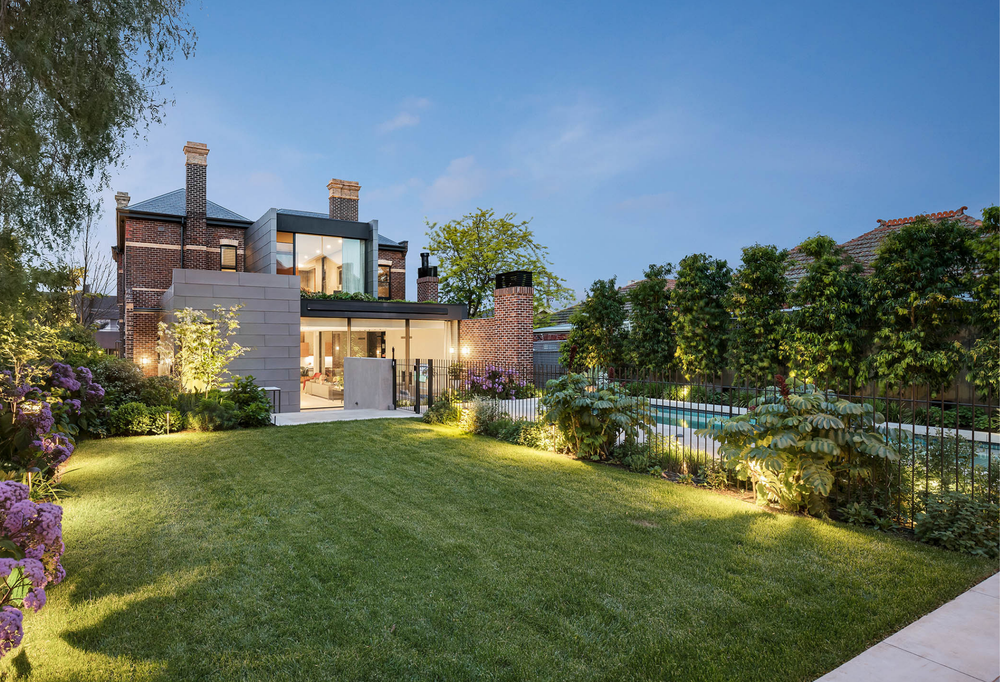
Best Trees for Creating a Privacy Screen: 10 Picks Across Fast Formal, Native and Narrow Column Options
Read the story
How to Incorporate Trees into Your Modern Landscape Design
Read the story
The Importance of Root Health: How to Choose Quality Trees
Read the story