Cedrus atlantica
Cedrus atlantica
Couldn't load pickup availability
Current Stock Height Guides
Current Stock Height Guides
Height guide disclaimer: Height ranges are approximate only. As living products, plant heights naturally vary between individual plants, batches, and seasons. No guarantee is given that supplied plants will fall within the stated range. If minimum heights are required, you mustconfirm current batch heights with Evergreen Trees Direct prior to purchase. Variation in height is normal and is not grounds for return, refund, replacement, or compensation.
Mature Height & Width
Mature Height & Width
Mature Height: 15m to 30m (approx.)
Mature Width: 9m to 12m
Cedrus atlantica is expected to grow 30cm to 60cm per year (approx.).
Root Ball Dimensions
Root Ball Dimensions
Use this as a reference when digging your planting hole. We recommend digging at least 10% wider than the dimensions below to encourage strong root development.
- 30cm Pot: 33cm (W) × 30cm (D)
- 40cm/45L Pot: 44cm (W) × 41.5cm (D)
- 50cm Pot / 70L Pot: 55cm (W) × 41.8cm (D)
- 100L Bag: 50.6cm (W) × 52.8cm (D)
- 150L Bag: 66cm (W) × 55cm (D)
- 200L Bag: 71.5cm (W) × 60.5cm (D)
- 300L Bag: 88cm (W) × 63.8cm (D)
- 400L Bag: 99cm (W) × 66cm (D)
- 500L Bag: 122cm (W) × 66cm (D)
- 750L Bag: 134cm (W) × 69cm (D)
- 1000L Bag: 146.3cm (W) × 71.5cm (D)
- 2000L Bag: 176cm (W) × 82.5cm (D)
Trade
Trade
We supply advanced trees to landscapers, developers, architects, and councils Australia-wide. Trade clients receive fast quotes, expert advice, and access to premium stock with reliable freight.
Shipping
Shipping
Shipping is calculated at checkout based on the pallet space your order occupies in the truck and your delivery location.
There is no charge to calculate your freight.
Contact
Contact
Have a question or a list to send through to us?
Email: sales@evergreentrees.com.au
Phone: (03) 7042 3318
Share this product
About Your New Cedrus atlantica
Cedrus atlantica, the Atlas Cedar, is a large evergreen conifer from the mountains of Morocco and Algeria. Young trees are stiffly pyramidal with ascending branches, and with age the crown broadens and flattens into the tiered silhouette the species is known for. Needles are short, held in tight clusters, and range from grey green to blue green.
Full sun and deep, free-draining soil give the best result. It is drought tolerant once established, dislikes waterlogging, and survives heavy and frequent frost without damage. Growth is about 30 to 60 centimetres a year. Cool temperate, warm temperate and Mediterranean districts suit it, including dry inland gardens with genuinely cold winters.
This is a specimen tree for large gardens, parks, rural entrances, golf courses and civic landscapes where there is room to see it from a distance. It is also planted in shelter belts. Give the tiered mature form space and it will outlast everything else on the site.
Frequently Asked Questions
About Atlas Cedar
How big does Atlas Cedar grow?
It is a large tree. In Australian gardens expect 15 to 25 metres tall and 8 to 12 metres wide over several decades, and taller again on a deep, cool site. Growth is around 30 to 60 centimetres a year, so it takes its time. It is not a tree for a suburban courtyard.
How fast does it grow?
Roughly 30 to 60 centimetres a year, which is moderate for a conifer. Growth is faster in the first fifteen or twenty years and slows as the crown broadens and flattens. Deep watering through the establishment years makes a noticeable difference. Trees on shallow or poorly drained ground grow slowly and never develop the same form.
Is it drought tolerant?
Yes, once established. It comes from dry mountain country in North Africa and is well adapted to hot, dry summers with cold winters, which describes much of inland southern Australia. Water it through the first three summers to get roots down. After that it needs only occasional deep watering in extended drought.
Is it frost tolerant?
Yes. It survives heavy and frequent frost without damage and handles snow, which makes it a sound choice for the alpine fringe, the tablelands, Canberra and cold Victorian and Tasmanian districts. Young trees benefit from shelter from severe drying wind in their first winter, but no frost protection is required.
What is the difference between Atlas Cedar and the blue form?
They are the same species. Cedrus atlantica Glauca Group is a selection with strongly blue grey needles, while plants grown as the straight species range from green to grey green, sometimes with a blue cast. Form, size and cultural needs are identical, so the difference comes down to foliage colour alone.
Does it have invasive roots?
No. Atlas Cedar develops a deep, spreading root system that is not aggressive towards pipes, footings or paving. The practical issue is size rather than roots, so allow at least 8 metres from a building for the mature crown. Avoid planting into shallow soil over rock, where anchorage is poor and growth suffers.
How do I care for an Atlas Cedar?
Plant into free-draining ground, stake only if the site is exposed, and water deeply but infrequently through the first three summers. Keep mulch clear of the trunk. Do not prune the leader or shorten the lower limbs unnecessarily, since the tiered form depends on them. Feeding is rarely needed in reasonable soil.
Evergreen Trees Direct Has Been Featured In:


Plant Your Cedrus atlantica With:


Type: Garden Supplies
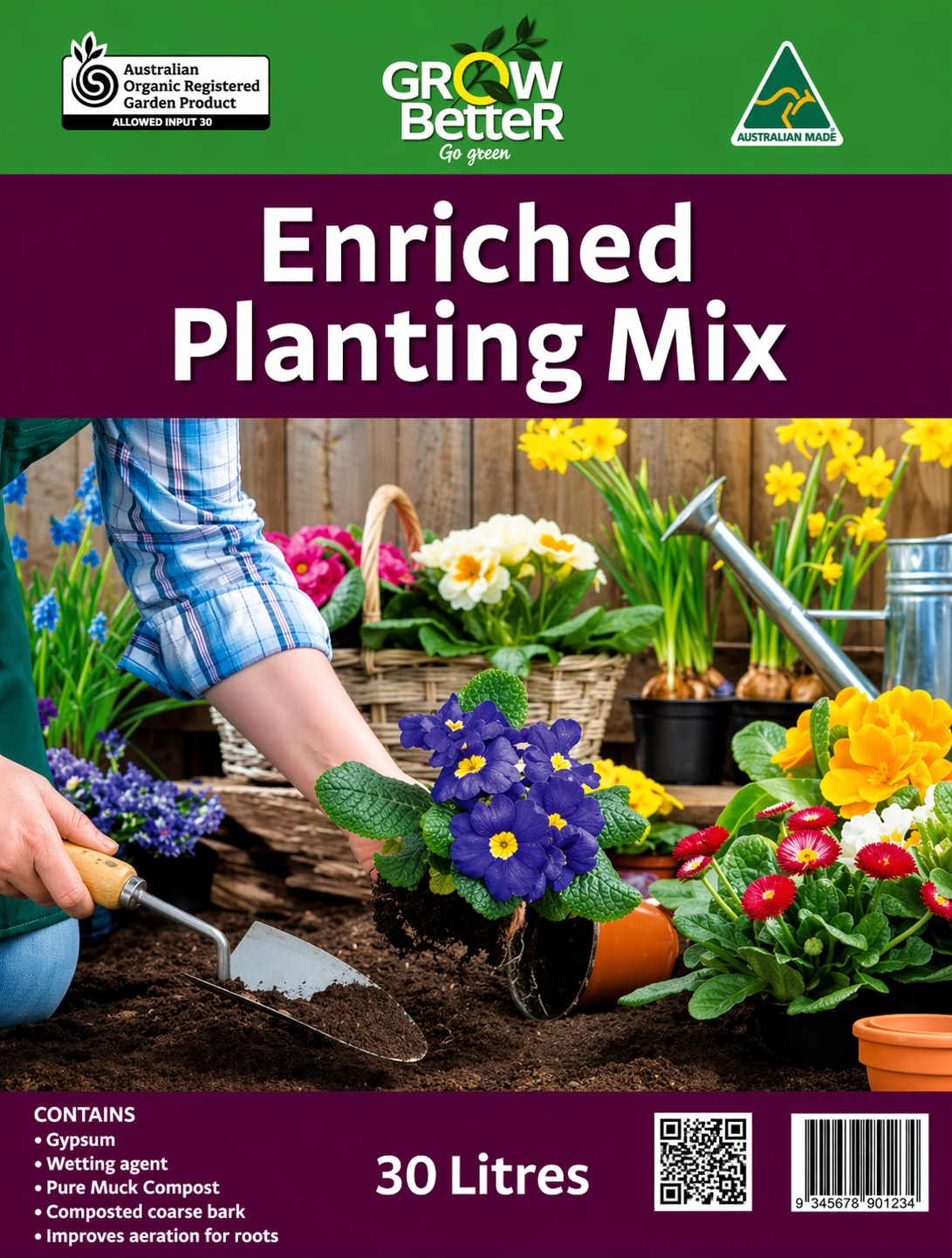
Enriched Planting Mix (AO Certified)

Type: Hedging and Screening Trees
Pittosporum tenuifolium 'Silver Sheen'
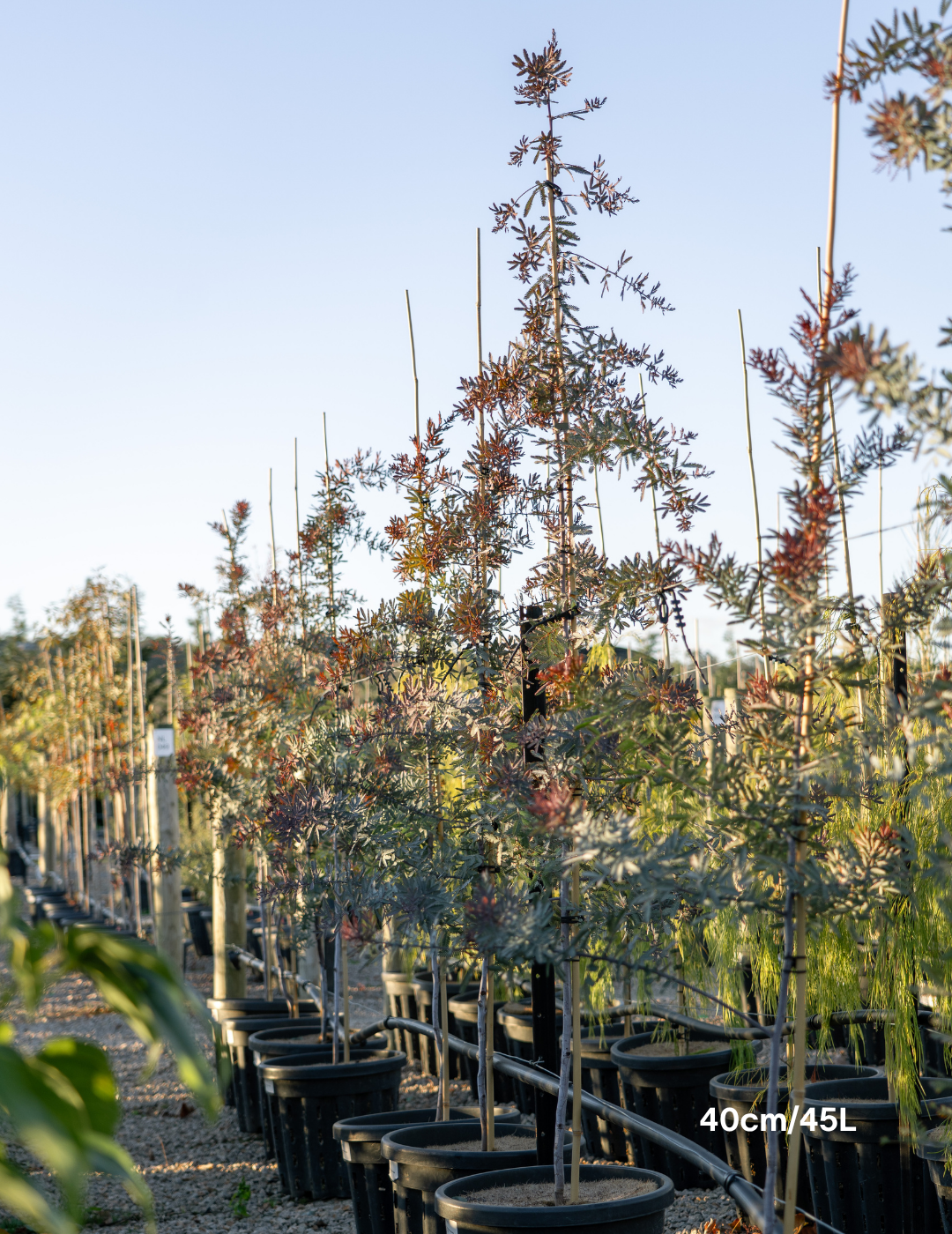
Type: Australian Native
Acacia baileyana 'Purpurea' - Purple-Leaf Wattle

Type: Australian Native
Correa alba White Correa
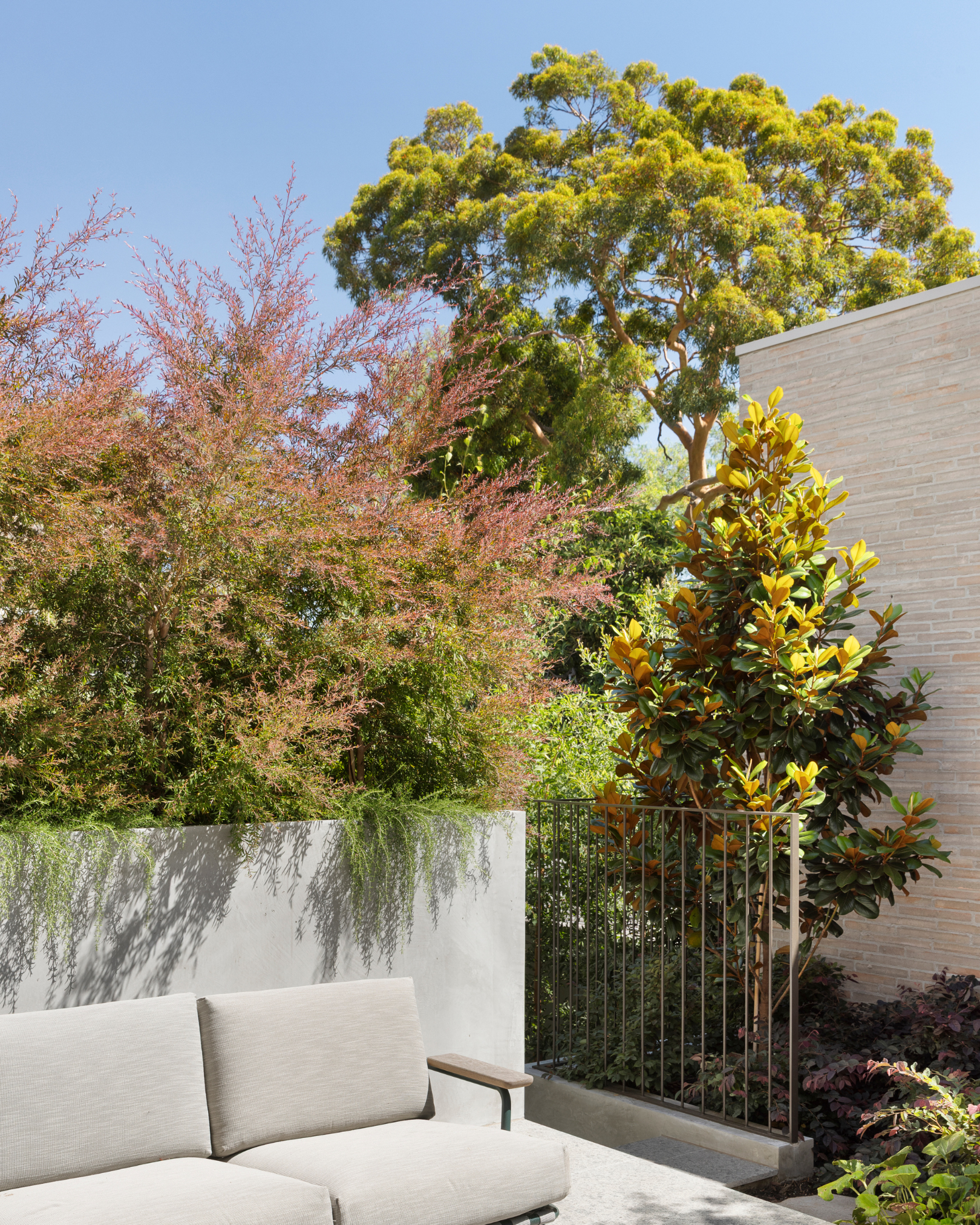
Type: Australian Native
Leptospermum obovatum 'Starry Night' – Starry Night Tea Tree

Type: Structural Foliage
Buxus japonica Japanese Box Topiary Balls
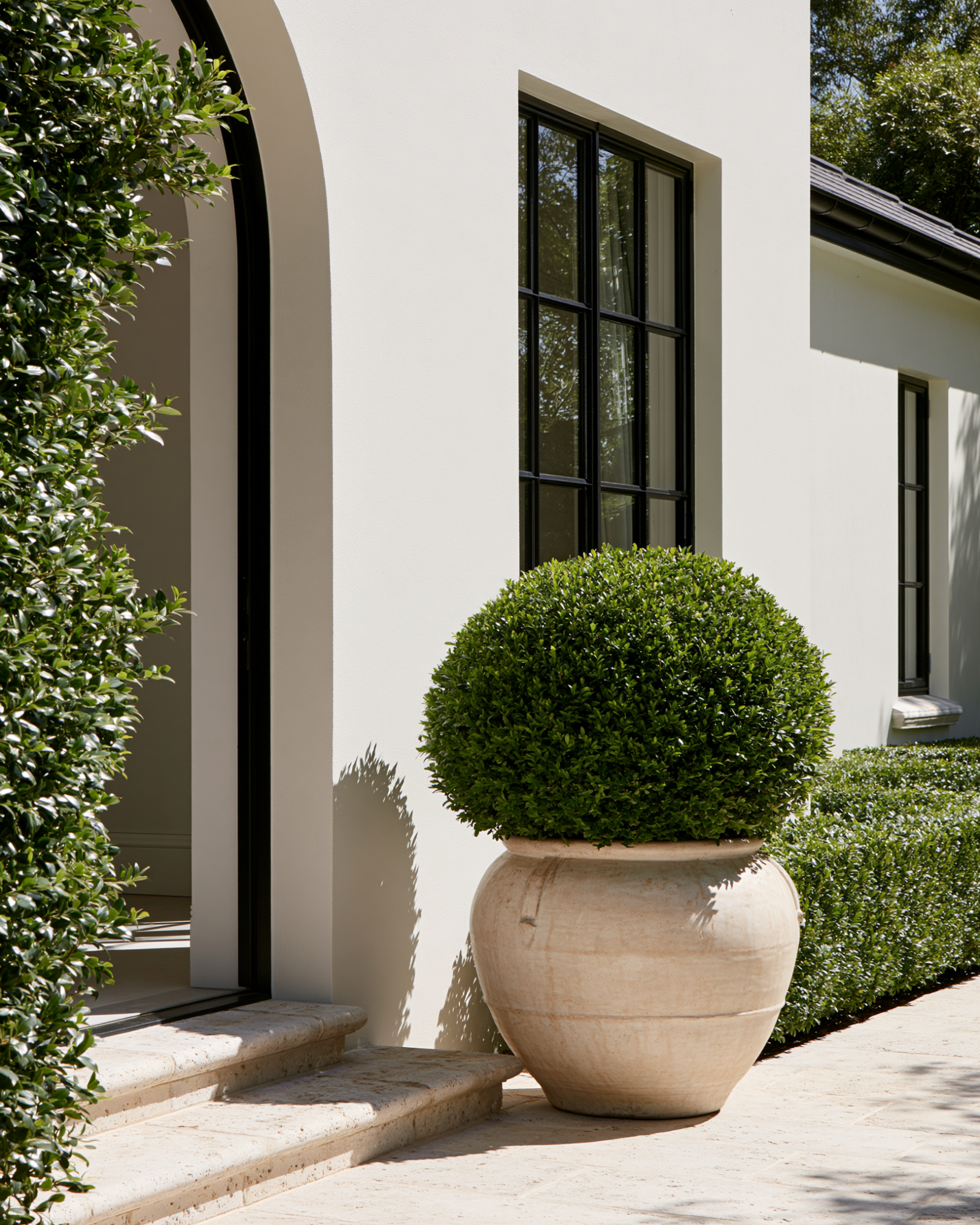
Type: Structural Foliage
Buxus sempervirens English Box Topiary Balls
Uses in my Garden
Uses in my Garden
Cedrus atlantica works in an:
Is Cedrus atlantica Evergreen or Deciduous?
Is Cedrus atlantica Evergreen or Deciduous?
Cedrus atlantica is an Evergreen (foliage year round) Tree
Mature Height & Width
Mature Height & Width
Mature Height: 15m to 30m (approx.)
Mature Width: 9m to 12m
Cedrus atlantica is expected to grow 30cm to 60cm per year (approx.).
Growth Rate of Cedrus atlantica
Growth Rate of Cedrus atlantica
Cedrus atlantica is expected to grow 30cm to 60cm per year (approx.).
They are considered to have a:
Frost Tolerance & Ideal Climate to plant Cedrus atlantica
Frost Tolerance & Ideal Climate to plant Cedrus atlantica
Is Cedrus atlantica frost tolerant?
Cedrus atlantica is Frost Hardy – Survives heavy and frequent frost without damage.
Does Cedrus atlantica Flower?
Does Cedrus atlantica Flower?
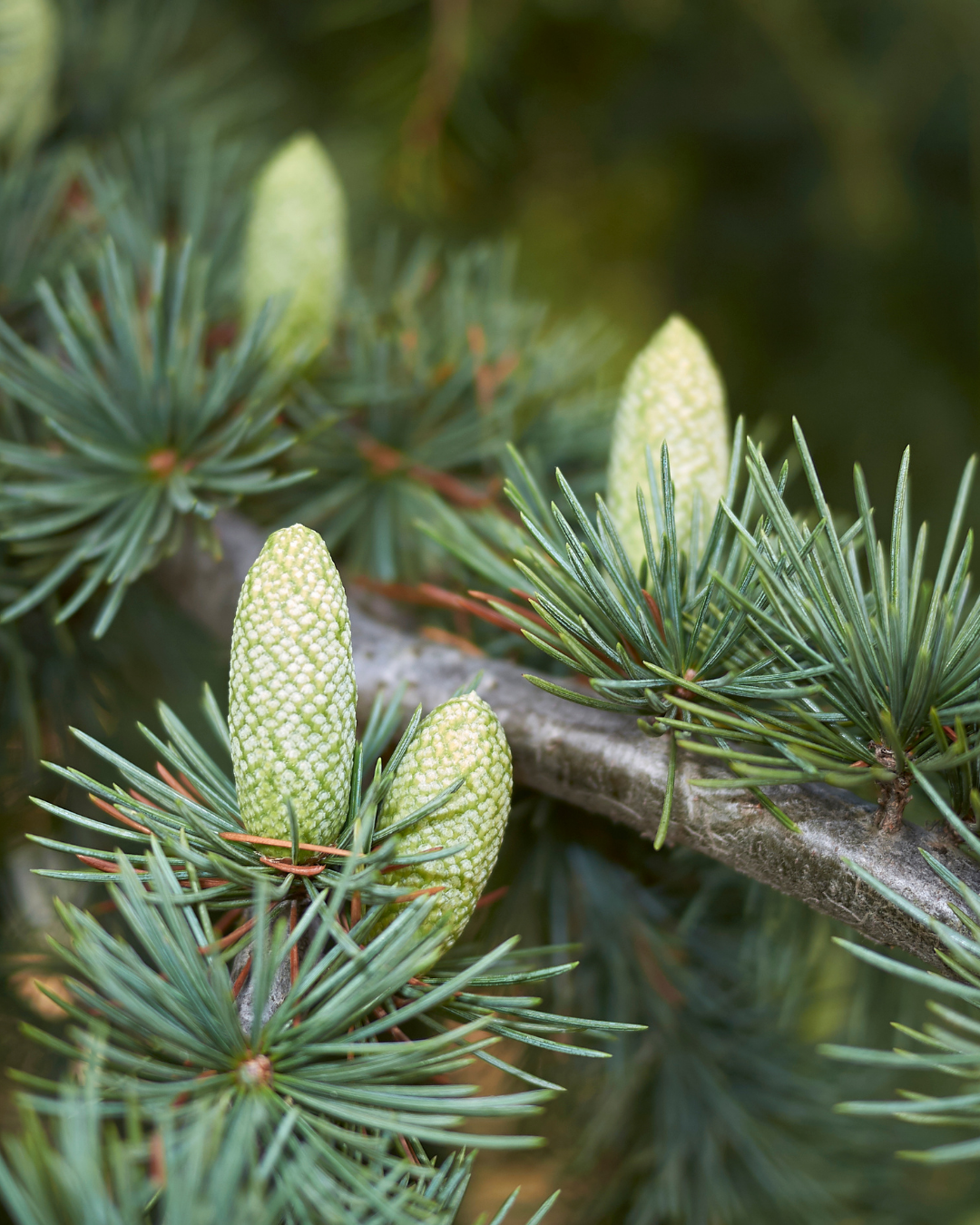
Cedrus atlantica produces small, upright pale green to yellow male cones and smaller female cones in autumn. While not showy, these seasonal structures sit among the blue-green needles and mark the beginning of its slow development into large, woody seed cones.
Does Cedrus atlantica flower?
Flowering Period:
Flower Type:
Flower Colour:
Not Applicable
Is Cedrus atlantica an Australian Native Tree?
Is Cedrus atlantica an Australian Native Tree?
No
Cedrus atlantica is Native to Native to the Atlas Mountains of Morocco and Algeria, Cedrus atlantica (Atlas Cedar) is a magnificent evergreen conifer admired for its silvery-blue to blue-green needles, strong pyramidal form, and graceful horizontal branching. A stately, drought-tolerant tree that provides structure, colour, and year-round beauty in large gardens or landscapes.
What is the Wildlife Value of Cedrus atlantica ?
What is the Wildlife Value of Cedrus atlantica ?
Its dense evergreen canopy provides year-round shelter and nesting habitat for small birds, while the cones support insects and cone-feeding species. The layered branching also creates cool micro-habitats that enhance overall garden biodiversity.
How much Sunlight does Cedrus atlantica need?
How much Sunlight does Cedrus atlantica need?
Cedrus atlantica will thrive best in:
Preferred Soil?
Preferred Soil?
Cedrus atlantica performs best in well-drained sandy or loam soils and tolerates slightly acidic to slightly alkaline conditions. It may struggle in heavy clay or waterlogged ground unless improved with organic matter and coarse material to enhance aeration and drainage. Keep soil evenly moist during establishment, then shift to deep, occasional watering as the tree matures and develops outstanding drought resilience.
Is Cedrus atlantica Drought Tolerant?
Is Cedrus atlantica Drought Tolerant?
Is Cedrus atlantica Drought tolerant?
As a young tree it requires regular watering, but once established Cedrus atlantica develops excellent drought tolerance. It thrives in hot, dry and exposed environments and maintains its strong, architectural form with minimal supplementary watering.

Planting Information
How To Plant Your Cedrus atlantica
How To Plant Your Cedrus atlantica
Recommended Planting Spacing For Your Cedrus atlantica
Recommended Planting Spacing For Your Cedrus atlantica
Cedrus atlantica is expected to grow 30cm to 60cm per year (approx.).
Long Term Care For Your Cedrus atlantica
Long Term Care For Your Cedrus atlantica
Planting Your Cedrus atlantica in Different Soil
Planting Your Cedrus atlantica in Different Soil
Frequently Asked Questions
Frequently Asked Questions