Correa alba White Correa
Correa alba White Correa
Couldn't load pickup availability
Current Stock Height Guides
Current Stock Height Guides
Height guide disclaimer: Height ranges are approximate only. As living products, plant heights naturally vary between individual plants, batches, and seasons. No guarantee is given that supplied plants will fall within the stated range. If minimum heights are required, you mustconfirm current batch heights with Evergreen Trees Direct prior to purchase. Variation in height is normal and is not grounds for return, refund, replacement, or compensation.
Mature Height & Width
Mature Height & Width
Mature Height: 1m to 2m (natural form; ball held by clipping)
Mature Width: 1m to 2m (natural form; ball held by clipping)
Correa alba White Correa is expected to grow 30cm to 60cm per year (approx.).
Root Ball Dimensions
Root Ball Dimensions
Use this as a reference when digging your planting hole. We recommend digging at least 10% wider than the dimensions below to encourage strong root development.
- 30cm Pot: 33cm (W) × 30cm (D)
- 40cm/45L Pot: 44cm (W) × 41.5cm (D)
- 50cm Pot / 70L Pot: 55cm (W) × 41.8cm (D)
- 100L Bag: 50.6cm (W) × 52.8cm (D)
- 150L Bag: 66cm (W) × 55cm (D)
- 200L Bag: 71.5cm (W) × 60.5cm (D)
- 300L Bag: 88cm (W) × 63.8cm (D)
- 400L Bag: 99cm (W) × 66cm (D)
- 500L Bag: 122cm (W) × 66cm (D)
- 750L Bag: 134cm (W) × 69cm (D)
- 1000L Bag: 146.3cm (W) × 71.5cm (D)
- 2000L Bag: 176cm (W) × 82.5cm (D)
Trade
Trade
We supply advanced trees to landscapers, developers, architects, and councils Australia-wide. Trade clients receive fast quotes, expert advice, and access to premium stock with reliable freight.
Shipping
Shipping
Shipping is calculated at checkout based on the pallet space your order occupies in the truck and your delivery location.
There is no charge to calculate your freight.
Contact
Contact
Have a question or a list to send through to us?
Email: sales@evergreentrees.com.au
Phone: (03) 7042 3318
Share this product
About Your New Correa alba White Correa
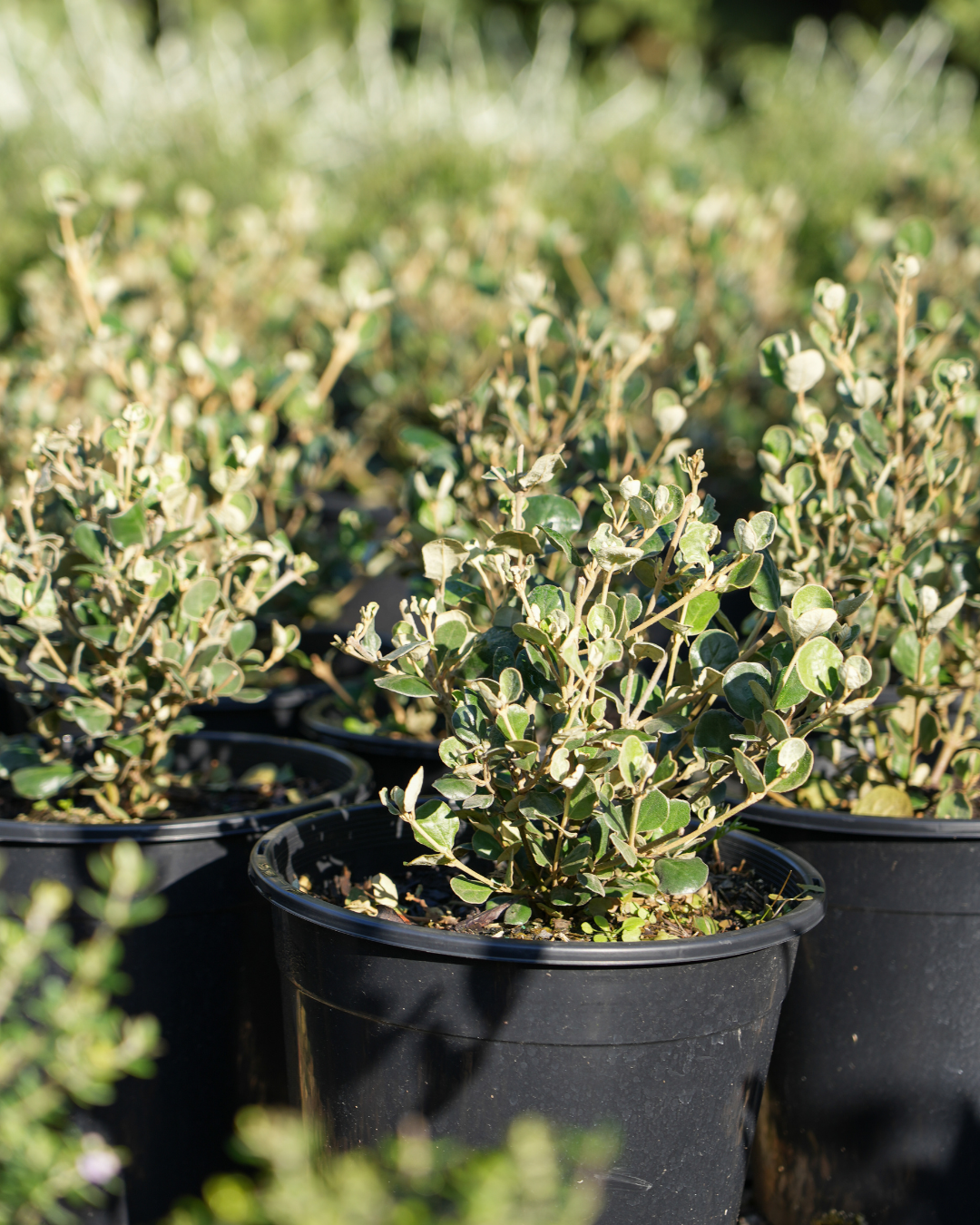
Correa alba, the White Correa, is a compact evergreen Australian native grown for its soft felted grey-green leaves and small white star-shaped flowers. The velvety foliage gives it a texture nothing else quite matches, and the flowers arrive through autumn and winter when almost nothing else is out.
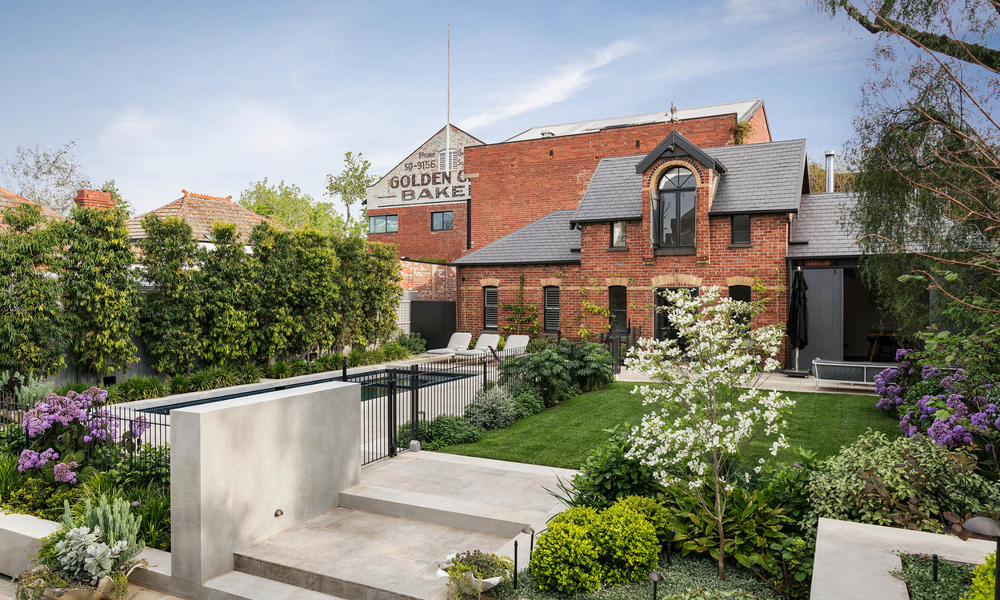
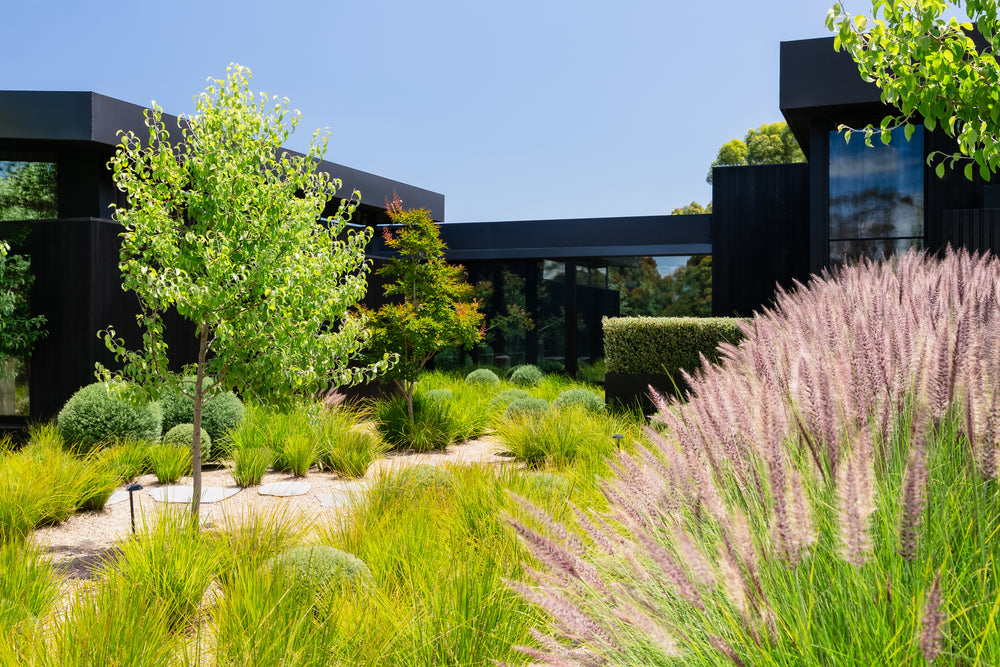
It forms a dense rounded shrub around 1 to 2 metres tall and wide. That habit suits low informal hedges, borders, mass planting and underplanting beneath taller trees, and it takes clipping well enough to hold a formal shape.
It is one of the most salt-tolerant shrubs in the trade. It grows naturally on exposed headlands and dunes from New South Wales through Victoria, Tasmania and South Australia, so salt-laden wind, sand and low fertility are its ordinary conditions rather than a stretch. Add drought and light frost tolerance and it becomes the obvious choice for a beachfront garden where Buxus and Lilly Pilly burn off.
Natural form and topiary balls
We carry Correa alba in two forms. The natural form is supplied unshaped, for hedging, borders and mass planting. The Ball Form is the same plant trained and clipped into a formal sphere over several seasons, arriving as a finished piece.
The ball is worth knowing about. Genuinely salt-tolerant formal topiary is rare, so a clipped native ball solves a problem that Buxus cannot in a coastal garden. Two light clips a year hold the shape. Because it is a native it also sits comfortably in a naturalistic planting, which a box ball never quite does.
Frequently Asked Questions
About Correa alba White Correa
What is Correa alba?
An Australian native evergreen shrub in the citrus family, Rutaceae, commonly called White Correa. It grows naturally on coastal headlands and dunes across New South Wales, Victoria, Tasmania and South Australia. It is grown for its soft felted grey-green foliage and small white star-shaped flowers.
How big does it grow?
Around 1 to 2 metres tall and wide as a natural rounded shrub, growing 30 to 60 centimetres a year. As a clipped ball it stays at whatever size you trim it to, typically held between 50 and 80 centimetres across.
What is the difference between the natural form and the Ball Form?
Same plant, different training. The natural form is supplied unshaped, for hedging, borders, mass planting or an informal rounded shrub. The Ball Form is grown on and clipped over several seasons into a formal sphere, and arrives finished rather than as something you shape yourself. Buy the natural form for a hedge or a shrub, the ball for instant formal structure.
Why choose a Correa ball over a Buxus ball?
Salt and drought. Buxus wants moisture and shelter and burns in exposed coastal positions. Correa alba comes off the headlands and handles salt-laden wind, sand and dry spells without flinching. The foliage is grey-green rather than dark glossy green, and it flowers, which Buxus does not usefully. For a formal shape in a beachfront or estuary garden, it is the better plant.
When does it flower?
Small white star-shaped flowers appear through autumn and winter into spring, heaviest over the cooler months. That timing matters, as it provides nectar for honeyeaters and native bees when little else is in bloom. On clipped balls, time the trim for after the main flush so you do not remove the display.
How salt and coastal tolerant is it?
Exceptionally. It is among the most salt-tolerant native shrubs available and grows naturally on exposed cliffs and dunes. Sandy free-draining soil and salt spray are its normal conditions. Drainage matters far more to it than soil richness.
How far apart should I plant it for a hedge?
60 to 80 centimetres apart for a low informal hedge, or 1 metre apart for mass planting where each plant keeps its own rounded shape. Balls repeated down a path sit well at 1 to 1.5 metres apart.
Is it suitable for pots?
Yes, and the Ball Form in a container suits an entrance, courtyard or balcony particularly well. Use a pot at least 40 centimetres across with free-draining mix, and never let it stand in a saucer of water.
How do I care for it?
Water through the first two summers, then only in prolonged dry spells. Feed once in spring with a low-phosphorus native fertiliser, as correas belong to the citrus family and resent high-phosphorus blends. Trim lightly after flowering for a natural shrub, or twice a year taking only soft new growth to hold a ball.
Evergreen Trees Direct Has Been Featured In:


Plant Your Correa alba White Correa With:


Type: Garden Supplies
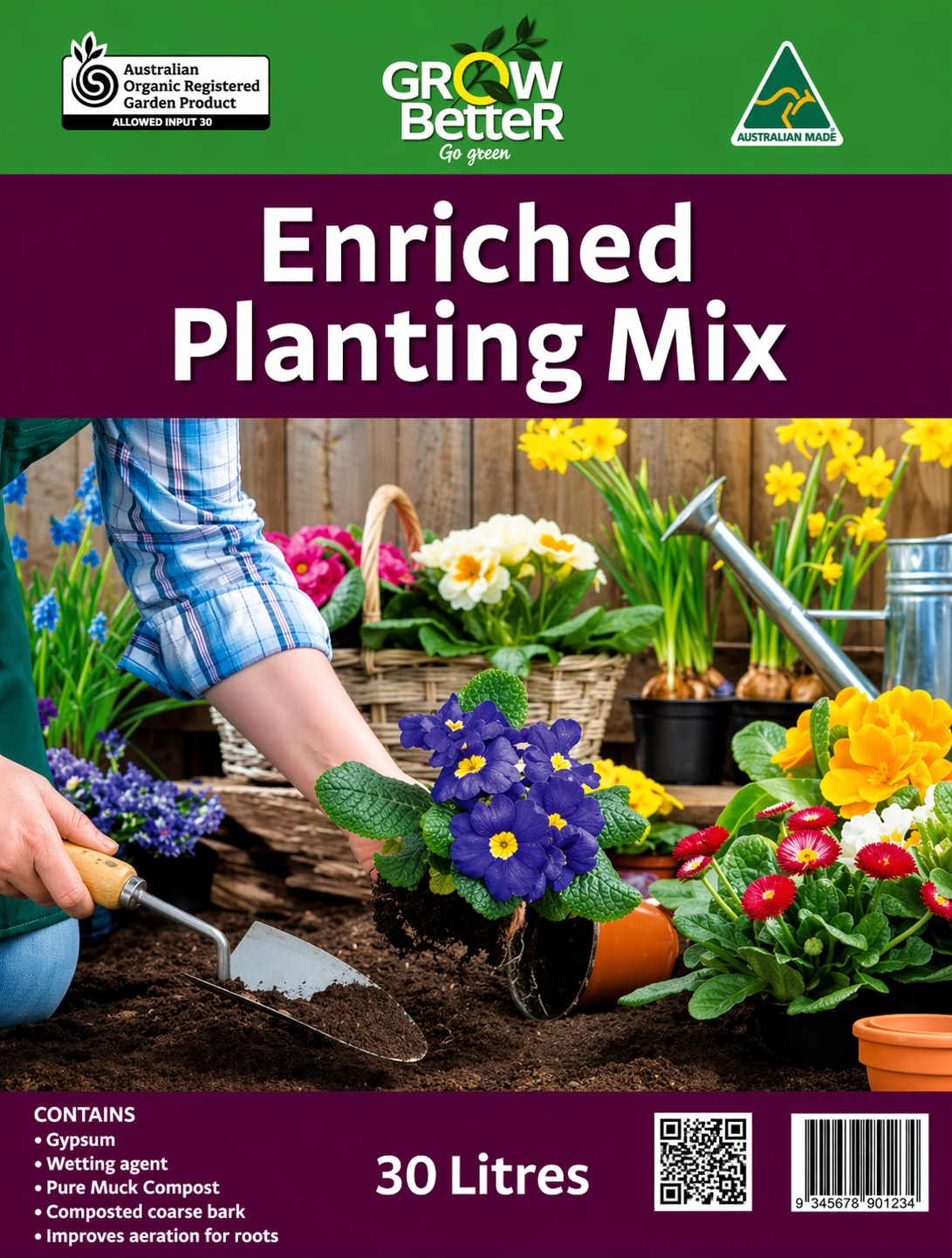
Enriched Planting Mix (AO Certified)

Type: Australian Native
Corymbia citriodora 'Scentuous' Dwarf Lemon Scented Gum
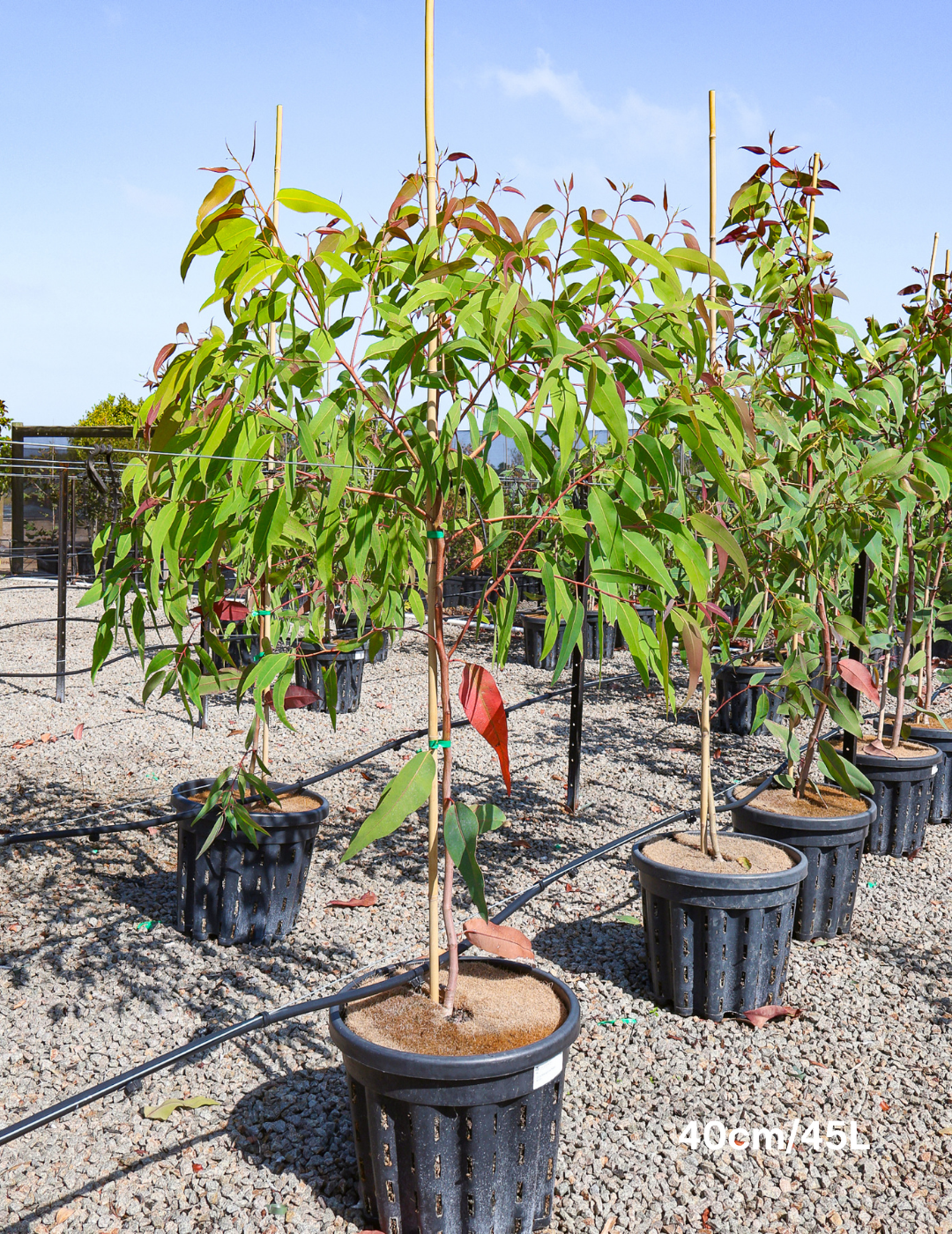
Type: Australian Native
Corymbia eximia 'Nana'

Type: Australian Native
Banksia marginata
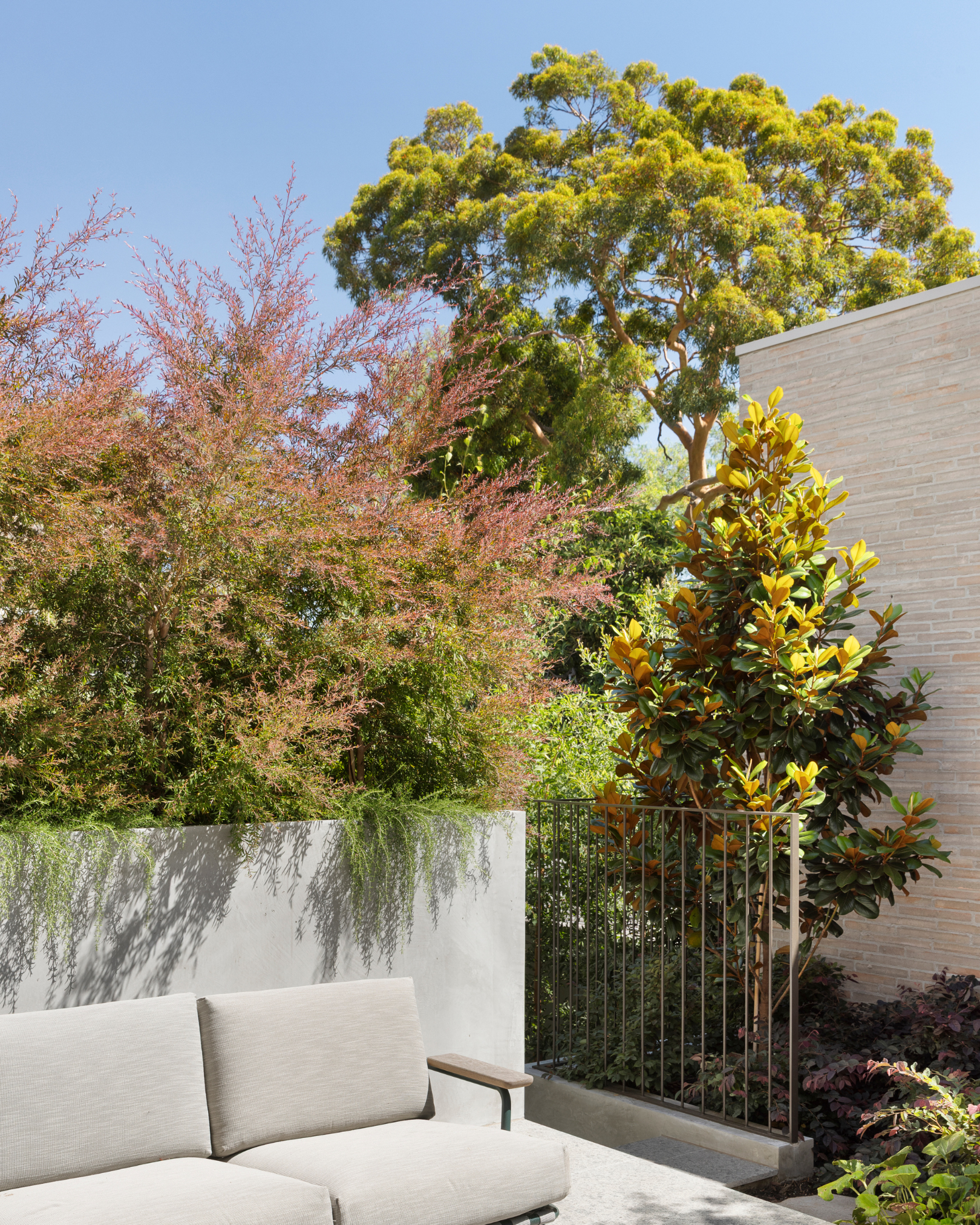
Type: Australian Native
Leptospermum obovatum 'Starry Night' – Starry Night Tea Tree

Type: Hedging and Screening Trees
Pittosporum tenuifolium 'Silver Sheen'
Uses in my Garden
Uses in my Garden
Correa alba White Correa works in an:
Is Correa alba White Correa Evergreen or Deciduous?
Is Correa alba White Correa Evergreen or Deciduous?
Correa alba White Correa is an Evergreen (foliage year round) Tree
Mature Height & Width
Mature Height & Width
Mature Height: 1m to 2m (natural form; ball held by clipping)
Mature Width: 1m to 2m (natural form; ball held by clipping)
Correa alba White Correa is expected to grow 30cm to 60cm per year (approx.).
Growth Rate of Correa alba White Correa
Growth Rate of Correa alba White Correa
Correa alba White Correa is expected to grow 30cm to 60cm per year (approx.).
They are considered to have a:
Frost Tolerance & Ideal Climate to plant Correa alba White Correa
Frost Tolerance & Ideal Climate to plant Correa alba White Correa
Is Correa alba White Correa frost tolerant?
Correa alba White Correa is Frost Tolerant – Can handle light to moderate frost once established.
Does Correa alba White Correa Flower?
Does Correa alba White Correa Flower?
Correa alba produces small star-shaped white flowers from autumn through winter. These crisp, waxy blooms sit against the silvery-green foliage, creating a subtle but elegant cool-season display that brightens coastal and native-style plantings.
Does Correa alba White Correa flower?
Flowering Period:
Flower Type:
Flower Colour:
White
Is Correa alba White Correa an Australian Native Tree?
Is Correa alba White Correa an Australian Native Tree?
Yes
Correa alba White Correa is Native to Coastal regions of eastern and southern Australia, including New South Wales, Victoria, Tasmania, and South Australia, where it grows naturally on sand dunes, headlands, and coastal heath.
What is the Wildlife Value of Correa alba White Correa ?
What is the Wildlife Value of Correa alba White Correa ?
Its nectar-rich winter flowers attract honeyeaters, native bees and butterflies, providing an important food source when few other plants are blooming. The dense evergreen foliage also offers shelter for small birds and supports insects that contribute to a biodiverse garden ecosystem.
How much Sunlight does Correa alba White Correa need?
How much Sunlight does Correa alba White Correa need?
Correa alba White Correa will thrive best in:
Preferred Soil?
Preferred Soil?
Correa alba grows in almost any free-draining soil, including coastal sand and poor low-fertility ground, and prefers a neutral to slightly acidic pH. Drainage matters far more than richness. Avoid persistently wet or compacted soil, and use a low-phosphorus native fertiliser, as correas are in the citrus family and react badly to high-phosphorus blends.
Is Correa alba White Correa Drought Tolerant?
Is Correa alba White Correa Drought Tolerant?
Is Correa alba White Correa Drought tolerant?
As a young plant it requires regular watering, but once established Correa alba develops excellent drought tolerance. It thrives in dry, coastal and exposed environments, maintaining its compact, rounded form with minimal supplementary watering.

Planting Information
How To Plant Your Correa alba White Correa
How To Plant Your Correa alba White Correa
Recommended Planting Spacing For Your Correa alba White Correa
Recommended Planting Spacing For Your Correa alba White Correa
Correa alba White Correa is expected to grow 30cm to 60cm per year (approx.).
Long Term Care For Your Correa alba White Correa
Long Term Care For Your Correa alba White Correa
Planting Your Correa alba White Correa in Different Soil
Planting Your Correa alba White Correa in Different Soil
Frequently Asked Questions
Frequently Asked Questions