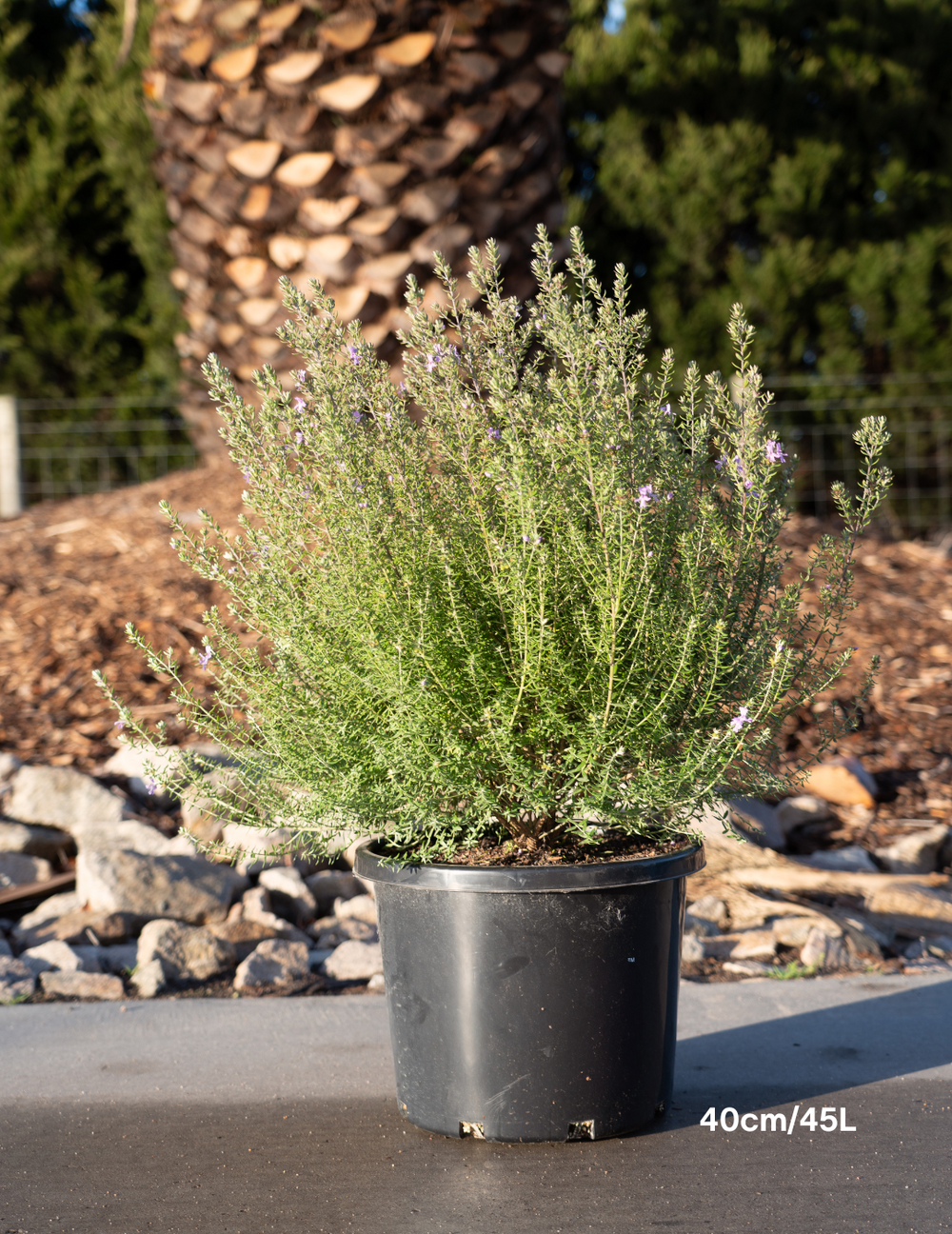
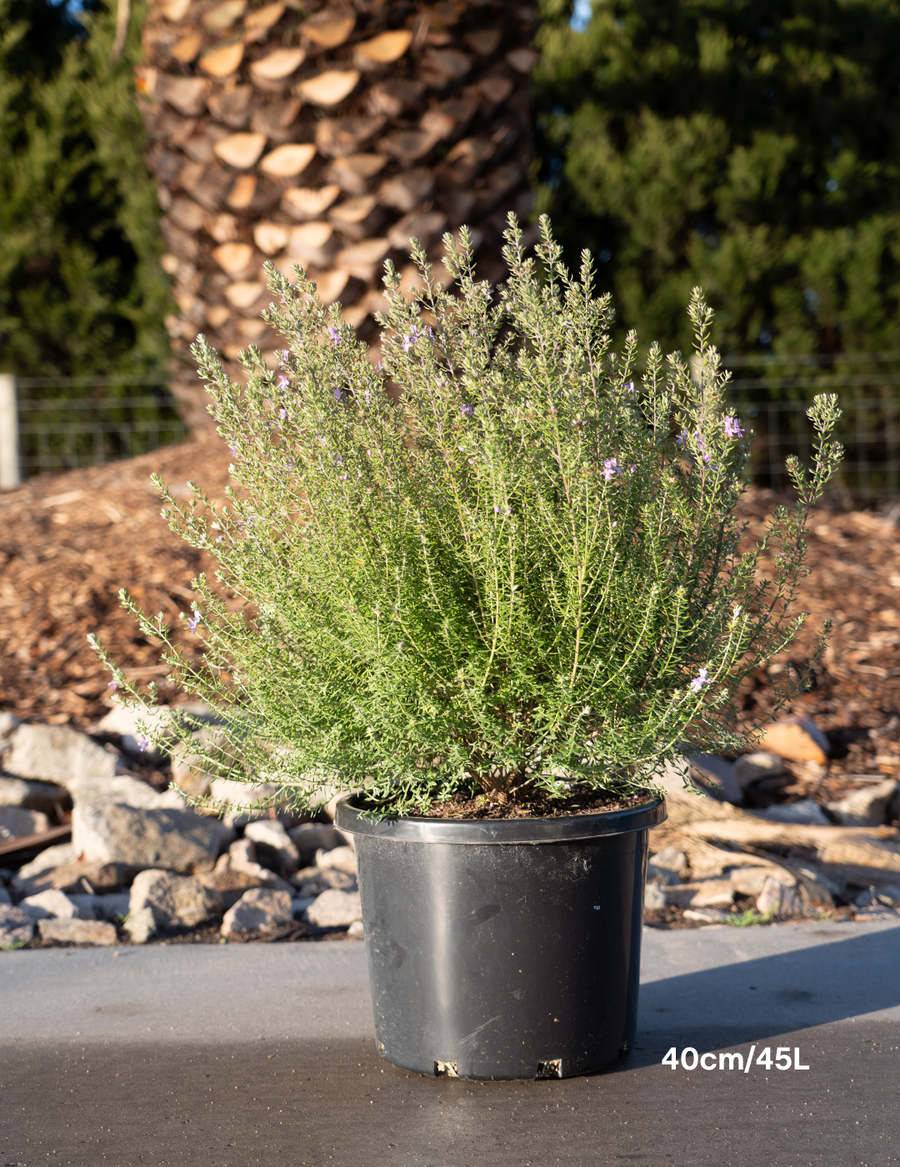
- Mature height
- 2m to 4m
- Mature width
- 1.5m to 3m
Camellia 'Buttons and Bows' is a dense evergreen shrub, usually placed in the hiemalis group rather than among the true sasanquas it is sold beside. The formal double flowers are neatly layered, opening near white at the centre and deepening to clear pink towards the outer petal edges. Foliage is small, glossy and closely held.
Full sun to partial shade both work, with some afternoon shelter in hot inland areas. It wants a well drained, slightly acidic soil and regular water through the first summers. Expect a moderate 20 to 40 centimetres a year. Established plants take light to moderate frost and accept clipping without sulking.
The dense habit makes it a good low to medium hedge, a screen along a narrow side boundary, or a shaped shrub in a courtyard. It sits well in a large pot beside a doorway. Where a flowering hedge has to stay tidy and hold its lower foliage, this one earns its place.
Frequently Asked Questions
About Camellia 'Buttons and Bows'
What is Camellia 'Buttons and Bows'?
'Buttons and Bows' is a dense evergreen camellia, usually placed in the hiemalis group alongside the sasanquas it is sold with. The formal double flowers are neatly layered, opening near white at the centre and deepening to clear pink towards the petal edges. Foliage is small, glossy and closely held on the stems.
How big does it grow?
Around 2 to 3 metres tall and 1.5 to 2 metres wide if left unpruned, though it is most often kept between 1.2 and 2 metres as a hedge. Growth is moderate, roughly 20 to 40 centimetres a year, and the plant stays dense to ground level rather than going leggy at the base.
When does it flower?
Autumn into winter, generally April through to July, with flowers opening in succession over a long period. Flowering happens when most of the garden has finished, which is the main reason it is specified. Spent blooms drop cleanly from the plant instead of hanging on and browning.
Is it frost tolerant?
Yes. Once established it handles light to moderate frost without leaf damage, suiting cool temperate and tablelands gardens as well as milder coastal ones. Newly planted stock should be mulched and sheltered from cold wind through its first winter. Heavy frost during flowering can mark the open petals.
How far apart should I plant it for a hedge?
For a dense hedge, set plants 80 centimetres to 1 metre apart, measured centre to centre. As a freestanding feature, allow 3 to 4 metres so the canopy and form can develop fully. Prepare a continuous trench for hedge runs, so roots are not competing with unimproved soil either side.
Can it be grown in pots?
Yes. A pot 40 to 50 centimetres wide holds a single specimen for a courtyard, entry or balcony. Use a free draining camellia and azalea mix, water regularly through summer, and feed after flowering. The naturally dense habit means it keeps a good shape in a container with minimal trimming.
How do I prune and care for it?
Trim after flowering finishes in late winter, cutting new growth back to shape before the next season's buds form. Feed with a camellia and azalea fertiliser at the same time, keep mulch over the shallow roots, and water deeply in dry weather. Avoid digging around the base of the plant.