- Mature height
- 2m to 4m
- Mature width
- 2m to 3m
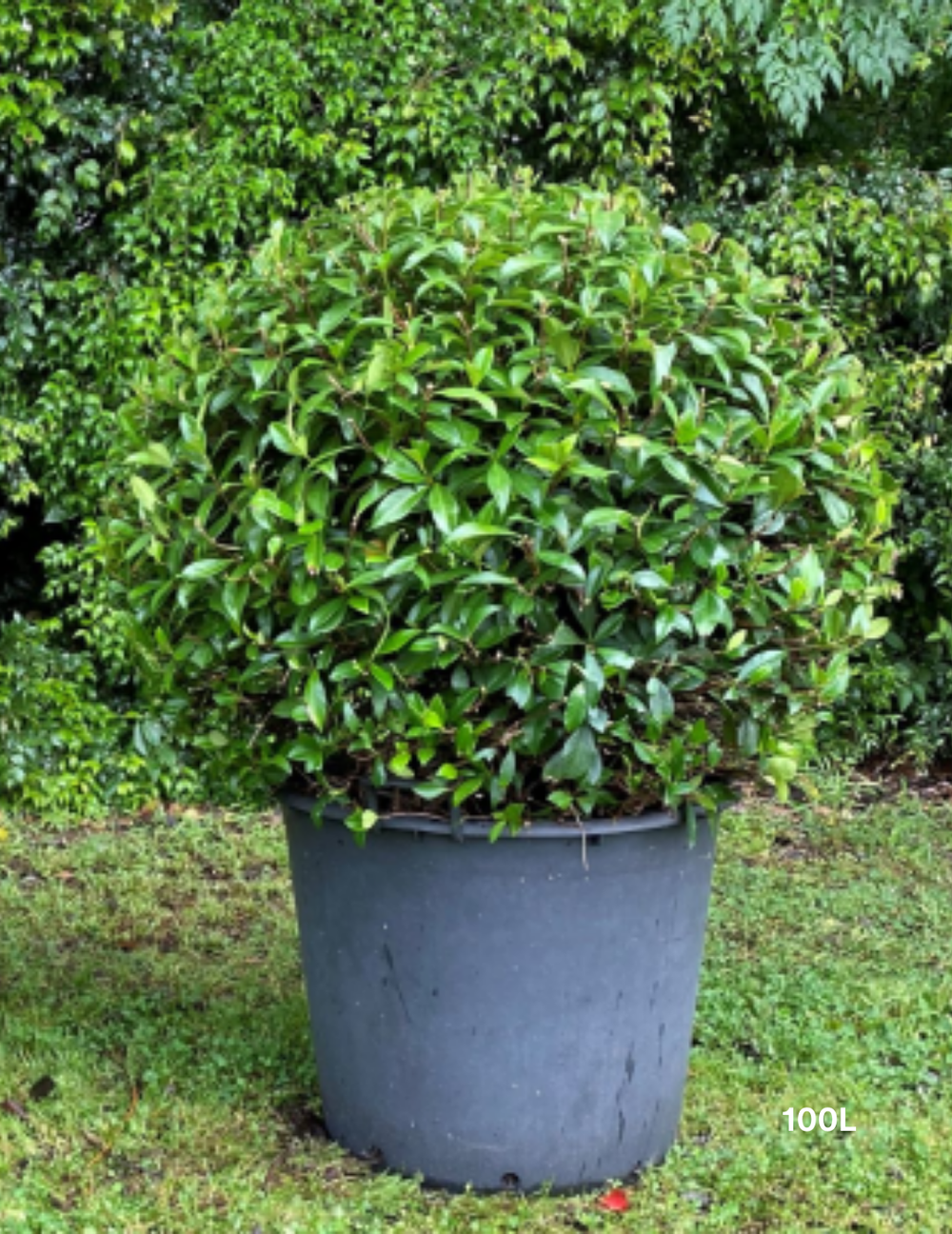
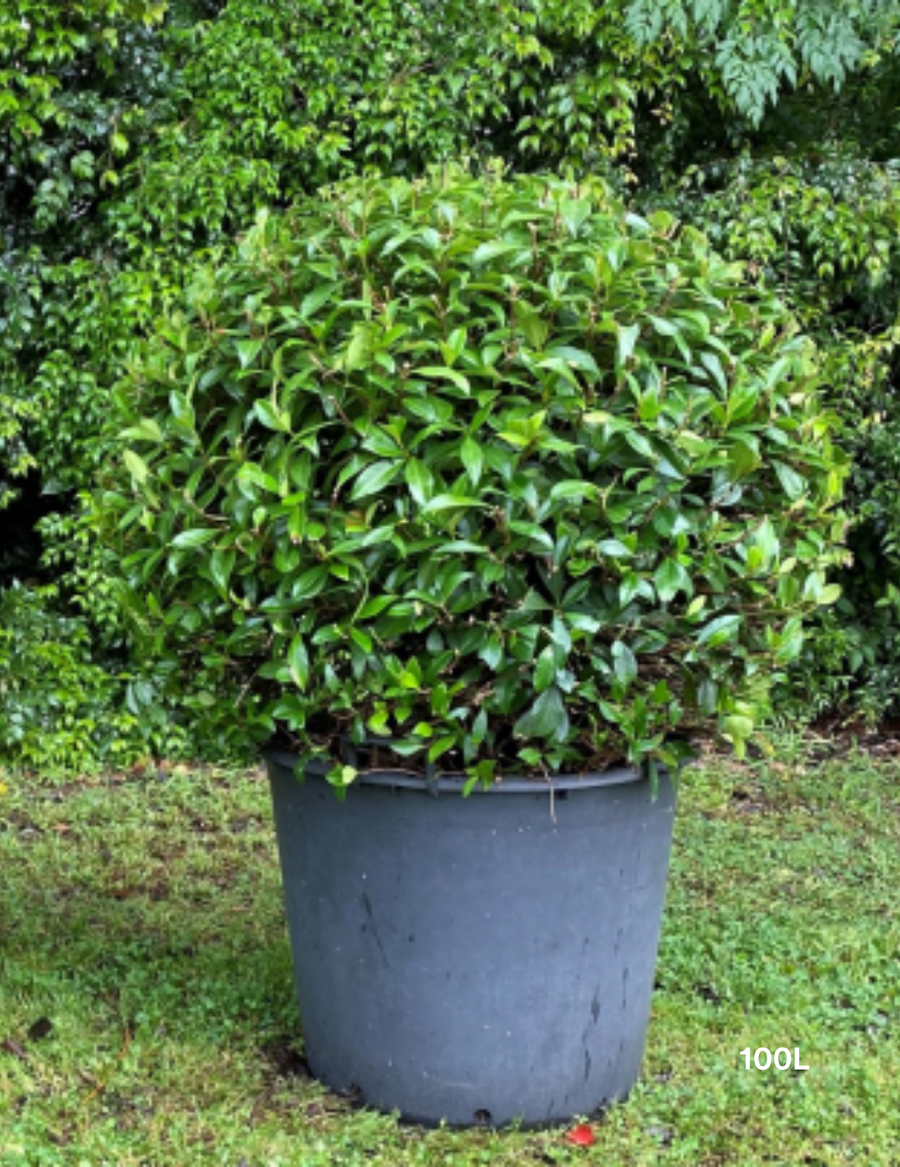
Camellia japonica 'Henry E. Huntington' is an evergreen shrub carrying large, formal double rose pink blooms of very even petal arrangement. The flowers are the drawcard, but the leathery, glossy foliage does the quiet work the rest of the year. The plant grows upright and dense, thickening into a rounded form as it matures.
Filtered sun or dappled shade suits it, along with a friable, well-drained soil enriched with compost and kept evenly moist while the plant establishes. It handles light to moderate frost once settled and performs across cool and warm temperate Australia. Annual growth of 20 to 50 cm keeps maintenance predictable and pruning occasional.
Its formal flower shape and tidy habit make it a natural fit for heritage gardens, symmetrical entry plantings and shaded courtyards where a refined look is wanted. It also holds its own in a mixed shrub border. Buyers choose it when they want classic camellia flowers with structure that stands up year round.
Frequently Asked Questions
About Henry E. Huntington Camellia
What is Camellia japonica 'Henry E. Huntington'?
It is a Japanese camellia cultivar producing large formal double flowers in rose pink, with petals laid in neat overlapping rows. The shrub is evergreen, upright and densely leafed, with the glossy dark foliage typical of the species. It is not native to Australia but is widely grown in southern gardens.
How big does Henry E. Huntington Camellia grow?
Expect around 2 to 3.5 metres in height and 1.5 to 2 metres across at full maturity, reached slowly over fifteen years or more. In practice most garden plants sit comfortably under 2 metres for a long time. It responds well to pruning, so a smaller finished size is easy enough to maintain.
Does it need sun or shade?
Dappled shade or filtered morning sun gives the best flowers and the healthiest foliage. Full afternoon sun in a hot inland garden burns the leaf edges and shortens the life of each bloom. Too much shade reduces flower numbers, so aim for bright light without direct midday exposure.
When does it flower?
The display runs from winter into spring, broadly June through to September. Formal double camellias like this one tend to open their buds in sequence rather than all at once, which stretches the flowering period out over several weeks. Cool weather during flowering keeps individual blooms in good condition for longer.
Is it drought tolerant?
Only moderately. An established plant in good soil with deep mulch will ride out a dry spell, but camellias set their flower buds through summer and a prolonged dry period causes bud drop the following season. Plan for occasional deep watering through the warmer months rather than treating it as a dry garden plant.
Does it have invasive roots?
No. The root system is fibrous, shallow and well behaved, which is why camellias are safe to plant near paths, paving and small structures. The shallowness does mean the roots resent digging and cultivation nearby, so keep the surrounding area mulched rather than turned over with a hoe.
How do I care for Henry E. Huntington Camellia?
Keep a generous organic mulch over the root zone, water deeply in dry weather and apply a camellia and azalea fertiliser once flowering ends. Prune immediately after the last blooms fall, taking out crossing branches and thinning the interior. Spent flowers can be picked off to keep the plant looking clean.