



Skip to content

Volume Discounts Apply At Checkout

Selecting the Best Trees for a Mediterranean Garden: 17 Picks for Tuscan, Italianate and Greek Island Style

Selecting the Best Trees for a Mediterranean Garden: 17 Picks for Tuscan, Italianate and Greek Island Style

A practical guide to designing a Mediterranean garden in Australian conditions. Ten picks covering Italian Pencil Pine column, three Olive cultivars, productive citrus, refined Bay, productive Fig and aromatic herb layer. Tuscan, Provencal and Greek island character in an Australian climate.


Bay LaurelEvergreen TreesMagnoliaMediterranean GardenOlive Trees

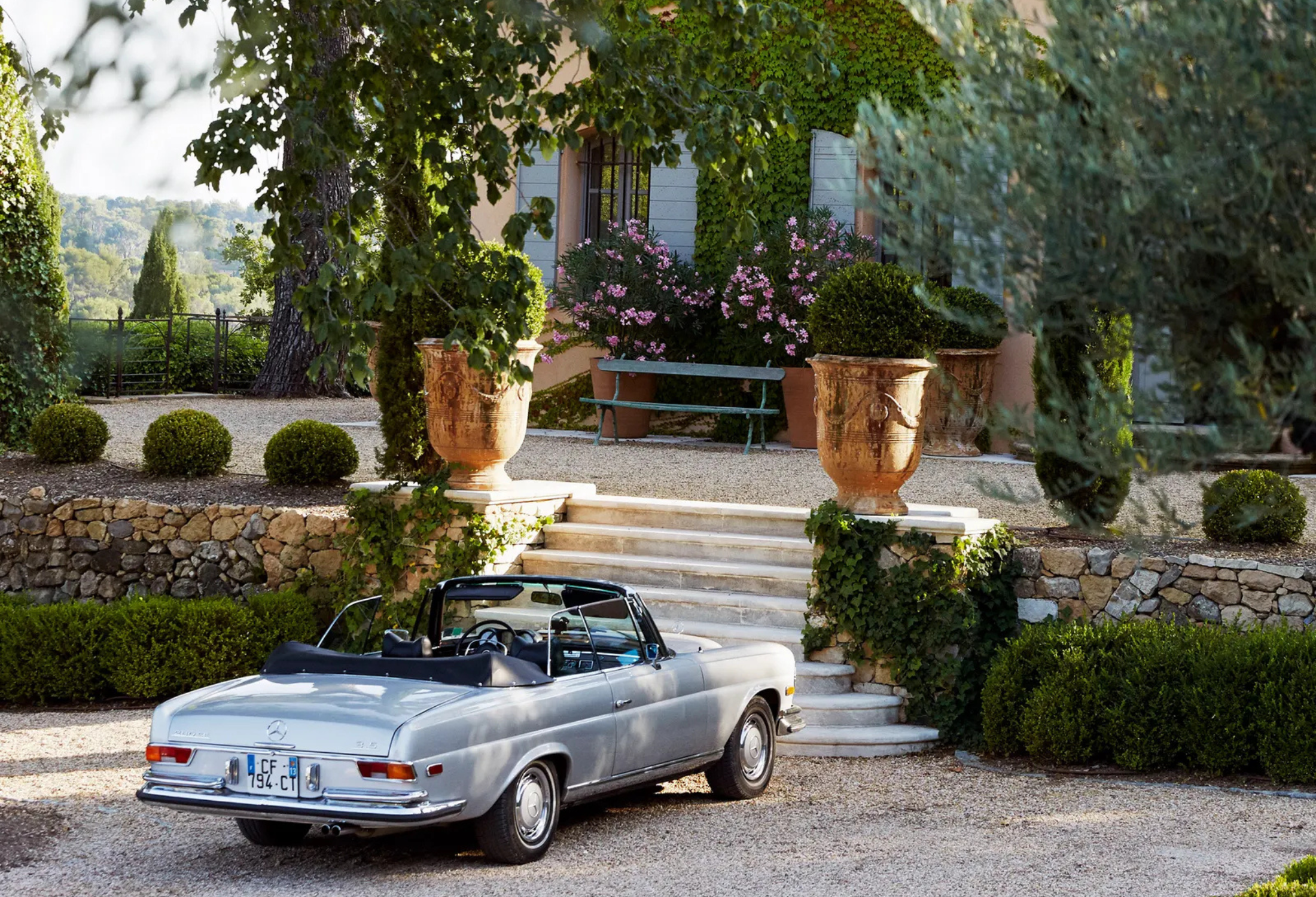
The Mediterranean garden draws from Tuscany, Provence, the Greek islands and southern Spain. Silver-grey foliage, narrow vertical columns, productive fruiting trees, fragrant herbs and the sculptural gnarled trunk of a mature Olive together create a palette that feels both timeless and effortless. Australian climate is well suited to Mediterranean planting, and the right seventeen picks build the look from year one.

This guide is for anyone designing or extending a Mediterranean garden in Australia. From the foundational Italian Pencil Pine and Aleppo Pine verticals that signal the style from the kerb, to the Olive grove that delivers silver foliage and productive fruit, to the productive kitchen-garden layer of Pomegranate, Feijoa, Blood Orange and Navel Orange, to the aromatic Rosemary and Lavender herb layer, the seventeen picks below cover every element of authentic Mediterranean character.

The Mediterranean palette: silver foliage, sculpted forms, productive trees

Mediterranean planting reads through three signals working at once: silver and grey-green foliage that softens harsh light, sculpted vertical and gnarled forms that draw the eye, and a productive layer of citrus, olives and fragrant herbs that pulls people into the garden. The seventeen picks here cover every layer of that picture, from the kerbside verticals to the courtyard pots.

The signature silver comes from the Olive grove, the aromatic Rosemary hedge and the soft blue-purple sweep of English Lavender. The vertical comes from Italian Pencil Pine and the spreading umbrella crown of Aleppo Pine. The productive layer comes from Pomegranate, Feijoa, Black Genoa Fig and the citrus family: Calamondin, Lisbon Lemon, Blood Orange, Washington Navel Orange and Finger Lime. The shaped, formal accent comes from Bay Standards flanking entries and pots.

The pillar trio: vertical cypress, Aleppo pine, and the olive grove

Three trees do the heavy lifting in any Mediterranean garden. Together they set the silhouette before the rest of the planting goes in.

Italian Pencil Pine is the upright. Plant in a row of three or five along a driveway, frame an entry door, or punctuate the corners of an olive grove. Its narrow column reads as Tuscan from any angle.

Aleppo Pine is the canopy. A spreading umbrella crown, salt-tolerant and Greek-island in feel, planted as a single specimen to throw dappled shade over a paved terrace or a swimming pool surround. It is the tree you see arched over coastal tavernas and Italianate villas.

The olive grove is built from three varieties chosen by purpose. Manzanillo is the productive table olive, ideal for owners who want fruit. Tolley's Upright is the low-fruiting narrow column form, refined for formal use and avenue planting where heavy fruit drop is unwanted. Swan Hill is the fully non-fruiting selection for paved courtyards, pool surrounds and street verges where no fruit at all is the goal.

The kitchen-garden layer: pomegranate, feijoa, fig, citrus

A Mediterranean garden is almost always a productive garden. The fruiting layer is what turns a beautiful planting into a daily destination.

Pomegranate 'Wonderful' delivers the brightest signal: scarlet flowers in summer, jewel-toned fruit through autumn, glossy foliage that turns yellow before falling. Easy to train as a multi-stem or single-trunk tree.

Feijoa is the silver-leafed evergreen that reads as Mediterranean year-round. Edible scarlet petals in spring, perfumed green fruit in autumn, and it clips well as an informal hedge if you want a productive screen.

Black Genoa Fig brings the sculptural deciduous canopy: bold palmate leaves through summer, dark sweet fruit, an open trunk that ages beautifully against a render or stone wall.

The citrus quartet covers every use: Calamondin for pots and ornamental fruit set, Lisbon Lemon for kitchen reliability, Blood Orange for the dramatic crimson flesh of winter juice, and Washington Navel Orange for the classic dessert orange. Finger Lime adds the cult ingredient: caviar pearls of lime pulp, prized in restaurants, suited to a sheltered courtyard pot.

Herbs, ground covers, and trees in pots: the finishing layer

The finishing layer is where a Mediterranean garden becomes immersive: fragrance you brush past, low silver-grey foliage along path edges, and shaped trees in terracotta pots at every threshold.

For aromatic ground cover and low hedging, Rosemary and English Lavender are the classic pair. Plant in a single mass beside paths, along driveways, or sweeping under olives. Both clip into low billowing mounds, both flower for months, both release oil when brushed. Together they carry the scent of the Mediterranean.

For evergreen edible hedging and informal screens, Miles Choice Bay is dense, productive and tolerant of heavy clipping. Use as a kitchen-garden hedge, a hedge along a paved walk, or a sheared cube for formal accents.

For pots, Bay Standards are the workhorse: clear-trunk lollipop forms in terracotta or Anduze pots either side of a doorway, flanking a courtyard fountain, or marking the corners of a pool surround. They read as formal Mediterranean instantly. Pair with potted Calamondin or Lisbon Lemon for productive verandah groupings.

Before you start: what you'll need

Free-draining, slightly alkaline soil
The Mediterranean palette is built on dry-summer trees. Olives, Pencil Pine, Aleppo Pine, Rosemary, Lavender, Pomegranate, Feijoa and Fig all want sharp drainage and a neutral to slightly alkaline pH. If you garden on heavy clay, raise beds, mound the planting hole, and mix in coarse sand or gypsum.
Full sun position
Every pick in this article wants six hours of direct sun or more. Mediterranean plants ripen fruit, set flower oil and develop silver foliage colour only with strong light. North-facing aspects in Australia are the gold standard.
Terracotta or Anduze-style pots for the standards
Bay Standards, Calamondin, Lisbon Lemon, Blood Orange, Washington Navel and Finger Lime all sit beautifully in fired terracotta or glazed Provencal pots. Use a minimum 50cm pot for citrus and Bay Standards so the root zone has thermal mass.
Premium citrus or potting mix
For citrus and standards in pots, a premium citrus mix is non-negotiable. Avoid generic potting mix, which holds too much moisture. Top up annually with compost and worm castings to keep the mix alive.
Sharp secateurs and a small bow saw
Bay Standards need a light clip three to four times a year. Olives need an annual open-vase prune. Pomegranate and Fig need winter shaping. A clean cut, made with sharp secateurs or a small bow saw, heals fastest.

How to keep your tree happy

Water deeply but infrequently
Mediterranean plants resent constant moisture at the root zone. Once established, all 17 picks here are drought-tolerant. Water deeply once a week in summer for the first year, then taper. Citrus and Feijoa want slightly more consistent moisture than Olives or Rosemary.
Mulch with gravel, pebbles or coarse bark
Replace heavy compost mulches with gravel, decomposed granite or coarse bark around the silver-foliage layer (Olive, Lavender, Rosemary). Gravel reflects heat, keeps the crown dry and looks Mediterranean. Citrus and Feijoa still benefit from a coarse organic mulch.
Feed citrus three times a year
Blood Orange, Navel, Lisbon Lemon, Calamondin and Finger Lime are heavy feeders. Apply a complete citrus food in late winter, mid-spring and late summer. Olives, Pomegranate and Fig need only a single early-spring feed.
Protect the silver layer from humidity
In humid coastal climates, give Rosemary, Lavender and the Olive grove space and airflow. Avoid overhead irrigation. Plant on the sunny side of paving, not under canopy.
Annual canopy lift on the Olives
A simple open-vase prune through winter, removing crossing branches and lifting the lower canopy, keeps each Olive sculptural. Tolley's Upright and Swan Hill need almost no shaping; Manzanillo benefits from a structured prune.

Perfect pairs for the front garden

Italian Pencil Pine + Olive grove
A row of three or five Italian Pencil Pines at the boundary, with a grove of Manzanillo Olives or Tolley's Upright in front. The vertical reads as Tuscan from the kerb; the olives carry the silver-grey foundation across the rest of the garden.
Bay Standards + Calamondin in matched pairs
A pair of Bay Standards in terracotta either side of an entry door, with a single Calamondin Cumquat placed nearby. Formal symmetry plus ornamental fruit, with both edible.
Rosemary + Lavender + Olive
A drift of Rosemary and English Lavender sweeping under a single Olive. The fragrance hits the moment you brush past, the silver palette stays consistent top to bottom.
Aleppo Pine + Pomegranate
A spreading Aleppo Pine as the canopy, with Pomegranate 'Wonderful' as a small underplanting tree for scarlet flowers and autumn fruit. The pine provides Greek-island feel; the pomegranate provides the colour event.
Citrus quartet on a terrace
Blood Orange, Washington Navel, Lisbon Lemon and Calamondin in matched terracotta pots along one wall of a paved courtyard. The whole productive layer within arm's reach of the kitchen.
Bay hedge + Feijoa
A clipped Miles Choice Bay hedge as the front line, with Feijoa as a secondary informal screen behind. Two productive evergreens, layered for screening with a kitchen-garden return.
Fig + Pomegranate against render
A Black Genoa Fig trained against a pale render or stone wall, with Pomegranate in front. Deciduous structure for winter, layered fruit through summer and autumn.
Finger Lime + courtyard pot
Finger Lime in a 60cm terracotta pot in a sheltered courtyard, surrounded by potted Bay Standards and a low Lavender mass at the base. A cult ingredient set into a Mediterranean frame.

Caring for your tree through the seasons

Spring
Olives flower; Pomegranate and Feijoa unfurl new leaves; citrus push their main flush of bloom and set fruit. Feed citrus and citrus standards now. Sow Lavender and Rosemary cuttings. Watch for citrus leafminer on new flush.
Summer
Lavender and Rosemary peak. Pomegranate flowers in jewel scarlet. Aleppo Pine and Pencil Pine establish quickly. Water citrus deeply once a week. Allow Olives, Lavender and Rosemary to dry between waterings.
Autumn
Olive harvest. Pomegranate and Feijoa fruit ripen. Plant new Olives, Pencil Pines and Aleppo Pine while soil is warm. Refresh gravel mulch around the silver layer. Reduce citrus water slightly.
Winter
Citrus fruit ripen and harvest peaks for Lisbon Lemon, Blood Orange and Navel. Prune Olives, Fig and Pomegranate while dormant. Lift the lower canopy on Aleppo Pine. Hold off feeding. Protect young citrus from heavy frost.

Pruning: when, how, and why it matters

Olives: open-vase, once a year
In winter, remove crossing branches and any growth pointing into the centre. Lift the lower canopy to expose the trunk. Aim for an open umbrella shape on Manzanillo; leave Tolley's Upright and Swan Hill almost untouched.
Bay Standards: light clip three times
Clip the lollipop crown in spring, mid-summer and early autumn. A light shape every few months keeps the ball tight. Avoid heavy reduction in one go.
Pomegranate: winter framework prune
Choose three to five main stems and remove suckers. Shorten the previous year's growth by a third to encourage flowering wood. Pomegranate flowers on new growth.
Fig: winter shaping
Prune Black Genoa Fig in late winter while dormant. Remove crossing branches and reduce the previous year's growth to keep the canopy open. Fig fruits on new wood.
Citrus: light tidy after harvest
Remove dead wood and any inward-growing branches after winter harvest. Citrus need a light hand; avoid heavy reduction.
Rosemary and Lavender: hard prune after flowering
Cut back by a third immediately after the main flowering flush. This keeps both shrubs tight and prevents the bare-leg woody base that ruins Mediterranean ground covers.

Our favourite picks

1. Cupressus sempervirens 'Glauca' (Italian Pencil Pine)

The iconic Mediterranean column. Tight blue-grey scale foliage, narrow vertical form, centuries-proven across Italian villa gardens. The single most recognisable Mediterranean tree in cultivation.

Type
Iconic Mediterranean column conifer
Height
8 to 12m
Width
0.8 to 1.2m
Growth rate
Moderate
Foliage
Blue-grey scale foliage
Flowers
Insignificant
Form
Tight narrow column
Conditions
Full sun, well-drained, very drought tolerant
Maintenance
Very low.
Best for
the iconic Tuscan or Italianate vertical, or matched-pair flanks at the entry that say Mediterranean from year one.

Why we love it

Cupressus 'Glauca' is the most instantly-recognised Mediterranean tree in cultivation. The narrow column form and blue-grey foliage say Tuscany, Provence and Greek island from the moment they're planted.\n\nDrought tolerant, almost zero maintenance, and centuries-long lifespan. The single most powerful Mediterranean design statement on this list.

Perfect pair

Plant in matched row at 1m spacing for a Tuscan boundary, or as flanking pair at the entry with Olea 'Tolley's Upright' for layered Mediterranean column.

Tips for planting

Full sun essential. Drought tolerant once established. Minimal trimming — the natural form is the design.

The iconic Mediterranean column. Centuries-proven Italian refinement.

Shop Cupressus sempervirens 'Glauca'

2. Pinus halepensis (Aleppo Pine)

The classic Mediterranean pine of southern Europe and North Africa, with a soft open canopy and the orange-tinged bark that defines the Mediterranean landscape. Thrives in dry sandy soils and intense sun where most other pines struggle.

Type
Evergreen conifer
Height
12 to 18 m
Width
8 to 12 m
Growth rate
Moderate
Foliage
Soft pale green needles, open canopy
Form
Open umbrella-shaped canopy
Conditions
Full sun, drought-tolerant, free-draining soils
Best for
Rural Mediterranean estate, coastal Mediterranean garden, drought-tolerant landscape feature

Why we love it

The pine that signals authentic Mediterranean landscape from a distance. Soft open canopy contrasts with the formal verticality of Pencil Pine for a complete Mediterranean composition.

Perfect pair

Pair Aleppo Pine with an Olive grove and Lavender border for the complete southern French or Tuscan landscape.

Tips for planting

Plant in full sun in free-draining soil. Almost no water needed once established. Allow the natural open form to develop.

The signature pine of the Mediterranean landscape.

Shop Pinus halepensis

3. Olea europaea 'Manzanillo' (Manzanillo Olive)

Classic Spanish fruiting olive with silver-grey foliage and reliable productive habit. Mature trees develop the gnarled sculptural trunk that becomes the centrepiece of Mediterranean gardens. Edible plump black-purple olives in late autumn.

Type
Productive Mediterranean fruiting olive
Height
5 to 8m
Width
4 to 5m
Growth rate
Moderate
Foliage
Silver-grey narrow evergreen
Flowers
Insignificant cream spring
Form
Rounded crown on gnarled multi-trunk
Conditions
Full sun, well-drained, drought tolerant once established
Maintenance
Light pruning to shape.
Best for
an authentic Spanish productive olive for cooking and curing, or a sculptural Mediterranean feature tree.

Why we love it

Manzanillo is the classic Spanish table olive. Where Tolley's Upright and Swan Hill are non-fruiting refined cultivars, Manzanillo delivers a genuine productive crop — plump black-purple olives for pickling and curing in late autumn.\n\nMature trees develop the sculptural gnarled trunk that defines Mediterranean garden character.

Perfect pair

Pair with Cupressus 'Glauca' Pencil Pine for sculptural-meets-column Mediterranean structure, or plant in matched row of three for a productive grove.

Tips for planting

Full sun. Drought tolerant once established. Self-fertile but pollinator olive nearby boosts crop. Light pruning to maintain shape and accessibility.

Authentic Spanish productive olive. Sculptural Mediterranean feature.

Shop Olea europaea 'Manzanillo'

4. Olea europaea 'Tolley's Upright' (Tolley's Upright Olive)

Compact narrow upright Olive with silver-grey foliage and low-fruiting habit. The refined Mediterranean column for courtyards, side strips and matched-pair entry flanks. Cleaner than productive olive cultivars.

Type
Compact narrow Mediterranean evergreen
Height
3 to 5m
Width
1 to 1.5m
Growth rate
Moderate
Foliage
Silver-grey narrow evergreen
Flowers
Insignificant cream
Form
Narrow upright column
Conditions
Full sun, well-drained, drought tolerant
Maintenance
Light pruning to shape.
Best for
a refined narrow Mediterranean column with minimal fruit mess, or matched-pair flanks beside a courtyard entry.

Why we love it

Tolley's Upright solves two problems at once: it gives the silver-grey Mediterranean foliage at compact narrow scale, and the low-fruiting habit keeps the planting clean against paved areas, paths and entries.\n\nWhere Manzanillo reads productive farmhouse Mediterranean, Tolley's Upright reads refined high-end design Mediterranean.

Perfect pair

Plant in matched pair flanking the entry, or alternate with Cupressus 'Glauca' Pencil Pine for layered narrow silver-grey and blue-grey columns.

Tips for planting

Tight narrow form. Plant 1m from walls. Drought tolerant once established. Low-fruiting variety keeps the planting clean.

Silver-grey narrow Mediterranean column with minimal fruit mess.

Shop Olea europaea 'Tolley's Upright'

5. Olea europaea 'Swan Hill' (Swan Hill Non-Fruiting Olive)

Completely non-fruiting Olive with classic silver-grey foliage and full Mediterranean sculptural form. The zero-mess olive for swimming pool surrounds, paved courtyards, driveways and refined design contexts where fruit drop is unacceptable.

Type
Non-fruiting Mediterranean Olive
Height
5 to 7m
Width
4 to 5m
Growth rate
Moderate
Foliage
Silver-grey narrow evergreen
Flowers
Sterile — no fruit
Form
Rounded crown, can be trained as multi-trunk feature
Conditions
Full sun, well-drained, drought tolerant once established
Maintenance
Light pruning to shape.
Best for
a completely non-fruiting Olive beside the pool or driveway, or a clean Mediterranean feature where fruit drop is unacceptable.

Why we love it

Swan Hill is the only completely sterile Olive cultivar on this list. Pool surrounds, paved courtyards, driveways and entry zones all benefit from a tree that delivers full Mediterranean character with zero fruit drop, zero pollen and zero staining.\n\nVisual character is identical to a productive Olive — just without any of the mess.

Perfect pair

Plant as pool-surround feature, or pair with Olea 'Tolley's Upright' for layered non-fruiting silver-grey.

Tips for planting

Sterile cultivar — no fruit production. Drought tolerant once established. Light pruning to shape the canopy.

Non-fruiting silver-grey Olive. The clean Mediterranean choice.

Shop Olea europaea 'Swan Hill'

6. Laurus nobilis 'Miles Choice' (Miles Choice Bay Laurel)

Tighter denser cultivar of the classic Mediterranean Bay. Glossy dark green aromatic leaves for cooking, compact upright habit perfect for clipping. The Bay that holds a clean formal shape better than the standard species.

Type
Refined Mediterranean Bay Laurel
Height
3 to 5m
Width
1.5 to 2.5m
Growth rate
Moderate
Foliage
Glossy dark green aromatic culinary leaves
Flowers
Small cream clusters in spring
Form
Dense upright
Conditions
Full sun to part shade, well-drained, frost hardy
Maintenance
Light pruning to maintain shape.
Best for
a refined Bay that holds a clean clipped shape, or the most productive Mediterranean culinary Bay for cooking.

Why we love it

Miles Choice is the cultivar that solved the Bay problem. Standard Laurus nobilis grows leggy and irregular; Miles Choice stays dense, upright and tidy with minimal clipping.\n\nThe glossy aromatic leaves are perfect for cooking and the structure is refined enough to anchor a formal Mediterranean entry or courtyard.

Perfect pair

Plant as matched-pair flanks at the entry, or pair with Olea 'Tolley's Upright' for layered refined Mediterranean evergreen.

Tips for planting

Full sun to part shade. Frost hardy. Light pruning to shape — holds form better than standard Bay.

Refined Bay for clipping, cooking and Mediterranean structure.

Shop Laurus nobilis 'Miles Choice'

7. Laurus nobilis (Bay Leaf Standard)

Lollipop-shaped standard with a clean clear stem and a tidy green head. The classical entry pot.

Type
Evergreen tree
Height
1.5 to 2 m on standard form
Width
60 to 80 cm head
Growth rate
Slow
Foliage
Glossy dark green aromatic culinary leaves
Flowers
Small yellow in spring
Form
Standard lollipop
Conditions
Full sun, well-drained mix
Maintenance
Trim head twice a year to maintain the ball shape
Best for
Entry doorways, balconies, formal symmetrical planting

Why we love it

Edible culinary leaves and an instantly classical container shape. Pairs read as commissioned design.

Perfect pair

Pair Bay standards with Buxus topiary at the base of the pot for tiered formality.

Tips for planting

50 L pot or larger. Stake the trunk for the first season.

Mediterranean structure, useful in the kitchen.

Shop Laurus nobilis

8. Punica granatum 'Wonderful' (Pomegranate)

The classic Mediterranean productive fruit tree, with brilliant orange-red spring flowers and large jewel-toned fruit in autumn. One of the oldest cultivated fruit trees and a kitchen-garden anchor across Tuscany, Greece and southern Spain.

Type
Deciduous productive tree
Height
3 to 5 m
Width
2 to 3 m
Growth rate
Moderate
Foliage
Glossy green turning gold in autumn
Flowers
Brilliant orange-red trumpets in late spring
Form
Multi-stemmed bushy
Conditions
Full sun, free-draining soil, drought-tolerant once established
Best for
Mediterranean kitchen garden, productive courtyard, fruiting feature

Why we love it

Delivers brilliant spring flowers, ornamental autumn fruit, and edible harvest for cooking, salads and Mediterranean dishes. One of the most productive Mediterranean fruit trees you can plant.

Perfect pair

Pair Pomegranate with Bay Standards and Olive for the complete Mediterranean kitchen garden.

Tips for planting

Plant in full sun. Water through establishment. Minimal pruning needed; light winter shape to maintain form.

The classic Mediterranean fruit tree.

Shop Punica granatum 'Wonderful'

9. Acca sellowiana (Feijoa (Pineapple Guava))

Productive Mediterranean fruit tree with silver-grey foliage, dramatic red flowers with edible petals, and aromatic green fruit in autumn. Crosses the silver-grey foliage tone of Olive with productive Mediterranean kitchen-garden character.

Type
Evergreen productive shrub or small tree
Height
3 to 4 m
Width
2 to 3 m
Growth rate
Moderate
Foliage
Silver-grey to grey-green oval leaves
Flowers
Dramatic red flowers with edible white petals
Form
Multi-stemmed dense rounded
Conditions
Full sun to part shade, drought-tolerant, well-drained soil
Best for
Productive Mediterranean kitchen garden, silver-foliage hedge, dual-purpose ornamental and edible

Why we love it

Combines silver-grey Mediterranean foliage with productive autumn fruit. The edible flower petals add a unique productive layer most Mediterranean gardens lack.

Perfect pair

Pair Feijoa with Pomegranate and Olive for a complete silver-foliage productive Mediterranean kitchen garden.

Tips for planting

Plant in full sun. Water through establishment. Light prune after fruit set to maintain form.

Silver foliage with productive Mediterranean character.

Shop Acca sellowiana

10. Ficus carica 'Black Genoa' (Black Genoa Fig)

Productive Mediterranean fig with large sweet purple-black fruit and dramatic deeply-lobed deciduous leaves. The kitchen-garden Mediterranean classic. Sculptural multi-trunk form, drought tolerant, productive year after year.

Type
Productive Mediterranean fruiting fig
Height
4 to 6m
Width
3 to 5m
Growth rate
Moderate
Foliage
Large deeply-lobed bright green deciduous
Flowers
Hidden inside developing fruit
Form
Sculptural multi-trunk vase
Conditions
Full sun, well-drained, drought tolerant once established
Maintenance
Winter pruning to shape and crop.
Best for
sweet productive Mediterranean figs, or a sculptural multi-trunk feature for the kitchen garden.

Why we love it

Black Genoa is the most reliable productive fig in Australian gardens. Large sweet purple-black fruit, two crops a year in warm climates, drought tolerant and tough.\n\nThe deeply-lobed Mediterranean leaf is the design feature even when not fruiting, and the sculptural multi-trunk form develops dramatic character with age.

Perfect pair

Plant as kitchen-garden anchor beside Lisbon Lemon, or pair with Olea 'Manzanillo' for productive Mediterranean grove.

Tips for planting

Full sun. Drought tolerant once established. Winter prune to encourage crop and shape canopy.

Sweet productive Mediterranean figs and dramatic deciduous leaves.

Shop Ficus carica 'Black Genoa'

11. Calamondin (Calamondin Cumquat)

Compact citrus with year-round flowering and bright orange fruit. The signature Mediterranean courtyard pot tree, productive in cooking and stunning as ornament. Glossy evergreen, fragrant blossom.

Type
Mediterranean productive citrus
Height
2 to 3m
Width
1.5 to 2m
Growth rate
Slow to moderate
Foliage
Glossy mid-green evergreen
Flowers
Fragrant white year-round, followed by bright orange fruit
Form
Compact rounded
Conditions
Full sun, well-drained, frost protection in cool climates
Maintenance
Citrus feed spring and summer.
Best for
the iconic Mediterranean courtyard pot citrus, or year-round fragrant white blossom plus productive orange fruit.

Why we love it

Calamondin is the iconic Mediterranean courtyard citrus. The compact form suits terracotta or stone pots, fragrant white blossom appears year-round, and bright orange fruit ripens across all seasons — always something to look at, always something to harvest.\n\nPerfect for the Italian-villa style terracotta pot at the entry or beside the dining terrace.

Perfect pair

Plant in matched terracotta pots at entry, or pair with Citrus 'Lisbon' for layered productive Mediterranean citrus.

Tips for planting

Citrus feed three times a year. Frost protect in cool climates. Productive in pots and ground.

Year-round white blossom and orange fruit. The iconic Mediterranean courtyard citrus.

Shop Calamondin

12. Citrus limon 'Lisbon' (Lisbon Lemon)

Australia's most reliable productive lemon. Larger and tougher than Meyer, with classic tart lemon flavour for cooking and preserves. Hardy across most climates, productive year after year, evergreen and aromatic.

Type
Productive Mediterranean lemon
Height
3 to 5m
Width
2 to 3m
Growth rate
Moderate
Foliage
Glossy dark green evergreen
Flowers
Fragrant white, main flush spring with sporadic year-round
Form
Upright rounded
Conditions
Full sun, well-drained, frost protection in cool climates
Maintenance
Citrus feed three times a year.
Best for
a hardy productive tart lemon for cooking and preserves, or the classic Mediterranean kitchen-garden citrus.

Why we love it

Lisbon is the lemon you actually cook with. Larger fruit than Meyer, tarter flavour, and reliable productivity year after year. The Mediterranean kitchen-garden classic.\n\nThe spring blossom flush perfumes the surrounding area, and sporadic flowering across the year means fruit and flower often appear together.

Perfect pair

Pair with Calamondin Cumquat for layered productive citrus, or plant as the kitchen-garden anchor.

Tips for planting

Citrus feed three times a year. Full sun. Drought tolerant once established but consistent moisture boosts fruit size.

Productive tart lemons for the Mediterranean kitchen garden.

Shop Citrus limon 'Lisbon'

13. Citrus sinensis 'Blood Orange' (Blood Orange)

The dramatic Sicilian Blood Orange, with crimson-fleshed fruit that defines authentic Mediterranean kitchen-garden character. Cool nights through autumn produce the deep red flesh that distinguishes Blood Orange from sweet orange varieties.

Type
Evergreen productive citrus
Height
3 to 4 m
Width
2 to 3 m
Growth rate
Moderate
Foliage
Glossy dark green
Flowers
Fragrant white spring flowers
Form
Rounded dense canopy
Conditions
Full sun, well-drained soil, frost protection in cool climates
Best for
Mediterranean kitchen garden, productive Italian courtyard, signature Sicilian citrus

Why we love it

The Blood Orange defines authentic Sicilian and southern Italian Mediterranean kitchen gardens. Crimson flesh delivers visual drama at harvest plus genuine productive value.

Perfect pair

Pair Blood Orange with Lemon Lisbon and Bay Standards for the complete Mediterranean kitchen-garden citrus collection.

Tips for planting

Plant in full sun in frost-free position. Apply citrus food three times a year. Cool nights through autumn deepen the blood-red flesh.

Sicilian drama in your Mediterranean kitchen.

Shop Citrus sinensis 'Blood Orange'

14. Citrus sinensis 'Washington Navel' (Washington Navel Orange)

The classic sweet eating orange of the Mediterranean kitchen garden. Reliable productive cropper with juicy fruit through winter and intensely fragrant white flowers in spring that perfume the courtyard.

Type
Evergreen productive citrus
Height
3 to 5 m
Width
2 to 3 m
Growth rate
Moderate
Foliage
Glossy dark green
Flowers
Intensely fragrant white spring flowers
Form
Rounded dense canopy
Conditions
Full sun, well-drained soil, frost protection in cool climates
Best for
Mediterranean kitchen garden, productive courtyard, reliable family eating orange

Why we love it

The most reliable productive sweet orange for Australian Mediterranean gardens. Juicy seedless fruit through winter, intensely fragrant white blossom in spring.

Perfect pair

Pair Washington Navel with Blood Orange and Lemon Lisbon for layered citrus harvest across the year.

Tips for planting

Plant in full sun in frost-free position. Apply citrus food three times a year. Net against fruit fly in late summer.

The Mediterranean kitchen garden's reliable sweet orange.

Shop Citrus sinensis 'Washington Navel'

15. Citrus australasica 'Australian Blood Red Centre' (Finger Lime)

Australian native citrus producing distinctive finger-shaped fruit filled with caviar-like pearls. Chef-prized. Compact thorny form suits pots and tight spaces. The most-talked-about fruit on any dinner-party plate.

Type
Native gourmet citrus
Height
2 to 3m
Width
1 to 1.5m
Growth rate
Slow to moderate
Foliage
Small bright green
Flowers
Small white in spring
Form
Compact thorny upright
Conditions
Full sun to part shade, well-drained, frost protection
Maintenance
Citrus feed three times a year.
Best for
the chef's prized native caviar lime, or compact productive Australian native citrus.

Why we love it

Finger Lime is the Australian native citrus chefs around the world pay premium for. Distinctive finger-shaped fruit filled with bright pearls of citrus flesh — looks like caviar, bursts on the tongue. Compact thorny growth suits pots and narrow spaces. First harvest 2-3 years.

Perfect pair

Plant in pots near outdoor dining where the harvest happens, with Calamondin for layered native-Mediterranean citrus.

Tips for planting

Thorny — not for high-traffic positions. Citrus feed. Frost protect cool climates.

The chef's prized native citrus caviar.

Shop Citrus australasica 'Australian Blood Red Centre'

16. Rosmarinus officinalis (Rosemary)

The herb that defines Mediterranean planting. Fine needle-foliage with strong culinary fragrance, pale blue flowers across most of the year, drought tolerant and tough. Versatile across hedge, ground cover, herb garden and container.

Type
Mediterranean herb and ground cover
Height
0.8 to 1.5m
Width
1 to 1.5m
Growth rate
Moderate
Foliage
Fine needle, deep green with silver undersides, aromatic
Flowers
Pale blue, across most of the year
Form
Dense rounded shrub or trailing
Conditions
Full sun, well-drained, very drought tolerant
Maintenance
Light pruning after main flush.
Best for
the classic Mediterranean herb fragrance and culinary use, or a low hedge with year-round pale blue flowers.

Why we love it

Rosemary is non-negotiable in Mediterranean planting. The needle texture, aromatic foliage and pale blue year-round flowering are signature Mediterranean character at the ground level.\n\nVersatile too: clip as a low hedge under taller Olive and Pencil Pine, train as a topiary ball, or let it sprawl in herb-garden style. Always Mediterranean.

Perfect pair

Plant as low hedge under Olea 'Tolley's Upright', or as ground cover beside Italian Lavender (when in stock) for layered Mediterranean herb.

Tips for planting

Full sun and good drainage essential. Very drought tolerant. Light pruning after main flowering flush keeps it dense.

Mediterranean herb, fragrance, blue flowers — the signature ground-level note.

Shop Rosmarinus officinalis

17. Lavandula angustifolia (English Lavender)

The silver-flowering Provencal layer that defines the Mediterranean herb garden. Aromatic silver foliage, intensely fragrant purple flowering spikes in summer, and the visual signal of authentic French Mediterranean character.

Type
Evergreen aromatic shrub
Height
60 to 80 cm
Width
60 to 80 cm
Growth rate
Moderate
Foliage
Silver-grey narrow aromatic
Flowers
Intensely fragrant purple flower spikes through summer
Form
Compact rounded mound
Conditions
Full sun, free-draining soil, drought-tolerant
Best for
Mediterranean herb layer, Provence-style border, fragrance beside outdoor seating, pebble-mulch ground filler

Why we love it

Lavender at the base of an Olive grove or beside a Pencil Pine row is the most evocative Mediterranean ground-layer composition possible. Silver foliage plus summer fragrance defines authentic Provence.

Perfect pair

Pair Lavender with matched Pencil Pine row, Olive grove or Bay Standards in matching pots for complete Mediterranean composition.

Tips for planting

Plant in full sun in free-draining soil. Cut back hard in late winter for fresh growth. Pebble mulch suits the Mediterranean style.

The signature Provencal Mediterranean herb.

Shop Lavandula angustifolia

Frequently asked questions

Will Mediterranean plants grow in Australia?
Yes, brilliantly. Most Australian climates (Adelaide, Perth, Melbourne, Sydney, inland regional) are well suited to Mediterranean planting because they share the dry summer and cool wet winter pattern that the species evolved for. Olive, Pencil Pine, Bay, Citrus and Fig all thrive across most of Australia. The exception is humid subtropical zones (Brisbane, far north coast NSW) where fungal pressure overwhelms classic Mediterranean species and humidity-tolerant equivalents work better.
Which Olive cultivar should I choose for Mediterranean style?
Choose by role. Olea 'Manzanillo' for sculptural productive grove with edible Spanish fruit (the kitchen garden choice). Olea 'Tolley's Upright' for low-fruiting narrow column form, light fruit production, suiting hedges and refined formal column plantings. Olea 'Swan Hill' for completely non-fruiting Olive that suits paved areas, pool surrounds and outdoor entertaining zones where fallen fruit creates stains and slip hazards. All three deliver authentic Mediterranean character; pick the cultivar by the position you're planting.
What's the best fruiting tree for a Mediterranean courtyard?
Calamondin Cumquat is the standout fruiting tree for Mediterranean courtyards. The species delivers year-round white blossom in spring and ornamental orange fruit through winter, performs reliably in pots, and harvests for cocktails, marmalade and Asian cooking. Citrus 'Lisbon' is the productive tart lemon for cooking. Both pair beautifully with the Olive and Bay palette and complete the Mediterranean kitchen garden experience.
Can Australian natives work in a Mediterranean garden?
Yes. Westringia fruticosa (Coastal Rosemary) is the standout Australian native that reads as Mediterranean herb. The species shares the silver-grey foliage tone, drought tolerance and clipping discipline of classic Mediterranean herbs while being Australian native. Plant as low informal hedge, clipped formal balls, or ground cover. Suits properties that want Mediterranean style with some native plant content.
How much water do Mediterranean plants need?
Through establishment (years one and two): deep weekly soak in dry weather to develop the deep root system. After year two: minimal supplementary water in Australian climates. Mediterranean species evolved for dry summers and decline if kept consistently wet once established. Continued frequent watering past establishment is the most common reason for mature Mediterranean planting failure. Citrus is the exception and continues to need regular watering through productive years.
Best Mediterranean tree for a pool surround?
Olea 'Swan Hill' is the standout choice for pool surrounds and paved entertaining areas. The cultivar produces no fruit, eliminating the stains, slip hazards and clean-up demands of fruiting Olives in these positions. The silver-grey foliage delivers full Mediterranean character without any of the productive trade-offs. Pair with Lavender, Rosemary or Westringia at the base for the complete pool-surround Mediterranean composition.