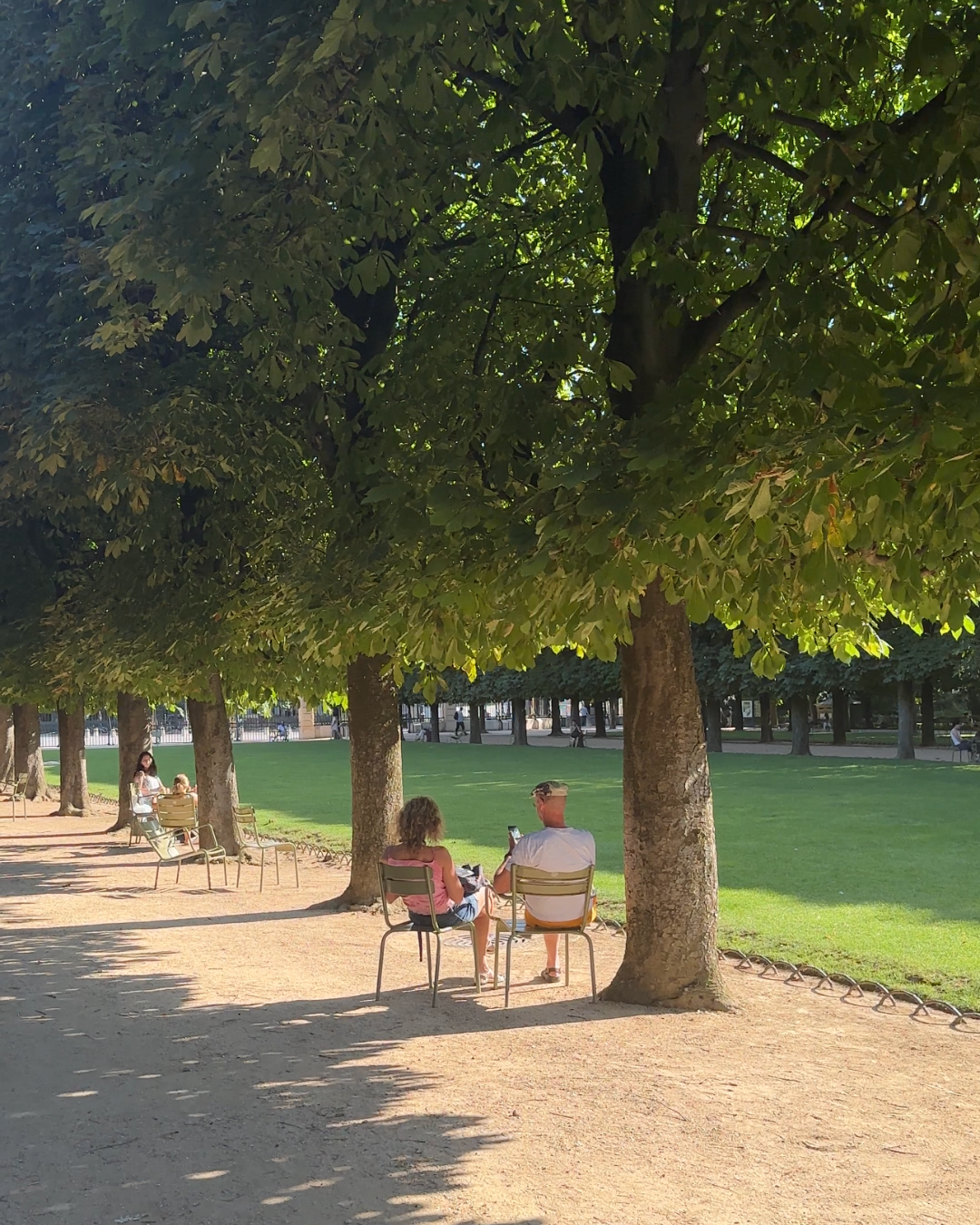
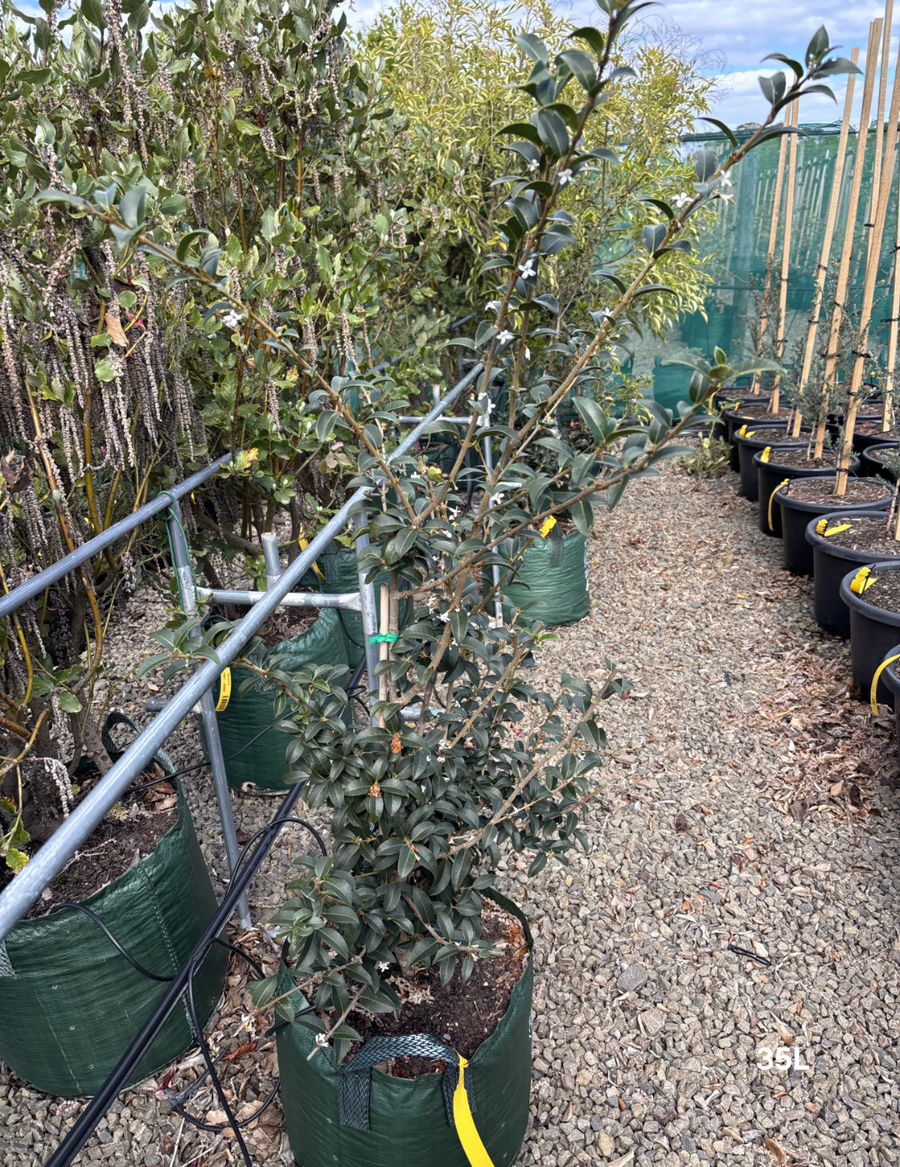
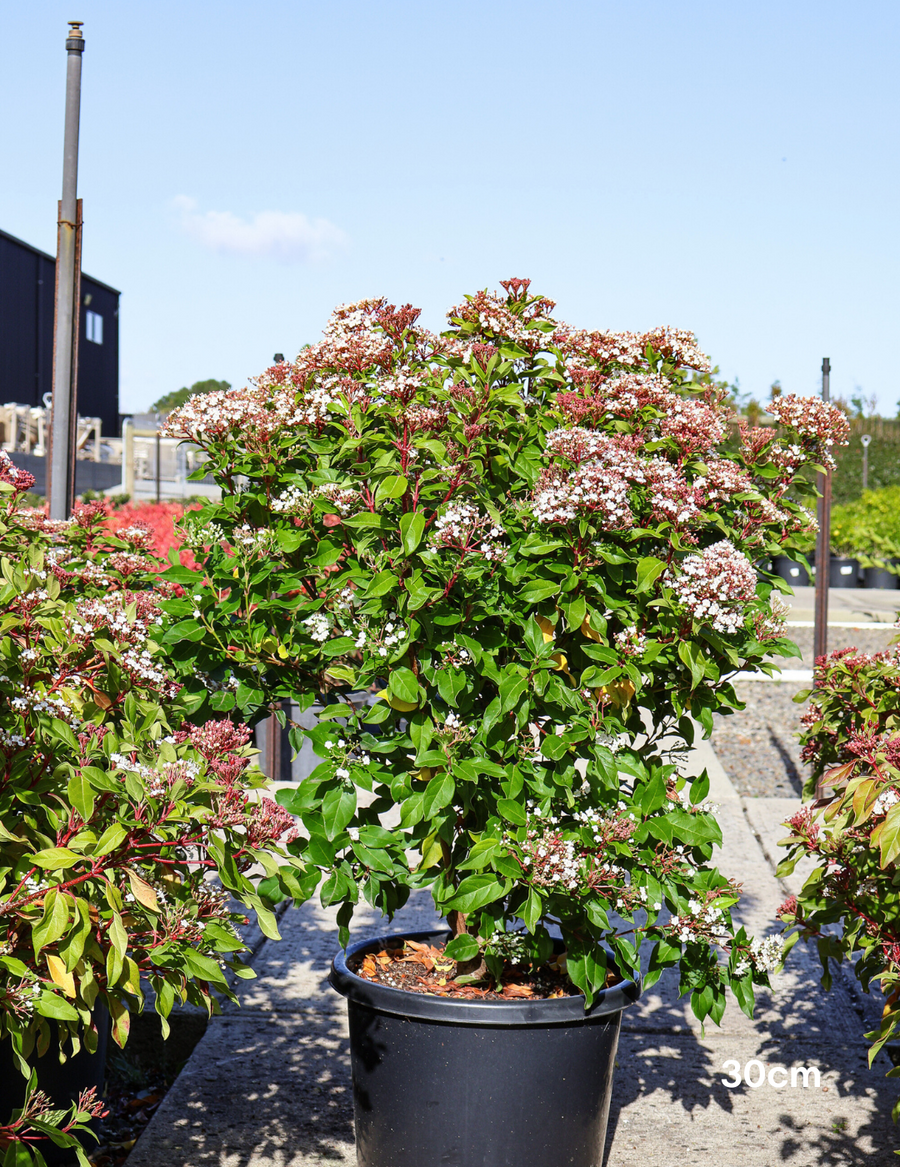
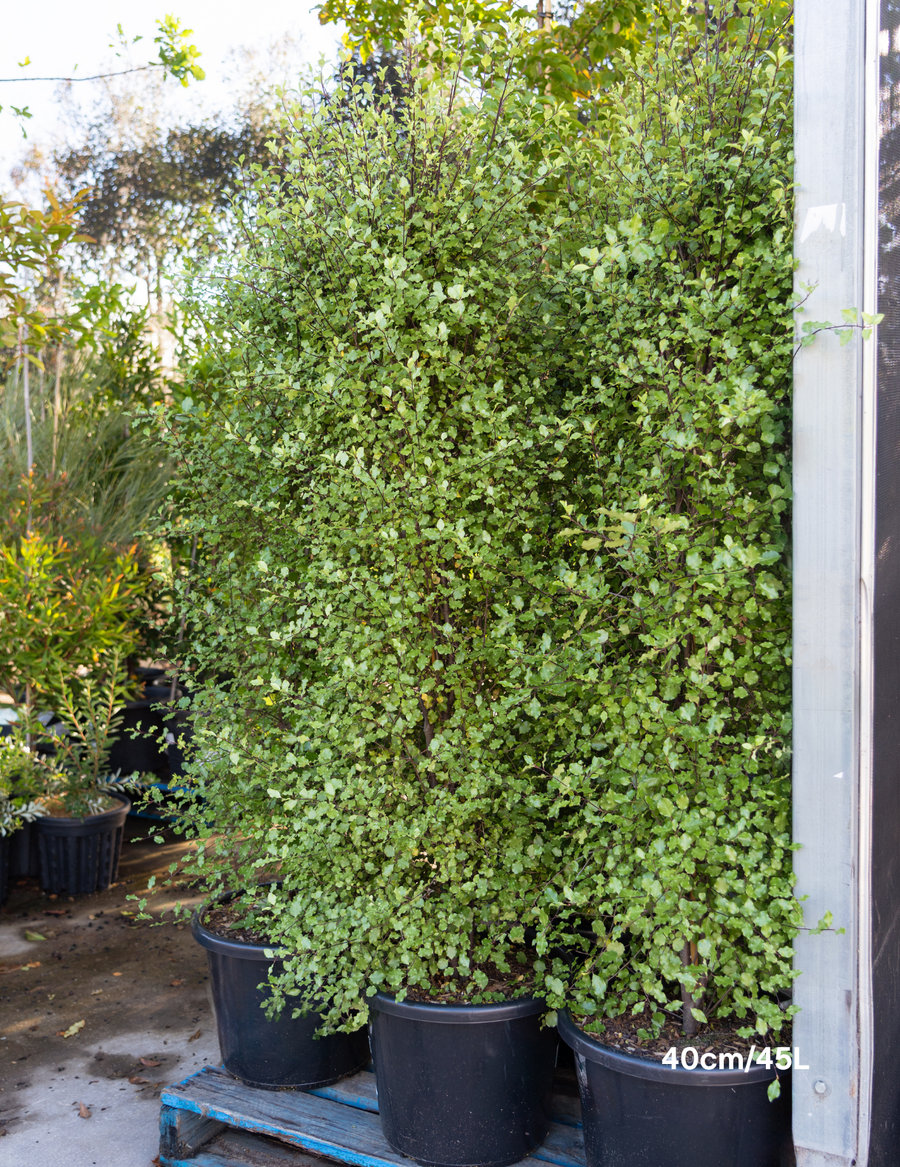
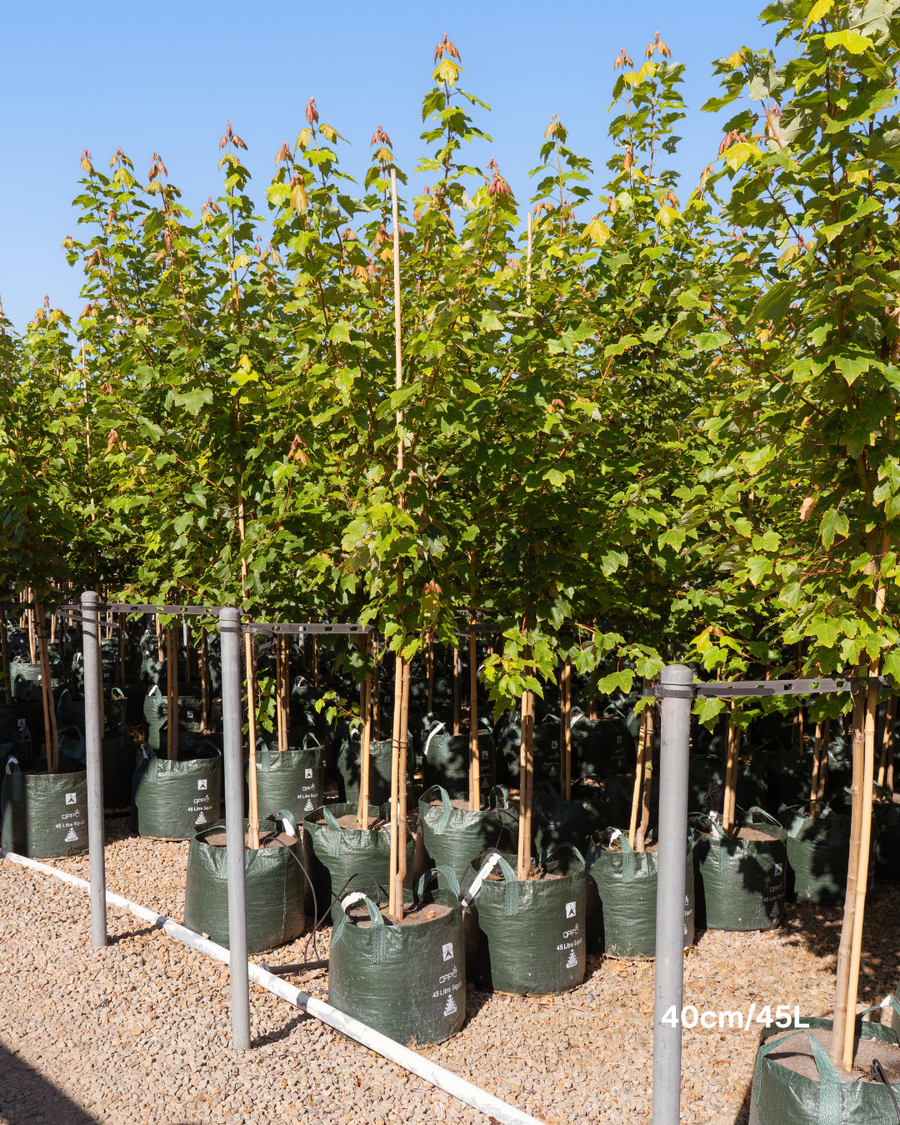
Tilia cordata, the small leaved lime or little leaf linden, is a large deciduous shade tree with an upright, symmetrical and roughly pyramidal crown. The dark green leaves are heart shaped and neatly toothed, turning clear golden yellow in autumn. Fragrant pale yellow flowers hang beneath the foliage in summer.
It grows 15 to 20 metres tall and 8 to 12 metres wide over time, adding 30 to 60 centimetres a year. Cool temperate climates suit it best and it is fully frost hardy. It accepts a wide range of soils, tolerates urban pollution and copes with moderate drought once established.
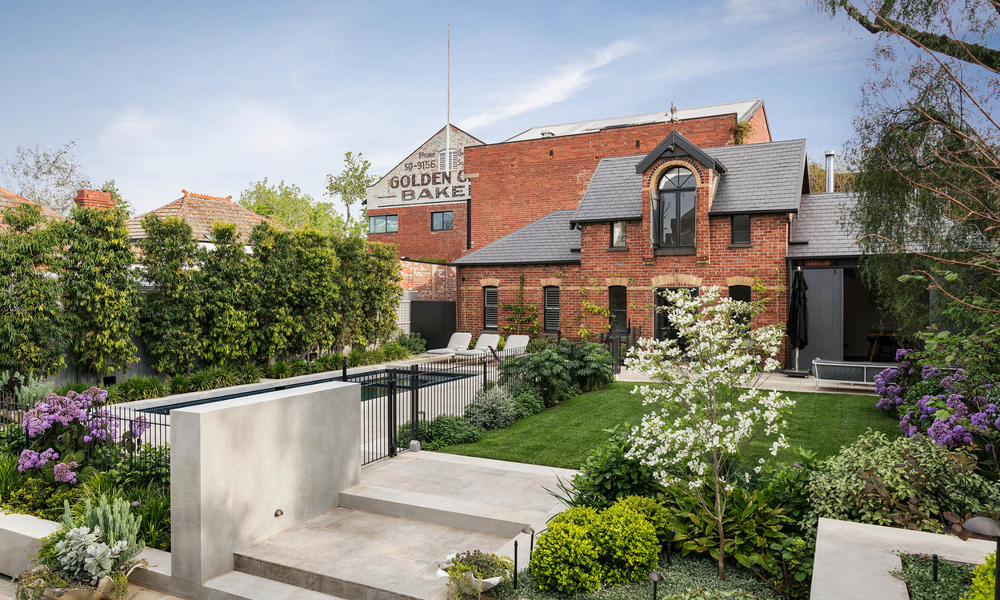
It is planted as an avenue tree, in parks and along streets where a formal, even canopy is wanted, and it takes pleaching or clipping into a raised hedge on stilts. Allow room for the mature spread. Few deciduous trees give this much shade with such a predictable, tidy shape.
Frequently Asked Questions
About Small-Leaved Lime
What is Tilia cordata?
Tilia cordata is a European deciduous tree, known as small leaved lime in Britain and little leaf linden in North America. It has no connection to citrus limes. It is grown for its dense, symmetrical canopy, its heart shaped foliage and the scented flowers that bees work heavily through summer.
How big does Tilia cordata grow?
Mature trees reach 15 to 20 metres in height with a canopy 8 to 12 metres across, so this is a tree for parks, streets and larger properties rather than a suburban courtyard. Growth is steady at 30 to 60 centimetres a year, so it takes decades to reach full size. Plan spacing around the final width.
Is it evergreen or deciduous?
Deciduous. Leaves emerge fresh green in spring, deepen through summer, turn golden yellow in autumn and drop for winter. That cycle is part of the appeal in avenue planting, giving shade in summer and winter sun through the bare canopy. The branch structure is neat and symmetrical, so the tree still reads well when leafless.
When does it flower?
Flowering is in summer, generally December and January, with small fragrant pale yellow flowers hanging in clusters beneath a papery bract. The scent carries on still evenings and the flowers are worked heavily by bees. Small round nutlets follow. Trees usually need to be well established before they flower freely.
Where does it grow best in Australia?
It is a cool climate tree and performs best in Victoria, Tasmania, the ACT, the southern tablelands of New South Wales, the Adelaide Hills and cooler parts of south western Western Australia. It wants a genuine winter chill. Subtropical and tropical regions are unsuitable, and hot dry inland sites need irrigation.
Can it be pleached or used as a hedge?
Yes. It is one of the standard species for pleaching, where the canopy is trained flat on a frame above a clear trunk to make a hedge on stilts. It also clips into a formal block. Both treatments need annual pruning in winter to hold the shape and keep growth even along the frame.
How do I care for Tilia cordata?
Water deeply through the first three summers and mulch a wide root zone. Formative pruning in the early years builds a strong central leader and evenly spaced branches. After that, prune in winter while dormant to remove crossing limbs and basal suckers, which this species produces freely. Mature trees need little beyond suckering and deadwood removal.