Skip to content

Volume Discounts Apply At Checkout

Tilia cordata ‘Greenspire’

Tilia cordata ‘Greenspire’

Most loved for its strong pyramidal form, glossy dark green heart-shaped leaves, and fragrant clusters of creamy-yellow summer flowers.

Regular price $1,350.00
Sale price $1,350.00 Regular price
Tax included. Shipping calculated at checkout.
01 Choose your pot size
02 Your selection
Size: 200L
Current height guide
Please enquire
Pot size
200L

Approximate only. Minimum height important? Confirm with us.

Height guide disclaimer: Height ranges are approximate only. As living products, plant heights naturally vary between individual plants, batches, and seasons. No guarantee is given that supplied plants will fall within the stated range. If minimum heights are required, you mustconfirm current batch heights with Evergreen Trees Direct prior to purchase. Variation in height is normal and is not grounds for return, refund, replacement, or compensation.

03 How many trees?

Order multiple sizes

Mix pot sizes and batches in one order.

Size / batchEachQuantity
40cm/45LApprox. height: Enquire$260.00
100LApprox. height: Enquire$700.00
200LApprox. height: Enquire$1,350.00
400LApprox. height: Enquire$3,420.00

Height guide disclaimer: Height ranges are approximate only. As living products, plant heights naturally vary between individual plants, batches, and seasons. No guarantee is given that supplied plants will fall within the stated range. If minimum heights are required, you mustconfirm current batch heights with Evergreen Trees Direct prior to purchase. Variation in height is normal and is not grounds for return, refund, replacement, or compensation.

Subtotal before discounts & delivery$0.00

Delivery is calculated at checkout.

Ask a question

The fields marked * are required.

About Tilia cordata 'Greenspire'

Tilia cordata 'Greenspire' is a deciduous shade tree grown for its narrow, upright pyramidal crown and strong central leader. The small heart shaped leaves are dark green above and paler beneath, layering into a dense canopy. Fragrant cream flowers hang in clusters through summer and draw bees in numbers.

Plant it in full sun to light shade in deep, free draining soil. Growth is moderate to fast at roughly 40 to 70 centimetres a year. It suits cool temperate and temperate climates through Victoria, Tasmania, the ACT and the southern tablelands, handles frost without trouble, and copes with compacted urban soil and air pollution.

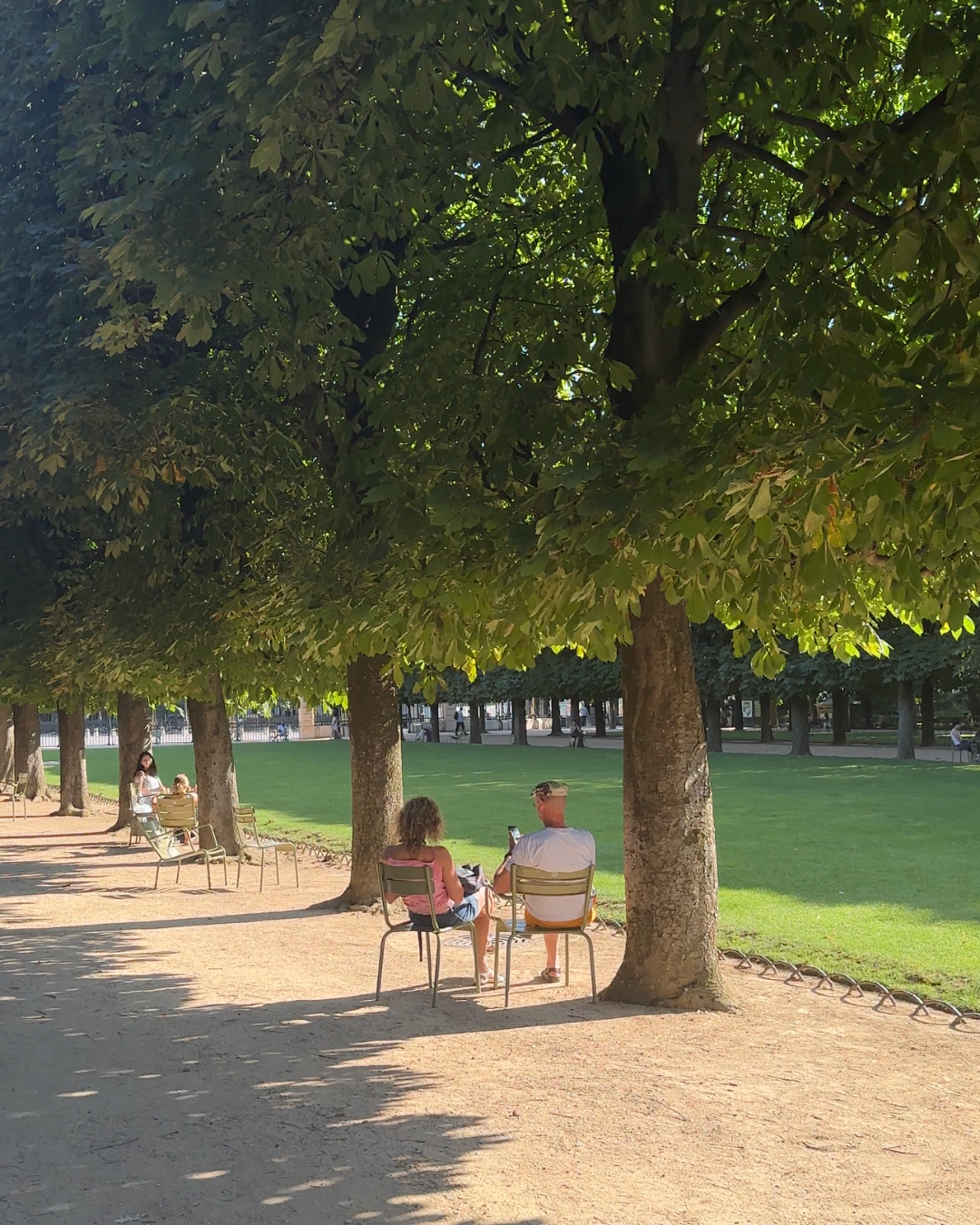
At 10 to 15 metres tall and 4 to 6 metres wide it holds a tight footprint, which is why councils and developers use it for street planting, formal avenues and car park shade. The uniform habit means a row grows in evenly, so a specified avenue still reads as one clean line in twenty years.

Frequently Asked Questions

About Greenspire Linden

How big does Greenspire Linden grow?

Mature height is 10 to 15 metres with a spread of 4 to 6 metres. The crown stays narrow and pyramidal for the first fifteen or twenty years, then broadens a little with age. That narrow footprint is the reason it is chosen for streets and driveways where a wider linden would crowd the space.

How fast does Greenspire Linden grow?

Expect roughly 40 to 70 centimetres a year, which is moderate to fast for a shade tree. Growth is quickest in deep soil with summer water, and slows on compacted or shallow ground. An advanced tree planted from a 200 or 400 litre container gives useful canopy within a couple of seasons rather than a decade.

Is Greenspire Linden evergreen or deciduous?

It is fully deciduous. The leaves colour a clean yellow and drop through autumn, leaving a clear branch structure over winter, then flush again in spring. That habit is useful in streetscapes and courtyards where winter sun matters, since the bare canopy lets light onto buildings and paving from May through to September.

When does Greenspire Linden flower?

Small cream flowers hang in clusters through summer, generally December into January depending on the district. They are fragrant enough to notice from several metres away, and bees work them heavily while they last. Flowering is followed by small round nutlets that hang on into autumn and cause no real litter problem underfoot.

How far apart should I plant Greenspire Linden?

For avenue planting, space trees 3 metres apart for an even line. As a feature tree allow 3 to 4 metres so the canopy can develop fully. Used for screening, plant 1 to 1.5 metres apart for a dense informal screen, or 1.5 to 2 metres apart if you want a clipped or pleached line.

Is Greenspire Linden frost tolerant?

Yes. This is a cold climate species that handles hard frost without damage, including the frosts of Canberra, Ballarat and the New South Wales tablelands. Cold winters actually sharpen the autumn colour. The tree is less comfortable in humid subtropical conditions, so it is a better choice for southern and highland gardens.

How do I care for a Greenspire Linden?

Water deeply through the first two summers and mulch to keep the root zone cool. Prune in late winter while the tree is bare, removing crossing wood and lifting the lower limbs to the clearance you want. Feed once in early spring with a balanced fertiliser. Aphids may cause sticky leaves in warm weather without lasting harm.


Foliage

Deciduous (Defoliates throughout colder months)

Position
  • Full Sun
Form
  • Upright
  • Dense
Use
  • Avenue Planting
  • Feature Tree
  • Shade Tree
  • Street Tree
  • Council or Civic Landscapes

Planting Information

How To Plant Your Tilia cordata ‘Greenspire’

Site: Choose a well-drained position in full sun to part shade with room for the canopy to develop.

Soil preparation: Enrich the planting area with quality compost and aged manure for a strong establishment phase.

Hole: Dig twice as wide as the root ball and the same depth.

Planting: Position level with the surrounding soil, backfill gently, firm in, then water deeply to settle the roots.

Recommended Planting Spacing For Your Tilia cordata ‘Greenspire’

Hedging and screening: 1 to 1.5 metres apart for a dense informal screen, or 80 centimetres apart for a tighter formal hedge.

Feature tree: 3 to 4 metres apart to allow the full canopy and form to develop.

Avenue planting: 3 metres apart for a uniform soft-textured avenue.

Tilia cordata ‘Greenspire’ is expected to grow 40cm to 70cm per year (moderate) (approx.).

  • Medium Growth Rate

Long Term Care For Your Tilia cordata ‘Greenspire’

Watering: Water deeply twice weekly through the first 12 months. Once established, this is drought tolerant and only needs a deep soak during extended dry periods.

Mulching: Apply a 5 to 7 centimetre layer of organic mulch over the root zone, keeping it 5 centimetres clear of the trunk.

Pruning: Tip prune in late winter and again in summer to build dense growth. For a formal hedge, light shaping two to three times a year keeps lines crisp.

Fertilising: Apply a slow-release general-purpose fertiliser in early spring and again in autumn for steady growth and consistent foliage colour.

Pest and disease: Hardy against most pests and diseases. Occasional inspection in warm humid conditions is all that's needed.

Planting Your Tilia cordata ‘Greenspire’ in Different Soil

Tilia cordata performs best in free-draining loam or sandy loam with a neutral to slightly alkaline pH. Adaptable to a wide range of soils when drainage is sharp.

Sandy soil: Free-draining and ideal. Mulch lightly to moderate surface temperature.

Clay soil: Improve drainage with gypsum and coarse organic compost before planting.

Loam: The preferred soil for steady root development and consistent growth.

pH: Neutral to slightly alkaline preferred. Avoid waterlogging at all times.

Uses in my Garden

Uses in my Garden

  • Avenue Planting
  • Feature Tree
  • Shade Tree
  • Street Tree
  • Council or Civic Landscapes

Tilia cordata ‘Greenspire’ works in an:

  • Formal Garden – structured, symmetrical design with clipped shapes.
  • Modern Garden – sleek, minimal, and design-led planting.
  • Woodland Garden – layered, naturalistic design under dappled light.
  • Low-maintenance Garden – resilient choices for easy care and year-round appeal.

Is Tilia cordata ‘Greenspire’ Evergreen or Deciduous?

Tilia cordata ‘Greenspire’ is an Deciduous (Defoliates throughout colder months) Tree

Mature Height & Width

Mature Height: 12m to 18m (approx.)

Mature Width: 4m to 6m

Tilia cordata ‘Greenspire’ is expected to grow 40cm to 70cm per year (moderate) (approx.).

Growth Rate of Tilia cordata ‘Greenspire’

Tilia cordata ‘Greenspire’ is expected to grow 40cm to 70cm per year (moderate) (approx.).

They are considered to have a:

  • Medium Growth Rate

Frost Tolerance & Ideal Climate to plant Tilia cordata ‘Greenspire’

Is Tilia cordata ‘Greenspire’ frost tolerant?

Tilia cordata ‘Greenspire’ is Frost Hardy – Survives heavy and frequent frost without damage.

Does Tilia cordata ‘Greenspire’ Flower?

Tilia cordata ‘Greenspire’ produces clusters of creamy-yellow, fragrant flowers in early to mid-summer. These pendulous blooms are a standout feature of the species, creating a soft, elegant display and filling the surrounding area with a sweet, distinctive scent.

Does Tilia cordata ‘Greenspire’ flower?

  • Yes - Flowers

Flowering Period:

  • Summer

Flower Type:

  • Clustered

Flower Colour:

Cream

Is Tilia cordata ‘Greenspire’ an Australian Native Tree?

No

Tilia cordata ‘Greenspire’ is Native to Derived from Tilia cordata, native to Europe and western Asia. ‘Greenspire’ is a selected cultivar valued for its uniform habit and ornamental display.

What is the Wildlife Value of Tilia cordata ‘Greenspire’ ?

Its highly fragrant summer flowers are exceptionally attractive to bees, hoverflies and other beneficial pollinators, making it a valuable species for supporting urban and garden biodiversity. The dense, symmetrical canopy also provides excellent shelter and nesting opportunities for small birds.

How much Sunlight does Tilia cordata ‘Greenspire’ need?

Tilia cordata ‘Greenspire’ will thrive best in:

  • Full Sun

Preferred Soil?

Tilia cordata ‘Greenspire’ performs best in well-drained loam or sandy loam soils with an acidic to neutral pH. It will tolerate lighter sandy soils if improved with organic matter to support moisture retention. Avoid heavy clay or poorly drained areas unless significantly improved, as excess moisture can stress the roots and impact growth. Keep the soil evenly moist during establishment, then gradually reduce watering as the tree matures.

Is Tilia cordata ‘Greenspire’ Drought Tolerant?

Is Tilia cordata ‘Greenspire’ Drought tolerant?

As a young tree it benefits from regular deep watering to establish a strong root system. Once established, Tilia cordata ‘Greenspire’ develops moderate drought tolerance and performs reliably through warm, dry periods when grown in well-drained soil. Occasional supplementary watering during extended heat helps maintain canopy density and vigour.

Frequently Asked Questions

Frequently Asked Questions

Q: Is Tilia cordata ‘Greenspire’ suitable for urban streetscapes?
A: Yes, its pollution tolerance and formal shape make it ideal for avenues, driveways, and civic plantings.

Q: Does it attract pollinators?
A: Yes, the fragrant flowers in early summer attract bees and other pollinators.

Q: What kind of maintenance does it require?
A: Very low — only minimal structural pruning during early establishment is recommended.

Compare sizes

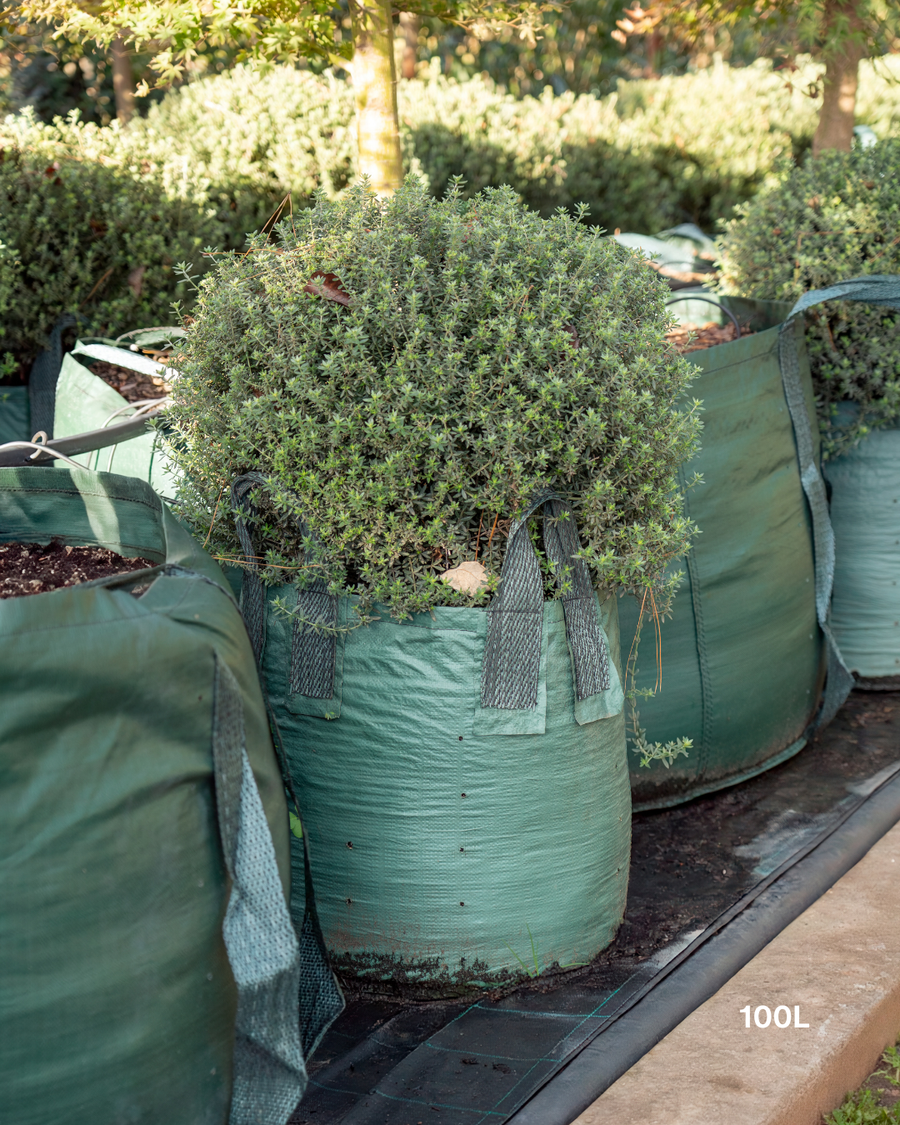
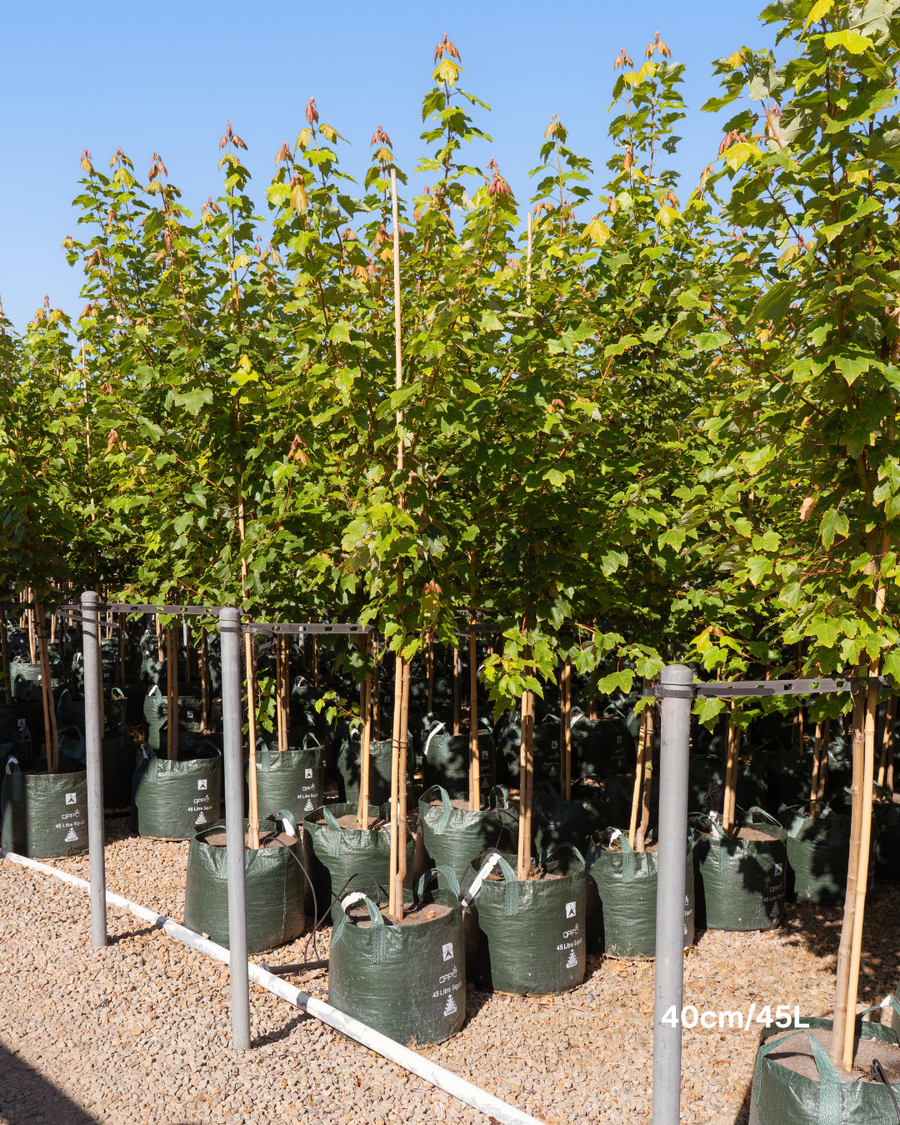
40cm/45L

Enquire

100L

Enquire

200L

Enquire

400L

Enquire

Photographs are not to scale. Heights are approximate and vary between individual trees.

Tilia cordata 'Greenspire' is loved for its strong pyramidal form, glossy dark green heart-shaped leaves, and fragrant clusters of creamy-yellow summer flowers.

We take pride in supplying A+ grade advanced trees. When stock at our farm is not yet ready, we work with our trusted trade suppliers to source the best available trees for your garden.

Plant Your Tilia cordata ‘Greenspire’ With:

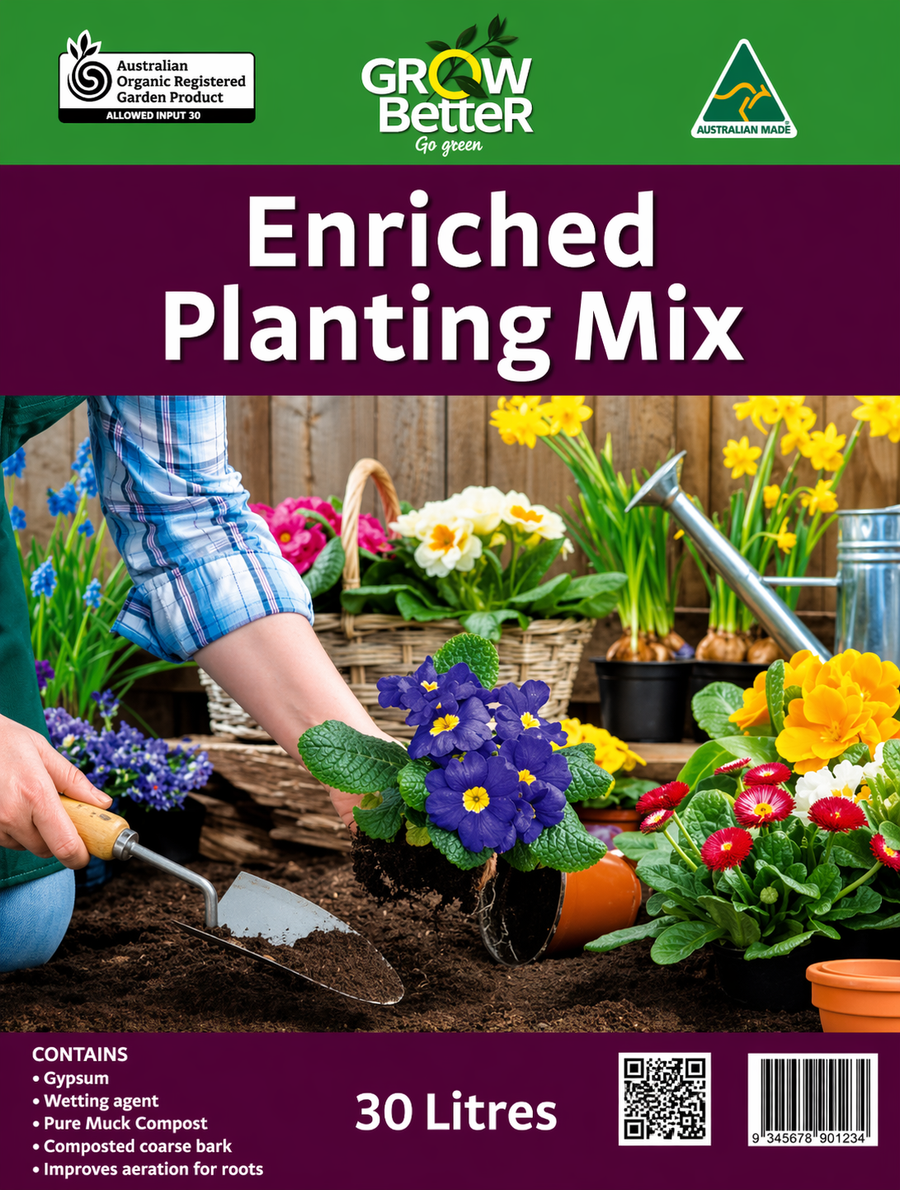
Enriched Planting Mix (AO Certified)

Enriched Planting Mix is a certified organic blend of Pure Magic Compost, composted animal manure, gypsum, composted coarse bark and a wetting agent, bagged in 30L. It is built to be dug through existing garden soil at planting time rather than used on its own, and the gypsum is what sets it apart from a plain compost.

Gypsum helps break up heavy clay so water and roots can move through it, while the compost and manure return organic matter and nutrient to tired ground. The coarse bark holds structure and keeps air around the root zone, and the wetting agent keeps moisture in the soil longer after rain or watering.

Use it when planting trees, shrubs, roses, fruit trees and exotic garden plants, particularly into clay. Dig a hole twice the width of the pot and 7 centimetres deeper, then mix roughly one third planting mix through the excavated soil. Spread 7 centimetres of that improved soil in the base before setting the plant in.

Frequently Asked Questions

About Enriched Planting Mix

What is Enriched Planting Mix made from?

It is a blend of Pure Magic Compost, composted animal manure, gypsum, composted coarse bark and a wetting agent. Each part has a job. The compost and manure supply organic matter and nutrient, the gypsum works on clay structure, the bark keeps air around the roots and the wetting agent holds moisture in the soil.

What plants is it suitable for?

It suits exotic garden plants, including roses, ornamental and deciduous trees, fruit trees, shrubs and perennials, and it earns its keep most on heavy clay sites. It is a planting mix rather than a potting mix, so its job is improving soil at planting time. Phosphorus sensitive natives are the one clear exception.

Is it safe for natives?

No, not for the phosphorus sensitive ones. The composted animal manure in this blend lifts phosphorus well above what Proteaceae such as Banksia, Grevillea, Hakea and Protea will tolerate, and the result can be leaf burn, dieback and plant death. Use the Native Potting Mix for those species, or plant them into unimproved local soil.

Is it certified organic?

Yes. It is a certified organic product with no chemical additives, which is why the manure and compost in it are fully composted rather than raw. That makes it sound around fruit trees and vegetable beds, and it means you are adding genuine organic matter to your soil rather than a synthetic conditioner.

How much do I need?

Work on roughly one third planting mix to two thirds of the soil you dug out of the hole. For a shrub out of a 200 millimetre pot that is only a few litres. An advanced tree going into a large hole will take considerably more. Judge the quantity by the volume of the hole rather than the size of the plant.

Can I use it in pots?

It is not a potting mix and should not be used on its own in a container. The blend is designed to be diluted through garden soil, and used straight in a pot it holds too much water and settles badly. For containers, reach for a premium potting mix, or the native mix if you are potting natives.

Does it need to be watered in?

Yes. Water the plant well several hours before you plant it, then water thoroughly again once the hole is backfilled and the soil firmed down. That first deep watering settles the improved soil around the root ball and drives out air pockets. Keep the water up over the first few months while the roots establish.

youtube Load video:

Evergreen Trees Direct Has Been Featured In:

Perfect Substitutes for Tilia cordata ‘Greenspire’

Follow Us On Instagram

@evergreentreesdirect ↗
Evergreen Trees DirectEvergreen Trees DirectEvergreen Trees DirectEvergreen Trees DirectEvergreen Trees Direct
youtube Load video: