Skip to content

Volume Discounts Apply At Checkout

Rhaphiolepis indica – Indian Hawthorn

Rhaphiolepis indica – Indian Hawthorn

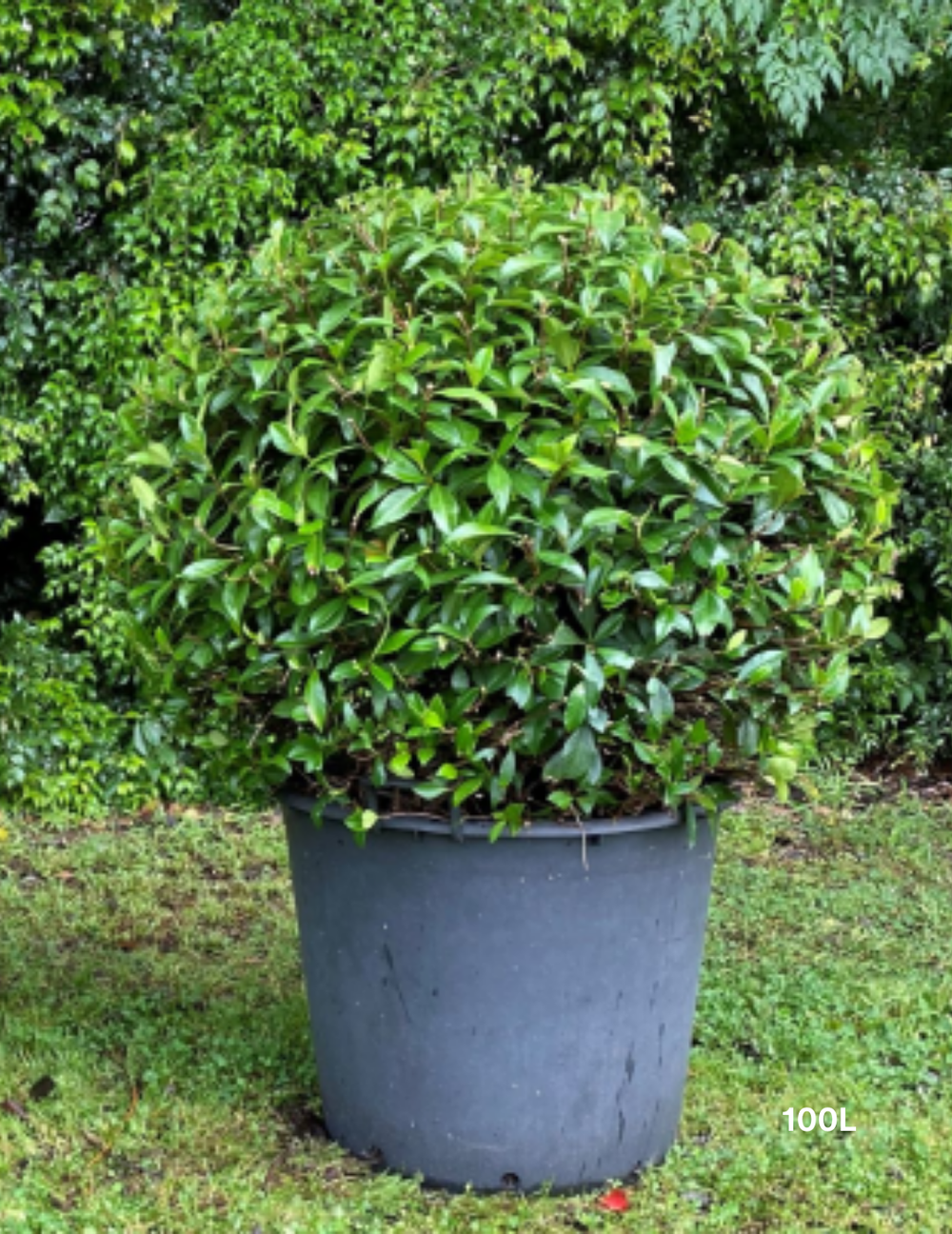
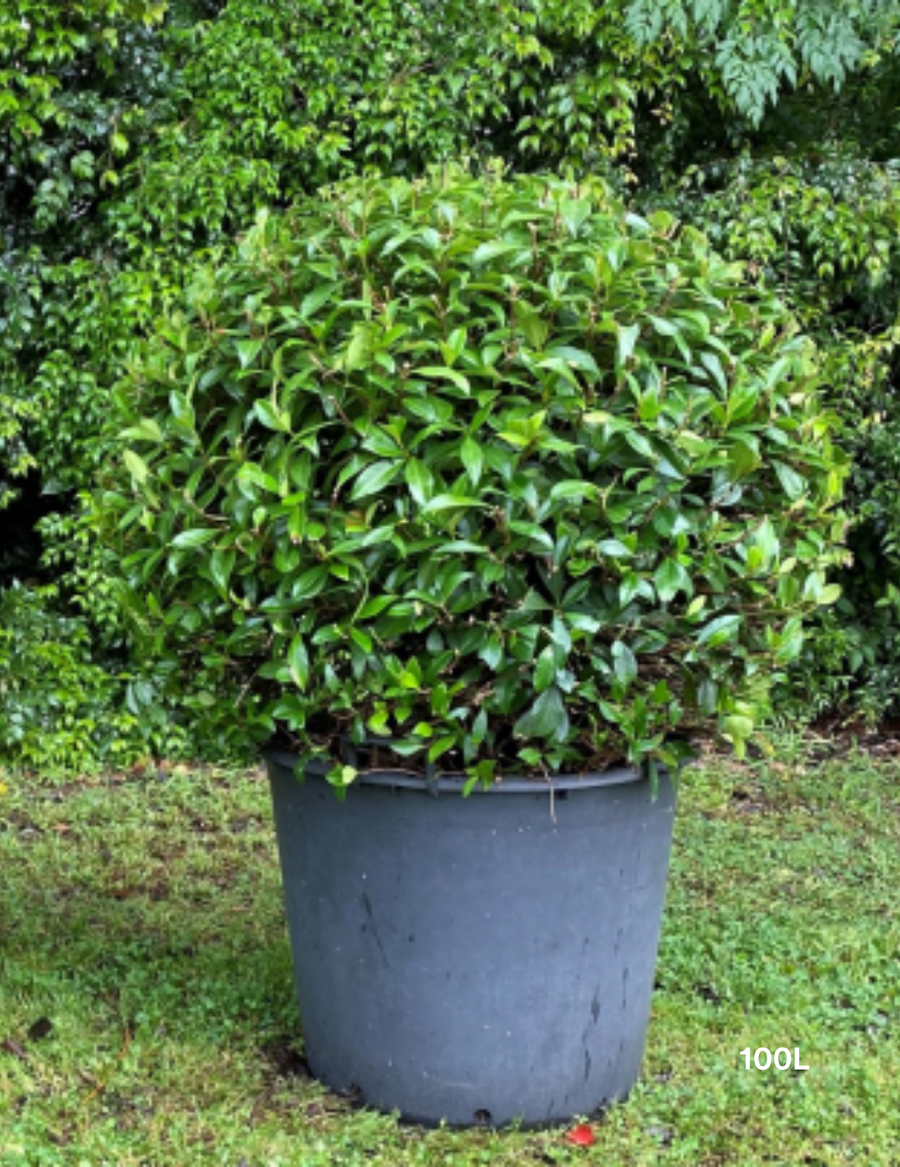
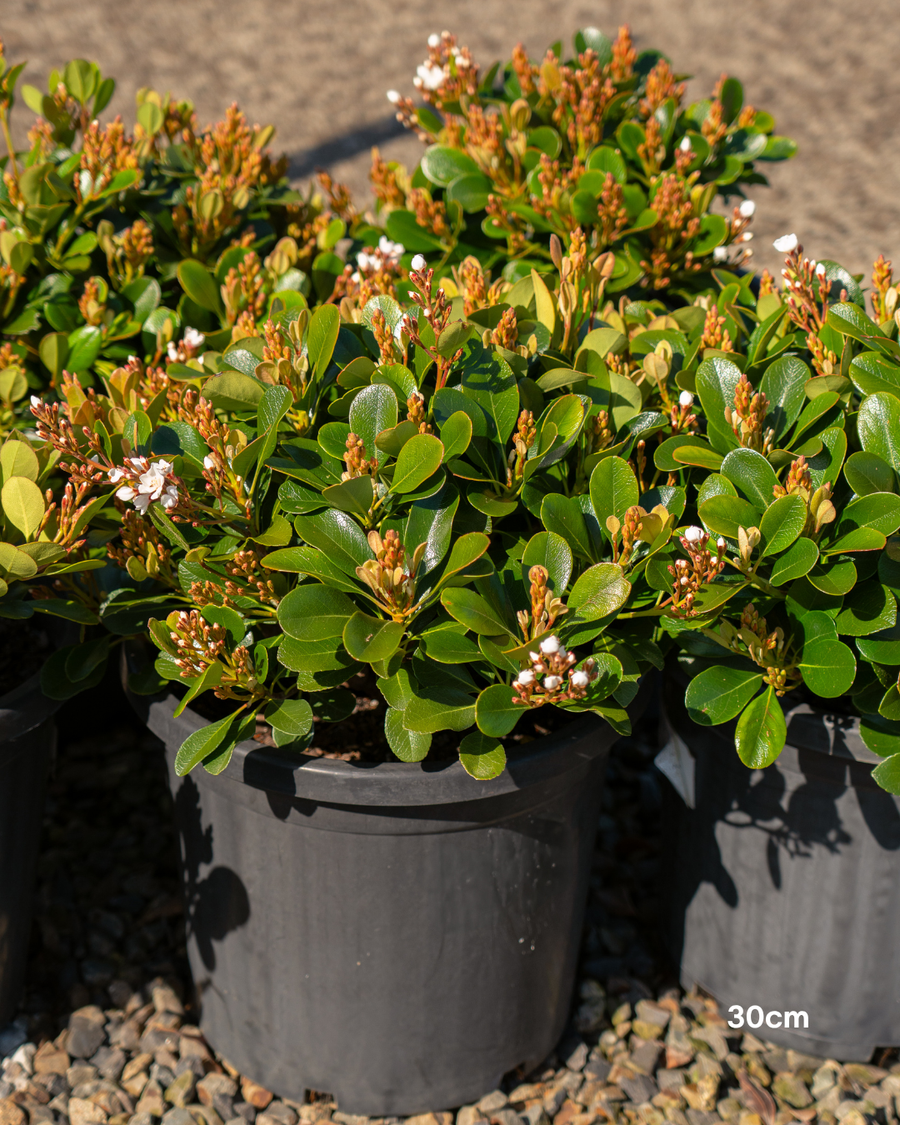
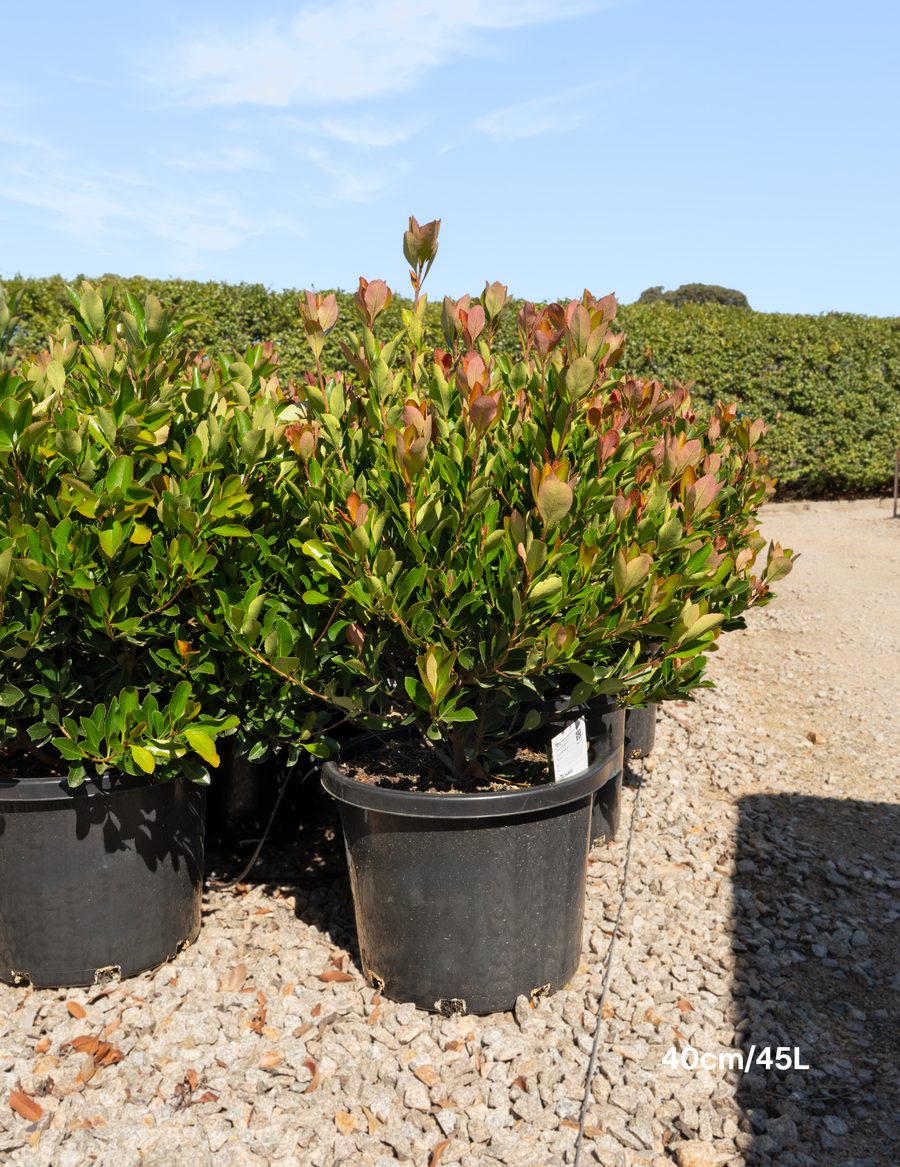
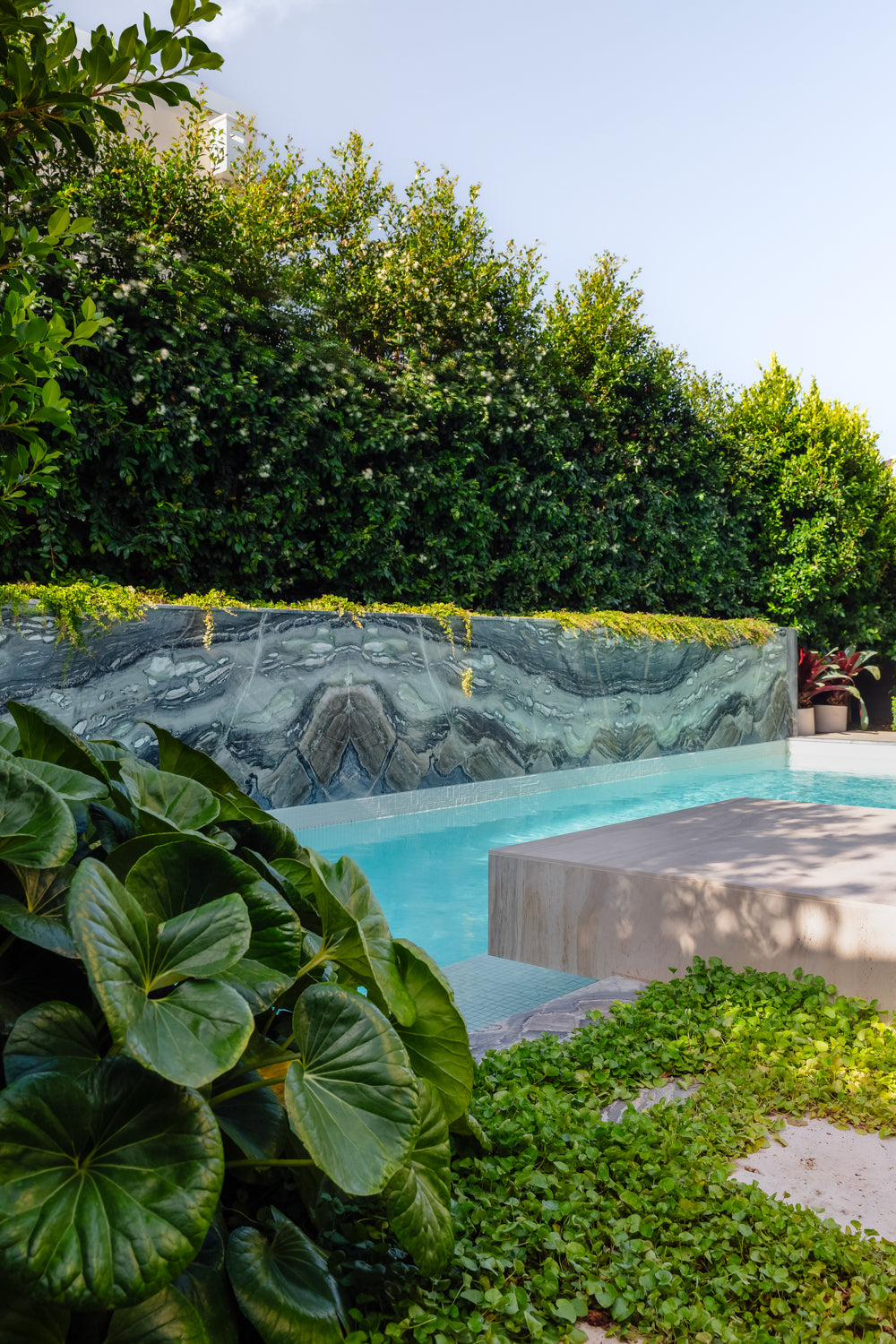
The true Indian Hawthorn species rather than a compact cultivar. Grows larger and more open at 1.5 to 2.5 metres, which makes it the right choice for a screening hedge with real height, and it takes hard clipping better than the dwarf selections.

Regular price $310.00
Sale price $310.00 Regular price
Tax included. Shipping calculated at checkout.
Pot size
Available batches
Size: 40cm
Current height guide
Please enquire
Pot size
40cm

Approximate only. Minimum height important? Confirm with us.

Height guide & disclaimer

Height guide disclaimer: Height ranges are approximate only. As living products, plant heights naturally vary between individual plants, batches, and seasons. No guarantee is given that supplied plants will fall within the stated range. If minimum heights are required, you must confirm current batch heights with Evergreen Trees Direct prior to purchase. Variation in height is normal and is not grounds for return, refund, replacement, or compensation.

Quantity

Order multiple sizes

Mix pot sizes and batches in one order.

Size / batchEachQuantity
40cmApprox. height: Enquire for current heights$310.00
50cmApprox. height: Enquire for current heights$460.00

Height guide & disclaimer

Height guide disclaimer: Height ranges are approximate only. As living products, plant heights naturally vary between individual plants, batches, and seasons. No guarantee is given that supplied plants will fall within the stated range. If minimum heights are required, you must confirm current batch heights with Evergreen Trees Direct prior to purchase. Variation in height is normal and is not grounds for return, refund, replacement, or compensation.

Subtotal before discounts & delivery$0.00

Delivery is calculated at checkout.

Ask a question

The fields marked * are required.

Not sure how many trees you need?

Plan your hedge

Enter the length of your boundary, then choose how closely you want to plant.

Choose your planting spacing

Enter your boundary length to see how many trees you need.

Measure only the boundary you intend to plant—exclude gates and gaps. Spacing is centre to centre. Quantities are rounded up for one row, allowing roughly half the spacing at each end. Site conditions and pruning affect the final hedge.

Compare trees

Choose two trees and compare the same pot size.

    About Rhaphiolepis indica

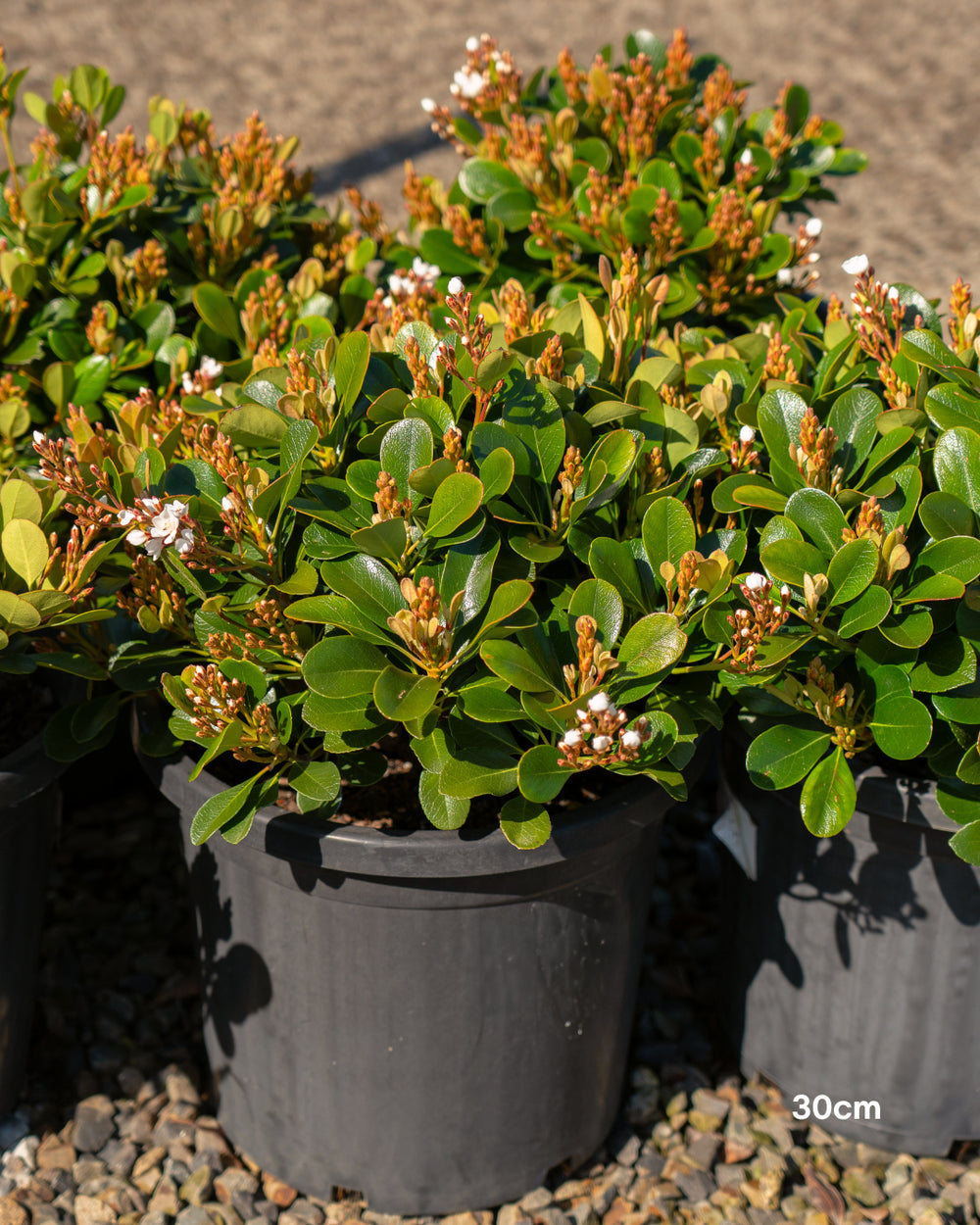
    Rhaphiolepis indica is the true Indian Hawthorn species, the wild parent behind every named cultivar on the market. It is a hardy evergreen shrub with thick leathery leaves, a naturally open rounded habit and clusters of small white to blush-pink flowers through spring, followed by dark blue-black berries.

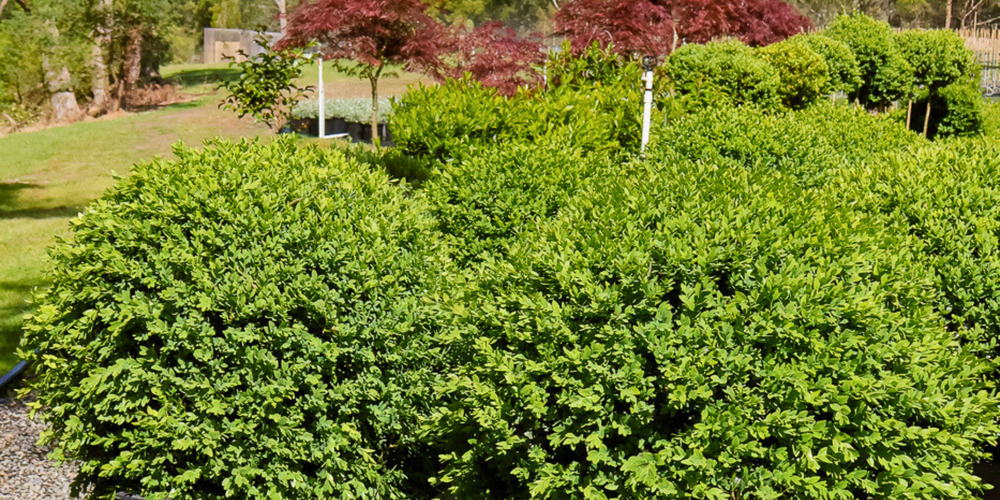
    The species grows larger and looser than the compact selections. Expect 1.5 to 2.5 metres tall and wide, against roughly 1 metre for cultivars such as 'Snow Maiden' or 'Rajah'. That extra size makes it the right choice where you need a screening hedge with real height rather than a low border, and it takes hard clipping far better than the dwarf forms.

    It is one of the toughest shrubs available for coastal and exposed sites. Salt spray, sandy soil, heat, poor ground and light to moderate frost are all handled without fuss once established, which is why the species turns up in council and roadside plantings across Australia where irrigation is not an option.

    Full sun gives the densest growth and heaviest flowering. It will grow in part shade with a more open habit and lighter flowering.

    Frequently Asked Questions

    About Rhaphiolepis indica

    What is Rhaphiolepis indica?

    Rhaphiolepis indica is the botanical species commonly known as Indian Hawthorn. It is an evergreen shrub in the rose family with glossy leathery foliage, clusters of white to blush-pink spring flowers and dark blue-black berries. Every named Indian Hawthorn cultivar sold in Australia is a selection from this species.

    How is the species different to 'Snow Maiden', 'Oriental Pearl' or 'Rajah'?

    Size and habit are the main differences. The named cultivars have been selected for compactness and sit around 1 to 1.5 metres, with a tight rounded dome. The straight species grows to 1.5 to 2.5 metres with a more open, informal habit, so it works as a proper screening hedge rather than a low border. Species flowers are typically white to pale blush, where cultivars have been selected for stronger pink or pure white displays.

    How big does it grow?

    Around 1.5 to 2.5 metres tall and wide at maturity, depending on position and how often it is clipped. Growth is moderate at 20 to 30 centimetres a year. Kept trimmed it holds easily at 1.2 to 1.5 metres as a hedge.

    When does it flower?

    Through spring, typically September to November in most Australian gardens. Flowers are small and carried in clusters, white to blush-pink, and are well worked by bees. Dark blue-black berries follow and are taken by birds.

    Is it suitable for coastal gardens?

    Yes, it is one of the better shrubs for exposed coastal sites. It handles salt-laden wind and sandy free-draining soils, which reflects its natural habitat on coastal slopes in southern China and Japan. Front-line beach positions still benefit from some shelter while plants establish.

    How far apart should I plant it for a hedge?

    Around 80 centimetres to 1 metre apart for a screening hedge. For a faster join, plant at 70 centimetres. As a specimen or in mass planting, allow 1 to 1.5 metres so each plant keeps its natural form.

    Is it drought tolerant?

    Yes, once established. Water regularly through the first summer to build the root system, after which it copes with extended dry periods on minimal watering. The species is used widely in unirrigated commercial and roadside plantings for exactly this reason.

    How do I care for it?

    Water through the first summer, then only in extended dry spells. Feed with a slow-release fertiliser in early spring. Trim after flowering to shape or to hold hedge height. The species takes harder pruning than the dwarf cultivars and will reshoot from older wood. Space plants for air movement to reduce leaf spot in humid conditions.


    Foliage

    Evergreen (foliage year round)

    Position
    • Full Sun
    • Part Shade
    Form
    • Rounded
    • Dense
    Use
    • Shrubs
    • Screening or Privacy
    • Council or Civic Landscapes
    • Plant in Pots (or) Suitable for Pots
    Mature height
    1.5m to 2.5m
    Mature width
    1.5m to 2.5m

    Planting Information

    How To Plant Your Rhaphiolepis indica – Indian Hawthorn

    Site: Full sun for the densest growth and heaviest flowering, in any free-draining soil.

    Hole: Dig twice the width of the root ball and the same depth.

    Planting: Position level with the surrounding soil, backfill gently, firm in and water deeply.

    Mulch: Apply a 50 mm layer of organic mulch over the root zone, keeping it clear of the stems.

    Recommended Planting Spacing For Your Rhaphiolepis indica – Indian Hawthorn

    Screening hedge: 80 cm to 1 metre apart for a continuous line, or 70 cm for a faster join.

    Mass planting: 1 to 1.5 metres apart so each plant keeps its natural rounded form.

    Feature or pots: Standalone in a 50 cm or larger container for entries, courtyards and coastal balconies.

    Rhaphiolepis indica – Indian Hawthorn is expected to grow 20cm to 30cm per year.

    • Medium Growth Rate

    Long Term Care For Your Rhaphiolepis indica – Indian Hawthorn

    Watering: Water regularly through the first summer to establish. After that, only during extended dry periods.

    Pruning: Trim after flowering to shape or to hold hedge height. The species takes harder pruning than the dwarf cultivars and will reshoot from older wood.

    Fertilising: Apply a slow-release fertiliser in early spring.

    Pest and disease: Very hardy. Leaf spot can appear in humid conditions with poor air movement, so space plants to allow circulation and avoid overhead watering.

    Planting Your Rhaphiolepis indica – Indian Hawthorn in Different Soil

    Sandy soils: Excellent, including exposed coastal sand profiles.

    Loam soils: Ideal, producing the densest growth and heaviest flowering.

    Clay soils: Tolerated if drainage is adequate. Improve heavy clay with gypsum and compost, or plant on a raised mound.

    pH preference: Slightly acidic to neutral, between 5.5 and 7.0.

    Uses in my Garden

    Uses in my Garden

    • Shrubs
    • Screening or Privacy
    • Council or Civic Landscapes
    • Plant in Pots (or) Suitable for Pots

    Rhaphiolepis indica – Indian Hawthorn works in an:

    • Coastal Garden – relaxed, seaside feel with hardy, textural plants.
    • Low-maintenance Garden – resilient choices for easy care and year-round appeal.
    • Formal Garden – structured, symmetrical design with clipped shapes.
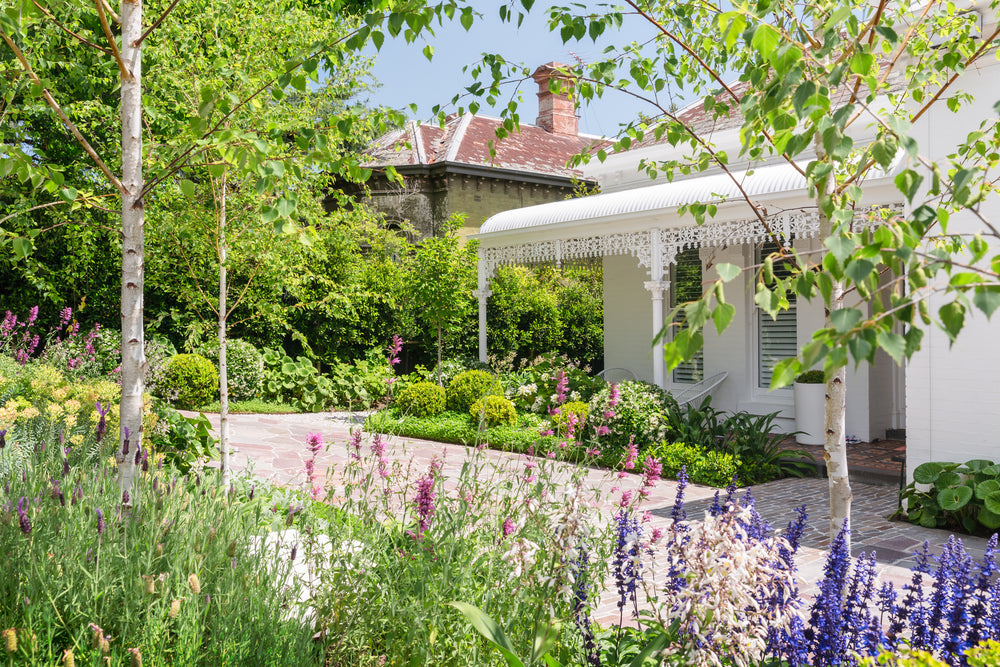
    • Cottage Garden – romantic mix of flowers, colour, and texture.
    • Modern Garden – sleek, minimal, and design-led planting.

    Is Rhaphiolepis indica – Indian Hawthorn Evergreen or Deciduous?

    Rhaphiolepis indica – Indian Hawthorn is an Evergreen (foliage year round) Tree

    Mature Height & Width

    Mature Height: 1.5m to 2.5m

    Mature Width: 1.5m to 2.5m

    Rhaphiolepis indica – Indian Hawthorn is expected to grow 20cm to 30cm per year.

    Growth Rate of Rhaphiolepis indica – Indian Hawthorn

    Rhaphiolepis indica – Indian Hawthorn is expected to grow 20cm to 30cm per year.

    They are considered to have a:

    • Medium Growth Rate

    Frost Tolerance & Ideal Climate to plant Rhaphiolepis indica – Indian Hawthorn

    Is Rhaphiolepis indica – Indian Hawthorn frost tolerant?

    Rhaphiolepis indica – Indian Hawthorn is Frost Tolerant – Can handle light to moderate frost once established.

    Does Rhaphiolepis indica – Indian Hawthorn Flower?

    Rhaphiolepis indica carries clusters of small white to blush-pink flowers through spring, typically September to November in Australia. Flowering is heaviest in full sun. Dark blue-black berries follow through summer and hold on the plant well into autumn.

    Does Rhaphiolepis indica – Indian Hawthorn flower?

    • Yes - Flowers

    Flowering Period:

    • Spring

    Flower Type:

    • Clustered
    • Pollinator-attracting

    Flower Colour:

    White

    Is Rhaphiolepis indica – Indian Hawthorn an Australian Native Tree?

    No

    Rhaphiolepis indica – Indian Hawthorn is Native to Southern China, Vietnam and Japan. Rhaphiolepis indica grows naturally on coastal slopes, open hillsides and rocky ground, which is the source of its salt, heat and drought tolerance. This is the straight species, the wild parent from which every named Indian Hawthorn cultivar has been selected.

    What is the Wildlife Value of Rhaphiolepis indica – Indian Hawthorn ?

    The clustered white to blush spring flowers of Rhaphiolepis indica provide nectar and pollen for bees and other pollinators. Dark blue-black berries follow through summer and are taken by birds, and the dense evergreen habit gives year-round shelter and nesting cover for small garden birds.

    How much Sunlight does Rhaphiolepis indica – Indian Hawthorn need?

    Rhaphiolepis indica – Indian Hawthorn will thrive best in:

    • Full Sun
    • Part Shade

    Preferred Soil?

    Rhaphiolepis indica grows in almost any free-draining soil, from coastal sand through to loam, and tolerates poorer ground where more demanding shrubs struggle. It prefers a slightly acidic to neutral pH. The only real requirement is drainage, as persistently wet soil leads to root rot.

    Is Rhaphiolepis indica – Indian Hawthorn Drought Tolerant?

    Is Rhaphiolepis indica – Indian Hawthorn Drought tolerant?

    Through establishment Rhaphiolepis indica benefits from regular watering to build a strong root system. Once established it is genuinely drought tolerant and copes with extended dry periods on minimal supplementary watering, reflecting its origins on dry coastal slopes. This hardiness is why the species is used so widely in unirrigated commercial and roadside plantings.

    Frequently Asked Questions

    What is Rhaphiolepis indica?

    Rhaphiolepis indica is the botanical species commonly known as Indian Hawthorn. It is an evergreen shrub in the rose family with glossy leathery foliage, clusters of white to blush-pink spring flowers and dark blue-black berries. Every named Indian Hawthorn cultivar sold in Australia is a selection from this species.

    How is the species different to 'Snow Maiden', 'Oriental Pearl' or 'Rajah'?

    Size and habit are the main differences. The named cultivars have been selected for compactness and sit around 1 to 1.5 metres, with a tight rounded dome. The straight species grows to 1.5 to 2.5 metres with a more open, informal habit, so it works as a proper screening hedge rather than a low border. Species flowers are typically white to pale blush, where cultivars have been selected for stronger pink or pure white displays.

    How big does it grow?

    Around 1.5 to 2.5 metres tall and wide at maturity, depending on position and how often it is clipped. Growth is moderate at 20 to 30 centimetres a year. Kept trimmed it holds easily at 1.2 to 1.5 metres as a hedge.

    When does it flower?

    Through spring, typically September to November in most Australian gardens. Flowers are small and carried in clusters, white to blush-pink, and are well worked by bees. Dark blue-black berries follow and are taken by birds.

    Is it suitable for coastal gardens?

    Yes, it is one of the better shrubs for exposed coastal sites. It handles salt-laden wind and sandy free-draining soils, which reflects its natural habitat on coastal slopes in southern China and Japan. Front-line beach positions still benefit from some shelter while plants establish.

    How far apart should I plant it for a hedge?

    Around 80 centimetres to 1 metre apart for a screening hedge. For a faster join, plant at 70 centimetres. As a specimen or in mass planting, allow 1 to 1.5 metres so each plant keeps its natural form.

    Is it drought tolerant?

    Yes, once established. Water regularly through the first summer to build the root system, after which it copes with extended dry periods on minimal watering. The species is used widely in unirrigated commercial and roadside plantings for exactly this reason.

    How do I care for it?

    Water through the first summer, then only in extended dry spells. Feed with a slow-release fertiliser in early spring. Trim after flowering to shape or to hold hedge height. The species takes harder pruning than the dwarf cultivars and will reshoot from older wood. Space plants for air movement to reduce leaf spot in humid conditions.

    Compare sizes side by side

    40cm

    Enquire for current heights

    50cm

    Enquire for current heights

    Heights are approximate and vary between individual trees.

    Rhaphiolepis indica is loved for its The true Indian Hawthorn species rather than a compact cultivar. Grows larger and more open at 1.5 to 2.5 metres, which makes it the right choice for a screening hedge with real height, and it takes hard clipping better than the dwarf selections.
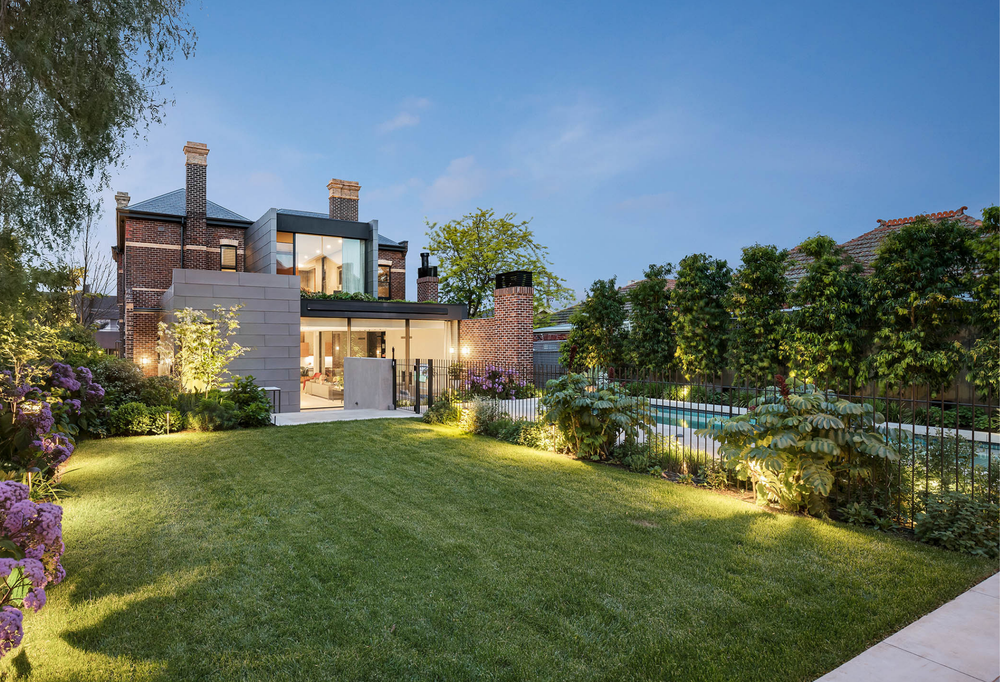
    We take pride in supplying A+ grade advanced trees. When stock at our farm is not yet ready, we work with our trusted trade suppliers to source the best available trees for your garden.

    youtube Load video:

    Evergreen Trees Direct Has Been Featured In:

    Perfect Substitutes for Rhaphiolepis indica – Indian Hawthorn

    Follow Us On Instagram

    @evergreentreesdirect ↗
    Evergreen Trees DirectEvergreen Trees DirectEvergreen Trees DirectEvergreen Trees DirectEvergreen Trees Direct
    youtube Load video: