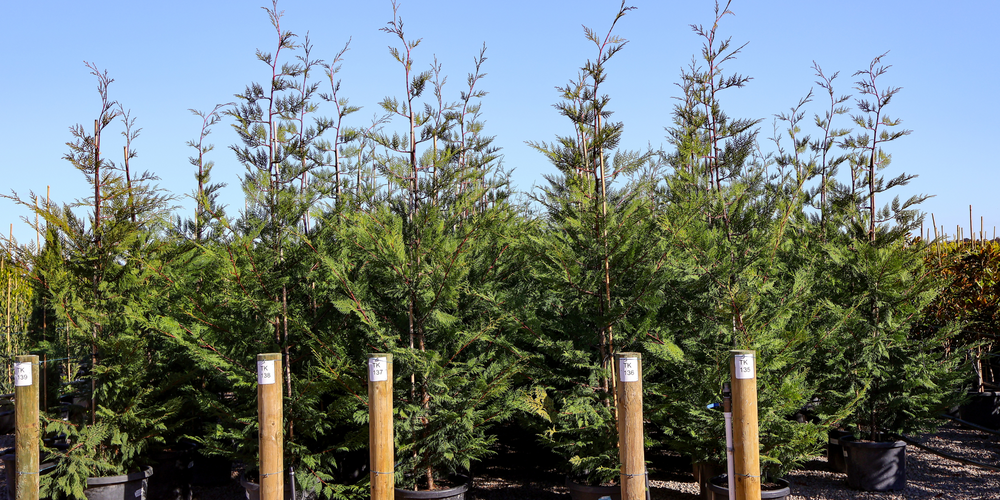
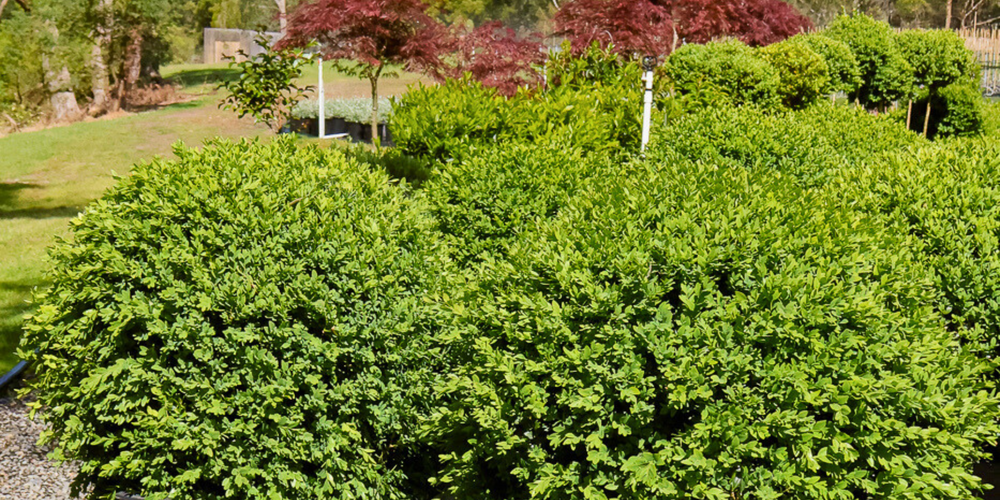
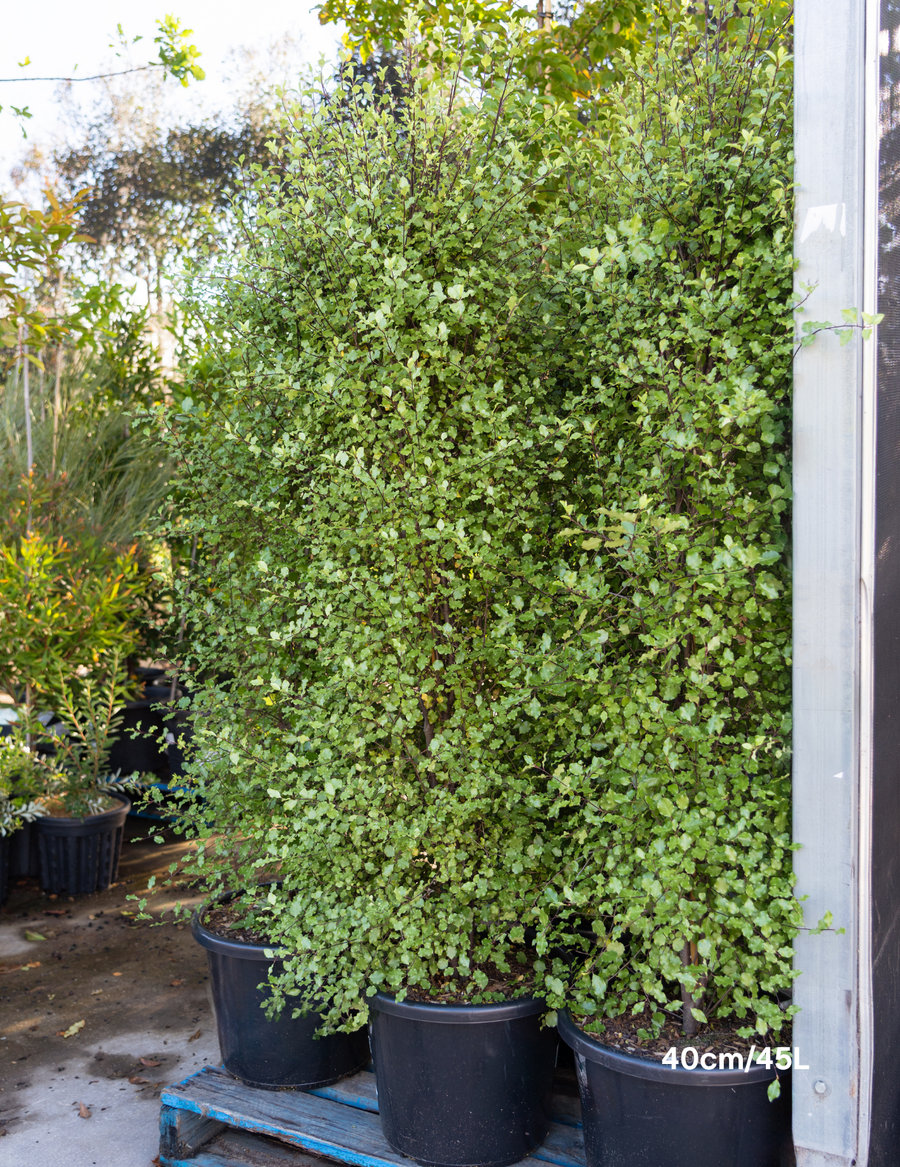
Laurus nobilis Bay Tree - Hedging Form
Couldn't load pickup availability
Current Stock Height Guides
Height guide disclaimer: Height ranges are approximate only. As living products, plant heights naturally vary between individual plants, batches, and seasons. No guarantee is given that supplied plants will fall within the stated range. If minimum heights are required, you mustconfirm current batch heights with Evergreen Trees Direct prior to purchase. Variation in height is normal and is not grounds for return, refund, replacement, or compensation.
Mature Height & Width
Mature Height: 4m to 8m (approx.)
Mature Width: 2m to 4m
Laurus nobilis Bay Tree - Hedging Form is expected to grow 15cm to 30cm per year (approx.).
Root Ball Dimensions
Use this as a reference when digging your planting hole. We recommend digging at least 10% wider than the dimensions below to encourage strong root development.
- 30cm Pot: 33cm (W) × 30cm (D)
- 40cm/45L Pot: 44cm (W) × 41.5cm (D)
- 50cm Pot / 70L Pot: 55cm (W) × 41.8cm (D)
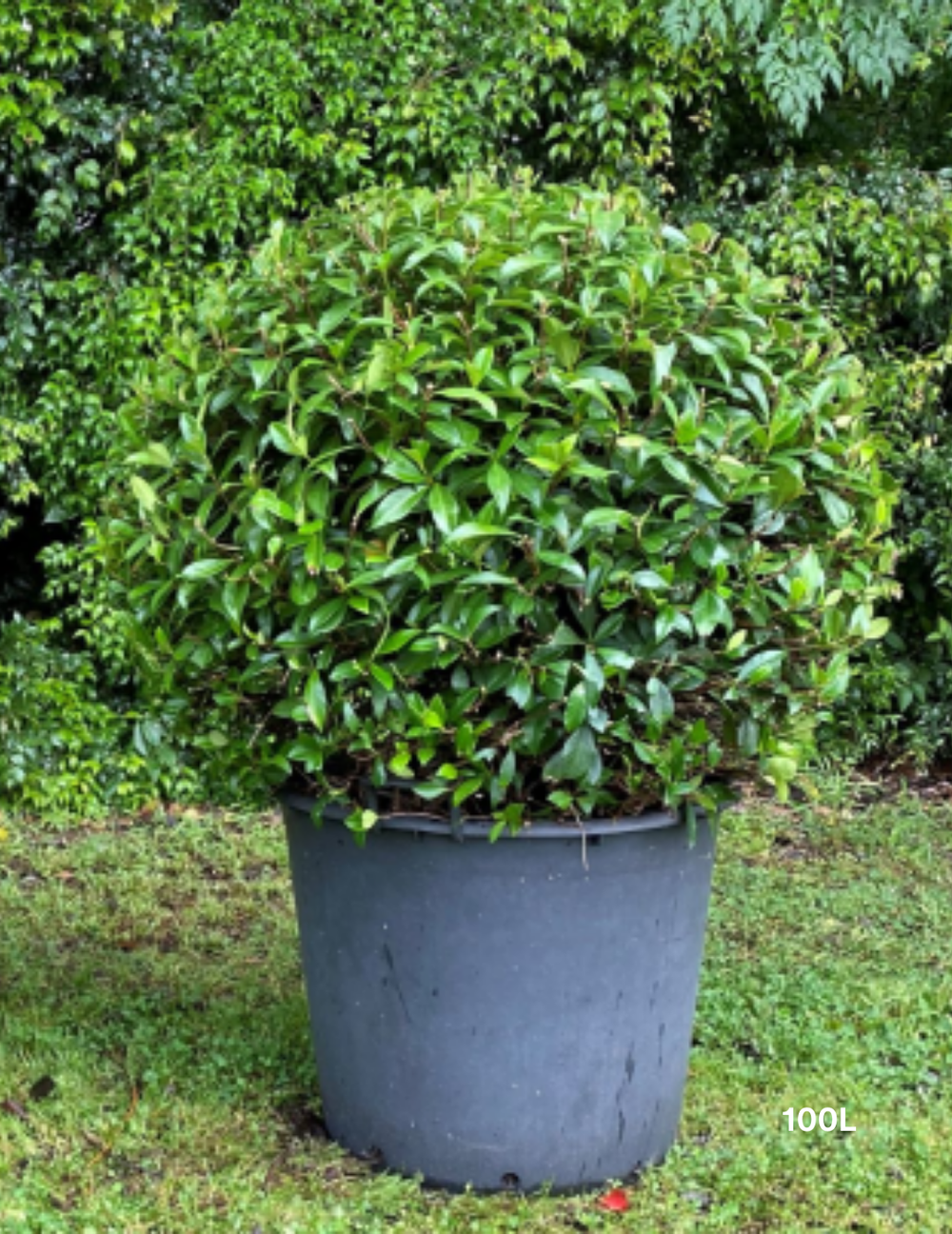
- 100L Bag: 50.6cm (W) × 52.8cm (D)
- 150L Bag: 66cm (W) × 55cm (D)
- 200L Bag: 71.5cm (W) × 60.5cm (D)
- 300L Bag: 88cm (W) × 63.8cm (D)
- 400L Bag: 99cm (W) × 66cm (D)
- 500L Bag: 122cm (W) × 66cm (D)
- 750L Bag: 134cm (W) × 69cm (D)
- 1000L Bag: 146.3cm (W) × 71.5cm (D)
- 2000L Bag: 176cm (W) × 82.5cm (D)
Trade
Trade
We supply advanced trees to landscapers, developers, architects, and councils Australia-wide. Trade clients receive fast quotes, expert advice, and access to premium stock with reliable freight.
Shipping
Shipping
Shipping is calculated at checkout based on the pallet space your order occupies in the truck and your delivery location.
There is no charge to calculate your freight.
Contact
Contact
Have a question or a list to send through to us?
Email: sales@evergreentrees.com.au
Phone: (03) 7042 3318
Share this product
Evergreen Trees Direct Has Been Featured In:
Plant Your Laurus nobilis Bay Tree - Hedging Form With:
Type: Garden Supplies
Enriched Planting Mix (AO Certified)
Type: Hedging and Screening Trees
Pittosporum tenuifolium 'Silver Sheen'
Type: Hedging and Screening Trees
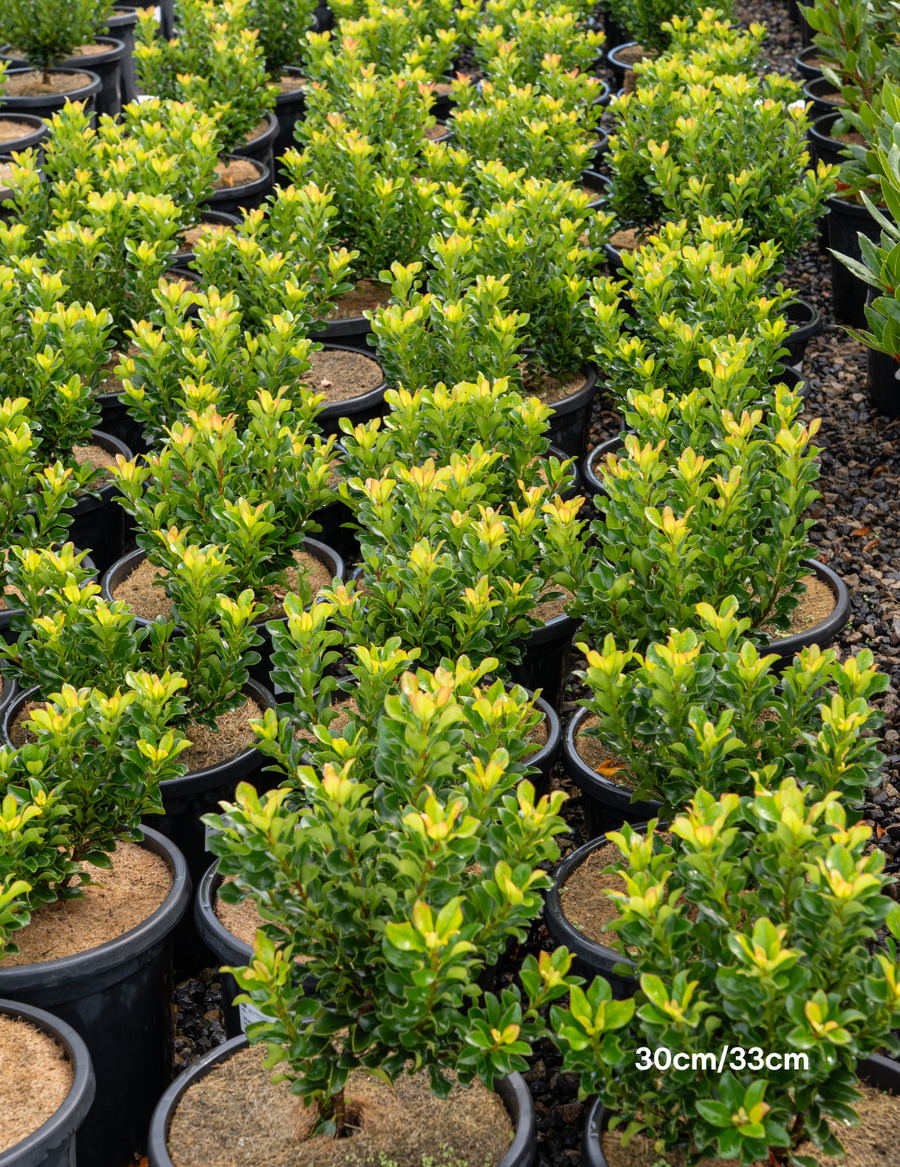
Rhaphiolepis indica 'Snow Maiden'
Type: Australian Native
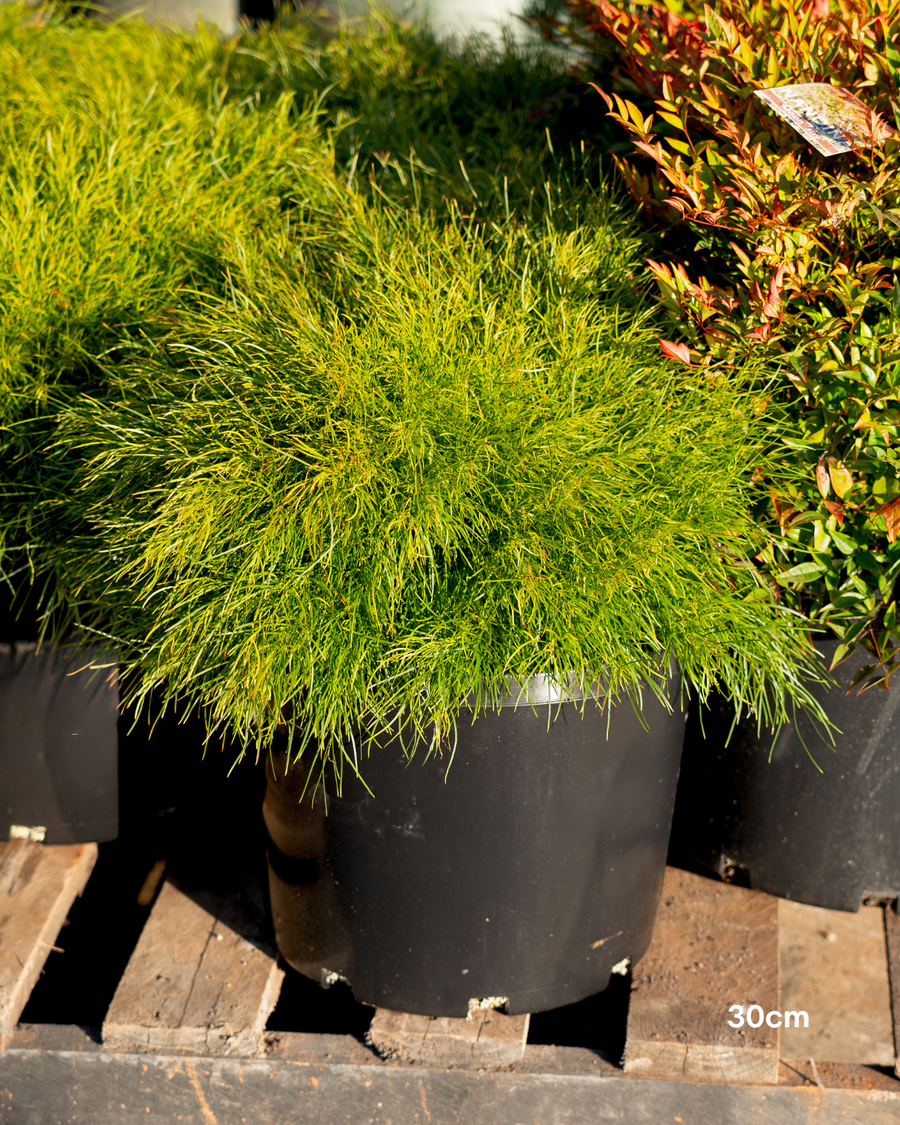
Acacia cognata 'Limelight'
Type: Hedging and Screening Trees
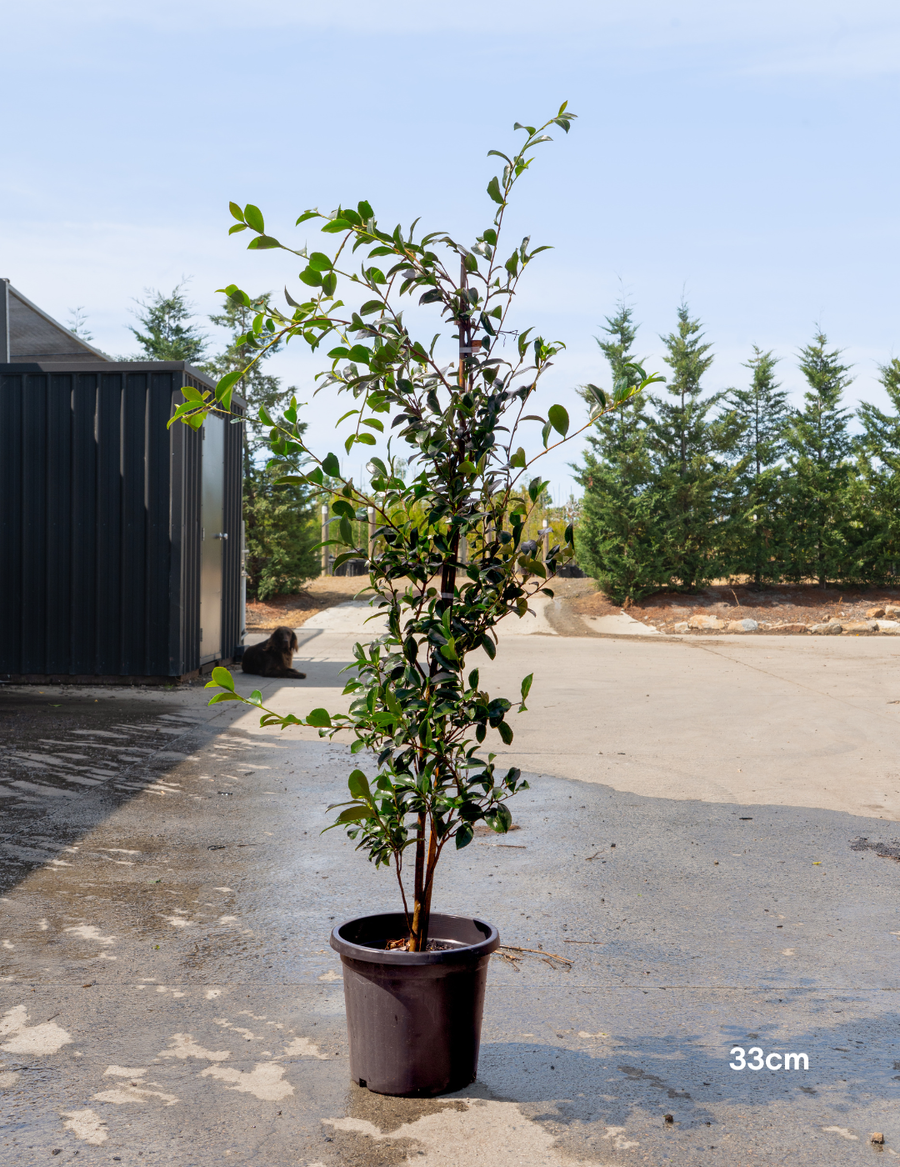
Camellia sasanqua 'Setsugekka'
Type: Structural Foliage
Buxus japonica Japanese Box Topiary Balls
Type: Structural Foliage
Buxus sempervirens English Box Topiary Balls
Uses in my Garden
Uses in my Garden
Laurus nobilis Bay Tree - Hedging Form works in an:
Is Laurus nobilis Bay Tree - Hedging Form Evergreen or Deciduous?
Laurus nobilis Bay Tree - Hedging Form is an Evergreen (foliage year round) Tree
Mature Height & Width
Mature Height: 4m to 8m (approx.)
Mature Width: 2m to 4m
Laurus nobilis Bay Tree - Hedging Form is expected to grow 15cm to 30cm per year (approx.).
Growth Rate of Laurus nobilis Bay Tree - Hedging Form
Laurus nobilis Bay Tree - Hedging Form is expected to grow 15cm to 30cm per year (approx.).
They are considered to have a:
Frost Tolerance & Ideal Climate to plant Laurus nobilis Bay Tree - Hedging Form
Is Laurus nobilis Bay Tree - Hedging Form frost tolerant?
Laurus nobilis Bay Tree - Hedging Form is Frost Tolerant – Can handle light to moderate frost once established.
Does Laurus nobilis Bay Tree - Hedging Form Flower?
Clusters of small pale yellow star-like flowers appear in spring among the glossy foliage. In a clipped hedge these are largely trimmed away, and the plant is grown for its dense structure and aromatic culinary leaves rather than its bloom.
Does Laurus nobilis Bay Tree - Hedging Form flower?
Flowering Period:
Flower Type:
Flower Colour:
Yellow
Is Laurus nobilis Bay Tree - Hedging Form an Australian Native Tree?
No
Laurus nobilis Bay Tree - Hedging Form is Native to Native to the Mediterranean basin, from southern Europe through to Asia Minor, where it forms dense evergreen thickets in coastal woodland.
What is the Wildlife Value of Laurus nobilis Bay Tree - Hedging Form ?
Small spring flowers draw bees, hoverflies and other pollinators, and a clipped Bay hedge gives small birds year-round shelter and nesting cover. The aromatic foliage also supports beneficial insects, adding quiet biodiversity value to formal and Mediterranean-style gardens.
How much Sunlight does Laurus nobilis Bay Tree - Hedging Form need?
Laurus nobilis Bay Tree - Hedging Form will thrive best in:
Preferred Soil?
Preferred Soil?
Bay hedges perform best in well-drained loam or sandy loam and tolerate slightly acidic to slightly alkaline soils. Heavy clay or waterlogged ground needs improving with organic matter and coarse material before planting. Keep the row evenly moist through establishment, then move to deep, occasional watering to build strong roots and dense, even growth along the hedge line.
Is Laurus nobilis Bay Tree - Hedging Form Drought Tolerant?
Is Laurus nobilis Bay Tree - Hedging Form Drought tolerant?
Young hedge plants need regular water while roots establish. Once settled, Bay Tree becomes reliably drought tolerant and holds a dense evergreen screen through warm, dry and coastal conditions with only occasional deep watering.
Planting Information
How To Plant Your Laurus nobilis Bay Tree - Hedging Form
Recommended Planting Spacing For Your Laurus nobilis Bay Tree - Hedging Form
Laurus nobilis Bay Tree - Hedging Form is expected to grow 15cm to 30cm per year (approx.).