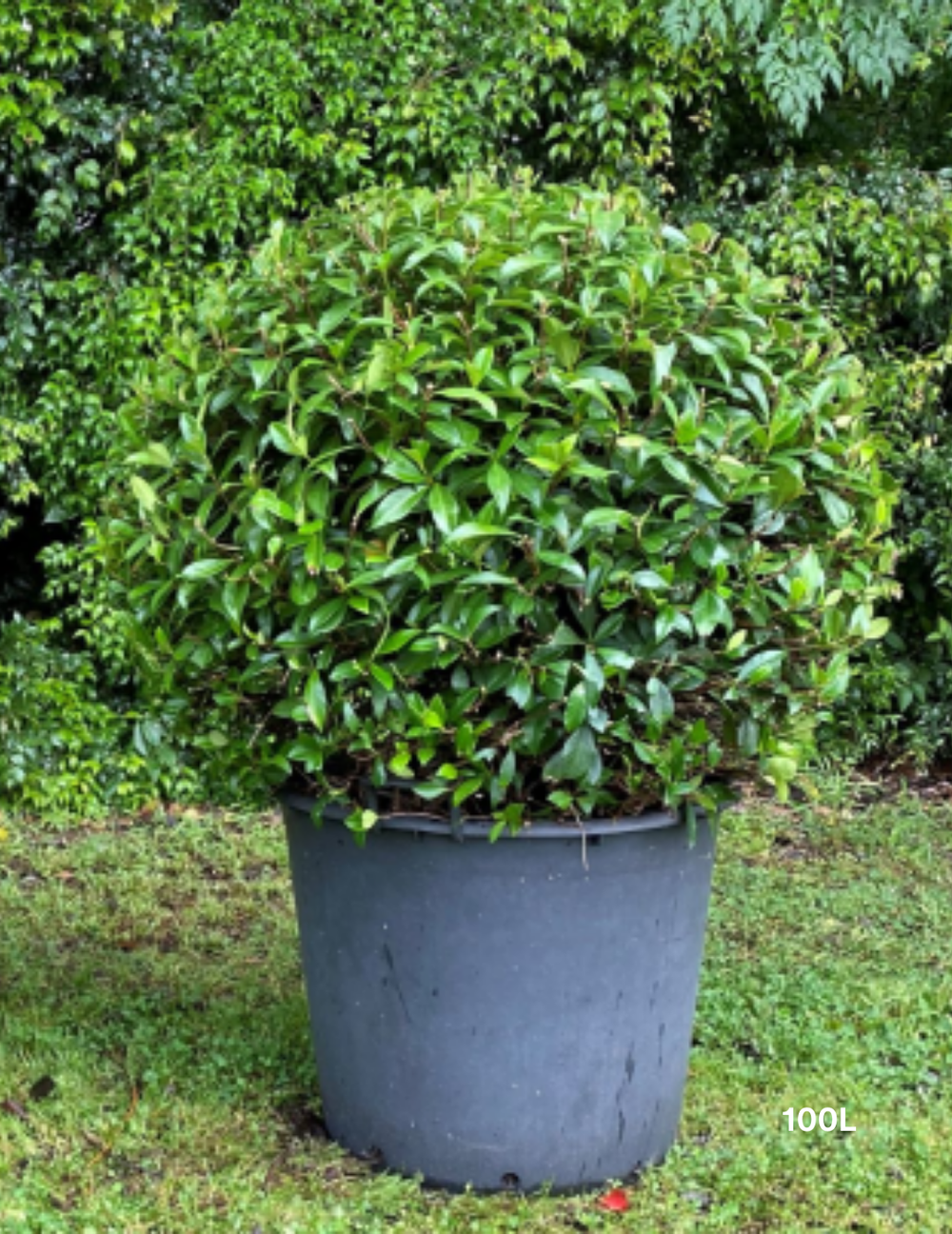
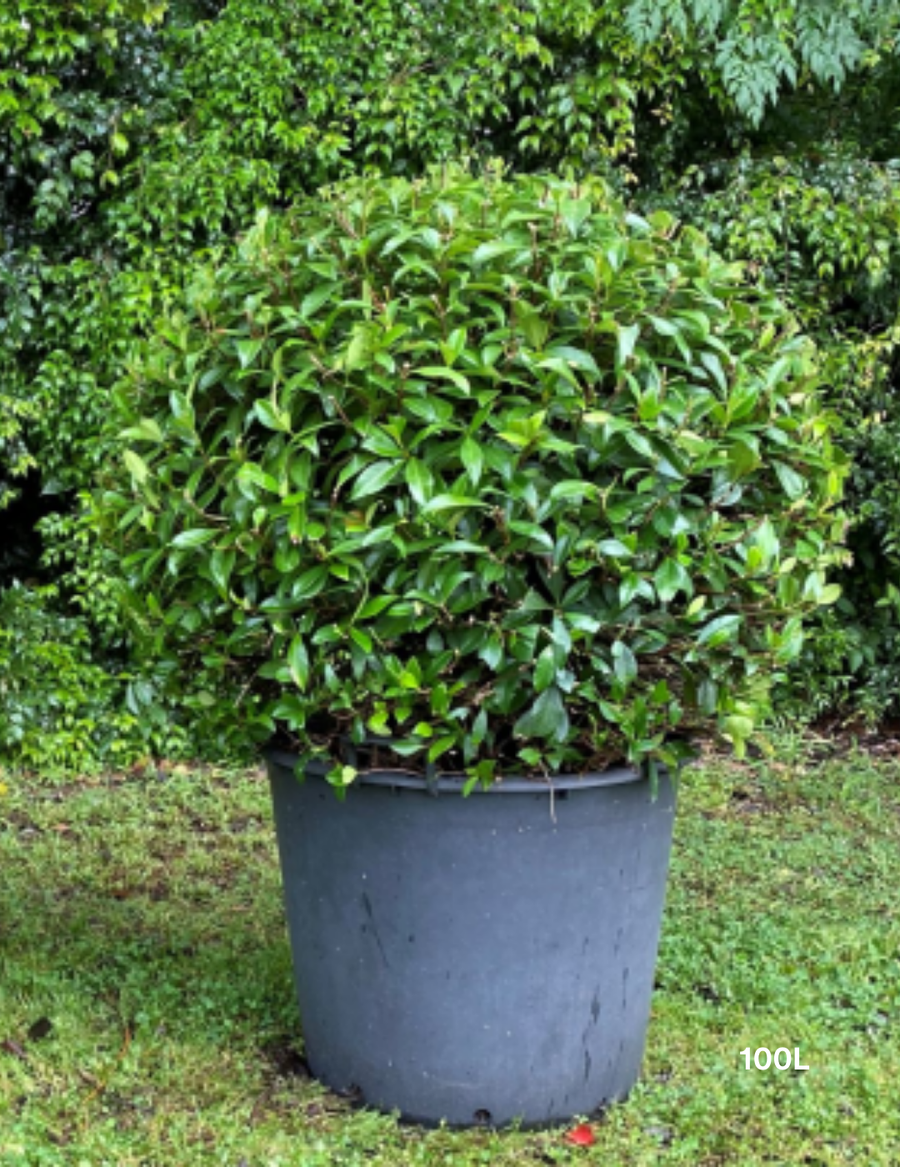
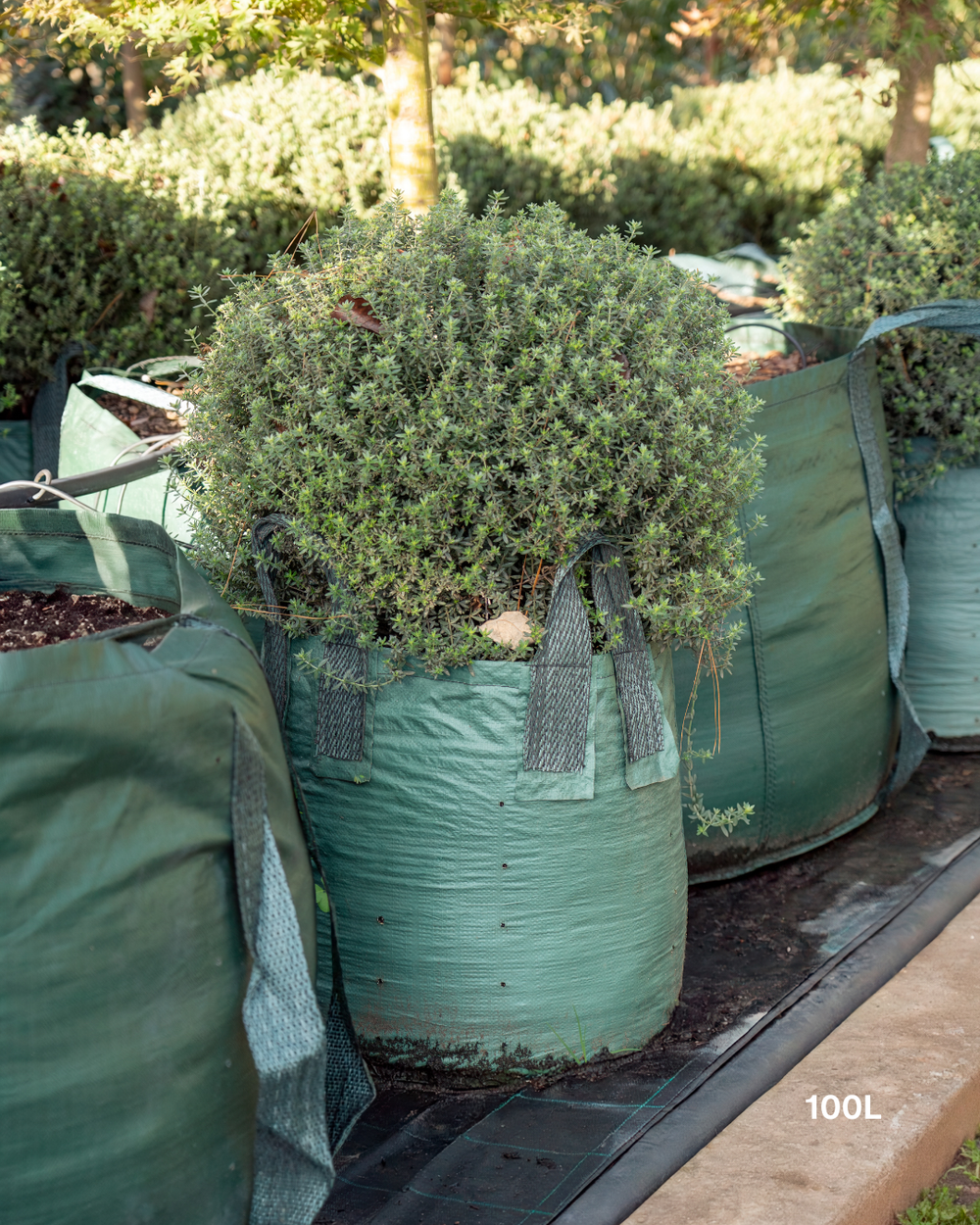
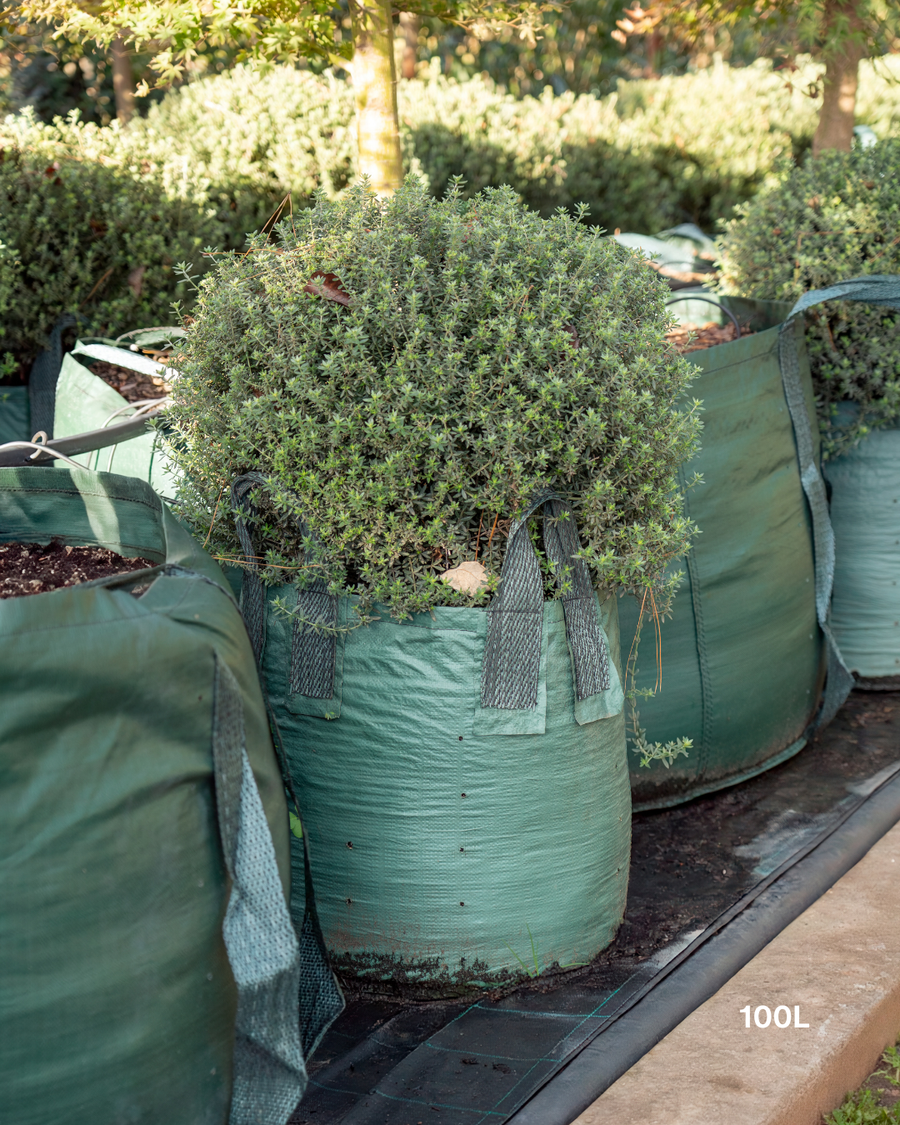
- Mature height
- 2m to 3m
- Mature width
- 2m to 3m
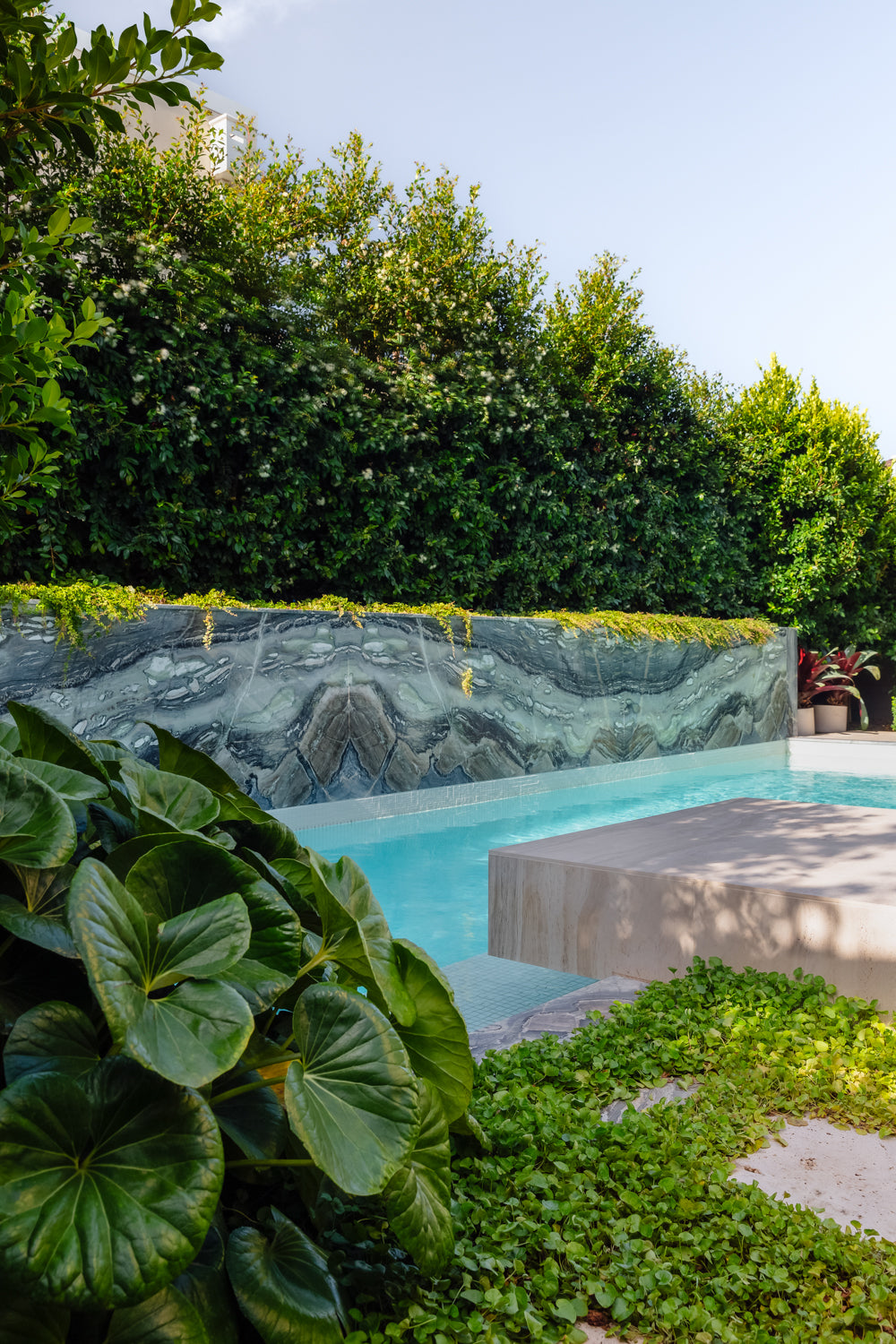
Fatsia japonica, the Japanese Aralia, is an evergreen shrub grown almost entirely for its foliage. The leaves are large, glossy and cut into deep lobes like an open hand, held on thick upright stems that build a dense rounded bush. Sprays of small white flowers follow in autumn and winter.
It prefers part shade to full shade in soil that holds moisture yet drains freely. Hot afternoon sun bleaches the leaves and scorches the edges. It takes light to moderate frost once established and grows 30 to 60 centimetres a year, suiting cool temperate through to subtropical gardens along the east coast.
Use it in courtyards, narrow side gardens, under established trees and against shaded walls where little else will fill the space. The leaf scale gives a subtropical feel for very little upkeep. It also holds up in a large pot near a doorway, which makes it useful in townhouse and apartment work.
Frequently Asked Questions
About Japanese Aralia
What is Fatsia japonica?
Fatsia japonica, or Japanese Aralia, is an evergreen shrub from the coastal woodlands of southern Japan. It is grown for its foliage, large glossy leaves cut into seven to nine deep lobes and held on thick upright stems. The overall shape is dense and rounded, with an obviously subtropical look to it.
How big does Japanese Aralia grow?
In an open garden bed it settles at around 2 to 3 metres tall with a similar spread, taking several years to get there. Growth is slower and the plant stays smaller in deep shade or in a container. Pruning back to a leaf node keeps it well under that, and it reshoots readily from old wood.
Does it need sun or shade?
Shade suits it best. Part shade to full shade gives the darkest and largest leaves, while hot afternoon sun bleaches the foliage yellow and burns the edges. Morning sun is fine. This tolerance for deep shade is the main reason it gets specified for narrow side gardens and courtyards with limited light.
When does it flower?
Clusters of small creamy white flowers appear in autumn and winter, carried on branched stems above the foliage and followed by round black berries that hold on into spring. The flowers are minor next to the leaves, but they are useful, arriving in a season when little else in a shaded garden is out.
Is it frost tolerant?
It handles light to moderate frost once established, which covers most temperate Australian gardens. Young plants and soft new growth are the vulnerable parts, so give them a sheltered spot for the first couple of winters. A position under an eave or beneath a tree canopy provides enough protection in colder districts.
Can it be grown in a pot?
Yes, it is one of the better shrubs for a large container in a shaded courtyard or beside a doorway. Use a wide pot of at least 50 centimetres, a quality potting mix, and keep the water up in summer since pots dry faster than beds. Repot or root prune every few years.
How do I care for Fatsia japonica?
Mulch to hold moisture, water through dry spells and feed with a slow release fertiliser in spring. Remove tired lower leaves at the stem to keep the plant tidy. If it grows leggy, cut the stems back hard in early spring and it will reshoot lower down. Watch for scale on indoor plants.