Cupressus torulosa – Bhutan Cypress
Couldn't load pickup availability
Current Stock Height Guides
Height guide disclaimer: Height ranges are approximate only. As living products, plant heights naturally vary between individual plants, batches, and seasons. No guarantee is given that supplied plants will fall within the stated range. If minimum heights are required, you mustconfirm current batch heights with Evergreen Trees Direct prior to purchase. Variation in height is normal and is not grounds for return, refund, replacement, or compensation.
Mature Height & Width
Mature Height: 6m to 10m
Mature Width: 2m to 4m
Cupressus torulosa – Bhutan Cypress is expected to grow 60cm to 1m per year once established.
Root Ball Dimensions
Use this as a reference when digging your planting hole. We recommend digging at least 10% wider than the dimensions below to encourage strong root development.
- 30cm Pot: 33cm (W) × 30cm (D)
- 40cm/45L Pot: 44cm (W) × 41.5cm (D)
- 50cm Pot / 70L Pot: 55cm (W) × 41.8cm (D)
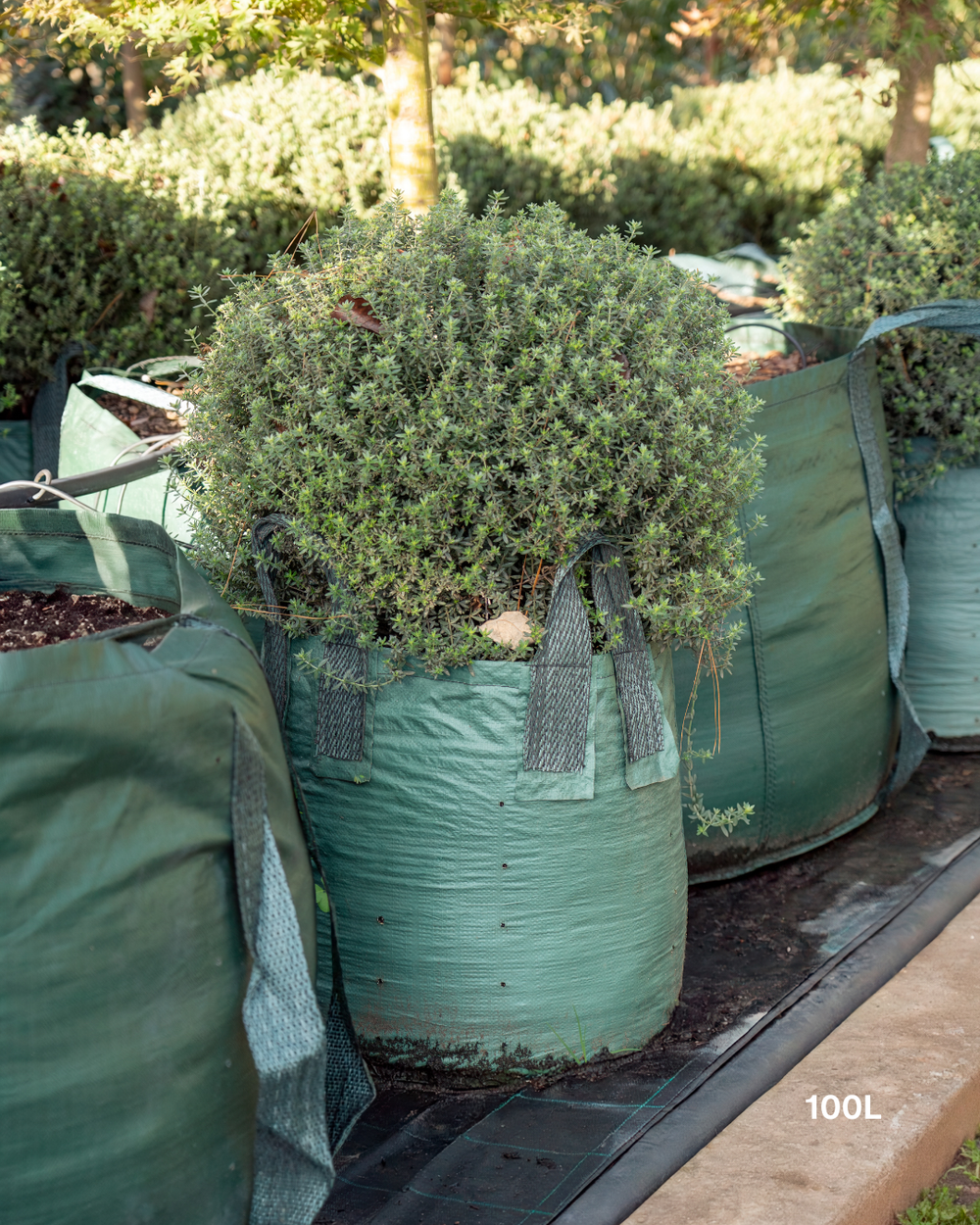
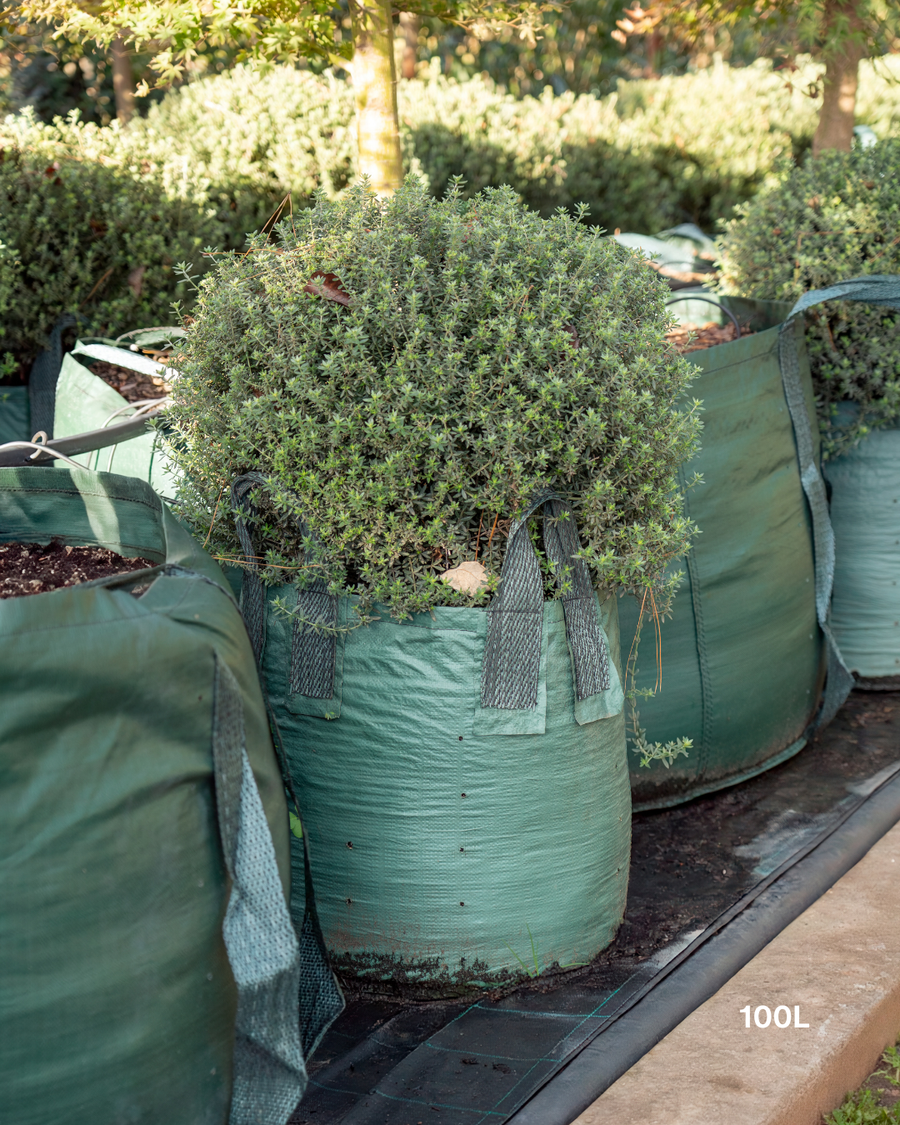
- 100L Bag: 50.6cm (W) × 52.8cm (D)
- 150L Bag: 66cm (W) × 55cm (D)
- 200L Bag: 71.5cm (W) × 60.5cm (D)
- 300L Bag: 88cm (W) × 63.8cm (D)
- 400L Bag: 99cm (W) × 66cm (D)
- 500L Bag: 122cm (W) × 66cm (D)
- 750L Bag: 134cm (W) × 69cm (D)
- 1000L Bag: 146.3cm (W) × 71.5cm (D)
- 2000L Bag: 176cm (W) × 82.5cm (D)
Trade
Trade
We supply advanced trees to landscapers, developers, architects, and councils Australia-wide. Trade clients receive fast quotes, expert advice, and access to premium stock with reliable freight.
Shipping
Shipping
Shipping is calculated at checkout based on the pallet space your order occupies in the truck and your delivery location.
There is no charge to calculate your freight.
Contact
Contact
Have a question or a list to send through to us?
Email: sales@evergreentrees.com.au
Phone: (03) 7042 3318
Share this product

About Your New Cupressus torulosa – Bhutan Cypress
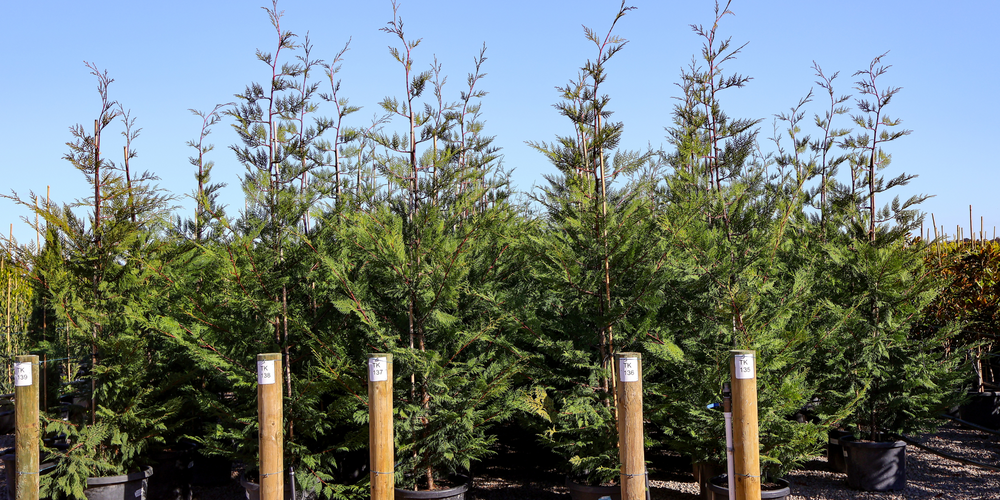
Cupressus torulosa, the Bhutan Cypress, is the screening conifer to plant when Leyland has let you down. It carries soft bright green foliage in fine drooping sprays on a naturally upright frame, and it holds that colour through heat and dry weather that turns other cypress dull and bronze.
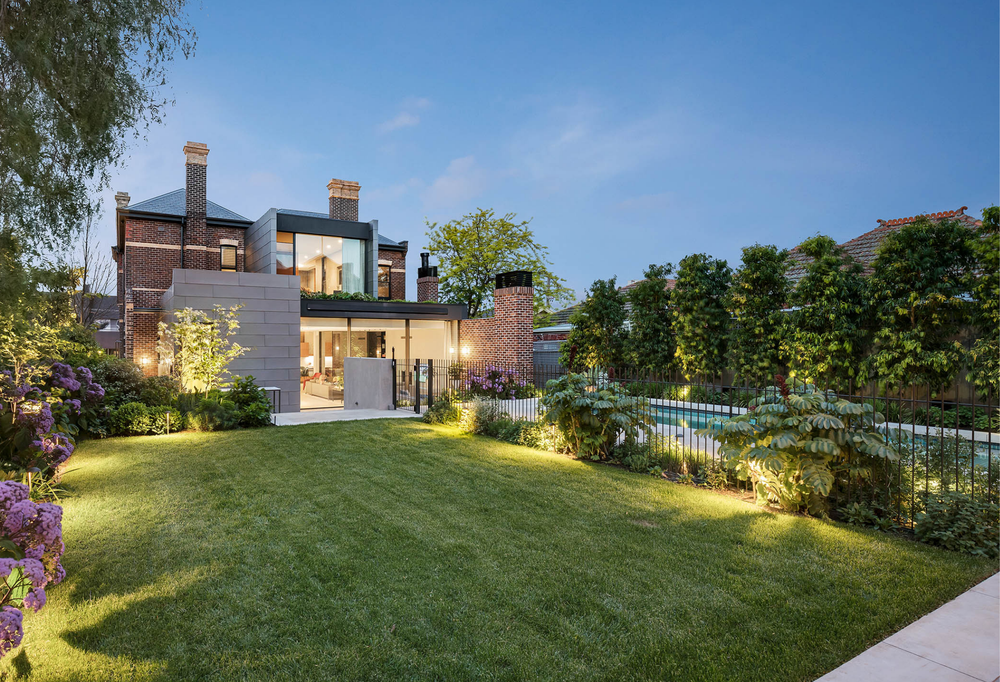
Growth is fast, which is the point of it. A screen closes in a few seasons rather than a decade, and the habit is naturally conical, so it needs far less shaping than a hedge conifer usually does. Left alone it reaches around 6 to 10 metres with a 2 to 4 metre spread, and it clips readily to hold whatever height a boundary needs.
It comes from the Himalaya, which is why it handles both frost and drought better than most cypress. Full sun and free-draining soil are all it asks. Once established it needs very little water, and it is noticeably less troubled by canker than Leyland cypress in warm humid districts.
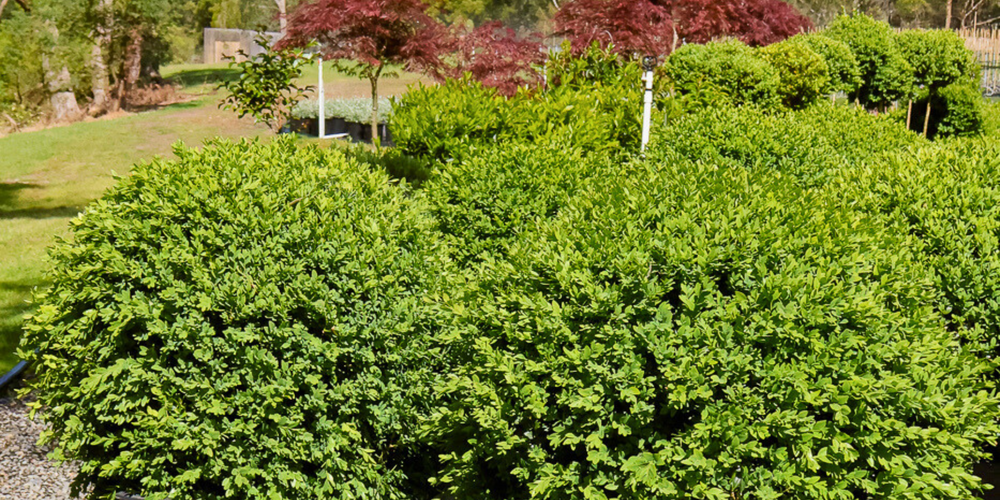
The same tolerance for clipping is why it takes topiary so well. Alongside the plain screening sizes, this listing carries four pre-clipped trained forms at 50cm, each grown and shaped in the nursery and ready to place.
Which form do you need?
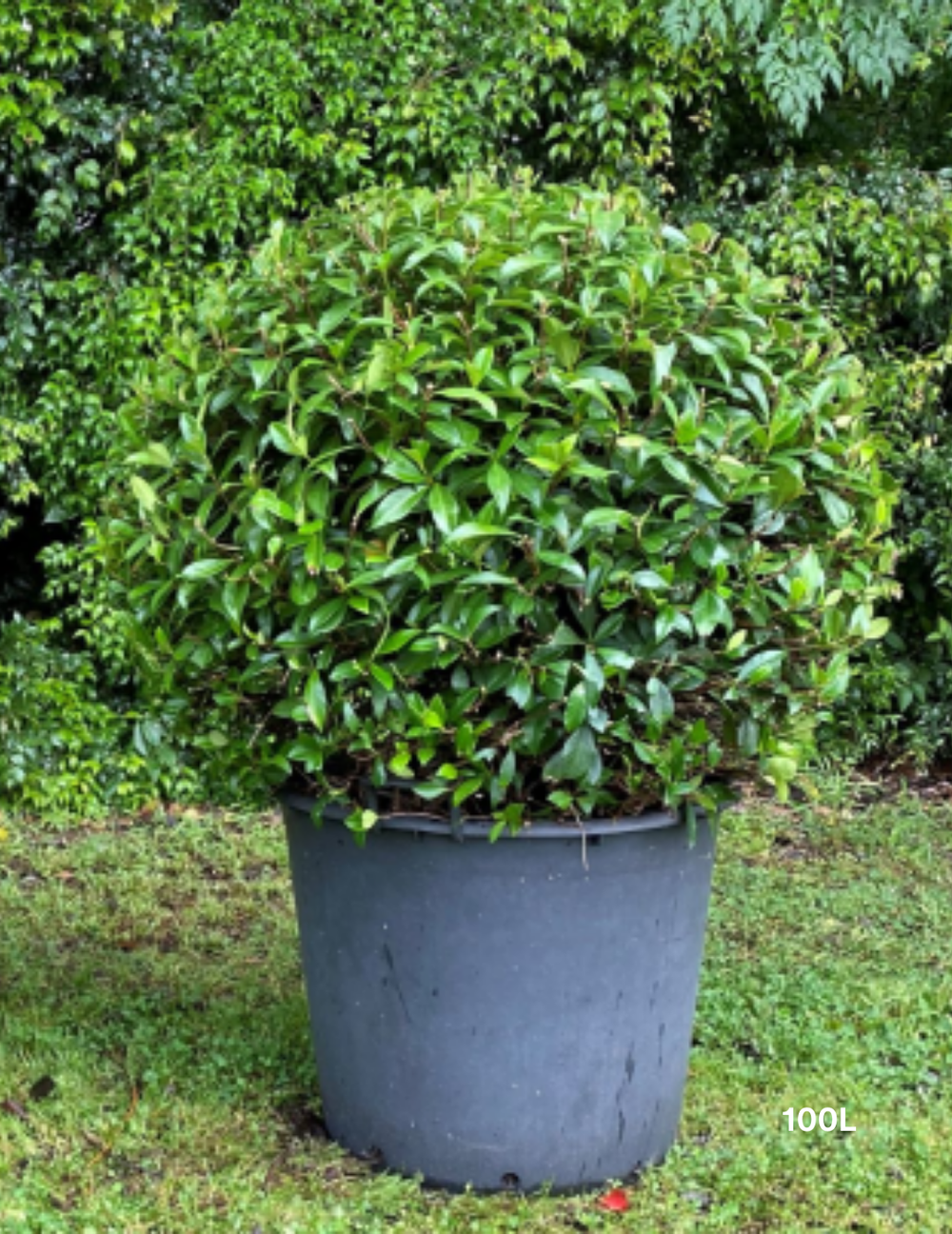
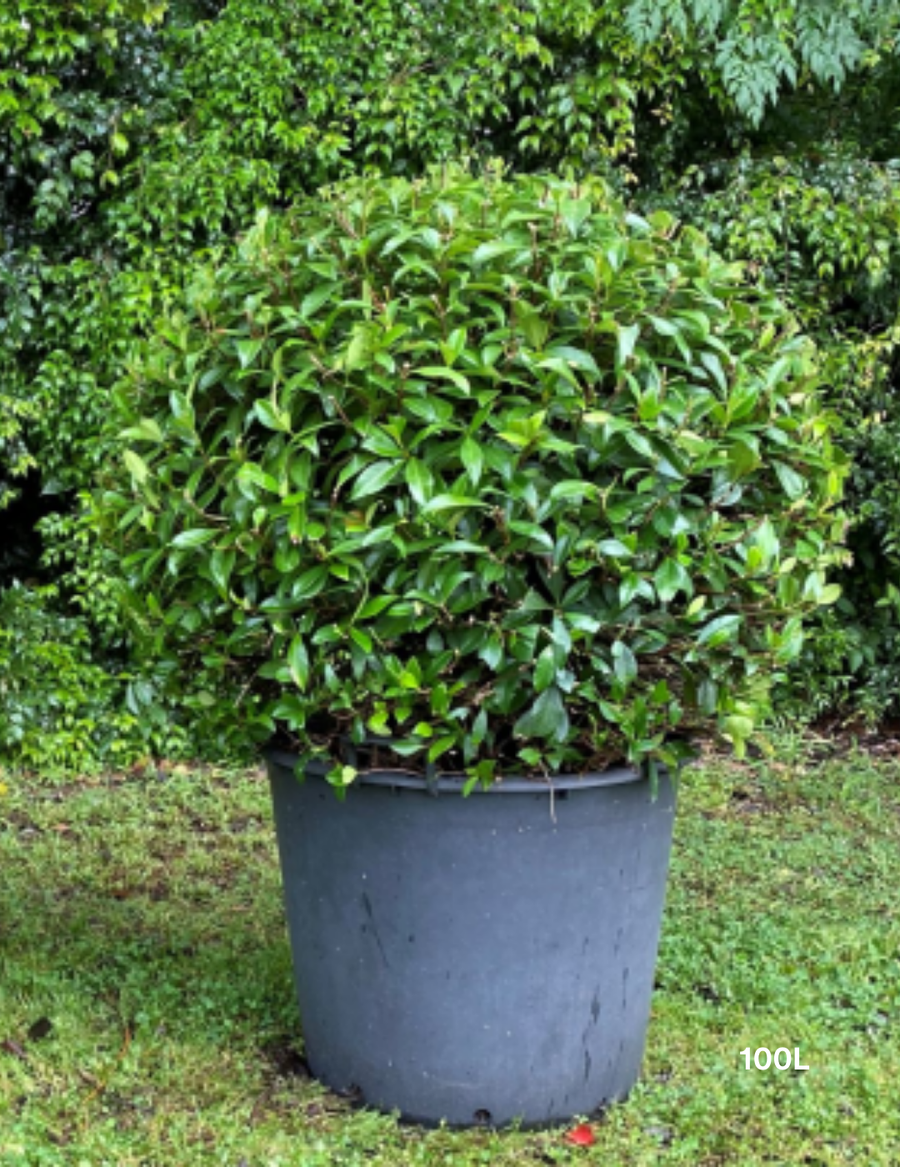
50cm and 100L are the natural form, supplied as young and advanced plants for screens, hedges and windbreaks you shape yourself.
Standard Form is a clipped head on a clear straight stem, the classic lollipop for framing an entry.
Square Standard is the same clear stem carrying a squared, architectural head.
Pyramid Standard carries a tapered cone on the stem, giving height and a strong vertical line.
Mushroom Standard carries a low, broad domed head, wider than it is tall.
All four arrive trained, so the shaping and the growing-on time are already done.
Frequently Asked Questions
About Cupressus torulosa
What is the difference between the trained forms?
All four sit on a clear straight stem and differ only in the shape of the head. Standard is a rounded ball, Square Standard is clipped to flat faces for a more architectural look, Pyramid Standard tapers to a point for height and a vertical line, and Mushroom Standard is a low broad dome, wider than it is tall. They cost more than the plain sizes because the training and the growing-on time are already done for you.
How does it compare to Leyland cypress?
Bhutan Cypress handles heat and drought better and is less troubled by canker, which is the problem that takes out Leyland hedges in warm humid districts. Leyland is faster in a cool climate. If you have lost a Leyland screen before, this is the sensible replacement.
How big does it grow?
Around 6 to 10 metres tall and 2 to 4 metres wide in cultivation, with a naturally conical habit. As a clipped hedge it is easily held anywhere between 2 and 5 metres. The trained standards are held permanently at their clipped size.
How fast does it grow?
Fast. A screen planted from the 50cm size closes within a few seasons given water and sun through establishment. The 100L advanced specimens give height immediately, which is the size to choose when the screen is needed now rather than eventually.
How far apart should I plant it for a screen?
1.5 to 2 metres apart for a solid clipped screen, or 2.5 to 3 metres for a looser informal line where each tree keeps its own shape. Advanced 100L plants already carry width, so use the wider end of that range. Standards are usually placed in pairs at an entry or repeated at 2 to 3 metre centres.
Is it frost and drought tolerant?
Both. It comes from the Himalaya, so it takes real frost without damage, and once established it is genuinely drought tolerant. Sharp drainage matters more than water. It will not tolerate ground that stays wet.
When should I prune it?
Trim in late winter and again in summer if you are holding a formal hedge or a trained standard. Always cut into green growth. Like most conifers it does not reshoot from bare brown wood, so never cut back past the foliage or you will be left with a permanent hole. On a standard, rub off any shoots appearing on the clear stem as soon as you see them.
How do I care for it?
Water deeply through the first two summers, then only in extended dry spells. Mulch the root zone and keep the mulch clear of the trunk. Feed with a slow-release fertiliser in early spring. Keep air moving through a hedge by trimming rather than letting it thicken, which reduces the risk of fungal problems.

Evergreen Trees Direct Has Been Featured In:
Uses in my Garden
Uses in my Garden
Cupressus torulosa – Bhutan Cypress works in an:
Is Cupressus torulosa – Bhutan Cypress Evergreen or Deciduous?
Cupressus torulosa – Bhutan Cypress is an Evergreen (foliage year round) Tree
Mature Height & Width
Mature Height: 6m to 10m
Mature Width: 2m to 4m
Cupressus torulosa – Bhutan Cypress is expected to grow 60cm to 1m per year once established.
Growth Rate of Cupressus torulosa – Bhutan Cypress
Cupressus torulosa – Bhutan Cypress is expected to grow 60cm to 1m per year once established.
They are considered to have a:
Frost Tolerance & Ideal Climate to plant Cupressus torulosa – Bhutan Cypress
Is Cupressus torulosa – Bhutan Cypress frost tolerant?
Cupressus torulosa – Bhutan Cypress is Frost Hardy – Survives heavy and frequent frost without damage.
Does Cupressus torulosa – Bhutan Cypress Flower?
Cupressus torulosa is a conifer and does not flower. It produces small woody cones rather than blooms, which are not ornamental. The tree is grown entirely for its soft bright green foliage, fast growth and upright screening habit.
Does Cupressus torulosa – Bhutan Cypress flower?
Flowering Period:
Flower Type:
Flower Colour:
Not Applicable
Is Cupressus torulosa – Bhutan Cypress an Australian Native Tree?
No
Cupressus torulosa – Bhutan Cypress is Native to The Himalaya, from Bhutan and Nepal through northern India into Tibet and western China, where Cupressus torulosa grows on dry rocky mountain slopes at altitude.
What is the Wildlife Value of Cupressus torulosa – Bhutan Cypress ?
The dense evergreen canopy gives small birds year-round shelter and nesting cover, which is valuable along boundaries and in exposed sites where other cover is scarce. Its contribution is structural rather than as a nectar or food source.
How much Sunlight does Cupressus torulosa – Bhutan Cypress need?
Cupressus torulosa – Bhutan Cypress will thrive best in:
Preferred Soil?
Preferred Soil?
Cupressus torulosa performs best in free-draining loam or sandy loam across a wide pH range, and tolerates poorer soils provided drainage stays sharp. Heavy clay and any position holding water after rain will cause root decline, so improve with gypsum and coarse organic matter or plant on a raised mound. Water through establishment, then it needs very little.
Is Cupressus torulosa – Bhutan Cypress Drought Tolerant?
Is Cupressus torulosa – Bhutan Cypress Drought tolerant?
Cupressus torulosa comes from dry rocky mountain slopes in the Himalaya and is genuinely drought tolerant once established, holding foliage colour through hot dry spells with very little supplementary water. Through the first two summers it still needs deep regular watering to build the root system that makes that possible.
Planting Information
How To Plant Your Cupressus torulosa – Bhutan Cypress
Recommended Planting Spacing For Your Cupressus torulosa – Bhutan Cypress
Cupressus torulosa – Bhutan Cypress is expected to grow 60cm to 1m per year once established.