- Mature height
- 3m to 5m
- Mature width
- 3m to 4m
Citrus x tangelo 'Minneola' is the tangelo most people mean when they say tangelo. It is instantly recognisable by the pronounced neck at the stem end, which gives it the bell shape behind its other name, Honeybell.
The fruit is the reason to grow it. Deep red-orange skin that peels away easily, flesh that is richer and tarter than a mandarin without the bitterness of a grapefruit, and enough juice that it is worth growing for that alone. Seeds are few. It came out of a cross between a Duncan grapefruit and a Dancy tangerine, and it carries the better half of each.
The tree is vigorous and upright with a broad head of glossy evergreen leaves, and it carries fragrant white flowers through spring that bees work heavily. Ripening runs from winter into spring, and the fruit holds on the tree once ready.
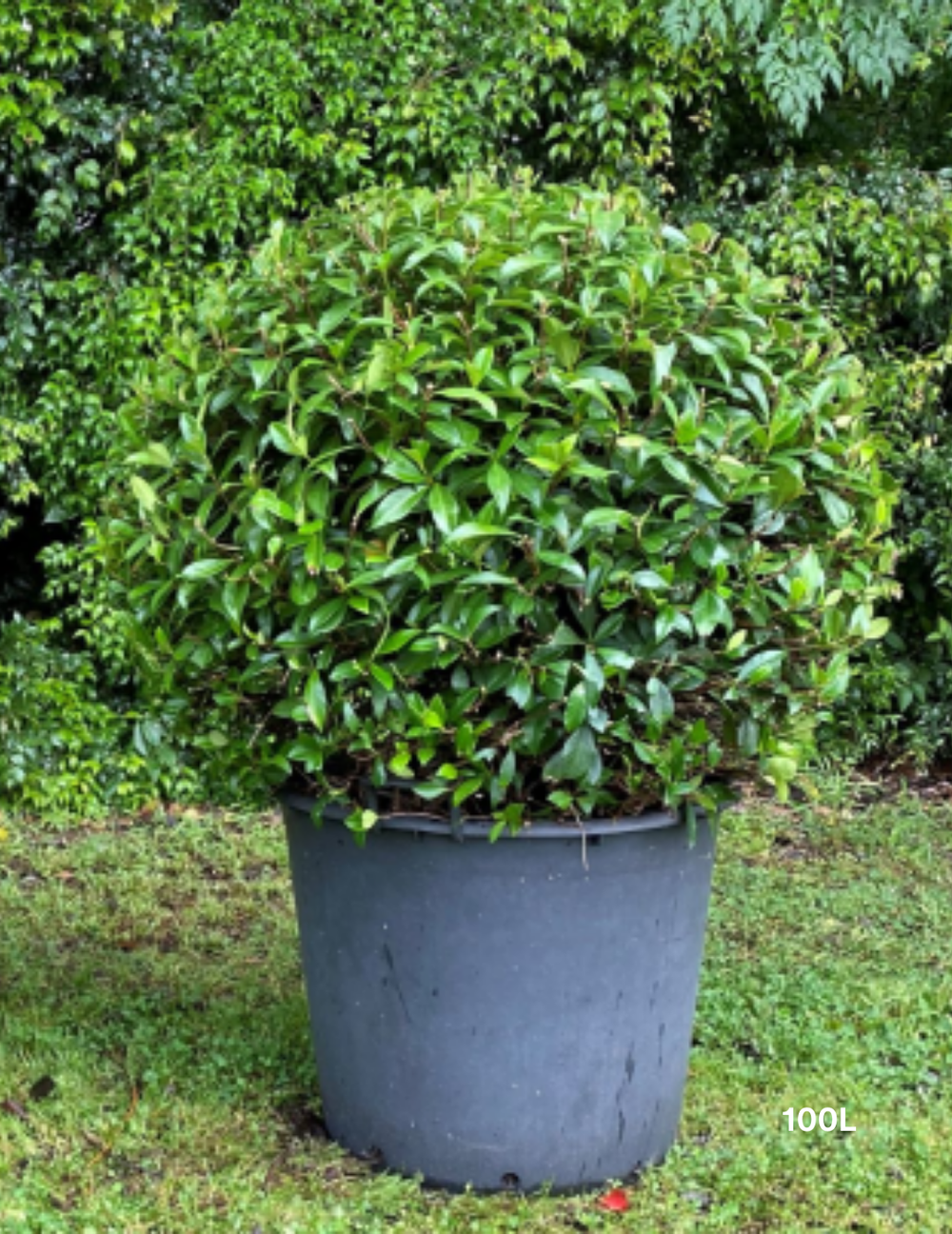
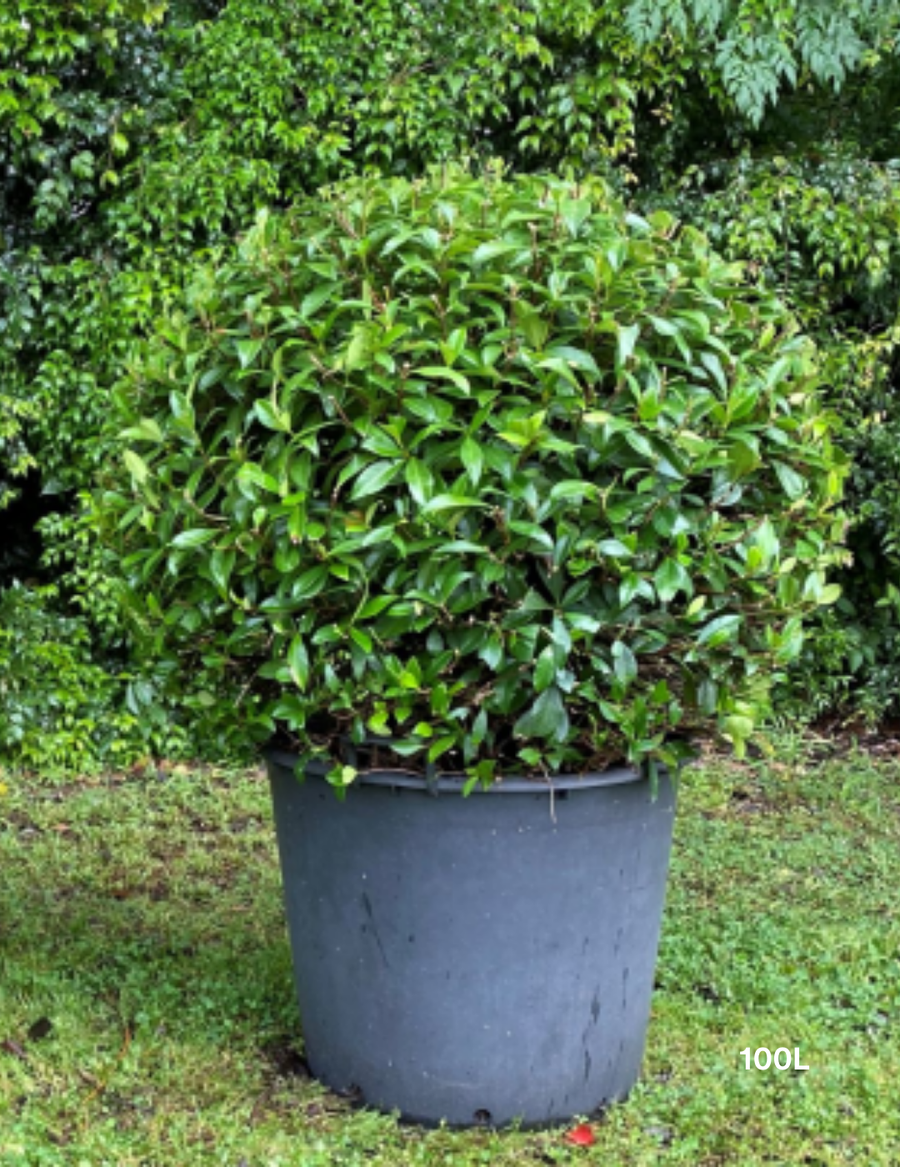
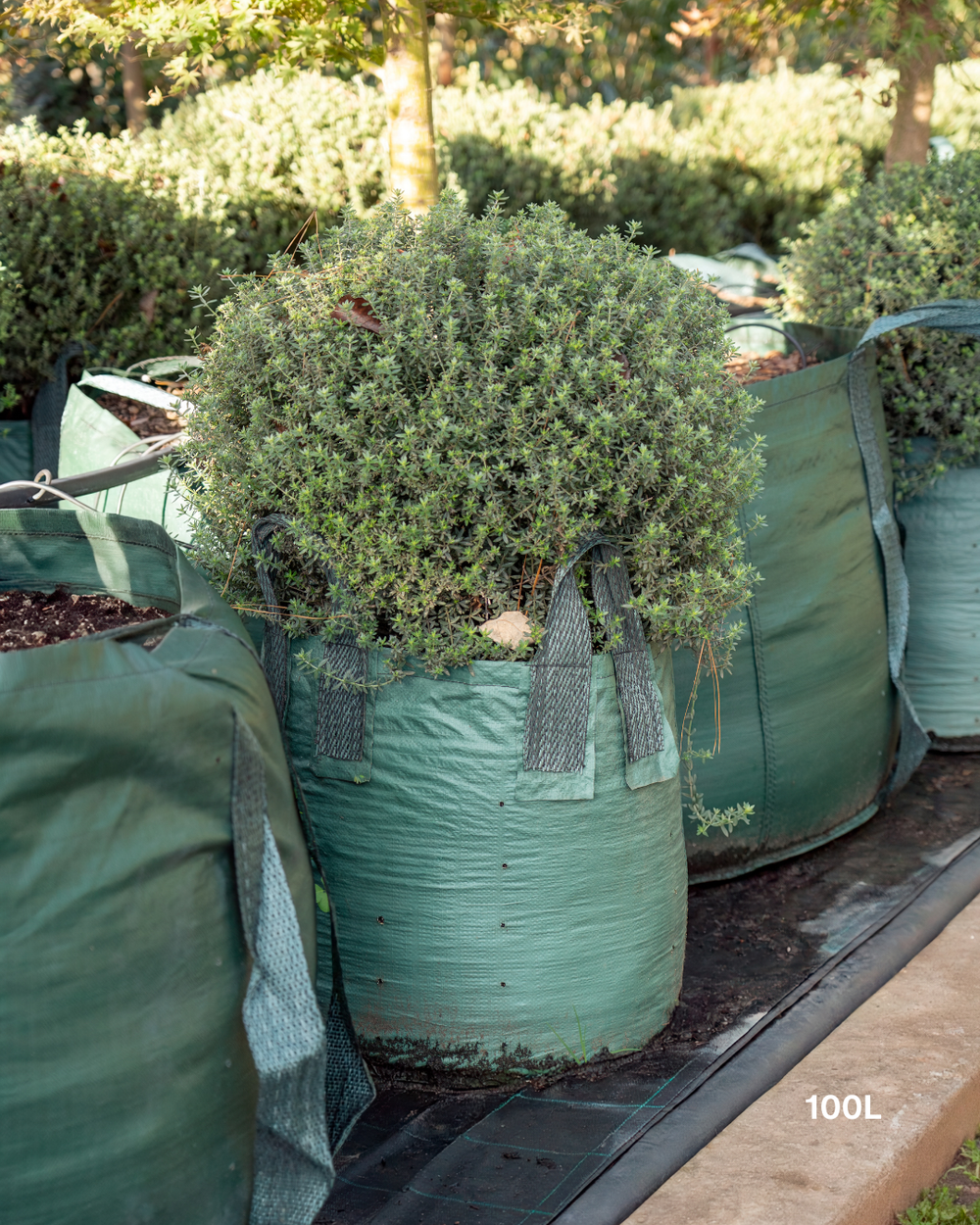
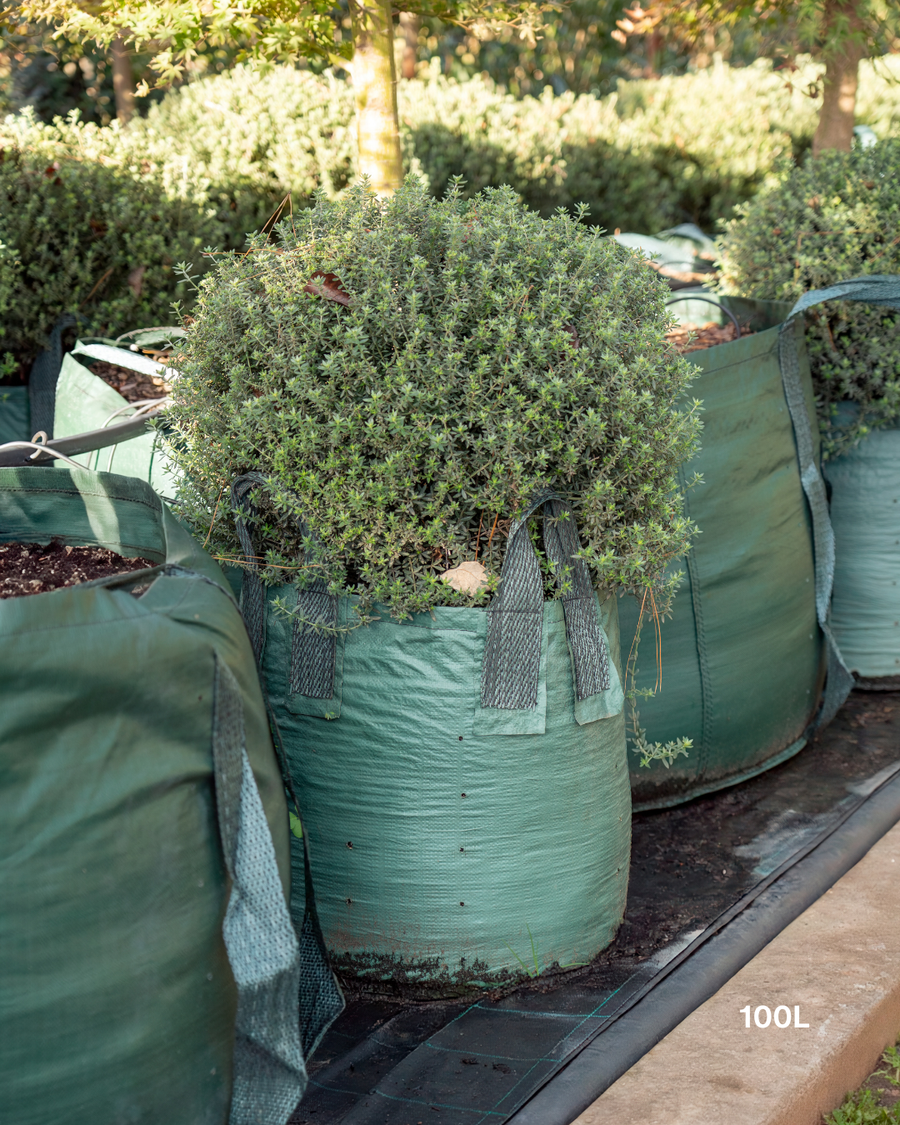
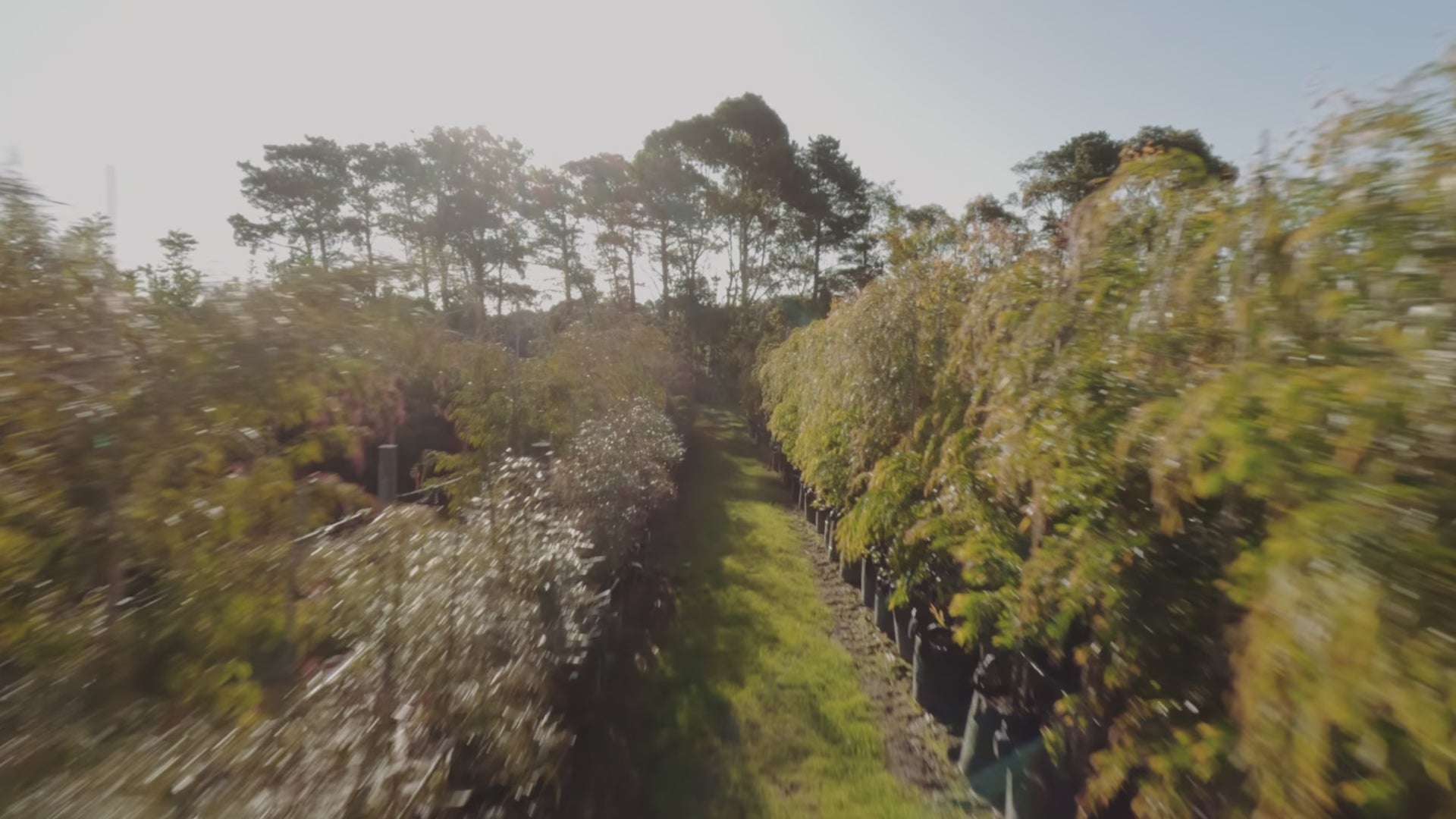
Grow it in full sun with free draining soil and shelter from hard frost. Advanced specimens at this size are years ahead of a nursery tube and will crop in their first or second season in the ground.
Frequently Asked Questions
About Citrus x tangelo 'Minneola'
What is a tangelo?
A cross between a mandarin and a grapefruit. 'Minneola' specifically came from a Duncan grapefruit crossed with a Dancy tangerine. The result peels like a mandarin but carries a deeper, tarter flavour and far more juice.
Will it crop on its own?
Usually yes, but this is worth knowing before you plant. 'Minneola' is partially self-incompatible, so it sets a heavier crop with another citrus flowering nearby. In a home garden with other citrus around it generally crops well on its own. In an isolated position expect lighter yields.
How do I know it is ripe?
Deep red-orange colour and a slight give when squeezed. Ripening runs from winter into spring depending on the district. The fruit holds well on the tree once ready and sweetens the longer it hangs, so pick as you need rather than harvesting all at once.
Does it have seeds?
Few. Fruit grown with other citrus nearby tends to carry more seeds because cross pollination lifts both seed count and crop weight. Grown in isolation it is close to seedless but sets less fruit.
How big does the tree get?
Around 3 to 5 metres tall and 3 to 4 metres wide, with a vigorous upright habit. Light pruning after harvest keeps it in reach for picking without costing you crop.
Is it frost tolerant?
Not fully. Like most citrus it is frost sensitive, particularly while young. Plant in a warm sheltered position out of frost hollows, and protect through the first couple of winters in colder districts.
How do I care for it?
Water deeply once or twice a week through the warmer months and more often while fruit is filling, since uneven moisture causes fruit drop and splitting. Feed with a complete citrus fertiliser in early spring and again in late summer. Mulch the root zone and keep it clear of the trunk. Remove any shoots below the graft as soon as they appear.