- Mature height
- Please enquire
- Mature width
- Please enquire
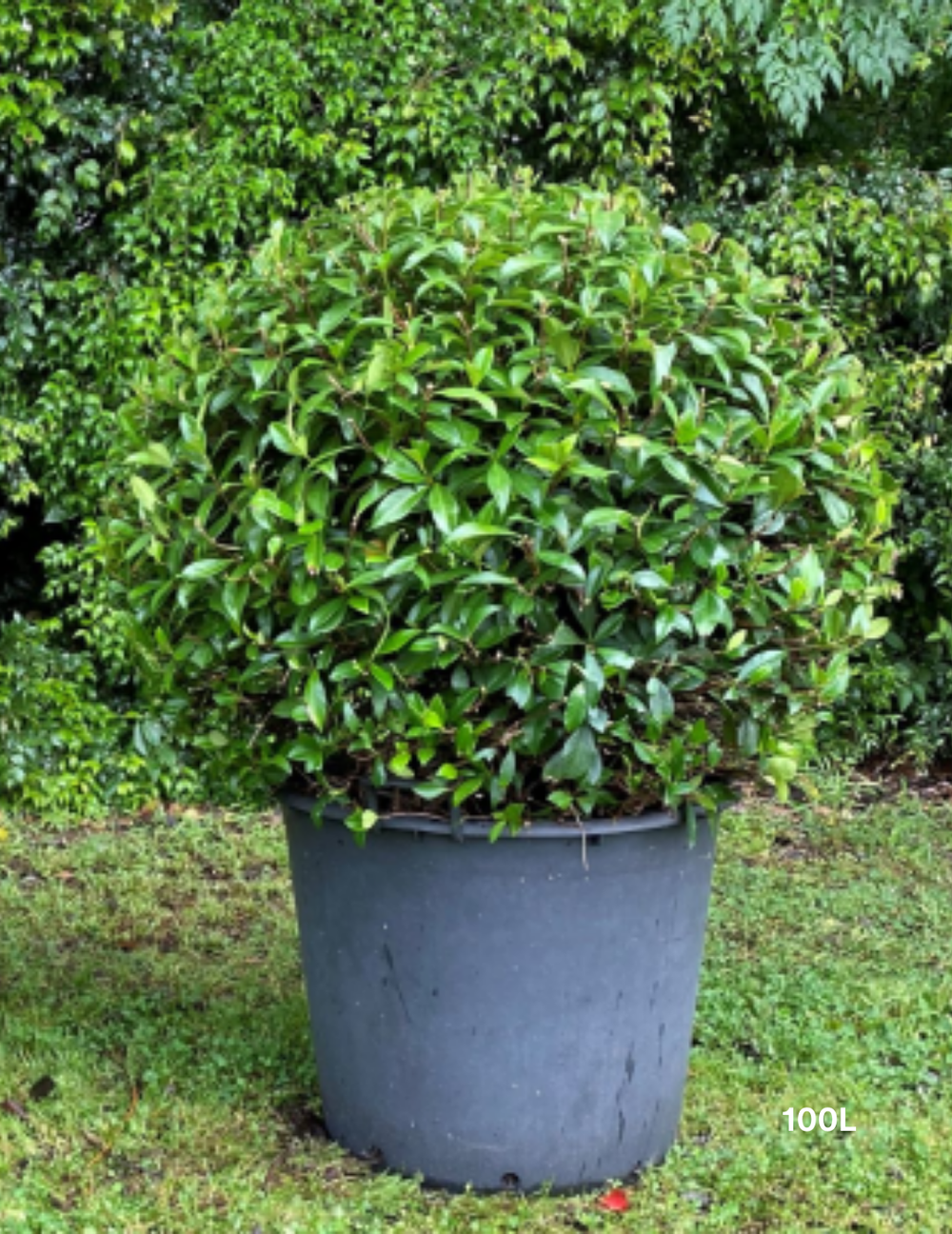
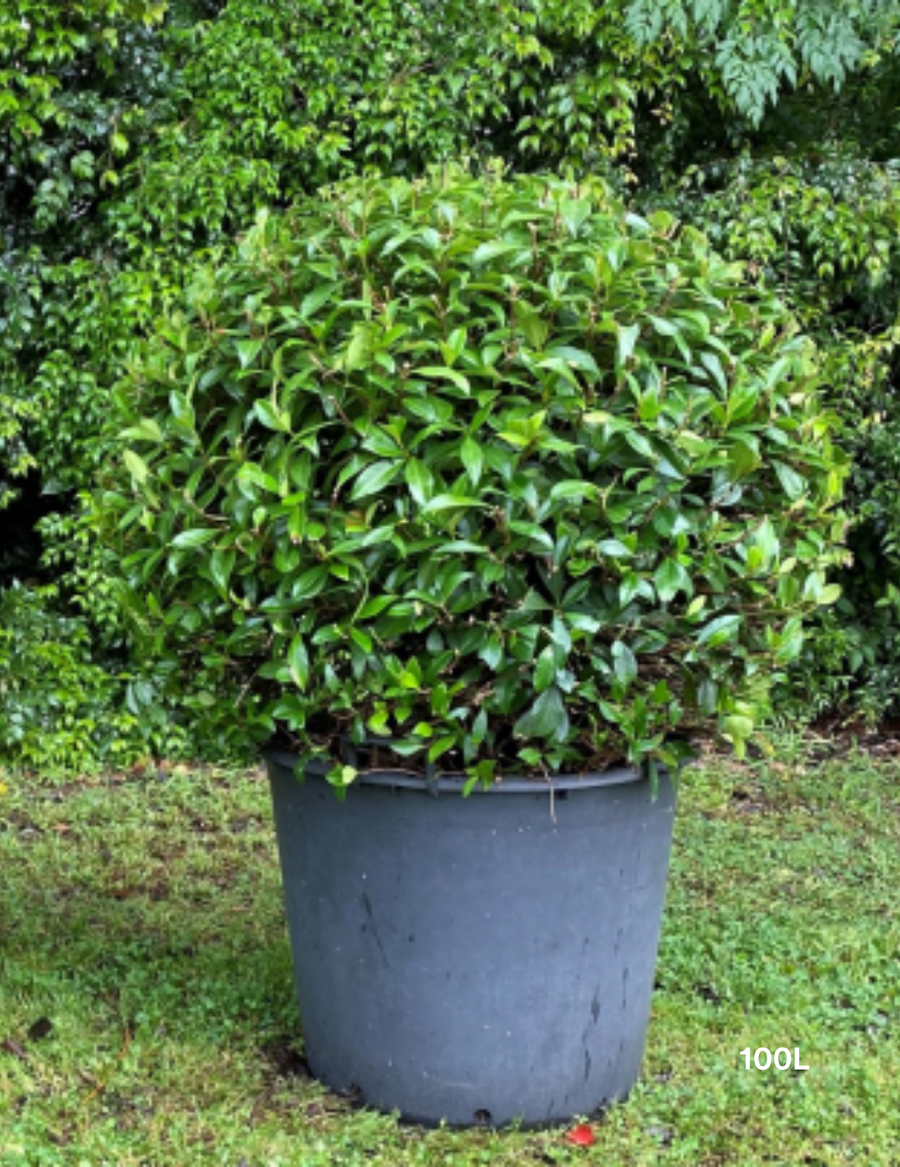
Camellia sasanqua 'Gay' is a white-flowering sasanqua camellia, supplied here as an advanced specimen. At this size it does the job a hedge or a feature planting is meant to do on the day it goes in, rather than in three years.
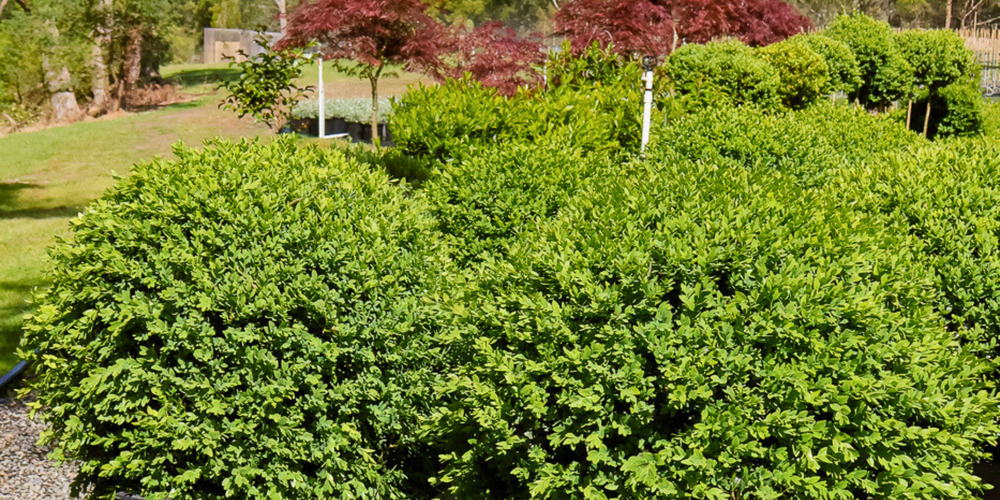
Sasanqua camellias earn their place in Australian gardens for two reasons. They flower through autumn and winter, when very little else is out, and unlike the japonica camellias they take full sun without scorching. The foliage is small, glossy and dark, held densely along the stems right down to ground level, so a hedge stays solid at the base instead of going bare and leggy.
It wants free-draining, slightly acidic soil with organic matter worked through, and full sun to part shade. Established plants take light to moderate frost and moderate coastal exposure. Trim after flowering finishes, before the next season's buds set.
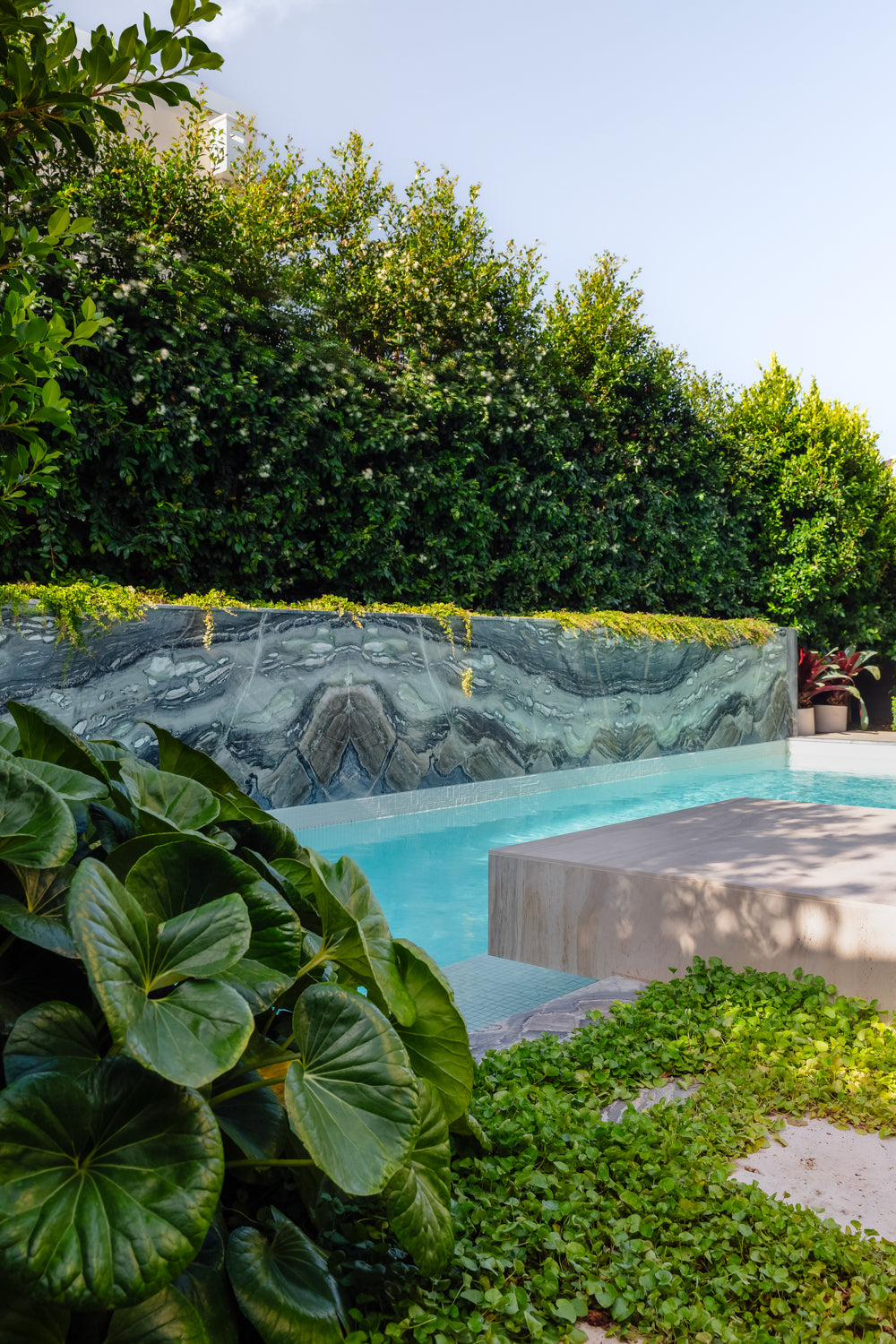
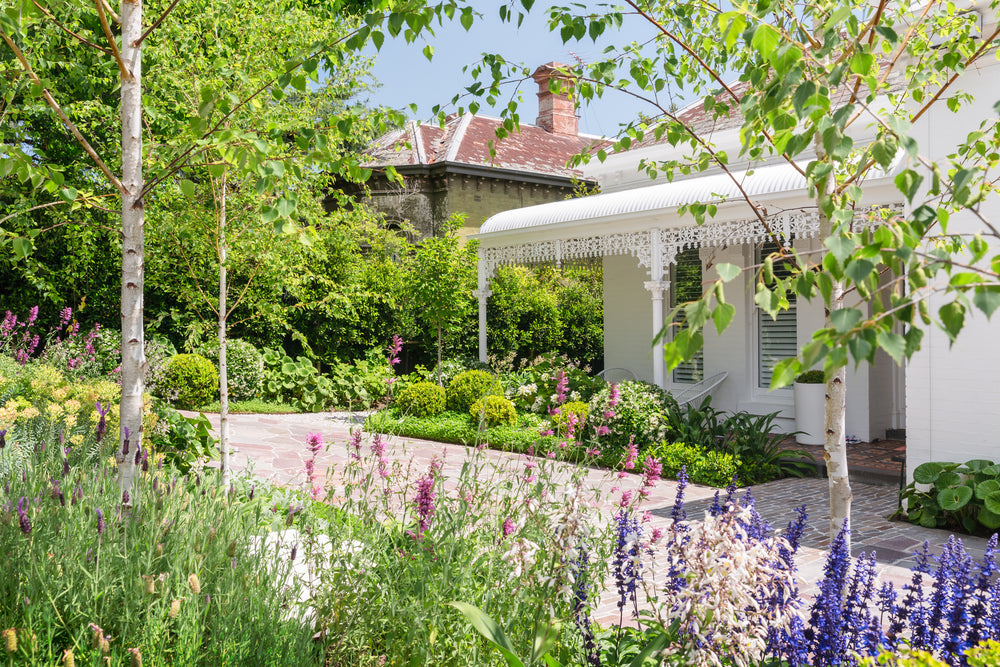
Use it as a boundary hedge, a screen between houses, a clipped block in a formal scheme, or a single specimen near a path or entry. In a large pot it holds its shape for years.
Frequently Asked Questions
About Camellia sasanqua 'Gay'
What colour are the flowers?
White. Like other sasanquas the flowers open through autumn and winter and fall cleanly as they finish, rather than browning off on the plant, which keeps the display tidy over a long season.
When does it flower?
Through autumn and into winter, roughly April to July depending on the district. That is the main reason sasanquas are planted so widely here: they carry the garden through the months when almost nothing else is in flower.
How is a sasanqua different from a japonica camellia?
Sun tolerance and timing. Sasanquas take full sun without scorching and flower in autumn and winter. Japonicas need shade or filtered light and flower later, through winter into spring. Sasanquas also carry smaller, glossier leaves, which is why they clip into a better hedge.
What does the 90L size give me?
Years of growing time you do not have to wait through. A 90L specimen is well past the establishment phase, so a screen or hedge reads as finished from the start and a feature plant has presence immediately. It is the size to choose when the planting has to look complete rather than promising.
Is it frost tolerant?
Once established, yes, to light and moderate frost without damage to foliage or flower buds. Young plants benefit from protection through their first winter in heavily frost-prone inland positions.
What soil does it need?
Free-draining and slightly acidic, ideally pH 5.5 to 6.5, with organic matter worked through before planting. Alkaline soil causes iron deficiency and yellowing between the leaf veins. Improve heavy clay with coarse sand and compost, or plant on a raised mound.
How do I care for it?
Trim after flowering finishes, taking new growth back to shape before the next season's buds set. Feed with a camellia and azalea fertiliser at that time, maintain mulch over the shallow roots, and water deeply during dry weather. Hedges benefit from a second light trim in late summer.