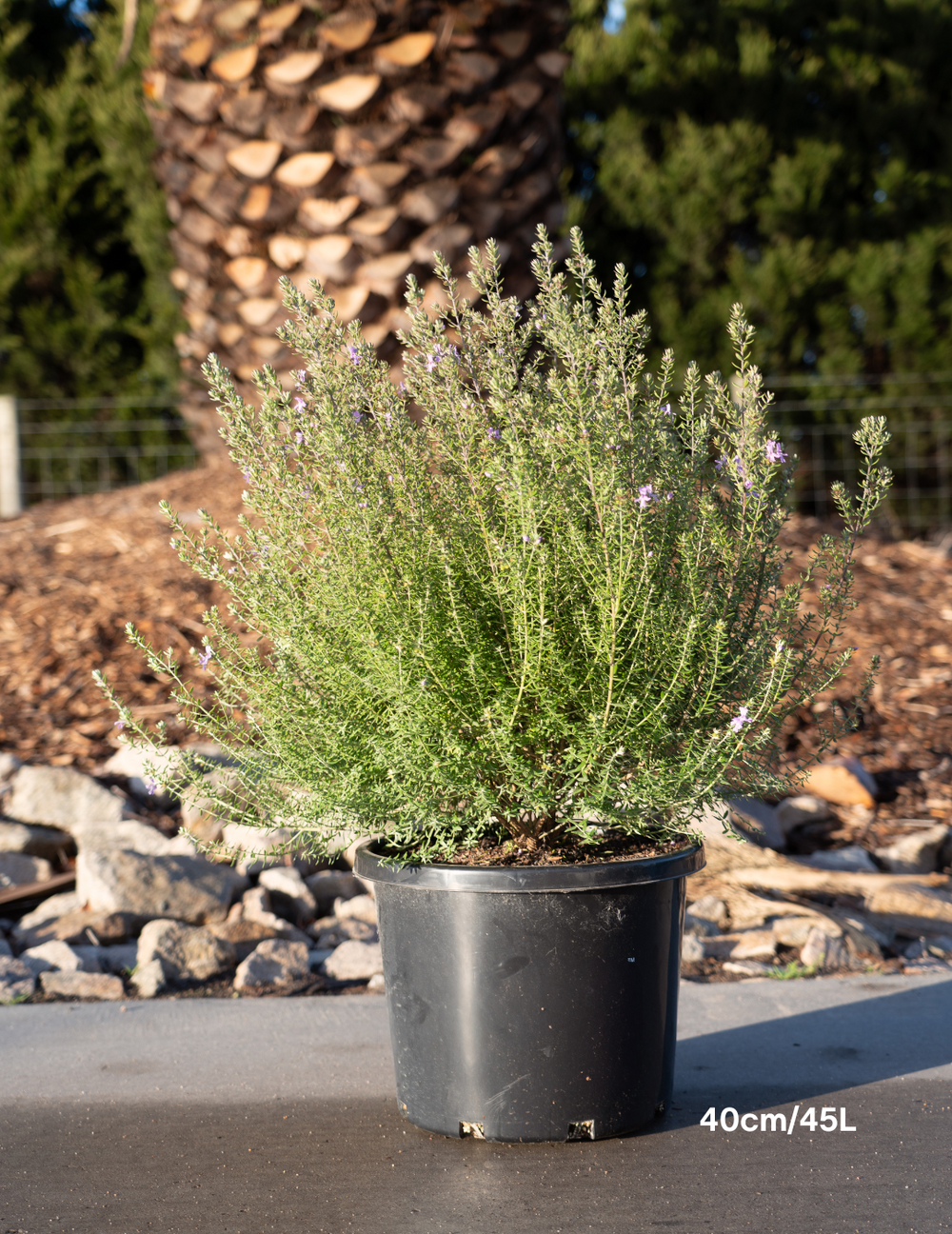
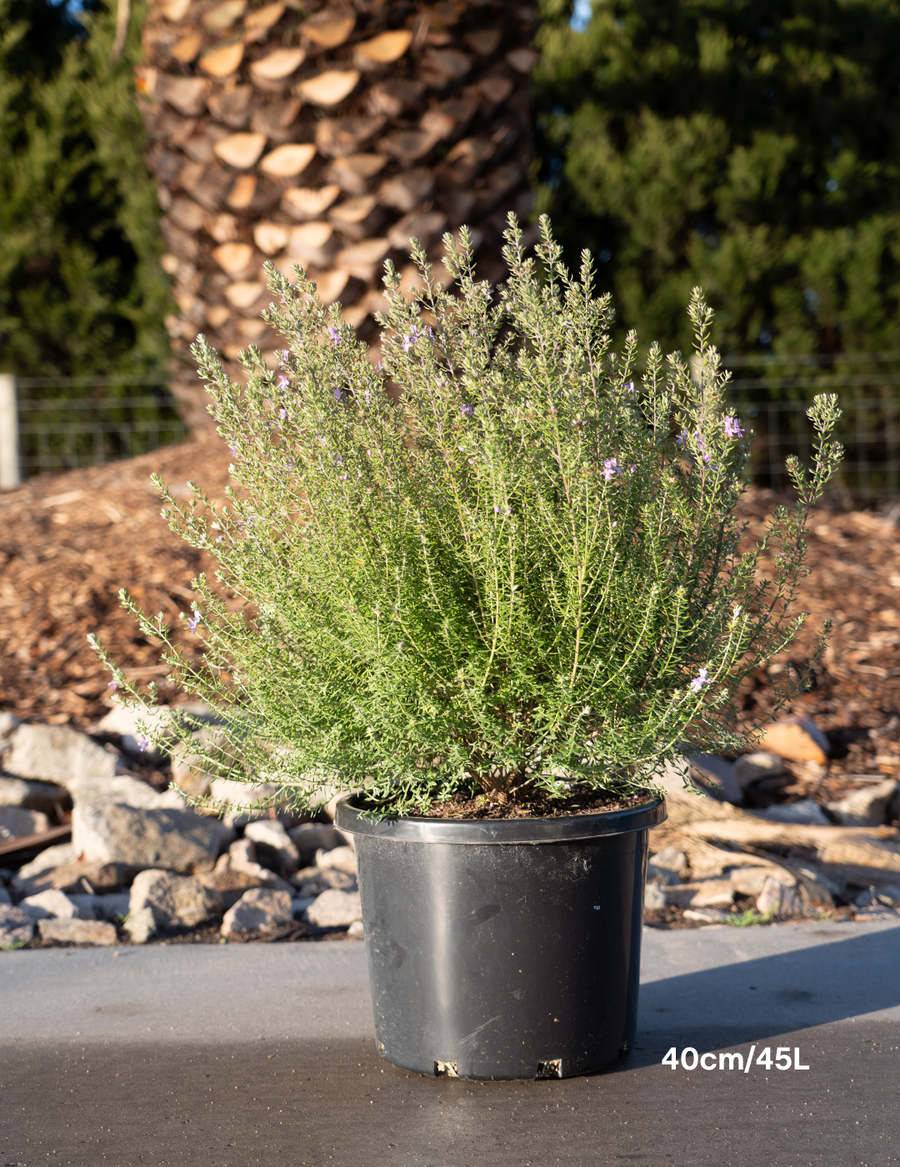
- Mature height
- 2m to 4m
- Mature width
- 2m to 3m
Camellia japonica 'Tama-no-ura' is an evergreen shrub with single crimson flowers finished with a crisp white picotee edge, originally found as a wild plant in the mountains of Japan. The blooms are cup shaped with a neat column of stamens, and the foliage is fine and glossy.
The habit is lighter and more open than most japonicas, growing 20 to 50 cm a year. It wants filtered light, acidic well drained soil, and shelter from wind that would batter the delicate petals. Light to moderate frost is tolerated once established, suiting cool and warm temperate districts across southern Australia.
Gardeners plant it as a specimen where the flowers can be seen close up, since the white edging is lost at a distance. It works beside a path, in a shaded courtyard, or in a Japanese influenced garden. The open habit also makes it a good candidate for espalier against a shaded wall.
Frequently Asked Questions
About Tama-no-ura Camellia
What is Camellia japonica 'Tama-no-ura'?
An evergreen flowering shrub with single, cup shaped crimson blooms edged in white, originally found growing wild in Japan and propagated from that one plant. Foliage is glossy and finer than most japonicas, and the habit is more open, which suits the way the flowers are best appreciated.
How big does Tama-no-ura Camellia grow?
About 2 to 3 metres tall and 1.5 to 2 metres wide in the ground, reached slowly. The natural habit is open and slightly arching rather than dense, so it takes up less visual space than the dimensions suggest. Prune after flowering if you want a tighter, more compact outline.
When does it flower?
Winter into spring, generally June through September, and often a little earlier than the large formal double japonicas. Each single flower is short lived but the plant carries a long succession of them. The white margin is most defined in cooler weather and can narrow on late season blooms.
Where does it grow best in Australia?
Cool and warm temperate gardens suit it, including Melbourne, Hobart, Adelaide, Canberra, Sydney, the Dandenongs and the New South Wales tablelands. It also grows in the Perth hills with irrigation. It is not suited to the tropics or hot arid inland regions, where summer heat and dry air stress the plant.
Is it frost tolerant?
Yes, light to moderate frost is handled once established. The single flowers are more exposed than a double bloom, so a heavy frost will mark open petals. Planting where morning sun does not strike frosted buds directly, such as a south or west facing bed with overhead shelter, protects the display.
Does it have invasive roots?
No. The root system is shallow and fibrous, without the aggressive spreading roots that cause trouble near drains, paving or foundations, so it can be planted close to structures. The flip side is that those surface roots dislike competition and digging, so mulch around the base instead of cultivating.
How do I prune and care for Tama-no-ura?
Prune lightly in spring once flowering ends, taking out crossing wood rather than shearing, so the open character is kept. Mulch well, water through summer while buds form, and feed with an acidic fertiliser after pruning. Clear fallen petals in wet weather to reduce the chance of petal blight.