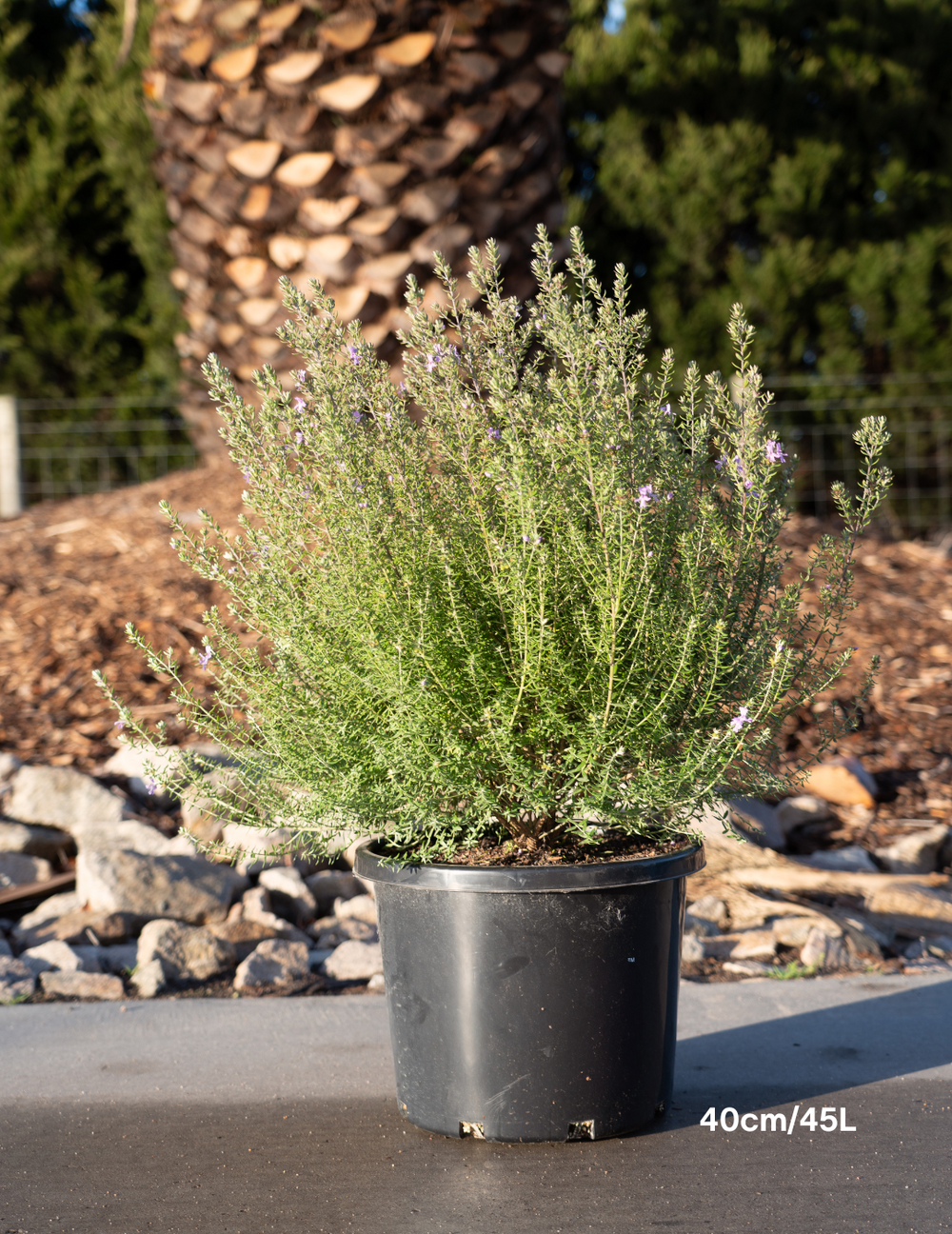
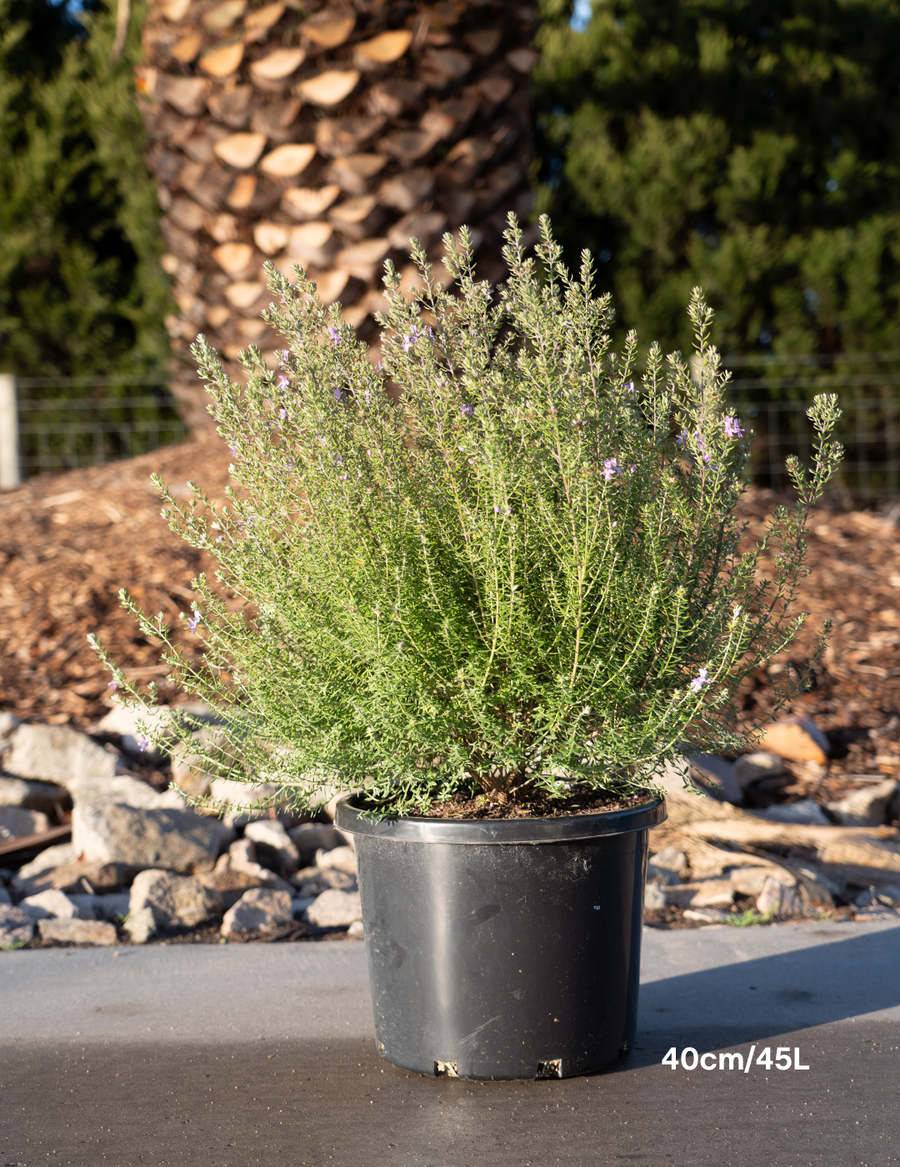
- Mature height
- 2m to 4m
- Mature width
- 2m to 3m
Camellia japonica 'Minato-no-Akebono' is a Japanese raised evergreen shrub with blush pink semi double flowers, softly layered petals and golden centres. It is one of the few japonica camellias with a genuine fragrance. Foliage is glossy and mid green, and the plant grows upright and dense with a naturally tidy outline.
Give it dappled shade or gentle morning sun, in acidic, humus rich soil that drains freely and stays evenly moist. It suits cool and warm temperate districts and takes light to moderate frost once established. Growth is moderate at 20 to 50 cm a year, which keeps the shape neat with minimal cutting.
The fragrance is the reason to plant it close to where people sit or walk, so courtyards, entry gardens and paths through woodland style planting all make sense. It also works in a large pot beside a door. For a buyer, the scent adds something most winter flowering shrubs simply do not offer.
Frequently Asked Questions
About Minato No Akebono Camellia
What is Camellia japonica 'Minato-no-Akebono'?
It is a Japanese bred camellia cultivar with soft blush pink semi double flowers and gold centres, notable for being one of the genuinely fragrant japonica types. The shrub is evergreen with glossy foliage and a dense, upright habit. The name translates roughly as dawn over the harbour.
How big does Minato No Akebono Camellia grow?
It reaches around 2 to 3 metres tall and 1.5 to 2 metres wide at maturity, which places it at the more manageable end of the japonica range. Growth is slow enough that a young plant stays well under that size for many years, and pruning holds it lower if needed.
Does it need sun or shade?
Dappled shade or soft morning sun. The pale flowers mark in strong afternoon light and the fragrance carries better in a sheltered, still position. A spot under high tree canopy or on an east facing wall gives good flowering without exposing the blooms to heat.
Where does it grow best in Australia?
Cool and warm temperate gardens across Victoria, Tasmania, southern New South Wales, the Adelaide Hills and coastal Sydney suit it well, as do elevated subtropical areas such as the Southern Highlands and Blue Mountains. It struggles in hot arid inland climates and in the humid tropics where flower blight is common.
Is it evergreen or deciduous?
Evergreen, holding glossy foliage all year with no seasonal bare period. Old leaves are shed a few at a time and replaced by new growth flushing in spring. This makes it dependable wherever a planting needs to look furnished in winter as well as summer.
How do I prune it?
Prune within a few weeks of the last flower dropping, generally in early spring. Remove dead wood, thin congested growth from the centre and tip back any shoots breaking the outline. Do not prune in summer or autumn, since flower buds for the coming season are already set by then.
How do I care for Minato No Akebono Camellia?
Mulch well and keep soil moisture even, especially through the summer bud setting period. Apply a camellia and azalea fertiliser once flowering finishes and again in late summer if growth is weak. Avoid lime and alkaline runoff near the root zone, which causes yellowing between the leaf veins.