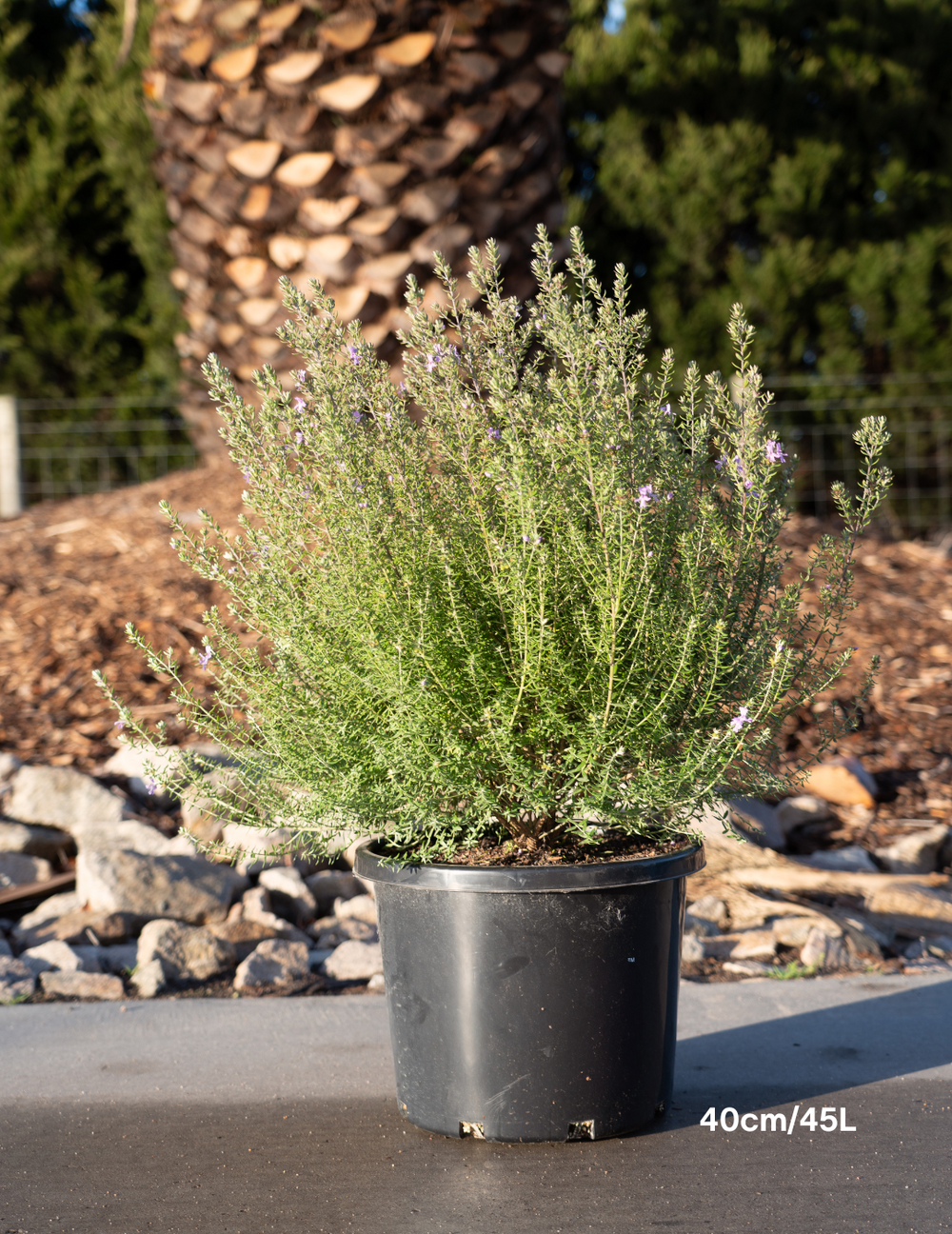
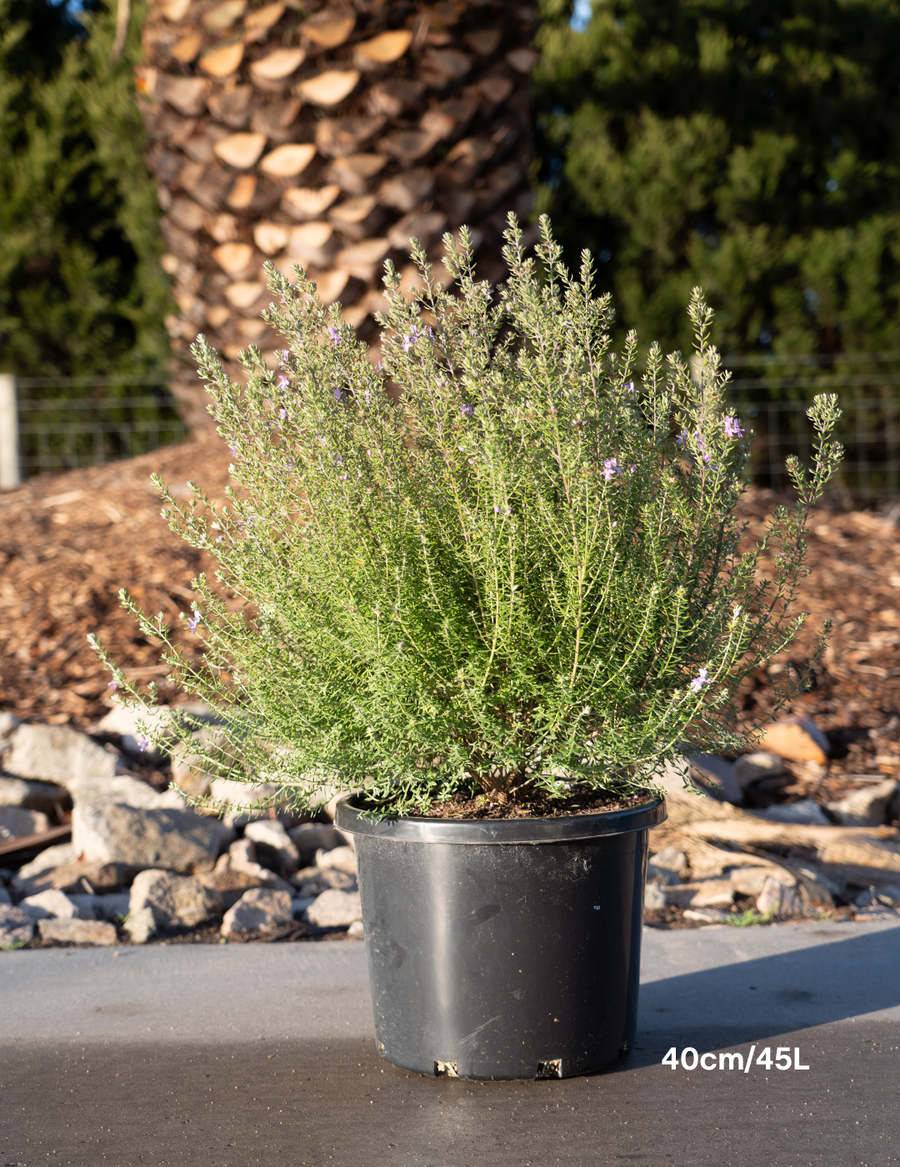
- Mature height
- 30cm to 40cm
- Mature width
- 40cm to 60cm
Agave victoriae-reginae, the Queen Victoria Agave, forms a dense dome of short stiff leaves in deep green, each one pencilled with fine white lines along its keel and margins. The rosette is close to geometric, and the white markings against dark green make it one of the most collected of all agaves.
Full sun to light shade and very sharp drainage suit it best; it resents wet soil far more than cold. Growth is genuinely slow, a few centimetres a year, and a specimen takes many seasons to fill out. It is among the hardiest agaves, handling moderate frost, and needs almost no water once established.
This is a plant for close viewing: a glazed pot beside a seat, a pocket in a rock garden, or a group of three in a courtyard bed. The compact habit means it will never outgrow a small space, which makes it dependable in courtyards, roof terraces and narrow entry beds.
Frequently Asked Questions
About Queen Victoria Agave
What is Queen Victoria Agave?
Agave victoriae-reginae is a compact Mexican succulent forming a dense dome of short, stiff, dark green leaves. Each leaf is marked with fine white lines along its keel and margins, and the rosette is close to geometric. It is evergreen, very slow growing, and among the most sought after agaves for small spaces.
How big does Queen Victoria Agave grow?
It matures at about 30 to 40 centimetres high and 40 to 50 centimetres wide, forming a tight ball, and it takes many years to reach that size. Because the final dimensions are so predictable it is easy to place in a designed bed, and it will not outgrow the space allocated to it.
How fast does it grow?
Slowly, and there is no way around it. A few centimetres a year is normal, and a plant can take ten years or more to reach full size. That is why advanced specimens are valued. Buy the largest size your project allows rather than expecting a small plant to catch up quickly.
Does it need sun or shade?
Full sun suits it in most districts, and it also accepts light dappled shade without losing form. Drainage matters far more than aspect. In humid subtropical gardens, a position with morning sun and afternoon shade, sheltered from summer downpours, gives the most reliable result. Avoid dense shade, which loosens the rosette.
Is it frost tolerant?
Yes. It is one of the hardiest agaves and established plants take moderate frost, which makes it usable in Canberra, the New South Wales tablelands and inland Victoria. The condition is sharp drainage, since cold wet soil rots the crown where cold dry soil does no harm. Plant high and mulch with gravel.
Can it be grown in pots?
It is close to ideal in a pot. The compact rosette suits a 30 to 40 centimetre glazed container, the slow growth means infrequent repotting, and a pot lets you control drainage completely. Use a gritty succulent mix, water only when it has dried out, and keep it clear of prolonged winter rain.
How do I care for Queen Victoria Agave?
Keep it dry and it needs nothing else. Plant in raised free-draining soil, water sparingly in summer and hardly at all in winter, and skip heavy fertiliser, which produces soft growth and spoils the tight form. Remove old lower leaves cleanly at the base and check occasionally for mealybug in the leaf axils.