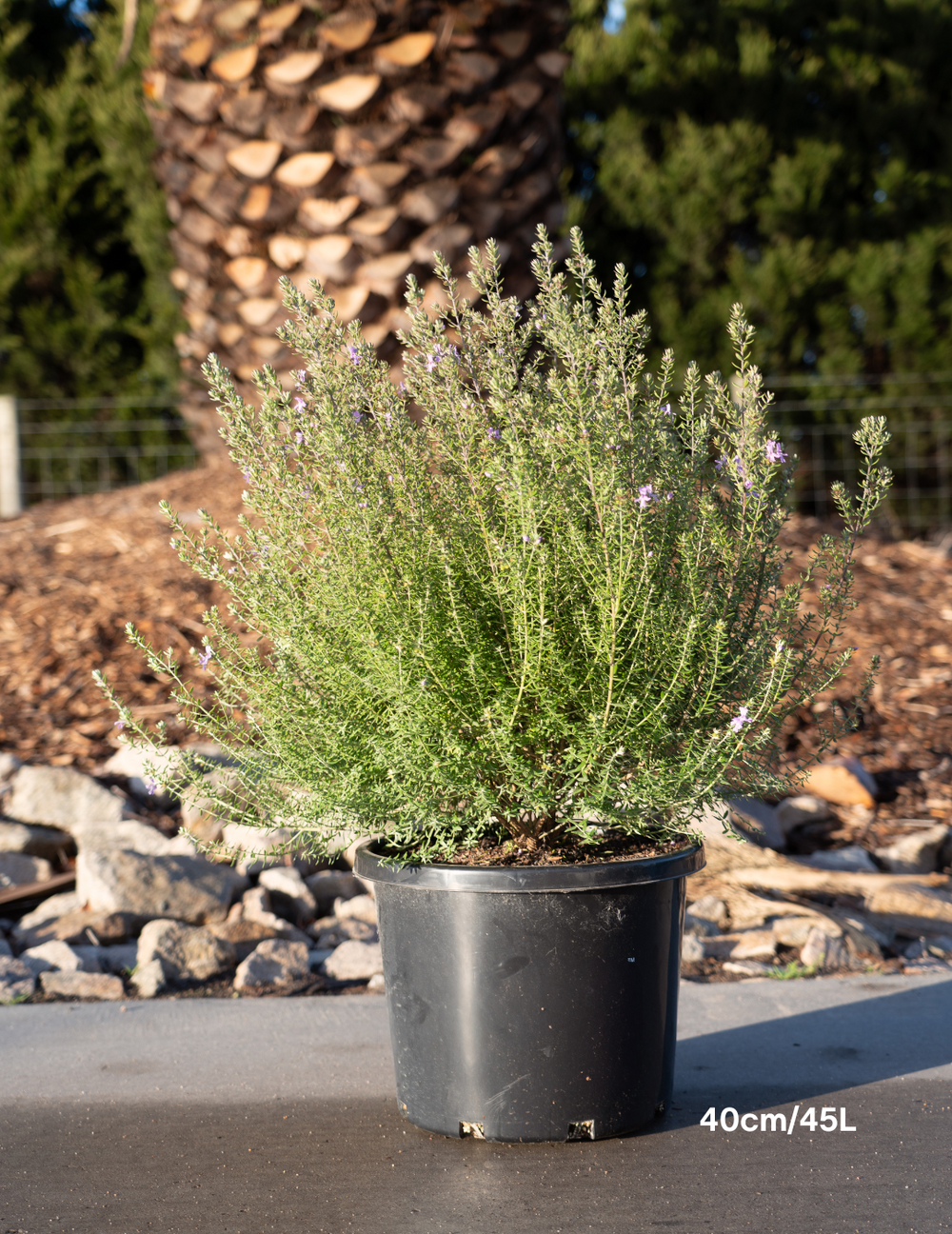
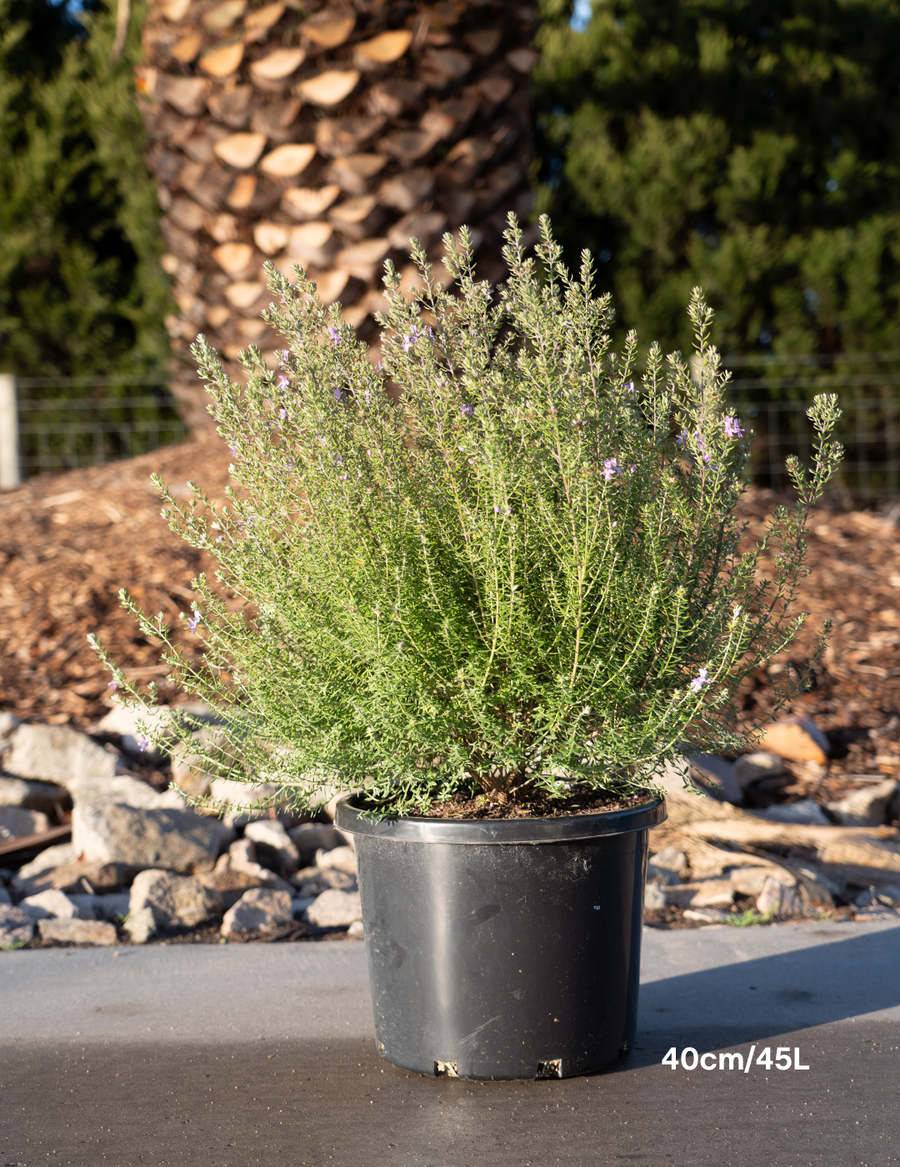
- Mature height
- 80cm to 1.2m
- Mature width
- 1.5m to 2m
Agave gypsophila 'Blue Curl' is grown for its broad blue-grey leaves, which wave and twist along their length so that no two sit the same way. The rosette is loose and sculptural rather than rigid, with fine teeth picking out each undulating margin. Few agaves look this animated.
It wants full sun and free-draining soil, and the blue colouring deepens under strong light. Coastal, warm temperate and subtropical gardens suit it well, humid districts included. Growth is moderate at 20 to 40 centimetres a year, drought tolerance is high, and frost tolerance is limited to a light touch.
The moving leaf edges give a planting a sense of motion that clipped or upright forms cannot match. Use it as a feature in gravel gardens, courtyards, coastal beds and wide pots, ideally where low sun can rake across the foliage. One plant is usually enough in a small space.
Frequently Asked Questions
About Blue Curl Agave
What is Blue Curl Agave?
It is a selected form of Agave gypsophila, a Mexican species with soft, wavy leaves. 'Blue Curl' takes that further, producing broad blue-grey leaves that undulate and curl strongly along their length. The result is an open, sculptural rosette quite unlike the stiff, upright agaves most people picture.
How big does it grow?
Roughly 0.6 to 0.8 metres tall and 1 to 1.2 metres across at maturity, though the curling leaves make the spread look larger than it measures. Offsets form slowly at the base. Allow at least a metre of clear ground around each plant so the leaf movement is not interrupted.
Does it grow in humid climates?
Better than most agaves. Agave gypsophila comes from a summer rainfall region, so it copes with the humidity of Brisbane and coastal New South Wales better than dry country species do. Drainage still has to be sharp, and a raised bed or mound is worth the effort in heavy clay.
Is it frost tolerant?
Only lightly. Established plants take a brief, light frost, but the soft foliage marks quickly and sustained cold below about minus two degrees will damage the crown. Treat it as a plant for frost free coastal and subtropical gardens, or grow it in a pot that can be sheltered over winter.
Is it evergreen or deciduous?
Evergreen. The foliage is held year round and there is no dormant period. Older outer leaves gradually dry off and are cut away at the base, but the rosette stays furnished at all times. That reliability is why it is used where a planting has to look complete through winter.
Are the leaves sharp?
The margins carry small, fine teeth and there is a spine at each leaf tip, but the leaves themselves are soft and flexible rather than rigid. It is not a dangerous plant in the way that Agave americana is, though it still pays to set it back from paths where children play.
How do I care for Blue Curl Agave?
Water it through the first summer, then only in dry spells. Remove spent lower leaves cleanly at the base. Keep mulch off the crown and make sure water drains away quickly after storms. A light slow release fertiliser in spring supports growth, but the plant gets by without it.