



Skip to content

VOLUME DISCOUNTS APPLY AUTOMATICALLY AT CHECKOUT.

All stock is grown, maintained and graded in strict accordance with AS 4373-2007, Australian Standard for Nursery Stock.

Top Windbreak Trees for Coastal Areas: 12 Picks That Filter Salt-Laden Wind and Protect the Garden

Top Windbreak Trees for Coastal Areas: 12 Picks That Filter Salt-Laden Wind and Protect the Garden

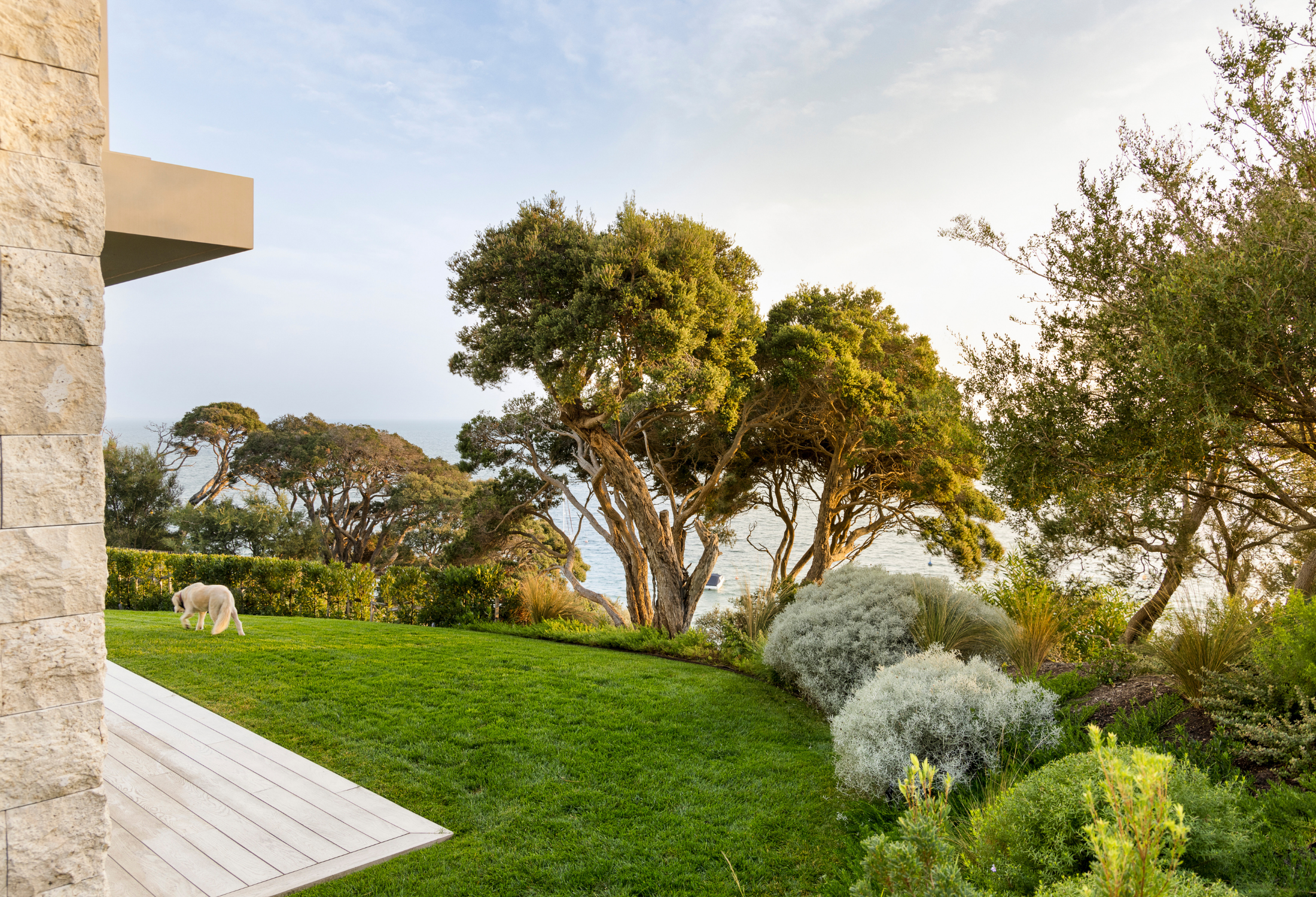
A coastal windbreak filters the salt-laden ocean wind off the back of the property and creates the sheltered microclimate that makes the rest of the garden possible. Ten reliable picks across fast formal conifers, classic native filters, soft secondary belts and habitat-rich inner layers. Match the species to your tier and orientation.

Australian NativesCoastalWindbreak

A coastal windbreak does two things: it filters the wind (the goal is to slow it down, not block it solidly) and it creates a sheltered microclimate behind it where the rest of the garden actually works.

The single biggest mistake on coastal windbreaks is planting a solid impenetrable wall. Solid barriers create violent turbulence on the leeward side, which can damage gardens worse than the wind itself. The right windbreak filters wind smoothly, which extends the protected zone behind the planting to 8 to 10 times the tree's height.

Three things determine the right coastal windbreak: tier within the windbreak (fast outer formal, fine filtering middle, habitat inner edge), salt and wet-tolerance for your specific site, and property scale (small block vs rural windbreak).

The twelve picks

Ordered by windbreak tier: fast formal outer wall, classic native filter, native canopy, secondary belt, refined feature layer, inner habitat layer.

  1. Cupressus 'Better Green': improved Leyland Cypress, fastest tall formal coastal windbreak.
  2. Casuarina cunninghamiana (River Sheoak): classic fine-textured native windbreak, filters rather than blocks.
  3. Leptospermum laevigatum (Coastal Tea Tree): the iconic native that grows directly on the dunes, total ocean exposure tolerance.
  4. Podocarpus elatus (Plum Pine): native conifer in hedging form, formal native windbreak.
  5. Waterhousea floribunda: soft tall native secondary windbreak belt.
  6. Acacia pendula (Weeping Myall): refined weeping silver-grey native, windbreak that doubles as feature.
  7. Banksia 'Sentinel': narrow native habitat layer for the inner windbreak edge.
  8. Acacia melanoxylon (Blackwood): fast native canopy for immediate windbreak protection.
  9. Callistemon 'Kings Park Special': flowering native mid-height windbreak, honeyeater habitat.
  10. Melaleuca quinquenervia (Paperbark): wet-tolerant native for low-lying coastal sites.
  11. Juniperus 'Spartan': formal evergreen conifer for architectural windbreak rhythm.
  12. Laurus 'Miles Choice' Bay: formal Mediterranean coastal-tolerant hedge with culinary Bay leaves.

Compare at a glance

CultivarHeightWidthFormFoliageBest if you…
Cupressus leylandii 'Better Green'
Better Green Leyland Cypress
6 to 10m+ (clip to size)1.5 to 2mUpright dense conifer, clippableDense bright green scale conifer, evergreenFast tall formal coastal windbreak, boundary protection, primary outer belt, screening from prevailing winds.
Casuarina cunninghamiana
River Sheoak
10 to 20m5 to 8mTall upright with gracefully drooping foliageFine drooping dark green needle-like branchletsPrimary coastal windbreak belt, fine-textured filtering layer, large rural and acreage windbreak planting, soil-improving native.
Podocarpus elatus
Plum Pine / Brown Pine
6 to 10m (clip to size)3 to 4mUpright pyramidal, clippable for formal hedgingDense dark green strappy needles, evergreenFormal native windbreak hedges, salt-tolerant native screen, edible-fruit native feature with screening utility.
Waterhousea floribunda
Weeping Lilly Pilly
6 to 8m3 to 4mSoft weeping rounded canopySoft pendulous green willow-like, evergreenSoft secondary windbreak belt, gardens that don't want a hard formal wall, tall native canopy behind faster-establishing outer belt.
Banksia integrifolia 'Sentinel'
Sentinel Coast Banksia
5 to 6m1.5 to 2mNarrow columnarDark green with silver undersides, evergreenInner edge of layered windbreak, year-round honeyeater habitat, narrow vertical accent in tight coastal beds.
Acacia melanoxylon
Blackwood
8 to 15m5 to 8mUpright spreading canopyDark green phyllodes (modified leaves), evergreenFast-impact native windbreak canopy, immediate windbreak protection while slower species establish, native habitat layer.
Callistemon 'Kings Park Special'
Kings Park Special Bottlebrush
3 to 5m2 to 4mUpright denseNarrow green leaves, evergreenMid-height flowering windbreak layer, honeyeater habitat in coastal gardens, fast native colour.
Melaleuca quinquenervia
Broad-leaved Paperbark
6 to 10m4 to 6mUpright canopy with feature papery trunksLanceolate evergreen leavesLow-lying coastal sites that flood occasionally, wet-soil windbreak, feature bark plus habitat.
Juniperus chinensis 'Spartan'
Spartan Juniper
4 to 6m1 to 1.5mStrict upright pyramidalDense scale-like blue-green, evergreenFormal upright coastal windbreak, architectural rhythm planting, narrow side-of-property windbreak.
Laurus nobilis 'Miles Choice'
Miles Choice Bay Tree
3 to 5m (clip to size)1.5 to 2mUpright dense, fully clippableThick aromatic dark green, evergreenFormal Mediterranean coastal windbreak hedge, inner-edge windbreak layer, edible Bay leaf for kitchen use.
Leptospermum laevigatum
Coastal Tea Tree
4 to 6m3 to 4mSoft natural form with twisted sculptural trunkFine grey-green leaves, evergreenDirect ocean exposure, primary coastal windbreak on harshest sites, anchoring sand dunes, sculptural feature for coastal gardens.
Acacia pendula
Weeping Myall
6 to 10m4 to 6mGraceful weeping with pendulous foliageSoft silver-grey weeping phyllodes (modified leaves)Refined coastal windbreak feature, silver-toned native, secondary windbreak layer that doubles as a feature tree.
Filter the wind, do not block it solidly
The single biggest windbreak design mistake is planting a solid impenetrable wall. Solid barriers (Italian Cypress, formal Ficus hillii hedge) actually create violent turbulence on the leeward side that can damage the garden worse than the original wind.

The right windbreak filters wind smoothly. Fine-textured species (Casuarina, Allocasuarina) are best for the filtering layer. The protected zone behind a properly filtering windbreak extends 8 to 10 times the tree's height downwind.
Layer the windbreak in tiers
A working coastal windbreak is at least three tiers deep, not a single row.

Tier 1 (windward outer, fast formal): Cupressus 'Better Green', Juniperus 'Spartan'.

Tier 2 (filtering middle): Casuarina cunninghamiana, Acacia melanoxylon, Melaleuca quinquenervia.

Tier 3 (soft secondary belt): Waterhousea, Callistemon, Podocarpus.

Tier 4 (inner habitat layer): Banksia 'Sentinel', Laurus 'Miles Choice' Bay.

Most coastal properties need at least Tiers 1, 2 and 4 for effective wind protection.
Salt tolerance matters
Not all evergreens handle direct coastal salt exposure. Pick species that evolved for it.

Full direct ocean exposure: Casuarina, Banksia, Callistemon, Melaleuca, Laurus, Cupressus 'Better Green'.

Tolerates moderate coastal salt: Acacia melanoxylon, Podocarpus, Waterhousea, Juniperus 'Spartan'.

For properties directly facing the ocean with no buffer, lean heavily on the first list for the outer tier.
Wet vs dry coastal sites
Coastal sites vary from sandy free-draining dunes to low-lying floodplain.

Dry sandy coastal: Banksia 'Sentinel', Casuarina, Acacia melanoxylon, Cupressus 'Better Green'.

Wet or seasonally damp: Melaleuca quinquenervia, Waterhousea floribunda.

Adaptable both ways: Podocarpus, Callistemon, Juniperus 'Spartan', Laurus 'Miles Choice' Bay.
Spacing for windbreak density
Tighter spacing fills the windbreak faster and creates denser filtering.

Fast formal outer wall (Cupressus, Juniperus, Bay): 1m spacing.

Casuarina, Acacia, Melaleuca (filtering middle): 2 to 3m spacing.

Waterhousea, Callistemon, Podocarpus (secondary): 1.5 to 2m.

Banksia 'Sentinel' (inner habitat): 1.5m.

Plant denser than feels intuitive, get a working windbreak faster.

1. Cupressus leylandii 'Better Green' (Better Green Leyland Cypress)

Better Green is the improved disease-resistant Leyland Cypress and the fastest tall formal windbreak we sell. Dense bright green scale foliage forms a thick wall in 18 to 24 months, the species handles coastal salt, frost and drought, and the disease-resistant cultivar avoids the issues that plagued older Leighton Green plantings. The conifer windbreak workhorse.

Type
Fast-growing evergreen conifer windbreak
Height
6 to 10m+ (clip to size)
Width
1.5 to 2m
Growth rate
Very fast
Foliage
Dense bright green scale conifer, evergreen
Flowers
Insignificant
Form
Upright dense conifer, clippable
Conditions
Full sun, well-drained soil, coastal salt tolerant, frost and drought hardy
Maintenance
Two clips per year to maintain formal windbreak
Best for
Fast tall formal coastal windbreak, boundary protection, primary outer belt, screening from prevailing winds.

Why choose it

Few species deliver a thick tall windbreak faster than Better Green. Planted at 1m spacing, the trees close into a solid wall in under two years, which means immediate protection from the prevailing wind. The improved disease resistance over older Leighton Green means the wall stays healthy long-term. The conifer foliage handles direct coastal salt exposure that defeats most exotic species.

Perfect pair

Plant as the outer fast-formal belt of a layered windbreak. Combine with Casuarina cunninghamiana as the fine-textured filtering layer behind, then Banksia 'Sentinel' for habitat at the inner edge.

Tips for planting

Plant at 1m spacing for the densest fast windbreak. Two clips per year (spring and autumn) to maintain a formal wall. Tolerates direct coastal exposure.

The fastest tall formal coastal windbreak.

Shop Cupressus leylandii 'Better Green'

2. Casuarina cunninghamiana (River Sheoak)

The River Sheoak is the classic Australian native windbreak. Fine drooping needle-like foliage (actually modified branchlets) filters wind beautifully rather than blocking it solidly, which prevents the turbulence that ruins gardens behind dense barriers. Salt-tolerant, drought-hardy, fast-establishing, and the species adds nitrogen to the soil as a bonus. The fine-textured workhorse of every coastal windbreak.

Type
Classic fine-textured native windbreak tree
Height
10 to 20m
Width
5 to 8m
Growth rate
Fast
Foliage
Fine drooping dark green needle-like branchlets
Flowers
Small reddish flowers, woody seed cones
Form
Tall upright with gracefully drooping foliage
Conditions
Full sun, adaptable soil, very coastal-tolerant, drought hardy
Maintenance
Almost none. Self-shaping.
Best for
Primary coastal windbreak belt, fine-textured filtering layer, large rural and acreage windbreak planting, soil-improving native.

Why choose it

The single best feature of Casuarina for windbreak duty is the fine-textured foliage that slows wind without blocking it solidly. Solid hedges (e.g. Italian Cypress) actually create violent turbulence on the leeward side that can damage gardens. River Sheoak filters wind smoothly, which extends the protection zone behind the windbreak by 8 to 10 times the tree height. Salt-tolerant, soil-improving (nitrogen-fixing), and one of the most reliable native windbreak species available.

Perfect pair

Plant as the primary windbreak belt at 2 to 3m spacing. Combine with Cupressus 'Better Green' as a fast formal outer wall, and Banksia 'Sentinel' for habitat at the inner edge.

Tips for planting

Plant at 2 to 3m spacing for primary windbreak. Tolerates coastal salt and dry conditions. No phosphorus fertiliser. Self-shaping, no clipping needed.

The classic fine-textured native coastal windbreak.

Shop Casuarina cunninghamiana

3. Podocarpus elatus (Plum Pine / Brown Pine)

The Plum Pine is the native conifer that handles coastal windbreak duty beautifully. Soft strappy dark green foliage on an upright habit clippable into formal hedging or screening form, fully frost hardy, and the species handles coastal salt and full sun without complaint. The native answer to a formal evergreen windbreak hedge.

Type
Evergreen native conifer windbreak hedge
Height
6 to 10m (clip to size)
Width
3 to 4m
Growth rate
Slow to moderate
Foliage
Dense dark green strappy needles, evergreen
Flowers
Insignificant; followed by edible purple plum-like fruit
Form
Upright pyramidal, clippable for formal hedging
Conditions
Full sun to part shade, adaptable soils, coastal-tolerant, frost hardy
Maintenance
Low. Clip annually to formalise as a hedging windbreak.
Best for
Formal native windbreak hedges, salt-tolerant native screen, edible-fruit native feature with screening utility.

Why choose it

Most natives have a slightly rustic look. Podocarpus elatus is the exception, clipping cleanly into formal hedging shape while remaining fully native, salt-tolerant and frost-hardy. The dense conifer foliage filters wind effectively, and the edible plum-like fruit through the warmer months adds bonus habitat and culinary value to a windbreak that also functions as feature planting.

Perfect pair

Plant as a clipped formal hedge along boundary lines, or in groves between Cupressus and Casuarina layers of a multi-tier windbreak. Combines with Laurus 'Miles Choice' Bay for layered formal native-Mediterranean windbreak.

Tips for planting

Light annual prune to formalise. Tolerates coastal exposure and full sun. Slow to establish but holds form for decades.

The native conifer windbreak that clips like a formal hedge.

Shop Podocarpus elatus

4. Waterhousea floribunda (Weeping Lilly Pilly)

Waterhousea is the soft tall native secondary windbreak. Pendulous willow-like foliage hangs gracefully, the canopy reaches 6 to 8m for taller jobs, and the soft form reads as natural rather than clipped formal. Works as the second layer behind a fast outer Cupressus or Casuarina belt, softening the windbreak silhouette and absorbing remaining wind.

Type
Tall soft native secondary windbreak
Height
6 to 8m
Width
3 to 4m
Growth rate
Moderate
Foliage
Soft pendulous green willow-like, evergreen
Flowers
Cream summer flowers
Form
Soft weeping rounded canopy
Conditions
Full sun to part shade, prefers moist soil, coastal-tolerant, frost tolerant
Maintenance
Very low. Natural form holds.
Best for
Soft secondary windbreak belt, gardens that don't want a hard formal wall, tall native canopy behind faster-establishing outer belt.

Why choose it

A secondary windbreak belt absorbs the remaining wind that gets through the primary outer layer. Soft-foliaged species like Waterhousea work best here because they're not creating turbulence themselves, just absorbing residual wind energy. The pendulous foliage moves with the wind rather than fighting it, which means less stress on the tree and more effective wind reduction in the protected zone.

Perfect pair

Plant as the second layer behind Casuarina cunninghamiana or Cupressus 'Better Green' on the windward edge.

Tips for planting

Plant at 1.5 to 2m spacing. Prefers consistent soil moisture. Mulch heavily. Light prune only.

The soft secondary belt that absorbs residual wind.

Shop Waterhousea floribunda

5. Banksia integrifolia 'Sentinel' (Sentinel Coast Banksia)

'Sentinel' is the narrow columnar Coast Banksia bred for tight native planting. Year-round yellow brush flowers fuel honeyeaters, silver-backed sclerophyll foliage holds form in coastal exposure, and the strict 1.5 to 2m wide habit means the tree fits at the inner edge of a windbreak without dominating the bed behind. Habitat value at the inner edge.

Type
Narrow columnar native habitat windbreak
Height
5 to 6m
Width
1.5 to 2m
Growth rate
Moderate
Foliage
Dark green with silver undersides, evergreen
Flowers
Year-round yellow brush flower spikes
Form
Narrow columnar
Conditions
Full sun, well-drained sandy soil, salt and drought tolerant
Maintenance
Almost none. Self-shaping columnar habit.
Best for
Inner edge of layered windbreak, year-round honeyeater habitat, narrow vertical accent in tight coastal beds.

Why choose it

Coast Banksias evolved on coastal sand dunes facing direct ocean wind, so they're built for the exact conditions a coastal windbreak protects against. 'Sentinel' brings that constitution into a narrow columnar form that fits at the inner edge of a layered windbreak without taking too much bed space. The year-round flowering makes the windbreak also a habitat for honeyeaters.

Perfect pair

Plant at the inner edge of a multi-layer windbreak, behind Waterhousea floribunda and Casuarina cunninghamiana.

Tips for planting

Plant at 1.5m spacing. Absolutely no phosphorus fertiliser. Mulch with eucalyptus chip.

Narrow native habitat layer for the inner windbreak edge.

Shop Banksia integrifolia 'Sentinel'

6. Acacia melanoxylon (Blackwood)

Blackwood is the fast-establishing native canopy windbreak. Dense evergreen foliage, fast growth to 10m+ for immediate windbreak impact, fragrant cream wattle flowers in spring, and the species is one of the few Australian timbers prized for cabinet making. A fast native canopy windbreak that doubles as honeyeater habitat.

Type
Fast native canopy windbreak
Height
8 to 15m
Width
5 to 8m
Growth rate
Fast
Foliage
Dark green phyllodes (modified leaves), evergreen
Flowers
Fragrant cream-yellow wattle flowers in spring
Form
Upright spreading canopy
Conditions
Full sun, well-drained soil, coastal-tolerant, frost hardy
Maintenance
Very low. Self-shaping.
Best for
Fast-impact native windbreak canopy, immediate windbreak protection while slower species establish, native habitat layer.

Why choose it

Few native canopy trees match Blackwood for establishment speed. The species reaches 8 to 10m within five years on a good site, which means immediate windbreak protection. The dense evergreen canopy effectively absorbs wind energy, and the spring flowering supports native bees and honeyeaters. A reliable fast windbreak option for properties that need immediate protection.

Perfect pair

Plant as a fast-establishing canopy belt while slower windbreak species (Podocarpus, Casuarina) establish, or as a back layer behind Casuarina cunninghamiana.

Tips for planting

Plant at 3 to 4m spacing for canopy interlock. Tolerates coastal exposure. Self-shaping. No phosphorus fertiliser.

Fast native canopy for immediate windbreak protection.

Shop Acacia melanoxylon

7. Callistemon 'Kings Park Special' (Kings Park Special Bottlebrush)

'Kings Park Special' is the dramatic flowering native bottlebrush. Vibrant red brush flowers attract honeyeaters and lorikeets through spring, dense evergreen foliage forms an effective mid-height windbreak, and the species handles direct coastal salt exposure as standard. A working windbreak that's also a flowering feature.

Type
Flowering native mid-height windbreak
Height
3 to 5m
Width
2 to 4m
Growth rate
Fast
Foliage
Narrow green leaves, evergreen
Flowers
Vibrant red brush flowers in spring, often repeating in autumn
Form
Upright dense
Conditions
Full sun, adaptable soil, very coastal-tolerant, frost tolerant
Maintenance
Low. Light prune after flowering for density.
Best for
Mid-height flowering windbreak layer, honeyeater habitat in coastal gardens, fast native colour.

Why choose it

Most windbreak species are valued for foliage rather than flowers. 'Kings Park Special' delivers both: dense evergreen foliage that effectively absorbs wind energy plus dramatic red bottlebrush flowers twice a year. The species is salt-tolerant for direct coastal exposure and the bird-attracting flowers turn the windbreak into a working habitat for native honeyeaters and lorikeets.

Perfect pair

Plant in the mid-height layer of a multi-tier windbreak, between Casuarina cunninghamiana (tall outer) and Banksia 'Sentinel' (inner habitat).

Tips for planting

Plant at 1.5 to 2m spacing. Light prune after each major flowering flush to maintain density and encourage repeat flowering.

Flowering native windbreak with honeyeater habitat.

8. Melaleuca quinquenervia (Broad-leaved Paperbark)

The Broad-leaved Paperbark is the wet-tolerant coastal native windbreak. Fast establishment to 6 to 10m, thick cream papery bark in feature layers, fluffy cream bottlebrush flowers feed honeyeaters, and the species thrives on poorly-drained soils that defeat other windbreak natives. The windbreak option for low-lying coastal sites.

Type
Fast wet-tolerant native canopy windbreak
Height
6 to 10m
Width
4 to 6m
Growth rate
Fast
Foliage
Lanceolate evergreen leaves
Flowers
Fluffy cream bottlebrush flowers attracting honeyeaters
Form
Upright canopy with feature papery trunks
Conditions
Full sun, tolerates wet feet and dry soils, very coastal-tolerant, frost tolerant
Maintenance
Very low. Self-shaping.
Best for
Low-lying coastal sites that flood occasionally, wet-soil windbreak, feature bark plus habitat.

Why choose it

Most native windbreak trees need well-drained soil. Paperbark is the exception, tolerating waterlogged conditions that would kill other natives. This makes it the answer for coastal sites that flood occasionally (king tides, heavy rain runoff zones, low-lying paddocks). Fast establishment plus dense canopy plus feature papery bark plus year-round honeyeater habitat make this the most multi-purpose wet-coast windbreak available.

Perfect pair

Plant in groves on damp coastal sites, or pair with Casuarina cunninghamiana for a layered wet-tolerant native windbreak.

Tips for planting

Plant at 3 to 4m spacing. Position in full sun. Tolerates poorly-drained soil. No phosphorus fertiliser.

Wet-tolerant native windbreak with feature papery bark.

Shop Melaleuca quinquenervia

9. Juniperus chinensis 'Spartan' (Spartan Juniper)

'Spartan' is the formal evergreen conifer that handles coastal exposure beautifully. Dense scale-like blue-green foliage, strict upright form, salt and drought tolerant. The formal evergreen windbreak choice for gardens that want architectural rhythm rather than a soft natural feel.

Type
Formal evergreen conifer windbreak
Height
4 to 6m
Width
1 to 1.5m
Growth rate
Moderate
Foliage
Dense scale-like blue-green, evergreen
Flowers
Insignificant
Form
Strict upright pyramidal
Conditions
Full sun, well-drained soil, coastal-tolerant, frost hardy, drought hardy
Maintenance
Very low. Self-shaping pyramidal habit.
Best for
Formal upright coastal windbreak, architectural rhythm planting, narrow side-of-property windbreak.

Why choose it

Juniperus 'Spartan' is the densest, most uniform of the upright junipers, which makes it the perfect formal windbreak subject. The strict upright form and dense scale foliage give a clean architectural rhythm to a coastal windbreak. Naturally narrow so it fits where other conifer windbreaks would feel too broad, and fully salt-tolerant for direct coastal exposure.

Perfect pair

Plant in matched rows at 1m spacing for formal windbreak rhythm, or combine with Cupressus 'Better Green' for layered formal conifer windbreak.

Tips for planting

Plant at 1m spacing for formal windbreak. Tolerates coastal exposure. No clipping needed beyond shaping.

Formal architectural coastal windbreak conifer.

Shop Juniperus chinensis 'Spartan'

10. Laurus nobilis 'Miles Choice' (Miles Choice Bay Tree)

Laurus 'Miles Choice' is the improved Mediterranean Bay that handles coastal exposure beautifully. Thick aromatic dark green leaves, dense clippable habit, fully salt-tolerant and drought-hardy, plus the culinary Bay leaves you cook with. A formal Mediterranean coastal windbreak with kitchen utility.

Type
Formal Mediterranean coastal windbreak hedge
Height
3 to 5m (clip to size)
Width
1.5 to 2m
Growth rate
Moderate
Foliage
Thick aromatic dark green, evergreen
Flowers
Small cream spring flowers
Form
Upright dense, fully clippable
Conditions
Full sun to part shade, well-drained soil, very coastal salt-tolerant, frost hardy, drought tolerant
Maintenance
Low. Two clips per year for formal hedge.
Best for
Formal Mediterranean coastal windbreak hedge, inner-edge windbreak layer, edible Bay leaf for kitchen use.

Why choose it

Most Mediterranean species are drought-tolerant but not necessarily salt-tolerant. Laurus 'Miles Choice' is the exception: full coastal salt tolerance plus drought hardiness plus dense clippable habit. The aromatic essential oils in the leaves actually help the species handle stress from salt and wind by reducing water loss. A productive ornamental hedge that doubles as a kitchen herb.

Perfect pair

Plant as a clipped hedge at the inner edge of a layered windbreak, or in matched pairs flanking an entrance within a windbreak-protected garden. Pair with Podocarpus elatus for layered formal native-Mediterranean coastal hedge.

Tips for planting

Plant at 1m spacing. Two clips per year (spring and autumn) for formal hedge. Harvest Bay leaves freely as you go.

Formal Mediterranean coastal hedge plus culinary Bay.

Shop Laurus nobilis 'Miles Choice'

11. Leptospermum laevigatum (Coastal Tea Tree)

The Coastal Tea Tree is the iconic native that grows directly on the ocean dunes, the species you see anchoring sand dunes in southern Australian coastal national parks. Twisted weathered trunk that becomes a sculptural feature with age, fine grey-green foliage, masses of small white spring flowers, and total salt tolerance. The species evolved for direct ocean exposure, which makes it the strongest windbreak option for the harshest coastal sites.

Type
Iconic coastal-exposed native windbreak
Height
4 to 6m
Width
3 to 4m
Growth rate
Moderate
Foliage
Fine grey-green leaves, evergreen
Flowers
Masses of small white spring flowers, prolific bee food
Form
Soft natural form with twisted sculptural trunk
Conditions
Full sun, sandy or rocky soil, total salt tolerance, drought hardy
Maintenance
Almost none. Self-shaping with characterful twisted form.
Best for
Direct ocean exposure, primary coastal windbreak on harshest sites, anchoring sand dunes, sculptural feature for coastal gardens.

Why choose it

Few species in cultivation match Leptospermum laevigatum for total ocean exposure tolerance. The species literally grows on the seaward edge of southern Australian sand dunes, facing direct salt-laden wind and surviving conditions that defeat almost everything else. As windbreak, the twisted form develops sculptural character with age (deep twisted trunks become a feature in their own right), and the fine foliage filters wind smoothly rather than blocking it.

Perfect pair

Plant as the seaward outer layer of a coastal windbreak on harshest direct ocean sites, combined with Casuarina cunninghamiana as the fine-textured filter behind, then softer native species working inland.

Tips for planting

Plant at 2 to 3m spacing for primary coastal windbreak. Tolerates sandy, rocky soils. No phosphorus fertiliser. The species improves with age as the twisted trunk character develops.

The iconic native that grows directly on the dunes.

Shop Leptospermum laevigatum

12. Acacia pendula (Weeping Myall)

The Weeping Myall is the graceful weeping native acacia with soft silver-grey foliage that hangs in pendulous strands. Drought-tolerant, salt-tolerant, and the refined natural form reads as a coastal feature tree rather than a hedge. Adds elegance to a windbreak that other species can't match.

Type
Refined weeping native windbreak feature
Height
6 to 10m
Width
4 to 6m
Growth rate
Moderate
Foliage
Soft silver-grey weeping phyllodes (modified leaves)
Flowers
Small cream wattle flowers in winter to spring
Form
Graceful weeping with pendulous foliage
Conditions
Full sun, adaptable soil, drought and salt tolerant, frost hardy
Maintenance
Very low. Self-shaping graceful weeping habit.
Best for
Refined coastal windbreak feature, silver-toned native, secondary windbreak layer that doubles as a feature tree.

Why choose it

Most coastal windbreak species look like working windbreaks. Acacia pendula is the exception. The graceful weeping silver-grey foliage reads as a sculptural feature tree, which means a windbreak that doesn't look like one. The species evolved across inland Australian dry country where it handles severe drought, salt and wind without losing its refined silver elegance.

Perfect pair

Plant as a feature within a multi-tier windbreak, beside Casuarina cunninghamiana for layered silver-and-fine textured planting, or as matched pairs flanking a property entrance within the windbreak protection zone.

Tips for planting

Plant at 3 to 4m spacing. Tolerates salt and drought once established. Position where the weeping silver foliage can be seen as a feature. No phosphorus fertiliser.

Silver weeping elegance in a coastal windbreak.

Shop Acacia pendula

How to plant and care for them

Plant on the windward side first
Start with the outer wall (Cupressus, Juniperus, Bay) on the windward edge of the property. Then add the secondary layers working inward as resources allow. A single outer tier provides some protection immediately while the inner layers establish.
Plant at correct spacing per tier
Fast formal outer: 1m. Filtering middle (Casuarina, Acacia, Melaleuca): 2 to 3m. Secondary (Waterhousea, Callistemon, Podocarpus): 1.5 to 2m. Inner habitat (Banksia Sentinel): 1.5m. Tighter than you think is the rule.
Stake every tree firmly in coastal exposure
Coastal wind can uproot young trees before they establish. Stake each tree with two stakes and soft adjustable ties for the first 18 to 24 months. Firm staking is critical for the first year in direct coastal exposure.
Heavy mulch out to the row
Mulch the full windbreak row out to 600mm beyond the planting line. Eucalyptus chip mulch for native sections, organic mulch elsewhere. Keep mulch a hand's width clear of each trunk. Mulch conserves moisture and protects young roots through coastal extremes.
Watering through establishment
Watering is essential through establishment. Adjust based on weather, soil type and how the trees are performing. Coastal sites dry out fast in wind even when temperatures are mild.

Frequently asked questions

How wide does a coastal windbreak need to be?
At least 3 to 4m deep with multiple species in layered rows. Single rows fail in coastal exposure because the wind goes around or through gaps. Most working coastal windbreaks are 3 to 6m deep with a fast outer formal layer, a fine-textured filtering middle, and a soft inner edge. The bigger the property and the more exposed the site, the deeper the windbreak should be.
How tall does a windbreak need to be?
Minimum 6 to 8m for properties facing direct coastal wind. The protected zone behind the windbreak extends about 8 to 10 times the tree's height downwind, so a 6m windbreak protects roughly 48 to 60m of garden behind it. For larger rural properties, plan for 10m+ tree height to extend the protection further.
Can I just plant Italian Cypress as a coastal windbreak?
Italian Cypress (Pencil Pine) handles coastal salt but it creates a solid impenetrable wall that generates violent turbulence on the leeward side, which damages the garden behind. The right approach is to filter wind, not block it. Use Italian Cypress only as architectural accent within a windbreak, not as the main wall. Fine-foliaged species like Casuarina cunninghamiana are far better for the filtering layer.
How fast will I have wind protection?
Cupressus 'Better Green' and Acacia melanoxylon establish to useable windbreak height within 18 to 24 months from 40cm stock. Casuarina cunninghamiana takes 2 to 3 years. Slower species like Podocarpus elatus take longer but hold form for decades. The standard approach is to plant a fast-establishing outer layer immediately while slower long-lived species fill in behind.
What is the no-phosphorus rule for native windbreak species?
Native species in the Proteaceae family (Banksias, Grevilleas) are phosphorus-sensitive and can be damaged by standard NPK garden fertilisers. For native windbreak sections, use a low-phosphorus 'native' fertiliser or no fertiliser at all once established. Eucalyptus chip mulch is the safest choice for the whole windbreak bed because it improves soil structure without adding phosphorus.

The wrap up

A coastal windbreak filters salt-laden ocean wind to create the sheltered microclimate that makes the rest of the garden possible. Ten reliable picks across fast formal conifers, fine-textured native filters, soft secondary belts and habitat-rich inner layers.