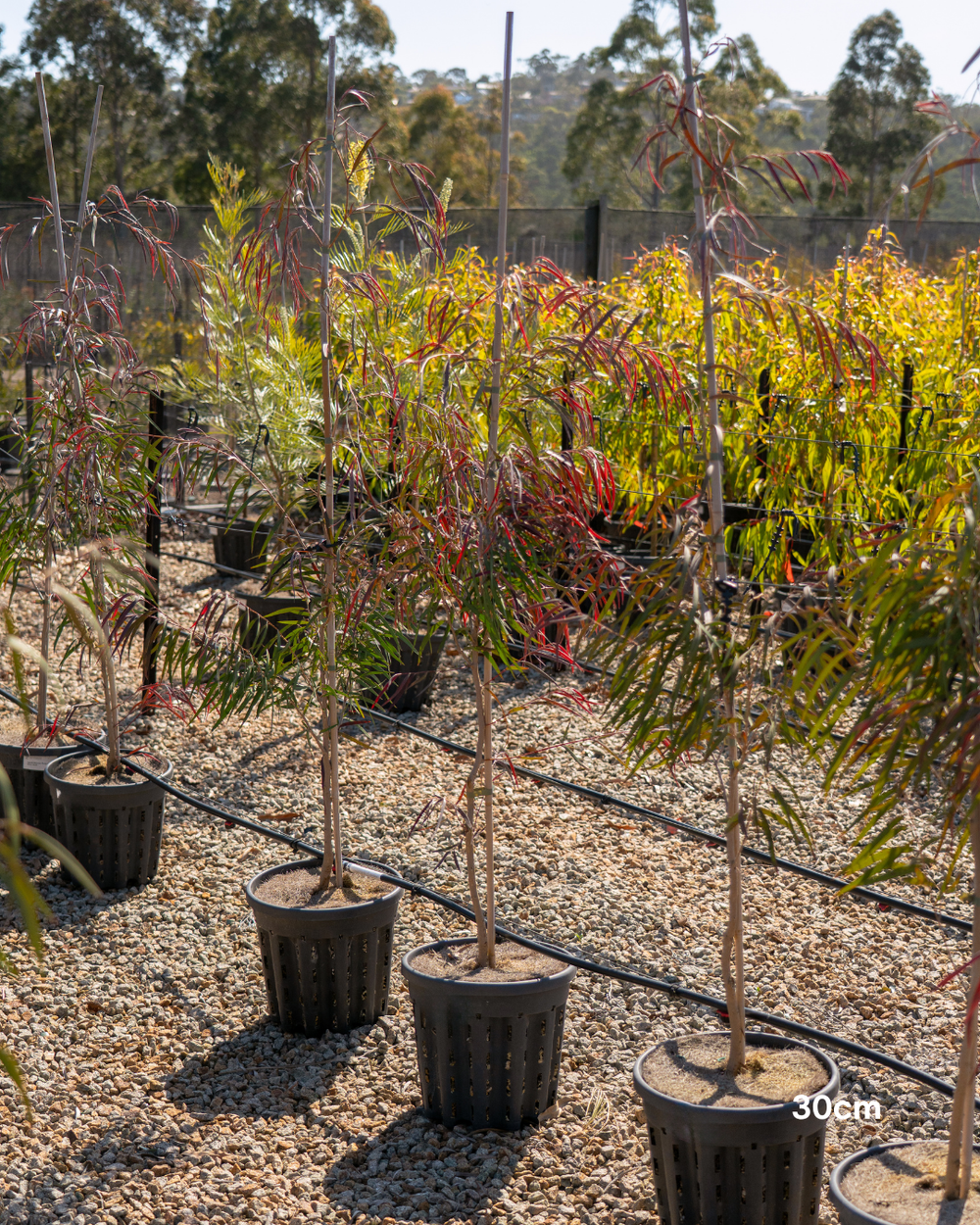
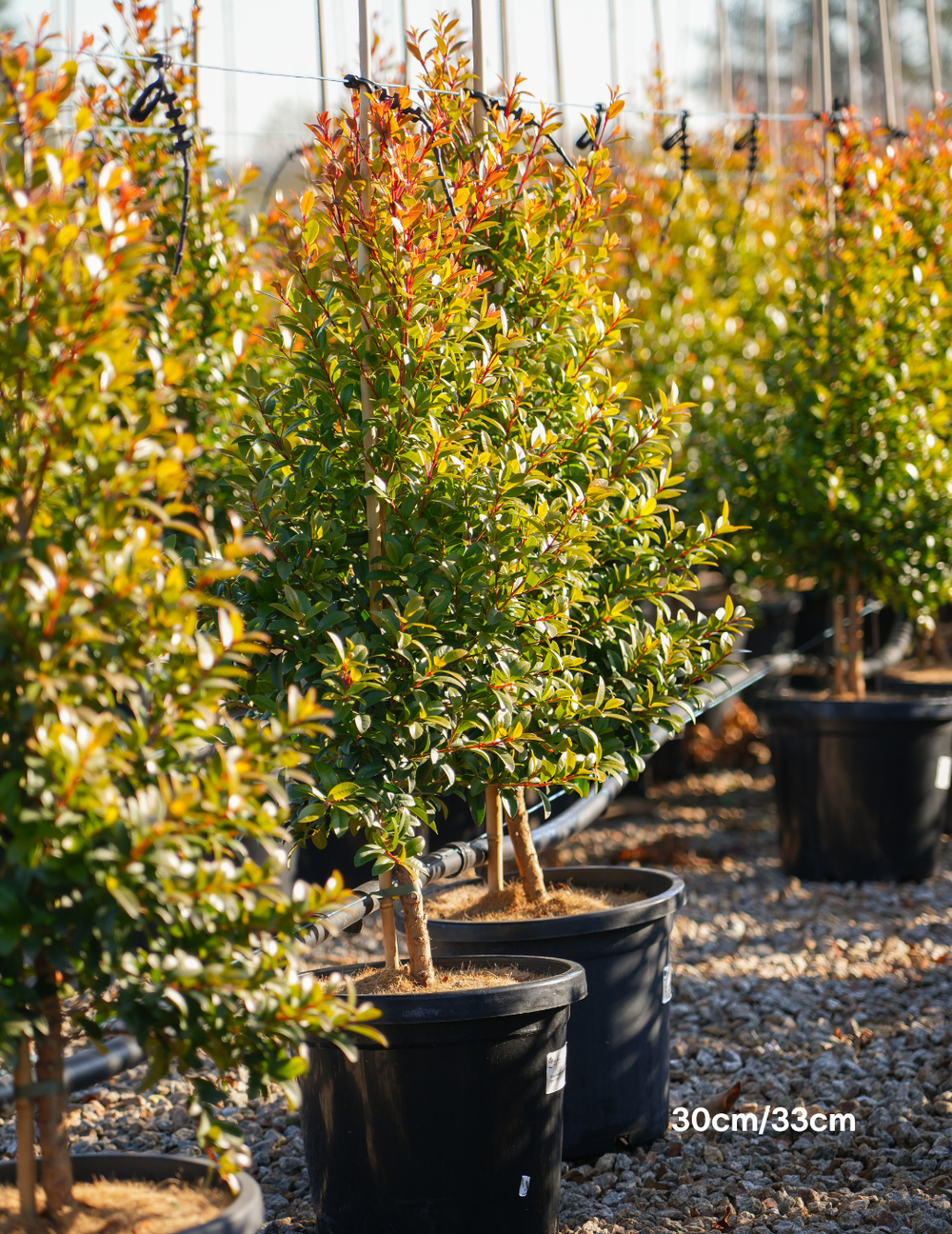
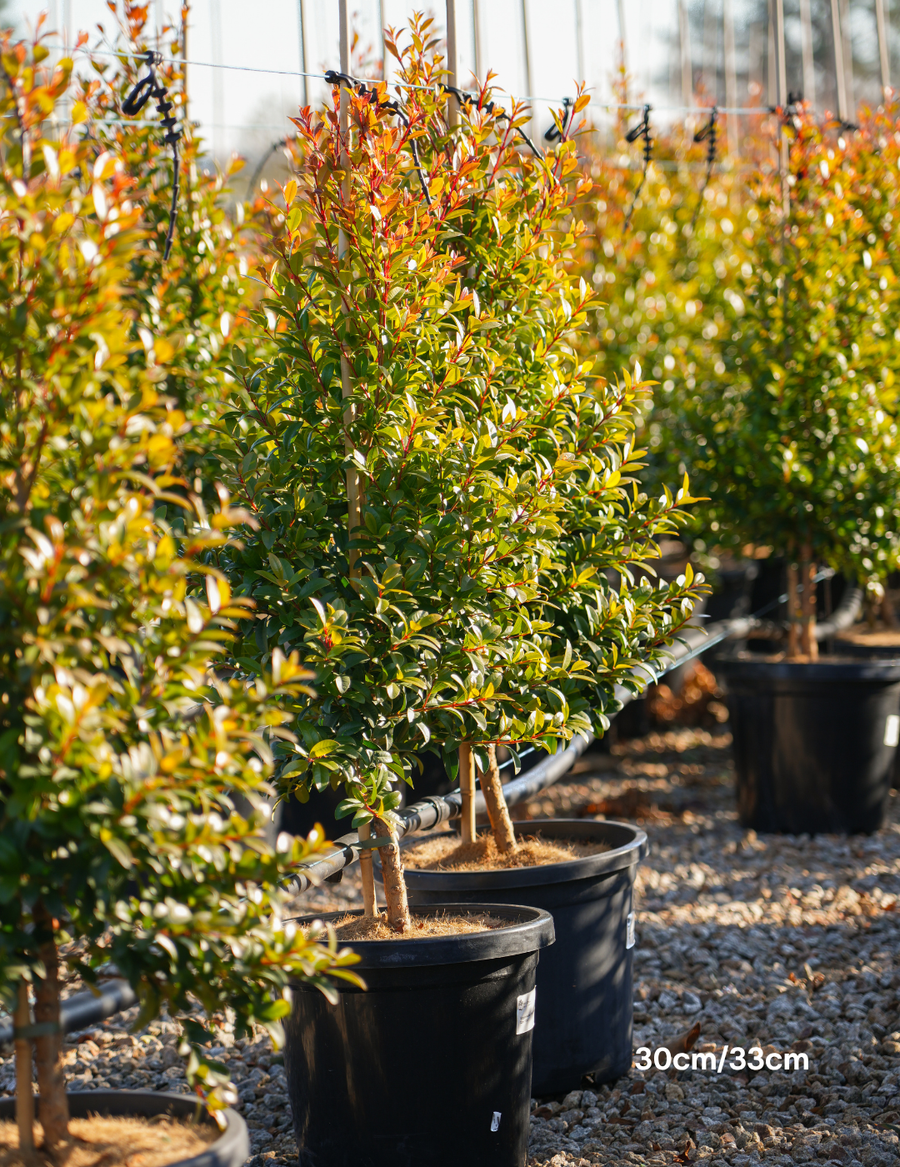
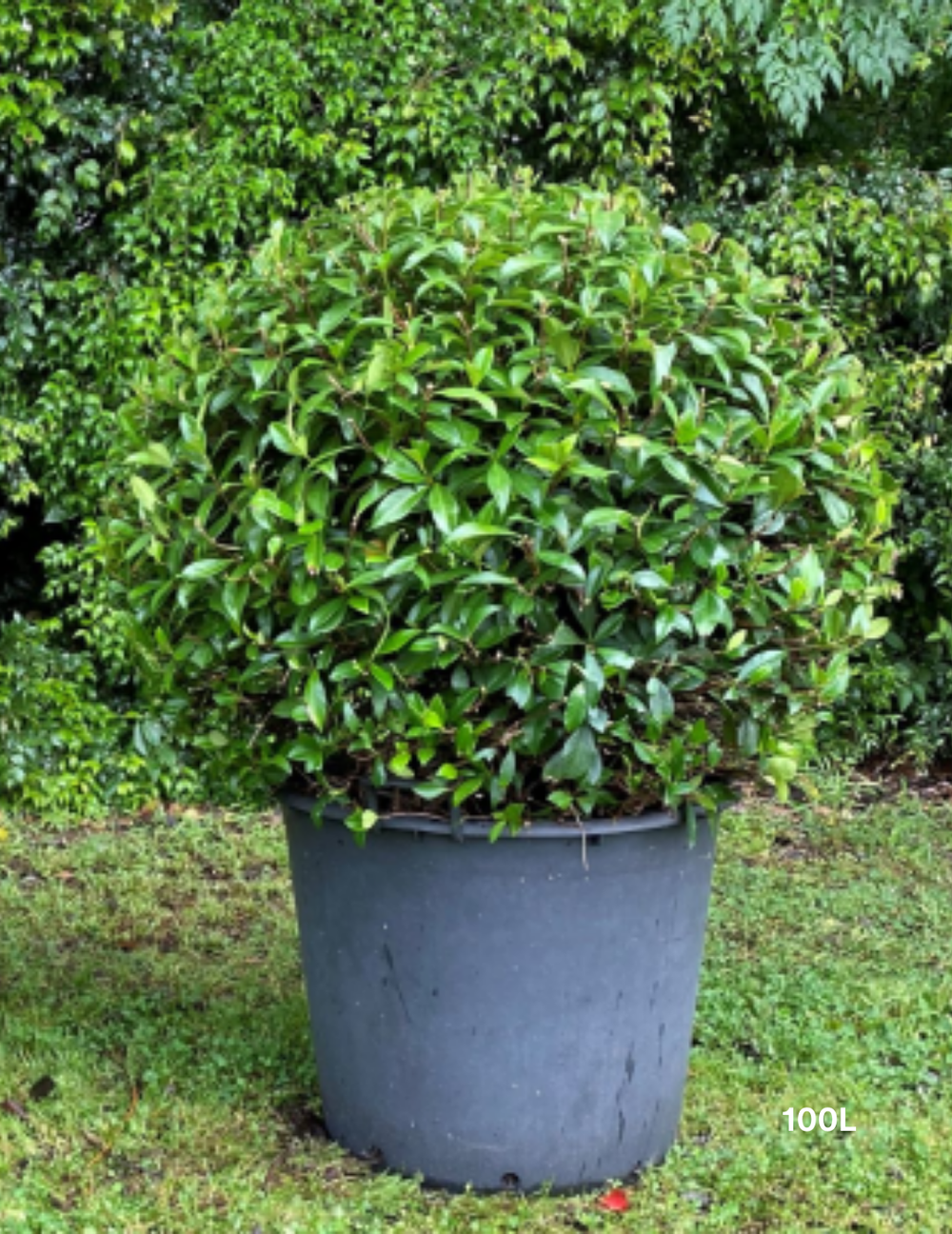
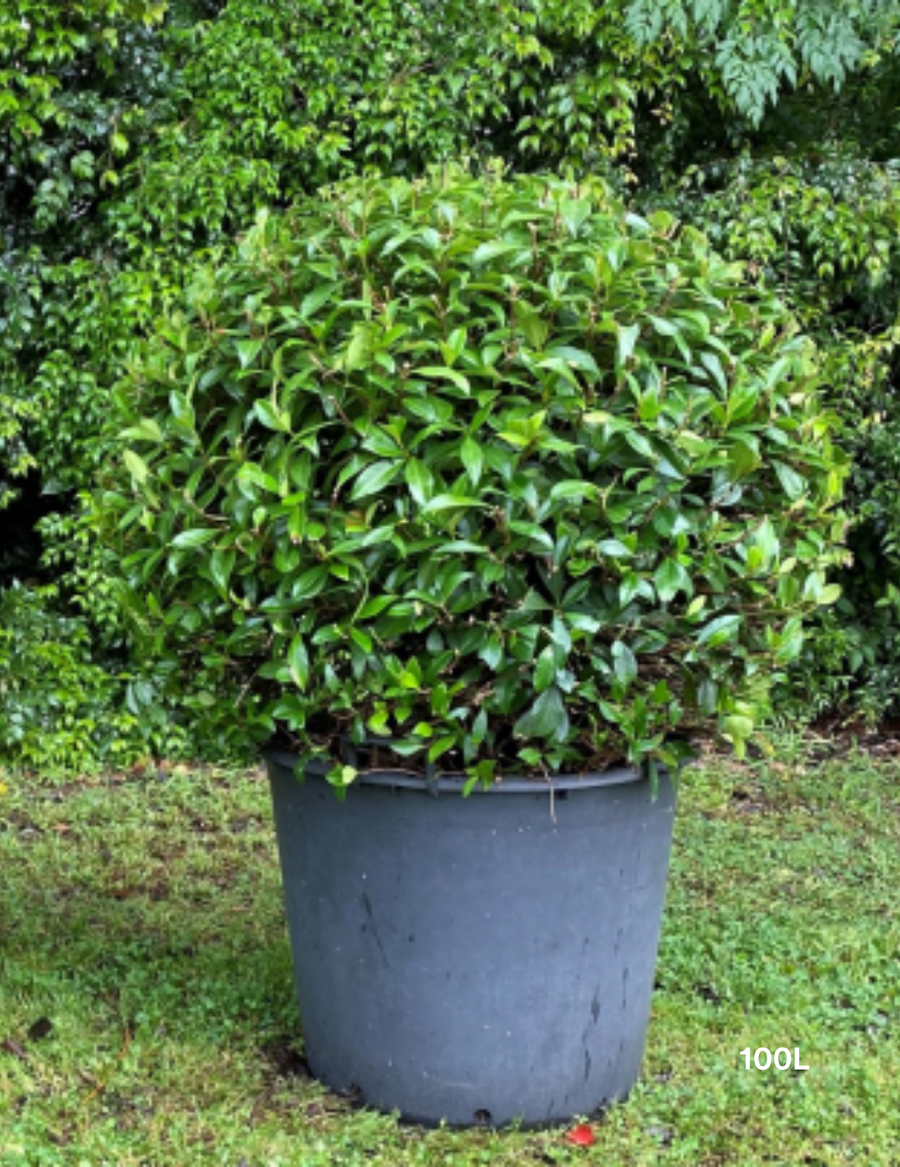
- Mature height
- 3m to 5m (approx.) (can be larger in sheltered conditions)
- Mature width
- 2m to 4m
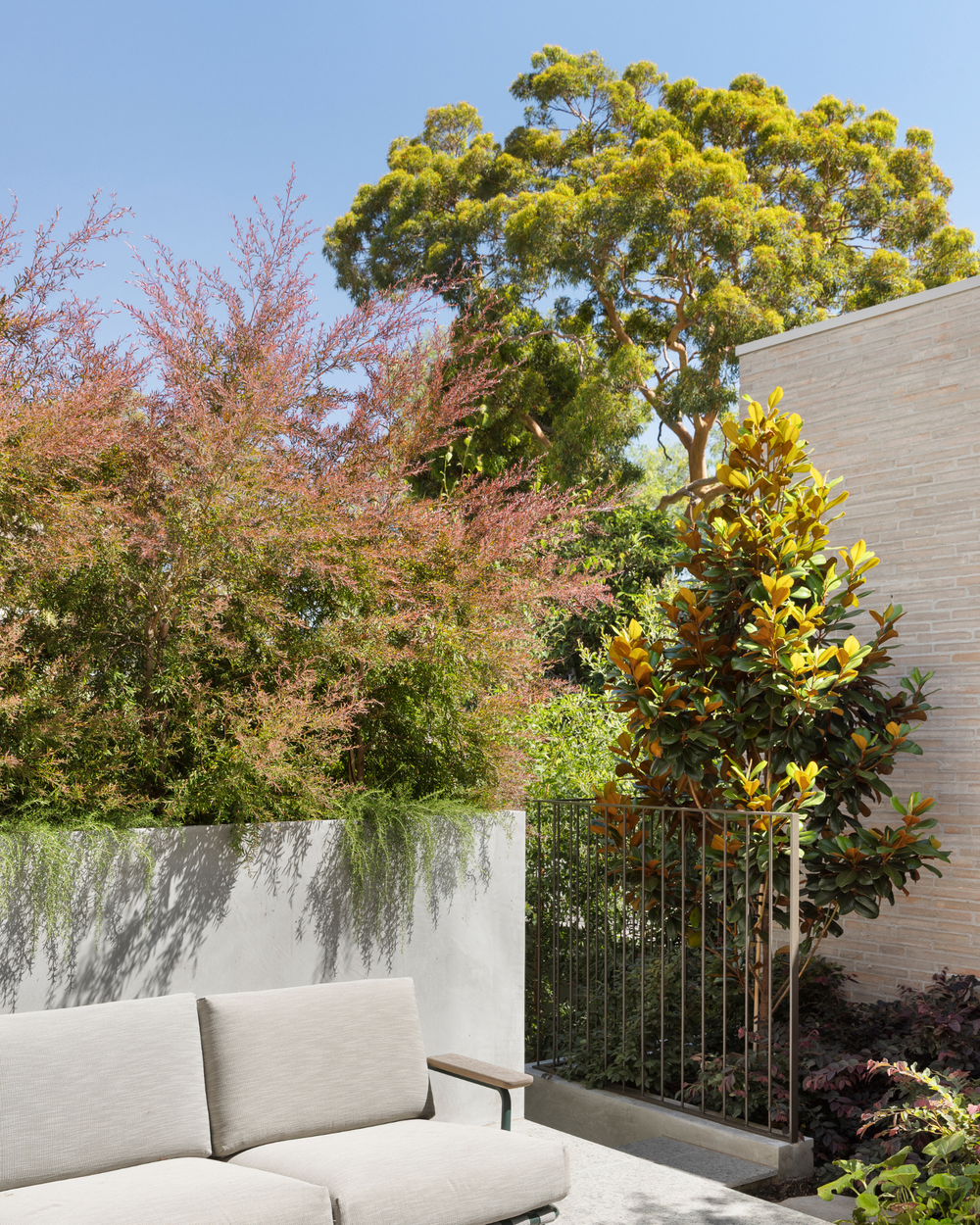
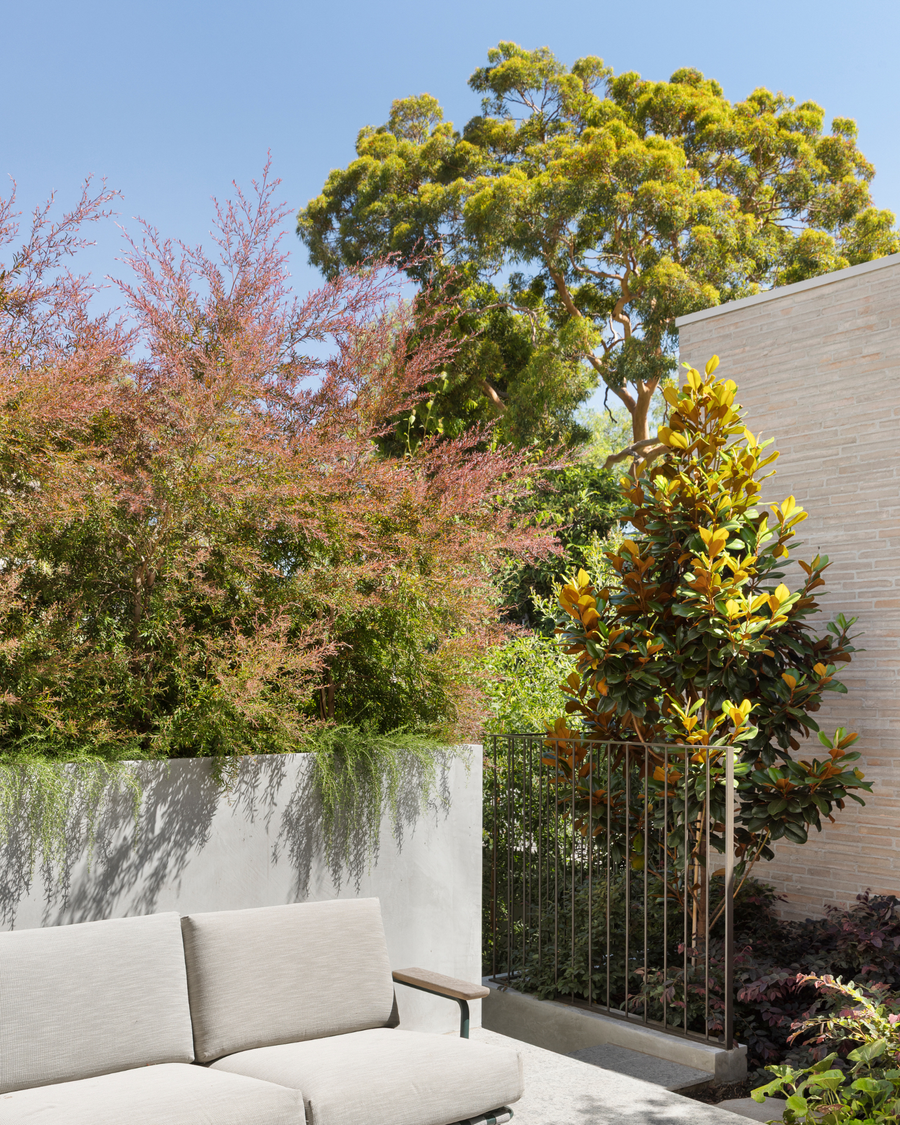
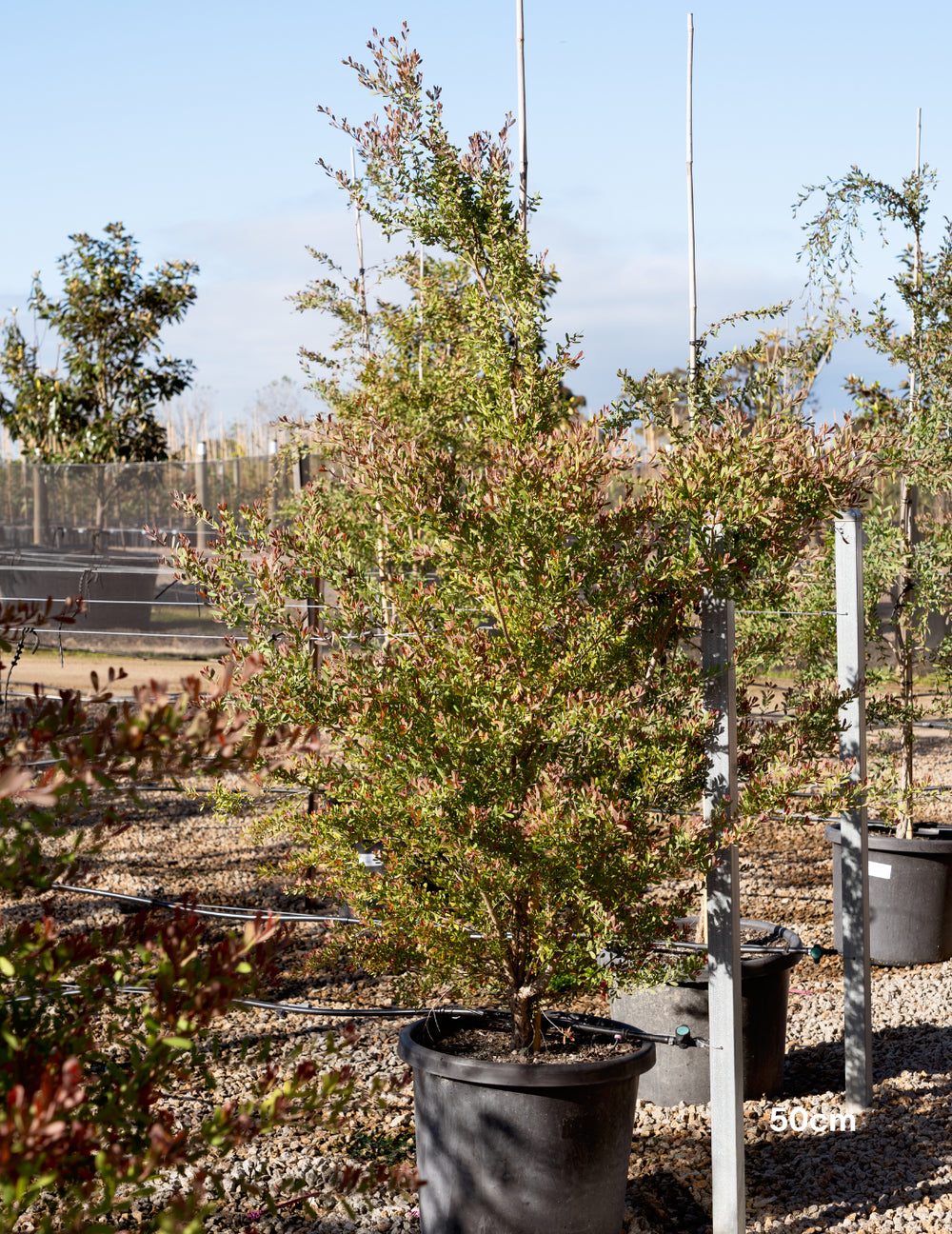
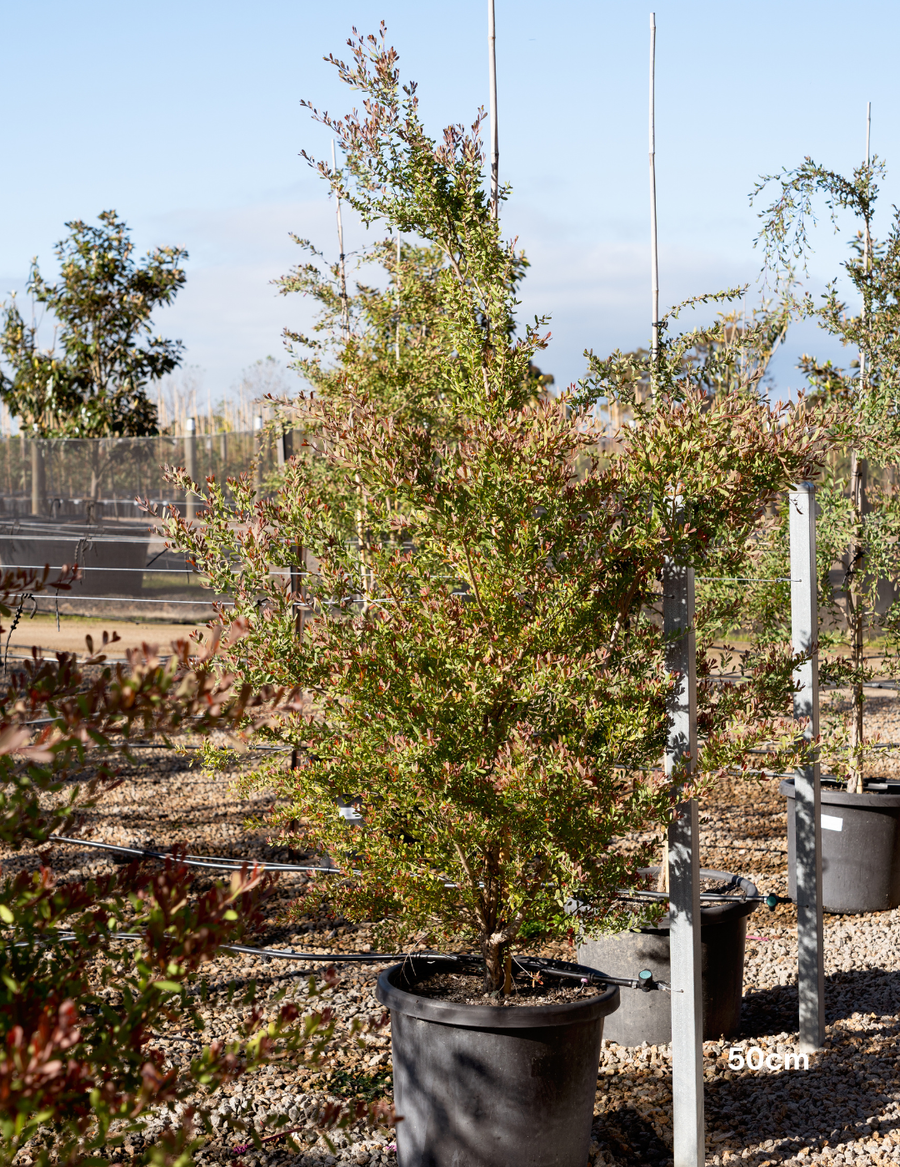
Leptospermum laevigatum is one of the toughest screening plants available for exposed coastal sites, holding dense grey-green foliage through salt spray and constant wind that would strip most other species. Masses of small white flowers cover the plant in spring.
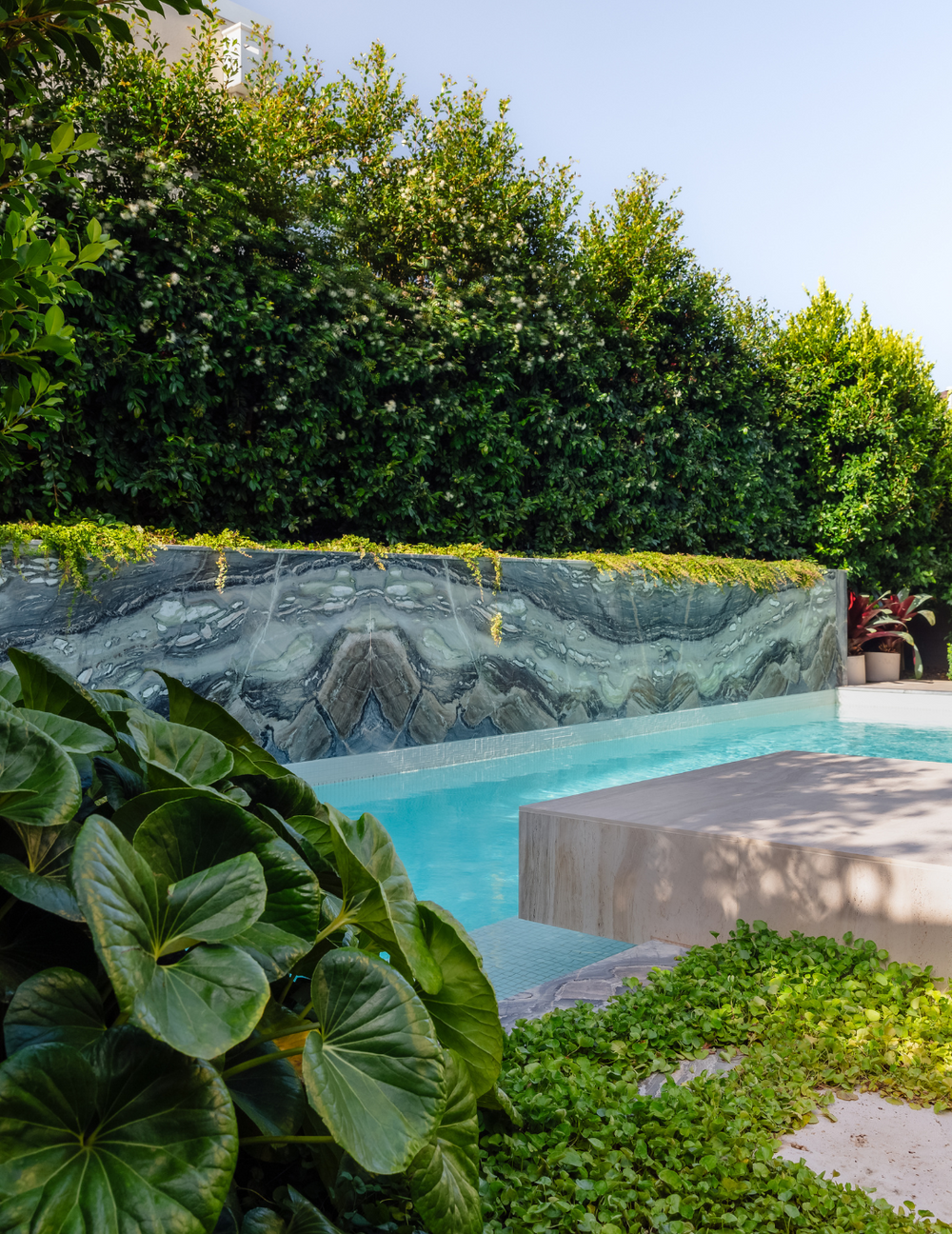
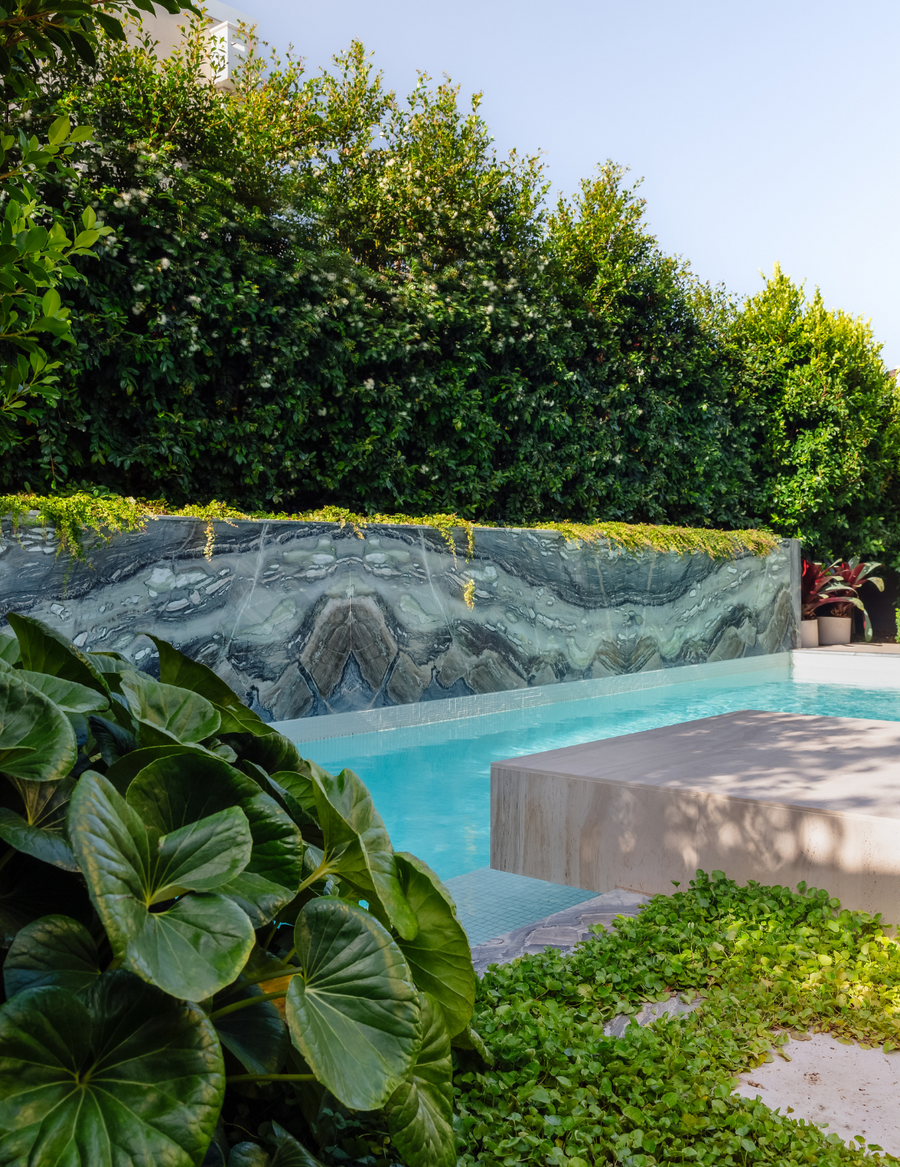
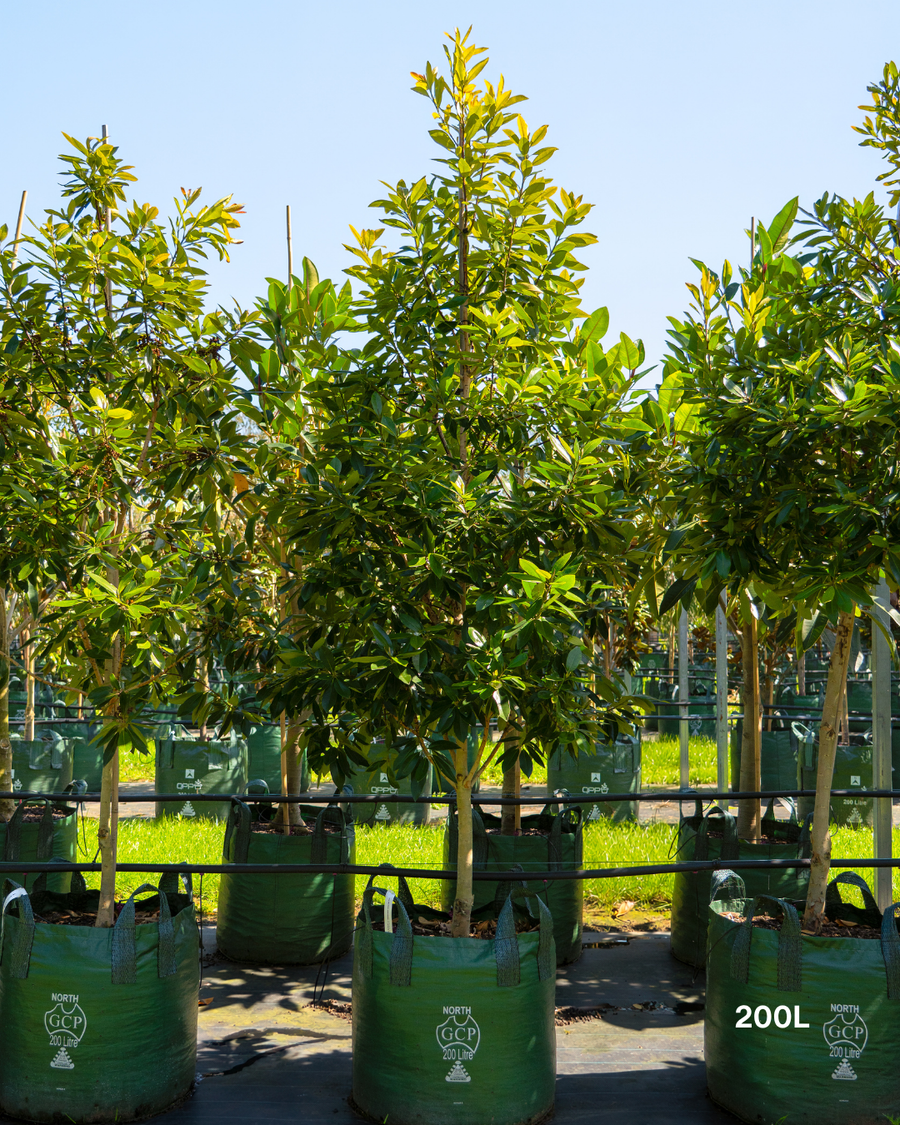
The Coastal Tea Tree grows to 3 to 5 metres tall and 2 to 4 metres wide at 50 to 80 centimetres per year, and develops a gnarled sculptural trunk with age that becomes a feature in its own right. It can be run as a dense windbreak or thinned and lifted to show the framework as a specimen.
This is an Australian native that survives heavy and frequent frost without damage and tolerates poor sandy soils, drought and coastal exposure once established. It performs from tropical Queensland down through New South Wales, Victoria and South Australia with almost no ongoing maintenance.
Frequently Asked Questions
About Leptospermum laevigatum
How tall does Leptospermum laevigatum grow?
Leptospermum laevigatum grows to 3 to 5 metres tall and 2 to 4 metres wide, and can reach larger dimensions in sheltered inland positions where wind does not restrict it.
Is Coastal Tea Tree salt tolerant?
Yes. Leptospermum laevigatum is among the most salt-tolerant screening plants available in Australia and is a standard choice for front-line coastal planting where salt spray is constant.
How fast does Coastal Tea Tree grow?
It grows at 50 to 80 centimetres per year once established, which is fast for a plant of this hardiness. It establishes quickly in sandy free-draining soils.
Is Leptospermum laevigatum an Australian native?
Yes. It is native to coastal southern and eastern Australia and is widely used in revegetation, dune stabilisation and rural windbreak planting as well as in gardens.
When does it flower?
Masses of small white flowers cover the plant through spring. The flowers attract bees, native pollinators and small insect-feeding birds.
How far apart should I plant it for a windbreak?
Plant 1 to 1.5 metres apart for a dense informal screen or windbreak, or 3 to 4 metres apart as individual feature trees where the sculptural trunk can develop.
Is Coastal Tea Tree frost hardy?
Yes. It is frost hardy and survives heavy and frequent frost without damage, so it suits inland and tableland districts as well as its natural coastal range.