



Plant Care Tips
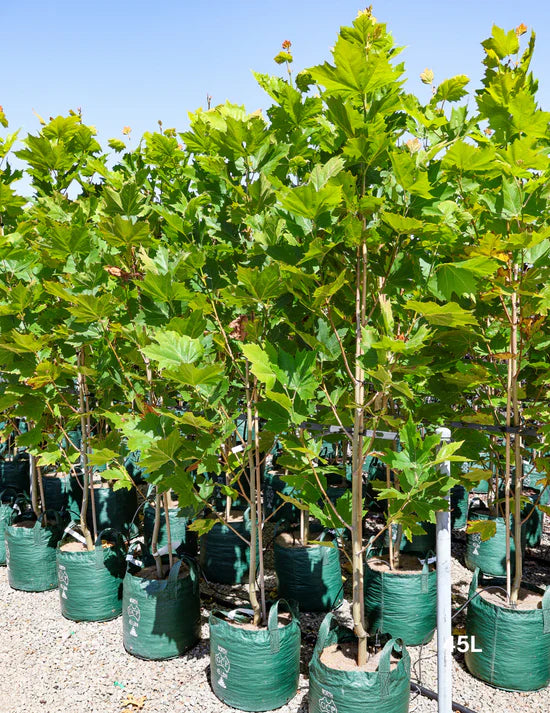

5 Best Flowering Trees to Brighten Your Spring Garden
Spring Garden Preparation As winter’s chill fades, the anticipation of a colorful spring garden grows. One of the most delightful ways to celebrate the arrival of spring is by planting flowering trees that burst into vibrant blooms, transforming your garden into a kaleidoscope of colors. Whether you have a sprawling landscape or a cozy urban garden, flowering trees add beauty and vitality to your outdoor space. In this post, we'll explore the five best flowering trees that will brighten your spring garden and provide you with the joy of seasonal color. Understanding the Importance of Flowering Trees Flowering trees are more than just pretty additions to your garden; they play a vital role in enhancing your space's aesthetic appeal and environmental health. These trees offer: Seasonal Beauty: Their blooms mark the transition from winter to spring, symbolizing renewal and growth. Wildlife Support: Flowering trees attract pollinators like bees and butterflies, contributing to a thriving ecosystem. Versatility: Flowering trees are suitable for various garden sizes and styles. They can be used as focal points, hedges, or even shade providers. Let’s dive into the top five flowering trees to bring your garden to life this spring. 1. Crepe Myrtle (Lagerstroemia indica) Crepe Myrtle is a perennial favorite for gardeners who crave a long-lasting flower display. Known for its striking clusters of crinkly flowers, this tree adds color to your garden from late spring through summer. Key Features: Mature Height: Ranges from 3 to 9 meters, depending on the variety. Bloom Colors: Available in shades of pink, red, purple, and white. Leaf Appearance: Glossy green leaves that turn yellow, orange, or red in autumn. Best Uses: Ideal as a feature tree, in mass plantings, or as a flowering hedge. Care Tips: Sunlight: Prefers full sun for optimal flowering. Soil: Tolerates a range of soil types but thrives in well-drained soil. Watering: Regular watering during the first growing season to establish roots, then minimal watering once established. 2. Pyrus calleryana 'Cleveland Select' The Pyrus calleryana 'Cleveland Select,' also known as the Ornamental Pear, is a stunning tree that captivates with its early spring blossoms. It produces abundant white flowers covering the tree like a snow blanket, providing a striking contrast against its dark green foliage. Key Features: Mature Height: Up to 12 meters. Bloom Time: Early spring, with blooms lasting for several weeks. Leaf Appearance: Glossy, dark green leaves that turn red in autumn. Best Uses: Perfect as a street tree, for garden borders, or as a specimen tree. Care Tips: Sunlight: Thrives in full sun but can tolerate partial shade. Soil: Adaptable to various soil types, including clay and loam. Watering: Requires moderate watering, especially in dry conditions. 3. Magnolia 'Teddy Bear' (Magnolia grandiflora 'Teddy Bear') The Magnolia 'Teddy Bear' is an excellent choice for those seeking a compact tree with year-round appeal. This evergreen tree is prized for its large, fragrant white flowers that bloom in spring and continue sporadically throughout the year. Key Features: Mature Height: Up to 4 meters. Bloom Time: Primarily in spring, with additional blooms in summer and autumn. Leaf Appearance: Glossy green leaves with a rusty-brown underside. Best Uses: It is ideal for small gardens, container planting, or as a focal point in a mixed border. Care Tips: Sunlight: Prefers full sun to partial shade. Soil: Grows best in rich, well-drained soil. Watering: Keep soil consistently moist, especially during hot, dry periods. 4. Dogwood (Cornus florida) The Dogwood tree is a classic choice for adding charm to your spring garden. Known for its beautiful white or pink bracts, often mistaken for flowers, the Dogwood is a versatile tree that offers year-round interest. Key Features: Mature Height: Up to 10 meters. Bloom Time: Early to mid-spring. Leaf Appearance: Oval-shaped leaves that turn red-purple in autumn. Best Uses: Suitable as a specimen tree, in woodland gardens, or as part of a mixed border. Care Tips: Sunlight: Thrives in partial shade but can tolerate full sun. Soil: Prefers acidic, well-drained soil. Watering: Needs regular watering, particularly during dry spells. 5. Cherry Blossom (Prunus serrulata) The Prunus serrulata tree symbolizes spring with its delicate pink flowers. This tree not only adds beauty to your garden but also brings a sense of tranquility and elegance. Key Features: Mature Height: Up to 8 meters. Bloom Time: Mid to late spring. Leaf Appearance: Green leaves that turn yellow to red in autumn. Best Uses: Ideal for small gardens, as a focal point, or in rows along walkways. Care Tips: Sunlight: Requires full sun for best bloom production. Soil: Prefers well-drained, fertile soil. Watering: Regular watering during the growing season is essential. FAQs How can I ensure my flowering trees bloom every spring? Ensure your trees receive adequate sunlight, are planted in well-drained soil, and are watered regularly. Pruning after the blooming season can also encourage better growth. Are these flowering trees suitable for small gardens? Several of these trees, such as Magnolia 'Teddy Bear' and Crepe Myrtle, are well-suited for small gardens and can even be grown in containers. How do I protect young trees from frost damage in early spring? Apply mulch around the tree's base to insulate the roots, and consider using frost covers during particularly cold nights. Conclusion Choosing the right flowering trees for your spring garden is a rewarding investment that pays off with vibrant blooms year after year. Whether you opt for the elegant Magnolia 'Teddy Bear', the resilient Crepe Myrtle, or the charming Pyrus calleryana 'Cleveland Select', these trees will ensure your garden is a spectacle of color and life each spring. With the proper care and attention, these flowering trees will brighten your garden and bring joy and serenity to your outdoor space. Explore our diverse range of flowering trees and transform your garden into a springtime haven.
Learn more
Creating a Spring Tree Planting Schedule: What to Plant and When
Spring is a season of renewal and growth, making it the perfect time to plant trees to bring life and beauty to your garden. Creating a well-thought-out tree-planting schedule ensures each species thrives in its new environment. This guide will walk you through a timeline for planting different tree species, with a focus on Acer Palmatum (Japanese Maple), Quercus Palustris (Pin Oak), and Fraxinus 'Urbanite' (Urbanite Ash). By understanding when and how to plant these trees, you'll set your garden up for success. Understanding the Importance of a Planting Schedule A well-planned planting schedule considers each tree species' unique needs, ensuring they are planted at the optimal time for growth and establishment. Spring is an ideal time for planting as the soil is warming, and trees have ample time to establish roots before the summer heat. Benefits of a Spring Planting Schedule Optimal Root Establishment: Spring planting allows trees to establish strong roots before the stress of summer heat. Healthy Growth: Trees planted in spring benefit from the mild weather and consistent rainfall, promoting vigorous growth. Enhanced Landscape Design: A planned approach ensures your garden has a balanced and aesthetically pleasing arrangement of trees. Timeline for Planting Different Tree Species Each tree species has specific requirements for soil, light, and moisture. Understanding these needs will help determine the best time to plant each tree. March: Preparing the Ground March is the perfect time to prepare your garden for planting. The ground is thawing, making it easier to work the soil. Start by selecting the right location for each tree species, considering factors like sunlight, soil type, and space. Soil Preparation: Ensure the soil is well-aerated and fertile. If needed, amend the soil with compost to improve its structure and nutrient content. Site Selection: Choose a location that provides adequate sunlight and drainage. Consider each tree's mature size to avoid overcrowding. April: Planting Early Bloomers April is ideal for planting early-blooming trees like Acer Palmatum (Japanese Maple). This stunning tree is known for its vibrant foliage and delicate structure, making it a favorite among gardeners. Acer Palmatum (Japanese Maple) Mature Height: Up to 6 meters Mature Width: Up to 5 meters Best Uses: Ornamental, shade tree Leaf Appearance: Deep red to orange hues in autumn Planting Tips: Plant in a location with partial shade and well-drained soil. Avoid areas with heavy clay or overly wet conditions. Japanese Maple thrives when planted in early spring, as the mild temperatures and consistent moisture help establish strong roots. This tree adds a touch of elegance to any garden with its graceful branches and vibrant autumn colors. Late April to Early May: Planting Hardy Trees It's time to plant hardy trees like Quercus Palustris (Pin Oak) as the weather warms. This resilient species is perfect for adding structure and shade to your landscape. Quercus Palustris (Pin Oak) Mature Height: Up to 25 meters Mature Width: Up to 15 meters Best Uses: Shade tree, feature tree Leaf Appearance: Dark green leaves turning red in autumn Planting Tips: Plant in full sun with well-drained soil. Pin Oak tolerates a variety of soil conditions but prefers slightly acidic soils. Pin Oak is a robust tree that can withstand various conditions, making it an excellent choice for many landscapes. Planting it in late April to early May ensures it has plenty of time to establish before the summer heat. Mid to Late May: Planting Urban-Friendly Trees Fraxinus 'Urbanite' (Urbanite Ash) is a fantastic choice for those in urban environments. This tree is specifically bred to thrive in city settings, making it ideal for street planting or smaller gardens. Fraxinus 'Urbanite' (Urbanite Ash) Mature Height: Up to 15 meters Mature Width: Up to 10 meters Best Uses: Street tree, shade tree Leaf Appearance: Dark green, turning yellow in autumn Planting Tips: Plant in full sun with well-drained soil. Urbanite Ash is tolerant of urban pollution and compacted soils. The Urbanite Ash is known for its resilience in urban environments. Planting it in mid to late May allows it to settle into its new location before summer, ensuring healthy growth and development. Planting and Care Tips Once you've planted your trees according to the schedule, it's important to follow best practices for care to ensure they thrive. General Maintenance Tips Watering: Provide regular watering, especially during dry periods. Newly planted trees need consistent moisture to establish roots. Mulching: To conserve moisture and regulate soil temperature, apply a thick layer of mulch around the base of each tree. Pruning: Regularly prune your trees to maintain shape and remove dead or damaged branches. Fertilizing: Use a balanced fertilizer in early spring to promote healthy growth. Protecting Young Trees Frost Protection: Cover young trees with frost cloths to protect tender new growth if a late frost is expected. Pest Control: Monitor for pests and treat as necessary to prevent damage to your young trees. FAQs Q: Can I plant these trees in containers? A: While some trees like Acer Palmatum (Japanese Maple) can be grown in large containers, others like Quercus Palustris (Pin Oak) and Fraxinus 'Urbanite' are better suited for planting directly in the ground due to their size. Q: How often should I water newly planted trees? A: Depending on weather conditions, new trees should be watered deeply once or twice a week. Ensure the soil is moist but not waterlogged. Q: When is the best time to fertilize my trees? A: The best time to fertilize is early spring, just as new growth begins. Use a balanced fertilizer to support healthy development. Creating a spring tree planting schedule tailored to your specific tree species ensures your garden will flourish throughout the season. By following these guidelines, you’ll be well on your way to cultivating a vibrant and thriving landscape. Explore our wide selection of premium trees at Evergreen Trees Direct and bring your garden to life this spring. Whether you're looking for ornamental beauties like the Japanese Maple or hardy giants like the Pin Oak, we have the perfect trees to suit your needs.
Learn more
Top Trees for Frost-Resistant Winter Gardens in Australia
Winter can be challenging for gardeners, especially in regions prone to frost. However, with the right tree choices, you can ensure your garden remains vibrant and healthy. Here, we explore some of the best frost-resistant trees to plant in your Australian garden. Understanding Frost Resistance: What Makes a Tree Frost-Resistant? Frost-resistant trees have adapted to withstand cold temperatures and frost conditions. These adaptations may include hardier leaves, bark, and root systems that survive freezing conditions. Benefits of Choosing Frost-Resistant Trees: Longevity: Ensures your garden remains beautiful and thriving throughout winter. Low Maintenance: Requires less intervention during cold months. Versatility: Suitable for various landscaping projects and garden sizes. Top Frost-Resistant Trees: Japanese Maple (Acer palmatum) The Japanese Maple is a stunning tree known for its vibrant autumn colours and delicate foliage. It thrives in cold climates and is perfect for adding a touch of elegance to any garden. Key Facts to Know: Mature Height: Up to 6 meters Mature Width: Up to 5 meters Best Uses: Ornamental, shade tree Leaf Appearance: Deep red to orange hues in autumn Rate of Growth: Slow to moderate Tolerates: Cold climates, partial shade Shop Japanese Maple Collection Moss White Birch (Betula pendula 'Moss White') The Moss White Birch is renowned for its striking white bark and graceful branches. It’s a hardy tree that can withstand frost and adds a picturesque touch to any landscape. Key Facts to Know: Mature Height: Up to 20 meters Mature Width: Up to 10 meters Best Uses: Feature tree, shade tree Leaf Appearance: Green turning yellow in autumn Rate of Growth: Fast Tolerates: Cold climates, various soil types Shop Moss White Birch Collection Crepe Myrtle (Lagerstroemia indica 'Natchez' White) Crepe Myrtles are admired for their beautiful flowers and multi-seasonal interest. 'Natchez' White is particularly frost-resistant and blooms prolifically in summer. Key Facts to Know: Mature Height: Up to 8 meters Mature Width: Up to 6 meters Best Uses: Ornamental, hedge Leaf Appearance: Dark green turning orange-red in autumn Rate of Growth: Moderate Tolerates: Frost, drought conditions Shop Crepe Myrtle Collection Bay Tree (Laurus nobilis 'Miles Choice') The Miles Choice Bay Tree is an evergreen tree that’s highly valued for its aromatic leaves and dense foliage. It’s frost-tolerant and ideal for creating a lush, green backdrop in your garden. Key Facts to Know: Mature Height: Up to 12 meters Mature Width: Up to 10 meters Best Uses: Hedging, topiary Leaf Appearance: Glossy green, aromatic Rate of Growth: Slow Tolerates: Frost, well-drained soils Shop Miles Choice Bay Trees Manchurian Pear (Pyrus ussuriensis) The Manchurian Pear is a hardy tree that thrives in cold climates, offering a robust autumn display. Its leaves transition to brilliant shades of red and orange, providing a vibrant contrast to the often grey autumn sky. Key Facts to Know: Mature Height: Up to 10 meters Mature Width: Up to 7 meters Best Uses: Ideal for small gardens or as a street tree Leaf Appearance: Leaves turn brilliant shades of red and orange in autumn Rate of Growth: Moderate Tolerates: Cold climates, a variety of soil conditions Shop Manchurian Pear Collection Planting and Care Tips: Best Practices for Planting Trees in Winter: Location: Choose a site with good sunlight and drainage. Soil Preparation: Ensure the soil is well-aerated and fertile. Tips for Protecting Young Trees from Frost: Mulching: Apply a thick layer of mulch to insulate the roots. Watering: Water adequately but avoid waterlogging. General Maintenance Tips: Pruning: Regular pruning to maintain shape and remove dead branches. Fertilizing: Use a balanced fertilizer to promote healthy growth. Choosing the right frost-resistant trees can make a significant difference in maintaining a beautiful and healthy garden throughout the winter months. Explore our range of premium advanced trees at Evergreen Trees Direct and transform your garden today.
Learn more