



Plant Care Tips
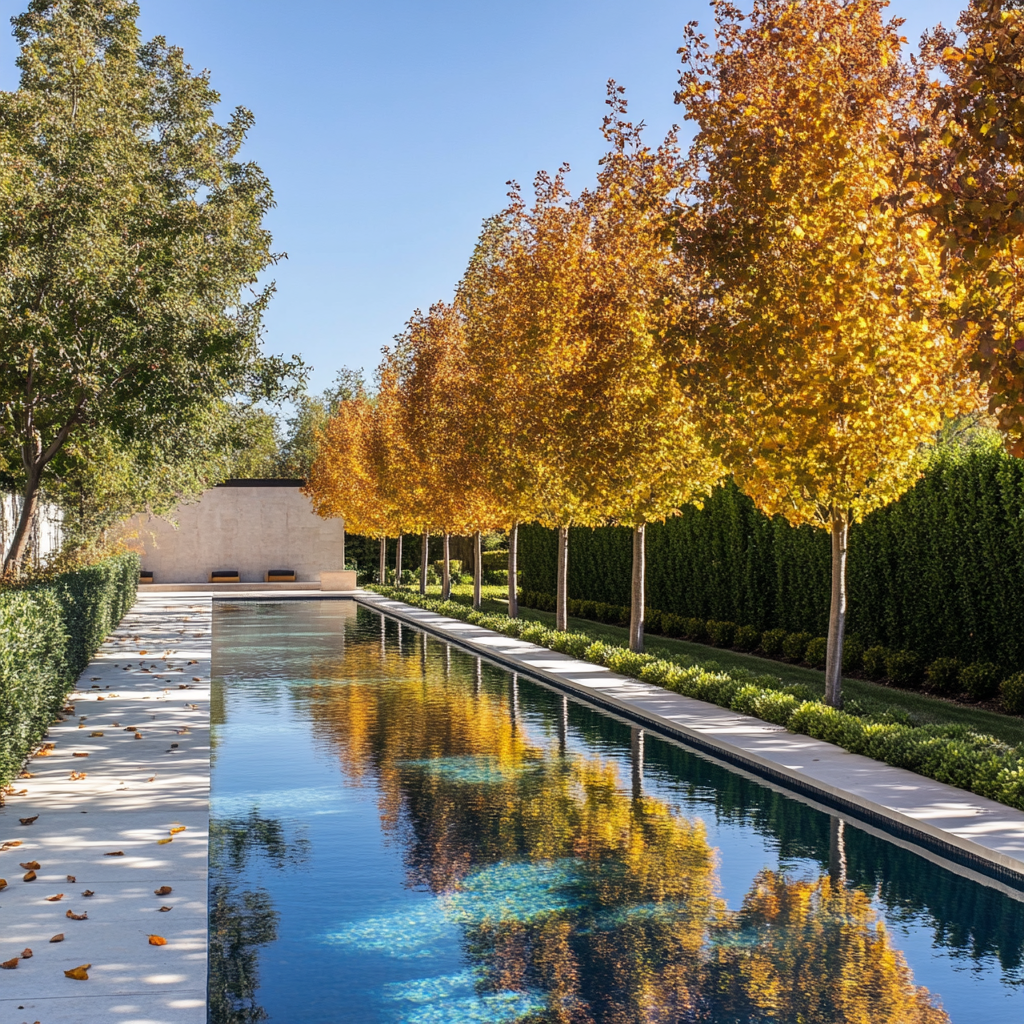

How to Plan a Garden That’s Easy to Maintain
Spring is the perfect season to embark on a new gardening project. Still, if you want to enjoy a beautiful garden without spending every weekend maintaining it, then careful planning is key. A low-maintenance garden doesn’t mean sacrificing beauty or diversity; it simply means making smart choices about the plants and trees you include and how you design your space. In this guide, we’ll explore how to create a garden that’s not only visually stunning but also requires minimal maintenance. We’ll focus on tree selection, highlighting species like Magnolia Little Gem, Acer campestre, and Ficus Flash, which are known for their low-maintenance qualities. By the end, you’ll be equipped with the knowledge to enjoy a lush garden without the heavy lifting. Understanding Low-Maintenance Gardening A low-maintenance garden requires minimal care while still thriving and looking beautiful year-round. The goal is to reduce the need for constant watering, weeding, pruning, and other labor-intensive tasks. By choosing the right plants, creating functional spaces, and implementing smart gardening practices, you can achieve a garden that offers maximum enjoyment with minimal effort. Selecting the Right Trees for Your Low-Maintenance Garden Tree selection plays a crucial role when planning a low-maintenance garden. Trees provide structure, shade, and aesthetic appeal to your garden but can also dictate how much work you’ll need to put in. Opting for hardy, drought-resistant trees that require little pruning or care is essential. 1. Magnolia Little Gem (Magnolia grandiflora 'Little Gem') The Magnolia Little Gem is perfect for those seeking a low-maintenance yet visually striking tree. This evergreen tree is known for its compact size and beautiful, large white flowers that bloom in spring and summer. Key Features: Mature Height: Up to 4 meters Mature Width: Up to 2.5 meters Best Uses: Ornamental, privacy screen Leaf Appearance: Glossy green with a rust-colored underside Growth Rate: Moderate Tolerances: Drought, poor soil conditions Why It’s Easy to Maintain: Minimal pruning required due to its compact growth habit. Resistant to common pests and diseases, reducing the need for chemical treatments. Tolerant of drought and poor soil conditions, making it adaptable to various garden environments. The Magnolia grandiflora 'Little Gem' requires minimal pruning and is relatively resistant to pests and diseases. It thrives in well-drained soil and can tolerate light conditions from full sun to partial shade. 2. Acer campestre (Field Maple) Field Maple (Acer campestre), commonly known as the Hedge Maple, is another excellent choice for a low-maintenance garden. This deciduous tree is known for its resilience and adaptability to various soil types and conditions. Key Features: Mature Height: Up to 15 meters Mature Width: Up to 10 meters Best Uses: Hedge, windbreak, shade tree Leaf Appearance: Green in summer, turning yellow in autumn Growth Rate: Slow to moderate Tolerances: Poor soil, urban pollution Why It’s Easy to Maintain: Highly adaptable to different soil types and environmental conditions, requiring less specialized care. Slow to moderate growth rate means infrequent pruning is needed to maintain its shape. Resistant to urban pollution, making it a durable and low-maintenance choice for urban settings. The Acer campestre is highly adaptable, thriving in sunny and partially shaded areas. Its dense foliage provides excellent privacy and shelter and requires minimal pruning to maintain its shape. This tree is particularly suitable for urban gardens, where pollution resistance is important. 3. Ficus Flash (Ficus microcarpa 'Flash') The Ficus Flash is ideal for those who prefer a fast-growing, evergreen option. This variety is known for its vibrant green leaves and is often used as a privacy screen or hedge. Key Features: Mature Height: Up to 10 meters Mature Width: Up to 6 meters Best Uses: Privacy hedge, windbreak Leaf Appearance: Bright green, glossy Growth Rate: Fast Tolerances: Drought, heat Why It’s Easy to Maintain: Fast-growing yet low-maintenance, requiring only occasional pruning to maintain its desired shape. Drought and heat tolerance make it a resilient choice, reducing the need for frequent watering. Evergreen nature ensures year-round foliage without the hassle of seasonal leaf drop. The Ficus microcarpa 'Flash' is relatively low-maintenance, requiring occasional pruning to maintain its shape and density. Its robust nature allows it to thrive in various conditions, making it an excellent choice for gardeners looking to minimize their upkeep. Low-Maintenance Garden Design Tips In addition to choosing the right trees, consider these design tips to reduce garden maintenance further: 1. Use Mulch Generously Mulch helps retain moisture, suppresses weeds, and adds nutrients to the soil as it breaks down. Organic mulch, such as wood chips or bark, is a great option. 2. Opt for Perennials Over Annuals Perennials return year after year, reducing the need for replanting. Consider low-maintenance perennials like Lavender (Lavandula angustifolia) or Black-eyed Susan (Rudbeckia hirta). 3. Implement Drip Irrigation Drip irrigation systems deliver water directly to the roots, minimizing waste and reducing the need for frequent watering. This system also helps prevent the growth of weeds by keeping the soil surface dry. 4. Create Defined Pathways Defined pathways add structure to your garden and reduce the area that needs regular maintenance. Use materials like gravel, stepping stones, or decomposed granite for a durable, low-maintenance path. 5. Group Plants by Watering Needs Grouping plants with similar water requirements reduces the chances of overwatering or underwatering. This strategy ensures that your trees and plants receive the right amount of water, promoting healthier growth with less effort. Planting and Care Tips for Your Trees Even low-maintenance trees benefit from proper planting and care: Planting Tips: Location: Choose a site with appropriate sunlight and space for your tree to grow to its full size. Soil Preparation: Ensure the soil is well-drained and enriched with organic matter. Planting Depth: Dig a hole twice as wide as the root ball but no deeper than the root ball's height. Care Tips: Watering: While low-maintenance trees are drought-tolerant, regular watering during the establishment period (the first year) is crucial. Pruning: Minimal pruning is required, but removing any dead or diseased branches is important to promote healthy growth. Fertilizing: Use a slow-release fertilizer in early spring to support new growth. FAQs About Low-Maintenance Gardens 1. Q: Can I have a low-maintenance garden with flowering trees? A: Absolutely! Trees like the Magnolia Little Gem and Crepe Myrtle (Lagerstroemia indica) offer stunning flowers with minimal upkeep. 2. Q: How do I prevent weeds in a low-maintenance garden? A: Use a thick layer of mulch around your trees and plants to suppress weed growth and reduce the need for weeding. 3. Q: Are there any low-maintenance trees that provide good shade? A: Yes, the Acer campestre and Ficus Flash provide excellent shade while requiring little maintenance. Conclusion Creating a low-maintenance garden doesn’t mean compromising on beauty or diversity. By carefully selecting trees like the Magnolia Little Gem, Acer campestre, and Ficus Flash and implementing smart garden design strategies, you can enjoy a lush, vibrant garden that requires minimal effort. Whether you’re a seasoned gardener or a novice, these tips will help you plan a garden that’s as easy to care for as it is to admire.
Learn more
4 Tips for Improving Soil Quality Before Planting
As the warmth of spring breathes life into gardens, it’s the perfect time to prepare the soil for the flourishing beauty that lies ahead. Whether planning to plant Quercus Palustris (Pin Oak), Fraxinus 'Urbanite' (Urban Ash), or Cercis canadensis 'Forest Pansy, the foundation of your garden's success begins beneath the surface. Improving soil quality before planting ensures trees thrive, delivering vibrant growth and enduring health. This guide will explore four essential tips for enhancing soil quality, focusing on amending with organic matter and improving drainage. Let’s dig in! 1. Amend Soil with Organic Matter Healthy soil is teeming with life, from earthworms to beneficial microbes, all working together to create a nutrient-rich environment for your plants. Organic matter is the key to fostering this vibrant ecosystem. Why Organic Matter Matters Organic matter, such as compost, well-rotted manure, or leaf mold, enriches the soil by improving its structure, moisture retention, and nutrient content. It also encourages beneficial microbial activity, which is vital for separating nutrients into forms that plants can absorb. How to Incorporate Organic Matter Compost: Spread a 2-3 inch layer of compost over the soil and mix it into a depth of about 6-8 inches. This ensures that the organic material is well-integrated into the soil, where it can do the most good. Green Manure: Plant cover crops like clover or alfalfa during the off-season. When turned into the soil, they decompose and add valuable organic matter. Mulching: Apply a thick layer of organic mulch around your trees to slowly incorporate organic matter into the soil as it breaks down. Tip: When planting Quercus Palustris (Pin Oak), known for its deep root system, ensure the organic matter is evenly distributed to promote healthy root growth. 2. Improve Soil Drainage Good drainage is essential to prevent waterlogging, which can suffocate roots and lead to root rot. Poor drainage can be a particular concern in clay-heavy soils, which tend to retain water. Assessing Soil Drainage Before planting, it’s important to assess the drainage of your garden. Here’s how: Percolation Test: Dig a hole about 12 inches deep and fill it with water. If the water takes more than 24 hours to drain, your soil has poor drainage. Visual Check: After a rain, inspect your garden for standing water. Puddles that linger for days are a clear sign of poor drainage. How to Improve Drainage Raised Beds: Build raised beds to elevate your plants above poorly draining soil. This method is especially useful for trees like Fraxinus 'Urbanite' (Urban Ash), which prefers well-drained soil. Sand and Gravel: Mixing coarse sand or gravel into the soil can help improve its drainage. However, be cautious with the amount, as too much can cause the soil to dry out quickly. Drainage Channels: In areas prone to waterlogging, consider installing drainage channels or French drains to redirect excess water away from your planting area. Tip: Cercis canadensis 'Forest Pansy' thrives in well-drained soils, so ensuring proper drainage is critical to avoid water-related stress. 3. Test and Balance Soil pH Soil pH plays a significant role in a plant's ability to absorb nutrients. Most trees prefer a slightly acidic to neutral pH (6.0-7.0). However, certain species have specific pH requirements. Testing Soil pH Testing your soil’s pH is simple. You can use a home testing kit or send a sample to a local extension service. Understanding your soil’s current pH will guide you in making necessary adjustments. Balancing Soil pH For Acidic Soil: If your soil is too acidic (pH below 6.0), add lime to raise the pH. Lime should be applied according to the specific needs of the soil and tree species. For Alkaline Soil: If your soil is too alkaline (pH above 7.0), incorporate elemental sulfur or aluminum sulfate to lower the pH. Tip: Quercus Palustris (Pin Oak) thrives in slightly acidic soils. If your soil’s pH is too high, amending it will ensure optimal growth. 4. Consider Soil Structure and Aeration The structure of your soil, or the arrangement of its particles, directly impacts root growth. Compacted soil can restrict root expansion and reduce oxygen availability. Improving Soil Structure Aeration: Aeration is crucial for compacted soils. You can aerate the soil using a garden fork to create holes and allow air, water, and nutrients to penetrate more deeply. Soil Conditioning: Adding organic matter, as discussed earlier, helps to improve soil structure naturally. The humus from decomposing organic material binds soil particles into aggregates, enhancing soil porosity. Tip: Trees like Fraxinus 'Urbanite' (Urban Ash) benefit from well-aerated soil, allowing their roots to expand and establish. FAQs Q1: How often should I amend my soil with organic matter? A: Ideally, you should amend your soil annually before planting or as part of your seasonal garden preparation. Q2: Can I improve drainage in already established planting beds? A: Yes, you can gradually improve drainage by carefully working sand, gravel, or organic matter into the top layers of the soil. Q3: What’s the best time to test and adjust soil pH? A: Late fall or early spring is the best time to test and amend soil pH, allowing changes to occur before planting. Conclusion Improving soil quality before planting is a fundamental step in ensuring the long-term success of your garden. By amending soil with organic matter, enhancing drainage, balancing soil pH, and improving soil structure, you set the stage for healthy, vigorous growth. Whether you’re planting a majestic Quercus Palustris, a resilient Fraxinus 'Urbanite', or the striking Cercis canadensis 'Forest Pansy', these practices will help your trees thrive, transforming your garden into a vibrant, flourishing landscape. Remember, a garden’s beauty begins with the soil. With these tips, your spring garden preparation will pave the way for a season of abundant growth and breathtaking blooms. Happy planting!
Learn more
Top Frost-Tolerant Hedging Trees
Introduction When crafting a high-end garden that exudes elegance and resilience, selecting the right hedging trees is paramount. Our curated collection of top frost-tolerant hedging trees offers the perfect solution for those seeking to maintain a lush, green landscape throughout the colder months. These trees not only withstand the harshest winter conditions but also provide an enduring sense of luxury and privacy to your outdoor spaces. Whether you're looking to create a formal hedge, a natural screen, or simply enhance your garden's aesthetic appeal, these evergreen options promise beauty, durability, and subtle sophistication, even in the frostiest of winters. The Best Hedging Trees for Winter with Frost We've curated a selection of the best frost-tolerant hedging trees to help you design a winter-ready garden. These trees are resilient and add a touch of elegance to your outdoor space. 1. Pyrus calleryana 'Capital' The Pyrus calleryana 'Capital' is a slender, fast-growing ornamental pear tree that is ideal for creating tall, narrow hedges or privacy screens in high-end gardens. Its upright growth habit makes it an excellent choice for tight spaces where width is a concern, without sacrificing height. In spring, 'Capital' bursts into a spectacular display of white blossoms, creating a breathtaking visual impact. Beyond its beauty, this tree is highly adaptable and can thrive in a range of soil types, making it a low-maintenance option for busy garden owners. Its resilience in frost and drought conditions ensures that it remains lush and vibrant even in challenging climates, providing year-round privacy and elegance. Key Facts to Know: Mature Height: Up to 11 meters Mature Width: Up to 3 meters Best Uses: Privacy screens, windbreaks Tolerates: Frost, drought conditions Shop Capital Collection 2. Laurus nobilis - Bay Tree The Laurus nobilis, commonly known as the Bay Tree, is a staple in luxury gardens, prized for its aromatic, evergreen foliage. This tree not only offers visual appeal with its dark green, glossy leaves but also adds a sensory element to your garden with its distinctive fragrance. The Bay Tree is perfect for dense hedging or topiary, allowing you to create refined, formal garden structures. Its year-round foliage remains attractive, even during winter, and its frost tolerance ensures that it stays healthy and green despite cold weather. Additionally, Laurus nobilis is well-suited to well-drained soils, making it a versatile and resilient choice for various garden settings. Key Facts to Know: Mature Height: Up to 12 meters Mature Width: Up to 10 meters Best Uses: Hedging, topiary Tolerates: Frost, well-drained soils Shop Bay Tree Collection 3. Portuguese Laurel - Prunus lusitanica The Portuguese Laurel, or Prunus lusitanica, is a hardy evergreen that is perfect for creating formal hedges in luxurious landscapes. Its glossy green leaves, combined with the delicate white flowers that appear in spring, offer a classic and timeless look that complements both contemporary and traditional garden designs. This tree's dense foliage makes it an excellent choice for privacy screens, effectively blocking out noise and prying eyes. The Portuguese Laurel is adaptable to various soil types and is remarkably frost-tolerant, ensuring that it retains its lush appearance throughout the colder months. Its robustness and beauty make it a standout choice for high-end gardens. Key Facts to Know: Mature Height: Up to 6 meters Mature Width: Up to 5 meters Best Uses: Formal hedges, privacy screens Tolerates: Frost, various soil types Shop Portuguese Laurel Collection 4. Cupressus 'Leighton Green' Cupressus 'Leighton Green' is a popular choice for those seeking to create tall, dense hedges that serve as effective windbreaks and privacy screens. Known for its fast growth and robust nature, 'Leighton Green' features dense, deep green foliage that offers year-round coverage and protection. Its impressive height and width make it suitable for large gardens and estates, where it can be used to define boundaries or provide shelter from the elements. This tree thrives in coastal conditions and is highly frost-tolerant, making it an ideal choice for gardens in colder or wind-exposed areas. Its ability to withstand harsh weather conditions while maintaining its lush appearance makes it a reliable and luxurious addition to any garden. Key Facts to Know: Mature Height: Up to 30 meters Mature Width: Up to 8 meters Best Uses: Windbreaks, privacy screens Tolerates: Frost, coastal conditions Shop Leighton Green Collection 5. Magnolia 'Little Gem' Magnolia 'Little Gem' is a compact and versatile magnolia variety, perfect for adding a touch of luxury to smaller garden spaces. This tree is renowned for its large, fragrant white flowers, which bloom for an extended period, providing a continuous display of beauty. The glossy, dark green leaves with bronze undersides add a rich texture to any garden design. 'Little Gem' is particularly suited for screening and ornamental uses, where its manageable size and elegant form can be fully appreciated. Its frost tolerance ensures that it remains vibrant and healthy, even in cooler climates, making it an excellent choice for those seeking a sophisticated yet resilient tree for their garden. Key Facts to Know: Mature Height: Up to 6 meters Mature Width: Up to 3 meters Best Uses: Screening, ornamental Tolerates: Frost, partial shade Shop Magnolia 'Little Gem' Collection 6. Magnoliagrandiflora 'Teddy Bear' The Magnolia 'Teddy Bear' is a more compact and neat version of the traditional magnolia, making it ideal for hedging and screening in smaller or more formal gardens. It is distinguished by its large, creamy white flowers and dense, glossy foliage that provides year-round interest. 'Teddy Bear' has a naturally compact growth habit, making it easy to maintain and shape into a refined hedge or screen. This tree is particularly prized for its ability to thrive in partial shade and its excellent frost tolerance, ensuring that it remains a beautiful and functional part of your garden even in winter. Its elegant appearance and durability make 'Teddy Bear' a valuable addition to high-end landscapes. Key Facts to Know: Mature Height: Up to 4 meters Mature Width: Up to 2 meters Best Uses: Hedging, Screening Tolerates: Frost, partial shade Shop Magnolia 'Teddy Bear' Collection 7. Olea Europea 'Tolley's Upright' Olive Trees Olea europaea 'Tolley's Upright' is a unique olive tree variety, perfect for narrow spaces or as a distinctive hedging option. Its upright growth habit allows it to fit into tighter spaces without compromising on height, making it ideal for modern garden designs. In addition to its aesthetic appeal, this tree produces delicious olives, adding both beauty and functionality to your garden. 'Tolley's Upright' is highly tolerant of drought and frost, making it an excellent choice for gardens in cooler climates or areas with limited water availability. Its ability to thrive under challenging conditions, combined with its elegant form, makes it a sought-after choice for luxury landscapes. Key Facts to Know: Mature Height: Up to 8 meters Mature Width: Up to 2 meters Best Uses: Hedging, ornamental Tolerates: Frost, drought conditions Shop Tolley's Upright Olive Collection 8. Pyrus calleryana 'Chanticleer' Pyrus calleryana 'Chanticleer' is known for its graceful form and stunning white spring flowers, making it an excellent choice for both hedging and ornamental purposes. This tree is particularly valued for its upright, conical shape, which requires minimal maintenance to maintain its elegant appearance. 'Chanticleer' is highly adaptable to urban conditions, including pollution, compacted soils, and frost, ensuring that it remains a robust and attractive addition to any garden. Its ability to thrive in a variety of challenging environments, while offering a striking display of flowers and foliage, makes it a preferred choice for those looking to create a refined and resilient garden. Key Facts to Know: Mature Height: Up to 12 meters Mature Width: Up to 5 meters Best Uses: Hedging, Screening Tolerates: Frost, urban conditions Shop Chanticleer Collection 9. Pyrus nivalis Pyrus nivalis, also known as the Snow Pear, is a hardy and visually striking tree that is well-suited for winter hedging. Its beautiful white flowers in spring contrast with its silver-grey leaves, creating a unique and eye-catching appearance in any garden. Pyrus nivalis is highly frost-tolerant, ensuring that it can withstand cold winters without losing its charm. This tree is also adaptable to various soil types, making it a versatile choice for different garden settings. Its combination of hardiness, beauty, and ease of maintenance makes Pyrus nivalis an excellent choice for those looking to add a touch of elegance and resilience to their winter garden. Key Facts to Know: Mature Height: Up to 10 meters Mature Width: Up to 5 meters Best Uses: Hedging, ornamental Tolerates: Frost, various soil types Shop Pyrus nivalis Collection These hedging trees are ideal for adding privacy, structure, and year-round beauty to your garden, even during winter. Conclusion Investing in frost-tolerant hedging trees is a strategic choice for any discerning garden owner. The trees highlighted in our selection are designed to thrive in challenging winter conditions, ensuring that your garden remains a sanctuary of beauty and privacy year-round. Each of these trees offers unique features that make them ideal for various landscaping needs, from privacy screens to ornamental accents. By choosing these resilient and elegant hedging trees, you are not just enhancing your garden's appearance, but also adding a layer of refined luxury that can withstand the test of time—and the elements.
Learn more
Top Trees for Frost-Resistant Winter Gardens in Australia
Winter can be challenging for gardeners, especially in regions prone to frost. However, with the right tree choices, you can ensure your garden remains vibrant and healthy. Here, we explore some of the best frost-resistant trees to plant in your Australian garden. Understanding Frost Resistance: What Makes a Tree Frost-Resistant? Frost-resistant trees have adapted to withstand cold temperatures and frost conditions. These adaptations may include hardier leaves, bark, and root systems that survive freezing conditions. Benefits of Choosing Frost-Resistant Trees: Longevity: Ensures your garden remains beautiful and thriving throughout winter. Low Maintenance: Requires less intervention during cold months. Versatility: Suitable for various landscaping projects and garden sizes. Top Frost-Resistant Trees: Japanese Maple (Acer palmatum) The Japanese Maple is a stunning tree known for its vibrant autumn colours and delicate foliage. It thrives in cold climates and is perfect for adding a touch of elegance to any garden. Key Facts to Know: Mature Height: Up to 6 meters Mature Width: Up to 5 meters Best Uses: Ornamental, shade tree Leaf Appearance: Deep red to orange hues in autumn Rate of Growth: Slow to moderate Tolerates: Cold climates, partial shade Shop Japanese Maple Collection Moss White Birch (Betula pendula 'Moss White') The Moss White Birch is renowned for its striking white bark and graceful branches. It’s a hardy tree that can withstand frost and adds a picturesque touch to any landscape. Key Facts to Know: Mature Height: Up to 20 meters Mature Width: Up to 10 meters Best Uses: Feature tree, shade tree Leaf Appearance: Green turning yellow in autumn Rate of Growth: Fast Tolerates: Cold climates, various soil types Shop Moss White Birch Collection Crepe Myrtle (Lagerstroemia indica 'Natchez' White) Crepe Myrtles are admired for their beautiful flowers and multi-seasonal interest. 'Natchez' White is particularly frost-resistant and blooms prolifically in summer. Key Facts to Know: Mature Height: Up to 8 meters Mature Width: Up to 6 meters Best Uses: Ornamental, hedge Leaf Appearance: Dark green turning orange-red in autumn Rate of Growth: Moderate Tolerates: Frost, drought conditions Shop Crepe Myrtle Collection Bay Tree (Laurus nobilis 'Miles Choice') The Miles Choice Bay Tree is an evergreen tree that’s highly valued for its aromatic leaves and dense foliage. It’s frost-tolerant and ideal for creating a lush, green backdrop in your garden. Key Facts to Know: Mature Height: Up to 12 meters Mature Width: Up to 10 meters Best Uses: Hedging, topiary Leaf Appearance: Glossy green, aromatic Rate of Growth: Slow Tolerates: Frost, well-drained soils Shop Miles Choice Bay Trees Manchurian Pear (Pyrus ussuriensis) The Manchurian Pear is a hardy tree that thrives in cold climates, offering a robust autumn display. Its leaves transition to brilliant shades of red and orange, providing a vibrant contrast to the often grey autumn sky. Key Facts to Know: Mature Height: Up to 10 meters Mature Width: Up to 7 meters Best Uses: Ideal for small gardens or as a street tree Leaf Appearance: Leaves turn brilliant shades of red and orange in autumn Rate of Growth: Moderate Tolerates: Cold climates, a variety of soil conditions Shop Manchurian Pear Collection Planting and Care Tips: Best Practices for Planting Trees in Winter: Location: Choose a site with good sunlight and drainage. Soil Preparation: Ensure the soil is well-aerated and fertile. Tips for Protecting Young Trees from Frost: Mulching: Apply a thick layer of mulch to insulate the roots. Watering: Water adequately but avoid waterlogging. General Maintenance Tips: Pruning: Regular pruning to maintain shape and remove dead branches. Fertilizing: Use a balanced fertilizer to promote healthy growth. Choosing the right frost-resistant trees can make a significant difference in maintaining a beautiful and healthy garden throughout the winter months. Explore our range of premium advanced trees at Evergreen Trees Direct and transform your garden today.
Learn more