



Skip to content

VOLUME DISCOUNTS APPLY AUTOMATICALLY AT CHECKOUT.

All stock is grown, maintained and graded in strict accordance with AS 4373-2007, Australian Standard for Nursery Stock.

5 Stunning Feature Trees for Every Garden Style and Climate

5 Stunning Feature Trees for Every Garden Style and Climate

Five feature trees that work across Australian garden styles and climates. Mediterranean Olive, deciduous Ginkgo and Crepe Myrtle, cool-climate Japanese Maple and the climate-adaptable Chinese Elm. How to choose the right one for your block.


Acer palmatumAutumn ColourClimate TolerantCool ClimateCrepe MyrtleDeciduousEvergreenFeature TreeGinkgoJapanese MapleLagerstroemiaLow MaintenanceMediterraneanOlea europaeaOlive TreeUlmus parvifolia

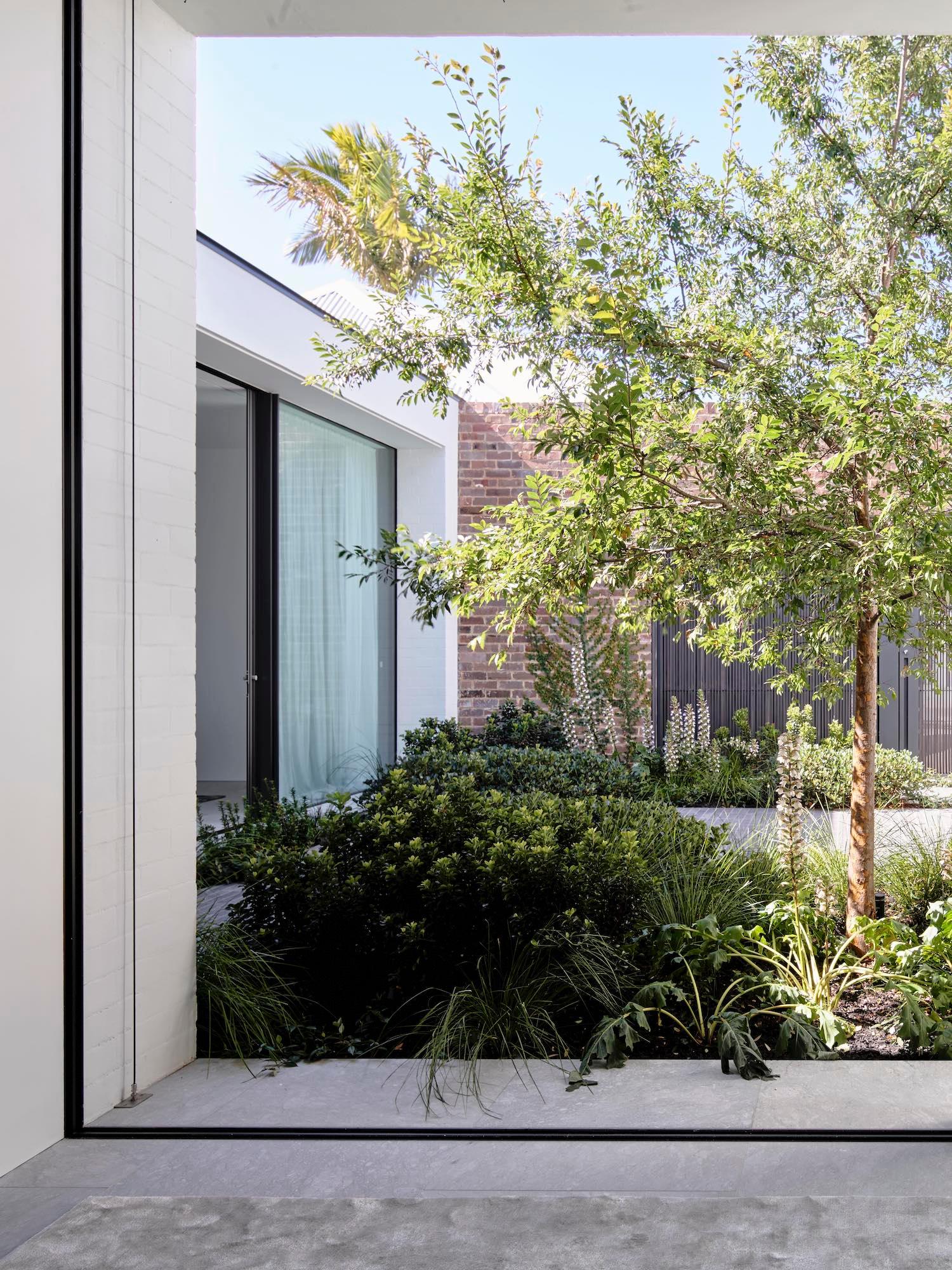
A stunning feature tree changes the way a garden reads. It draws the eye, gives the front of the house a moment, and creates a sense of scale that lawn and hedging alone can't deliver. The right pick depends on your climate, the size of your block, and how much seasonal change you want to invite in.

The five feature trees below cover Mediterranean, formal, contemporary, cool-climate and warm-climate gardens. Together they answer almost any home and almost any climate.

  • Olea europaea 'Manzanillo' — silvery foliage that flickers in the wind, sculptural trunk and reliable olives in autumn. The Mediterranean and coastal feature tree.
  • Ginkgo biloba — the most spectacular autumn gold of any deciduous tree. Pure clean yellow across the whole crown, then a near-perfect circle of fans on the lawn.
  • Lagerstroemia 'Natchez' — pure white summer flowers above smooth cinnamon trunks that read as winter sculpture. Three seasons of presence.
  • Acer palmatum 'Atropurpureum' — burgundy palmate leaves through summer, brilliant red-orange in autumn. The small-garden cool-climate feature tree.
  • Ulmus parvifolia — semi-deciduous shade tree with sculptural mottled bark that improves every year. The most climate-adaptable feature on the list.

Compare at a glance

CultivarHeightWidthFormFoliageBest if you…
Olea europaea 'Manzanillo'
Manzanillo Olive Tree
4 to 8m3 to 5mSculptural multi-trunk or single leader feature treeSilver-grey green leaves with pale undersidesMediterranean style feature trees
Coastal and dry climate gardens
Courtyards and pool surrounds
Sculptural focal points by entries
Paired with formal hedging
Fruit-bearing ornamentals
Ginkgo biloba
Maidenhair Tree
8 to 15m in suburban gardens4 to 7mUpright pyramidal in youth, broader with ageFan-shaped green leaves turning brilliant yellow in autumnAutumn colour feature trees
Urban and suburban front gardens
Formal lawn specimens
Street trees and avenues
Pollution-tolerant inner-city planting
Long-lived heritage trees
Lagerstroemia indica 'Natchez'
Natchez Crepe Myrtle
5 to 8m3 to 5mVase-shaped multi-trunk with sculptural barkGreen leaves turning orange-red in autumnSummer flowering feature trees
Front garden focal points
Courtyards and pool surrounds
Smaller suburban blocks
Street trees and avenues
Multi-trunk sculptural forms
Acer palmatum 'Atropurpureum'
Purple Japanese Maple
3 to 5m2 to 4mSoft layered rounded feature treeDeep burgundy-purple palmate leaves, brilliant red in autumnCool climate feature trees
Courtyards and sheltered front gardens
Under planting beside taller hedging
Japanese and Zen-style gardens
Filtered light positions near homes
Small blocks needing year-round interest
Ulmus parvifolia
Chinese Elm
8 to 12m6 to 10mBroad spreading shade tree with attractive trunkSmall glossy dark green leaves, holding late into winterSuburban shade and lawn specimens
Climate adaptable feature trees
Carbon offset planting in urban blocks
Street tree avenues
Front and back garden focal points
Gardens that want shade without a heavy winter loss
Match the tree to your climate
Manzanillo Olive and Chinese Elm handle the broadest range. Lagerstroemia 'Natchez' and Ginkgo love warm-temperate to cool-temperate gardens. Acer palmatum 'Atropurpureum' wants a sheltered cool-climate position with filtered light.
Block size matters
Acer palmatum sits happily in a 4m courtyard. Lagerstroemia 'Natchez' and Olive sit in the middle at 5 to 8m. Ginkgo and Chinese Elm want genuine front or back garden room to spread.
Evergreen for structure, deciduous for the show
Olive carries year-round silver structure. Ginkgo, Lagerstroemia and Acer give you a seasonal moment and a bare winter silhouette. Chinese Elm sits between the two as semi-deciduous — nearly evergreen in warmer climates.
Foliage tone for the look
Silver foliage (Olive) for rendered Mediterranean homes. Burgundy (Acer 'Atropurpureum') for cool-toned modern facades. Soft green and white blossom (Lagerstroemia 'Natchez') for traditional architecture. Pure autumn yellow (Ginkgo) anywhere it can be seen against a clear sky.
Flowering or foliage feature
Lagerstroemia 'Natchez' leads with flowers — a long summer display. Ginkgo and Acer lead with foliage and autumn change. Olive leads with sculptural form and silver tone. Chinese Elm leads with bark.
Maintenance you can actually keep up with
All five are low maintenance once established. Olive and Chinese Elm are the toughest. Acer wants the most attention to soil moisture and shelter from heat at 30°C and above. None require regular pruning beyond a single shaping cut.

1. Olea europaea 'Manzanillo' (Manzanillo Olive Tree)

Olea europaea 'Manzanillo' is the feature tree for the Mediterranean and coastal Australian garden. Silvery grey-green foliage, gnarled sculptural trunk and reliable olives in autumn. Looks expensive against pale render, dark cladding or limestone.

Type
Evergreen
Height
4 to 8m
Width
3 to 5m
Growth rate
Moderate
Foliage
Silver-grey green leaves with pale undersides
Flowers
Small cream flowers in spring, followed by fruit in autumn
Form
Sculptural multi-trunk or single leader feature tree
Conditions
Full sun, well-drained soil, drought and frost tolerant
Maintenance
Low, shape lightly in late winter
Best for
Mediterranean style feature trees
Coastal and dry climate gardens
Courtyards and pool surrounds
Sculptural focal points by entries
Paired with formal hedging
Fruit-bearing ornamentals

Why choose it

The Manzanillo is the most ornamental of the olives. The silver foliage flickers in the wind, the form holds whether you go single trunk or multi-stem, and the look pairs beautifully with both clean modern architecture and traditional rendered homes.

Perfect pair

Layers beautifully with a Laurus 'Miles Choice' hedge behind for a Tuscan courtyard moment, Japanese Box Topiary Balls at the base for sculptural punctuation, and Star Jasmine as a fragrant Mediterranean groundcover.

Tips for planting

Plant in full sun with sharp drainage. Stake young trees only as needed. Light prune in late winter to lift the canopy and reveal the trunk.

Sculptural, silver, drought-tough. The Mediterranean feature tree.

Shop Olea europaea 'Manzanillo'

2. Ginkgo biloba (Maidenhair Tree)

Ginkgo biloba is the deciduous feature tree with no equal in autumn. Fan-shaped leaves turn a clean, even buttery yellow, then drop in a near-perfect circle around the trunk. An ancient tree species with one of the cleanest profiles in landscape design.

Type
Deciduous
Height
8 to 15m in suburban gardens
Width
4 to 7m
Growth rate
Slow to moderate
Foliage
Fan-shaped green leaves turning brilliant yellow in autumn
Form
Upright pyramidal in youth, broader with age
Conditions
Full sun, well-drained soil, very cold and pollution tolerant
Maintenance
Low, minimal pruning needed
Best for
Autumn colour feature trees
Urban and suburban front gardens
Formal lawn specimens
Street trees and avenues
Pollution-tolerant inner-city planting
Long-lived heritage trees

Why choose it

Nothing else does autumn quite like a Ginkgo. The pure clean yellow against a clear sky, then the carpet of fans on the lawn, gives you a moment that's hard to forget. The tree is also famously tough, handling cities, pollution and cold.

Perfect pair

Layers beautifully with a clipped Ficus hillii hedge behind — the dark dense formal screen makes the autumn yellow Ginkgo glow like a torch. Japanese Box Topiary Balls at the base add sculptural punctuation through the bare winter months.

Tips for planting

Choose a male grafted form for a clean fruitless tree. Plant in well-drained soil with full sun. Stake for the first two years.

The autumn feature tree, full stop.

Shop Ginkgo biloba

3. Lagerstroemia indica 'Natchez' (Natchez Crepe Myrtle)

Lagerstroemia 'Natchez' is the white-flowering Crepe Myrtle that earns its space three seasons a year. Pure white summer flowers, smooth cinnamon trunks revealed as the bark peels, and a soft orange-red autumn finish. A serious feature tree with year round visual interest.

Type
Deciduous
Height
5 to 8m
Width
3 to 5m
Growth rate
Moderate to fast
Foliage
Green leaves turning orange-red in autumn
Flowers
Large white panicles through summer and into early autumn
Form
Vase-shaped multi-trunk with sculptural bark
Conditions
Full sun, well-drained soil, drought tolerant once established
Maintenance
Low to moderate, light prune in winter to shape
Best for
Summer flowering feature trees
Front garden focal points
Courtyards and pool surrounds
Smaller suburban blocks
Street trees and avenues
Multi-trunk sculptural forms

Why choose it

Natchez gives you a long summer flowering window when most other feature trees are quiet. The white panicles read as elegant against any home colour, and the cinnamon trunks deliver winter structure that earns its space in the cold months.

Perfect pair

Layers beautifully with a Murraya hedge for layered white-on-white flowering — fragrant spring Murraya, then white summer Natchez panicles overhead. Star Jasmine works as a fragrant groundcover beneath.

Tips for planting

Plant in full sun for best flowering. Prune lightly in winter to remove crossing branches and lift the foliage off the lawn — never pollard.

Summer flowers, cinnamon trunks, autumn colour. A three-season feature tree.

Shop Lagerstroemia indica 'Natchez'

4. Acer palmatum 'Atropurpureum' (Purple Japanese Maple)

Acer palmatum 'Atropurpureum' is the burgundy-leafed Japanese Maple, and the most popular feature tree for cool-climate Australian gardens. Soft palmate leaves emerge deep red in spring, hold a warm purple through summer, and finish with a brilliant red-orange autumn.

Type
Deciduous
Height
3 to 5m
Width
2 to 4m
Growth rate
Slow
Foliage
Deep burgundy-purple palmate leaves, brilliant red in autumn
Form
Soft layered rounded feature tree
Conditions
Part shade to filtered sun, moist well-drained soil, cool climates preferred
Maintenance
Low, light winter prune for shape
Best for
Cool climate feature trees
Courtyards and sheltered front gardens
Under planting beside taller hedging
Japanese and Zen-style gardens
Filtered light positions near homes
Small blocks needing year-round interest

Why choose it

The Japanese Maple is the small garden feature tree par excellence. The burgundy foliage holds colour all summer rather than fading green, and the autumn change against a green hedge is one of the most reliable beauty moments in any cool-climate garden.

Perfect pair

Layers beautifully with a soft Waterhousea floribunda screen or Murraya hedge behind. The dark burgundy Acer foliage against glossy mid-green native or Mediterranean hedging gives an effortlessly layered, considered look. Add Japanese Box Topiary Balls at the base.

Tips for planting

Plant in part shade or filtered sun for the best leaf colour. Mulch deeply, keep moisture even in summer, and shelter from drying winds.

The cool-climate feature tree. Burgundy summer, glowing autumn.

Shop Acer palmatum 'Atropurpureum'

5. Ulmus parvifolia (Chinese Elm)

Ulmus parvifolia is the semi-deciduous shade tree that handles almost any climate in Australia. Small dark green leaves, mottled grey-cream patchwork bark and a spreading habit make it one of the most reliable suburban feature trees in the range.

Type
Semi-deciduous
Height
8 to 12m
Width
6 to 10m
Growth rate
Fast
Foliage
Small glossy dark green leaves, holding late into winter
Form
Broad spreading shade tree with attractive trunk
Conditions
Full sun to part shade, tolerates most soils, drought and pollution tolerant
Maintenance
Low, prune in winter to lift the foliage and shape
Best for
Suburban shade and lawn specimens
Climate adaptable feature trees
Carbon offset planting in urban blocks
Street tree avenues
Front and back garden focal points
Gardens that want shade without a heavy winter loss

Why choose it

The Chinese Elm is one of the most adaptable feature trees you can plant in Australia. Cold-climate gardens get it semi-deciduous; warm climates get evergreen-feeling shade nearly all year. The bark is sculptural at every age.

Perfect pair

Layers beautifully with a Waterhousea floribunda screen behind for soft year-round green privacy while the Chinese Elm reads as the spreading shade feature out in front. Ligularia reniformis sits beautifully in the cool shade beneath the canopy.

Tips for planting

Plant in full sun for the strongest form. Mulch and water regularly through the first two summers. Lift the foliage gradually each winter to reveal the trunk.

Climate-adaptable shade tree. The reliable suburban feature.

Shop Ulmus parvifolia

How to plant and care for them

Pick the position
Match sun exposure to the species. Most want full sun. Acer palmatum prefers part shade or filtered light. Allow the mature width clear of buildings and other trees.
Prepare the planting hole
Dig the hole twice the width of the rootball and the same depth. Mix the original soil with aged compost rather than replacing it. Loosen the sides so roots can move outward.
Plant level
Set the rootball so the top sits level with surrounding soil, never deeper. Backfill with the soil and compost mix and leave a watering well at the surface.
Water in deeply at planting
Soak the rootball thoroughly so the new soil settles around the roots. Top up the watering well twice in the first day if the soil drinks fast.
Mulch out to the drip line
Lay 75 to 100mm of organic mulch from 50mm clear of the trunk out to the drip line. Mulch keeps roots cool and holds moisture through summer.
Stake on exposed sites
Stake on windy or open positions for the first year. Two stakes outside the rootball with soft ties that allow the trunk to flex. Remove once the tree is anchored.
Water deeply through the first two summers
Twice a week deep watering in warm weather, once a week in mild weather, through the first two summers. After establishment all five trees here hold their own on rainfall plus the occasional deep soak.

The wrap up

The five stunning feature trees split by what they lead with. Manzanillo Olive carries sculptural silver structure year round. Ginkgo delivers the cleanest autumn gold of any deciduous tree. Lagerstroemia 'Natchez' runs three seasons — white summer flowers, autumn colour, cinnamon winter bark. Acer palmatum 'Atropurpureum' holds burgundy all summer and finishes scarlet. Chinese Elm is the most climate-adaptable, with the most beautiful trunk of the group.

The strongest front gardens layer a feature tree against a hedge or screen behind. Plant the feature where you can see it from the house, give it room and water through the first two summers, and the tree will hold its job for decades.