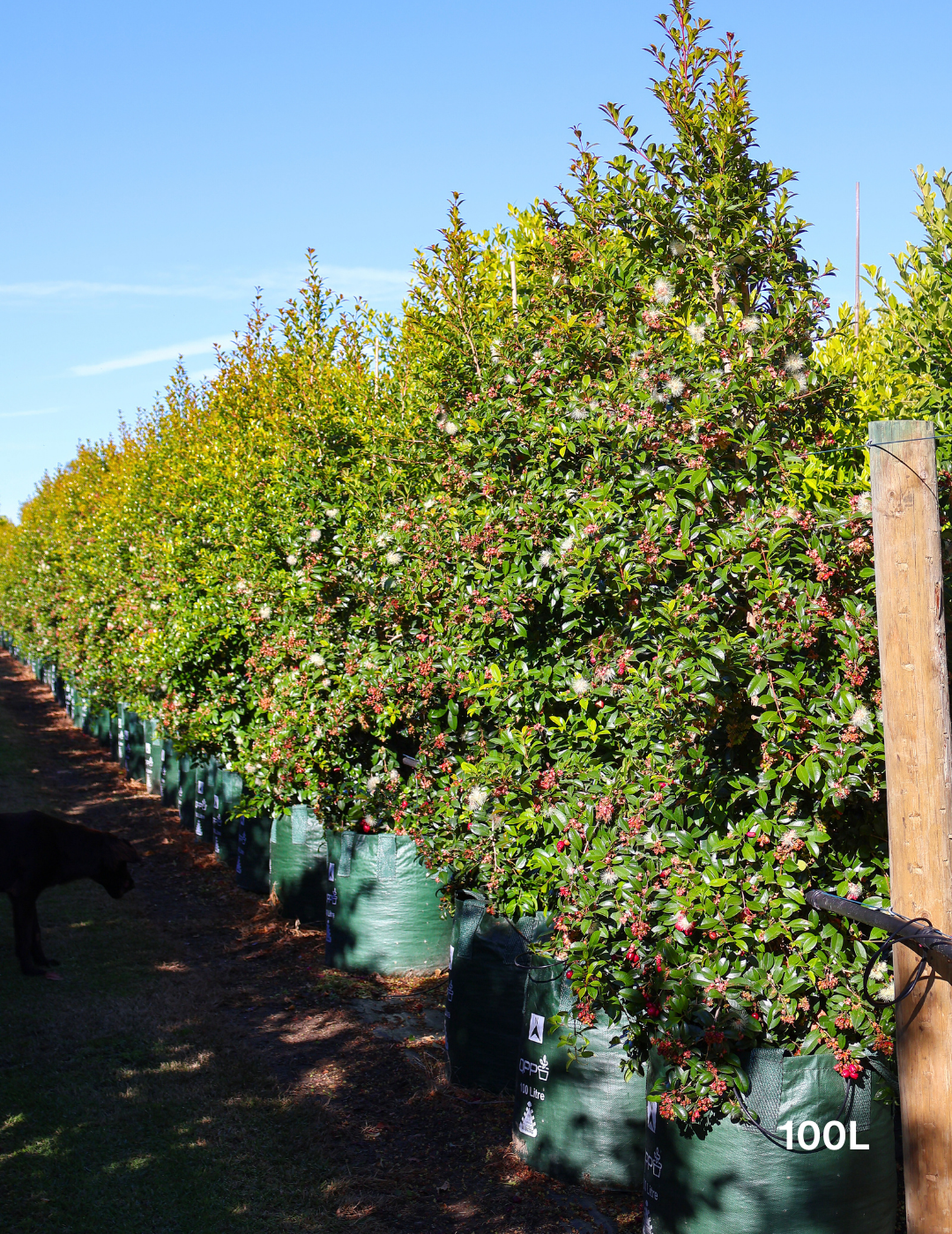
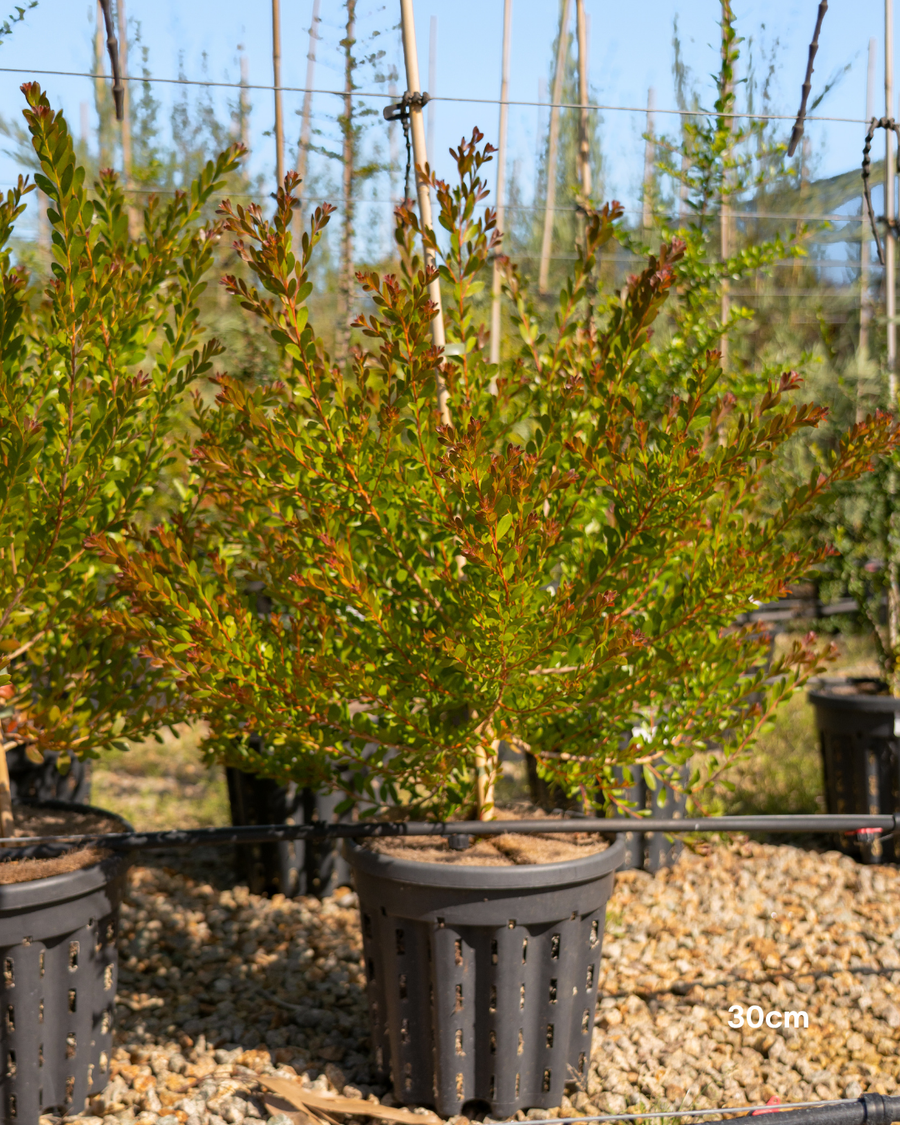
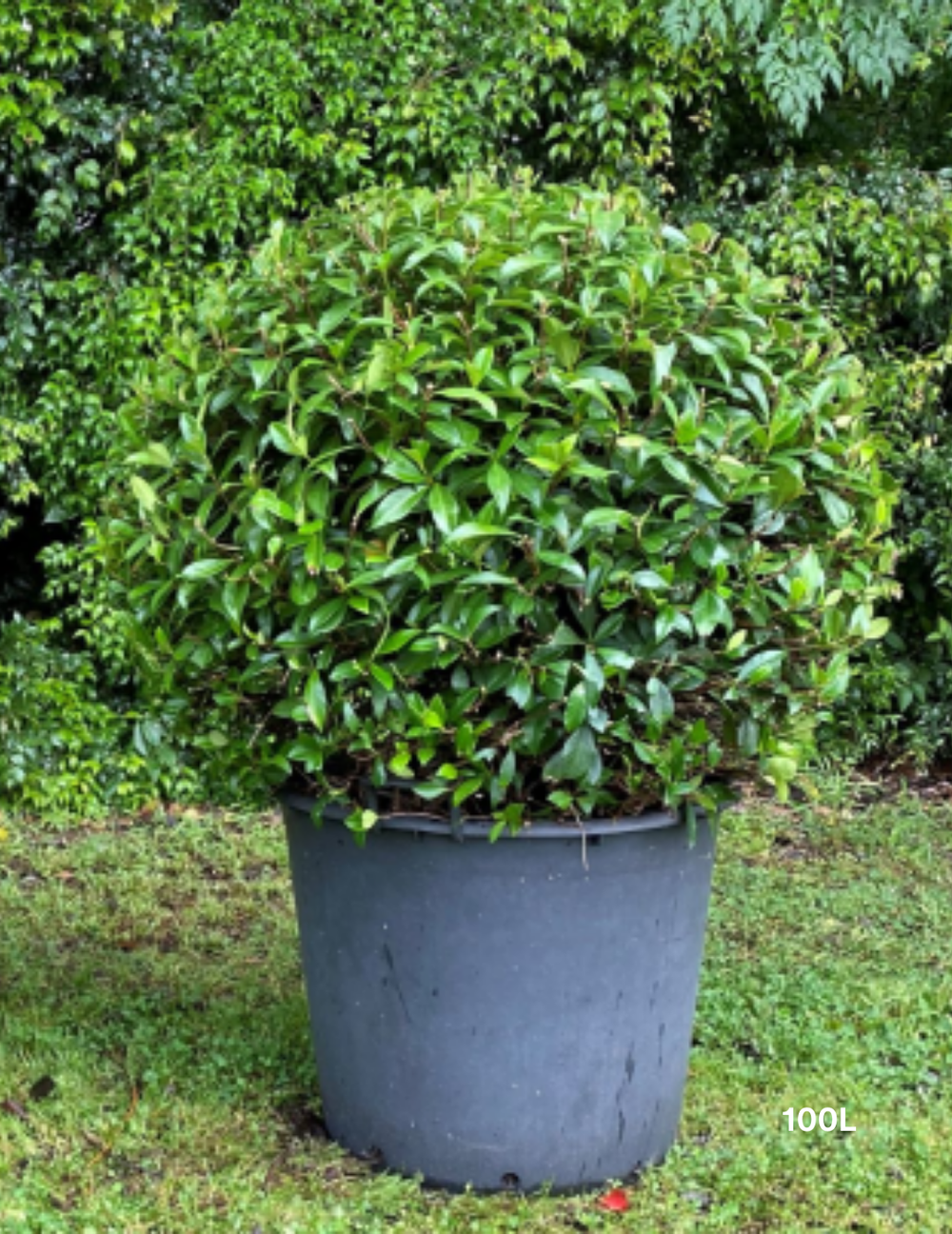
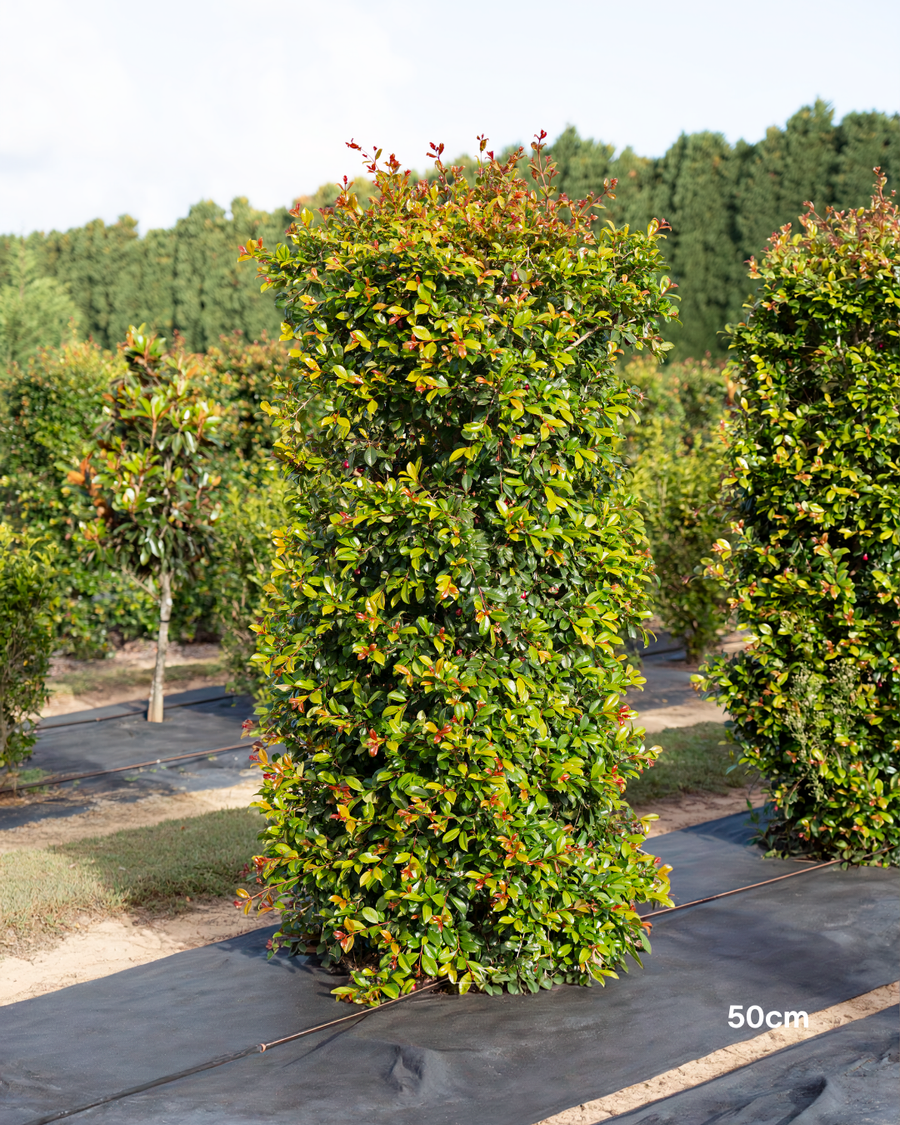
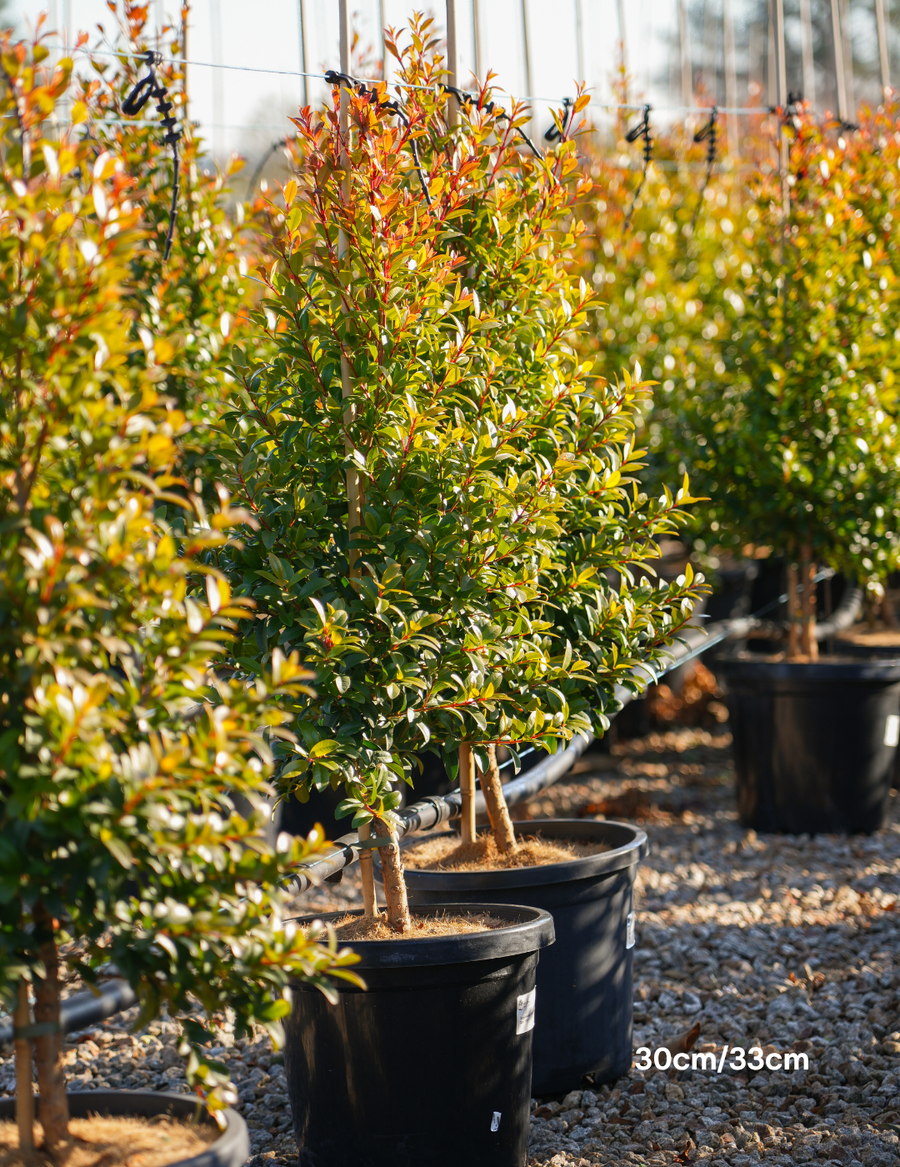
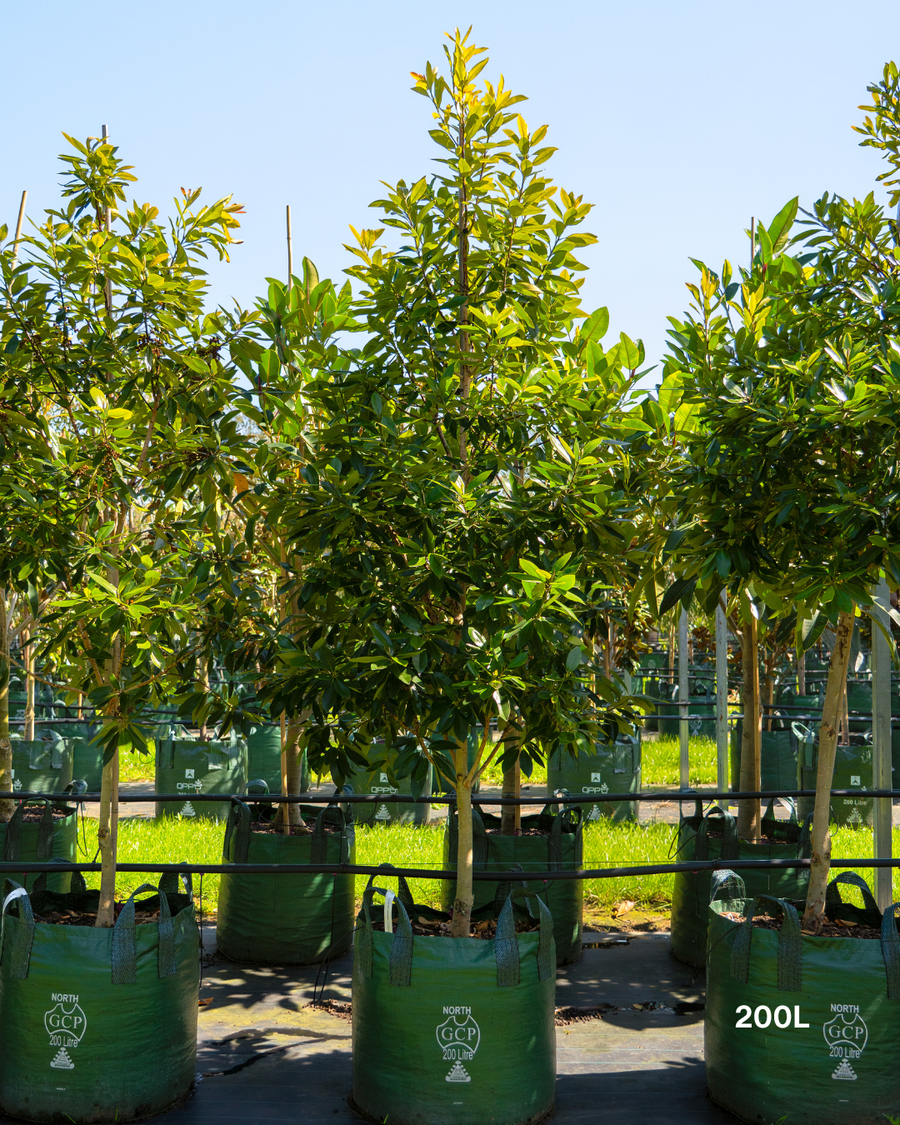
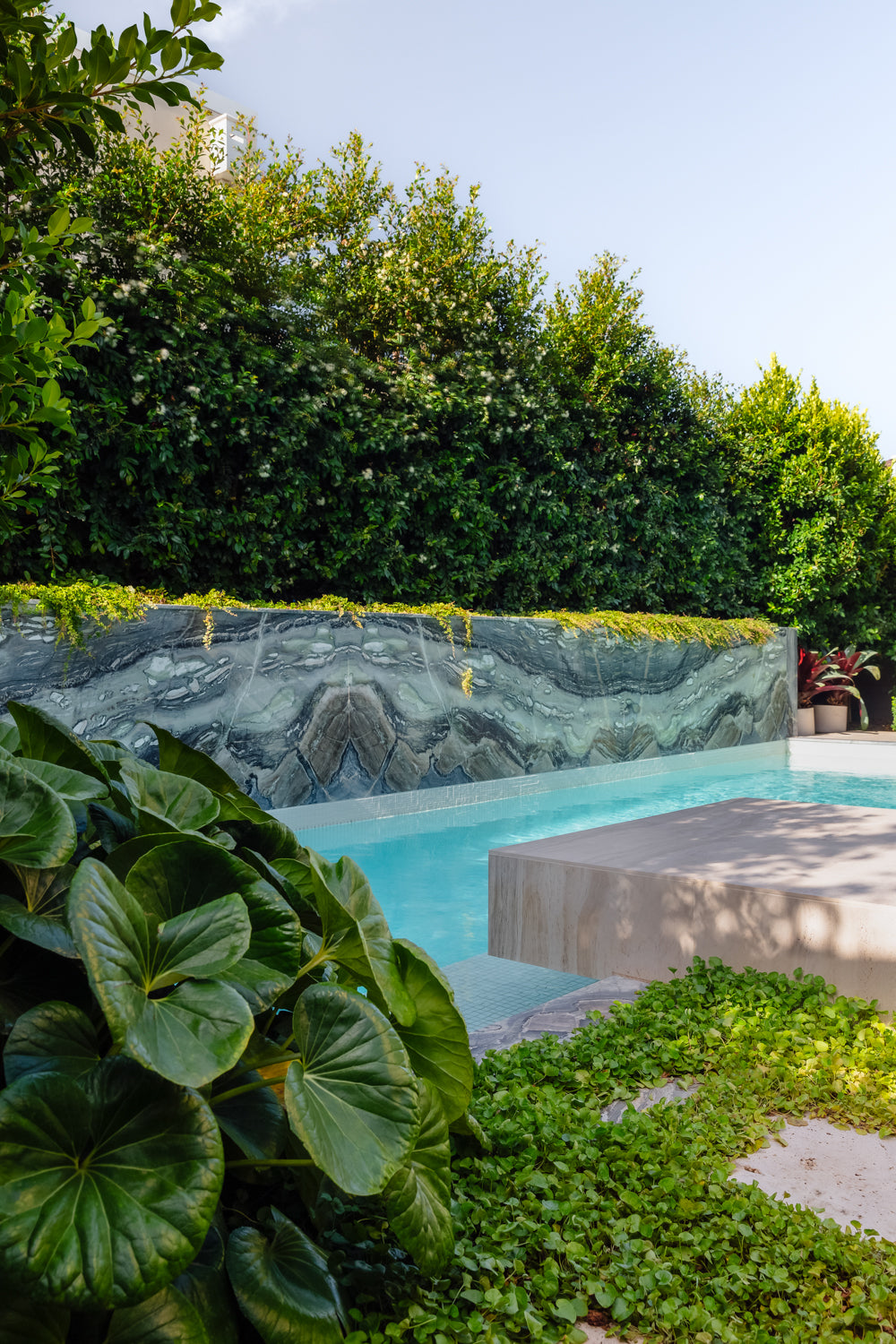
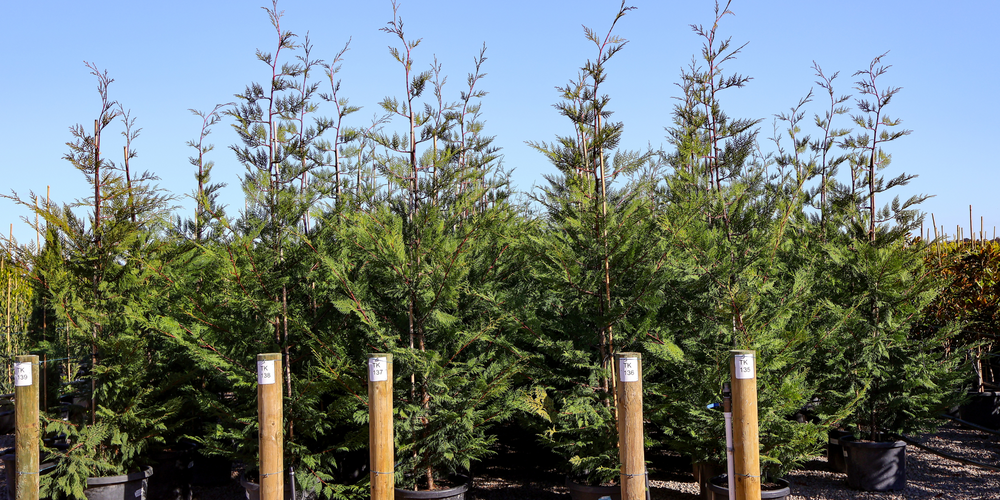
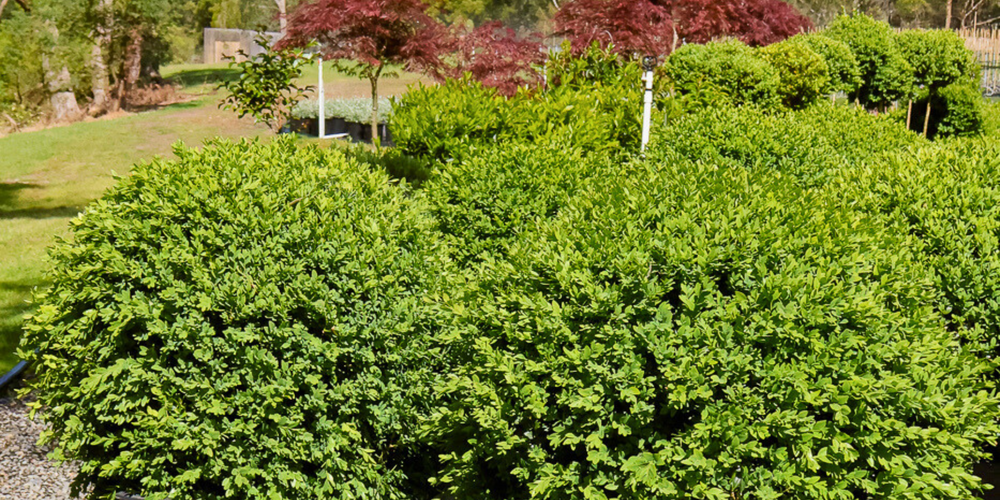
Syzygium australe, the brush cherry or lilly pilly, is a fast growing evergreen Australian native, seen as a large shrub or a small tree depending on how it is trained. The glossy foliage is dense to the ground and coppery red when new, and creamy white flowers give way to pink to dark red edible berries.
It reaches 6 to 10 metres pruned and up to 12 metres unpruned, spreading 3 to 5 metres, and puts on 50 to 80 centimetres a year. Full sun to part shade both suit it. Enriched, well drained soil is ideal, and established plants take coastal exposure, light frost and moderate drought.
Most buyers use it as a tall hedge or privacy screen, though it makes a fine shade tree if allowed to run. It clips hard into formal shapes and recovers quickly, which suits urban gardens and commercial landscapes where a screen must stay in bounds. Flowers and berries add wildlife value at no extra work.
Frequently Asked Questions
About Brush Cherry
What is Brush Cherry?
Syzygium australe is a rainforest species from the east coast of Australia, ranging from southern Queensland through to eastern Victoria. In the wild it grows as a tree along creek lines and rainforest margins. In gardens it is most often kept as a hedge, since it responds to clipping better than almost any other native.
How big does Syzygium australe grow?
Left unpruned it can reach 12 metres, and it typically sits between 6 and 10 metres when pruned, with a spread of 3 to 5 metres. As a clipped hedge it will hold at any height between about 1.5 and 5 metres. Judge the site on width as much as height, because the canopy is broad.
How fast does it grow?
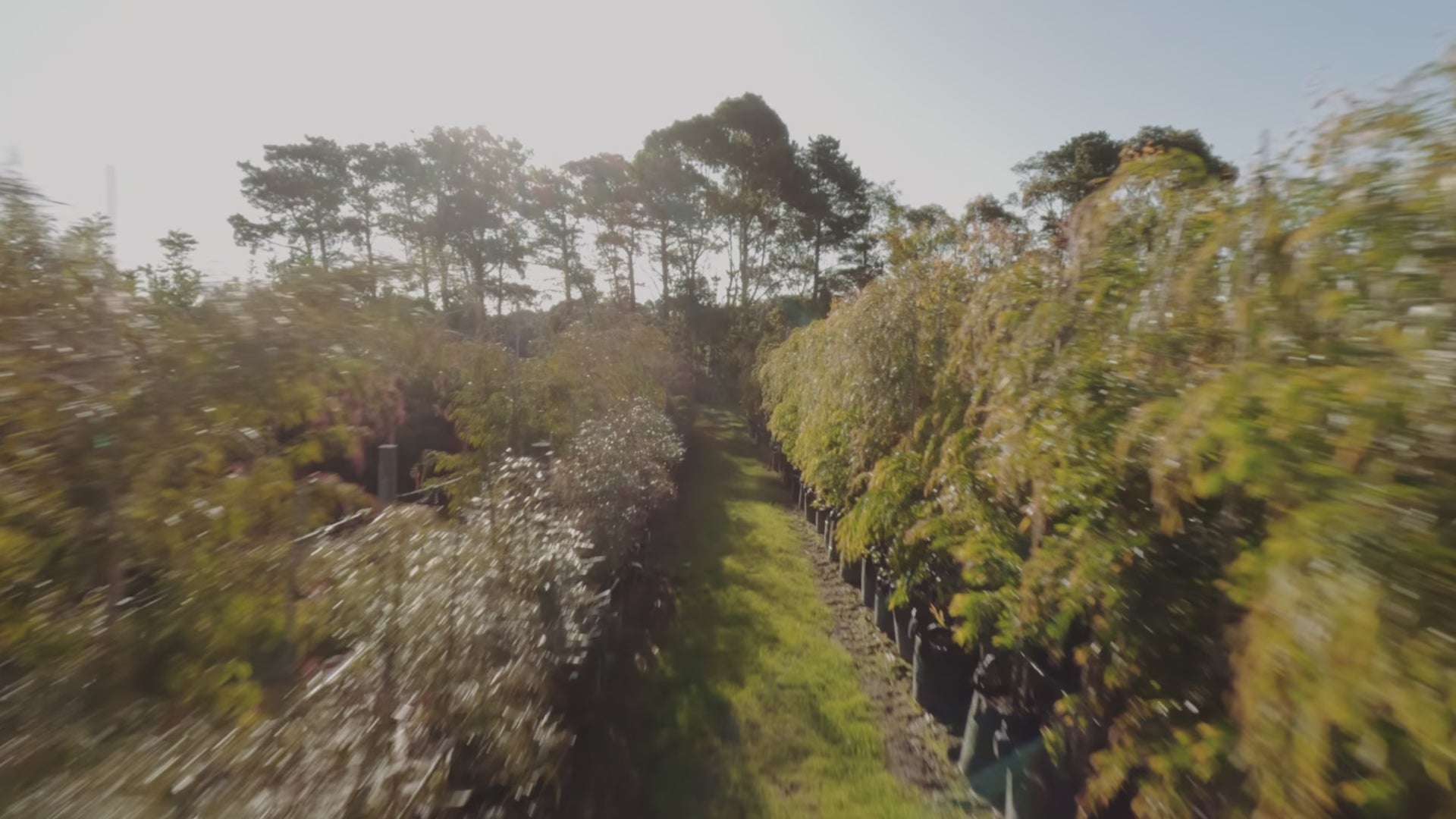
It grows 50 to 80 centimetres a year, which is moderate to fast, and it is one of the quicker ways to get a tall screen. Growth is strongest in warm humid conditions with regular water. A hedge planted from advanced stock will usually close up within two seasons if kept watered and trimmed.
Are the berries edible?
Yes. The pink to dark red fruit is edible, with a crisp texture and a tart, faintly spicy flavour. It is more commonly used for jams, jellies and cordials than eaten in quantity fresh. Fruit forms in summer and autumn after flowering, and birds usually take most of it before anyone gets around to picking.
Is it frost and drought tolerant?
It tolerates light frost once established and copes with moderate dry periods, though it is not a plant for hot arid inland gardens without irrigation. Young plants are more sensitive on both counts and need protection through their first winter in cold districts. Consistent moisture produces the dense foliage that makes a good screen.
How far apart should I plant it for a screen?
For a dense informal screen, 1 to 1.5 metres apart works well. For a tighter formal hedge, plant 80 centimetres apart. As a feature or shade tree, allow 3 to 4 metres between trees, or 3 metres for avenue planting where a uniform line is wanted. Spacing tighter than 80 centimetres brings no benefit.
How do I prune and maintain it?
Trim two or three times a year through the warmer months, cutting lightly and often rather than hard and rarely. Water deeply in the first two summers and mulch well. Feed in spring and again in late summer with a native fertiliser. Older plantings can be cut back hard into bare wood and will reshoot readily.