Prunus salicina 'Santa Rosa' Plum
Couldn't load pickup availability
Current Stock Height Guides
Height guide disclaimer: Height ranges are approximate only. As living products, plant heights naturally vary between individual plants, batches, and seasons. No guarantee is given that supplied plants will fall within the stated range. If minimum heights are required, you mustconfirm current batch heights with Evergreen Trees Direct prior to purchase. Variation in height is normal and is not grounds for return, refund, replacement, or compensation.
Mature Height & Width
Mature Height: 3m to 5m (approx.) (can be kept smaller by pruning)
Mature Width: 2m to 3m
Prunus salicina 'Santa Rosa' Plum is expected to grow 60cm to 90cm per year (fast) (approx.).
Root Ball Dimensions
Use this as a reference when digging your planting hole. We recommend digging at least 10% wider than the dimensions below to encourage strong root development.
- 30cm Pot: 33cm (W) × 30cm (D)
- 40cm/45L Pot: 44cm (W) × 41.5cm (D)
- 50cm Pot / 70L Pot: 55cm (W) × 41.8cm (D)
- 100L Bag: 50.6cm (W) × 52.8cm (D)
- 150L Bag: 66cm (W) × 55cm (D)
- 200L Bag: 71.5cm (W) × 60.5cm (D)
- 300L Bag: 88cm (W) × 63.8cm (D)
- 400L Bag: 99cm (W) × 66cm (D)
- 500L Bag: 122cm (W) × 66cm (D)
- 750L Bag: 134cm (W) × 69cm (D)
- 1000L Bag: 146.3cm (W) × 71.5cm (D)
- 2000L Bag: 176cm (W) × 82.5cm (D)
Trade
Trade
We supply advanced trees to landscapers, developers, architects, and councils Australia-wide. Trade clients receive fast quotes, expert advice, and access to premium stock with reliable freight.
Shipping
Shipping
Shipping is calculated at checkout based on the pallet space your order occupies in the truck and your delivery location.
There is no charge to calculate your freight.
Contact
Contact
Have a question or a list to send through to us?
Email: sales@evergreentrees.com.au
Phone: (03) 7042 3318
Share this product

About Your New Prunus salicina 'Santa Rosa' Plum
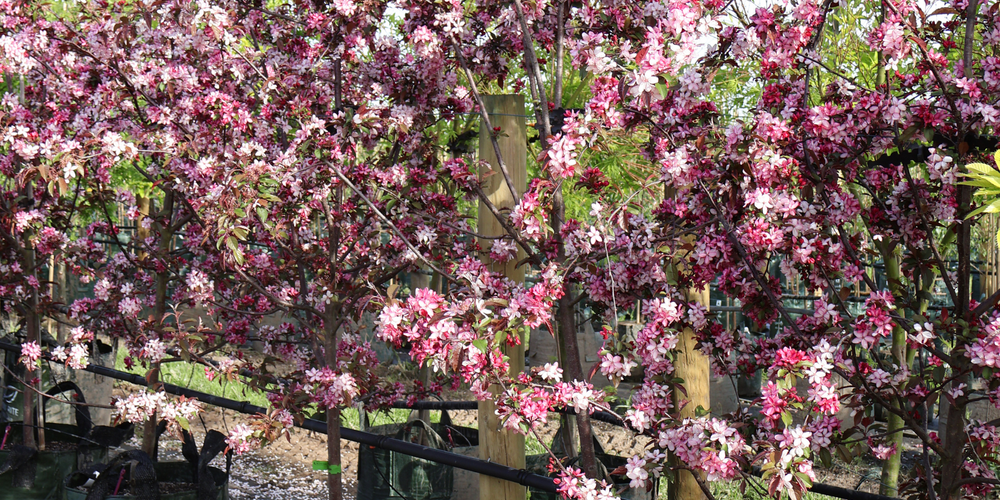
Prunus salicina 'Santa Rosa' is a deciduous Japanese plum with an upright, spreading frame. White to pale pink blossom opens in spring before the leaves, drawing bees in numbers. Fruit follows in summer, deep purple red on the outside with amber flesh, fragrant and juicy. Glossy oval leaves fill out the canopy through the growing season.
Full sun and free draining soil give the best crops. It grows quickly, 60 to 90 centimetres a year, and needs winter chill, so cool and temperate districts across southern Australia suit it better than the subtropics. Keep water up while the fruit is sizing. Once established the tree carries moderate dry spells without complaint.
At roughly 3 to 4 metres tall and 2 to 3 metres wide it earns its space in a home orchard, a mixed edible garden or a productive backyard. It is also the standard pollinator for other Japanese plums, so it does double duty in any planting where a second variety is needed.
Frequently Asked Questions
About Santa Rosa Plum
What is a Santa Rosa Plum?
Santa Rosa is a Japanese plum cultivar, Prunus salicina 'Santa Rosa', and probably the most widely grown plum in Australian home gardens. It is deciduous, quick growing and upright to spreading, with white to pale pink spring blossom and medium to large fruit that has purple red skin and sweet amber flesh tinged red near the skin.
How big does Santa Rosa Plum grow?
Around 3 to 4 metres tall with a spread of 2 to 3 metres under normal home garden pruning. The habit is upright first and spreading with age, so the canopy widens as the tree settles. Annual pruning keeps it at a comfortable picking height, and allowing 3 to 4 metres between trees gives each one room.
How fast does it grow?
Fast for a fruit tree, roughly 60 to 90 centimetres a year while young and well watered. That vigour means it comes into bearing quickly, often within two to three years of planting, but it also means the framework needs shaping early. Growth slows once the tree begins carrying serious crops.
Is it self fertile?
Santa Rosa is partly self fertile, so a single tree will produce a crop on its own. Yields improve noticeably where a second Japanese plum such as Mariposa or Satsuma flowers at the same time nearby. It is also the variety most often planted specifically to pollinate other Japanese plums, which is worth knowing when planning a small orchard.
When is the fruit ready to pick?
Fruit ripens through summer, most commonly from late December into January, several weeks after the spring blossom has finished. Pick when the skin has coloured fully and the fruit gives slightly to gentle pressure. Plums do not sweeten much after picking, so leaving them on the tree a few extra days makes a clear difference.
Where does it grow best in Australia?
It suits cool and warm temperate districts with a proper winter, which covers Victoria, Tasmania, the New South Wales tablelands and inland areas, South Australia and the south west of Western Australia. It manages in coastal Sydney and Perth gardens with a lighter crop. Tropical and humid subtropical regions lack the winter chill it needs.
How do I prune and care for it?
Prune in late summer or early autumn while the weather is dry to reduce canker risk, opening the centre and shortening vigorous upright shoots. Water deeply through fruit development, mulch each spring and feed with a balanced fertiliser as growth starts. Thin heavy crops to protect the limbs and net the tree once fruit begins to colour.

Evergreen Trees Direct Has Been Featured In:
Plant Your Prunus salicina 'Santa Rosa' Plum With:
Type: Garden Supplies
Enriched Planting Mix (AO Certified)
Type: Structural Foliage
Buxus sempervirens English Box Topiary Balls
Type: Hedging and Screening Trees
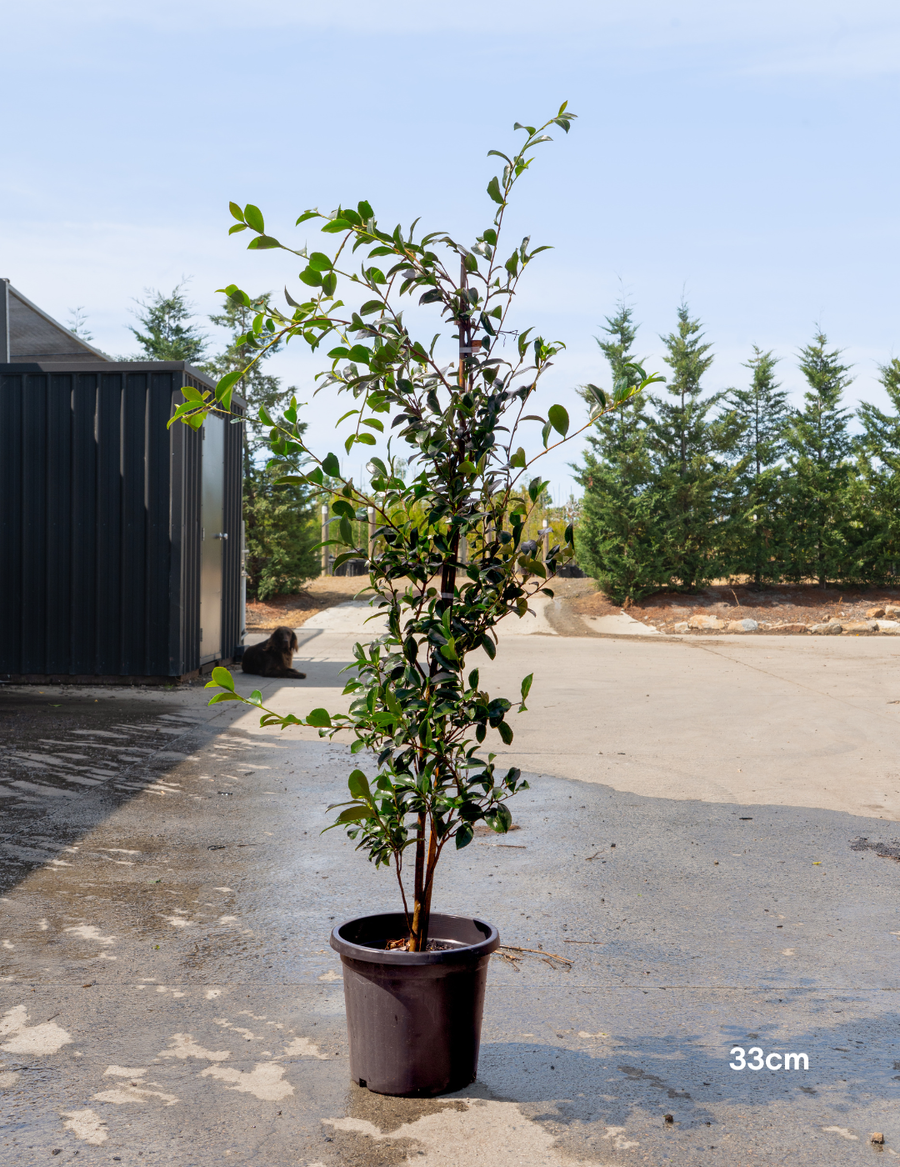
Camellia sasanqua 'Setsugekka'
Type: Hedging and Screening Trees
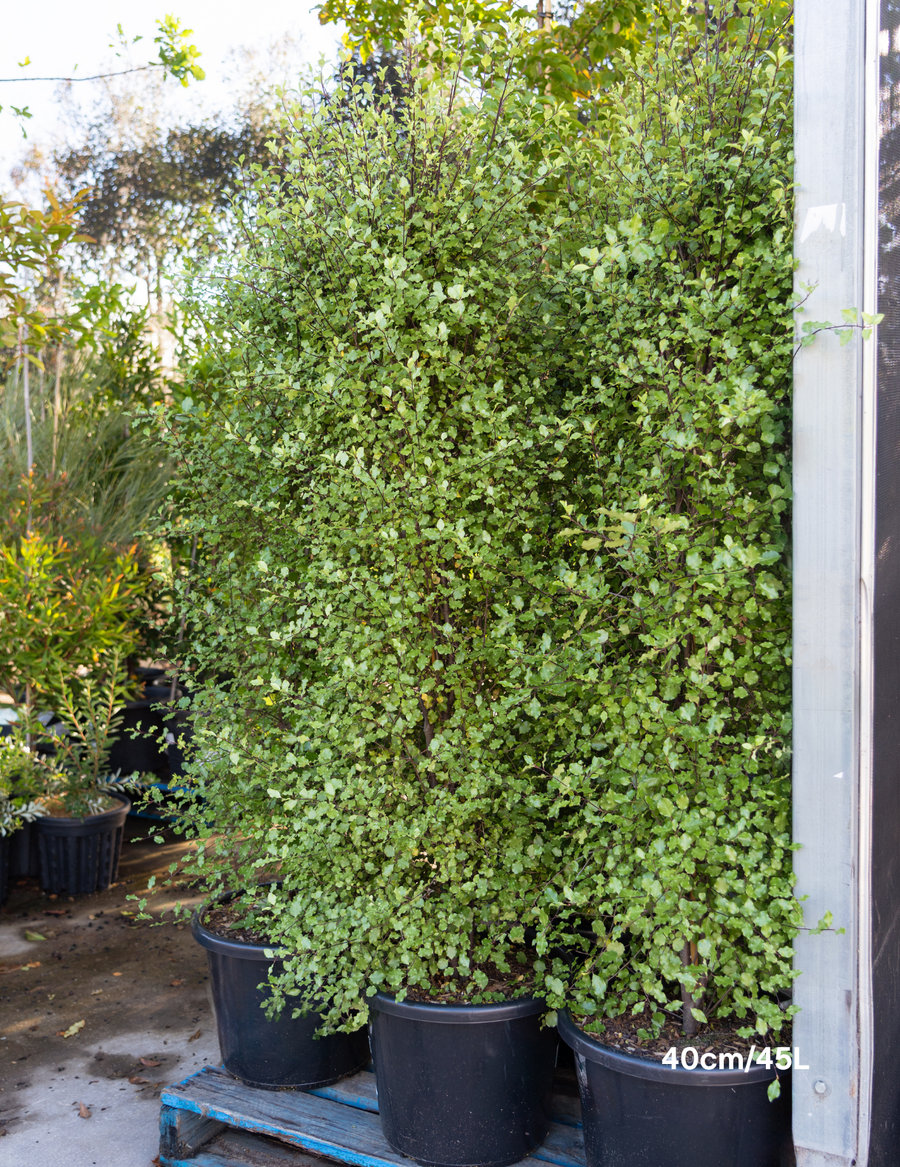
Pittosporum tenuifolium 'Silver Sheen'
Type: Hedging and Screening Trees
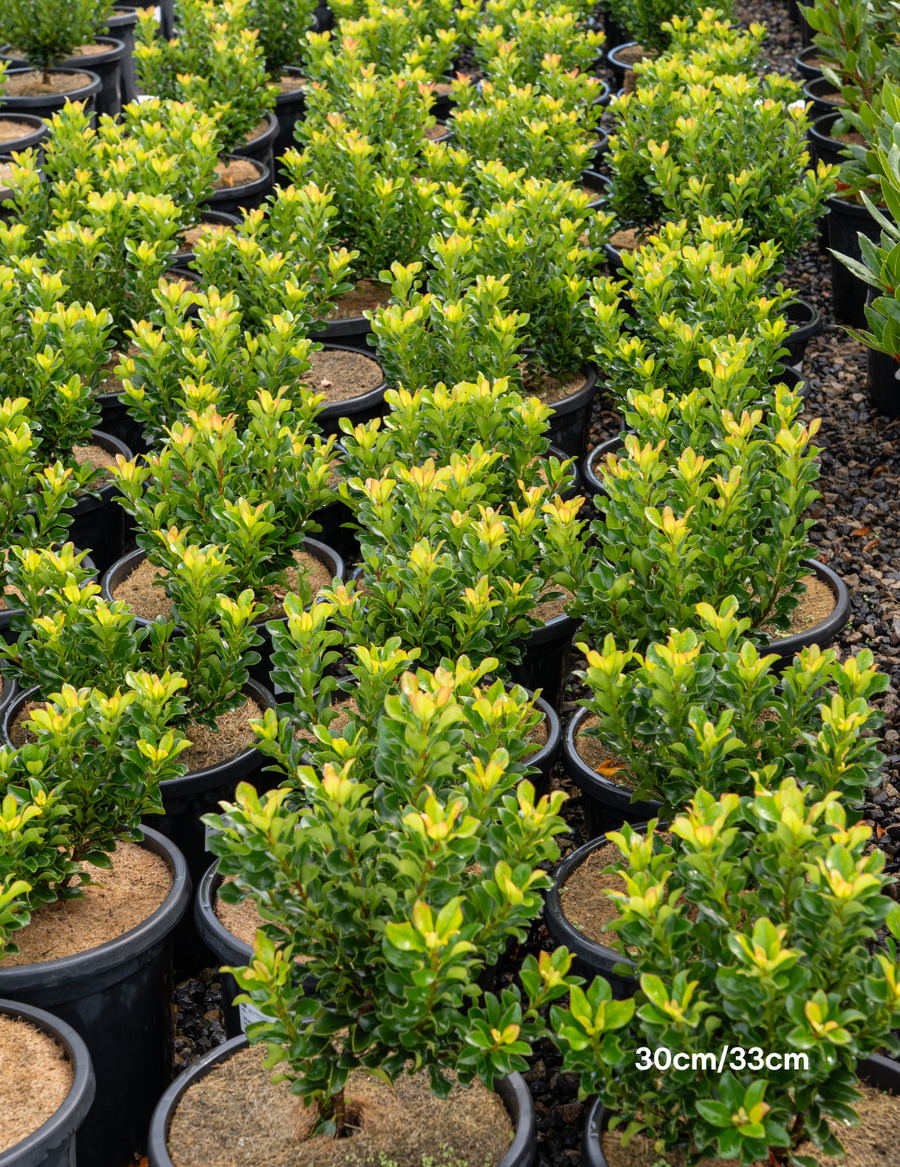
Rhaphiolepis indica 'Snow Maiden'
Type: Hedging and Screening Trees
Viburnum tinus
Uses in my Garden
Uses in my Garden
Prunus salicina 'Santa Rosa' Plum works in an:
Is Prunus salicina 'Santa Rosa' Plum Evergreen or Deciduous?
Prunus salicina 'Santa Rosa' Plum is an Deciduous (Defoliates throughout colder months) Tree
Mature Height & Width
Mature Height: 3m to 5m (approx.) (can be kept smaller by pruning)
Mature Width: 2m to 3m
Prunus salicina 'Santa Rosa' Plum is expected to grow 60cm to 90cm per year (fast) (approx.).
Growth Rate of Prunus salicina 'Santa Rosa' Plum
Prunus salicina 'Santa Rosa' Plum is expected to grow 60cm to 90cm per year (fast) (approx.).
They are considered to have a:
Frost Tolerance & Ideal Climate to plant Prunus salicina 'Santa Rosa' Plum
Is Prunus salicina 'Santa Rosa' Plum frost tolerant?
Prunus salicina 'Santa Rosa' Plum is Frost Hardy – Survives heavy and frequent frost without damage.
Does Prunus salicina 'Santa Rosa' Plum Flower?
Prunus salicina ‘Santa Rosa’ produces masses of delicate white blossoms in early spring, often before the leaves emerge. These soft, lightly fragrant blooms create a classic orchard-style display and set the stage for its well-known, richly flavoured red plums.
Does Prunus salicina 'Santa Rosa' Plum flower?
Flowering Period:
Flower Type:
Flower Colour:
White
Is Prunus salicina 'Santa Rosa' Plum an Australian Native Tree?
No
Prunus salicina 'Santa Rosa' Plum is Native to A Japanese plum cultivar (Prunus salicina), bred in California and now widely grown around the world, including Australia.
What is the Wildlife Value of Prunus salicina 'Santa Rosa' Plum ?
Its early-season blossoms attract bees and other pollinating insects essential for fruit formation. The ripening plums provide food for birds, while the branching canopy offers shelter and nesting opportunities, supporting biodiversity in home orchards and edible landscapes.
How much Sunlight does Prunus salicina 'Santa Rosa' Plum need?
Prunus salicina 'Santa Rosa' Plum will thrive best in:
Preferred Soil?
Preferred Soil?
Prunus salicina ‘Santa Rosa’ performs best in well-drained loam or sandy loam soils and prefers slightly acidic to neutral conditions. It may struggle in heavy clay or poorly drained soils unless improved with organic matter and coarse material to boost drainage and aeration. Keep soil evenly moist during establishment, then transition to deep, occasional watering as the tree matures to support vigorous growth, healthy root systems and reliable annual fruiting.
Is Prunus salicina 'Santa Rosa' Plum Drought Tolerant?
Is Prunus salicina 'Santa Rosa' Plum Drought tolerant?
As a young tree it requires regular watering, but once established ‘Santa Rosa’ offers moderate drought tolerance. It performs strongly in warm, dry climates and maintains good growth and fruit set with deep, occasional watering during extended dry spells. Steady moisture during flowering and fruit development improves both yield and fruit size.
Planting Information
How To Plant Your Prunus salicina 'Santa Rosa' Plum
Recommended Planting Spacing For Your Prunus salicina 'Santa Rosa' Plum
Prunus salicina 'Santa Rosa' Plum is expected to grow 60cm to 90cm per year (fast) (approx.).