Liquidambar styraciflua 'Rotundiloba'
Liquidambar styraciflua 'Rotundiloba' – Fruitless Sweetgum
Deciduous · Full Sun
Mature size: 12m high × 7m wide
- Deciduous
- Full Sun
- Mature height12m
- Mature width7m
- Frost Hardy
- Flowers

Most loved for giving the full autumn display of a liquidambar with no spiky seed pods, on rounded lobed leaves rather than the sharp star shape of the species.
Regular price
$290.00
Sale price
$290.00
Regular price
Tax included.
Shipping calculated at checkout.
Pot size
Available batches
- Current height guide
- Please enquire
- Pot size
- 40cm/45L
Approximate only. Minimum height important? Confirm with us.
Height guide & disclaimer
Height guide disclaimer: Height ranges are approximate only. As living products, plant heights naturally vary between individual plants, batches, and seasons. No guarantee is given that supplied plants will fall within the stated range. If minimum heights are required, you must confirm current batch heights with Evergreen Trees Direct prior to purchase. Variation in height is normal and is not grounds for return, refund, replacement, or compensation.
Quantity
About this treeCouldn't load pickup availability
Mature height & width
Mature height & width
- Mature height
- 12m (approx.)
- Mature width
- 7m (approx.)
Pot sizes & dimensions
Pot sizes & dimensions
| Pot / bag size | Width | Depth |
|---|---|---|
| 30cm Pot | 33cm | 30cm |
| 40cm/45L Pot | 44cm | 41.5cm |
| 50cm Pot / 70L Pot | 55cm | 41.8cm |
| 100L Bag | 50.6cm | 52.8cm |
| 150L Bag | 66cm | 55cm |
| 200L Bag | 71.5cm | 60.5cm |
| 300L Bag | 88cm | 63.8cm |
| 400L Bag | 99cm | 66cm |
| 500L Bag | 122cm | 66cm |
| 750L Bag | 134cm | 69cm |
| 1000L Bag | 146.3cm | 71.5cm |
| 2000L Bag | 176cm | 82.5cm |
General planting reference from our existing size guide. Actual containers can vary by supplier and batch; confirm exact dimensions if required.
Delivery & pickup
Delivery & pickup
See also
See also
Perfect pairs
Perfect pairs
Most customers usually also buy
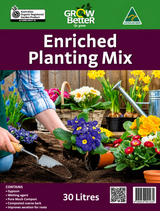
- Enriched Planting Mix (AO Certified)
- Helleborus x glandorfensis 'Ice Breaker Max' – Winter Rose
- Arthropodium cirratum – New Zealand Rock Lily
- Stachys byzantina Lamb's Ears
- Pine Bark Mulch


Total A$0.00
Trade enquiries
Trade enquiries
We supply advanced trees to landscapers, developers, architects, and councils Australia-wide. Trade clients receive fast quotes, expert advice, and access to premium stock with reliable freight.
Freight estimate
Based on the items currently in your cart.
Final delivery cost is confirmed at checkout using your full address.


About Liquidambar styraciflua 'Rotundiloba'
Liquidambar styraciflua 'Rotundiloba' is a selected form of the sweetgum that does not set fruit. It carries the same autumn display as the species, without the hard spiky seed balls that drop onto lawns, paths and driveways through winter.
The leaves are the other difference. Where the species has sharp star shaped foliage, 'Rotundiloba' has deep green leaves with smooth rounded lobes. They turn yellow, then orange and burgundy red, and hold that colour for several weeks rather than dropping in a single week.
It reaches around 12 metres tall and 7 metres wide. Young trees are narrow and pyramidal, broadening to an oval crown with age. Growth is moderate to fast in a full sun position with deep, humus rich soil.
This is the liquidambar for a lawn, a pool surround, a driveway or a street frontage, anywhere the seed pods of the standard sweetgum would be a problem underfoot. For a large open space where pods are not an issue, the straight species is a cheaper option.
Frequently Asked Questions
About Fruitless Sweetgum
Is 'Rotundiloba' really fruitless?
Yes. It was selected for exactly this reason and does not produce the woody spiked seed balls that the standard sweetgum drops through autumn and winter. That makes it a practical choice over lawn, paving, pool surrounds and anywhere people walk barefoot.
How is it different from a normal Liquidambar?
Two differences. It sets no fruit, and the leaves have rounded lobes instead of the sharp points of the species. It is also a smaller tree, around 12 metres rather than 20 metres plus, which makes it workable on suburban blocks where a full size sweetgum would outgrow the space.
How big does it get?
Around 12 metres tall and 7 metres wide at maturity. The habit is narrow and upright for the first years, then broadens into an oval crown. Allow at least 5 metres from a building and keep it clear of overhead wires.
When does the autumn colour come?
Through April to June across southern Australia. The sequence runs yellow, then orange, then burgundy red, and it holds for an extended period rather than turning and dropping quickly. Cool autumn nights produce the strongest colour.
Where does it grow best?
Cool to temperate regions suit it best, including Victoria, the ACT, Tasmania, inland NSW and the Adelaide Hills. It wants full sun and a deep, humus rich, free draining soil. It will grow in warmer coastal gardens but autumn colour is less intense.
Will it handle frost?
Yes. Sweetgums are frost hardy once established and cold winters are part of what drives the autumn display. Young trees in their first two winters benefit from a mulched root zone, but no other protection is needed.
Is it suitable as a street tree?
It is a strong street and nature strip choice, because the lack of seed pods removes the main complaint councils and residents have about liquidambars. Plant 6 to 8 metres apart for a canopy avenue.
How much pruning does it need?
Very little. Formative pruning in the first few winters to establish a single leader and clear trunk is all that is required. After that, remove damaged or crossing wood in winter and leave the canopy to develop.
| Mature height | 12m (approx.) |
|---|---|
| Mature width | 7m (approx.) |
| Position | Full Sun |
| Growth per year | 60cm to 1m per year (moderate to fast) (approx.) |
| Frost | Frost Hardy |
| Foliage | Deciduous (Defoliates throughout colder months) |
| Form | Upright · Rounded |
| Uses | Feature Tree · Avenue Planting · Street Tree · Council or Civic Landscapes · Shade Tree |
| Rootball width & depth | View dimensions → |
- Foliage
Deciduous (Defoliates throughout colder months)
- Position
- Form
- Use
- Mature height
- 12m (approx.)
- Mature width
- 7m (approx.)

Planting Information
Recommended Planting Spacing For Your Liquidambar styraciflua 'Rotundiloba' – Fruitless Sweetgum
Liquidambar styraciflua 'Rotundiloba' – Fruitless Sweetgum is expected to grow 60cm to 1m per year (moderate to fast) (approx.).
Long Term Care For Your Liquidambar styraciflua 'Rotundiloba' – Fruitless Sweetgum
Planting Your Liquidambar styraciflua 'Rotundiloba' – Fruitless Sweetgum in Different Soil
Uses in my Garden
Uses in my Garden
Liquidambar styraciflua 'Rotundiloba' – Fruitless Sweetgum works in an:
Is Liquidambar styraciflua 'Rotundiloba' – Fruitless Sweetgum Evergreen or Deciduous?
Liquidambar styraciflua 'Rotundiloba' – Fruitless Sweetgum is an Deciduous (Defoliates throughout colder months) Tree
Mature Height & Width
Mature Height: 12m (approx.)
Mature Width: 7m (approx.)
Liquidambar styraciflua 'Rotundiloba' – Fruitless Sweetgum is expected to grow 60cm to 1m per year (moderate to fast) (approx.).
Growth Rate of Liquidambar styraciflua 'Rotundiloba' – Fruitless Sweetgum
Liquidambar styraciflua 'Rotundiloba' – Fruitless Sweetgum is expected to grow 60cm to 1m per year (moderate to fast) (approx.).
They are considered to have a:
Frost Tolerance & Ideal Climate to plant Liquidambar styraciflua 'Rotundiloba' – Fruitless Sweetgum
Is Liquidambar styraciflua 'Rotundiloba' – Fruitless Sweetgum frost tolerant?
Liquidambar styraciflua 'Rotundiloba' – Fruitless Sweetgum is Frost Hardy – Survives heavy and frequent frost without damage.
Does Liquidambar styraciflua 'Rotundiloba' – Fruitless Sweetgum Flower?
Liquidambar 'Rotundiloba' carries small green-yellow flowers in spring, which are easy to overlook among the emerging foliage. Unlike the standard sweetgum the female flowers do not set viable fruit, so no woody seed balls form. The ornamental value sits entirely in the autumn foliage.
Does Liquidambar styraciflua 'Rotundiloba' – Fruitless Sweetgum flower?
Flowering Period:
Flower Type:
Flower Colour:
Green
Is Liquidambar styraciflua 'Rotundiloba' – Fruitless Sweetgum an Australian Native Tree?
No
Liquidambar styraciflua 'Rotundiloba' – Fruitless Sweetgum is Native to A selected cultivar of Liquidambar styraciflua, a species native to eastern North America from the United States through to Mexico and Central America.
What is the Wildlife Value of Liquidambar styraciflua 'Rotundiloba' – Fruitless Sweetgum ?
The dense summer canopy gives small birds shelter, nesting structure and foraging ground, and the spring flowers draw small pollinating insects. Because no seed pods form, it supports less seed-feeding wildlife than the species, which is the trade-off for a clean surface beneath the tree.
How much Sunlight does Liquidambar styraciflua 'Rotundiloba' – Fruitless Sweetgum need?
Liquidambar styraciflua 'Rotundiloba' – Fruitless Sweetgum will thrive best in:
Preferred Soil?
Liquidambar 'Rotundiloba' performs best in deep, free draining loam or sandy loam with a slightly acidic to neutral pH, which is also where autumn colour is strongest. Heavy clay and alkaline soils need improving with gypsum and coarse organic matter before planting. Keep the soil evenly moist during establishment, then move to deep, less frequent watering as the tree matures.
Is Liquidambar styraciflua 'Rotundiloba' – Fruitless Sweetgum Drought Tolerant?
Is Liquidambar styraciflua 'Rotundiloba' – Fruitless Sweetgum Drought tolerant?
As a young tree it needs regular deep watering to establish a strong root system. Once settled, 'Rotundiloba' handles dry spells reasonably well, though a deep soak through extended summer heat keeps the canopy dense and protects the strength of the autumn colour.
Frequently Asked Questions
How tall does Liquidambar 'Rotundiloba' grow?
Around 12 metres tall and 7 metres wide. Narrow and pyramidal when young, broadening to an oval crown with age.
Does it drop spiky seed pods?
No. 'Rotundiloba' is a fruitless selection and sets no woody seed balls, which is why it suits lawns, paths, driveways and pool surrounds.
How is it different from a standard Liquidambar?
It sets no fruit, its leaves have rounded lobes instead of sharp points, and it is a smaller tree at around 12 metres rather than 20 metres plus.
When does it colour up?
April to June across southern Australia, running yellow to orange to burgundy red and holding for several weeks.
Is it frost tolerant?
Yes. It is frost hardy once established, and cold autumn nights produce the best colour.
Can it be used as a street tree?
Yes. The absence of seed pods removes the main objection to liquidambars in street and nature strip planting. Space 6 to 8 metres apart.
How much water does it need?
Deep watering twice weekly for the first year, then a deep soak during extended dry spells once established.
Delivery & help

Pot sizes & dimensions
| Pot / bag size | Width | Depth |
|---|---|---|
| 30cm Pot | 33cm | 30cm |
| 40cm/45L Pot | 44cm | 41.5cm |
| 50cm Pot / 70L Pot | 55cm | 41.8cm |
| 100L Bag | 50.6cm | 52.8cm |
| 150L Bag | 66cm | 55cm |
| 200L Bag | 71.5cm | 60.5cm |
| 300L Bag | 88cm | 63.8cm |
| 400L Bag | 99cm | 66cm |
| 500L Bag | 122cm | 66cm |
| 750L Bag | 134cm | 69cm |
| 1000L Bag | 146.3cm | 71.5cm |
| 2000L Bag | 176cm | 82.5cm |
General planting reference. Container dimensions can vary by supplier and batch.
Compare sizes side by side
* Heights are approximate and vary between individual trees.
40cm/45L
Enquire
$290.00
They’re loved for their Most loved for giving the full autumn display of a liquidambar with no spiky seed pods, on rounded lobed leaves rather than the sharp star shape of the species.

Grown across more than 100 acres, and held to one standard: premium A+ grade stock.

Perfect pairs
Enriched Planting Mix (AO Certified)
Enriched Planting Mix is a certified organic blend of Pure Magic Compost, composted animal manure, gypsum, composted coarse bark and a wetting agent, bagged in 30L. It is built to be dug through existing garden soil at planting time rather than used on its own, and the gypsum...
Read product details
Enriched Planting Mix is a certified organic blend of Pure Magic Compost, composted animal manure, gypsum, composted coarse bark and a wetting agent, bagged in 30L. It is built to be dug through existing garden soil at planting time rather than used on its own, and the gypsum is what sets it apart from a plain compost.
Gypsum helps break up heavy clay so water and roots can move through it, while the compost and manure return organic matter and nutrient to tired ground. The coarse bark holds structure and keeps air around the root zone, and the wetting agent keeps moisture in the soil longer after rain or watering.
Use it when planting trees, shrubs, roses, fruit trees and exotic garden plants, particularly into clay. Dig a hole twice the width of the pot and 7 centimetres deeper, then mix roughly one third planting mix through the excavated soil. Spread 7 centimetres of that improved soil in the base before setting the plant in.
Frequently Asked Questions
About Enriched Planting Mix
What is Enriched Planting Mix made from?
It is a blend of Pure Magic Compost, composted animal manure, gypsum, composted coarse bark and a wetting agent. Each part has a job. The compost and manure supply organic matter and nutrient, the gypsum works on clay structure, the bark keeps air around the roots and the wetting agent holds moisture in the soil.
What plants is it suitable for?
It suits exotic garden plants, including roses, ornamental and deciduous trees, fruit trees, shrubs and perennials, and it earns its keep most on heavy clay sites. It is a planting mix rather than a potting mix, so its job is improving soil at planting time. Phosphorus sensitive natives are the one clear exception.
Is it safe for natives?
No, not for the phosphorus sensitive ones. The composted animal manure in this blend lifts phosphorus well above what Proteaceae such as Banksia, Grevillea, Hakea and Protea will tolerate, and the result can be leaf burn, dieback and plant death. Use the Native Potting Mix for those species, or plant them into unimproved local soil.
Is it certified organic?
Yes. It is a certified organic product with no chemical additives, which is why the manure and compost in it are fully composted rather than raw. That makes it sound around fruit trees and vegetable beds, and it means you are adding genuine organic matter to your soil rather than a synthetic conditioner.
How much do I need?
Work on roughly one third planting mix to two thirds of the soil you dug out of the hole. For a shrub out of a 200 millimetre pot that is only a few litres. An advanced tree going into a large hole will take considerably more. Judge the quantity by the volume of the hole rather than the size of the plant.
Can I use it in pots?
It is not a potting mix and should not be used on its own in a container. The blend is designed to be diluted through garden soil, and used straight in a pot it holds too much water and settles badly. For containers, reach for a premium potting mix, or the native mix if you are potting natives.
Does it need to be watered in?
Yes. Water the plant well several hours before you plant it, then water thoroughly again once the hole is backfilled and the soil firmed down. That first deep watering settles the improved soil around the root ball and drives out air pockets. Keep the water up over the first few months while the roots establish.
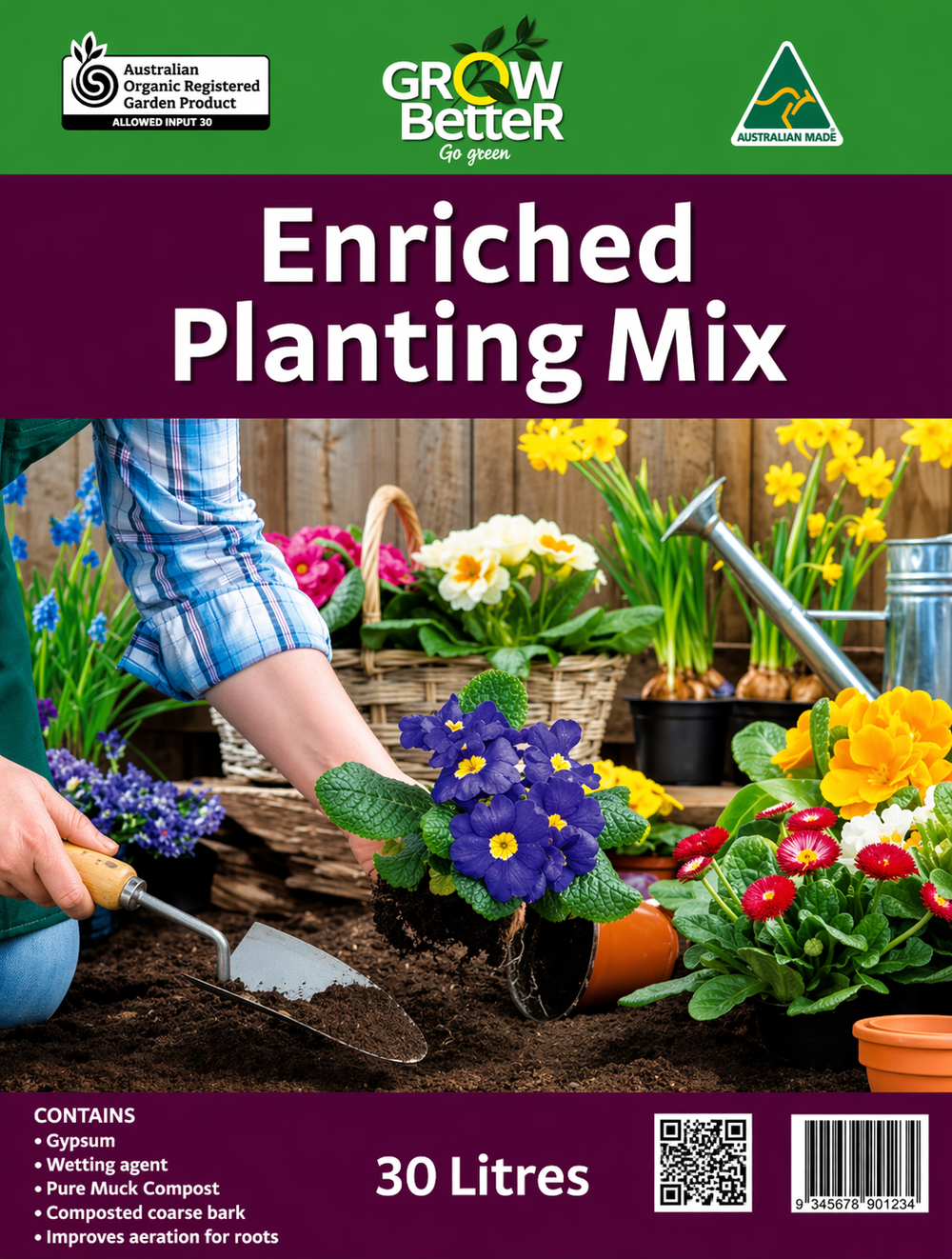
Enriched Planting Mix (AO Certified)
$21.95
Enriched Planting Mix (AO Certified)
Enriched Planting Mix is a certified organic blend of Pure Magic Compost, composted animal manure, gypsum, composted coarse bark and a wetting agent, bagged in 30L. It is built to be dug through existing garden soil at planting time rather than used on its own, and the gypsum...
Read product details
Enriched Planting Mix is a certified organic blend of Pure Magic Compost, composted animal manure, gypsum, composted coarse bark and a wetting agent, bagged in 30L. It is built to be dug through existing garden soil at planting time rather than used on its own, and the gypsum is what sets it apart from a plain compost.
Gypsum helps break up heavy clay so water and roots can move through it, while the compost and manure return organic matter and nutrient to tired ground. The coarse bark holds structure and keeps air around the root zone, and the wetting agent keeps moisture in the soil longer after rain or watering.
Use it when planting trees, shrubs, roses, fruit trees and exotic garden plants, particularly into clay. Dig a hole twice the width of the pot and 7 centimetres deeper, then mix roughly one third planting mix through the excavated soil. Spread 7 centimetres of that improved soil in the base before setting the plant in.
Frequently Asked Questions
About Enriched Planting Mix
What is Enriched Planting Mix made from?
It is a blend of Pure Magic Compost, composted animal manure, gypsum, composted coarse bark and a wetting agent. Each part has a job. The compost and manure supply organic matter and nutrient, the gypsum works on clay structure, the bark keeps air around the roots and the wetting agent holds moisture in the soil.
What plants is it suitable for?
It suits exotic garden plants, including roses, ornamental and deciduous trees, fruit trees, shrubs and perennials, and it earns its keep most on heavy clay sites. It is a planting mix rather than a potting mix, so its job is improving soil at planting time. Phosphorus sensitive natives are the one clear exception.
Is it safe for natives?
No, not for the phosphorus sensitive ones. The composted animal manure in this blend lifts phosphorus well above what Proteaceae such as Banksia, Grevillea, Hakea and Protea will tolerate, and the result can be leaf burn, dieback and plant death. Use the Native Potting Mix for those species, or plant them into unimproved local soil.
Is it certified organic?
Yes. It is a certified organic product with no chemical additives, which is why the manure and compost in it are fully composted rather than raw. That makes it sound around fruit trees and vegetable beds, and it means you are adding genuine organic matter to your soil rather than a synthetic conditioner.
How much do I need?
Work on roughly one third planting mix to two thirds of the soil you dug out of the hole. For a shrub out of a 200 millimetre pot that is only a few litres. An advanced tree going into a large hole will take considerably more. Judge the quantity by the volume of the hole rather than the size of the plant.
Can I use it in pots?
It is not a potting mix and should not be used on its own in a container. The blend is designed to be diluted through garden soil, and used straight in a pot it holds too much water and settles badly. For containers, reach for a premium potting mix, or the native mix if you are potting natives.
Does it need to be watered in?
Yes. Water the plant well several hours before you plant it, then water thoroughly again once the hole is backfilled and the soil firmed down. That first deep watering settles the improved soil around the root ball and drives out air pockets. Keep the water up over the first few months while the roots establish.
Enriched Planting Mix (AO Certified)
Helleborus x glandorfensis 'Ice Breaker Max' – Winter Rose
From $40.00
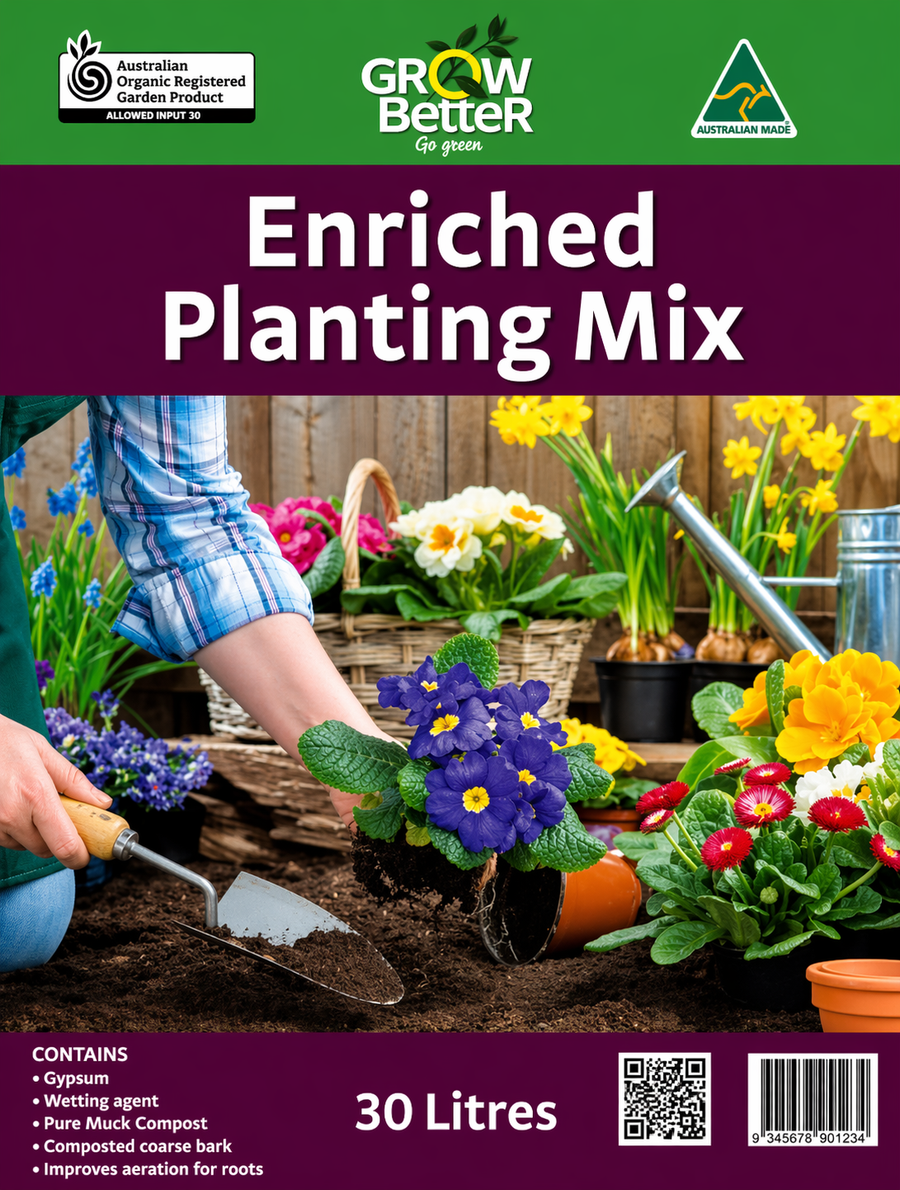
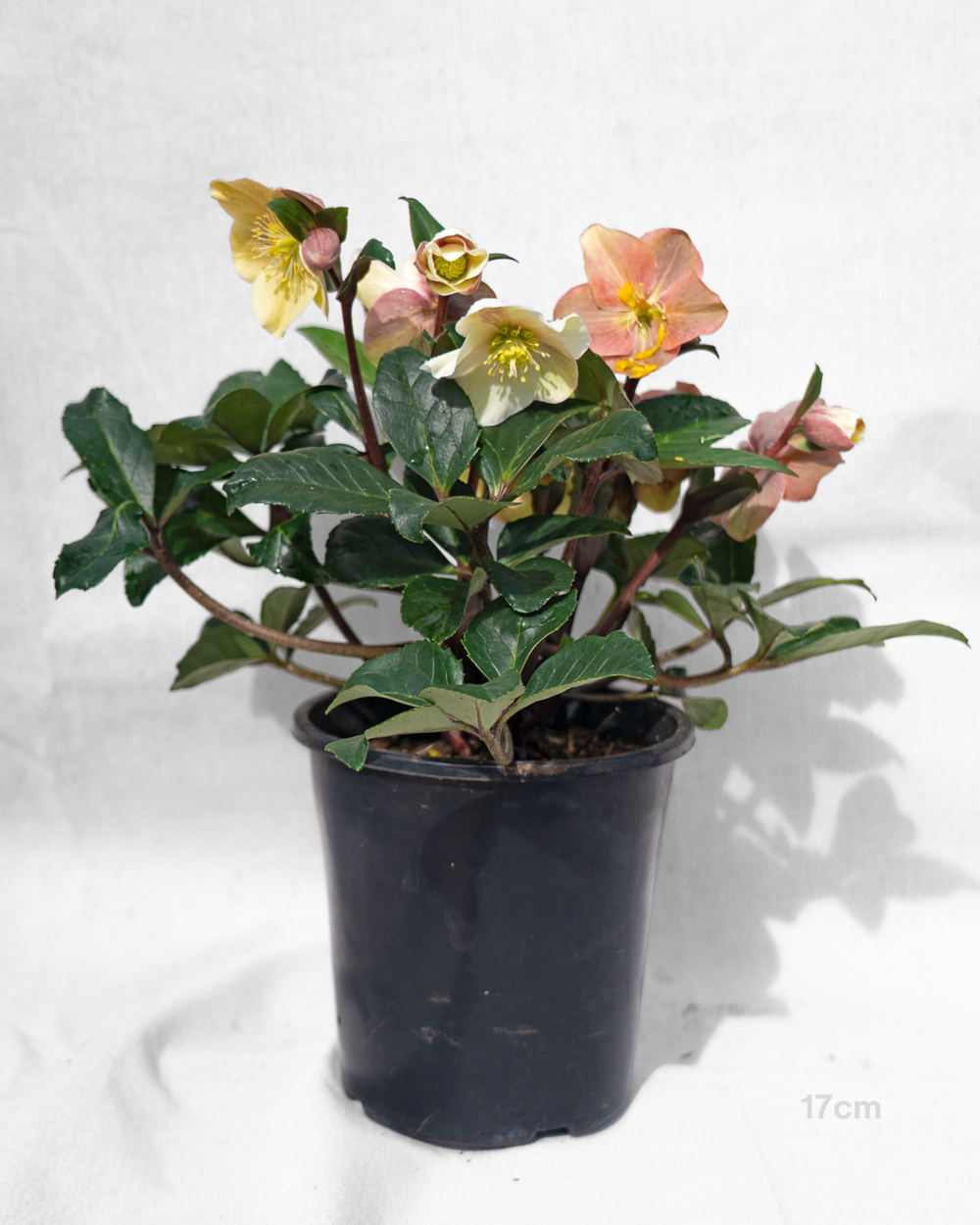
Helleborus x glandorfensis 'Ice Breaker Max' – Winter Rose
Helleborus x glandorfensis 'Ice Breaker Max' is a vigorous evergreen winter-flowering perennial from the acclaimed Ice N' Roses breeding group. It is valued for its large outward-facing white flowers, held clear of the foliage on strong stems from late autumn through winter and into early spring, when very...
Read product details
Helleborus x glandorfensis 'Ice Breaker Max' is a vigorous evergreen winter-flowering perennial from the acclaimed Ice N' Roses breeding group. It is valued for its large outward-facing white flowers, held clear of the foliage on strong stems from late autumn through winter and into early spring, when very little else is in flower.
Unlike older hellebore types with nodding flowers that hide their faces, 'Ice Breaker Max' holds its blooms upright and outward, so the display reads clearly in the garden and in pots. It is sterile, which means it channels its energy into a long and heavy flowering season rather than setting seed. The leathery dark-green palmate foliage is clean, robust and holds well year-round.
As a shade-loving evergreen perennial for cottage, woodland, and low-maintenance gardens, in shaded borders, beneath deciduous trees, along shaded paths and in decorative pots on cool patios, Helleborus 'Ice Breaker Max' brings reliable winter colour, evergreen structure and exceptional cold hardiness to positions where most flowering plants will not perform.
Frequently Asked Questions
About Helleborus 'Ice Breaker Max'
What is Helleborus 'Ice Breaker Max'?
Helleborus x glandorfensis 'Ice Breaker Max' is a vigorous evergreen winter-flowering perennial from the Ice N' Roses breeding group, commonly known as the Winter Rose or Lenten Rose. It is valued for its large outward-facing white flowers held clear of the foliage from late autumn through to early spring, and for its clean evergreen leaves and exceptional cold hardiness.
When does it flower?
'Ice Breaker Max' is one of the earlier and longer-flowering hellebores, producing blooms from late autumn through winter and into early spring, typically May through September in Australia. Because it is sterile it does not put energy into seed, which extends the flowering display well beyond that of older hellebore varieties.
How big does it grow?
'Ice Breaker Max' forms a clump approximately 0.3 to 0.4 metres tall and 0.4 to 0.6 metres wide at maturity. Growth is moderate, and the plant develops into a fuller clump over two to three seasons. It is well-suited to the front of shaded borders, mass planting, and decorative pots.
Does it need sun or shade?
Hellebores prefer part shade to full shade and are one of the best flowering perennials for shaded positions. 'Ice Breaker Max' grows well beneath deciduous trees, on the shaded side of a building and in shaded borders. It tolerates morning sun in cooler climates but should be protected from hot afternoon sun, which can scorch the foliage.
Where does it grow best in Australia?
'Ice Breaker Max' performs best in cool to temperate climates including Melbourne, Adelaide, the tablelands, Gippsland, cool coastal NSW, the alpine high country and Tasmania. It is very frost hardy and flowers reliably through cold winters. It is not suited to tropical or subtropical Queensland, where the warmth and humidity prevent it from performing.
Can it grow in pots?
Yes. 'Ice Breaker Max' is excellent in pots on cool shaded patios, courtyards and balconies where its winter flowers can be appreciated up close. Use a quality potting mix, keep the pot in part to full shade, and water regularly through the warmer months without letting the pot sit waterlogged.
How do I care for Helleborus 'Ice Breaker Max'?
Water regularly to keep the soil evenly moist through establishment, then water as needed through dry periods. Feed with a slow-release fertiliser in early autumn to support flowering. Remove older tatty leaves in late autumn as the flower buds emerge, which shows off the flowers and freshens the clump. Mulch with an organic mulch and keep it clear of the crown.
Helleborus x glandorfensis 'Ice Breaker Max' – Winter Rose
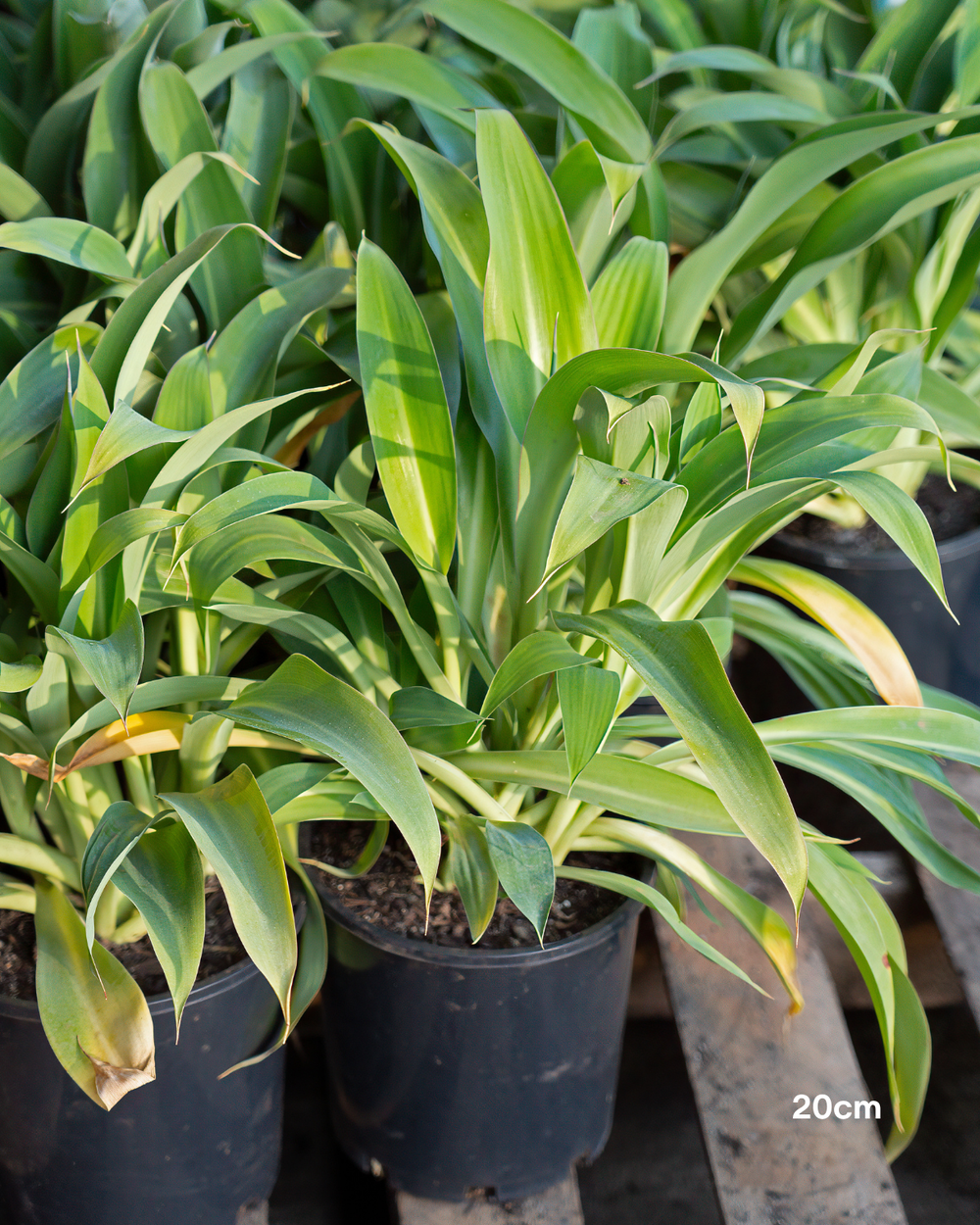
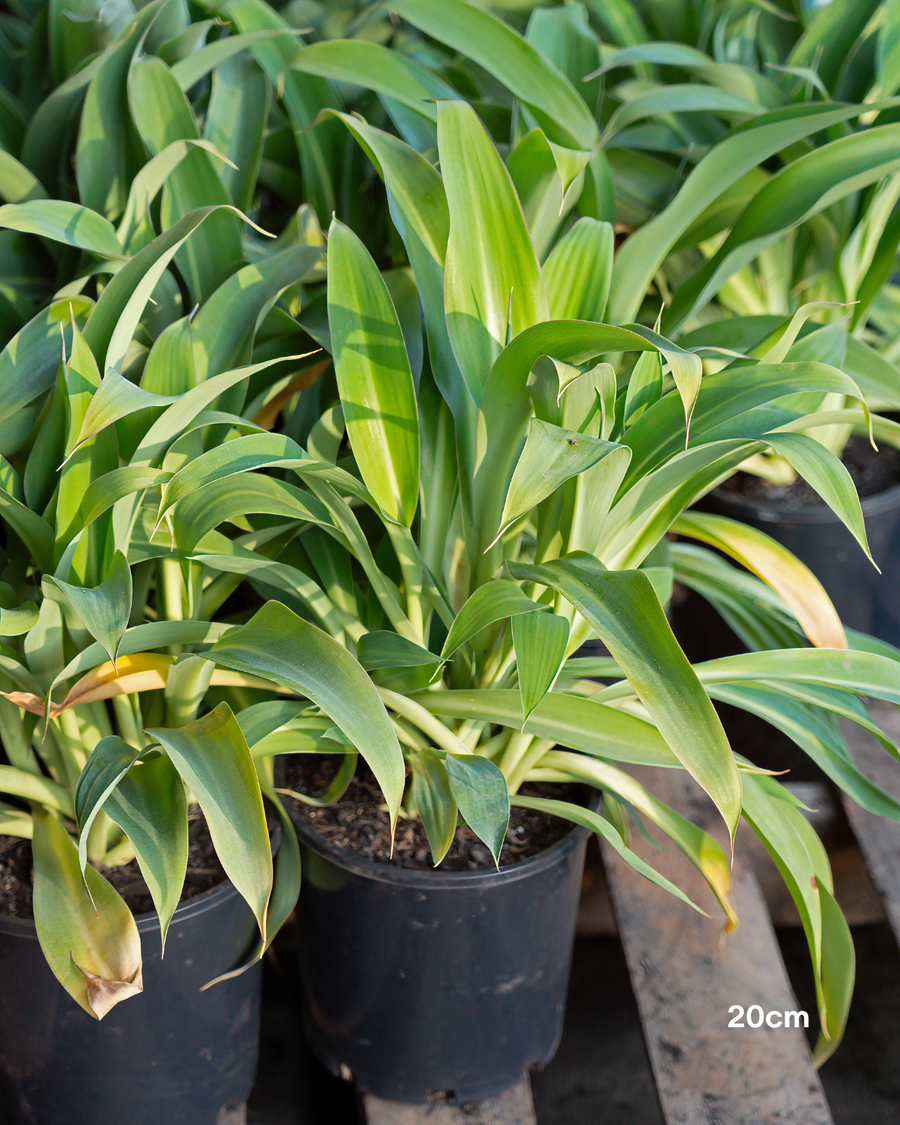
Arthropodium cirratum – New Zealand Rock Lily
$35.00
Arthropodium cirratum – New Zealand Rock Lily
Arthropodium cirratum, the New Zealand Rock Lily or Renga Renga, is an evergreen clumping perennial with broad, arching grey-green strappy foliage. In spring and early summer it throws up airy sprays of small white star-shaped flowers on slender stems held well above the leaves. Its real value is...
Read product details
Arthropodium cirratum, the New Zealand Rock Lily or Renga Renga, is an evergreen clumping perennial with broad, arching grey-green strappy foliage. In spring and early summer it throws up airy sprays of small white star-shaped flowers on slender stems held well above the leaves.
Its real value is dry shade. Most flowering plants sulk under an established canopy or against a south wall, and this one thrives there, forming a dense weed-suppressing carpet in positions where little else performs. It also takes full sun in cooler districts and handles coastal exposure and salt spray.
Foliage sits around 40 to 50 centimetres with flower stems to 70 centimetres, and clumps spread steadily to about a metre. Once established it is genuinely drought tolerant. It is not a plant for heavy frost, so in cold inland districts give it a sheltered position or grow it in a pot that can be moved.
Use it massed under trees, along a shaded boundary, as a soft edge to a path, in a rockery, or in pots on a shaded terrace. It suits coastal, native-adjacent, modern and low-maintenance schemes.
Frequently Asked Questions
About New Zealand Rock Lily
What is Arthropodium cirratum?
It is an evergreen clumping perennial native to New Zealand, where it grows on coastal cliffs and rocky slopes. It is known as the New Zealand Rock Lily, Renga Renga, or Rengarenga Lily. It is grown for its broad arching grey-green foliage and its sprays of small white flowers in spring.
Will it grow in shade?
Yes, and this is the main reason to plant it. It performs in part to full shade, including dry shade under established trees and against south-facing walls where most flowering plants struggle. In cooler districts it also takes full sun, though foliage holds better colour with some protection from harsh afternoon light.
How big does it grow?
Foliage reaches roughly 40 to 50 centimetres tall, with flower stems to around 70 centimetres in spring. Clumps spread steadily to about a metre across. It is a groundcover rather than a shrub, so it stays low and fills horizontally.
When does it flower?
Spring into early summer. Slender stems carry loose sprays of small white star-shaped flowers well above the foliage, giving several weeks of light, airy display. Trimming spent stems at the base after flowering keeps the clump tidy.
Is it frost tolerant?
Only lightly. It handles a light frost but foliage is damaged by moderate to heavy frost, so it is not suited to cold inland or tablelands gardens in an exposed position. In those districts plant it under canopy, against a warm wall, or in a pot that can be moved through winter.
Is it suitable for coastal gardens?
Yes. It grows naturally on New Zealand coastal cliffs, so it takes salt spray, wind and sandy free-draining soils without trouble. It is one of the better shade-tolerant choices for a coastal garden.
How far apart should I plant it?
Space 50 to 70 centimetres apart for a continuous groundcover that closes over in two to three seasons, or a metre apart if you want individual clumps to read separately. Closer spacing suppresses weeds faster.
How do I care for it?
Water regularly through the first summer while it establishes, then only in extended dry spells. Mulch the root zone and feed with a slow release fertiliser in early spring. Remove spent flower stems and any tired outer leaves. Divide congested clumps in autumn or early spring if they thin in the centre.
Arthropodium cirratum – New Zealand Rock Lily

Evergreen Trees Direct Has Been Featured In:


Perfect Substitutes for Liquidambar styraciflua 'Rotundiloba' – Fruitless Sweetgum
Follow Us On Instagram
@evergreentreesdirect ↗
Tips & Tricks
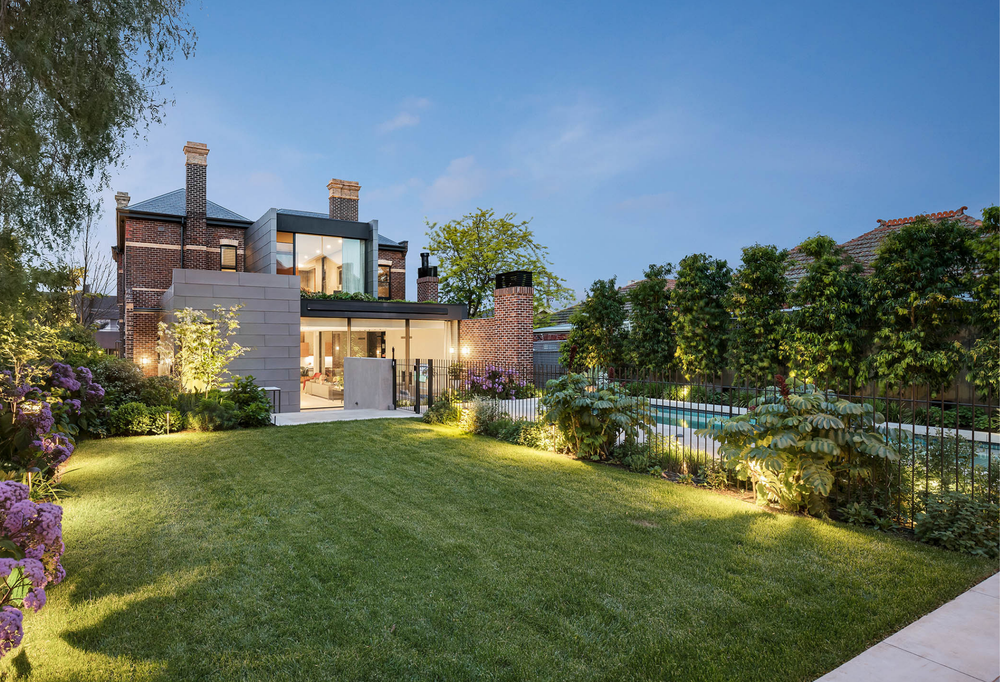
Best Trees for Creating a Privacy Screen: 10 Picks Across Fast Formal, Native and Narrow Column Options
Read the story
How to Incorporate Trees into Your Modern Landscape Design
Read the story
The Importance of Root Health: How to Choose Quality Trees
Read the story