Gleditsia triacanthos 'Shademaster'
Couldn't load pickup availability
Current Stock Height Guides
Height guide disclaimer: Height ranges are approximate only. As living products, plant heights naturally vary between individual plants, batches, and seasons. No guarantee is given that supplied plants will fall within the stated range. If minimum heights are required, you mustconfirm current batch heights with Evergreen Trees Direct prior to purchase. Variation in height is normal and is not grounds for return, refund, replacement, or compensation.
Mature Height & Width
Mature Height: 12m to 18m (approx.)
Mature Width: 8m to 15m
Gleditsia triacanthos 'Shademaster' is expected to grow 30cm to 60cm per year.
Root Ball Dimensions
Use this as a reference when digging your planting hole. We recommend digging at least 10% wider than the dimensions below to encourage strong root development.
- 30cm Pot: 33cm (W) × 30cm (D)
- 40cm/45L Pot: 44cm (W) × 41.5cm (D)
- 50cm Pot / 70L Pot: 55cm (W) × 41.8cm (D)
- 100L Bag: 50.6cm (W) × 52.8cm (D)
- 150L Bag: 66cm (W) × 55cm (D)
- 200L Bag: 71.5cm (W) × 60.5cm (D)
- 300L Bag: 88cm (W) × 63.8cm (D)
- 400L Bag: 99cm (W) × 66cm (D)
- 500L Bag: 122cm (W) × 66cm (D)
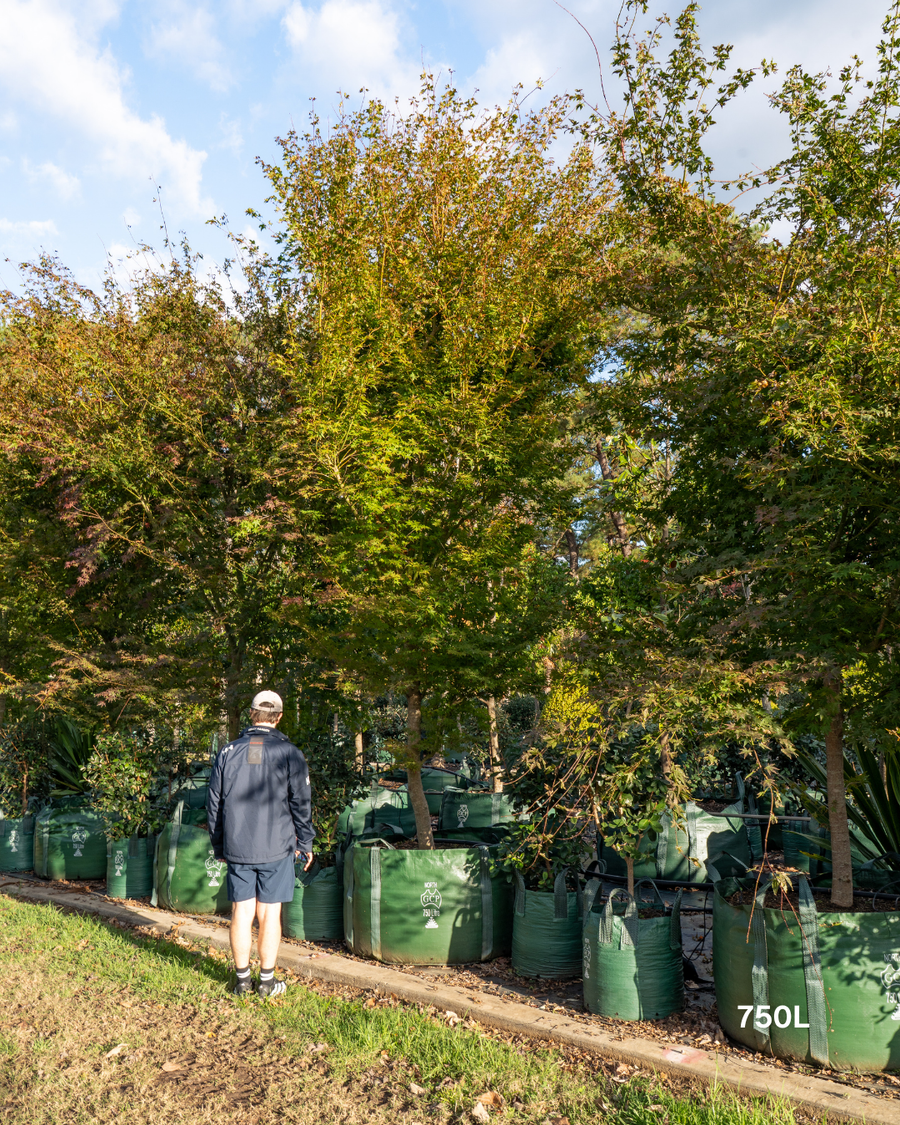
- 750L Bag: 134cm (W) × 69cm (D)
- 1000L Bag: 146.3cm (W) × 71.5cm (D)
- 2000L Bag: 176cm (W) × 82.5cm (D)
Trade
Trade
We supply advanced trees to landscapers, developers, architects, and councils Australia-wide. Trade clients receive fast quotes, expert advice, and access to premium stock with reliable freight.
Shipping
Shipping
Shipping is calculated at checkout based on the pallet space your order occupies in the truck and your delivery location.
There is no charge to calculate your freight.
Contact
Contact
Have a question or a list to send through to us?
Email: sales@evergreentrees.com.au
Phone: (03) 7042 3318
Share this product

About Your New Gleditsia triacanthos 'Shademaster'
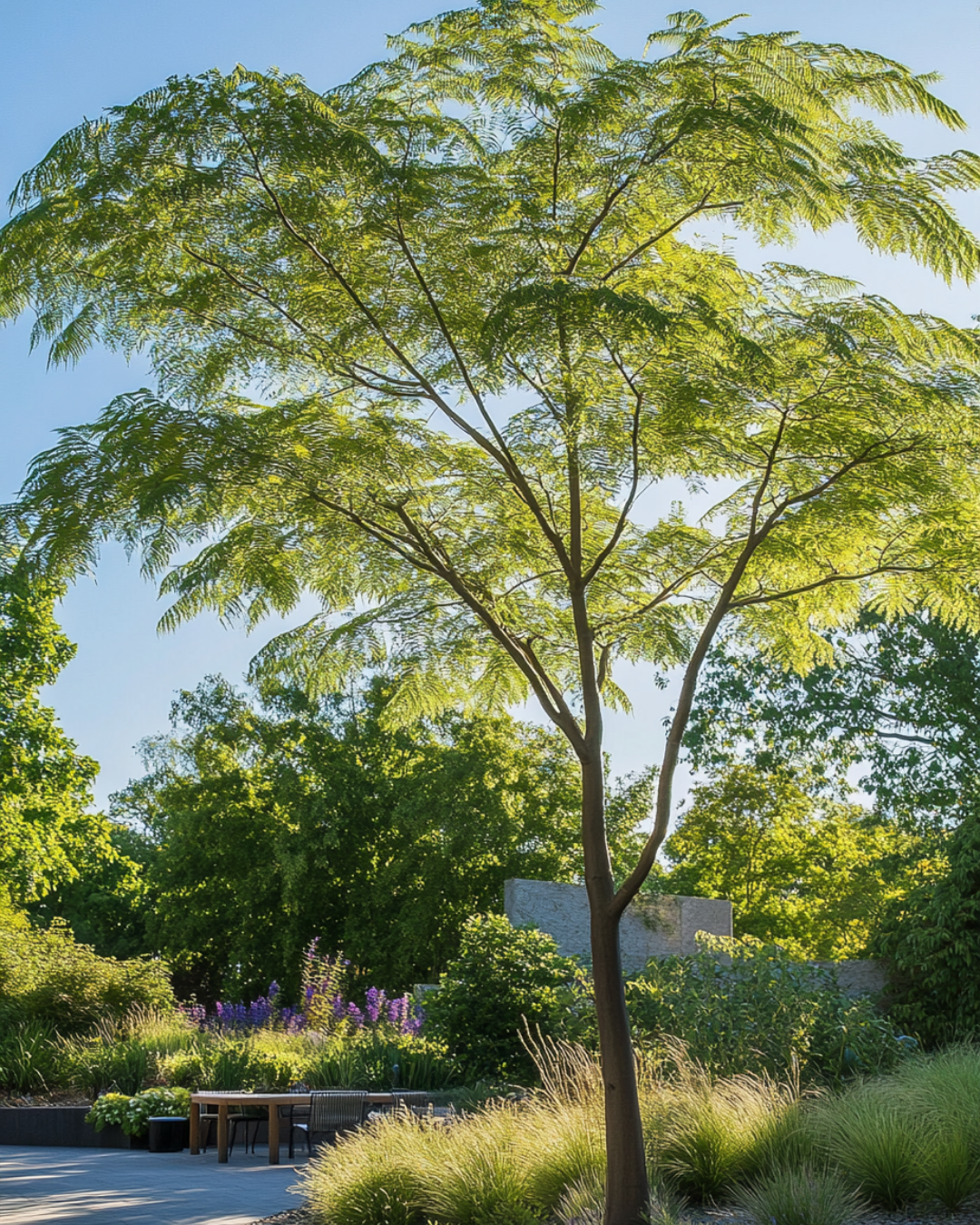
Gleditsia triacanthos 'Shademaster' is a large thornless honey locust grown for its fine pinnate foliage and even, spreading crown. The leaflets are small and ferny, so the canopy filters light rather than blocking it. Fresh green in spring and summer, the foliage turns yellow through autumn before falling.
It performs in full sun to part shade across cool temperate, temperate and semi arid districts, taking frost, heat, wind and compacted urban soil in its stride. Growth is 30 to 60 centimetres a year. Once established it is drought tolerant and needs little beyond formative pruning in the early seasons.
This is a park and street tree first. Councils plant it along roads and through car parks, and it works over lawns and paved courtyards where dappled shade is wanted without heavy litter. On a larger residential block it will shade a house within a decade of planting.
Frequently Asked Questions
About Gleditsia 'Shademaster'
What is Gleditsia triacanthos 'Shademaster'?
It is a named thornless cultivar of the honey locust, selected for a uniform upright branching pattern and an even, spreading crown. It suits Australian street and park planting because it takes hard urban conditions, casts light dappled shade, and carries fine ferny foliage that colours yellow in autumn before it drops.
How big does Shademaster Honey Locust grow?
At maturity it reaches 12 to 18 metres tall with a canopy spread of 8 to 15 metres, making it a genuine large shade tree. Allow that room at planting, well clear of buildings and overhead wires. On a restricted site, a compact honey locust selection is the better fit.
How fast does it grow?
Around 30 to 60 centimetres a year, faster in deep soil with summer moisture. An advanced tree puts on useful canopy within three or four seasons, which is why it is specified where shade is needed reasonably quickly. Growth slows as the tree approaches full height, and the crown then broadens rather than climbs.
Does it produce seed pods?
Very few. 'Shademaster' was selected in part for setting little to no fruit, so the long brown pods that litter the ground under seedling honey locusts are not an issue here. Small greenish flowers appear in spring and are barely noticeable. Autumn leaf drop is fine textured and breaks down fast.
Is it suitable for street and car park planting?
Yes, it is one of the standard choices. It tolerates compacted soil, reflected heat off asphalt, exhaust pollution and root restriction, and it has no thorns to catch pedestrians. The high branching habit clears vehicles and sight lines once the tree has been formatively pruned. Give the roots adequate soil volume.
Will grass grow underneath it?
Usually yes. The leaflets are small and widely spaced, so light filters through and the shade beneath is dappled rather than dense. Lawn, groundcovers and shade tolerant shrubs all grow underneath, which is unusual for a tree of this size. That quality is why it is used over turf and seating areas.
How do I care for Shademaster Honey Locust?
Water deeply through the first two or three summers, then it manages on rainfall in most temperate districts. Formative prune in the early years to establish a single leader and a clear trunk. After that, remove deadwood in late winter. Mulch annually and feed in early spring if growth looks slow.

Evergreen Trees Direct Has Been Featured In:
Plant Your Gleditsia triacanthos 'Shademaster' With:
Type: Garden Supplies
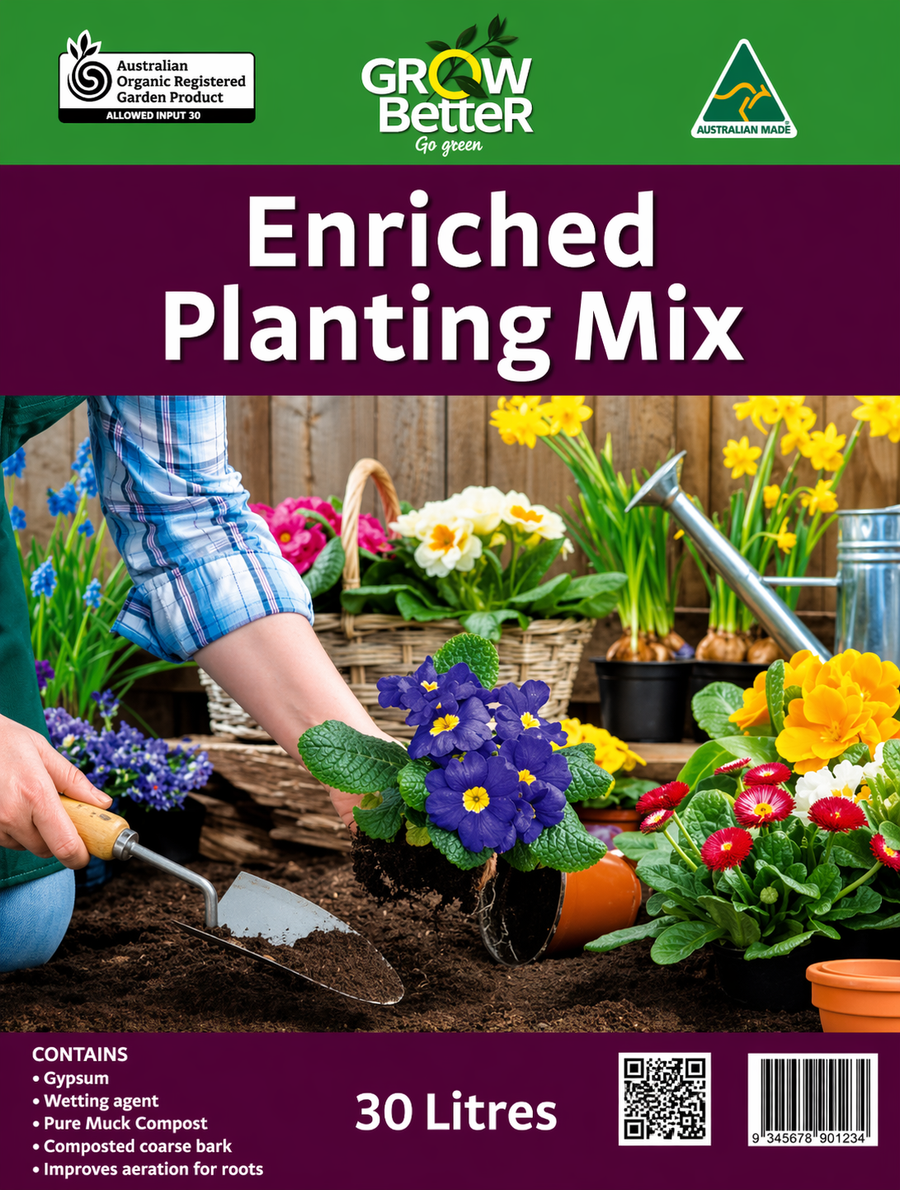
Enriched Planting Mix (AO Certified)
Type: Structural Foliage
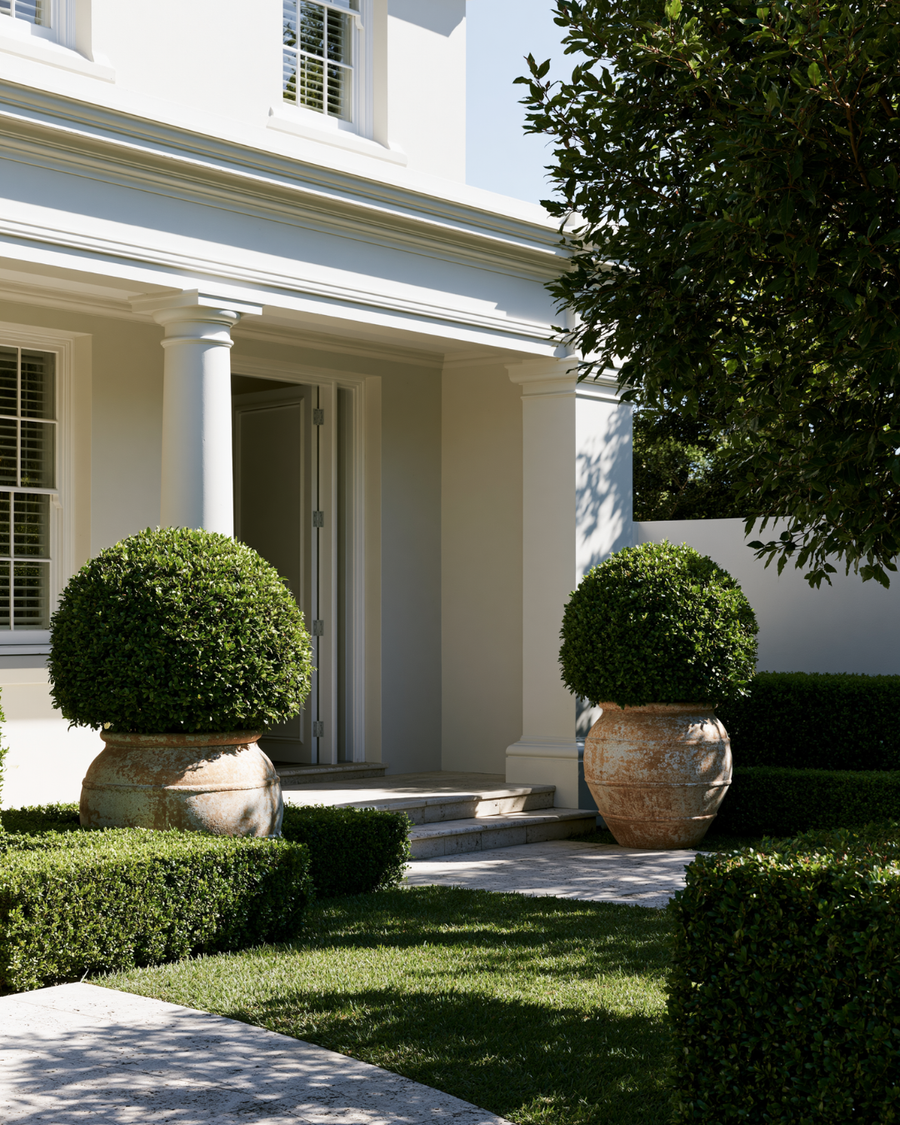
Buxus japonica Japanese Box Topiary Balls
Type: Structural Foliage
Buxus sempervirens English Box Topiary Balls
Type: Hedging and Screening Trees
Rhaphiolepis indica 'Oriental Pearl'
Type: Hedging and Screening Trees
Rhaphiolepis indica 'Snow Maiden'
Type: Hedging and Screening Trees
Pittosporum tobira 'Miss Muffet'
Uses in my Garden
Uses in my Garden
Gleditsia triacanthos 'Shademaster' works in an:
Is Gleditsia triacanthos 'Shademaster' Evergreen or Deciduous?
Gleditsia triacanthos 'Shademaster' is an Deciduous (Defoliates throughout colder months) Tree
Mature Height & Width
Mature Height: 12m to 18m (approx.)
Mature Width: 8m to 15m
Gleditsia triacanthos 'Shademaster' is expected to grow 30cm to 60cm per year.
Growth Rate of Gleditsia triacanthos 'Shademaster'
Gleditsia triacanthos 'Shademaster' is expected to grow 30cm to 60cm per year.
They are considered to have a:
Frost Tolerance & Ideal Climate to plant Gleditsia triacanthos 'Shademaster'
Is Gleditsia triacanthos 'Shademaster' frost tolerant?
Gleditsia triacanthos 'Shademaster' is Frost Hardy – Survives heavy and frequent frost without damage.
Does Gleditsia triacanthos 'Shademaster' Flower?
Gleditsia triacanthos ‘Shademaster’ produces small, greenish-yellow, lightly fragrant flowers in late spring to early summer. These modest racemes are subtle and largely hidden within the foliage, with the tree’s ornamental value centred more on its fine, airy canopy than on its bloom.
Does Gleditsia triacanthos 'Shademaster' flower?
Flowering Period:
Flower Type:
Flower Colour:
Yellow
Is Gleditsia triacanthos 'Shademaster' an Australian Native Tree?
No
Gleditsia triacanthos 'Shademaster' is Native to Native to central and eastern North America, where Gleditsia triacanthos grows in river valleys and woodlands. ‘Shademaster’ is a thornless cultivar, bred for its even form and adaptability.
What is the Wildlife Value of Gleditsia triacanthos 'Shademaster' ?
Its nectar-bearing flowers attract bees and small pollinating insects, while the open, dappled canopy provides ideal habitat for small birds seeking shelter and foraging space. The seed pods that develop later in the season offer food for wildlife and support insects that contribute to a healthy, biodiverse garden ecosystem.
How much Sunlight does Gleditsia triacanthos 'Shademaster' need?
Gleditsia triacanthos 'Shademaster' will thrive best in:
Preferred Soil?
Preferred Soil?
Gleditsia triacanthos ‘Shademaster’ performs best in well-drained loam or sandy loam soils and tolerates slightly acidic to slightly alkaline conditions. Tough and adaptable, it will grow in poorer soils but may struggle in heavy clay or waterlogged areas unless improved with organic matter and coarse material. Keep soil evenly moist during establishment, then move to deep, occasional watering as it matures to support excellent drought performance, stable branching and its signature filtered shade canopy.
Is Gleditsia triacanthos 'Shademaster' Drought Tolerant?
Is Gleditsia triacanthos 'Shademaster' Drought tolerant?
As a young tree it requires regular watering, but once established ‘Shademaster’ develops excellent drought tolerance. Extremely hardy and adaptable, it performs well in hot, dry, exposed and urban environments and maintains its broad, filtered-shade canopy with very minimal supplementary watering.
Planting Information
How To Plant Your Gleditsia triacanthos 'Shademaster'
Recommended Planting Spacing For Your Gleditsia triacanthos 'Shademaster'
Gleditsia triacanthos 'Shademaster' is expected to grow 30cm to 60cm per year.