Ficus Adriatic fig
Ficus Adriatic fig
Couldn't load pickup availability
Current Stock Height Guides
Current Stock Height Guides
Height guide disclaimer: Height ranges are approximate only. As living products, plant heights naturally vary between individual plants, batches, and seasons. No guarantee is given that supplied plants will fall within the stated range. If minimum heights are required, you mustconfirm current batch heights with Evergreen Trees Direct prior to purchase. Variation in height is normal and is not grounds for return, refund, replacement, or compensation.
Mature Height & Width
Mature Height & Width
Mature Height: 3m to 6m (approx.) (for Ficus carica cultivars)
Mature Width: 3m to 4m
Ficus Adriatic fig is expected to grow 20cm to 40cm per year (moderate).
Root Ball Dimensions
Root Ball Dimensions
Use this as a reference when digging your planting hole. We recommend digging at least 10% wider than the dimensions below to encourage strong root development.
- 30cm Pot: 33cm (W) × 30cm (D)
- 40cm/45L Pot: 44cm (W) × 41.5cm (D)
- 50cm Pot / 70L Pot: 55cm (W) × 41.8cm (D)
- 100L Bag: 50.6cm (W) × 52.8cm (D)
- 150L Bag: 66cm (W) × 55cm (D)
- 200L Bag: 71.5cm (W) × 60.5cm (D)
- 300L Bag: 88cm (W) × 63.8cm (D)
- 400L Bag: 99cm (W) × 66cm (D)
- 500L Bag: 122cm (W) × 66cm (D)
- 750L Bag: 134cm (W) × 69cm (D)
- 1000L Bag: 146.3cm (W) × 71.5cm (D)
- 2000L Bag: 176cm (W) × 82.5cm (D)
Trade
Trade
We supply advanced trees to landscapers, developers, architects, and councils Australia-wide. Trade clients receive fast quotes, expert advice, and access to premium stock with reliable freight.
Shipping
Shipping
Shipping is calculated at checkout based on the pallet space your order occupies in the truck and your delivery location.
There is no charge to calculate your freight.
Contact
Contact
Have a question or a list to send through to us?
Email: sales@evergreentrees.com.au
Phone: (03) 7042 3318
Share this product
Evergreen Trees Direct Has Been Featured In:


Plant Your Ficus Adriatic fig With:



Type: Garden Supplies
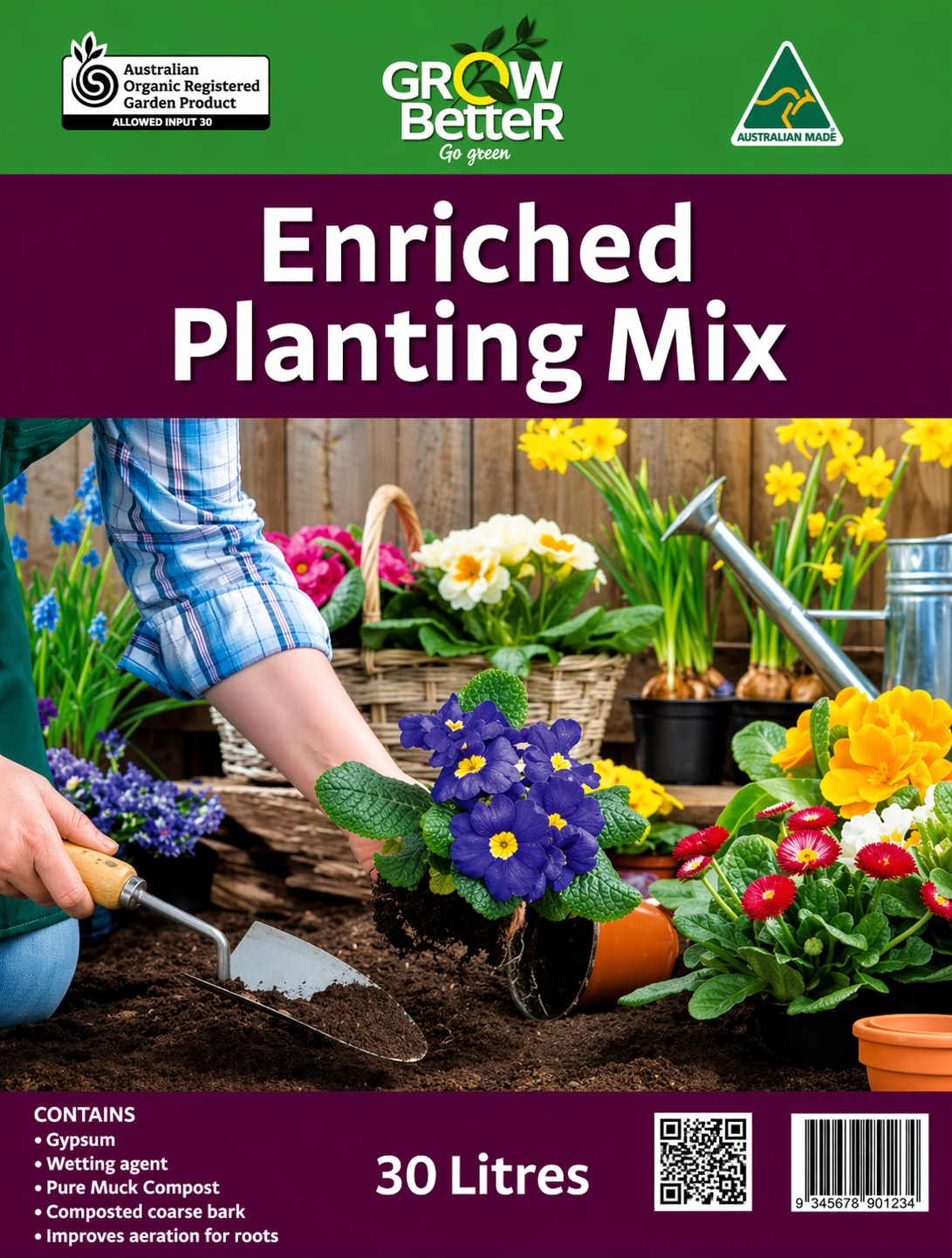
Enriched Planting Mix (AO Certified)
Type: Feature Tree
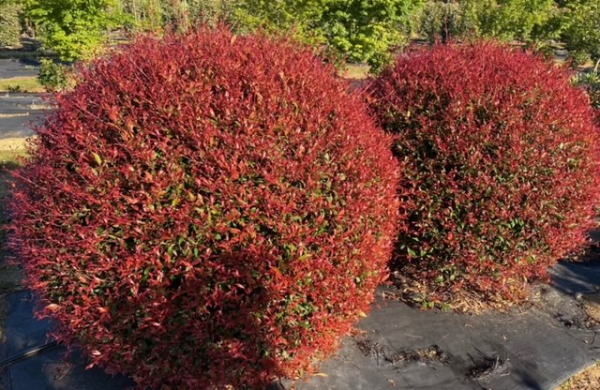
Acmena smithii 'Minor Sunrise' Balls - Lilly Pilly

Type: Hedging and Screening Trees
Pittosporum tenuifolium 'Silver Sheen'
Type: Hedging and Screening Trees
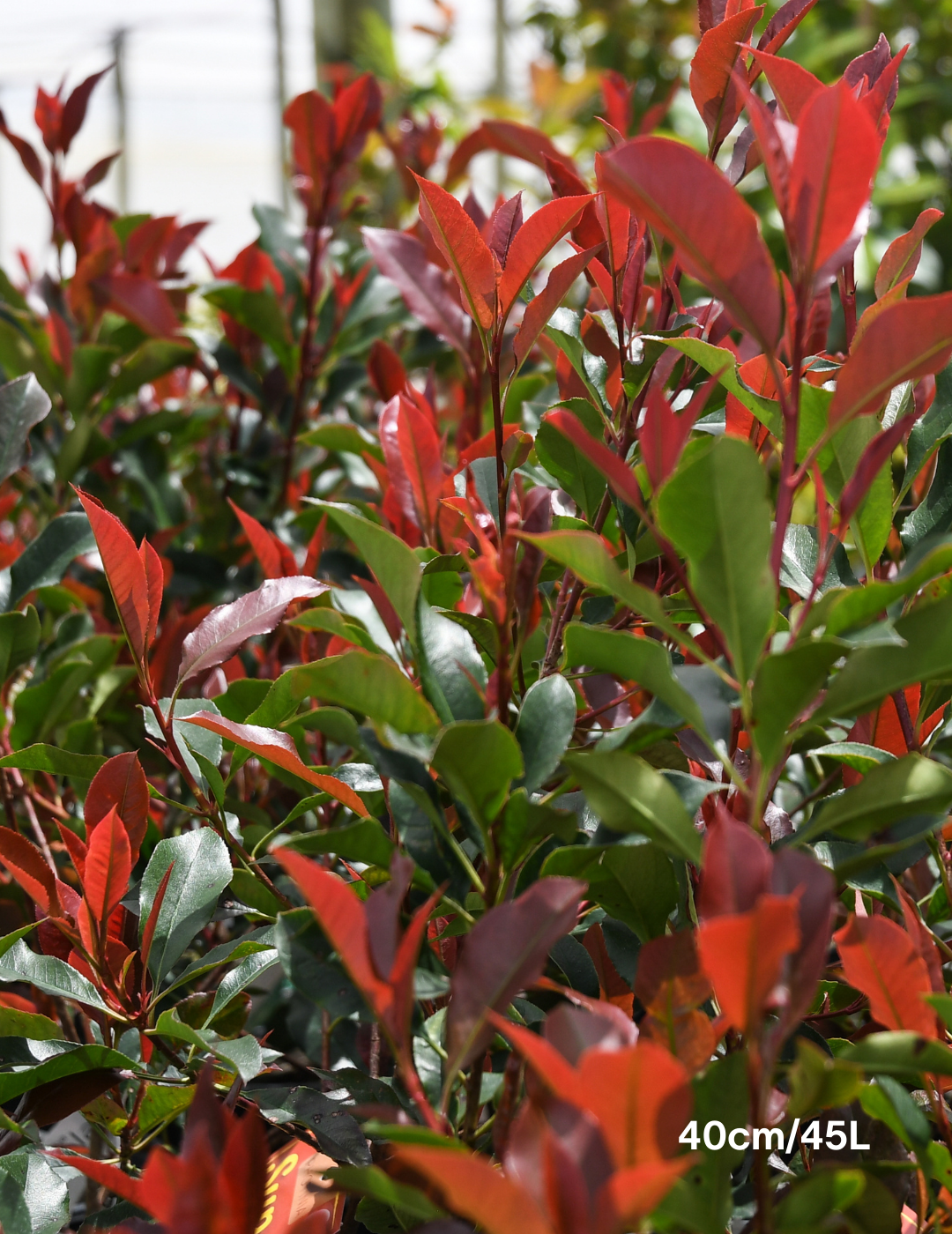
Photinia glabra 'Super Red'
Type: Hedging and Screening Trees
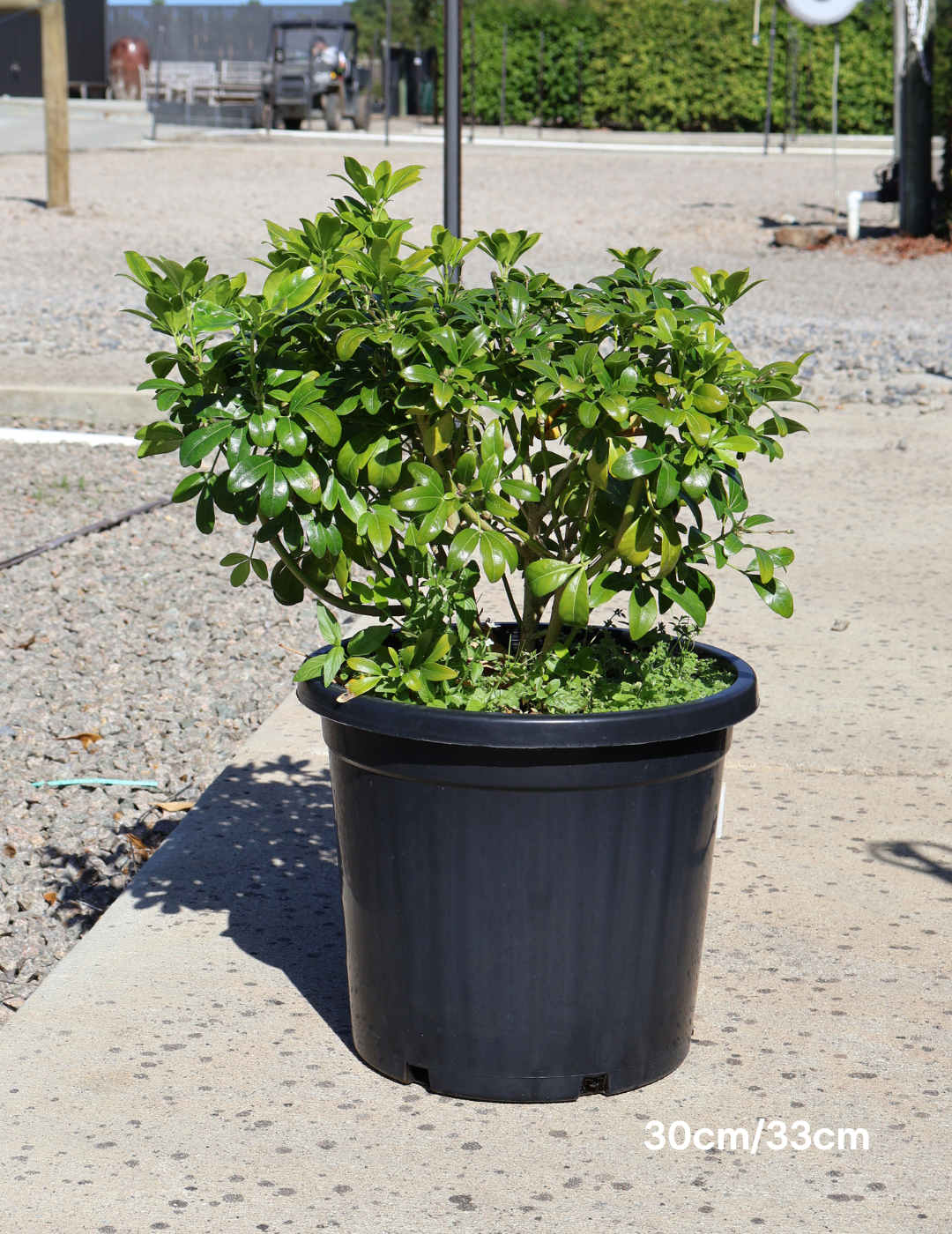
Choisya ternata

Type: Hedging and Screening Trees
Magnolia grandiflora 'Alta'
Uses in my Garden
Uses in my Garden
Ficus Adriatic fig works in an:
Is Ficus Adriatic fig Evergreen or Deciduous?
Is Ficus Adriatic fig Evergreen or Deciduous?
Ficus Adriatic fig is an Deciduous (Defoliates throughout colder months) Tree
Mature Height & Width
Mature Height & Width
Mature Height: 3m to 6m (approx.) (for Ficus carica cultivars)
Mature Width: 3m to 4m
Ficus Adriatic fig is expected to grow 20cm to 40cm per year (moderate).
Growth Rate of Ficus Adriatic fig
Growth Rate of Ficus Adriatic fig
Ficus Adriatic fig is expected to grow 20cm to 40cm per year (moderate).
They are considered to have a:
Frost Tolerance & Ideal Climate to plant Ficus Adriatic fig
Frost Tolerance & Ideal Climate to plant Ficus Adriatic fig
Is Ficus Adriatic fig frost tolerant?
Ficus Adriatic fig is Frost Hardy – Survives heavy and frequent frost without damage.
Does Ficus Adriatic fig Flower?
Does Ficus Adriatic fig Flower?
Ficus ‘Adriatic’ does not produce ornamental flowers; instead, its “flowers” develop internally within the fruit. These hidden structures mature into sweet, pale green figs with soft pink flesh, offering seasonal interest through their colour change and ripening rather than visible bloom.
Does Ficus Adriatic fig flower?
Flowering Period:
Flower Type:
Flower Colour:
Not Applicable
Is Ficus Adriatic fig an Australian Native Tree?
Is Ficus Adriatic fig an Australian Native Tree?
No
Ficus Adriatic fig is Native to The Mediterranean and Middle East, where Ficus carica has been cultivated for thousands of years. The ‘Adriatic’ variety is particularly associated with Italy and the eastern Mediterranean.
What is the Wildlife Value of Ficus Adriatic fig ?
What is the Wildlife Value of Ficus Adriatic fig ?
Its ripe fruit attracts fruit-eating birds, bees, wasps and beneficial insects, while the dense branching provides shade and shelter for small wildlife. Fallen figs also support ground-dwelling insects, enriching overall biodiversity in Mediterranean and orchard-style gardens.
How much Sunlight does Ficus Adriatic fig need?
How much Sunlight does Ficus Adriatic fig need?
Ficus Adriatic fig will thrive best in:
Preferred Soil?
Preferred Soil?
Ficus ‘Adriatic’ performs best in well-drained loam or sandy loam soils and tolerates slightly acidic to slightly alkaline conditions. It may struggle in heavy clay or poorly drained ground unless improved with organic matter and coarse material to enhance aeration. Keep soil evenly moist during establishment, then shift to deep, occasional watering as the tree matures to support strong fruiting, healthy canopy development and long-term drought resilience.
Is Ficus Adriatic fig Drought Tolerant?
Is Ficus Adriatic fig Drought Tolerant?
Is Ficus Adriatic fig Drought tolerant?
As a young tree it requires regular watering, but once established the Adriatic Fig develops excellent drought tolerance. It thrives in hot, dry and coastal environments and continues producing quality fruit with only occasional deep watering during extended dry spells.

Planting Information
How To Plant Your Ficus Adriatic fig
How To Plant Your Ficus Adriatic fig
Recommended Planting Spacing For Your Ficus Adriatic fig
Recommended Planting Spacing For Your Ficus Adriatic fig
Ficus Adriatic fig is expected to grow 20cm to 40cm per year (moderate).
Long Term Care For Your Ficus Adriatic fig
Long Term Care For Your Ficus Adriatic fig
Planting Your Ficus Adriatic fig in Different Soil
Planting Your Ficus Adriatic fig in Different Soil
Frequently Asked Questions
Frequently Asked Questions