Prunus lusitanica - Portugese laurel
Prunus lusitanica - Portugese laurel
90000 in stock
Couldn't load pickup availability
Current Stock Height Guides
Current Stock Height Guides
Trade Customers
Trade Customers
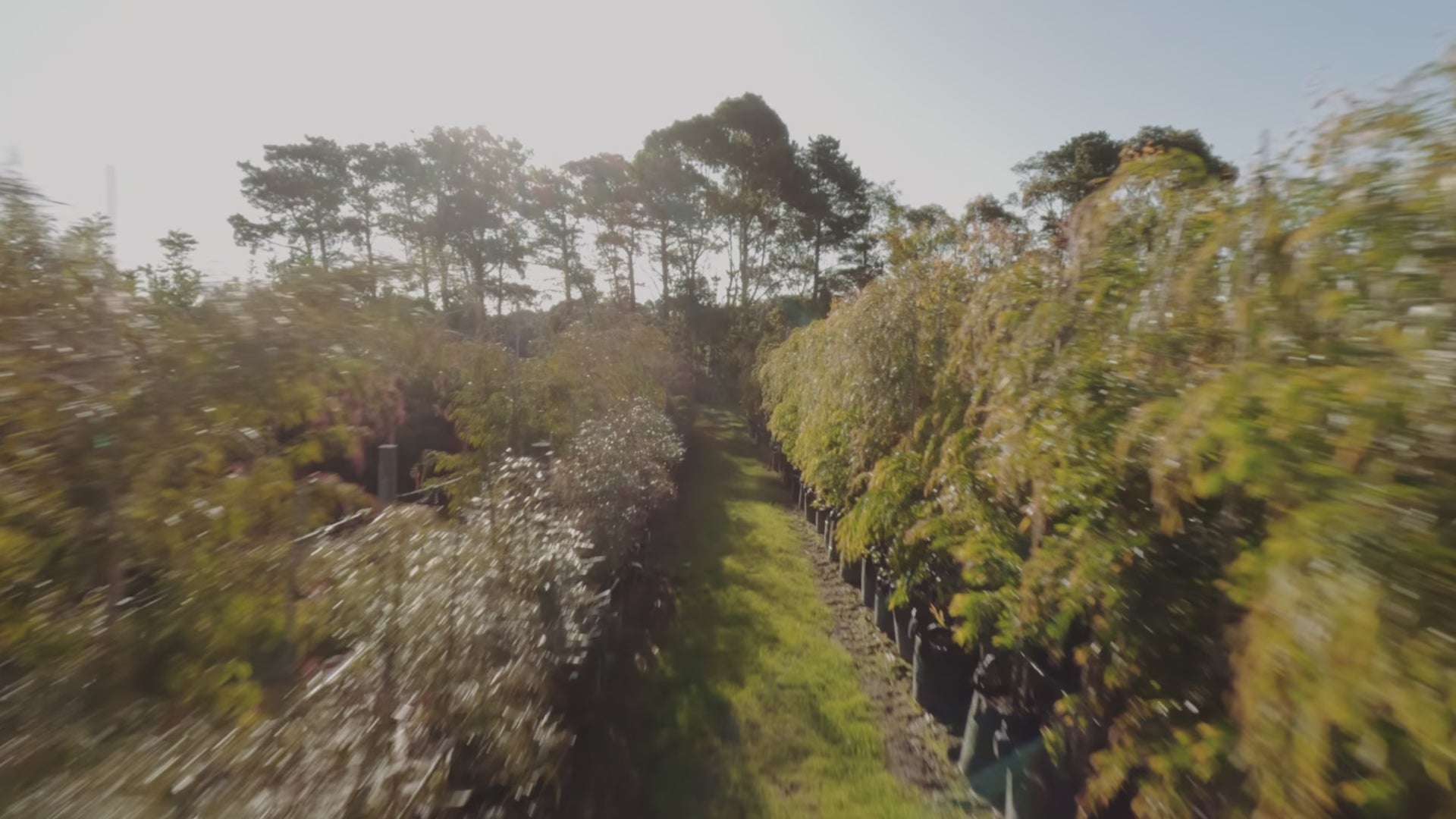
We supply advanced trees to landscapers, developers, architects, and councils Australia-wide. Trade clients receive fast quotes, expert advice, and access to premium stock with reliable freight.
Share this product
About Prunus lusitanica - Portugese laurel
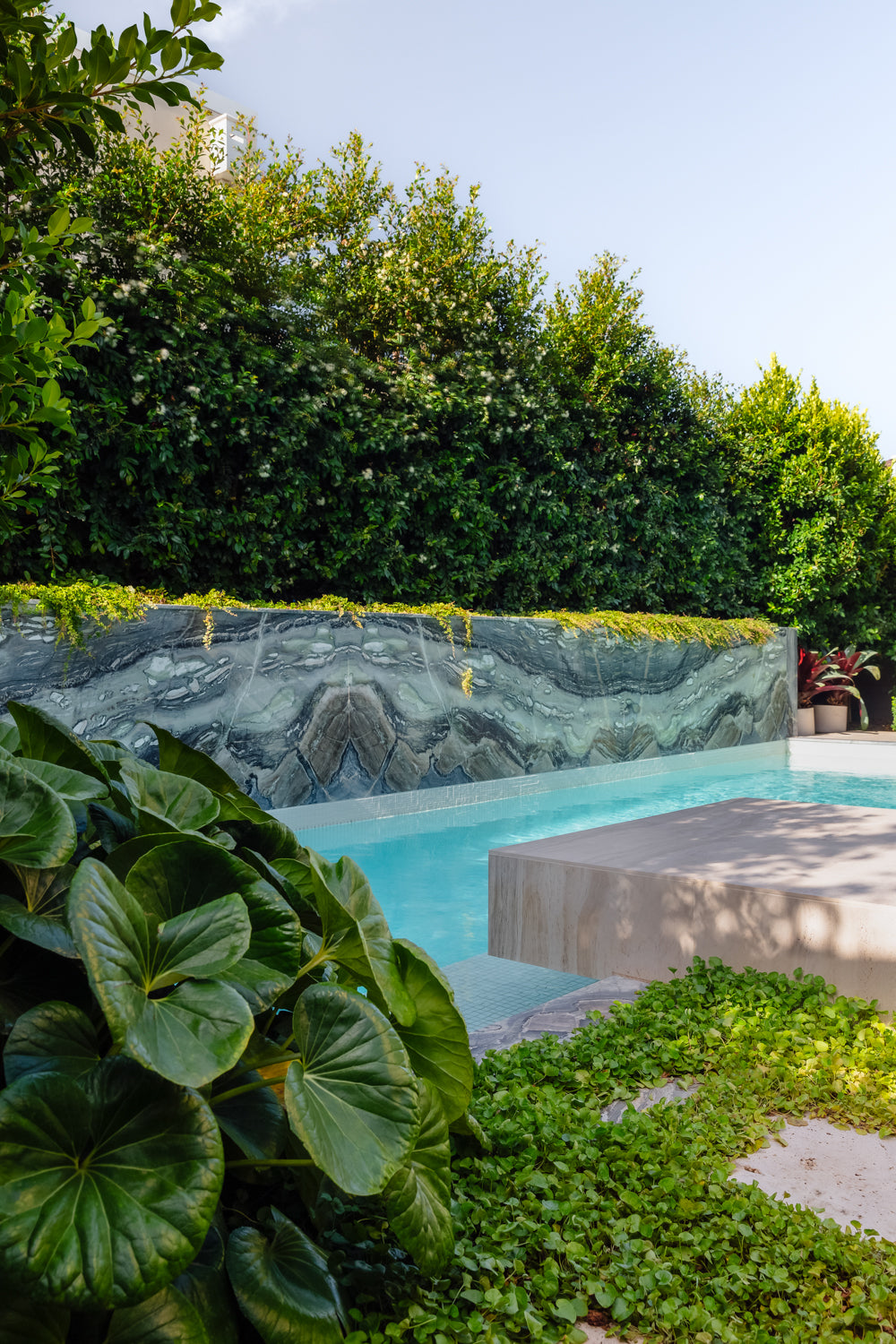
Prunus lusitanica, commonly known as Portuguese Laurel, is a top-tier evergreen hedging shrub prized for its dense, glossy dark green foliage and excellent frost tolerance. It’s a versatile, hardy choice perfect for creating formal privacy screens, structured hedges, and low-maintenance landscapes in both cool and warm climates.
With a naturally upright and compact habit, accented by red stems, Portuguese Laurel delivers a clean, structured look whether clipped sharply or left to grow more naturally. In spring, it produces delicate white flower clusters followed by vibrant red berries that mature to black, adding subtle seasonal interest.
Thriving in full sun to part shade and adaptable to various soils including clay, this shrub is especially valued for its drought tolerance once established and exceptional performance in frost-prone areas — a rare quality for an evergreen hedge.
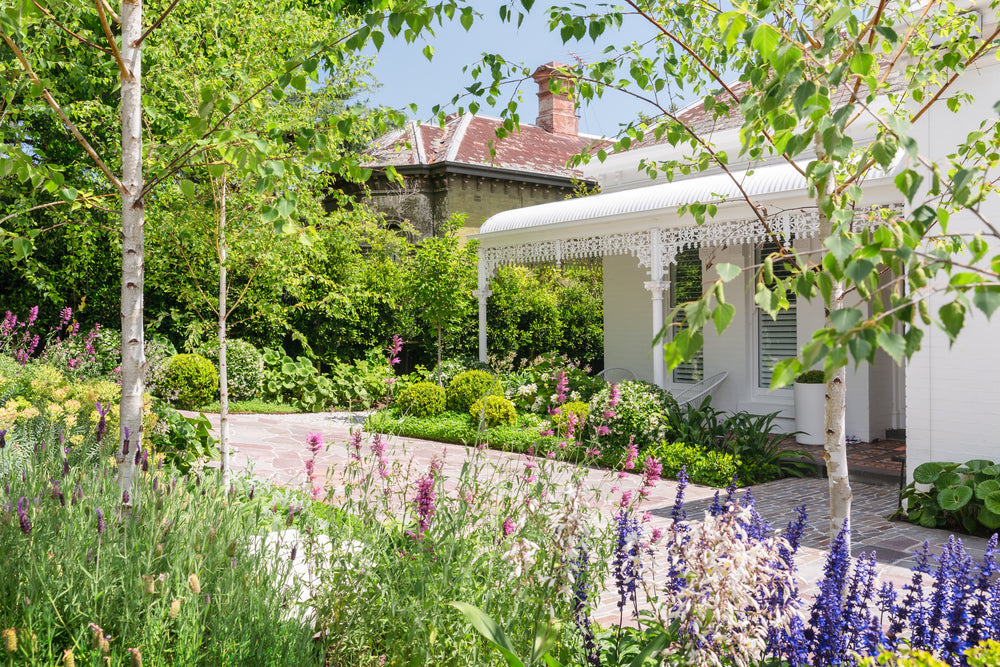
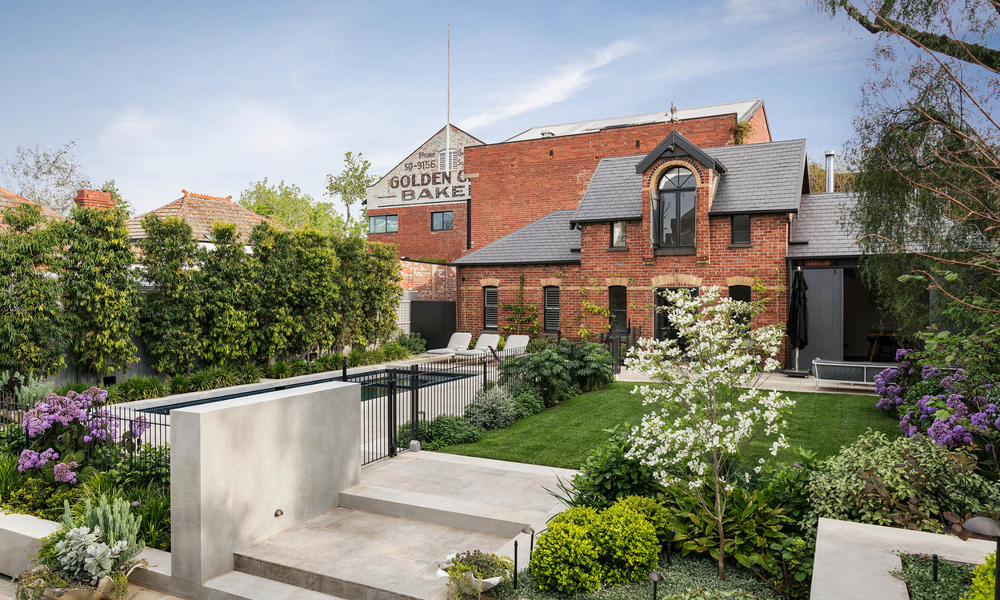
They look excellent when planted in rows for formal hedging or as standalone privacy screens, and pair beautifully with companion plants like shade-tolerant groundcovers or spring-blooming bulbs to create layered garden effects.
Key Information to Know

Evergreen / Deciduous
Prunus lusitanica - Portugese laurel is an Evergreen (foliage year round) Tree

Mature Height & Width
Mature Height: 4m - 8m Approximately (can be larger if unpruned, or kept smaller as a hedge)
Mature Width: 2 – 3 meters
Prunus lusitanica - Portugese laurel is expected to grow Approx. 30 – 50 cm/year (Moderate).

Frost Tolerance
Is Prunus lusitanica - Portugese laurel frost tolerant?
Prunus lusitanica - Portugese laurel is Frost Hardy – Survives heavy and frequent frost without damage.

Flowering Information
Prunus lusitanica produces elegant, upright racemes of small, fragrant white flowers in late spring to early summer. These lightly perfumed blooms stand out against the glossy deep green foliage and are followed by small red berries that mature to black, adding a subtle seasonal highlight.

Native Information
Is Prunus lusitanica - Portugese laurel an Australian Native? No
Prunus lusitanica - Portugese laurel is Native to South-western Europe and North Africa, particularly Portugal, Spain, and Morocco, where it grows naturally in woodlands and mountain slopes.

Wildlife Value
Its fragrant flowers attract bees and a variety of pollinating insects, while the berries provide food for birds through summer and autumn. The dense evergreen canopy offers excellent shelter, protection and nesting habitat for small birds, making it highly valuable in screening, hedging and wildlife-friendly gardens.

Sunlight Information
Prunus lusitanica - Portugese laurel will thrive best in:

Preffered Soil
Prunus lusitanica performs best in well-drained loam or sandy loam soils and tolerates slightly acidic to slightly alkaline conditions. It adapts well to a range of soil types but may struggle in heavy, waterlogged clay unless improved with organic matter and coarse material to enhance drainage. Keep soil evenly moist during establishment, then shift to deep, occasional watering as the plant matures to support drought resilience, dense canopy development and long-term hedging performance.
Botanical Information

Botanical Information
Botanical Information
Common Name: Portuguese Laurel
Genus: Prunus
Botanical Species: lusitanica
Family: Rosaceae
Botanical Name: Prunus lusitanica
Landscape Uses
Landscape Uses
Prunus lusitanica - Portugese laurel works in an:
Planting, Spacing & Care
Planting, Spacing & Care
-
-
-
-
Prunus lusitanica - Portugese laurel is expected to grow Approx. 30 – 50 cm/year (Moderate).
Root Ball Dimensions (Width × Depth) For Planting
Root Ball Dimensions (Width × Depth) For Planting
Use this as a reference when digging your planting hole. We recommend digging at least 10% wider than the dimensions below to encourage strong root development.
- 30cm Pot: 33cm (W) × 30cm (D)
- 40cm/45L Pot: 44cm (W) × 41.5cm (D)
- 50cm Pot / 70L Pot: 55cm (W) × 41.8cm (D)
- 100L Bag: 50.6cm (W) × 52.8cm (D)
- 150L Bag: 66cm (W) × 55cm (D)
- 200L Bag: 71.5cm (W) × 60.5cm (D)
- 300L Bag: 88cm (W) × 63.8cm (D)
- 400L Bag: 99cm (W) × 66cm (D)
- 500L Bag: 122cm (W) × 66cm (D)
- 750L Bag: 134cm (W) × 69cm (D)
- 1000L Bag: 146.3cm (W) × 71.5cm (D)
- 2000L Bag: 176cm (W) × 82.5cm (D)
Ideal Conditions
Ideal Conditions
Thrives in
Frost Tolerance
Frost Hardy – Survives heavy and frequent frost without damage.
Drought Tolerance
As a young plant it requires regular watering, but once established Portuguese Laurel develops good drought tolerance. Hardy, reliable and adaptable, it performs strongly in warm, dry, coastal and urban conditions and maintains dense evergreen foliage with deep, occasional watering during extended dry spells.
Flowering Information
Flowering Information
Does Prunus lusitanica - Portugese laurel flower?
Flowering Period:
Flower Type:
Flower Colour:
White
Prunus lusitanica produces elegant, upright racemes of small, fragrant white flowers in late spring to early summer. These lightly perfumed blooms stand out against the glossy deep green foliage and are followed by small red berries that mature to black, adding a subtle seasonal highlight.
Frequently Asked Questions
Frequently Asked Questions

We have been featured in